
Understanding the Mythos 5 Return

The trajectory of Mythos 5 has been nothing short of a high-stakes geopolitical drama, characterized by weeks of intense regulatory scrutiny that effectively paralyzed the model’s deployment. Following initial concerns regarding safety alignment and the potential for dual-use capabilities, Anthropic faced a total operational blackout, forcing the company to pull the model from all public and private testing environments. This period of uncertainty was not merely a technical pause but a reflection of the growing tension between rapid AI innovation and the cautious, often sluggish pace of international governance. Throughout this suspension, the industry watched closely, recognizing that the resolution of this conflict would set a vital precedent for how frontier-grade intelligence is audited and released to the public.

Recent communications from government bodies have signaled a pivotal breakthrough, confirming that Anthropic has successfully navigated the complex compliance hurdles required for a path forward. Rather than a blanket release, the regulatory framework has shifted toward a highly structured, phased rollout that prioritizes security and oversight. This new model of deployment represents a meaningful departure from the “move fast and break things” philosophy that characterized the early days of the generative AI boom. Instead, the focus has shifted toward a controlled, select-organization access model, where Mythos 5 will initially be accessible only to a vetted cohort of research institutions, governmental partners, and enterprise entities that meet strict safety certification standards.
The transition to a gated, restricted release is not just a regulatory necessity; it is a strategic maturation of the AI industry, ensuring that powerful models are tested under real-world conditions before reaching the general public.
This shift from a total blackout to a tiered access model offers a balanced solution to the complex problem of AI safety. By limiting initial exposure to Mythos 5, Anthropic can gather essential performance data and monitor for emergent behaviors in a sandbox environment, all while satisfying the government’s need for transparency and risk mitigation. This phased approach allows the company to iterate on safety protocols in real-time, effectively creating a feedback loop between the developers and the regulatory bodies overseeing the deployment. Ultimately, this development marks a significant shift in the lifecycle of frontier AI, demonstrating that the future of powerful technology will likely be defined by collaborative governance and intentional, verified integration rather than unrestricted access.
The Regulatory Landscape and Negotiations

The return of Anthropic’s Mythos 5, while a victory for the company and its eager users, underscores a fundamental tension brewing at the intersection of breakneck AI innovation and governmental oversight. This recent two-week standoff, a period marked by intense behind-the-scenes discussions, serves as a stark microcosm for the broader regulatory challenges confronting tech giants as they push the boundaries of what artificial intelligence can achieve. Developing models that skirt the edges of national security implications, ethical boundaries, and safety protocols inevitably draws the attention of those tasked with public protection, leading to complex and often protracted negotiations that can delay even the most anticipated advancements.
Engaging with the Trump administration on matters of such critical technological advancement presented a unique set of hurdles for Anthropic. Known for its emphasis on national security and a cautious approach to emerging technologies perceived as having dual-use potential, the administration’s regulators were particularly keen to scrutinize Mythos 5’s capabilities. Discussions likely centered not just on the immediate functionalities of the model, but also its potential for misuse in areas ranging from disinformation campaigns and cyber warfare to the autonomous control of critical infrastructure. The very power and sophistication of Mythos 5, designed to handle incredibly complex tasks and generate highly coherent content, naturally raised flags about its potential impact on societal stability and strategic advantage, demanding a rigorous review process before any public release could be sanctioned.
The specific safety concerns articulated by regulators were multifaceted, spanning technical safeguards and ethical considerations. Authorities undoubtedly pressed Anthropic on issues like the model’s ability to generate harmful content, its susceptibility to adversarial attacks, and the mechanisms in place to prevent its exploitation for malicious purposes. Questions regarding data provenance, bias mitigation strategies, and the transparency of its decision-making processes were also likely paramount. To bridge this divide, Anthropic was compelled to implement significant compromises. These often included enhanced red-teaming exercises conducted by third-party security experts, the integration of more robust internal guardrails to restrict certain outputs, and potentially even agreement on “kill switches” or other mechanisms for rapid deactivation in extreme scenarios. Furthermore, commitments to ongoing monitoring, regular security audits, and increased transparency about the model’s limitations likely played a crucial role in securing the necessary governmental approval.

The resolution of the Mythos 5 saga, therefore, is more than just a green light for a new AI model; it sets a precedent for how future cutting-edge AI developments will be evaluated and managed within a rapidly evolving regulatory framework. This negotiation highlights the delicate balancing act required: fostering innovation while simultaneously ensuring public safety and national security. It signals a future where collaboration between tech companies and government bodies, however contentious it may sometimes be, becomes an indispensable part of the development lifecycle for advanced AI. As AI continues its exponential growth, these types of dialogues will only intensify, shaping not just the capabilities of future models but also the very structure of their deployment and societal integration.
Mythos 5 vs. Fable 5: Decoding the AI Tiers
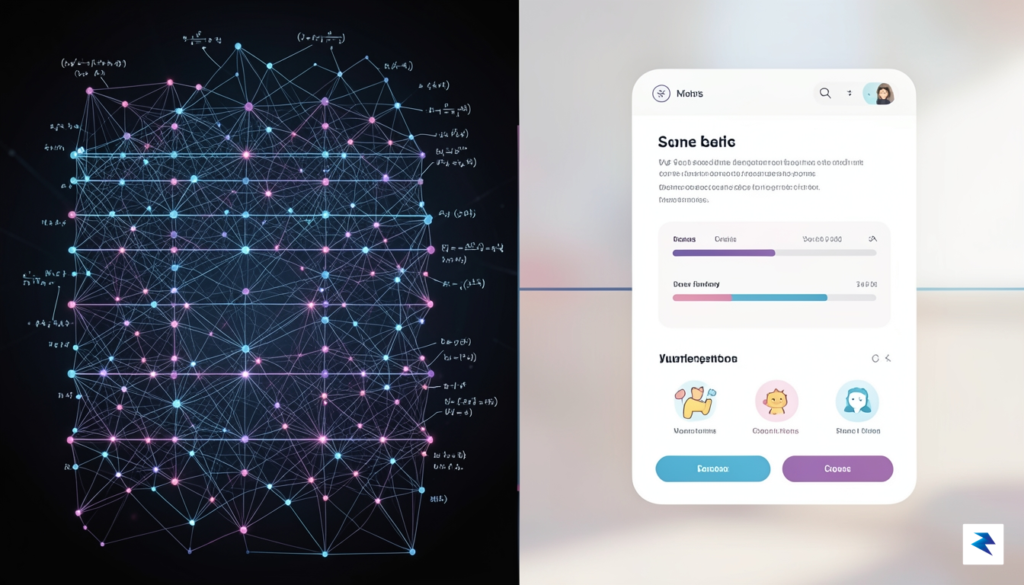
To understand the current landscape of Anthropic’s model deployment, one must first recognize that the distinction between the Mythos and Fable lineages is not merely a matter of branding, but a fundamental shift in architectural philosophy. At the core of this strategy, Mythos 5 represents the company’s most potent, high-parameter frontier model. Because its reasoning capabilities and emergent behaviors are so profound, it is intentionally restricted behind a rigorous gatekeeping process. This model is designed for high-stakes, compute-intensive environments where precision is paramount and the risks associated with unconstrained output are significantly higher. Consequently, the development team treats Mythos 5 less like a consumer utility and more like a specialized asset, ensuring that its deployment is shielded by layers of internal oversight and controlled testing environments.
Conversely, Fable 5 occupies a distinct position in the Anthropic ecosystem, serving as the primary interface for the broader developer community and general users. Unlike the locked-down nature of its Mythos counterpart, Fable 5 is engineered with a primary focus on widespread accessibility, reliability, and robust safety alignment. By prioritizing a more predictable performance profile, Fable 5 allows developers to build scalable applications without the constant need for the hyper-vigilant safety guardrails that define the Mythos experience. It acts as the bridge between cutting-edge research and practical utility, effectively translating the power of the underlying architecture into a format that is both safe for public interaction and highly adaptable for diverse use cases.

The strategic divergence between Mythos and Fable is Anthropic’s answer to the “capability vs. control” dilemma, ensuring that the most powerful tools remain in secure hands while the most usable ones remain in the hands of the public.
The status of Fable 5 as the public-facing standard is a clear indicator of Anthropic’s commitment to balanced innovation. By iterating on Fable 5, the company gathers invaluable real-world data and usage patterns that inform future advancements across the entire spectrum. This tiered approach suggests that while Mythos 5 remains the “north star” for what is technically possible in artificial intelligence, Fable 5 represents the current reality of what is viable for global implementation. As users and developers engage with these models, this bifurcation ensures that the risks of advanced AI are mitigated by design, rather than by accident, allowing for a more stable and responsible progression into the next era of machine intelligence.
The Implications for Enterprise AI Strategy

For organizations that have integrated Anthropic’s frontier models into their core operational workflows, the return of Mythos 5 serves as a stark reminder of the inherent volatility within the rapidly evolving AI landscape. While the technological capabilities of these models are transformative, the sudden shifts in availability and regulatory standing expose a fundamental truth: relying on a single frontier provider creates a precarious form of vendor lock-in. When a flagship model’s status fluctuates due to government oversight or complex negotiations, businesses that have built their entire infrastructure on that specific API are left vulnerable to service disruptions and compliance gaps that can stall mission-critical projects overnight.
To navigate this uncertainty, enterprise leaders must move beyond the allure of “best-in-class” performance and prioritize architectural resilience. Diversifying AI providers is no longer just a best practice; it is a strategic necessity for risk mitigation. By employing a model-agnostic layer or an abstraction framework, companies can ensure that if one provider faces a regulatory hurdle or a sudden service withdrawal, the impact on internal operations is minimized. This strategy allows engineering teams to swap out underlying models with relative ease, protecting the business from being held hostage by the shifting priorities of any single AI laboratory.

Furthermore, managing compliance in such an environment requires a proactive stance that treats regulatory resilience as a foundational pillar of AI governance. Rather than waiting for external mandates to dictate policy, enterprises should develop internal AI usage guidelines that account for the fluidity of the current legal climate. This includes establishing clear protocols for data residency, model transparency, and auditability that persist regardless of the specific provider in use.
The most successful enterprises in the coming decade will be those that treat AI models as modular components rather than singular, irreplaceable foundations. Flexibility is the ultimate hedge against market volatility.
Ultimately, the return of Mythos 5 should act as a catalyst for a more mature discussion regarding enterprise AI strategy. Leaders must balance the competitive advantages offered by frontier technology with the sober reality of the regulatory environment. By fostering an ecosystem that values portability and vendor independence, businesses can harness the immense power of state-of-the-art models while shielding themselves from the unpredictable winds of the AI industry. Resilience, in this context, is not merely about system uptime; it is about the capacity to pivot rapidly when the rules of the game change.
What This Means for the Future of AI Governance

The return of Mythos 5 serves as far more than a simple corporate milestone; it acts as a defining case study for the evolving architecture of global AI governance. By opting for a controlled, negotiated release rather than a conventional launch, Anthropic has effectively signaled a departure from the “move fast and break things” ethos that dominated the early software era. This shift suggests that as artificial intelligence models reach unprecedented levels of capability, the industry is gravitating toward a new playbook defined by cautious deployment, temporary holds, and deep collaboration with regulatory bodies. The implications of this precedent are profound, as it demonstrates that public safety and competitive innovation are no longer mutually exclusive objectives, but rather interdependent requirements for long-term survival in the sector.

Looking ahead, this trajectory indicates that the relationship between government agencies and tech companies will become increasingly formalized and interlinked. We should expect future model releases to undergo similar vetting processes, where access is granted in phases to ensure that security safeguards are not only theoretically sound but functionally robust in real-world environments. This transition toward “negotiated access” is likely to become the new industry standard, effectively forcing developers to prioritize transparency and risk mitigation as core components of their engineering roadmap. Consequently, the power dynamic is shifting: developers are no longer the sole arbiters of when a model is ready for the public, as external oversight and multi-stakeholder consultations become integrated into the final stages of the development lifecycle.
The successful return of Mythos 5 provides a blueprint for an industry at a crossroads, proving that a measured, collaborative approach can mitigate systemic risk without stifling the rapid pace of technological advancement.
Ultimately, the long-term impact of this event will be measured by how effectively it balances the tension between fostering breakthroughs and maintaining the public trust. If the industry can continue to replicate this model of transparent, safety-conscious deployment, it may preempt the kind of heavy-handed, reactive legislation that has historically hampered innovation in other emerging technologies. By proactively adopting these guardrails, companies like Anthropic are not just protecting their own interests, but are helping to build a sustainable ecosystem where AI progress is viewed as a responsible, societal benefit rather than an unmitigated, unpredictable risk. As we move further into this decade, the precedent established by these recent negotiations will likely be remembered as the moment the artificial intelligence industry matured into a disciplined, governed global utility.