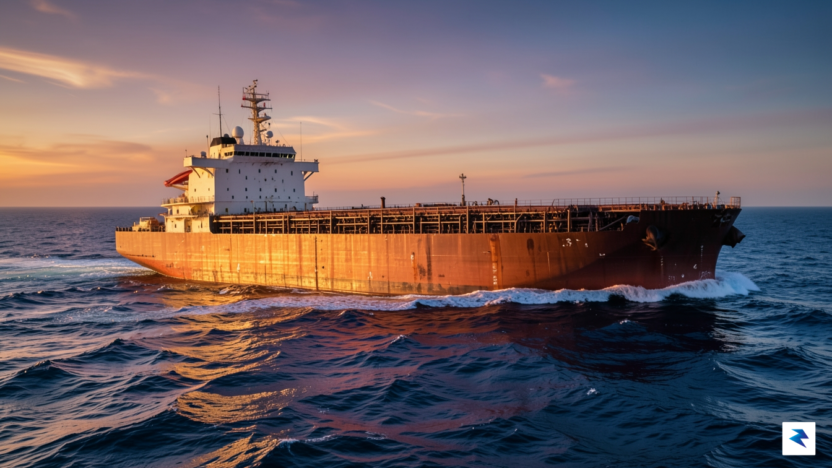
The Strategic Pulse of the Strait of Hormuz
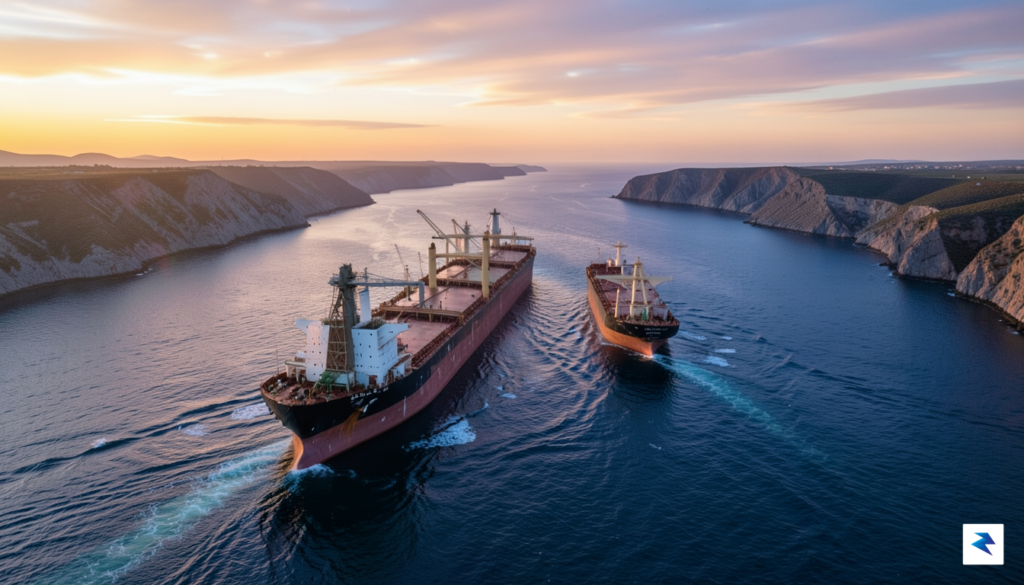
The Strait of Hormuz is not merely a narrow waterway; it is the global economy’s most vital artery. Serving as the primary maritime gateway for the Persian Gulf, this 21-mile-wide passage facilitates the daily transit of approximately 20 to 21 million barrels of petroleum and liquid natural gas. Because this volume accounts for nearly one-third of the world’s total seaborne-traded oil, any disruption in traffic patterns sends immediate shockwaves through global energy markets. When the pulse of this Strait quickens or falters, the effects are felt instantly at gas pumps and manufacturing hubs from Tokyo to Berlin, underscoring the delicate balance between international supply chains and regional stability.
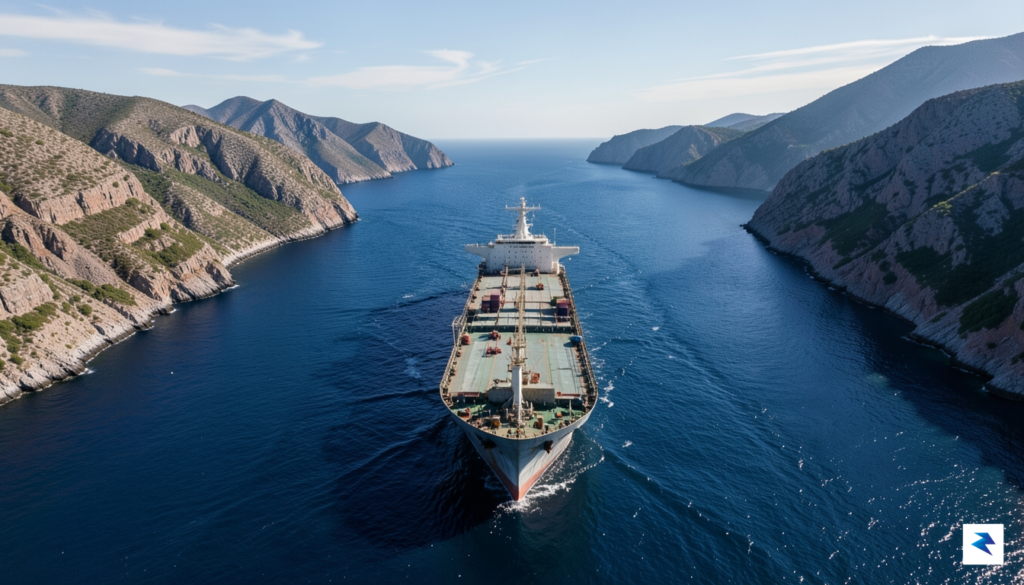
Recent data indicates a noticeable uptick in transit volume, signaling a cautious return to normalcy after a period of prolonged uncertainty. For months, logistical bottlenecks and heightened security concerns had caused a backlog of vessels, effectively idling a significant portion of the global energy fleet. However, the recent resumption of consistent movement suggests that commercial necessity is temporarily overcoming the pervasive climate of geopolitical friction. As these tankers navigate the chokepoint once more, they are not just moving fuel; they are restoring a semblance of predictability to a market that relies heavily on the steady flow of resources. This renewed activity serves as a testament to the resilience of global trade, even in environments defined by high-stakes diplomatic tension.
The resilience of global energy markets is tethered to the Strait of Hormuz, where the movement of every vessel is a barometer for the health of the international economy.
This cyclical nature of maritime bottlenecks is a defining characteristic of modern global trade. Throughout history, the Strait has experienced alternating phases of frantic throughput and sudden, stifling stagnation, often triggered by shifting alliances, regional conflicts, or assertive naval posturing. These fluctuations are rarely coincidental; they are the result of a complex interplay between immediate economic demand and the strategic posturing of surrounding nations. Understanding these patterns is essential for stakeholders, as the “strategic pulse” of the Strait rarely stays steady for long. By monitoring these shifts, observers can better anticipate potential disruptions before they cascade into broader economic instability, highlighting why the Strait remains the most scrutinized maritime corridor on the planet.
Geopolitical Volatility and Global Supply Chain Resilience

The ebb and flow of tanker traffic through the Strait of Hormuz serves as a persistent barometer for regional security, illustrating that maritime logistics are inextricably linked to the volatile dance of international diplomacy. When tensions flare between Tehran and Washington, the impact is felt almost instantaneously within the maritime insurance industry. Underwriters, tasked with calculating the probability of asset seizure or collateral damage, often respond to military posturing by sharply increasing “war risk” premiums. These sudden financial levies act as a tax on global energy security, forcing shipping conglomerates to weigh the exorbitant costs of secure passage against the potential for catastrophic loss.
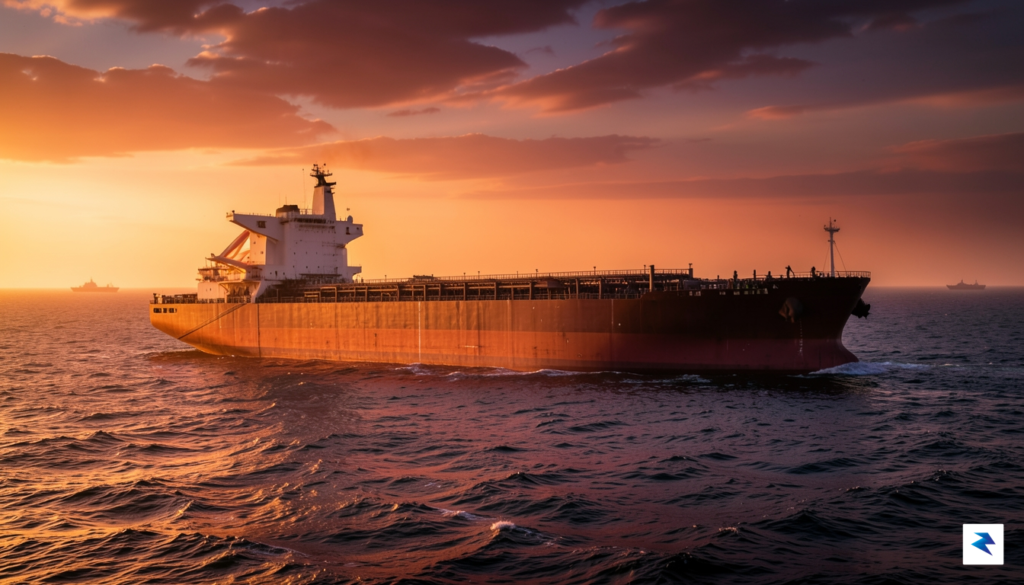
For shipping companies, these geopolitical shifts necessitate a complex, real-time recalibration of global supply chains that were once defined by the efficiency of “just-in-time” delivery models. When the risk profile of the Strait spikes, operators are frequently forced to reroute vessels around the Cape of Good Hope or adopt slower, more cautious transit speeds, both of which introduce significant delays. These detours are far more than mere inconveniences; they represent a fundamental departure from the lean, predictable transit schedules that modern consumers have come to expect. As transit times stretch by days or even weeks, the ripple effects move outward, causing fuel costs to climb and tightening the availability of vessels, which ultimately inflates the landed price of goods for end-users.
The fragility of our modern global supply chain is most visible at these narrow maritime chokepoints, where a single localized conflict can trigger inflationary pressures on the other side of the planet.
Ultimately, the resilience of the global economy is being tested by this persistent instability. The unpredictability inherent in regional maritime confrontations compels logistics planners to move away from rigid, low-inventory strategies toward more robust, redundant supply networks. Companies are increasingly forced to maintain higher buffer stocks and diversify their carrier routes to avoid total reliance on a single, high-risk corridor. By prioritizing long-term stability over short-term efficiency, the shipping industry is slowly acknowledging a new reality: in an era of heightened geopolitical friction, the true cost of doing business must account for the persistent possibility of disruption in the world’s most vital waterways.
Analyzing the Impact of Recent Maritime Tensions
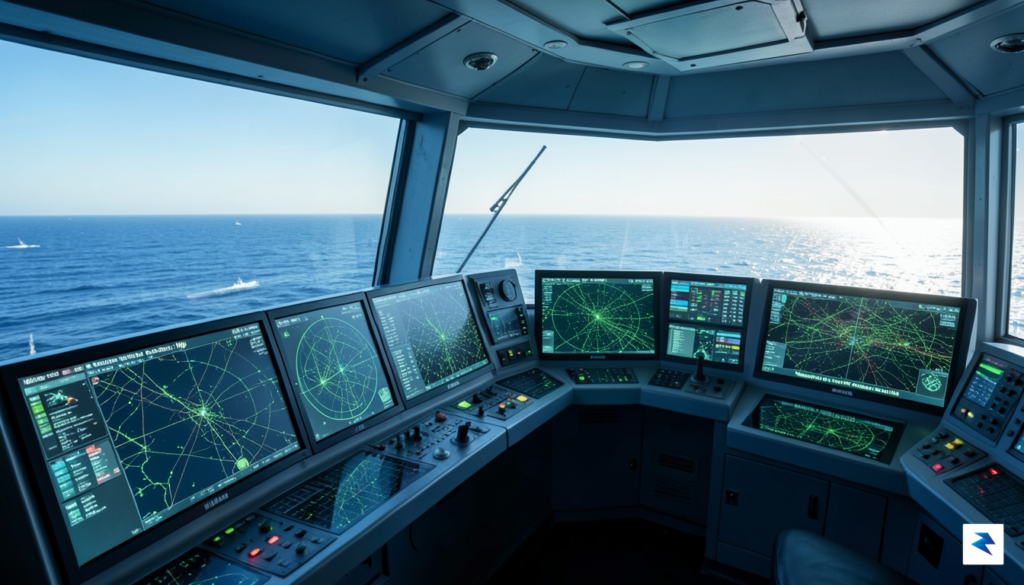
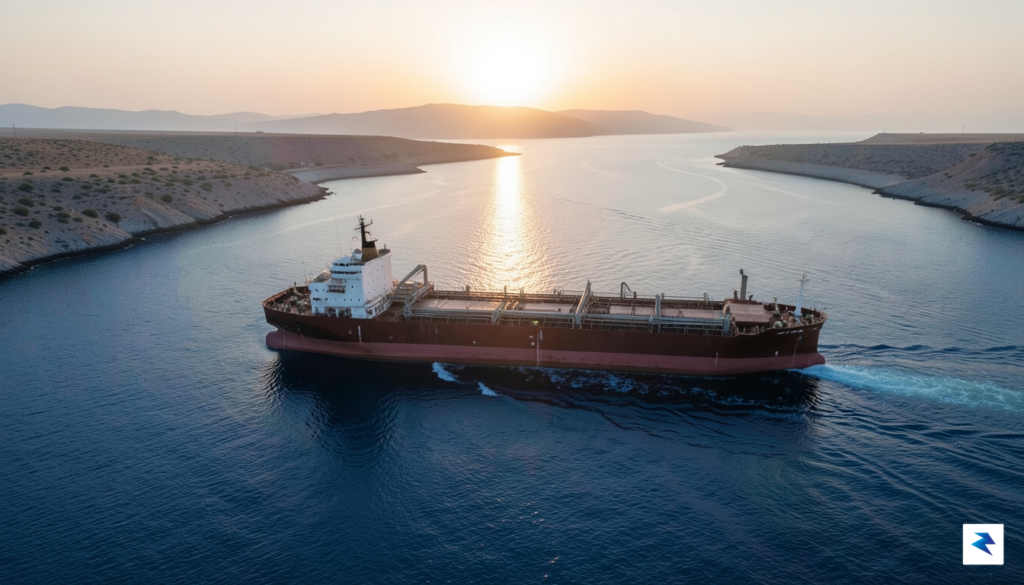
When news of regional skirmishes ripples through the Strait of Hormuz, the immediate reaction from the maritime community is rarely one of panic, but rather a calculated, systematic retreat. During the most recent weekend of heightened tensions, the sudden pause in transit activity acted as a clear barometer for the industry’s collective anxiety. This tactical withdrawal—where captains and fleet managers chose to anchor in neutral waters or divert routes entirely—signifies far more than mere operational caution. It represents a profound erosion of confidence in the short-term stability of the region, revealing that commercial operators are increasingly unwilling to gamble with crew safety or multi-million dollar assets in an environment characterized by unpredictable aggression.
The decision-making process during these high-stakes windows is agonizingly complex. Vessel operators must weigh the crushing financial penalties of delayed deliveries and broken contracts against the existential risk of seizure or collateral damage. When an incident occurs, the immediate response is a cascade of risk assessments; insurance premiums spike, security protocols are elevated to their highest levels, and corporate boardrooms face intense pressure to justify keeping ships in harm’s way. For many, the “wait and see” approach becomes the only viable strategy, as it provides a buffer to monitor real-time intelligence while avoiding the potential catastrophe of being caught in an escalating conflict zone.
The true cost of instability in the Strait of Hormuz isn’t just found in fuel consumption or diverted routes; it is hidden in the psychological toll on crews and the long-term erosion of predictability that global trade relies upon.
This recent weekend pull-back serves as a quintessential case study in how rapidly market sentiment can shift within the world’s most critical maritime chokepoint. While the physical transit of goods can resume once the immediate threat subsides, the psychological residue remains long after the ships begin moving again. Operators are now tasked with navigating a “new normal” where the threat of disruption is no longer a tail-risk event, but a persistent variable in their logistical modeling. Consequently, the brief lull in traffic is not just a reaction to a specific weekend’s news, but a structural adjustment reflecting a world where maritime safety is increasingly hostage to geopolitical volatility.
The Economic Ripple Effect on Global Energy Prices
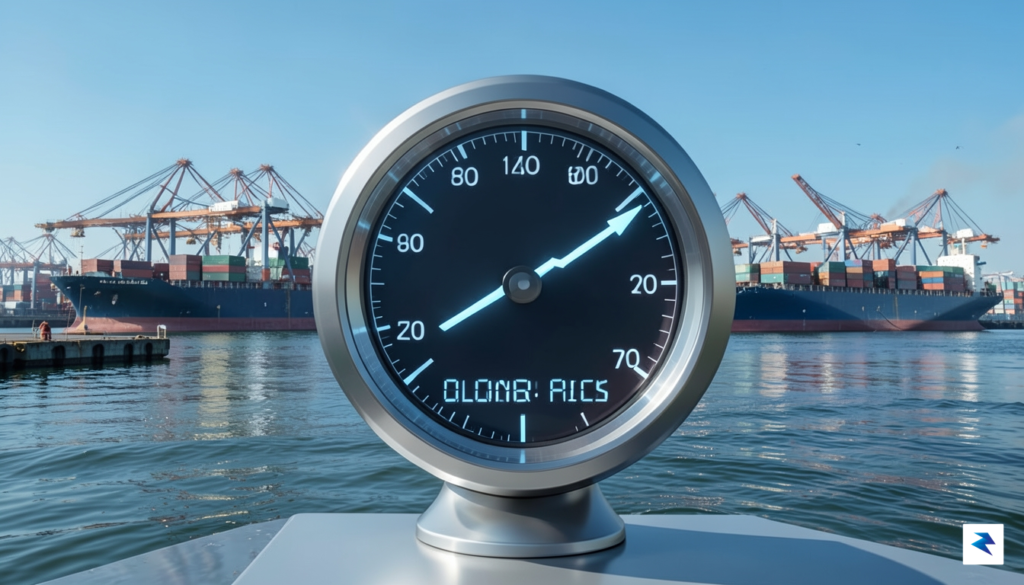
The Strait of Hormuz serves as the world’s most critical maritime chokepoint, acting as a narrow artery through which approximately one-fifth of the globe’s total oil consumption flows daily. When shipping activity through this corridor experiences even minor fluctuations or perceived threats, the impact is felt almost instantaneously in global energy markets. Because oil is a foundational commodity that underpins nearly every aspect of the modern industrial economy, any volatility in this region quickly manifests as a “geopolitical risk premium.” This premium is essentially an added cost that traders and investors bake into the price of crude oil to account for the potential of a supply chain breakdown, effectively taxing the global economy before a single drop of oil has even been delayed.
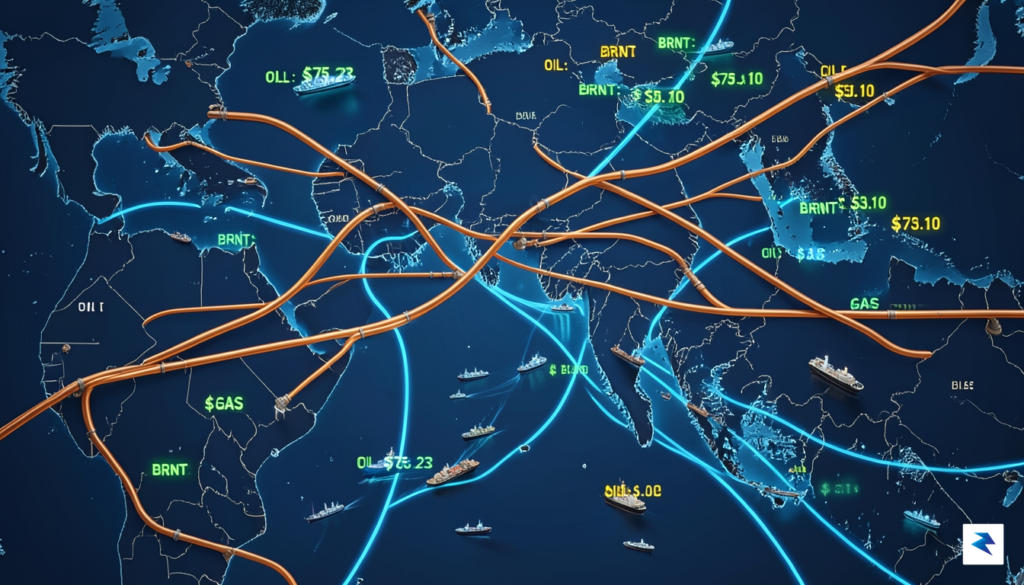
For the average consumer and large-scale industrial players alike, the consequences of this market sensitivity are profound and multifaceted. When the price of crude oil rises due to tensions in the Strait, the cost of refined products—most notably gasoline, diesel, and jet fuel—tends to follow suit with alarming speed. For industries such as logistics, manufacturing, and commercial aviation, these energy inputs represent a significant portion of their operational overhead. Consequently, when transportation and production costs surge, businesses are often forced to pass these expenses onto the end-user, leading to inflationary pressure on everything from consumer goods and groceries to the cost of travel and electricity. This chain reaction demonstrates that what begins as a maritime traffic update in the Persian Gulf is, in reality, a primary driver of household budget volatility halfway across the world.
The integration of energy markets means that regional maritime security is no longer an isolated concern; it is a fundamental pillar of global economic stability that dictates the purchasing power of consumers in every hemisphere.
Looking ahead, the market’s reaction to shipping volumes in the Strait will likely remain a key indicator of economic health for the coming months. If traffic remains consistent and secure, markets tend to stabilize, allowing businesses to plan and invest with a higher degree of certainty. However, even the threat of disruption creates a climate of caution that can stifle growth. Policymakers and industry leaders remain hyper-vigilant regarding these shipping routes, knowing that a sustained increase in crude pricing can dampen economic recovery efforts and complicate central bank strategies regarding interest rates and inflation control. Ultimately, the stability of the Strait of Hormuz is not just about the movement of tankers; it is about maintaining the fragile equilibrium that keeps the global economy functioning smoothly.
Navigating Future Uncertainty: Risk Management for Logistics

The persistent volatility surrounding the Strait of Hormuz has transformed from a periodic concern into a permanent fixture of global supply chain planning. For logistics managers and stakeholders, the traditional “just-in-time” approach is increasingly being replaced by a “just-in-case” philosophy that prioritizes resilience over mere cost-efficiency. To survive in this environment, companies must transition away from reactive decision-making and embrace a proactive stance that integrates sophisticated intelligence gathering directly into their operational workflows. By monitoring geopolitical developments, maritime traffic patterns, and insurance premium fluctuations in real-time, businesses can anticipate potential disruptions before they manifest as critical bottlenecks at the port or sea lane.

One of the most effective strategies for mitigating these risks involves aggressive supply chain diversification. Relying on a single maritime route for critical energy or material shipments is no longer a viable long-term strategy given the current climate of unpredictability. Organizations are increasingly exploring multi-modal transportation options, such as shifting time-sensitive cargo to air freight or utilizing overland pipelines and rail networks that bypass the most contentious maritime zones. While these alternatives often come with higher upfront costs, they provide an essential insurance policy against the catastrophic losses associated with total supply chain paralysis. Furthermore, maintaining strategic inventory buffers in geographically dispersed warehouses allows companies to decouple their production schedules from the immediate chaos of shipping lanes.
“True supply chain resilience is built on the willingness to pay a premium for agility today to avoid the astronomical cost of total stagnation tomorrow.”
Integrating Technology for Enhanced Visibility
Beyond physical diversification, the role of advanced technology cannot be overstated. Modern logistics firms are leveraging artificial intelligence and machine learning to synthesize vast amounts of maritime data, providing them with a clear picture of vessel movements and potential security threats. Real-time tracking capabilities now extend beyond simple GPS coordinates; they include predictive analytics that forecast transit delays based on historical data and current regional tensions. By investing in these digital tools, stakeholders can gain a significant lead time, allowing them to reroute shipments or adjust schedules before a vessel even enters a high-risk zone. Ultimately, the ability to synthesize intelligence into actionable insights is what separates companies that thrive through periods of instability from those that remain vulnerable to the fluctuations of the Strait of Hormuz.