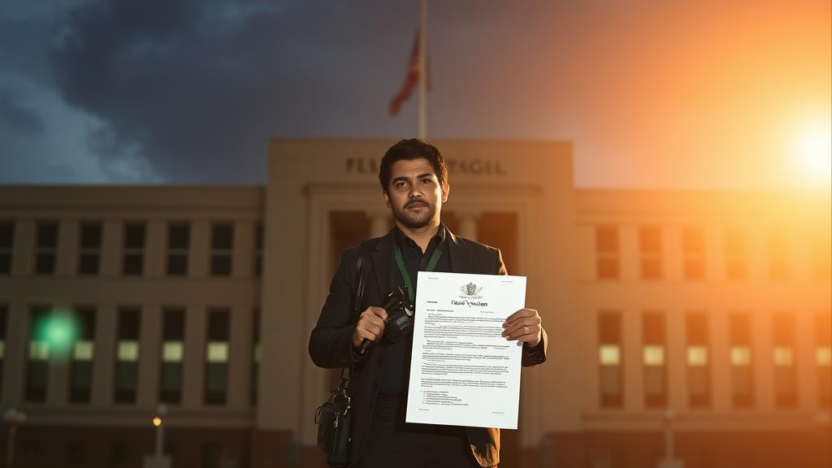
The Pentagon's New Escort Mandate: A Legal Challenge
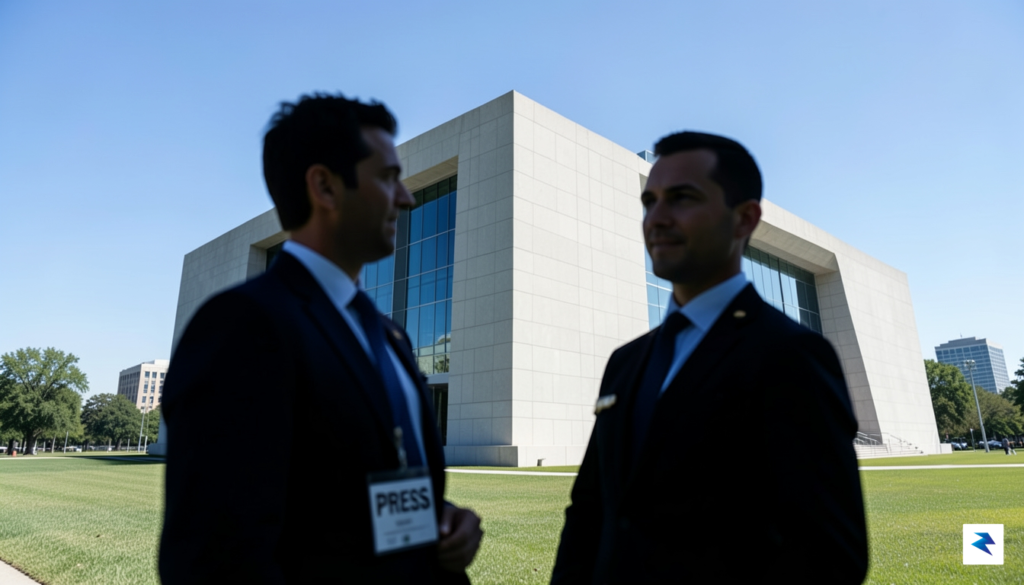
The Pentagon’s recent attempt to tighten its grip on media movement within the halls of the Department of Defense has met a formidable legal roadblock. For decades, the Pentagon has operated under a policy that generally afforded credentialed journalists a level of independence, allowing them to navigate public areas of the building to conduct interviews and gather information. However, the introduction of a new mandate requiring reporters to be accompanied by a public affairs officer or an authorized escort at all times sparked immediate backlash. Critics argued that this shift transformed the Pentagon from an institution accessible to the press into a restricted zone where every interaction was subject to oversight, effectively limiting the ability of journalists to engage in spontaneous reporting or speak with sources without government supervision.

In response to these restrictive measures, a coalition of major media organizations, led by The New York Times, took the issue to the federal courts. The lawsuit contended that such a policy was not merely a matter of administrative convenience but an unconstitutional infringement on the First Amendment rights of the press. By requiring an escort for every movement, the Pentagon was essentially creating a bottleneck that could be used to steer coverage, discourage whistleblowers from coming forward, and ultimately curate the narrative emanating from one of the most powerful government buildings in the world. The legal challenge emphasized that the “chilling effect” of this policy would fundamentally undermine the public’s right to know how national security decisions are made.
The core of the legal dispute rests on the principle that the press serves as a vital watchdog, and any policy that prevents journalists from operating freely within a public-facing government institution threatens the transparency necessary for a functioning democracy.
Press freedom advocates have long viewed these types of escort mandates as a dangerous precedent, fearing that institutional security protocols are being weaponized to exert control over the information cycle. While the Pentagon maintains that such rules are necessary to safeguard classified materials and protect personnel, media outlets argue that these security concerns were already adequately addressed by existing badge requirements and restricted-access zones. The federal judge’s recent injunction serves as a critical check on executive branch overreach, temporarily halting the enforcement of the policy until the case can be fully litigated. This development marks a significant turning point in the ongoing tug-of-war between institutional security and the essential, often uncomfortable, role of investigative journalism in a free society.
Understanding the Press Access Controversy
For decades, the Pentagon press corps operated under a culture of relative autonomy, characterized by a “beat” reporting model that allowed journalists to roam the hallways of the Department of Defense with significant freedom. This access was not merely a convenience; it was a cornerstone of military accountability, enabling reporters to build trust with personnel and conduct spontaneous interviews that often led to nuanced, on-the-ground insights. By moving freely through the building, correspondents could observe the daily rhythms of the agency, catch officials between meetings, and foster the kind of organic interactions that are essential for deep-dive investigative journalism. This tradition of unescorted access served as a vital check on government power, ensuring that the press could act as an independent set of eyes within the nation’s largest federal bureaucracy.
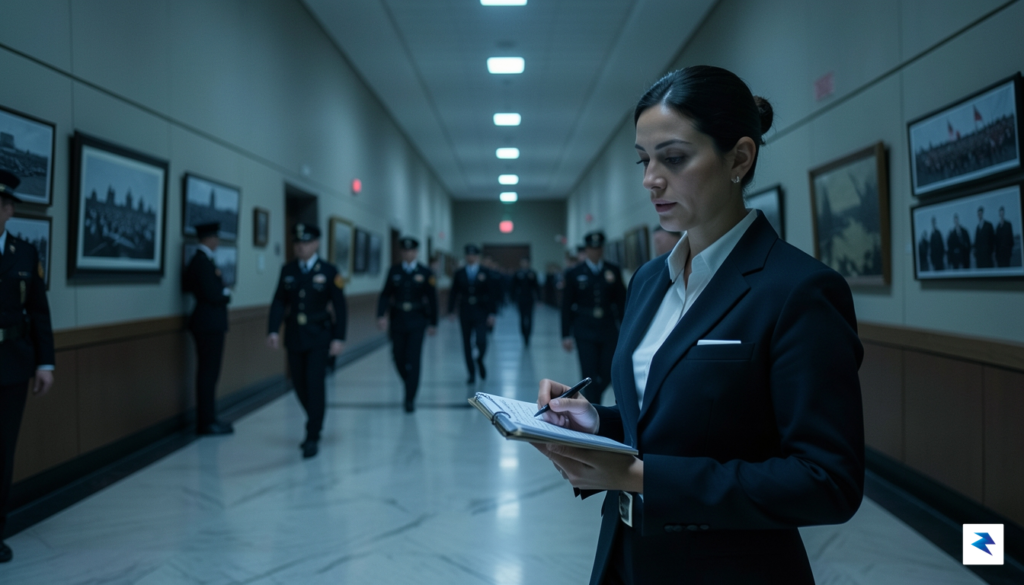
The implementation of the mandatory escort policy fundamentally disrupted this workflow by tethering journalists to public affairs officers for every movement. Under these new mandates, reporters were effectively prohibited from speaking with staff members, moving between offices, or even navigating certain areas of the building without a government minder present. This shift was widely viewed by the press corps as a form of “managed journalism,” where the agency could curate, filter, and oversee the flow of information at every stage. Rather than engaging in the traditional practice of independent observation, reporters were forced into a system where every interaction was subject to potential oversight, creating a chilling effect that discouraged candid conversations and restricted the ability to pursue leads that might exist outside the agency’s preferred narrative.
The move toward a mandatory escort policy represents a departure from the collaborative, transparent relationship historically maintained between the military and the media, transforming an open environment into a monitored one.
While the Pentagon initially justified the mandate as a necessary update to enhance security protocols and protect sensitive information in a changing threat landscape, critics argued that these rationales failed to address the practical reality of daily reporting. For investigative journalists, the policy was perceived as a tactical obstruction designed to stifle accountability rather than improve safety. By requiring a public affairs representative to be present at all times, the agency effectively created a bottleneck that made quick follow-up questions or sensitive inquiries nearly impossible to conduct. This bureaucratic barrier did more than just slow down the news cycle; it fundamentally altered the power dynamic between the government and the press, shifting the Pentagon from a venue of transparent inquiry to one of guarded, controlled dissemination.
The Court’s Rationale: First Amendment Implications

The core of the judicial decision rested on the fundamental principle that the government must meet a rigorous burden of proof when imposing restrictions on the press, especially those that touch upon the gathering of news. In granting the temporary injunction, the court scrutinized the Pentagon’s requirement for mandatory escorts, finding that such a policy could impose an unconstitutional burden on the newsgathering process. By applying the standard of strict scrutiny, the judge questioned whether the government’s stated interest in base security was sufficiently tailored to justify the potential suppression of independent reporting. The court’s logic implies that when security protocols inadvertently silence journalists or limit their ability to move freely, the scale tips heavily in favor of constitutional protections.

Central to the plaintiffs’ argument—and ultimately the court’s concern—was the concept of a “chilling effect” on the press. Legal experts have long argued that even if a policy is not a formal ban on publication, the mere presence of a government minder can discourage sources from speaking openly with reporters. If journalists are required to operate under the watchful eye of the very institution they are investigating, the autonomy of the press is severely compromised. The judge recognized that this environment creates a subtle form of prior restraint, as the threat of an escort monitoring every interaction could deter the flow of information long before a story is ever written. This concern underscores a vital legal precedent: the government cannot use security as a blanket justification to manage or sanitize the narrative of its own operations.
The court’s decision serves as a powerful reminder that the First Amendment does not end at the perimeter of a military facility; rather, the protection of a free press is a structural necessity that must be balanced against, not replaced by, administrative convenience or broad security claims.
This ruling carries significant weight for the future of military-media relations, reinforcing the idea that constitutional rights are not suspended in high-security environments. By blocking the Pentagon’s policy, the court has signaled that the government must provide concrete, empirical evidence of a security threat that necessitates such invasive oversight, rather than relying on generalized safety concerns. This decision effectively narrows the government’s latitude in managing public access to military installations. Moving forward, the ruling serves as a vital safeguard, ensuring that the watchdog role of the press remains intact even when reporters are operating on federal property, ultimately affirming that the public’s right to know is a bedrock requirement of a transparent democracy.
Implications for Independent and Embedded Journalism

The Pentagon’s now-halted escort mandate created a bifurcated reality for the press corps, where the barriers to entry were felt with varying degrees of severity depending on one’s professional affiliation. For large, legacy media organizations with established relationships and administrative support, the requirement was often viewed as a bureaucratic nuisance—an additional hurdle in an already complex clearance process. However, for independent journalists, freelancers, and smaller investigative outlets, the rule functioned as a prohibitive barrier that effectively narrowed the scope of who could hold the Department of Defense accountable. By mandating an official chaperone for every movement within federal buildings, the policy transformed independent reporting from a fundamental right of access into a heavily curated privilege, one that disproportionately sidelined voices operating outside the traditional media establishment.
Beyond the logistical strain, the presence of an “escort” fundamentally alters the psychological and professional dynamic of an interview. When a government handler is physically present during conversations with staff or officials, the interviewees are naturally incentivized to conform to official talking points, fearing the potential repercussions of unauthorized candidness. This creates an environment of “escort culture,” where the interviewee is constantly aware of an institutional supervisor monitoring their speech. Consequently, the spontaneity and raw inquiry that define high-quality journalism are replaced by sanitized interactions. This sterile atmosphere discourages whistleblowers or mid-level officials from sharing nuanced perspectives, effectively steering the narrative toward a government-approved vision rather than a reflection of reality.

There is a broader, more systemic concern regarding whether government-sanctioned access is being normalized as the standard for interacting with federal agencies. If such policies were left unchallenged, they would establish a precedent where the presence of a “minder” becomes an expected component of public transparency rather than an infringement upon it. This risks shifting the role of the journalist from an independent observer to a managed visitor, whose access is predicated on compliance with agency oversight. The court’s decision to halt this rule serves as a critical safeguard against this normalization, reinforcing the necessity of a press corps that operates independently of the entities it is tasked with covering.
The core of a free press is the ability to operate without government-imposed filters; when officials dictate not just where a journalist goes, but who they can speak to and under what conditions, the democratic function of the Fourth Estate is severely compromised.
Ultimately, the impact of these restrictions is most acute when covering sensitive defense topics where the gap between public perception and operational reality is often widest. Without the ability to move freely and engage in organic, unmonitored dialogue, the public loses out on the essential, granular details that only persistent, independent inquiry can uncover. By striking down this mandate, the judiciary has effectively cleared a path for a more robust, decentralized form of reporting, ensuring that the defense sector remains subject to the same level of scrutiny as any other branch of the federal government.
Balancing National Security and Transparency

The tension between operational security and the public’s right to know has long defined the relationship between the Department of Defense and the journalists tasked with covering it. While military officials argue that strict oversight and mandatory escorts are necessary to protect sensitive installations and prevent the inadvertent disclosure of classified information, press advocates maintain that such measures function as a de facto censorship tool. This fundamental tug-of-war highlights a critical democratic dilemma: how much authority should the state possess in curating the narrative of its own activities? As the legal challenge to the escort mandate unfolds, the core issue remains whether security protocols are designed to protect national interests or, more insidiously, to insulate the government from necessary public accountability.
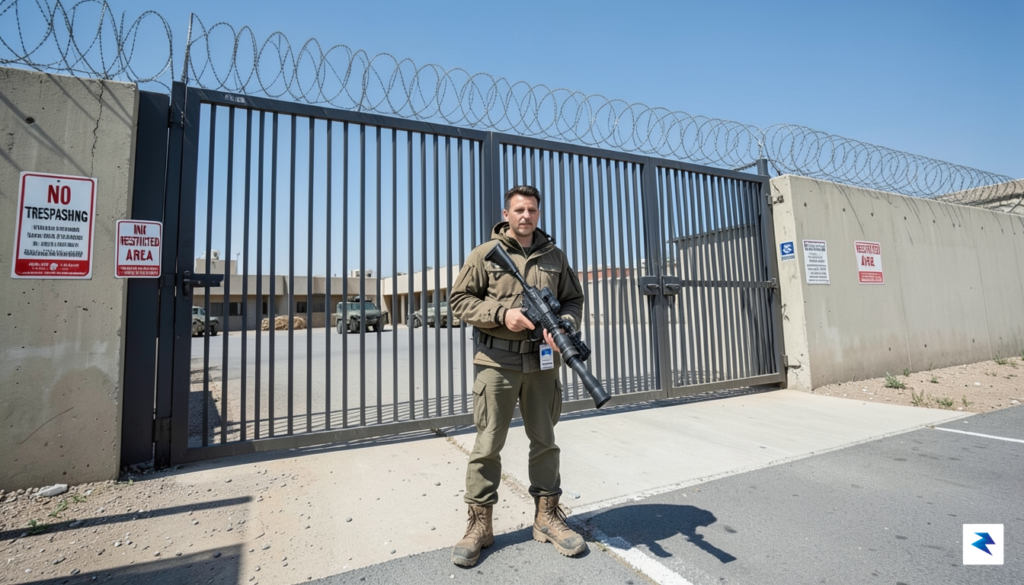
Moving forward, the Pentagon will likely need to explore more nuanced policy alternatives that address genuine security risks without imposing blanket restrictions on reporting. Rather than relying on rigid, chaperone-style mandates that effectively gatekeep information, the military could implement a tiered clearance system or specialized training for journalists who cover defense matters. These alternatives would allow for the protection of critical infrastructure while acknowledging that the press is not an adversary, but a vital component of a transparent government. By fostering a culture of mutual professional trust rather than institutional suspicion, the Department of Defense might find that security and transparency are not mutually exclusive, but rather complementary pillars of a healthy democracy.
The future of federal media relations hinges on moving away from top-down control and toward a collaborative framework that respects both the sanctity of national defense and the independence of the Fourth Estate.
The implications of this legal battle extend far beyond the immediate constraints of military base access; they signal a broader shift in how federal agencies manage their public image in a rapidly evolving digital landscape. In an era where information is disseminated in real-time across global platforms, the instinct to control access is increasingly at odds with the realities of modern media. If the judiciary continues to favor constitutional protections over administrative convenience, federal agencies will be forced to modernize their communications strategies. Ultimately, the resolution of this conflict will set a binding precedent, shaping the parameters of government-media relationships for years to come and determining whether the digital age will be defined by increased institutional opacity or a renewed commitment to open, accountable governance.