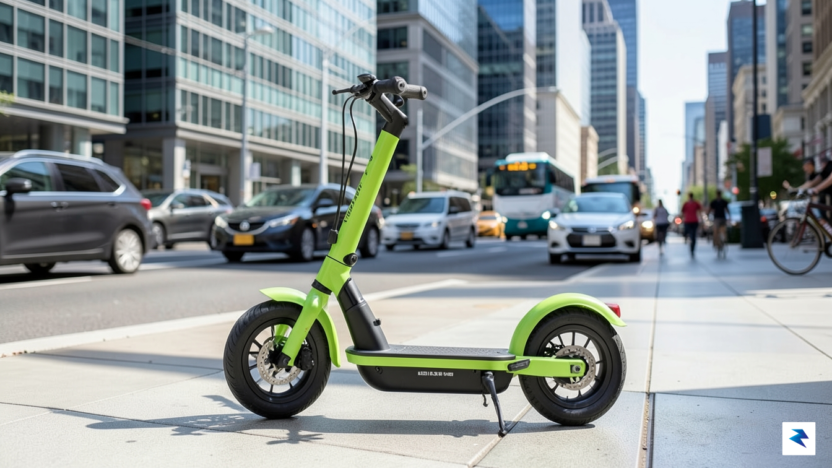
The Road to the Public Markets
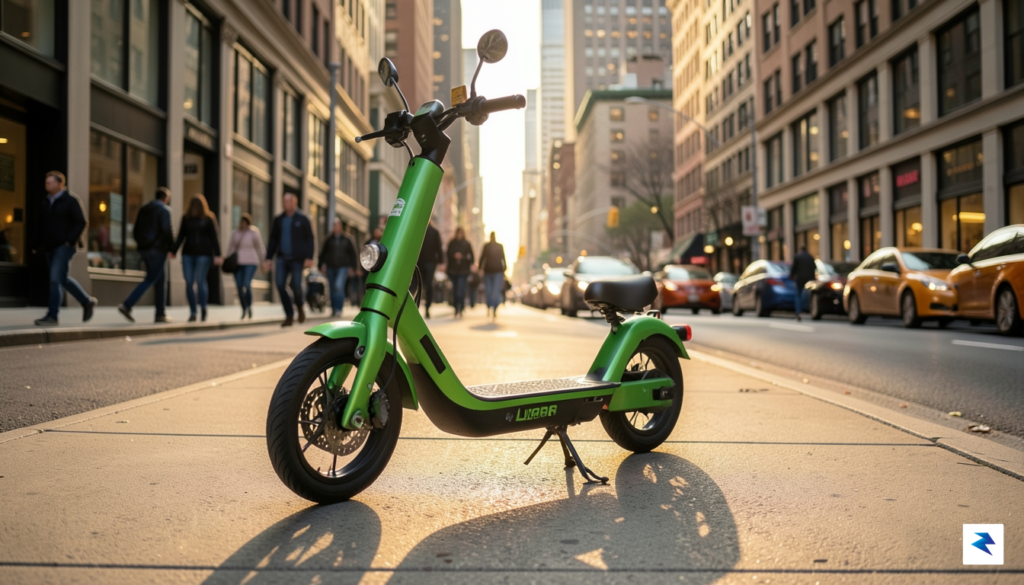
For nearly a decade, the micromobility sector has resembled a turbulent high-stakes experiment, defined by rapid expansion, regulatory battles, and the constant threat of market consolidation. Lime, once a scrappy venture-backed startup navigating the chaotic “scooter wars” of the late 2010s, has finally emerged from this crucible as a publicly traded entity. This transition is far more than a simple financial milestone; it represents a fundamental maturation of the sharing economy. By moving from the relatively opaque world of private capital to the rigorous transparency demanded by public markets, Lime is effectively declaring that urban scooter-sharing is no longer a speculative play, but a permanent, scalable fixture of modern metropolitan infrastructure.

The journey to this IPO has been anything but linear. Over the past nine years, Lime has had to pivot repeatedly, outlasting competitors that burned through capital too quickly or failed to cultivate sustainable relationships with city governments. The industry was plagued by early volatility, characterized by “dockless” chaos and questions regarding long-term unit economics. However, through a disciplined focus on operational efficiency and a pivot toward hardware longevity, Lime has managed to defy the skeptics who once viewed the scooter-sharing model as fundamentally broken. Their public debut serves as a powerful validation of this persistence, signaling that the company has successfully evolved from a venture-funded disruptor into a disciplined, revenue-focused enterprise.
“The move to public markets forces a company to shift its lens from rapid, growth-at-all-costs expansion toward a model defined by predictable profitability and institutional accountability.”
This new chapter brings with it a higher standard of scrutiny. As a public company, Lime must now provide consistent, transparent reporting on its financials, ESG impact, and operational performance. While this level of oversight is demanding, it also acts as a seal of legitimacy that can attract a broader base of institutional investors who were previously wary of the micromobility space. Ultimately, Lime’s arrival on the public markets suggests that the sharing economy has reached a point of stability. It is no longer a question of whether these services will exist, but rather how they will integrate into the broader, electrified transportation grid of the future. The company is now positioned to prove that, with the right regulatory framework and technological refinement, micro-transit can be both a profitable business and a vital public good.
Navigating the Financial Landscape: Debt and Strategy

For Lime, the path to becoming a publicly traded entity represents far more than a corporate milestone or a quest for prestige; it is a fundamental act of financial recalibration. Looming over the company’s balance sheet has been a significant burden of roughly $1 billion in liabilities, a figure that necessitated a strategic shift in how the business accesses capital. By entering the public markets, Lime is effectively executing a calculated maneuver to secure the liquidity required to address these obligations head-on. This infusion of capital is the primary engine driving the transition, providing the company with the necessary leverage to restructure its debt profile and move toward a more sustainable fiscal future.
The decision to seek public funding is deeply intertwined with the realities of the micromobility sector, where high capital expenditure is often required to maintain fleets and scale operations. With such a substantial debt load, the company faced a critical juncture where relying solely on private funding rounds became increasingly inefficient. Transitioning to the public market offers a broader base of investors and a more transparent financial structure, which is essential for managing long-term debt repayments. This move allows Lime to replace high-interest or short-term obligations with more stable, long-term capital, thereby extending its operational runway and reducing the immediate pressure that typically stifles innovation in the startup phase.
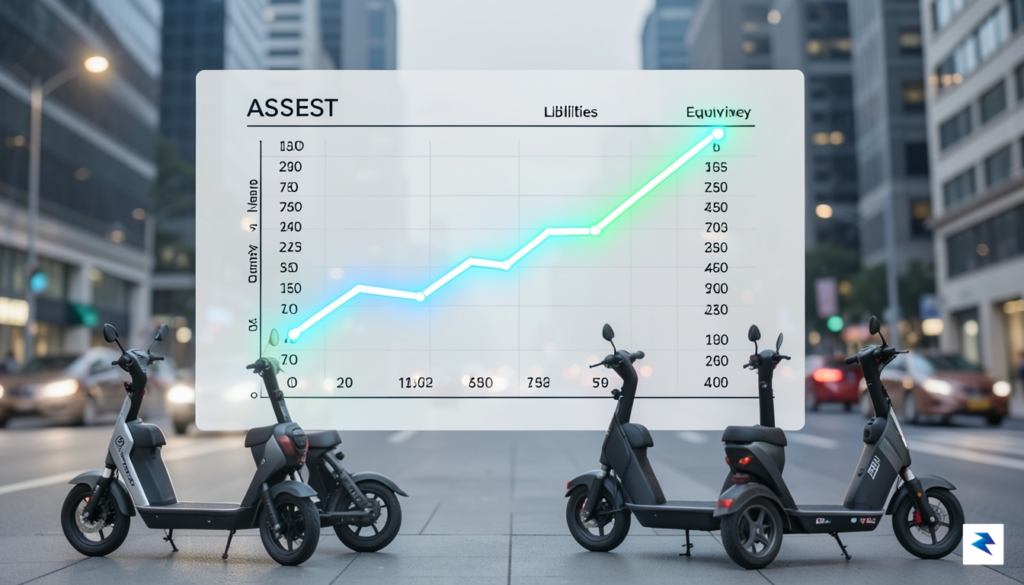
The transition to the public market serves as a critical stabilization tool, transforming looming debt into a manageable, long-term strategic asset that supports future growth rather than hindering it.
Investor confidence is inherently tied to this strategy, as stakeholders look for tangible signs that the company can balance rapid expansion with fiscal responsibility. By addressing its debt burden through a public offering, Lime is signaling to the market that it is maturing from a growth-at-all-costs startup into a disciplined enterprise capable of maintaining profitability. This pivot is vital; it reassures shareholders that the capital raised will not merely be consumed by operational overhead but will be deployed to solidify the company’s financial foundation. Ultimately, this transparency is what will define Lime’s success in the coming years, as it seeks to turn its previous financial uncertainty into a narrative of enduring stability and market leadership.
The Evolution of the Micromobility Model
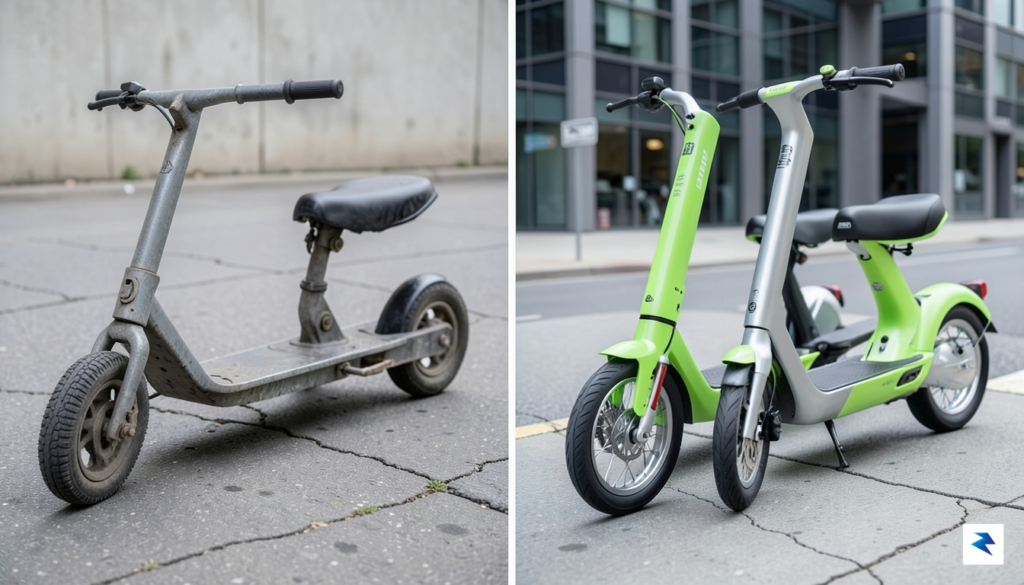
When Lime first arrived on city streets nearly a decade ago, the industry operated under a philosophy of “growth at all costs.” In those early days, the company—like many of its contemporaries—flooded urban centers with low-cost, disposable hardware to capture market share rapidly, often disregarding the long-term logistical burden that this strategy created. This “wild west” era of 2017 was defined by chaotic sidewalk clutter, frequent vandalism, and a reactive approach to municipal governance. However, as the novelty of the gig-economy-fueled scooter boom faded, Lime recognized that survival required a fundamental pivot from reckless expansion to a model rooted in rigorous unit economics and operational discipline.
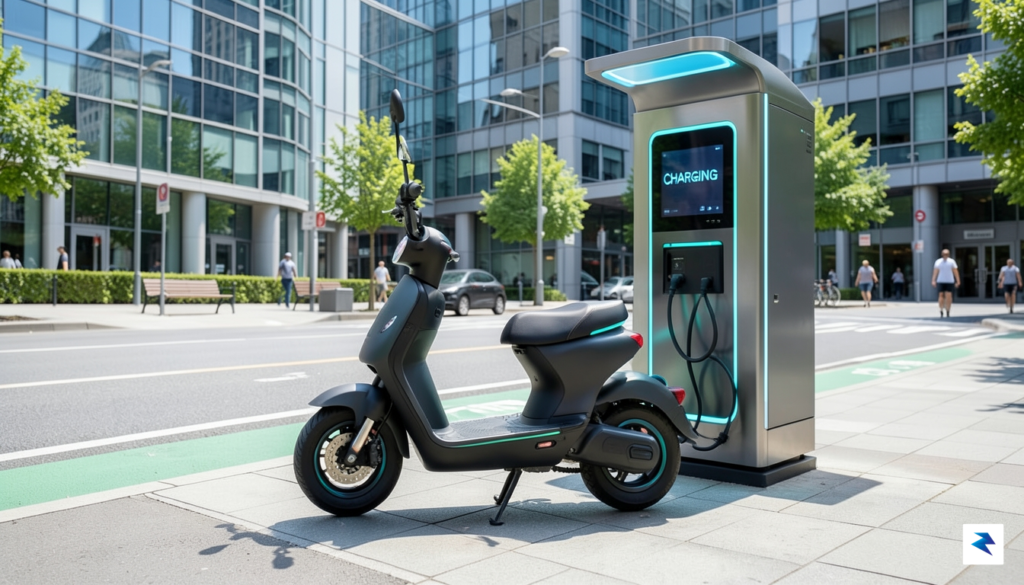
The transformation of Lime’s business model has been driven primarily by a shift toward hardware durability and lifecycle management. Early generations of scooters were prone to frequent breakdowns, which necessitated constant maintenance and high capital expenditure. By investing in proprietary, industrial-grade hardware designed to withstand years of heavy use, Lime successfully lowered its per-ride repair costs and extended the functional lifespan of its fleet. This move toward sustainability was not merely an environmental choice but a financial imperative; by reducing the frequency of fleet replacements, the company stabilized its margins and proved that micromobility could be a reliable, long-term business rather than a transient tech experiment.
Success in the modern era of micromobility is no longer measured by the number of scooters on the street, but by the efficiency of the network and the strength of municipal partnerships.
Beyond the hardware, Lime has matured into a sophisticated partner for city planners, fundamentally altering its regulatory approach. Rather than treating local governments as hurdles to be bypassed, the company now integrates its services directly into the broader transit ecosystem. Today, Lime bikes and scooters serve as essential “last-mile” solutions that connect commuters to subways, light rail, and bus lines, effectively filling the gaps in public transportation networks. This integration, supported by software that encourages responsible parking and geofenced speed limits, has turned what was once a disruptive nuisance into a legitimate staple of municipal infrastructure. As the company enters the public markets, this evolution from a venture-backed disruptor to a disciplined utility provider stands as a testament to its successful transition into a mature, sustainable enterprise.
Operational Challenges and Future Scalability

Stepping onto the public stage brings a microscope to every facet of a company’s operations, demanding not just growth, but consistent, efficient, and profitable growth. For micro-mobility giant Lime, this transition means evolving beyond the initial sprint of fleet deployment to master the intricate dance of urban logistics. The pressure is immense to demonstrate a sustainable business model that can thrive amidst the inherent complexities of managing thousands of vehicles across diverse global markets, a challenge far more nuanced than merely placing scooters on sidewalks.
At the heart of Lime’s ongoing operational hurdles is the formidable task of managing large-scale fleets across hundreds of cities, each with its own unique urban fabric and demands. This isn’t simply about having enough scooters; it involves a sophisticated ballet of real-time tracking, predictive maintenance, efficient redistribution to meet demand hotspots, and the critical management of battery swaps and charging infrastructure. Ensuring that vehicles are readily available, fully charged, and in good repair, while simultaneously minimizing the “scooter graveyard” phenomenon of idle or damaged units, requires a robust logistical backbone that continuously optimizes asset utilization and extends vehicle lifespan, directly impacting the bottom line.
Another significant operational tightrope Lime must walk is its reliance on gig-economy labor. While the flexibility and lower direct labor costs associated with independent contractors – often referred to as “juicers” or similar roles – provide an agile workforce for tasks like charging and redistribution, this model introduces its own set of challenges. Maintaining consistent service quality, ensuring adequate training, and fostering retention among a transient workforce can be difficult. The balance between the cost-efficiency of gig workers and the higher control, but greater fixed costs, of a full-time staff model is a constant strategic consideration, especially as labor markets tighten and regulatory scrutiny over contractor classification intensifies.
Furthermore, the fragmented and often unpredictable local regulatory landscape presents a formidable barrier to seamless scalability. Unlike a purely digital service, micro-mobility operations are deeply embedded in public infrastructure and thus subject to the whims of municipal policies. Cities frequently impose varying requirements, including fleet size caps, specific parking zones, geofencing restrictions, operating hours, and even outright bans in certain areas. Navigating this patchwork of permits and ordinances, which can differ significantly from one municipality to the next, complicates the standardization of operational procedures and can dramatically impact the speed and cost-effectiveness of market expansion, requiring dedicated resources for policy engagement and compliance in every new territory.
Ultimately, all these operational complexities converge on the paramount challenge of achieving consistent and healthy profit margins. For a public company, merely generating revenue isn’t enough; investors demand a clear path to sustained profitability. Lime must meticulously optimize every cost center, from vehicle acquisition, depreciation, and repair, to the energy costs of battery charging, insurance premiums, and the fluctuating expenses associated with its labor force. Add to this the inherent seasonality of the business – demand often dips significantly during colder months or adverse weather conditions – and the path to predictable quarterly financial performance becomes even more arduous. The unit economics of each ride must be robust enough to absorb these myriad costs while still delivering a compelling return, a metric closely watched by the market.
Achieving maturity as a public entity for Lime means demonstrating an unparalleled mastery over these multifaceted operational hurdles. Success will hinge on sophisticated data analytics informing real-time decisions, a highly efficient physical logistics network, and a nimble approach to navigating the ever-changing regulatory environment. The public market’s unforgiving nature intensifies the need for Lime to not only grow but to prove its model is viable, scalable, and, critically, consistently profitable in the face of such profound operational challenges.

What This Means for the Future of Urban Transit

The recent public listing of Lime marks a pivotal moment, signaling a maturation of the shared-mobility sector and solidifying its position as a critical component of urban transit. For years, micromobility companies operated under a cloud of uncertainty, battling regulatory hurdles, profitability concerns, and public perception challenges. Lime’s successful navigation to the public markets, therefore, serves as a powerful bellwether, validating the underlying business model and demonstrating that shared electric scooters and bikes are not merely a fleeting trend but a foundational element in the evolving landscape of urban transportation. This achievement provides a clear precedent, showing that with strategic planning, technological innovation, and robust operational execution, shared-mobility ventures can indeed achieve financial viability and attract significant public investment.
This milestone paves the way for micromobility services like Lime to evolve from novel conveniences into essential urban utilities. Imagine a future where picking up an electric scooter is as seamless and reliable as hopping on a bus or hailing a taxi, integrated into a city’s broader transit network. By proving a path to public ownership, Lime encourages deeper collaboration between tech companies and municipal governments, fostering an environment where data-driven insights can optimize fleet deployment, enhance rider safety, and inform urban planning initiatives. This synergy is crucial for effectively addressing the persistent “last-mile” problem, connecting residents from transit hubs to their final destinations efficiently and sustainably, thereby reducing reliance on private vehicles and alleviating urban congestion.

The success of Lime’s IPO will undoubtedly intensify competition within the shared-mobility space, yet this is a healthy development for the sector as a whole. Increased investment and market validation will likely spur further innovation in vehicle design, battery technology, app functionality, and pricing models, all aimed at enhancing the user experience and driving operational efficiencies. New entrants may emerge, or existing players might consolidate, but the overarching effect will be a push towards more refined, reliable, and user-friendly services. Cities, in turn, will benefit from a more competitive landscape, allowing them to partner with providers who offer the most comprehensive, safe, and sustainable solutions tailored to their unique needs.
Looking ahead, shareholders can anticipate a focus on sustained growth through geographical expansion, deeper market penetration in existing cities, and the potential integration of new services or subscription models. For urban planners and city leaders, Lime’s public debut underscores the growing importance of integrating micromobility into long-term urban development strategies. They can expect to continue refining regulatory frameworks, ensuring these services align with public safety, accessibility, and environmental goals. Ultimately, the journey of Lime to a public company is more than just a financial narrative; it is a clear indicator that the future of urban transit will be increasingly multimodal, sustainable, and powered by innovative public-private partnerships designed to make cities more livable and connected.