
The Shifting Landscape of AI Data Scraping

For decades, web scraping was viewed as a technical utility—a way for search engines to index the vast library of human knowledge to make information discoverable. In this era, the symbiotic relationship between content creators and aggregators was generally understood: websites provided open access in exchange for traffic and visibility. However, the rise of generative AI has fundamentally altered this bargain. Instead of simply pointing users toward an original article, AI models ingest, process, and synthesize that content to provide direct answers, effectively decoupling the information from its source. This shift has transformed high-quality, human-written data into a valuable commodity, fueling massive language models while simultaneously threatening the revenue models that sustain the very creators providing the fuel.
The “scrape-first, ask-later” methodology that powered the early internet is now colliding with the harsh realities of intellectual property and economic survival. Publishers are increasingly alarmed to find that their deeply researched journalism, creative writing, and niche expertise are being vacuumed up without permission, credit, or compensation. This has created a profound ethical tension: AI developers argue that training on publicly available data is a form of fair use, akin to a student reading a book in a library. Conversely, content creators maintain that there is a critical distinction between a human learning from a text and a commercial entity mass-harvesting data to build a product that competes directly with the original source.

The Failure of Traditional Guardrails
For years, the industry relied on the robots.txt protocol—a simple text file on a server that tells web crawlers which parts of a site they are permitted to visit. Historically, this system functioned well enough for search engine bots. However, it was never designed for the modern era of aggressive AI agents that prioritize speed and scale over etiquette. Many AI scrapers have proven to be notoriously difficult to manage through these traditional means, either by ignoring directives entirely or by constantly rotating IP addresses to circumvent blocks. The result is a digital environment where publishers feel they are losing control over their own intellectual property, with no effective way to opt out of the training sets that fuel these new systems.
The core of the conflict lies in the transition from an internet built on navigation to an internet built on extraction; when the middleman becomes a competitor, the old rules of the road no longer apply.
As this dynamic reaches a breaking point, the demand for a new framework—one that mandates transparency and compensation—is becoming impossible to ignore. Publishers are no longer content with being passive contributors to a system that doesn’t acknowledge their value. By pushing for stricter enforcement and payment requirements, organizations are effectively declaring that the era of free, unrestricted harvesting is coming to an end. This shift is not merely about copyright; it is about establishing a sustainable future for the creators whose work remains the foundation of the intelligence revolution.
Understanding Cloudflare's New Crawler Policy
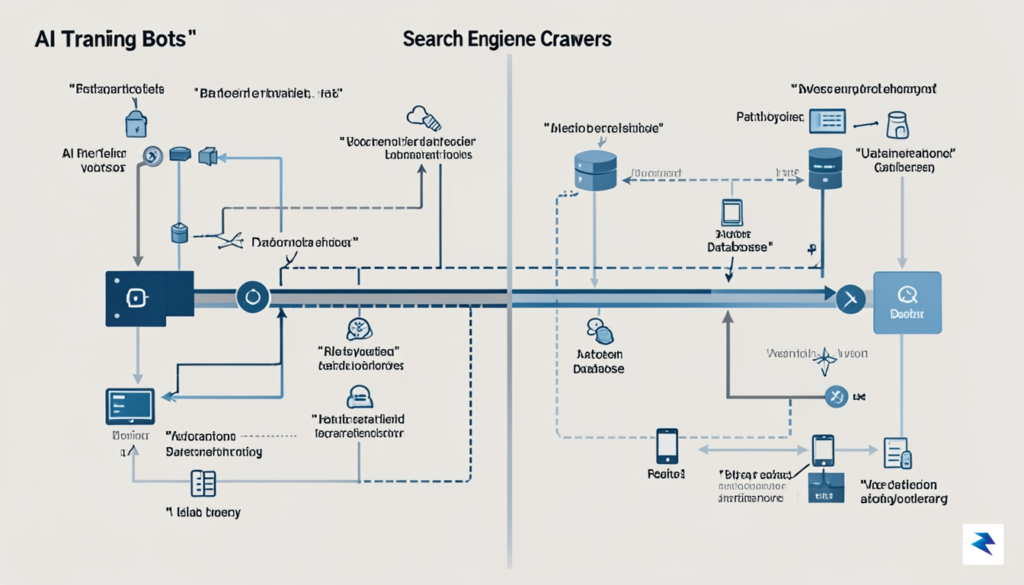
At the heart of this shift is a sophisticated, granular control mechanism that effectively forces AI entities to disclose their true intentions before they even touch a website’s data. For years, automated bots have operated under a broad, often opaque umbrella, scraping content without distinguishing between the legitimate needs of a search engine indexer and the data-hungry requirements of a large language model. Cloudflare’s new policy flips this dynamic by requiring AI companies to explicitly identify their traffic. If a crawler cannot verify its purpose as either a standard search indexer or a dedicated AI training bot, the platform’s default behavior will pivot toward aggressive blocking. This creates a high-stakes environment where transparency is no longer optional for developers who wish to maintain access to the open web.
The urgency of this transition is punctuated by a firm September 15 deadline. By this date, the technical landscape for web scraping will undergo a permanent transformation, as the grace period for vague, non-compliant crawlers expires. Site owners who utilize Cloudflare’s dashboard will find a new, simplified toggle system that allows them to block AI bots with a single click, effectively creating a “pay-to-play” firewall. Those companies that fail to adopt the mandatory identification standards by mid-September will find their access severed, effectively silencing their data collection efforts across millions of domains overnight. This deadline serves as a line in the sand, signaling that the era of indiscriminate, free-for-all scraping is rapidly drawing to a close.

By mandating that AI firms distinguish their crawlers from traditional search engines, Cloudflare is shifting the power dynamic back to the creators, forcing AI developers to acknowledge that their data acquisition practices are not synonymous with general internet navigation.
Cloudflare’s role in this transition is that of an unexpected gatekeeper, wielding its massive infrastructure to dictate the terms of engagement between content producers and artificial intelligence developers. Because a vast portion of the internet relies on its network for security and performance, Cloudflare is uniquely positioned to enforce rules that individual site owners could never hope to impose on their own. By providing a centralized control panel, they are effectively turning web scraping into a regulated activity. This empowers site owners to finally enforce their own terms of service, ensuring that if an AI company wants to use their proprietary insights or creative writing to train a model, they must negotiate a license or face a complete, automated lockout.
Ultimately, this policy is about restoring agency to those who publish content. For too long, the technical complexity of bot management has prevented ordinary site operators from protecting their intellectual property. With these new tools, the technical barrier is removed, making it simple for anyone—from individual bloggers to massive media conglomerates—to audit who is accessing their work and why. By forcing the hand of AI developers, the industry is moving toward a more sustainable ecosystem where the value of human-generated content is finally recognized, and the mechanisms of theft are dismantled by the very infrastructure that keeps the internet running.
How Publishers Can Reclaim Control Over Their Content

The most significant shift in this new policy is the ability for website owners to treat AI scrapers as a distinct category of web traffic, entirely separate from the search engine crawlers that drive traditional discovery. Previously, blocking aggressive scrapers often meant inadvertently blocking Google or Bing, which would effectively render a site invisible. Now, by accessing the Cloudflare dashboard and navigating to the WAF (Web Application Firewall) settings, you can specifically identify and block AI bots while maintaining the green light for legitimate search indexers. This granular control is vital, as it allows you to curate exactly who is allowed to ingest your intellectual property for model training versus who is helping potential readers find your work.
Implementing Granular Bot Management
To get started, navigate to the Security tab in your Cloudflare dashboard and look for the Bots configuration section. Here, you will find an option to enable “Bot Fight Mode” or, for more advanced users, the ability to create custom firewall rules based on the Verified Bots list. By configuring these settings, you can set a “Block” or “Managed Challenge” action specifically for AI-driven crawlers that have been identified as training bots. This ensures that when a company like OpenAI or Anthropic sends a crawler to scrape your site, the server automatically intercepts the request. It is a straightforward yet powerful way to demand a seat at the table, as it forces these companies to negotiate for access rather than taking your content by default.

The key to reclaiming your digital sovereignty is understanding that not all automated traffic has the same goal; search engines aim to drive traffic to you, while AI crawlers aim to replace the need for users to visit your site at all.
After you have applied these rules, it is imperative to verify that they are functioning as intended. You can monitor your site’s performance through the Security Events tab, which provides a live log of every request that has been blocked or challenged. Look specifically for the User-Agent strings associated with known AI scrapers to ensure they are being successfully filtered. If you notice a specific bot slipping through, you can refine your firewall expression to include that specific signature. Regularly reviewing these logs not only confirms that your content is protected but also provides you with concrete data on which entities are attempting to scrape your work, which can be invaluable leverage should you decide to enter into formal licensing or compensation discussions in the future.
The Economic Implications for AI Companies

For years, the foundational assumption behind the generative AI boom was that the internet’s vast repository of human knowledge was a free, inexhaustible resource for model training. Cloudflare’s recent policy shift effectively dismantles this convenient status quo, forcing AI developers to reckon with the reality that high-quality, human-generated content is an asset with a tangible price tag. As the era of frictionless data scraping faces legal and technical headwinds, AI startups are being pushed toward a more sustainable, albeit expensive, business model: licensed data partnerships. By moving away from the “scrape-first, ask-questions-later” approach, companies must now calculate the long-term financial burden of sourcing legitimate training data, which will likely filter out undercapitalized players and favor those who can afford the high cost of entry.

This transition is catalyzing the emergence of a “data premium” market, where publishers are no longer passive victims of automated harvesting but active participants in the AI supply chain. Instead of merely blocking bots, media organizations are beginning to see their archives as proprietary intelligence, creating a tiered ecosystem where only firms willing to pay for “clean” or “authorized” datasets gain access. This creates a significant hurdle for smaller AI startups that lack the massive venture capital reserves required to strike multi-million dollar licensing deals with major publishers. Consequently, we are likely to see a consolidation of the market, where AI development becomes a game of deep pockets, privileging incumbents who have already secured the rights to use premium content over those who must compete for the same increasingly gated resources.
The pivot toward licensing forces AI developers to transition from being simple data processors to becoming partners in the media ecosystem, where the value of an algorithm is intrinsically tied to the quality and legitimacy of the data it consumes.
Ultimately, this policy forces AI firms to prove the distinct value they provide to the publishers whose content they rely on. If an AI tool merely summarizes articles and drives users away from the original source, publishers have little incentive to sign licensing agreements. However, if AI companies can demonstrate that their tools facilitate new revenue streams—such as citing sources in a way that increases brand authority or driving high-intent traffic back to the original site—they can justify the cost of these new data expenditures. This shift incentivizes a more symbiotic relationship, compelling developers to design models that prioritize attribution and traffic reciprocity rather than simply cannibalizing the web, thereby transforming the economic landscape from one of exploitation to one of mutual interest.
Future-Proofing Your Website Against Unauthorized Training

While the recent shift in industry standards regarding content compensation represents a monumental win for intellectual property rights, it is merely the opening salvo in a much larger conflict over digital data sovereignty. As automated intelligence models grow increasingly hungry for high-quality, human-generated data, website owners must transition from a reactive stance to a proactive defense. Protecting your creative output requires a multi-layered approach that combines technical barriers with an evolving understanding of how your data is being ingested across the open web.

Building Technical Defenses and Gated Ecosystems
The most effective way to ensure your content is not harvested without consent is to move away from the “open-by-default” philosophy that characterized the early internet. For high-value assets, such as proprietary research, detailed tutorials, or exclusive analytical reports, implementing a gated access model is the gold standard. By requiring a simple user login or a verified subscription, you effectively cut off the automated crawlers that rely on public, unauthenticated access to scrape data. This creates a clear boundary between casual discovery and intellectual consumption, ensuring that you maintain visibility into who is accessing your work and for what purpose.
Beyond simple gating, web administrators should leverage sophisticated bot management tools that go beyond basic robots.txt files. While standard exclusion protocols are a good start, many aggressive AI scrapers ignore these directives entirely. Deploying advanced firewall configurations that monitor behavioral patterns—such as identifying non-human, high-frequency requests coming from cloud data centers—can effectively block unauthorized ingestion. Furthermore, keeping a vigilant eye on server logs allows you to identify anomalies in traffic, providing the intelligence necessary to update your blocklists in real-time as scraping techniques become more stealthy and sophisticated.
True data sovereignty in the age of AI requires treating your digital content with the same level of security and access control typically reserved for sensitive corporate software or private databases.
The Long-Term Outlook for Content Creators
Looking ahead, we are likely to see a pivot toward decentralized publishing and cryptographically signed content. By using digital watermarking or blockchain-based verification, creators can prove the origin of their content, making it easier to hold AI firms accountable when their models are found to be “hallucinating” or directly plagiarizing your work. As the legal landscape struggles to catch up with the speed of machine learning, these technical proofs of ownership will become the most reliable assets in any potential copyright dispute.
- Implement tiered access: Keep your most valuable intellectual property behind a login wall to prevent bulk scraping.
- Monitor bot traffic: Utilize server-side analytics to detect and ban scrapers that ignore standard exclusion protocols.
- Assert your rights: Clearly label your terms of use to explicitly forbid the training of commercial AI models on your site’s data, providing a foundation for future legal action.
- Embrace verification: Consider using digital signatures or metadata to track the usage of your work across different platforms.
Ultimately, the burden of protection currently rests on the publisher. By combining these defensive technical measures with a clear, enforceable policy on data usage, you can ensure that your content remains a source of value for your audience rather than an unpaid resource for the next generation of generative AI models. The battle for the internet’s future isn’t just about policy; it is about building the infrastructure that respects the hard work of human creators.