The Growing Pressure on the Modern Electrical Grid
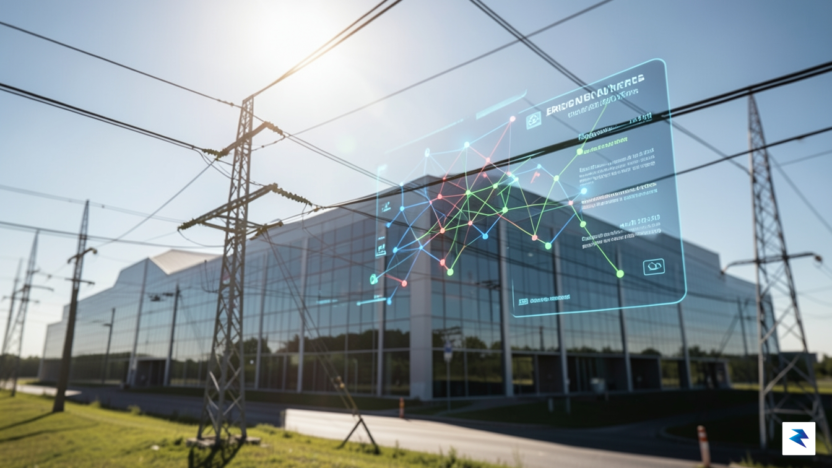
As climate change shifts from a theoretical concern to a daily reality, the North American electrical grid is facing a series of unprecedented stress tests. Increasingly frequent and intense heat waves are forcing power systems to operate at their absolute limits, exposing structural vulnerabilities that were largely overlooked in previous decades. When temperatures climb into the triple digits for extended periods, the demand for air conditioning surges across residential and commercial sectors, creating a “peak load” scenario that pushes power generation and distribution capabilities to the brink of failure.
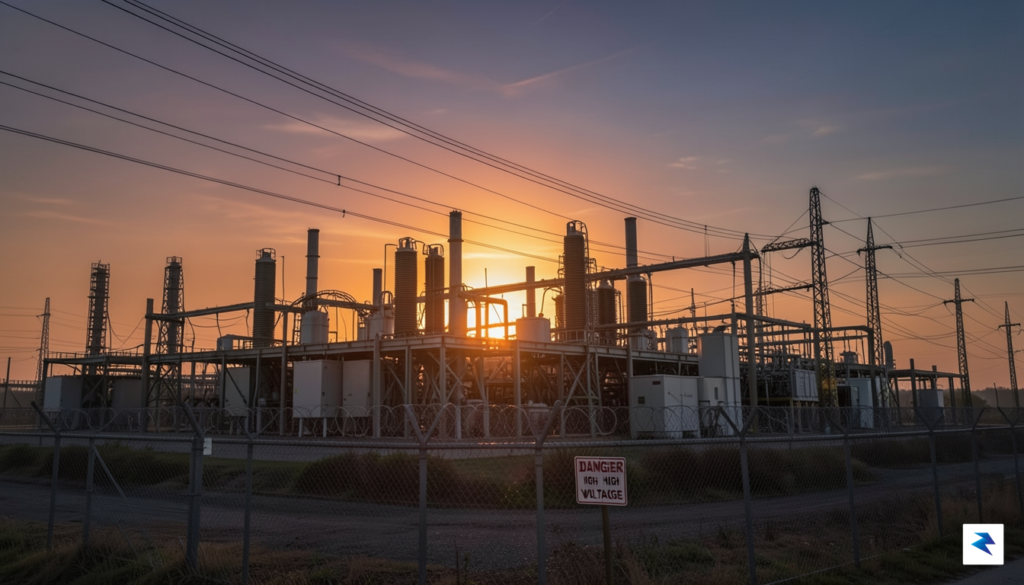
This challenge is compounded by the physical limitations of our aging infrastructure. High ambient temperatures do more than just drive up consumer demand; they actually degrade the efficiency of the grid itself. Transmission lines lose conductivity as they heat up, and cooling systems for substations and transformers must work significantly harder to prevent hardware failure. Consequently, the grid is forced to deliver more power while simultaneously operating at reduced efficiency, a mathematical recipe for instability that leaves little margin for error.

At the center of this tension is the collision between critical public utility requirements and the insatiable energy appetites of the modern digital economy. Data centers—the silent, high-performance engines powering everything from cloud storage to artificial intelligence—require immense, uninterrupted streams of electricity to function. Unlike residential cooling, which fluctuates with the time of day, these facilities demand a constant, massive load. This creates a difficult balancing act for regional grid operators: they must prioritize the life-saving necessity of residential cooling during peak hours while ensuring that the massive energy commitments to the private tech sector do not trigger rolling blackouts or system-wide collapses.
The core of the issue lies in the fact that our electrical infrastructure was designed for a more temperate climate and a less data-intensive world, leaving us in a vulnerable position where every kilowatt becomes a strategic asset.
Ultimately, the current situation represents a fundamental shift in how we manage energy resources. We are no longer simply managing a supply-and-demand curve; we are managing a complex, high-stakes competition for energy priority. As extreme weather events become the new norm, the reliance on backup power solutions within the private sector is evolving from a standard business continuity practice into an essential component of public infrastructure management. This forced transition highlights the fragility of our current grid and underscores the urgent need for a more resilient, adaptive energy architecture.
The Role of Data Centers in Peak Energy Demand
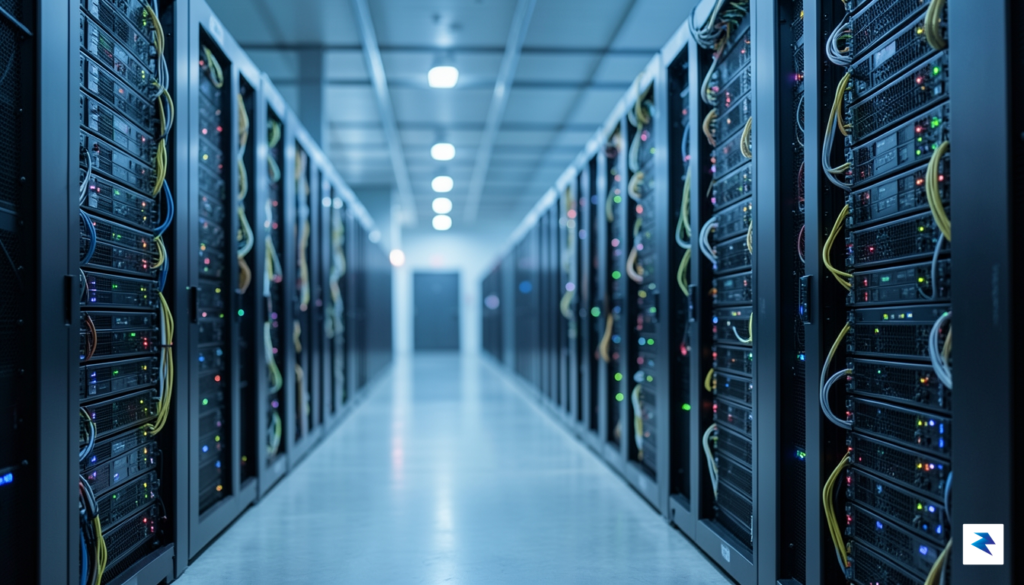
The rapid expansion of the digital economy has catalyzed an unprecedented growth in hyperscale data centers, which now serve as the critical infrastructure sustaining our cloud-based existence. These sprawling facilities house thousands of high-performance servers, storage arrays, and networking hardware that process everything from streaming entertainment to complex artificial intelligence models. Because these systems are designed to offer near-perfect uptime, they operate on a continuous, 24/7 basis, necessitating a constant stream of reliable electricity. Unlike traditional commercial buildings that might reduce consumption during off-peak hours, the sheer density of computing power in these facilities creates a non-negotiable energy requirement that never sleeps.
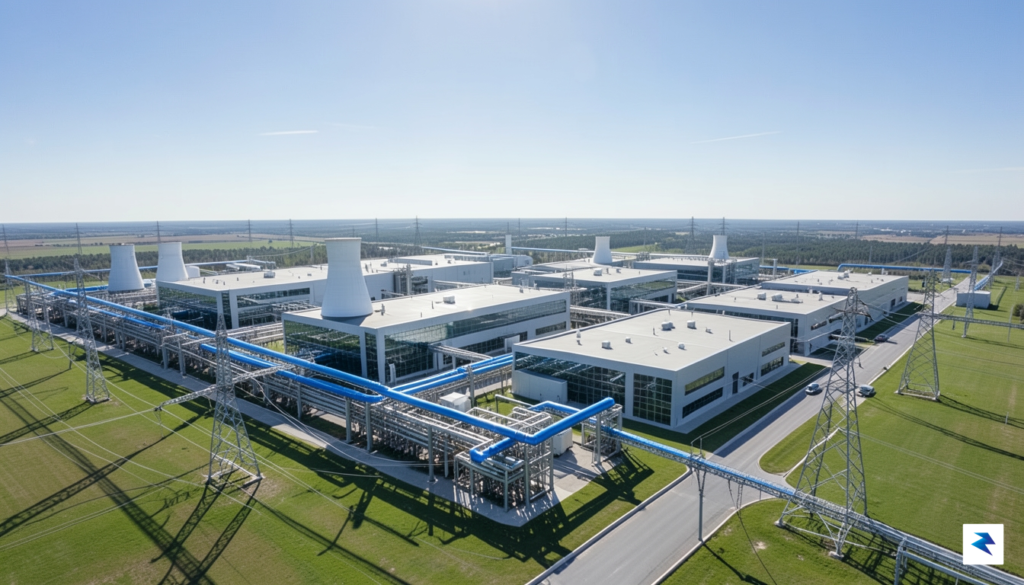
As data centers have scaled in both size and complexity, their footprint on regional energy grids has become impossible to overlook. The convergence of high-density computing and extreme weather events—specifically the recent surge in regional heat waves—places utility providers in a precarious position. During peak summer months, residential and commercial air conditioning usage already pushes the power grid to its absolute limit; when massive data centers maintain their full-load operations simultaneously, the cumulative demand can trigger stability issues. Consequently, these facilities have evolved into focal points for energy regulation, as authorities seek to prevent widespread blackouts by managing the most significant industrial loads in their jurisdictions.
Data centers are simultaneously the engines of modern innovation and the most significant test of our current energy infrastructure’s resilience.
This dynamic presents a complex paradox for utility providers and municipal governments. On one hand, data centers are vital economic drivers, attracting technology investment and fostering local development. On the other hand, their relentless demand for power makes them the first logical target for load-shedding directives during grid emergencies. By mandating that these facilities transition to onsite backup power—typically generated by large-scale diesel or battery storage systems—regulators are attempting to decouple the data center’s massive energy draw from the public power supply during the most critical hours of a heat wave. This strategic shift reflects a growing awareness that as we rely more heavily on digital infrastructure, we must also refine the delicate balance between powering our virtual lives and maintaining the physical integrity of the electrical grid.
Understanding the Mandate: Backup Power as a Grid Asset
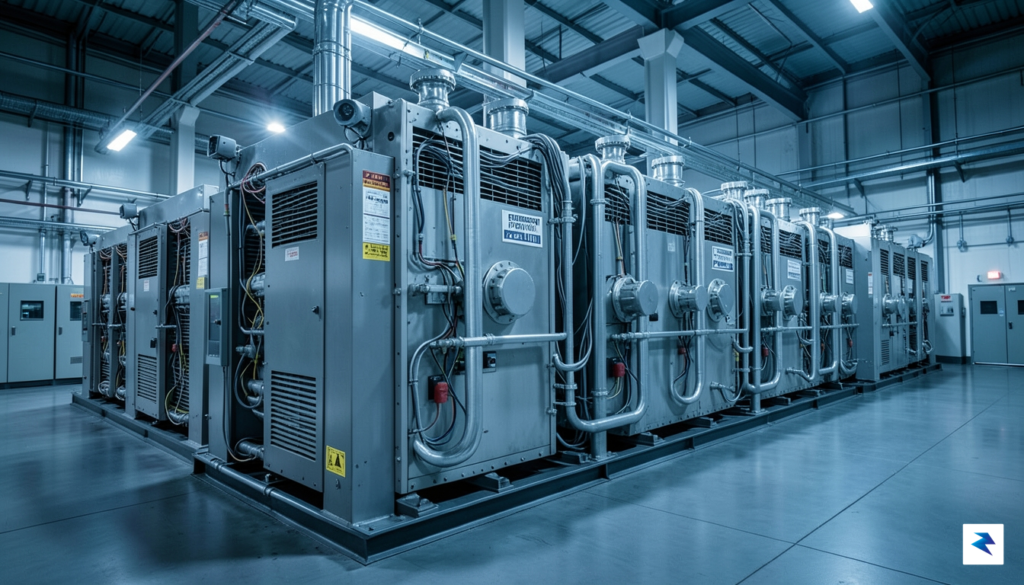
The federal government’s recent directive represents a fundamental shift in how the nation approaches infrastructure resilience during extreme weather events. Rather than viewing the massive, localized power reserves held by private data centers as mere emergency safety nets, regulators are now treating these standby systems as a primary tool for grid stabilization. By mandating that these facilities shift their power consumption away from the public utility grid during peak heat waves, the government intends to prevent the catastrophic failure of regional electrical networks. This approach essentially treats the private sector’s redundant capacity as an auxiliary power plant, tasked with absorbing the load when public utilities are stretched to their absolute physical limits.
At the heart of this mandate is the logistical transition of backup diesel generators and large-scale battery storage systems from passive standby mode to active grid support. Historically, these systems were intended to trigger only during a total utility blackout to protect sensitive server hardware. Now, however, facility operators are being instructed to synchronize their independent power sources with the grid’s frequency during designated high-stress intervals. This requires sophisticated automated control systems capable of islanding a data center from the public supply without interrupting critical computational workloads. By effectively “unplugging” these power-hungry hubs from the main grid during the hottest hours of the day, regulators can free up gigawatts of capacity for residential and medical use.
The integration of private backup resources into the public energy architecture signifies a new era of “collaborative resilience,” where the distinction between private consumption and public supply is becoming increasingly porous.
The logistical implications of this strategy are significant for private firms, which must navigate complex regulatory requirements and equipment maintenance cycles. Converting a system designed for intermittent, short-term usage into a reliable grid-stabilizing asset requires rigorous testing, upgraded emission controls, and constant monitoring to ensure that these facilities do not experience internal failures while supporting the external grid. Furthermore, there is the ongoing challenge of fuel supply chains; relying on diesel generators for grid support necessitates maintaining higher fuel inventories and securing delivery logistics during periods when regional infrastructure is already under immense stress. Despite these hurdles, the policy suggests that the era of private data centers operating in isolation from the broader energy ecosystem is coming to a close.

Ultimately, this regulatory push forces a new level of accountability upon the tech industry. Companies that once viewed their power consumption as a private commercial matter must now account for their role as major nodes within the national energy security apparatus. As extreme heat events become more frequent, the ability of these data centers to successfully manage their own power load will likely determine the stability of the entire regional electrical grid. This creates a challenging, yet necessary, symbiosis between the public utilities that keep the lights on and the massive digital infrastructure that powers the modern economy.
Technical Challenges and Operational Risks
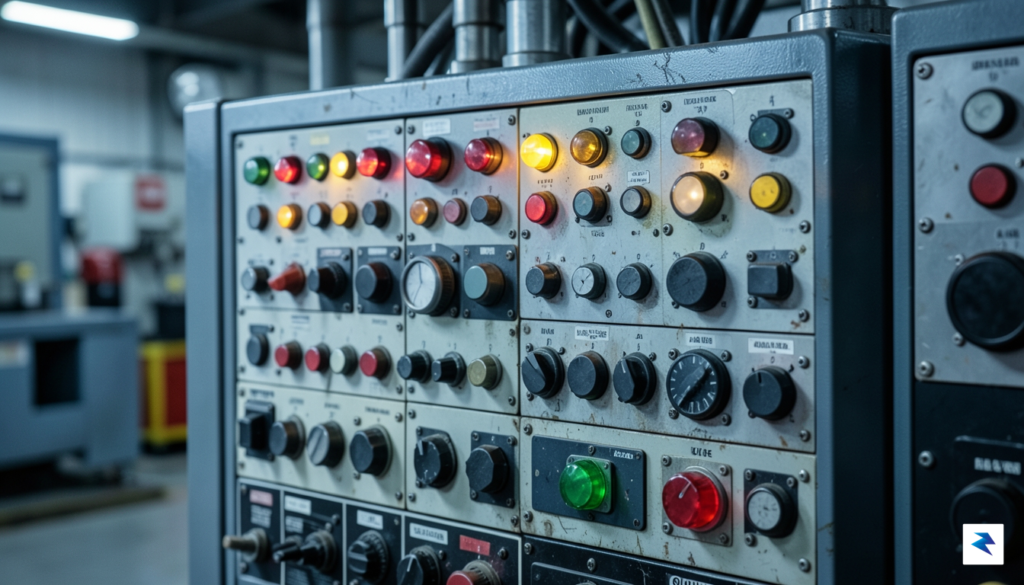
Transitioning a massive data center from the public utility grid to on-site backup generators is rarely as simple as flipping a large industrial switch. Most backup systems are designed strictly as “emergency-only” infrastructure, intended to bridge the gap during rare, catastrophic outages rather than to serve as sustained, parallel power sources. While grid-tied microgrids are becoming more sophisticated, the vast majority of existing facilities rely on diesel-powered generators that require careful synchronization with the local utility frequency. Attempting to bypass these standard operational parameters introduces significant engineering hurdles, as even a millisecond of instability during the transfer process can trigger power surges or harmonic distortions that wreak havoc on sensitive server hardware and networking equipment.
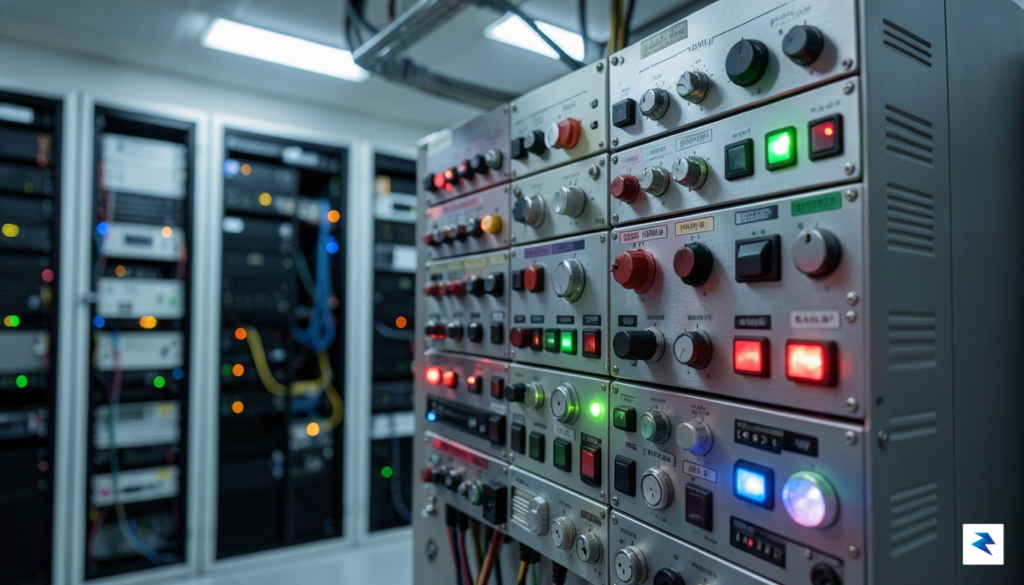
Beyond the immediate synchronization challenges, the physical reliability of mechanical systems becomes a primary concern when generators are run for extended periods under heavy, sustained loads. These engines are typically maintained with the expectation of occasional, short-duration testing; pushing them into a multi-day operational cycle risks mechanical fatigue, cooling system failures, and oil degradation. Furthermore, the reliance on backup power creates an immediate, high-stakes dependency on local fuel supply chains. Unlike the infinite flow of the electrical grid, a data center’s autonomy is tethered to the volume of fuel currently sitting in its storage tanks. If regional demand spikes during a heat wave, the logistics of securing continuous fuel deliveries to keep those generators running can quickly become a bottleneck, turning a stability measure into a logistical nightmare.
The transition from stable grid power to internal generation is the most vulnerable moment in the data center lifecycle, requiring absolute precision to prevent catastrophic equipment damage.
Operators must also contend with the “technical burden” of managing these transitions manually or through highly customized automation protocols. When a facility shifts to backup power, the load-balancing software must work in overdrive to ensure that the power quality remains within the narrow voltage tolerances required by modern high-density processors. If the system fails to transition perfectly, the resulting “dirty power” can corrupt data packets, trigger unnecessary hardware reboots, or physically damage power supply units (PSUs). Consequently, the engineering teams overseeing these sites are under immense pressure to monitor environmental factors, fuel levels, and power stability simultaneously, knowing that a single miscalculation could lead to downtime for thousands of businesses and individuals who rely on their digital services.
The Environmental and Economic Trade-offs
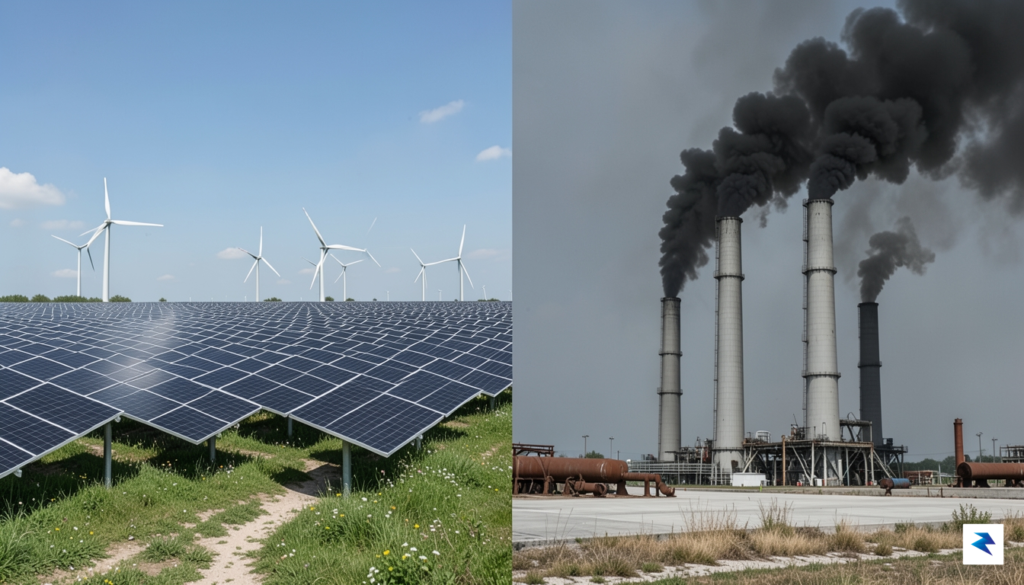
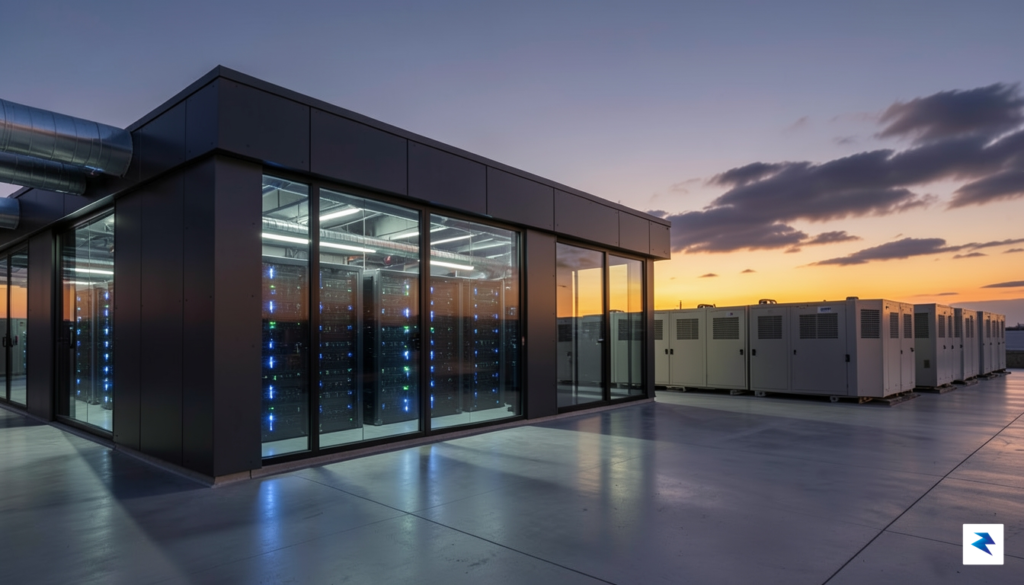
The decision to pivot data centers toward localized backup power during peak heat waves creates a paradoxical environmental dilemma. While these facilities typically rely on the primary electrical grid—which is increasingly powered by a mix of renewables and natural gas—backup generators are almost exclusively fueled by diesel. Diesel engines are notorious for their high particulate matter emissions and significant carbon footprint, meaning that by alleviating strain on the grid to prevent blackouts, data centers are essentially trading a systemic energy crisis for localized atmospheric pollution. This shift threatens to undermine the aggressive sustainability goals that many major tech corporations have publicly committed to, as the combustion of fossil fuels on-site is significantly less efficient and dirtier than the power generated by large-scale, modern utility plants.
Beyond the environmental repercussions, the economic burden of this transition is substantial for data center operators. Running high-capacity diesel generators is far more expensive than drawing power from the utility grid, primarily due to fuel procurement, regular maintenance of standby equipment, and the operational labor required to manage an unscheduled switchover. These costs are rarely absorbed entirely by the data center provider; instead, they are frequently passed down the value chain. As a result, businesses that rely on cloud infrastructure, hosting services, and high-performance computing may soon find themselves facing “energy surcharges” or increased service fees. This ripple effect could eventually influence the pricing of everything from consumer streaming services to the cost of digital financial transactions.
The reliance on backup generators during grid emergencies is a classic example of a stopgap measure that masks systemic infrastructure deficiencies rather than solving the underlying issue of generation capacity.
Ultimately, we must evaluate whether this strategy is a viable long-term solution or merely a temporary patch for an overtaxed energy system. Relying on backup infrastructure is inherently risky; generators are designed for infrequent, short-term emergencies rather than prolonged daily use. Over-utilizing this equipment can lead to mechanical failure, which would ironically lead to the very service outages the policy was intended to prevent. To move toward a sustainable future, policy makers and industry leaders must prioritize investments in grid-scale battery storage and renewable energy integration. Relying on “dirty” backup power is an expensive, carbon-heavy band-aid that highlights the urgent need for a more resilient and flexible energy grid capable of handling the extreme demands of our modern, data-driven society.
Future-Proofing the Grid: Beyond Emergency Measures
While emergency mandates requiring data centers to switch to onsite generators provide a necessary stopgap during peak heat waves, they are ultimately a reactive strategy rather than a structural cure. Relying on diesel-fueled backup power is an inefficient and carbon-intensive workaround that fails to address the underlying fragility of our aging energy infrastructure. To truly safeguard the future, we must pivot toward a fundamental redesign of the grid, shifting from centralized, rigid systems to a more flexible, decentralized architecture capable of weathering the extremes of an increasingly electrified world.
The primary pillar of this transformation lies in the rapid deployment of grid-scale battery storage. By decoupling energy production from immediate consumption, massive battery installations allow utilities to store excess power generated by solar and wind during off-peak hours, releasing it exactly when demand surges. This capability effectively smooths out the volatile “duck curve” of renewable generation, ensuring that data centers—and the wider public—have access to clean, reliable power even when the sun sets or the wind dies down. Coupled with advanced grid-edge technologies and AI-driven load balancing, these storage solutions turn the grid from a passive conduit into an active, responsive ecosystem.
True grid resilience will not be found in emergency protocols, but in the seamless integration of distributed energy resources that allow the grid to heal itself in real time.
Beyond hardware upgrades, we must enact robust policy frameworks that incentivize demand-side management. Currently, many industries treat electricity as a static commodity, but by creating economic structures that reward organizations for shifting their operational loads or participating in demand-response programs, we can turn data centers from passive consumers into active grid participants. When companies are financially empowered to throttle non-essential processes during critical windows, the aggregate pressure on the grid is significantly lowered without the need for forced, last-minute outages.
Ultimately, the path to a resilient future requires a departure from the “bigger power plant” mentality. We must move toward a decentralized model where microgrids, localized storage, and intelligent energy management software work in concert to create a modular, redundant network. By prioritizing these long-term investments today, we can stop managing energy crises as they arise and instead build a foundation that supports the digital-first demands of the twenty-first century with stability, sustainability, and foresight.