
The Seismic Power of Fandom: When Joy Moves the Earth

When Mexico secured a resounding victory over Ecuador, the jubilation that swept through the nation was palpable, but perhaps unexpectedly, it was also *measurable*. The collective euphoria, expressed in an explosion of cheers, jumps, and stomps, didn’t just fill the air; it literally moved the ground beneath the feet of millions. This wasn’t a mere figure of speech; seismic sensors, typically attuned to the planet’s deep geological rumblings, registered distinct tremors originating not from tectonic plates, but from the very heart of human celebration. It’s a fascinating intersection where the raw power of human emotion collides with the observable realities of geophysical science, prompting us to look deeper into how our shared moments can literally shake the world.
Across Mexico City and beyond, the post-match celebrations reached fever pitch, transforming public squares, living rooms, and stadiums into arenas of unbridled joy. Fans leaped, danced, embraced, and collectively roared their pride, creating a wave of synchronized movement that rippled through urban landscapes. Imagine thousands, perhaps even millions, of people simultaneously jumping up and down, their combined weight impacting the ground with rhythmic force. This mass kinetic energy, when amplified by the sheer scale of national celebration, generates a physical response in the earth itself, a testament to the incredible, often underestimated, power of collective human action. The sheer volume and intensity of these celebrations provided a unique case study for how human-generated forces can interact with our planet’s crust.
While the term “earthquake” typically conjures images of powerful natural disasters caused by the shifting of tectonic plates, scientists have long recognized a phenomenon known as “anthropogenic seismic activity.” This refers to ground vibrations and tremors caused by human actions, ranging from mining operations and large-scale construction to the more benign, yet still measurable, impact of large crowds. The vibrations recorded during the Mexican victory were not on the scale of a destructive natural earthquake, but they were undeniably distinct and traceable, showcasing that even moments of pure, collective elation can leave a tangible signature on our planet’s geological record. These subtle yet significant tremors highlight the sensitive nature of our geological environment and the pervasive influence of human activity.
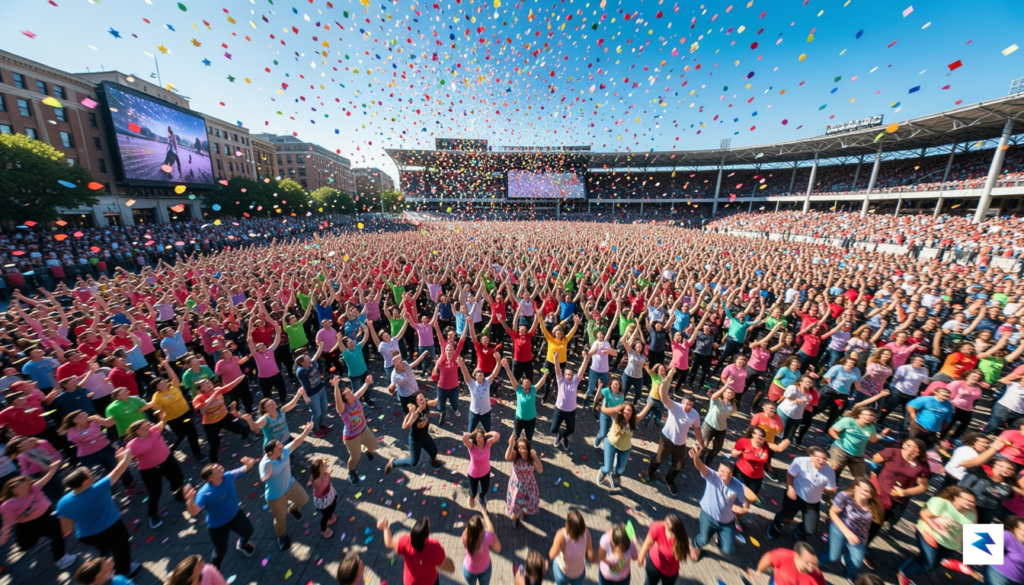
The core thesis emerging from such events is profoundly intriguing: our shared human experiences, particularly those charged with intense emotion and collective physical expression, possess the capacity to exert a real, measurable force on the environment around us. This phenomenon invites us to reconsider the boundaries between human experience and geophysical reality, suggesting that the passionate movements of a unified populace can indeed make the ground shake. It sets the stage for a deeper scientific inquiry into the mechanics behind these fan-induced seismic events, exploring how individual actions coalesce into a collective force strong enough to register on instruments designed for detecting planetary shifts.
How Seismographs Detect Human Activity

At their core, seismometers are marvels of precision engineering, designed primarily to detect the subtle, often imperceptible vibrations that ripple through the Earth’s crust. Traditionally, these instruments utilize a suspended mass or a pendulum system that remains stationary while the ground beneath it moves during a tectonic event. By measuring the relative movement between the frame of the device and this suspended weight, sensors convert mechanical energy into electrical signals. These signals are then digitized and recorded, creating the familiar jagged lines of a seismogram that geologists analyze to pinpoint the location, depth, and magnitude of shifts in fault lines or volcanic activity.
However, the extreme sensitivity required to capture a distant earthquake also makes these instruments remarkably adept at picking up localized, non-tectonic disturbances. When thousands of fans in a stadium leap in unison, they create a rhythmic, high-frequency kinetic force that transmits directly into the ground. While tectonic plates typically release energy through slow, low-frequency waves that travel over vast distances, human-generated activities produce a much tighter, more localized wave pattern. Because these sensors are tuned to register even the smallest accelerations in ground motion, they cannot distinguish between the shifting of subterranean rock and the synchronized impact of tens of thousands of cheering supporters.
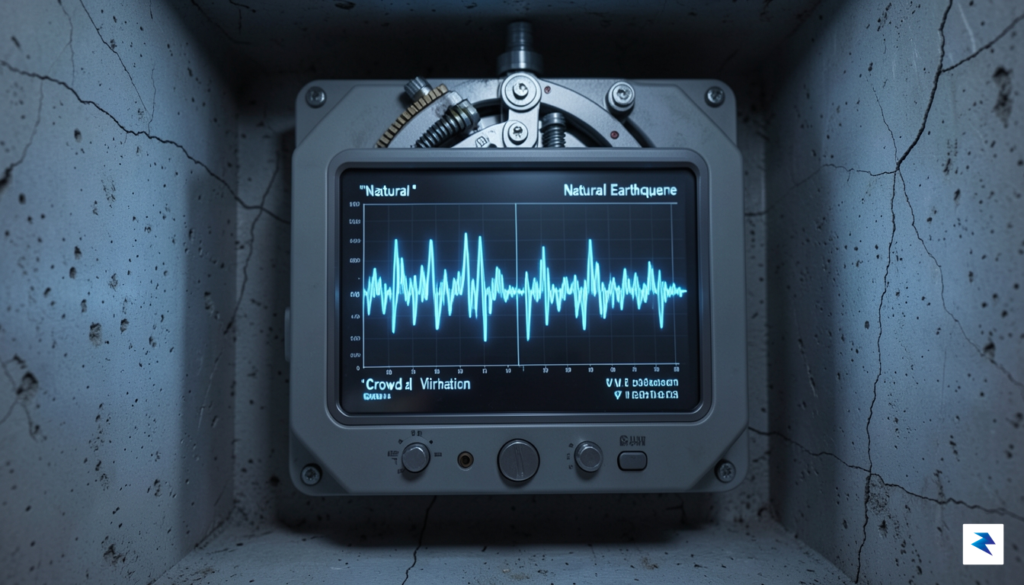
Distinguishing between these two phenomena requires a deep dive into the frequency and duration of the data collected by urban seismic stations. Geological earthquakes usually follow a specific “P-wave” and “S-wave” sequence, representing the primary and secondary waves generated by rock failure, which provides a clear “fingerprint” of a natural event. In contrast, a crowd-induced “quake” lacks these distinct geological precursors; instead, it manifests as a sustained, rhythmic pulse that mirrors the intensity of the celebration. By examining the spectral content of these signals, seismologists can easily identify the telltale hum of human activity, which often lacks the chaotic, complex waveforms associated with a shifting fault line.
The primary difference between a tectonic earthquake and a stadium-induced vibration lies in the source mechanism: one is the sudden release of accumulated crustal stress, while the other is a forced oscillation caused by repetitive, human-driven kinetic energy.
Ultimately, the sensors located near major stadiums act as sensitive microphones for the city’s pulse. During high-stakes matches, the data recorded by these stations often spikes in perfect correlation with major gameplay moments, such as a goal or a decisive victory. While these events are colloquially referred to as “artificial earthquakes,” the data clearly shows they are localized surface phenomena rather than deep-seated geological shifts. By understanding the interplay between frequency, amplitude, and temporal patterns, researchers can strip away the noise of the crowd to reveal the true, underlying geological activity of the region, ensuring that no actual seismic threat goes unnoticed amidst the roar of the stadium.
The Physics of a Collective Celebration
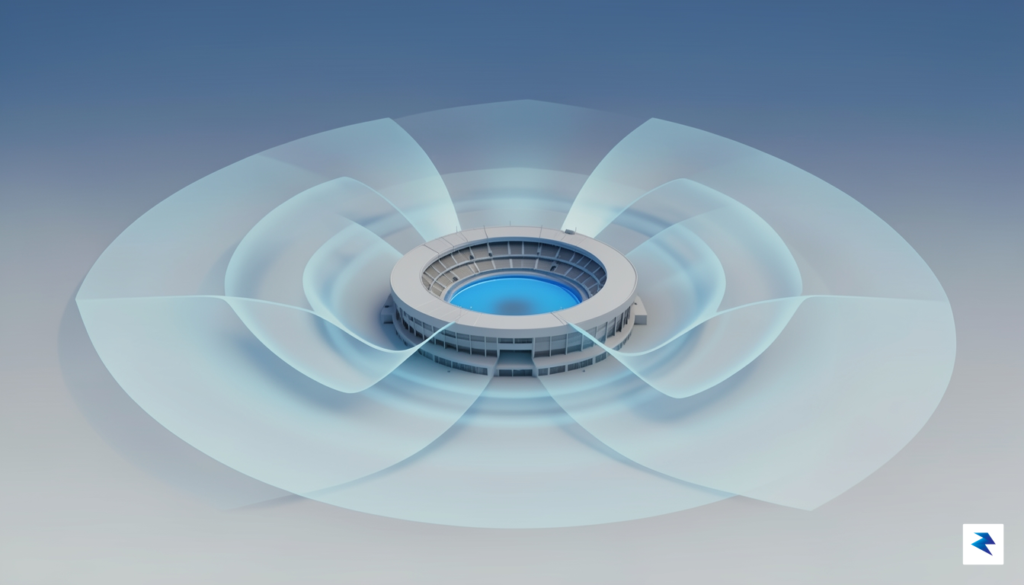
When thousands of fans erupt in celebration simultaneously, the phenomenon shifts from a mere display of passion to a quantifiable mechanical event known as rhythmic loading. At the heart of this process is the synchronized displacement of mass; as spectators jump in unison, they exert a collective force on the stadium floor that far exceeds the sum of their individual weights. This rhythmic impact acts like a massive pile driver, sending periodic pulses of kinetic energy directly into the stadium’s foundation. Because these movements happen at a specific, repetitive frequency, they create a constructive interference pattern, amplifying the vibration until it can propagate through the bedrock itself.
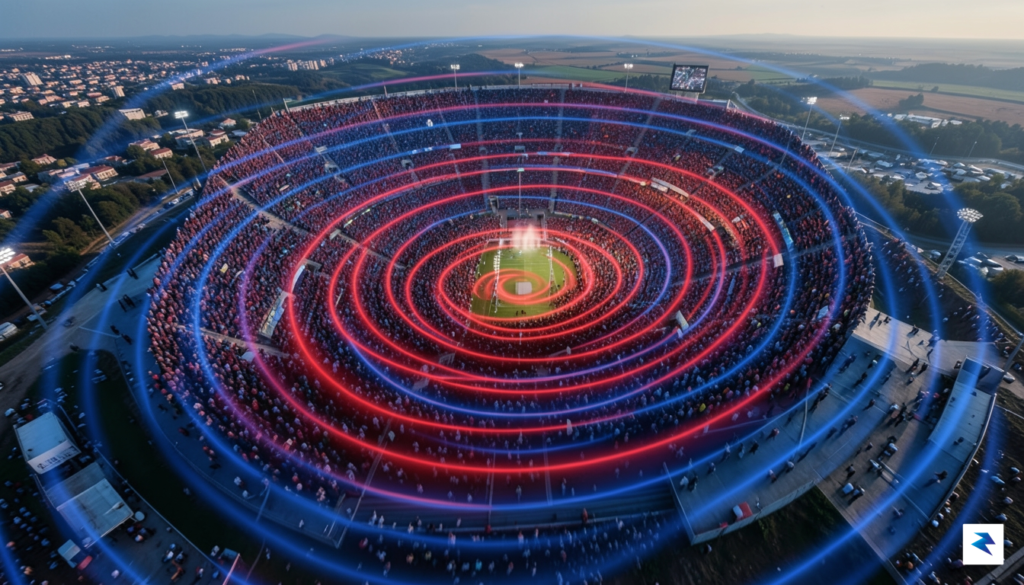
This low-frequency tremor is distinct from the chaotic, high-frequency noise of cheering, which dissipates quickly in the air. Instead, the rhythmic jumping creates seismic waves that are much more efficient at traveling through solid materials like soil, concrete, and rock. When thousands of people land at the exact same moment, they create a sudden spike in ground pressure that mimics the initiation of a tectonic event. If the timing of the crowd’s movement matches the natural resonant frequency of the ground beneath the stadium, the amplitude of these vibrations can increase significantly, allowing the tremors to be registered by sensitive seismographs located miles away.
“The seismic signature of a crowd is not born from sheer volume, but from the physics of mass and timing. When synchronization occurs, the earth treats the crowd as a single, massive, oscillating weight.”
To put this into perspective, consider the cumulative weight of tens of thousands of fans acting as a unified machine. If an average fan weighs 75 kilograms, a crowd of 50,000 represents nearly 4 million kilograms of mass moving vertically in a coordinated rhythm. When that weight is dropped repeatedly, the force imparted into the ground is immense, capable of creating a measurable peak ground acceleration. While this does not possess the destructive potential of a true tectonic shift—which involves the movement of massive crustal plates—the seismic signature recorded by sensors is mathematically indistinguishable from a minor, shallow-focus earthquake. This intersection of human emotion and mechanical physics turns a sporting event into a brief, powerful geological disturbance.
Historical Precedents: Stadiums That Moved

While the seismic activity detected during Mexico’s victory over Ecuador may seem like an anomaly, the phenomenon of stadiums “moving” due to collective human enthusiasm is a well-documented occurrence in sports history. The most famous case remains the 2011 “Beast Quake” in Seattle, where a monumental touchdown run by Marshawn Lynch caused such a violent reaction from 67,000 fans that a nearby seismometer recorded a minor tremor. This event transcended the world of sports, capturing the attention of geologists who were fascinated by the sheer kinetic energy generated by human synchronization. When a massive crowd jumps, stomps, or cheers in unison, they act as a singular mechanical force, transferring vibrations directly into the stadium’s structure and, subsequently, the surrounding soil.
These instances are not limited to American football or the high-octane atmosphere of North American venues; they are a global reality in the world of professional soccer. Across Europe and South America, fan bases are renowned for their rhythmic chanting and synchronized jumping—a practice often referred to as “the bounce.” During high-stakes matches in the Champions League or domestic derbies, monitoring stations near these stadiums frequently register small, localized vibrations that mimic natural tectonic shifts. Although these movements are not earthquakes in the traditional sense—as they do not stem from the shifting of subterranean plates—they demonstrate how intense emotional events can briefly alter the physical environment of a city.
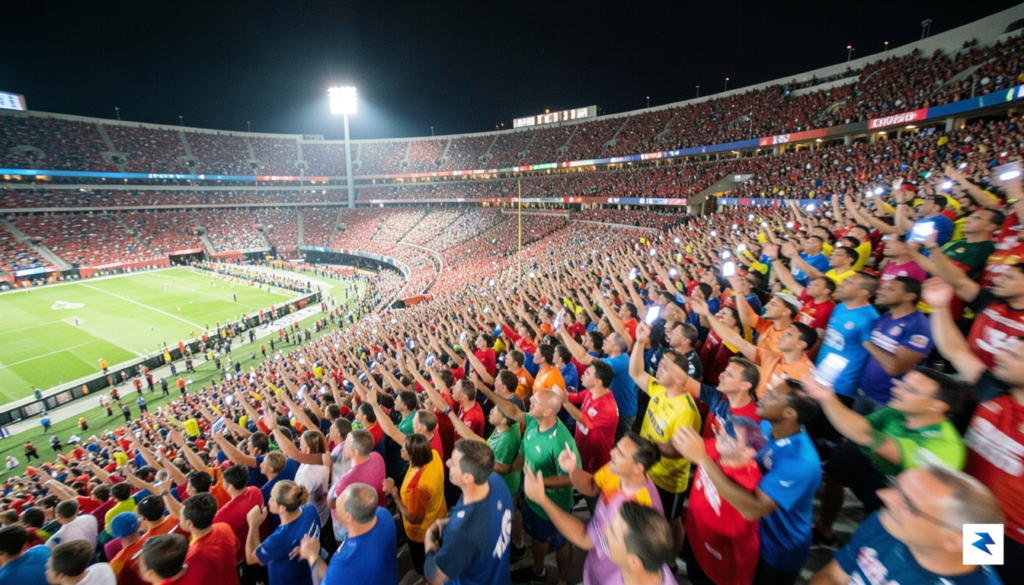
When comparing these historical precedents to the Mexico-Ecuador match, we find striking similarities in the intensity of the fan response, yet there are nuanced differences in how the ground reacts. In the Seattle “Beast Quake” scenario, the seismic signature was sharp, impulsive, and tied to a single, explosive moment of action. Conversely, the vibration seen during national team matches often involves a sustained, rhythmic pulse that can last for several minutes as fans celebrate a goal or a final whistle. These sustained vibrations can sometimes be more detectable by sensitive instruments because they create a continuous wave pattern rather than a singular, sudden spike.
The physics of fan celebration is a testament to the power of collective behavior; when tens of thousands of people move in concert, the structural integrity of the earth beneath them becomes a stage for an unintended, man-made performance of kinetic energy.
Ultimately, these events serve as a fascinating intersection of sports sociology and geophysics. They remind us that the boundary between human action and the natural world is often more porous than we imagine. While the “earthquake” in Mexico was certainly not a tectonic disaster, it was a profound physical manifestation of national pride. By contextualizing this event alongside the “Beast Quake” and European stadium tremors, it becomes clear that we are witnessing a recurring pattern where the sheer passion of sport creates its own measurable, undeniable footprint on the planet.
Scientific Distinctions: Natural vs. Anthropogenic Tremors

When seismic sensors across Mexico City registered sudden ground movement during the pivotal match, the immediate instinct was to label the phenomenon an earthquake. However, from a strictly geological perspective, this is a misnomer. While the instrumentation captured genuine seismic waves, these vibrations were classified as anthropogenic seismic events rather than tectonic earthquakes. A tectonic earthquake is the result of the sudden release of energy within the Earth’s crust caused by the shifting of massive lithospheric plates along a fault line. In contrast, the tremors felt during the national celebration were entirely human-induced, originating from the synchronized, rhythmic physical activity of thousands of fans jumping and cheering in unison.
The distinction between these two types of tremors is vital for maintaining the integrity of seismic data and ensuring public safety protocols remain effective. When seismologists review their data, they must filter out these anthropogenic signals to avoid confusing them with genuine precursors to natural disasters. If government agencies were to trigger public earthquake alarms for every major sporting celebration, the resulting “alarm fatigue” could lead to dangerous complacency among the population. By clearly distinguishing between the two, authorities can reserve high-alert status for genuine geological threats, which possess the power to cause structural collapse on a massive scale, while treating fan-driven vibrations as the localized, non-threatening anomalies they are.
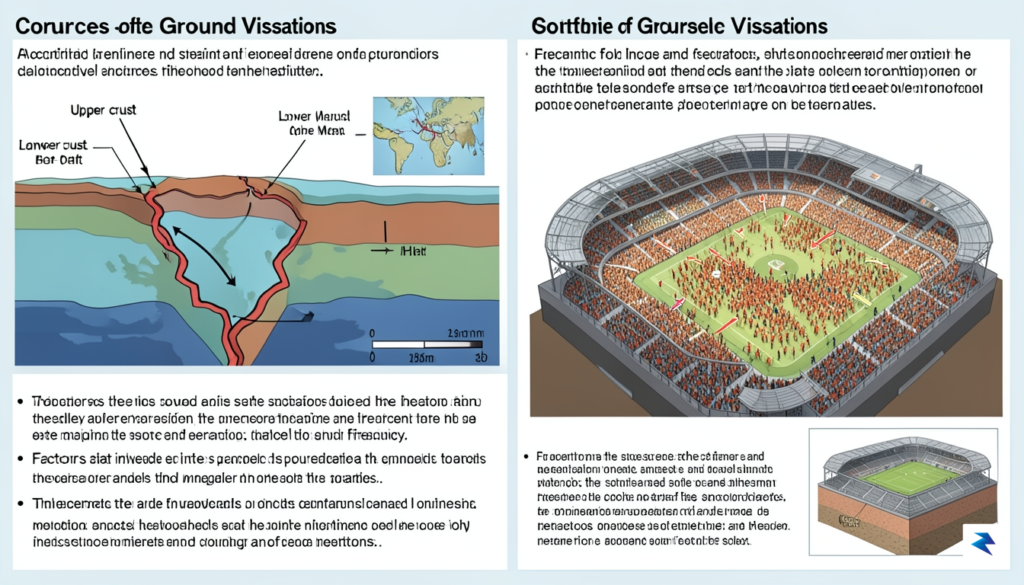
A key factor in how these events manifest is ground coupling, which acts as the medium for transferring human energy into the soil. Because stadiums and surrounding urban infrastructure are often built on specific types of sediment—such as the soft, clay-heavy basin of Mexico City—the vibrations generated by a crowd can be amplified as they move through the earth. This phenomenon, known as site amplification, explains why the energy of a cheering crowd can travel several blocks and reach sensitive sensors located miles away. However, despite the intensity of these waves, their reach and power are fundamentally limited.
Unlike tectonic earthquakes, which release energy from deep within the crust and can displace entire city blocks, anthropogenic tremors are shallow, surface-level events that lack the sustained power to compromise the structural integrity of modern, code-compliant buildings.
Ultimately, these localized tremors serve as a fascinating example of how collective human behavior can physically influence the environment, yet they remain fundamentally different from the geological processes that shape our planet. Understanding this difference is not just an exercise in semantics; it is a necessary component of modern disaster management. By recognizing that these vibrations are a byproduct of human enthusiasm rather than the shifting of the earth’s foundation, we can celebrate the passion of the fans while keeping our scientific understanding—and our emergency response strategies—grounded in reality.
Implications for Urban Planning and Sports Infrastructure

The phenomenon of crowd-induced seismic activity forces a radical rethink of how we approach the structural integrity of contemporary sports venues. Traditionally, stadium engineering focused primarily on static loads—the sheer weight of thousands of spectators and the structural gravity of the concrete tiers themselves. However, the synchronized, rhythmic jumping of a celebratory crowd introduces dynamic, oscillating forces that can create resonance frequencies, potentially challenging the limits of even the most robust architecture. As global fan culture continues to evolve toward higher levels of intensity and coordination, engineers are increasingly treating stadiums not just as buildings, but as complex, kinetic machines that must manage significant energy dissipation.
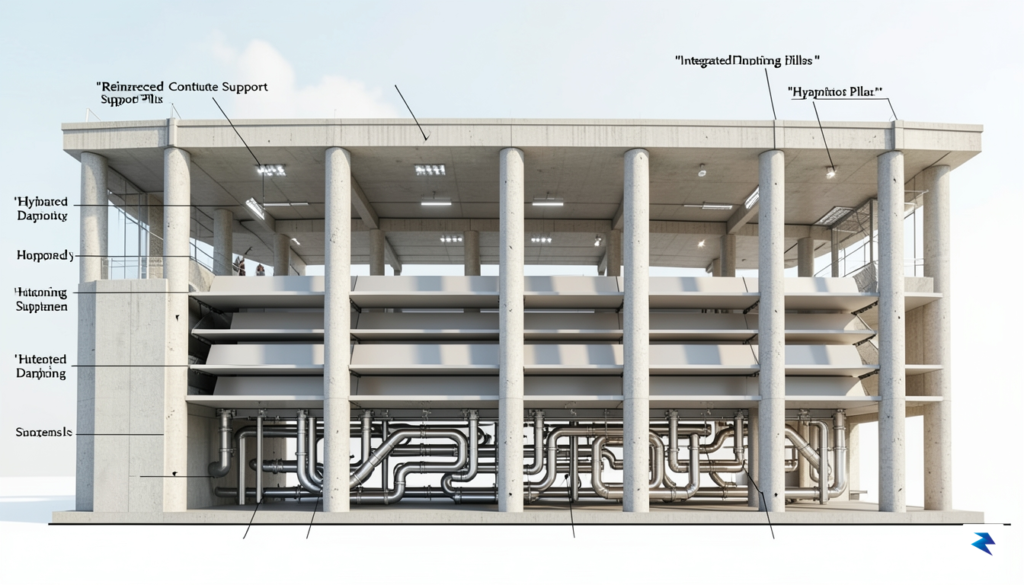
To mitigate these risks, modern arenas are increasingly incorporating sophisticated damping technologies. These systems, similar to those used to protect skyscrapers in earthquake-prone regions, utilize tuned mass dampers and hydraulic shock absorbers embedded within the structural joints of the stands. By strategically placing these devices, engineers can effectively “cancel out” the rhythmic vibrations generated by jumping fans, preventing the kinetic energy from accumulating into a structural hazard. Furthermore, advancements in materials science have allowed for the development of high-strength, flexible polymers and reinforced concrete composites that offer greater elasticity. This shift ensures that the structure can “give” slightly under pressure rather than resisting it rigidly, which would otherwise risk micro-fractures or structural fatigue over time.
Future stadium design must transition from viewing crowd movement as a peripheral nuisance to treating it as a primary structural load factor.
Looking toward the future, we can expect urban planners and architects to adopt a more holistic approach to vibration mitigation that extends beyond the stadium walls. As stadiums are increasingly integrated into dense urban cores, the resonance generated by a goal celebration can propagate through the ground to impact neighboring infrastructure, including subway tunnels and nearby residential foundations. Future designs will likely incorporate “seismic isolation” foundations—essentially giant rubber bearings that decouple the stadium from the Earth’s crust—to prevent ground-borne vibrations from radiating into the surrounding city. By modeling crowd behavior through advanced fluid dynamics and physics simulations, designers will be able to create arenas that are not only resilient enough to withstand the exuberant energy of a World Cup victory but also gentle enough to exist in harmony with the urban fabric that surrounds them.