
The Rise of Goose: An Exclusive Digital Frontier
For years, the digital landscape of queer connection has been defined by the relentless, grid-based monotony of apps like Grindr and Tinder. These platforms, while revolutionary in their infancy, have increasingly come under fire for fostering a culture of hyper-commodification, where human interaction is reduced to static profile photos and fleeting, transactional exchanges. Users are understandably weary of the “hookup-first” mentality that dominates these spaces, leaving a profound void for those seeking genuine, intentional community. This widespread digital fatigue has paved the way for a new disruptor: Goose, an app that pitches itself not merely as a tool for dating, but as an elite, invite-only sanctuary for the discerning queer individual.
The marketing strategy behind Goose is as calculated as it is alluring. By positioning itself behind a velvet rope, the platform promises a curated environment where quality is prioritized over quantity. Its branding emphasizes “intentionality,” a buzzword that strikes a chord with a demographic exhausted by ghosting, algorithmic manipulation, and the superficiality of existing incumbents. The premise is simple yet intoxicating: if you are granted access to Goose, you are entering a space where the noise is filtered out, leaving only high-caliber, like-minded individuals. In an era where digital spaces feel increasingly cluttered and toxic, this promise of exclusivity acts as a powerful psychological magnet.
The queer community has long been susceptible to these types of “exclusive” tech solutions precisely because the search for belonging is so central to the LGBTQ+ experience. Historically, queer people have had to build their own subcultures and safe havens in the face of marginalization, making the allure of a “members-only” digital club feel like a modern evolution of the underground bar scene. However, this desire for a better, safer, and more refined social experience also creates a blind spot. When a service arrives that claims to solve the systemic flaws of traditional dating apps through high-barrier entry, users are often willing to overlook the lack of transparency regarding who is actually running the show.
The irony of digital exclusivity is that it often masks a deeper lack of transparency, turning the quest for a more intentional connection into a potential data-mining operation.
As Goose continues to gain momentum, the narrative of a “curated community” is increasingly being scrutinized. While the app positions itself as a premium remedy for the ailments of modern dating, the opaque nature of its origins is beginning to raise eyebrows among tech-savvy users. Is this truly a community-driven solution, or is the exclusivity merely a clever marketing tactic to mask something more calculated? The very traits that make Goose appealing—its mystery, its selective access, and its polished presentation—are the same traits that fuel theories that the app might be something far more clinical, or even psychological, in its design.
The Mystery of the Goose Influencers
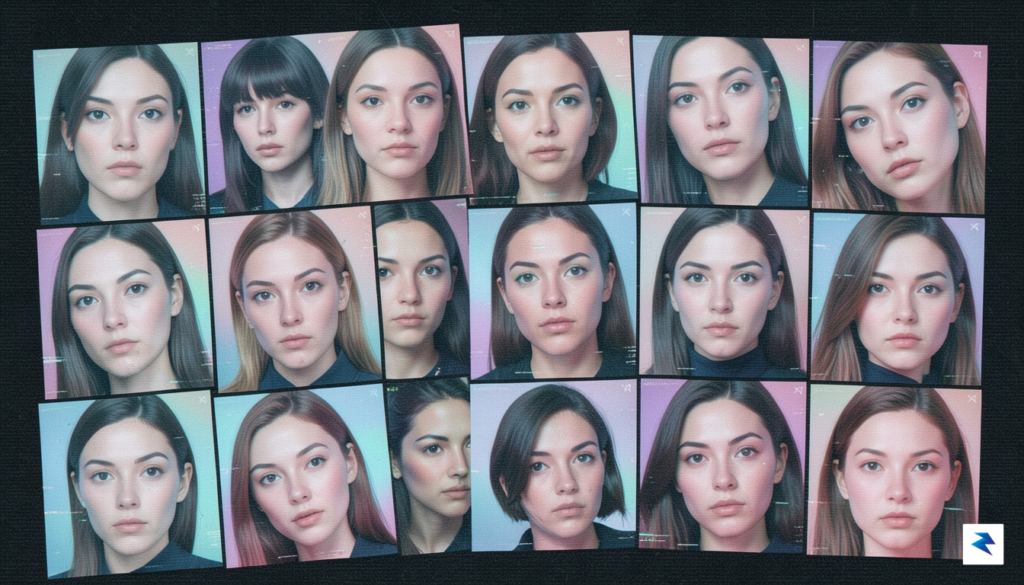
When a new dating app enters the crowded queer social landscape, its success typically hinges on a foundation of organic growth and community trust. We expect to see recognizable faces—local organizers, nightlife pillars, or established creators—sharing their authentic experiences with the platform. However, the promotional engine behind Goose operates with a cold, mechanical precision that feels fundamentally detached from the queer community it purports to serve. Instead of a grassroots movement, the app’s launch was characterized by a sudden, jarring saturation of influencers who appear to exist in a digital vacuum, devoid of the messy, verifiable histories that define real human lives.
Upon closer inspection, the profiles promoting Goose reveal a series of disquieting patterns that set off alarm bells for any seasoned internet observer. These influencers frequently share identical talking points, utilizing a repetitive, uncanny script that emphasizes the app’s “disruptive” technology rather than the actual lived experience of dating. Even more suspicious is the absence of a meaningful digital footprint; a quick search for these figures often yields nothing beyond their recent, singular focus on Goose. They lack the sprawling, chaotic archives of past posts, tagged photos with friends, or engagement in broader queer subcultural discourse that one would expect from a genuine member of the community. It is as if these personas were synthesized specifically to market this product, appearing fully formed on our feeds without the typical connective tissue of an online personality.
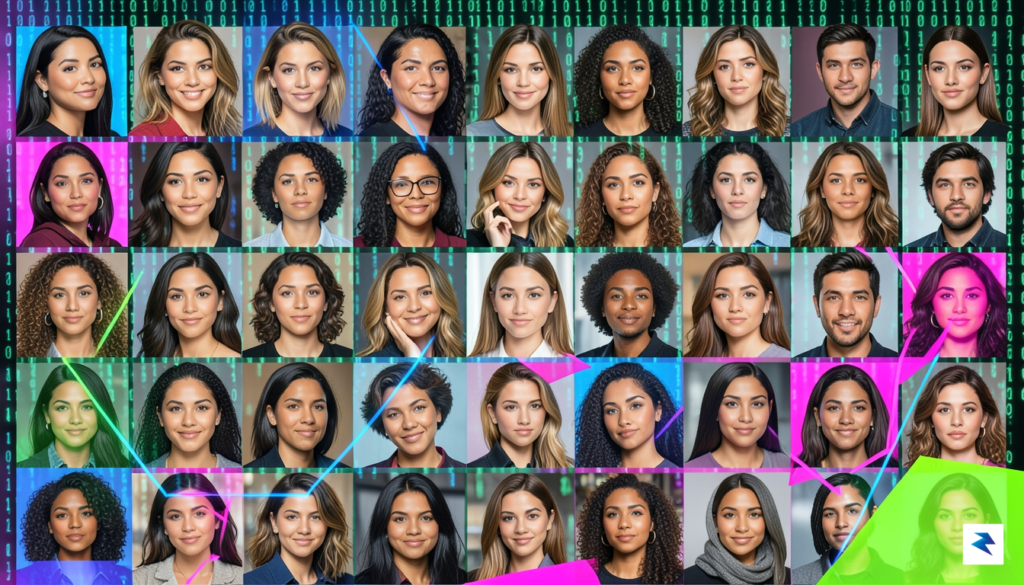
This stark contrast to traditional grassroots marketing is impossible to ignore. In a typical successful rollout, influencers bring their own established credibility to a product, acting as a bridge between the app and the user base. With Goose, the bridge leads to nowhere. These promoters do not interact with the nuances of queer culture; they do not acknowledge the specific trials of modern dating, nor do they seem to belong to the social circles they claim to inhabit. Instead, their posts follow a rigid, bot-like cadence that prioritizes polished aesthetic over genuine human connection. This lack of authenticity is not merely a marketing failure; it feels like a calculated, top-down strategy designed to manufacture the appearance of popularity.
The absence of a digital history is the hallmark of a ghost. When dozens of “influencers” materialize simultaneously to promote an app, yet cannot be traced to any prior social existence, the platform ceases to be a community tool and starts looking like a controlled experiment.
Ultimately, the void of human reality behind these promoters forces us to ask what the app actually intends to capture. If a service is truly built for a specific demographic, it should resonate with the organic pulse of that group. By bypassing the necessity of authentic social proof and relying on a fleet of digital phantoms, Goose has inadvertently signaled that its priorities lie elsewhere. Whether this is an exercise in data collection or a sophisticated test of algorithmic influence, the lack of human transparency is a red flag that no amount of polished branding can effectively hide.
Digital Shadows: Analyzing the Psyop Allegations

In the modern digital landscape, the term psyop—short for psychological operation—has migrated from military strategy to the lexicon of internet cynicism. When a new platform emerges that feels fundamentally disconnected from the authentic, messy reality of human connection, users are quick to wonder if they are being courted or curated. Goose enters this space with an aura of exclusivity that feels less like a community-building endeavor and more like a controlled environment. If the app is indeed a laboratory for behavioral monitoring, it suggests a sophisticated attempt to map the nuances of private interactions under the guise of an exclusive gay dating club.
The primary concern regarding Goose stems from the inherent value of the data it requests. Beyond basic profile information, a niche dating app targeting the LGBTQ+ community collects highly sensitive metadata: location history, social preferences, and patterns of association that are deeply personal. In an era where data is often described as the new oil, the incentive to create a “fake” or experimental app is substantial. By masquerading as a social utility, developers can harvest insights into sexual orientation and behavioral trends that are incredibly difficult to acquire through traditional market research. This information, if aggregated and sold or utilized for training artificial intelligence models, represents a goldmine for entities interested in social engineering or targeted advertising.
Transparency—or rather, the total lack thereof—is the greatest red flag in the Goose narrative. Authentic platforms typically prioritize user trust through clear privacy policies, identified leadership, and a visible roadmap for growth. In contrast, the opaque nature of Goose’s infrastructure leaves users guessing about who is truly pulling the strings. When an app refuses to disclose how its algorithms function or where its user data is stored, it naturally invites scrutiny regarding its true intent. Is this a genuine effort to disrupt the dating scene, or is it a sandbox designed to observe how marginalized groups communicate when they believe they are in a private, gated environment?
The most effective surveillance tools are those that users willingly download and populate with their most intimate truths.
Ultimately, the suspicion surrounding Goose acts as a mirror for our collective anxiety about the digital age. We have reached a point where we instinctively distrust “free” or “exclusive” services, recognizing that if we are not paying for the product, we are almost certainly the product ourselves. Whether Goose is a genuine social experiment or a deliberate psyop remains to be seen, but the skepticism it has generated is a testament to how fragile trust has become in an ecosystem where personal identity is constantly being commodified for unseen ends.
The Fragile Ecosystem of Niche Dating Apps
The history of the queer digital landscape is littered with the digital skeletons of applications that promised to revolutionize how we connect, only to vanish as quickly as they appeared. For years, the market has been dominated by a handful of giants, leading to a palpable sense of “app fatigue” among LGBTQ+ users who are increasingly disillusioned with the superficiality of existing platforms. Time and again, well-meaning developers—and those with far more cynical agendas—have attempted to disrupt this hegemony by promising a return to authenticity, curated communities, and safer interactions. Yet, these projects frequently collapse under the weight of their own design, proving that in the queer dating world, user trust is a far more valuable commodity than any proprietary algorithm or flashy user interface.

The “Goose” phenomenon is particularly revealing when viewed through the lens of this historical instability. Queer users, often navigating spaces that feel either exclusionary or hyper-sexualized, possess a profound emotional need for genuine community and psychological safety. Bad actors have learned to weaponize this vulnerability by leveraging the allure of “exclusivity” as a primary marketing tactic. By gatekeeping access—whether through invite-only systems, rigorous verification processes, or the promise of a curated “high-quality” user base—these platforms bypass the healthy skepticism that usually protects users from predatory data harvesting or social engineering. This exclusivity feels like a sanctuary, but as the recent mystery surrounding Goose suggests, it can just as easily function as a walled garden designed to sequester and observe specific demographics under the guise of an intimate, private club.
When a platform markets itself primarily on the promise of “safety” and “exclusivity,” it often effectively silences the critical thinking skills of its potential user base, who are desperate to escape the toxicity of larger, unmoderated apps.
Ultimately, the fragility of this ecosystem stems from the fact that dating apps are not merely tools; they are social infrastructure for a community that has historically been forced to carve out its own spaces. When we see a newcomer like Goose emerge with an opaque mission and a suspicious lack of transparency, it highlights a dangerous trend where our collective desire for something “better” is exploited for purposes that remain entirely hidden from view. To navigate this landscape, users must recognize that true authenticity cannot be coded into a backend or enforced through a sign-up wall. If we continue to treat every “exclusive” app as a potential savior, we leave ourselves exposed to entities that prioritize the extraction of our social data over the genuine fostering of our connections.
Navigating Trust in the Era of AI-Driven Marketing

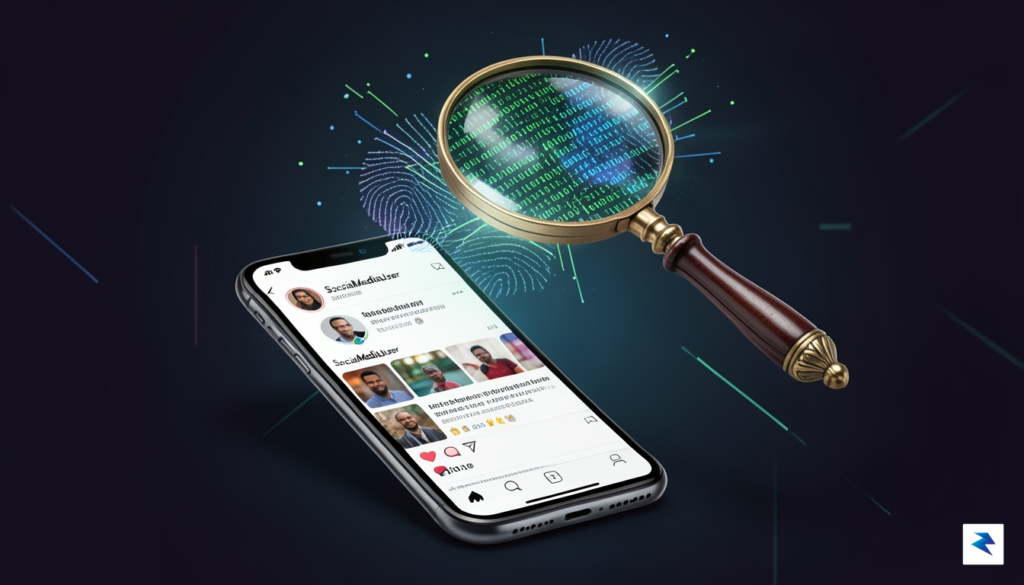
As synthetic media and AI-generated personas become increasingly indistinguishable from reality, the burden of verification has shifted squarely onto the shoulders of the consumer. In a landscape where high-fidelity chatbots and deepfake influencers can mimic human intimacy with unsettling precision, the “too good to be true” factor is no longer just a warning—it is a vital metric for digital survival. When a new platform like Goose generates sudden, explosive hype, it is essential to pause and apply a rigorous vetting process before handing over your personal data, location history, or intimate preferences. Protecting yourself in these spaces requires a fundamental transition from passive user to proactive investigator.
Establishing a Protocol for Digital Verification
Before downloading any new application that promises to revolutionize your social life, you must treat the installation as a potential security risk. Start by researching the developer’s footprint beyond the app store’s glossy marketing copy. Legitimate companies almost always maintain a verifiable history, public team profiles, and transparent corporate filings. If a new app’s developer is a shell company or lacks a traceable presence on professional networking sites like LinkedIn, that should serve as an immediate red flag. Furthermore, take a moment to read the privacy policy with a skeptical eye; if the language is intentionally vague about how your data is sold to third parties or processed by AI models, you should assume your personal information is the product being traded.
Digital literacy is the most effective form of self-defense in the modern era. When in doubt, prioritize the security of your identity over the convenience of a new social experience.
A Checklist for Modern Safety
To help you navigate these hype-driven platforms, consider adopting a standard vetting checklist before you sign up:
- Examine the “Human” History: Look at the app’s social media presence. Are the engagement numbers inflated by bots? Are the testimonials generic, grammatically robotic, or suspiciously repetitive?
- Cross-Reference Social Proof: Search for the app on independent forums, cybersecurity blogs, and tech-focused discussion boards. If the only praise for the app comes from its own marketing channels, the platform is likely an artificial construct.
- Evaluate Permissions: During installation, pay close attention to what the app is requesting. Does a dating app really need access to your contact list, microphone, and precise location data simultaneously? If the permissions exceed the functionality, it is a sign of aggressive data harvesting.
- Check for Transparency: Does the platform allow you to verify other users through linked social media accounts or manual ID verification? A lack of standard safety features is often a sign of a platform designed for anonymous data collection rather than genuine connection.
For the queer community, which has historically relied on digital spaces to find safety and solidarity, the threat of AI-driven manipulation is particularly poignant. Bad actors often weaponize the desire for community, creating “honey-pot” applications that exploit our need for connection to farm sensitive data. By maintaining a healthy level of skepticism and demanding transparency from the digital spaces we inhabit, we can ensure that our pursuit of community remains a source of strength rather than a vulnerability to be exploited by unseen algorithms.