Reversing Brain Aging: How a New Nasal Spray Could Change Cognitive Health
The Mechanism Behind Brain Aging and Cognitive Decline At its core, brain aging is not an inevitable, passive decay, but rather a complex…
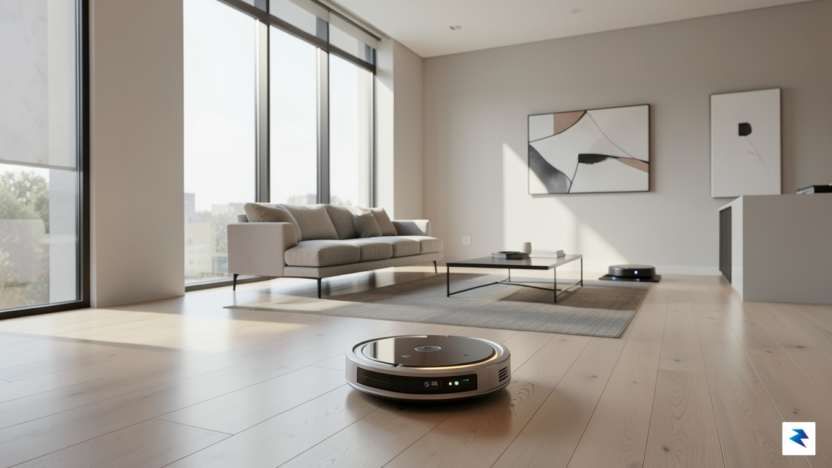
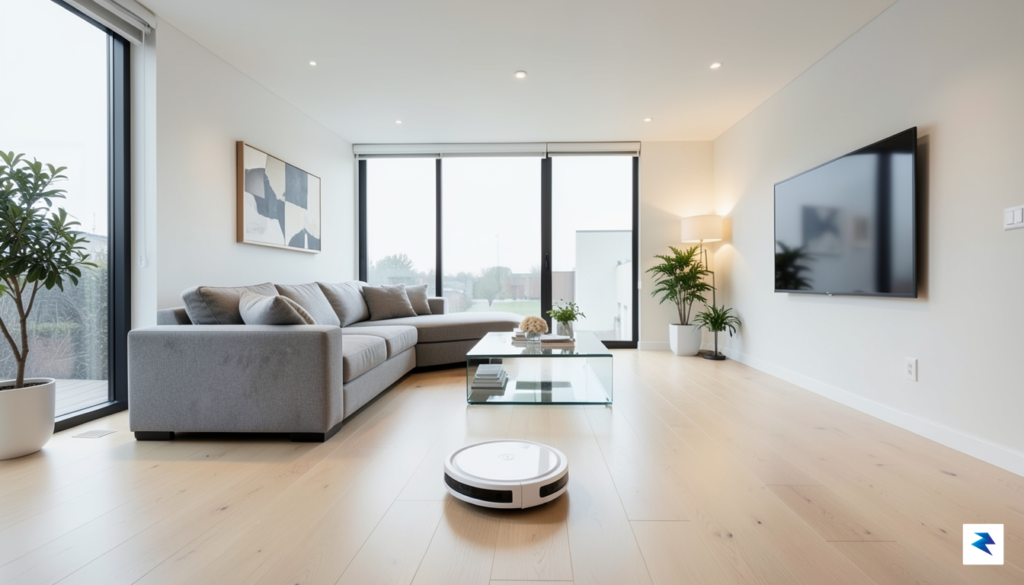
The landscape of premium home automation is constantly shifting, and recent developments from Matic highlight the growing complexity of maintaining high-end smart technology. Effective September 9th, the company will implement a significant price adjustment for its flagship robot vacuum, raising the retail cost from $1,245 to $1,495. This $250 increase reflects the broader economic reality of the smart home sector, where manufacturers must balance the rising costs of advanced hardware components with the ongoing, resource-intensive development of proprietary software and artificial intelligence capabilities. For consumers who have been tracking the evolution of robotic cleaning, this shift serves as a reminder that early adoption often comes with a specific, time-sensitive financial advantage.
Understanding why such price fluctuations occur is essential for any prospective buyer navigating the high-stakes world of modern appliances. Unlike traditional household items that remain stagnant in their utility, devices like the Matic vacuum rely heavily on continuous cloud integration, firmware updates, and machine learning models that improve over time. As these systems become more sophisticated, the investment required to support them scales accordingly, often forcing companies to recalibrate their pricing structures to ensure long-term sustainability and product support. While a $250 markup is certainly substantial, it is frequently a necessary step for companies aiming to provide consistent innovation without compromising the quality of the user experience.
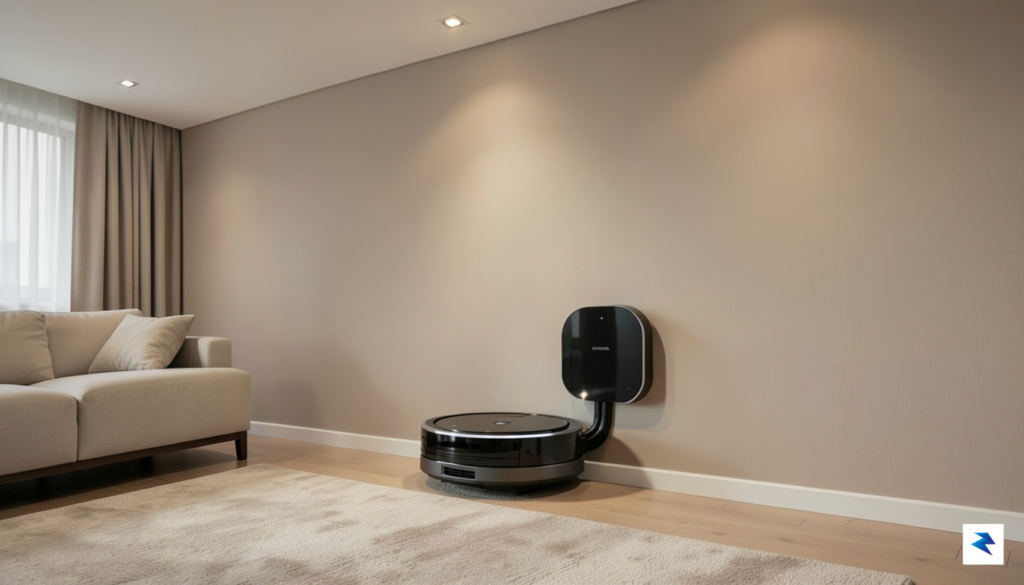
For those currently weighing the decision to invest in a premium automated cleaning solution, the countdown to September 9th represents a definitive window of opportunity to secure the current pricing before the market adjusts.
If you have been seriously considering adding this device to your smart home ecosystem, the urgency of the situation cannot be overstated. Waiting until after the deadline means missing out on a significant cost saving that could otherwise be redirected toward other home improvements or accessories. By acting now, you not only avoid the impending price hike but also ensure that your home is equipped with one of the most advanced autonomous cleaning systems on the market before the new, higher barrier to entry takes hold. It is rare to see such clear transparency regarding upcoming price changes, so taking advantage of this advanced notice is a prudent move for any budget-conscious tech enthusiast.
Ultimately, the decision to purchase should be based on your immediate need for high-tier floor care and your willingness to invest in future-proof technology. As the industry matures, the value proposition of these robots continues to grow, but so does their market valuation. Evaluating your requirements today allows you to bypass the upcoming surge, ensuring you get the most value out of your purchase while enjoying the convenience of advanced, automated home maintenance immediately.
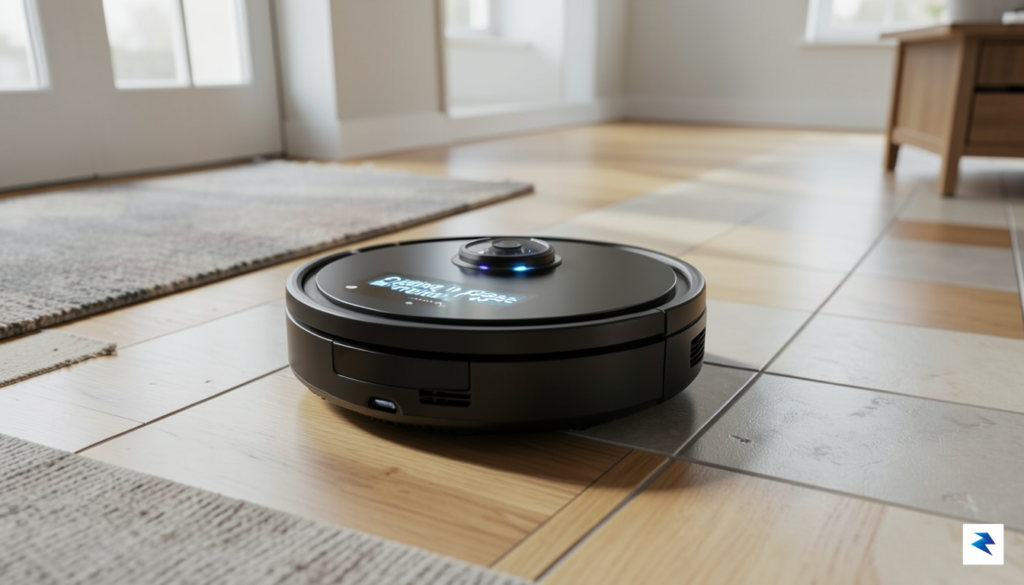
Unlike the countless mass-market robot vacuums that rely on rudimentary lidar or simple bump-and-turn navigation, the Matic occupies a different tier of home automation. It achieves this status by integrating advanced proprietary spatial intelligence that allows it to perceive a home much like a human does, rather than simply mapping it as a collection of obstacles. While budget-friendly models often struggle with cords, pet waste, or stray socks—frequently requiring manual intervention—the Matic utilizes a sophisticated sensor array that processes environmental data in real-time. This level of autonomy ensures that the machine spends its time cleaning rather than getting stuck under a chair or tangled in a rug, effectively removing the “babysitting” requirement that plagues most entry-level alternatives.
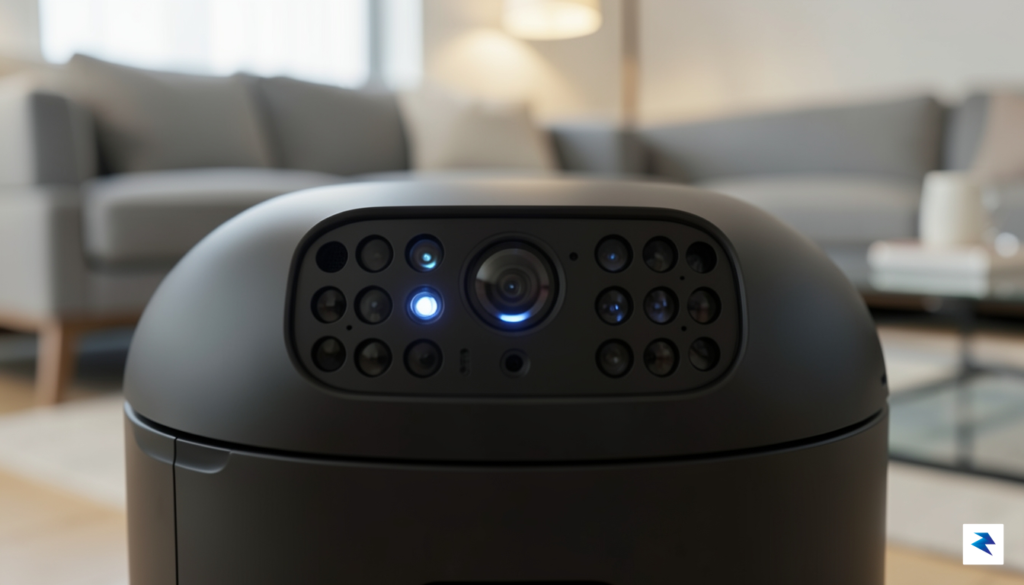
Beyond its ability to navigate complex layouts, the Matic distinguishes itself through a truly comprehensive approach to deep cleaning. Most standard robot vacuums are essentially sweeping devices with a light suction motor, often failing to address the microscopic debris or stubborn stains that accumulate on hardwood and tile. Conversely, the Matic features a specialized mopping system that applies genuine downward pressure, allowing it to scrub floors rather than merely dragging a damp cloth across the surface. This mechanical advantage, paired with its high-torque suction, ensures that the device can transition seamlessly between floor types without losing efficacy. It is this commitment to high-performance hardware that justifies its position as a long-term investment for homeowners who demand pristine results without the need for secondary manual scrubbing.
The true value of the Matic lies not in its ability to mimic other vacuums, but in its ability to replace human-led cleaning tasks entirely through superior hardware and smarter navigation.
When comparing the Matic to the broader market, the distinction becomes clear: budget models are designed for convenience, but the Matic is designed for consistency. While competitors often prioritize flashy features or low price points, they frequently sacrifice build quality and software longevity in the process. Matic, however, focuses on reliability and deep-cleaning utility, ensuring that the machine remains a workhorse rather than a novelty item. For users who prioritize their time and expect a floor-care solution that works autonomously for years, the technical sophistication of the Matic creates a value proposition that standard, entry-level bots simply cannot match, regardless of their price tag.
When considering a high-end floor care system with a price tag reaching $1,495, the decision-making process shifts from a simple purchase to a long-term investment in household infrastructure. At this price point, consumers are no longer just buying a vacuum; they are buying back hours of their week that would otherwise be spent on tedious manual cleaning. To determine if this luxury appliance holds its value, you must calculate the “cost-per-hour” of saved labor over the device’s expected lifespan. If a premium robot vacuum successfully eliminates the need for a secondary cleaning service or significantly reduces the manual labor required to maintain a pristine home, the steep upfront cost begins to align more closely with the tangible utility provided.
Beyond the immediate time savings, durability and software longevity represent the true pillars of a premium appliance’s value proposition. A budget-friendly vacuum often ends up in a landfill after two years, whereas a luxury unit is designed to be a permanent fixture in the home. Prospective buyers should prioritize systems that offer frequent, meaningful firmware updates, as these ensure the robot becomes more intelligent and efficient over time rather than becoming obsolete. Peace of mind is an equally important, yet frequently overlooked, variable in this equation. Investing in a machine that is engineered to perform consistently—without constant troubleshooting, manual interventions, or getting stuck under furniture—is the primary reason one chooses a premium model over a mass-market alternative.
The true value of a luxury appliance is found not in the initial price tag, but in the reliability of the performance and the quality of the time it returns to the homeowner.
To evaluate whether this specific investment is right for your household, consider the following checklist before finalizing your purchase:
Ultimately, a $250 price hike is significant, but it must be viewed in the context of the total value provided by the machine. If the unit reliably operates for several years with minimal intervention, the daily cost of ownership becomes surprisingly low. However, if your household habits do not align with the specific automation strengths of a premium robot, even the most advanced machine will struggle to justify its cost. By balancing the promise of convenience against the reality of your home’s specific cleaning needs, you can determine whether this sophisticated tool is a wise addition to your domestic life or an unnecessary luxury.
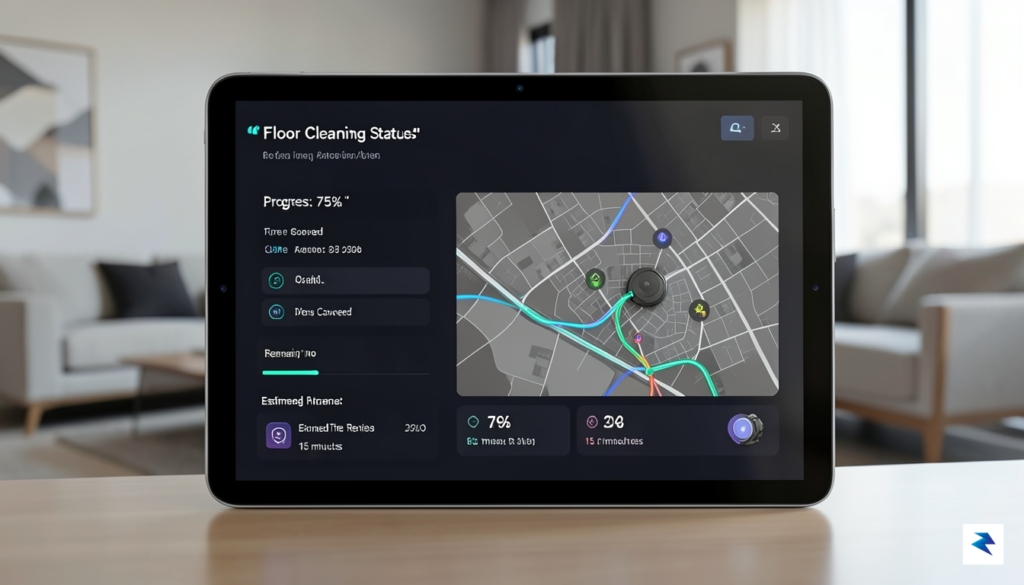
Deciding whether to secure a Matic unit before the upcoming price adjustment requires a candid assessment of your household’s specific floor plan and your personal tolerance for domestic chores. If your home features a complex layout with a mix of hardwood, tile, and medium-pile carpet, the Matic’s advanced navigation and intelligence offer a tangible improvement over entry-level robotic cleaners. Before making a financial commitment, consider your current cleaning frequency; if you find yourself perpetually behind on vacuuming due to a busy schedule, the utility you gain from the next several months of automated upkeep often outweighs the long-term uncertainty of waiting for a discount that may never arrive. By purchasing now, you effectively lock in the current lower price, ensuring that the return on your investment begins immediately rather than being delayed by speculation.
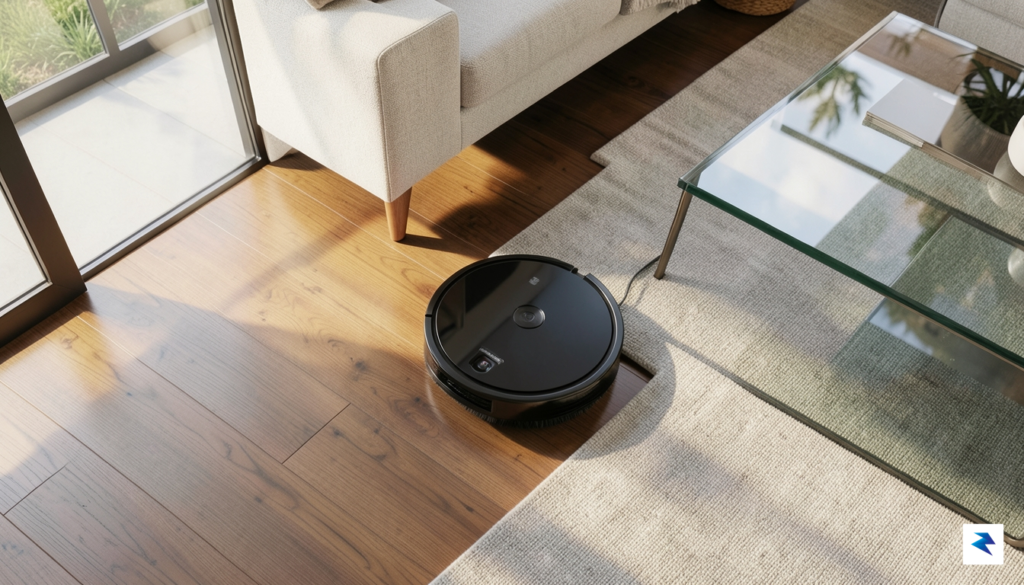
Conversely, some consumers may feel hesitant, wondering if a future “Pro” or “Gen 2” model might introduce features that render the current hardware obsolete. While technology companies are perpetually iterating, it is important to remember that the Matic has already established itself as a highly capable, proven piece of hardware. Waiting for a hypothetical update involves the risk of paying a premium for features you may not actually require, all while losing out on the immediate convenience that the current unit provides. If you prioritize reliability and a tried-and-true feature set over the “latest and greatest” marketing buzz, securing the current model is a pragmatic decision that avoids the inevitable early-adopter tax associated with future product launches.
The best time to invest in home automation is when your current cleaning burden becomes a significant drain on your time; waiting for the perfect sale or the next generation often costs more in missed productivity than the price difference itself.
To help guide your final decision, consider this checklist before clicking the checkout button:
Ultimately, the choice comes down to whether you value the certainty of proven performance today or the gamble of potential improvements tomorrow. If the current feature set aligns with your needs, there is little strategic advantage in waiting for the price hike, as the financial incentive clearly favors acting before the September deadline. By committing now, you shift your focus from shopping for a solution to enjoying the benefits of a cleaner home environment immediately.
You must be logged in to post a comment.