
The $3.8 Billion Reality Check: Why Political Crypto Tokens Are Struggling
The Reality of Political Crypto Tokens The rapid emergence of "PolitiFi"—a niche corner of the decentralized finance ecosystem—has transformed…
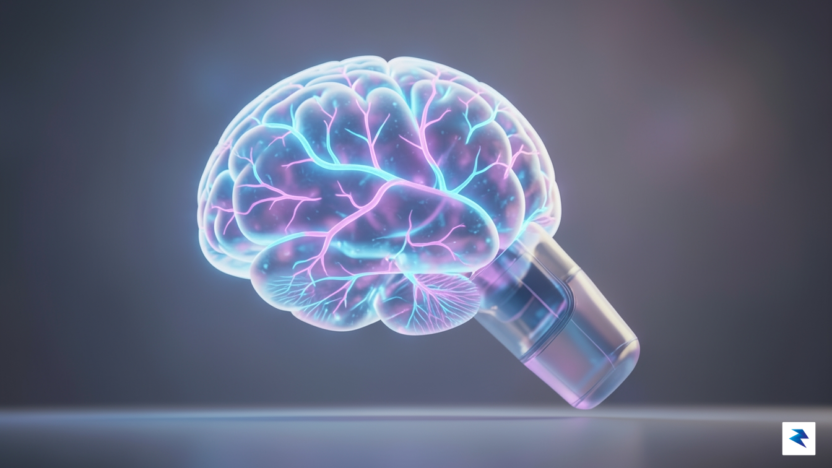
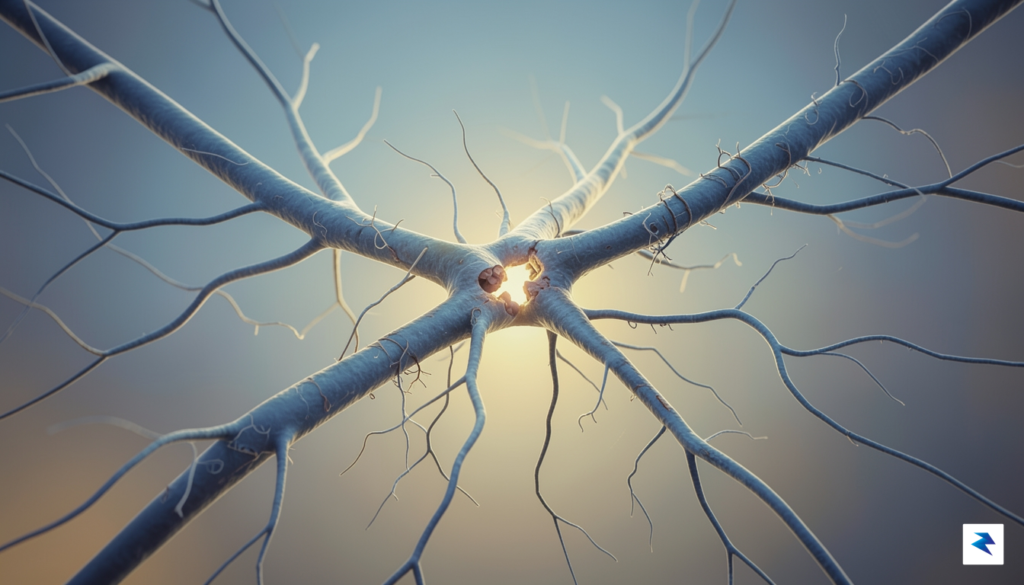
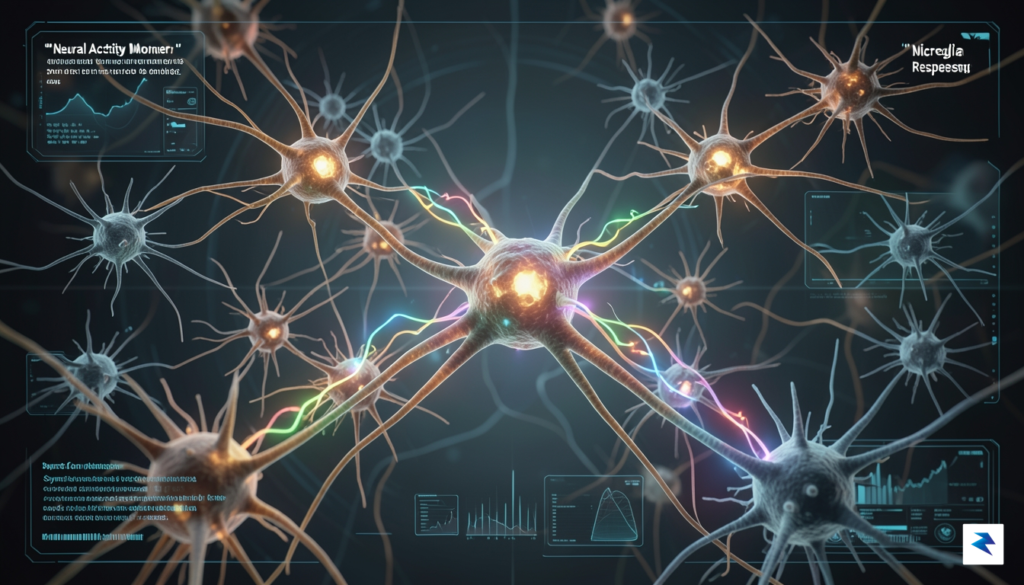
At its core, brain aging is not an inevitable, passive decay, but rather a complex biological failure characterized by the dysregulation of the brain’s internal housekeeping systems. Central to this process are microglia, the specialized immune cells tasked with patrolling the neural landscape and clearing away cellular debris, misfolded proteins, and metabolic waste. As we age, these cells often shift from a supportive, “resting” state to a chronically activated, pro-inflammatory state. This persistent low-grade inflammation, sometimes termed “inflammaging,” creates a hostile environment that impedes synaptic plasticity—the brain’s ability to forge new connections—and gradually erodes the efficiency of neural communication networks.
The challenge of treating this decline is compounded by the blood-brain barrier (BBB), a sophisticated and highly selective semi-permeable membrane that protects the central nervous system from circulating pathogens and toxins. While this barrier is essential for healthy brain function, it acts as a formidable obstacle for modern pharmacology. Most systemic drugs administered orally or intravenously are either filtered out or rendered ineffective before they can ever cross this threshold in significant concentrations. Consequently, medical science has struggled to deliver therapeutic compounds directly to the brain, forcing physicians to rely on systemic treatments that may carry unwanted side effects elsewhere in the body.
It is vital to distinguish between normal, age-related cognitive slowing and pathological neurodegeneration, though the two often exist on a continuum. While healthy aging might involve minor lapses in executive function or slower information processing, pathological states involve the structural degradation of grey matter and the breakdown of white matter pathways. Because current clinical approaches often focus on treating symptoms rather than the underlying inflammatory driver, they remain largely palliative. We have spent decades trying to manage the external manifestations of cognitive loss without addressing the root cause: the failure of the brain’s own environment to sustain itself.
The future of cognitive health lies not in masking symptoms, but in finding precise, non-invasive delivery systems that can bypass biological barriers to restore the brain’s natural self-repair mechanisms.
This biological bottleneck necessitates a shift toward targeted, brain-specific interventions that can bypass the limitations of traditional drug delivery. By focusing on localized delivery methods, researchers aim to quiet the inflammatory response of microglia and reinvigorate synaptic maintenance without subjecting the entire body to systemic medication. As our understanding of the molecular signals that trigger aging deepens, we are moving closer to a reality where cognitive decline is no longer viewed as an irreversible fate, but as a manageable, and perhaps even reversible, biological process.
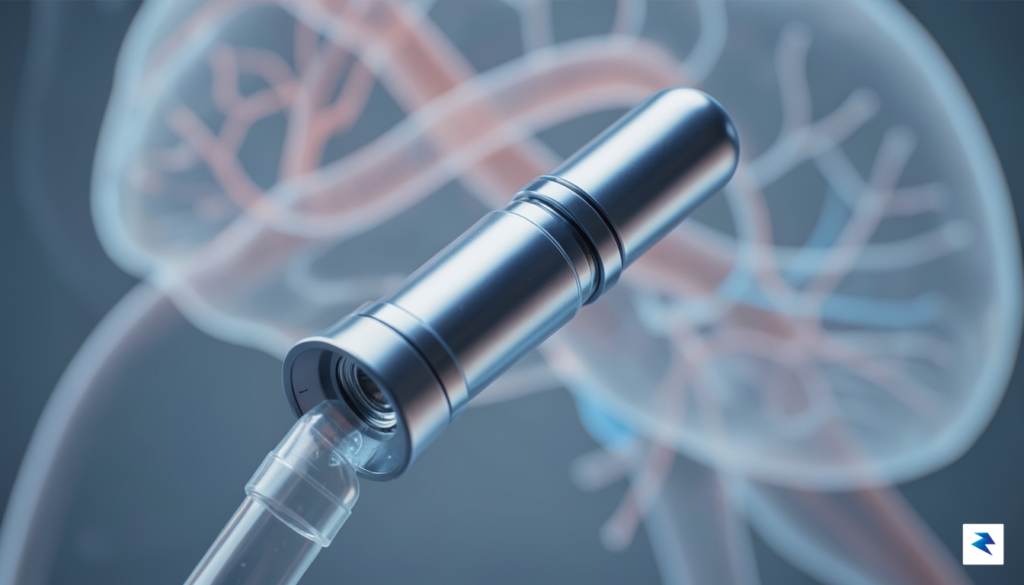
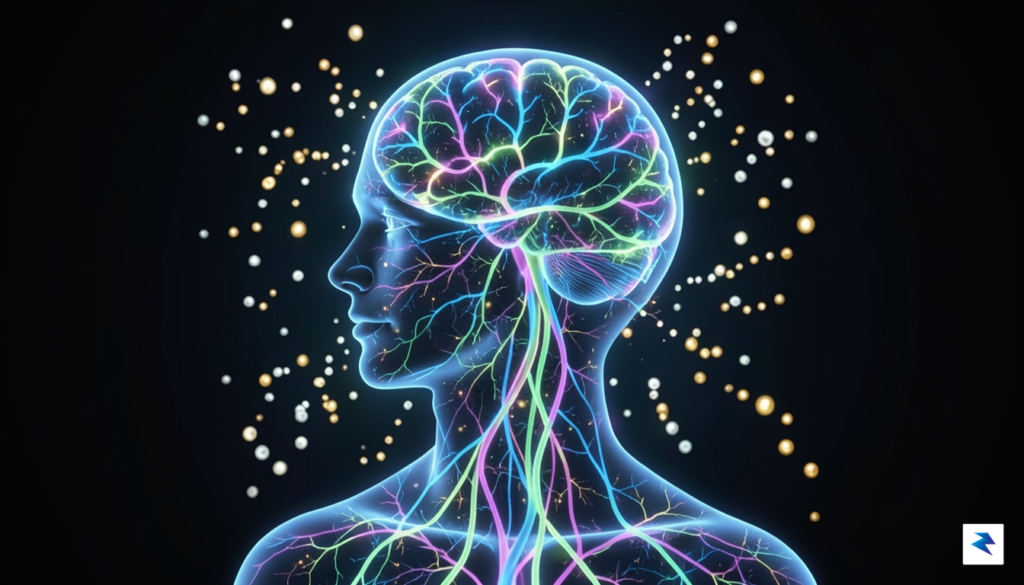
The primary hurdle in treating neurological decline has long been the blood-brain barrier, a highly selective semi-permeable border that prevents most circulating blood solutes from crossing into the extracellular fluid of the central nervous system. While this barrier is vital for protecting the brain from pathogens, it simultaneously blocks the vast majority of therapeutic agents from reaching their intended targets. By utilizing a specialized nasal spray, researchers have circumvented this physiological roadblock entirely. The delivery method exploits the olfactory and trigeminal nerve pathways, which provide a direct anatomical bridge from the nasal cavity to the brain’s interior. By bypassing systemic circulation, the therapeutic compounds are transported along the olfactory bulb, allowing them to penetrate deep into brain tissue where they can act directly upon the neuroinflammatory processes associated with cognitive aging.
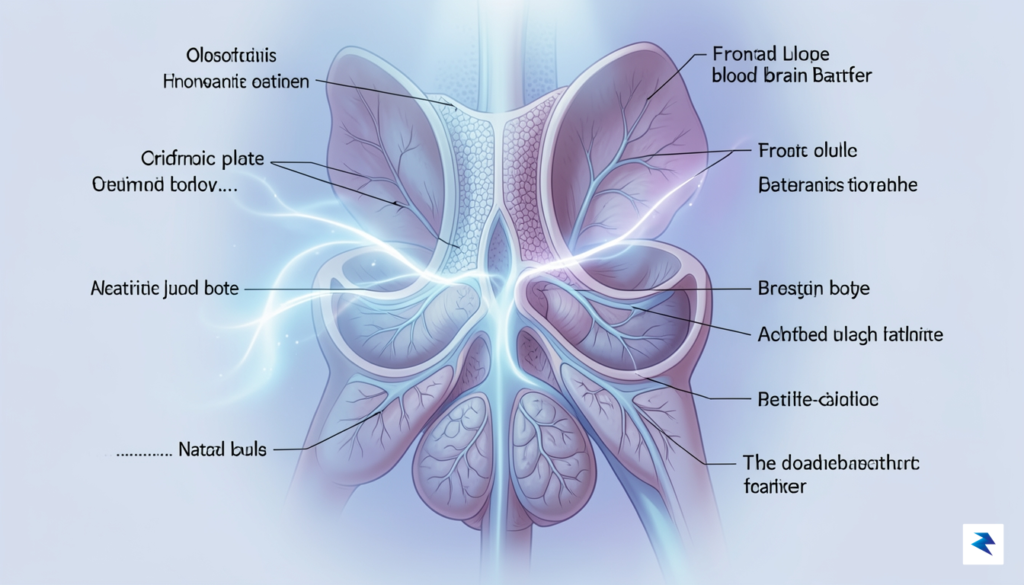
At the core of this innovative treatment is a targeted agent designed to modulate the brain’s immune environment. As we age, the brain’s microglia—the resident immune cells—often become chronically activated, leading to a state of persistent neuroinflammation that erodes cognitive function and accelerates cellular decay. The spray delivers specific pharmacological compounds that effectively “reset” these microglia, shifting them from a pro-inflammatory state back to a homeostatic, supportive role. By dampening this persistent inflammatory signaling, the treatment allows neurons to recover and repair, effectively reversing biological markers that are typically associated with an aging brain.
The intranasal route acts as a “shortcut,” ensuring that the maximum concentration of the therapeutic agent reaches the brain while minimizing the dilution and metabolic degradation that occurs when drugs pass through the liver or bloodstream.
The efficiency of this delivery system is significantly superior to traditional oral or intravenous administration methods. When a drug is ingested or injected, it is subjected to systemic metabolism, meaning only a fraction of the dosage reaches the target site in the cranium. To compensate, physicians often have to prescribe higher doses, which inevitably leads to widespread systemic side effects throughout the body. Because the nasal spray is localized and targeted, it requires a much smaller concentration of the active ingredient to achieve profound neurological results. This precision not only enhances the therapeutic impact but also drastically reduces the risk of adverse reactions, making it a safer and more viable long-term solution for patients struggling with age-related cognitive decline.
The recent study conducted at Texas A&M University has produced some of the most promising data to date regarding the potential for neurological rejuvenation. At the core of these findings is a measurable increase in synaptic density within the hippocampus, the region of the brain primarily responsible for learning and memory. Researchers observed that the specialized nasal spray intervention effectively stimulated the growth of new synaptic connections, which had previously withered due to the natural progression of aging. By restoring these critical links between neurons, the treatment essentially repairs the communication infrastructure of the brain, allowing for a more efficient transfer of information that had been lost over years of cognitive decline.
Beyond the structural changes, the research team utilized rigorous cognitive testing metrics to evaluate how these biological improvements translated into functional ability. Subjects underwent standardized behavioral assessments, including navigation tasks and pattern recognition exercises, which are known to be sensitive indicators of hippocampal health. The results were striking: treated subjects demonstrated a marked improvement in their ability to retain information and navigate complex environments, performing at levels comparable to much younger counterparts. This evidence suggests that the treatment does not merely provide a temporary stimulant effect, but rather fosters a sustained, structural restoration of cognitive capacity that allows the brain to function with renewed agility.
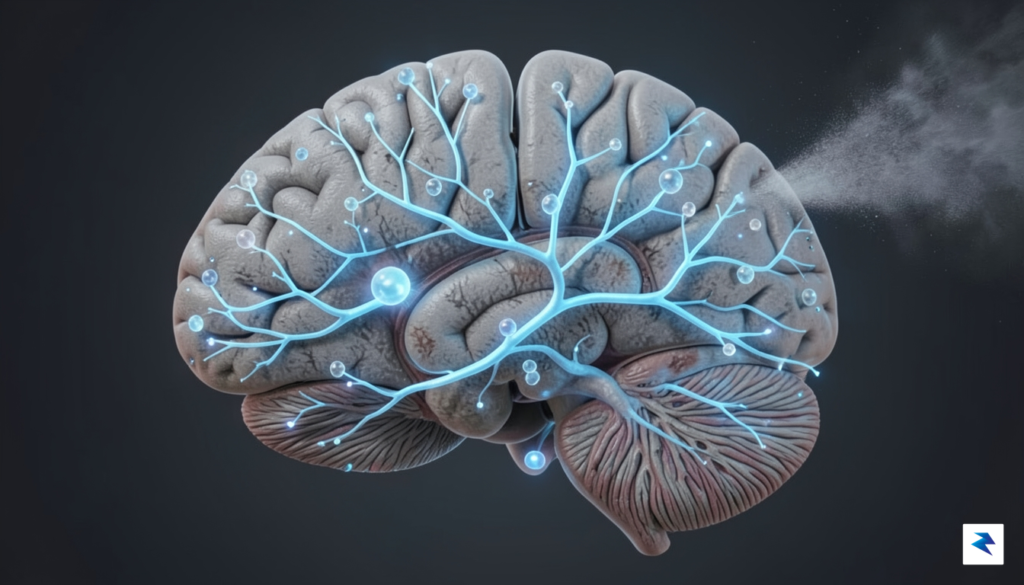
The ability to reverse markers of cognitive aging represents a paradigm shift, moving us from merely managing neurodegeneration to actively repairing the underlying biological damage.
The significance of these reversal markers cannot be overstated, particularly concerning the reduction of inflammatory cytokines. Chronic, low-grade neuroinflammation is a hallmark of the aging brain and is widely considered a primary driver of cognitive impairment. The data revealed that the nasal spray effectively modulated these inflammatory markers, creating a more hospitable environment for neural repair and long-term cellular health. By dampening the inflammatory response, the intervention effectively clears the “biological rust” that prevents neurons from operating at peak efficiency, essentially turning back the clock on the aging process.
While these findings are undeniably exciting, it is important to maintain a balanced perspective regarding the current scope of the research. The study was conducted primarily in controlled laboratory settings, which allowed for precise measurement of synaptic density and cytokine levels but necessitates caution when extrapolating these results to human clinical applications. Furthermore, the sample sizes, while robust enough to demonstrate statistical significance, represent an early stage in the translational pipeline. Future clinical trials will be essential to determine the long-term safety, optimal dosing, and duration of the treatment’s effects in diverse human populations, ensuring that this breakthrough can eventually move safely from the lab bench to the pharmacy shelf.

The link between neuroinflammation and the progression of Alzheimer’s disease has long been a focal point of clinical research, yet effective interventions have remained stubbornly out of reach. For decades, the medical community has grappled with the reality that chronic inflammation acts as a persistent fuel for the accumulation of amyloid plaques and tau tangles, which collectively dismantle neural pathways. By utilizing a non-invasive nasal spray to modulate this inflammatory environment, researchers are effectively targeting the root biological fire rather than merely attempting to clear the smoke. This shift in strategy is revolutionary because it suggests that we might be able to halt or even reverse the degradation of brain tissue, transitioning neurology away from the current standard of palliative symptom management and toward a future defined by genuine tissue regeneration.
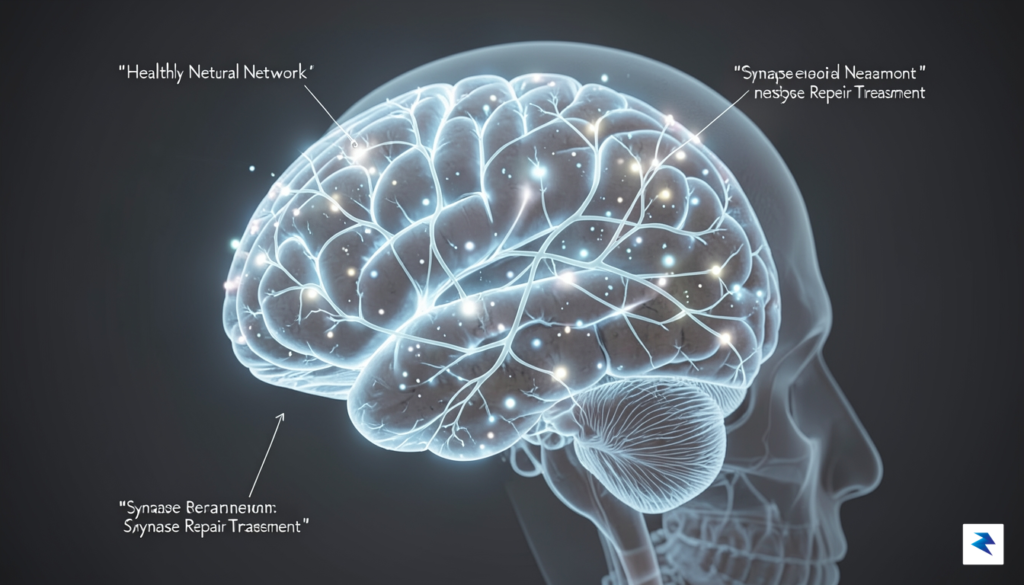
Beyond the treatment of advanced dementia, this technology offers a compelling glimpse into the world of preventative neurology. If we can successfully mitigate neuroinflammation during the early stages of cognitive decline—or even before symptoms manifest—we could potentially extend the period of healthy brain function well into old age. Rather than waiting for irreversible cellular death to occur, clinicians might one day prescribe periodic nasal treatments as a preventative maintenance measure, similar to how we manage cardiovascular health with cholesterol medication today. This proactive approach could fundamentally alter the trajectory of aging, allowing patients to maintain their cognitive autonomy for years longer than is currently possible.
The ability to deliver therapeutic agents directly to the brain via the nasal cavity bypasses the blood-brain barrier, a historical hurdle that has stymied countless pharmaceutical breakthroughs.
Despite this immense potential, it is vital to approach these findings with grounded expectations, as the bridge between successful animal models and human application is notoriously difficult to cross. Human brains are exponentially more complex than those of the rodent models typically used in initial trials, and our unique physiological responses mean that safety and efficacy must be rigorously scrutinized through multi-phase clinical trials. Current limitations involve ensuring that the spray consistently reaches the targeted brain regions without unintended systemic side effects. Furthermore, the long-term impact of stimulating neural plasticity must be carefully monitored to ensure that cellular repair remains controlled and healthy.
Looking toward the future, the timeline for medical approval remains a complex, multi-year endeavor. While the initial data is promising, the pharmaceutical development lifecycle requires extensive testing to guarantee that the intervention is both safe for diverse human populations and demonstrably effective in stopping disease progression. Regulatory bodies will demand large-scale longitudinal studies before this treatment can transition from the laboratory bench to the pharmacy shelf. However, if ongoing trials continue to yield positive results, we may be witnessing the dawn of a new era where Alzheimer’s and other neurodegenerative conditions are no longer viewed as inevitable consequences of aging, but as manageable—and perhaps reversible—medical challenges.
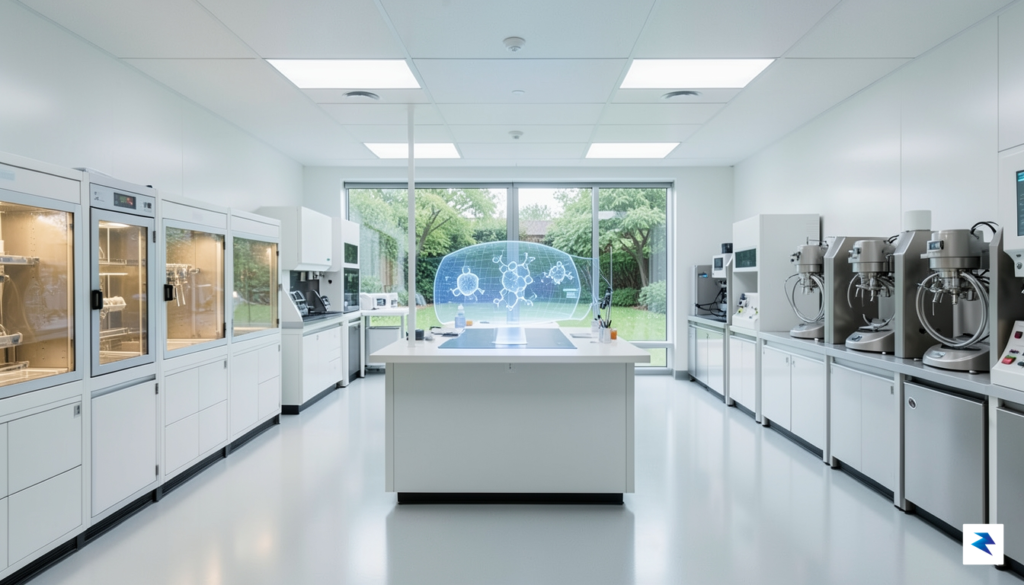
The evolution of brain-targeted medicine has long been hindered by the formidable blood-brain barrier, a biological gatekeeper that traditionally restricted the efficacy of systemic treatments. For decades, the medical community relied on invasive procedures or high-dose systemic medications that often carried significant side effects, leaving cognitive decline as an almost inevitable byproduct of the aging process. However, the advent of intranasal delivery systems represents a seismic shift in how we approach the central nervous system. By bypassing the peripheral circulation and utilizing the olfactory and trigeminal nerve pathways, we have effectively unlocked a direct route to the brain. This transition from broad-spectrum systemic intervention to localized, non-invasive precision therapy is not merely an incremental improvement; it is a fundamental reimagining of neurological care that promises to turn the tide against neurodegenerative conditions.
As we stand on this precipice of innovation, it is essential to balance our scientific enthusiasm with rigorous research and a thoughtful ethical framework. While the initial results in reversing markers of brain aging are undeniably transformative, the path from successful laboratory trials to clinical adoption requires a meticulous validation process. We must ensure that these nanotechnology-enhanced delivery systems are not only effective in the short term but are also safe for chronic, long-term use across diverse populations. Furthermore, as we gain the ability to “restore” cognitive function, we must engage in deep societal conversations regarding equitable access and the ethical implications of cognitive enhancement. The promise of this technology is immense, but its success will ultimately depend on our commitment to transparency and our ability to integrate these treatments into a healthcare infrastructure that prioritizes patient safety above all else.
The true measure of this discovery lies not just in the data points of today, but in the potential for a world where cognitive vitality remains a constant, rather than a fading memory, throughout the human lifespan.
Looking toward the coming decades, we can envision a future where healthy aging is no longer defined by the gradual erosion of mental clarity, but by the maintenance of neurological resilience. Imagine a reality where cognitive check-ups and preventative nasal therapies become as routine as an annual physical or a standard vaccination. This integration of nanotechnology into geriatric medicine could redefine our twilight years, allowing individuals to retain their independence, memories, and sense of self well into advanced age. As researchers continue to refine these therapeutic agents, the barrier between the laboratory and the pharmacy is beginning to dissolve, signaling a new era where we no longer simply manage the symptoms of brain aging, but actively intervene to preserve the very essence of human experience.
You must be logged in to post a comment.