
Beyond Context Windows: Optimizing LLMs with In-Memory Mapping
The LLM Bottleneck: Why Context Windows Aren't Enough For years, the industry has chased the promise of the "infinite" context window,…
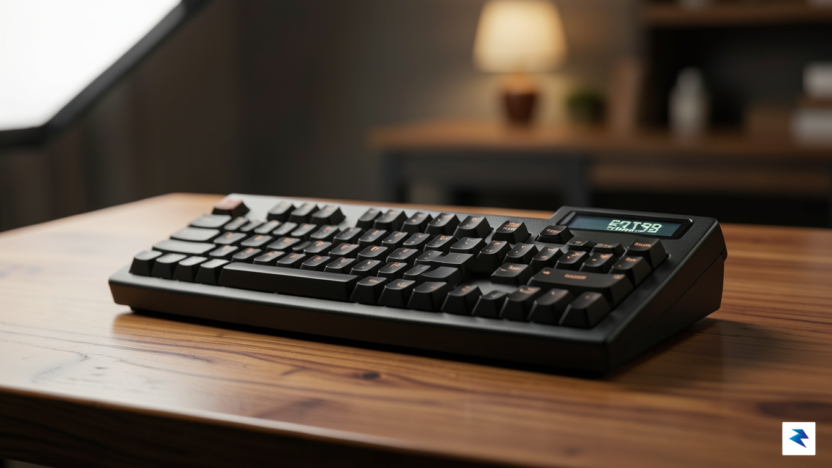
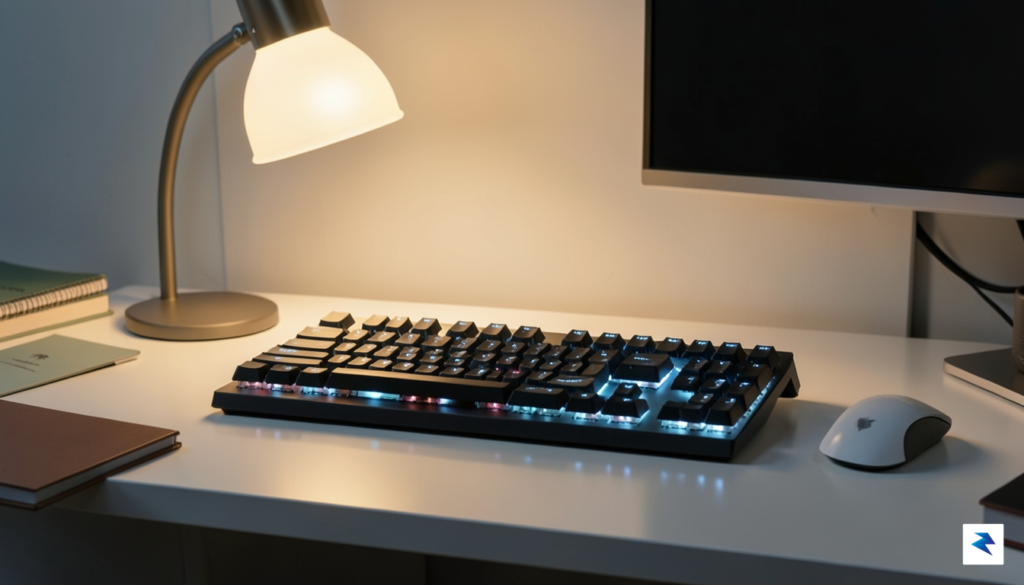
For a significant period, the mechanical keyboard landscape was heavily influenced by a strong minimalist current. Enthusiasts and casual users alike gravitated towards increasingly compact layouts, with 60% and 75% keyboards becoming particularly popular. This shift was largely driven by a desire for cleaner desk aesthetics, more mouse space, and the perceived sleekness of a smaller footprint. However, this trend often came at a considerable cost: the dedicated number pad was frequently the first casualty, deemed unnecessary by those prioritizing form over a specific type of function. While undeniably stylish and efficient for general typing and gaming, this widespread sacrifice inadvertently created a productivity gap for a substantial segment of users whose daily tasks revolved around numerical input.
The inherent tension between minimalist aesthetics and functional necessity has always simmered beneath the surface, especially for professionals and power users. While a compact keyboard might look impressive and free up precious desk real estate, the absence of a numpad invariably slows down workflows that demand rapid and accurate numerical data entry. Imagine an accountant crunching numbers, a data analyst inputting figures into spreadsheets, or a financial trader executing quick calculations – each interaction without a dedicated number pad translates to a less efficient, more error-prone experience. The muscle memory developed over years of using a full-sized keyboard, particularly for the numpad, is difficult and often counterproductive to retrain for the less intuitive top-row number keys, leading to frustration and lost time.
The resurgence of full-sized mechanical keyboards, therefore, is not merely a nostalgic whim; it’s a pragmatic response to these unaddressed functional needs. For those in data-heavy professions, the utility of a dedicated number pad is paramount. Accountants can navigate balance sheets and input transaction data with blistering speed, relying on the familiar tactile feedback and ergonomic layout. Data analysts can populate complex models and run statistical operations without constantly shifting their hand position or scanning for the correct key. Even casual users who frequently interact with calculators, input quantities for online shopping, or manage personal budgets will find their digital interactions significantly streamlined. This isn’t just about speed; it’s about reducing cognitive load and enhancing overall accuracy when dealing with critical numerical information.
Beyond raw data entry, the number pad offers a versatile canvas for customizability, further boosting its utility. Many users leverage programmable mechanical keyboards to map custom shortcuts, macros, or even application-specific commands to their numpad keys. This transforms a seemingly simple block of keys into a powerful command center, allowing for complex actions to be executed with a single, intuitive press. Whether it’s triggering a specific function in a CAD program, quickly applying formatting in a spreadsheet, or even controlling media playback, the numpad can be tailored to dramatically enhance efficiency across a myriad of digital tasks, extending its value far beyond just typing numbers.
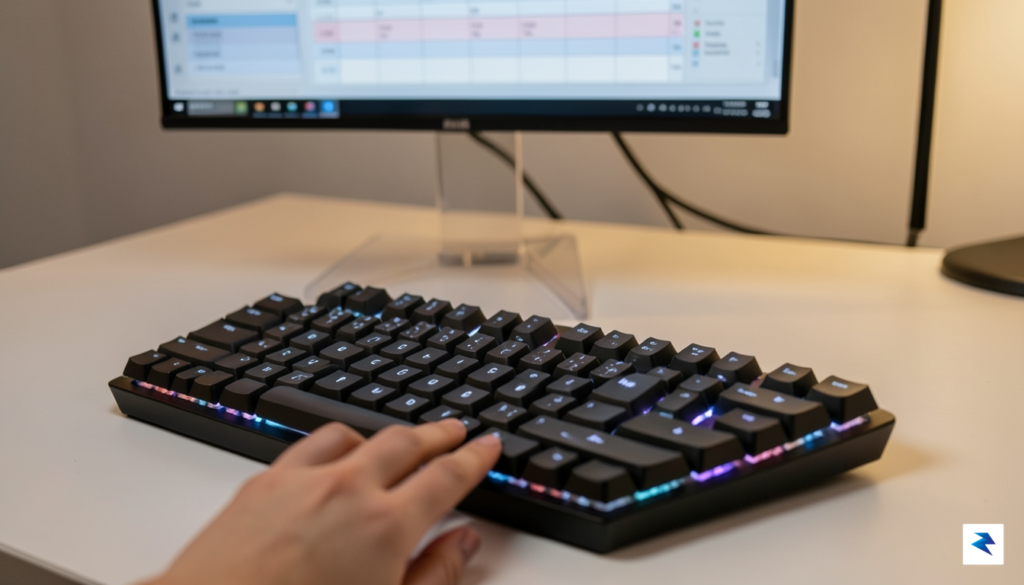
This growing demand for both premium mechanical keyboard quality and uncompromised functionality is precisely where innovative designs like the Epomaker RT98 come into play. It directly addresses the gap created by the minimalist trend, offering a full-sized layout that brings back the invaluable number pad without sacrificing the aesthetics or advanced features expected from a contemporary enthusiast-grade keyboard. Users no longer have to choose between a clean desk and peak productivity; they can have both. The RT98 represents a thoughtful evolution, combining the satisfying tactility and customizable nature of mechanical switches with the indispensable utility of a dedicated numpad, proving that sometimes, the most effective path forward is to embrace the best elements of the past.
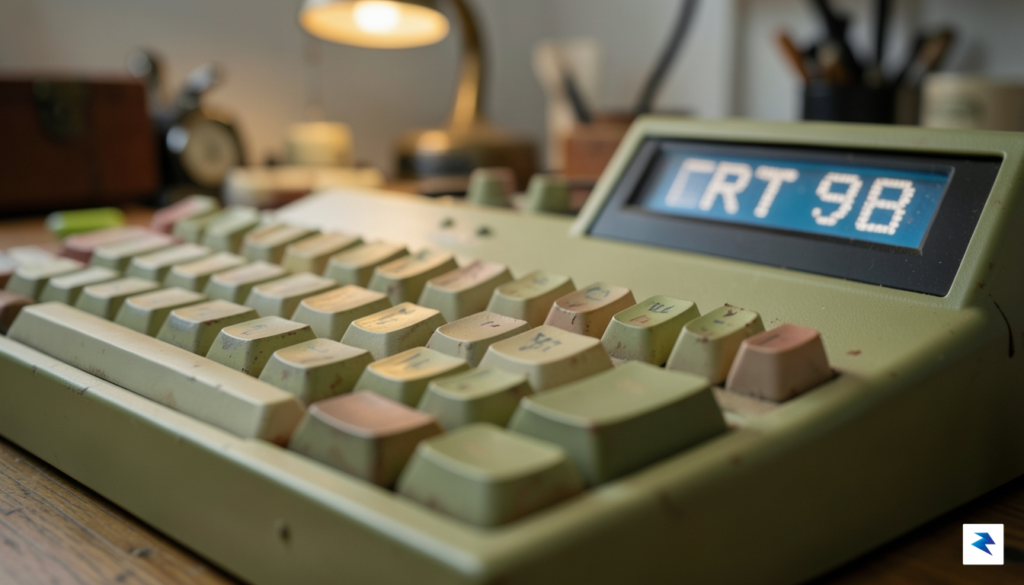
The moment you unbox the RT98, it becomes immediately clear that this is not just another utilitarian peripheral destined to fade into the background of a cluttered desk. Instead, it commands attention with a design language that feels like a love letter to the golden era of computing. The chassis employs a robust, high-quality plastic construction that avoids the hollow, cheap feel often found in modern mass-market boards, opting instead for a weighted, substantial presence that feels built to last. Its colorway—a deliberate blend of off-whites, warm greys, and muted accents—evokes the spirit of 1980s office technology, yet it manages to avoid feeling dusty or outdated. By marrying these vintage hues with sleek, clean lines, the board bridges the gap between nostalgia and the minimalist sensibilities of the contemporary home office.
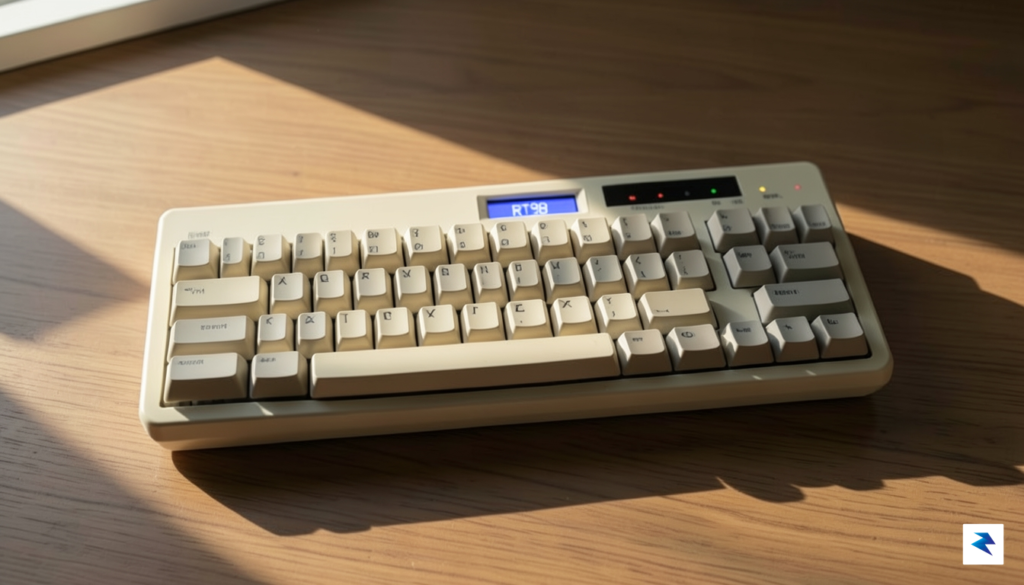
What truly sets the aesthetic apart is the integration of the small, CRT-style screen nestled into the corner of the layout. While some might dismiss this as a mere gimmick, it serves a dual purpose that balances form and function with surprising grace. As a decorative element, the display provides a glowing, pixelated focal point that reinforces the board’s retro-futuristic identity. However, it also acts as a highly practical dashboard, offering real-time feedback on battery life, connectivity modes, and custom animations that users can personalize to match their workspace theme. This little window into the keyboard’s internal state feels like a modern interpretation of the amber-monochrome displays found on early workstations, turning a standard input device into a piece of interactive desk art.
The RT98 successfully proves that you don’t have to sacrifice modern performance to achieve a classic, soulful aesthetic; it is a rare example of hardware that looks as good as it performs.
Ultimately, the physical appeal of this keyboard lies in its ability to spark joy without compromising on the ergonomic requirements of a professional workflow. The keycap profiles, which often mirror the sculpted look of vintage spherical caps, offer a tactile experience that feels refreshingly different from the flat, uniform keys found on most laptops and standard office boards. When placed next to a modern monitor or a sleek, aluminum laptop, the RT98 provides a necessary visual contrast, breaking up the coldness of modern tech with a warmth that only a well-designed retro piece can provide. For tech enthusiasts who want their setup to reflect their personal style, this keyboard acts as the ultimate centerpiece, proving that the most efficient tools are often the ones we actually enjoy looking at every single day.
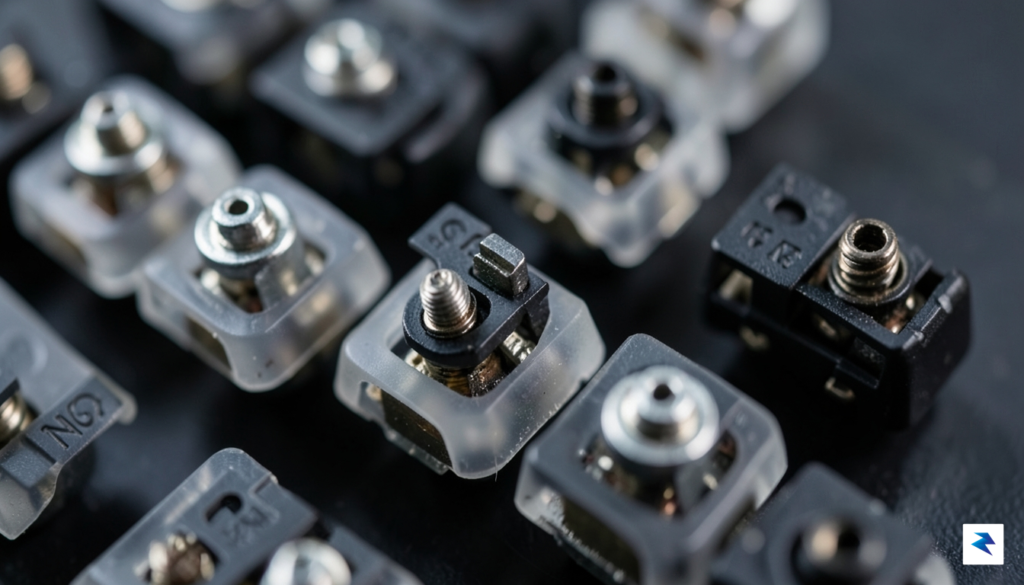
The core of any mechanical keyboard’s appeal lies in how it translates intent into action, and the RT98 does not shy away from this challenge. Right out of the box, the typing experience is defined by a refined sound profile that avoids the hollow, metallic pinging often found in entry-level pre-built boards. The integration of a well-implemented gasket mount structure provides a subtle, cushioned flex that makes long typing sessions significantly more comfortable. Unlike rigid top-mount alternatives that can feel jarring under the fingertips, this board absorbs the energy of each keystroke, resulting in a muted, “thocky” acoustic signature that feels remarkably mature for its price point.
Stabilizer tuning is frequently the Achilles’ heel of mass-produced keyboards, yet the RT98 manages to stand out from its competitors. The stabilizers arrive factory-lubed with a consistency that eliminates the dreaded rattle on the spacebar, shift, and enter keys. While many boards in this tier require the user to spend an entire afternoon tearing the device down to perform “modding” tasks like holee-modding or re-lubing, the RT98 offers a plug-and-play experience that feels like a custom build. The tolerances are tight, ensuring that every key press remains stable and consistent, regardless of where you strike the keycap.
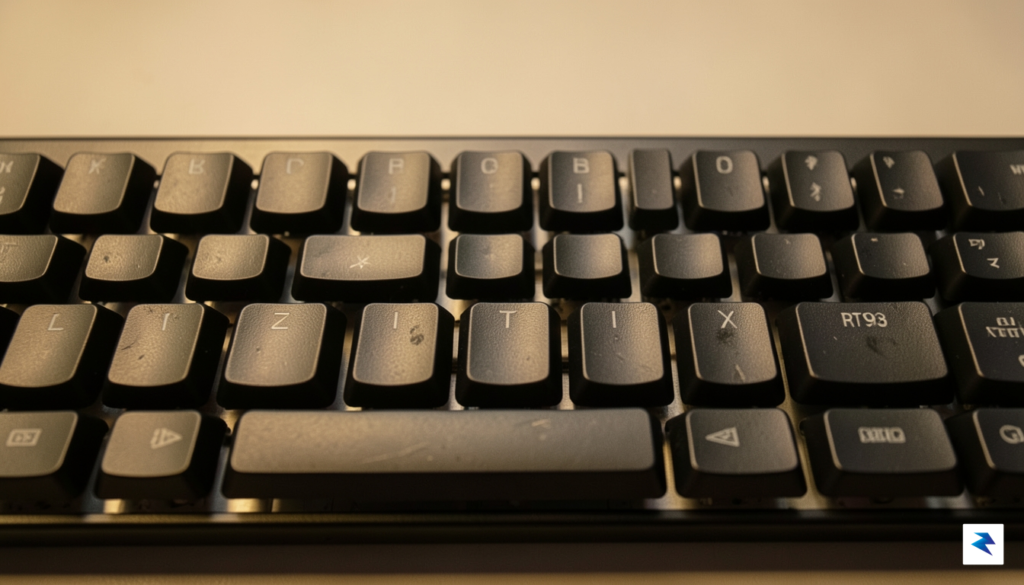
The structural integrity of the board further cements its position as a premium offering. With a chassis that possesses a satisfying amount of heft, the RT98 feels anchored to the desk, preventing any unwanted sliding during intense gaming sessions or rapid data entry. The weight is balanced perfectly to convey quality without making the device feel unnecessarily bulky or difficult to transport. Furthermore, the hot-swappable PCB provides excellent switch compatibility, allowing enthusiasts to experiment with various tactile, linear, or clicky switches without needing to touch a soldering iron.
The RT98 successfully bridges the gap between mass-market affordability and the nuanced “feel” that keyboard enthusiasts usually seek only in boutique, high-end custom boards.
When compared to other heavy hitters in the current market, the RT98 manages to strike a difficult balance between accessibility and performance. It avoids the cheap, plasticky feel of budget gaming boards while sidestepping the exorbitant price tags of boutique customs. By prioritizing internal dampening materials and high-quality plate construction, it delivers a tactile feedback loop that is crisp, deliberate, and deeply satisfying. For those who need the utility of a number pad but refuse to sacrifice the joy of a premium typing experience, this board proves that you no longer have to choose between productivity and personal preference.
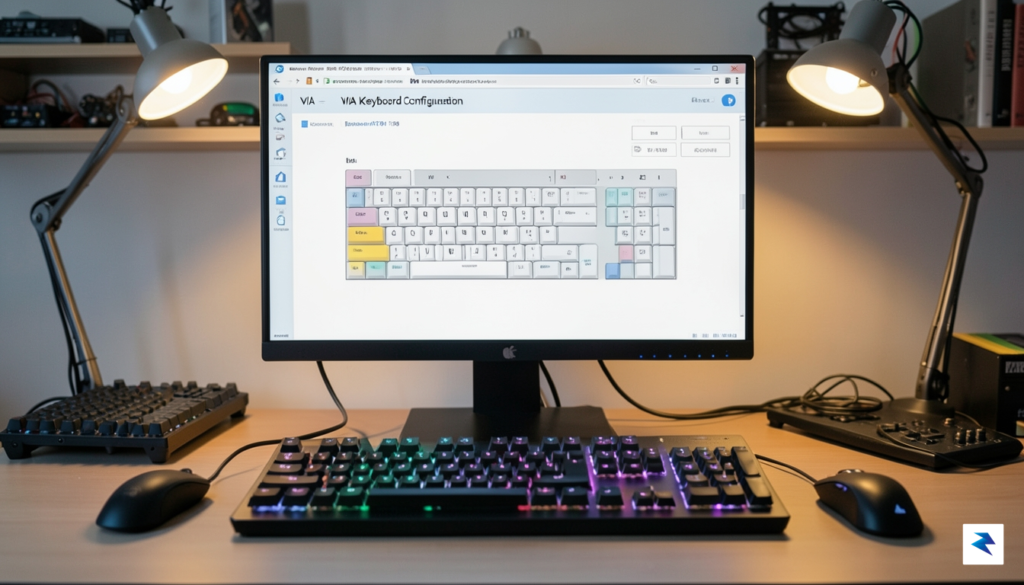
Beyond the tactile satisfaction of its robust physical construction, the Epomaker RT98 truly distinguishes itself through its profound software integration and configurable hardware features. For the discerning user, particularly those who demand peak performance and personalized control from their peripherals, the underlying software support is just as crucial as the switches or keycaps. It’s this intelligent marriage of hardware and software that transforms a mere input device into a highly optimized command center, tailored precisely to individual workflows and preferences. Without robust software, even the most premium hardware can feel limited and uninspiring, failing to unlock its full potential and leaving power users wanting more.
At the heart of the RT98’s extensive customization capabilities lies its native support for VIA software, a feature widely regarded as the gold standard among mechanical keyboard enthusiasts. VIA offers an incredibly intuitive, open-source interface that allows users to remap every single key on the board without the need for proprietary, often bloated, software installations hogging system resources. This means you can effortlessly assign new functions, create intricate macros, or even set up multiple layers of key assignments to dramatically speed up your workflow and reduce repetitive strain. Imagine executing complex coding snippets, graphic design shortcuts, or multi-step commands with a single keystroke across different applications – VIA makes this not just possible, but remarkably easy to configure and manage across various profiles.
Complementing the deep software customization, the RT98 features a unique integrated CRT screen, adding both nostalgic charm and significant utility. This isn’t just a decorative element; it’s a dynamic display that users can configure to show a wide array of information or even custom animations. Whether you want to monitor your CPU temperature, keep an eye on the current time and date, display local weather conditions, or simply personalize your desk setup with a quirky pixel art GIF, the screen offers a delightful blend of retro aesthetics and modern functionality. It transforms the keyboard from a static peripheral into an interactive dashboard, providing at-a-glance information that can enhance focus and productivity without needing to switch applications or open additional windows.
Ultimately, the combination of comprehensive VIA support and the versatile CRT screen elevates the Epomaker RT98 far beyond the realm of a standard peripheral; it positions it as an indispensable professional productivity tool. Power users, content creators, developers, and gamers alike can harness these features to craft a truly bespoke input experience that directly reflects their unique needs and working styles. This level of granular control means the keyboard doesn’t just respond to your commands; it anticipates them, becoming a seamless extension of your thoughts and actions, thereby streamlining complex tasks and significantly enhancing overall efficiency. It’s an investment in a highly adaptable tool that grows with your evolving demands, making it a cornerstone of any high-performance desk setup.

After thoroughly testing the Epomaker RT98, it is evident that this board occupies a unique niche in the mechanical keyboard market. It effectively bridges the gap between the compact, minimalist boards that have dominated the hobby for years and the traditional, full-sized layouts that professionals actually rely on for heavy lifting. While the market is saturated with 60% and 75% layouts that prioritize desk real estate over utility, the RT98 dares to bring the dedicated number pad back to the forefront without sacrificing the modern features—like gasket mounting and hot-swappability—that enthusiasts demand. It feels substantial, reliable, and intentionally designed for those who spend their day juggling spreadsheets, accounting software, or complex data entry tasks.
The keyboard shines brightest for professionals and data-heavy power users who find themselves constantly hampered by the lack of a numpad. When you weigh the pros and cons, the RT98 offers a compelling value proposition: you get a high-quality typing experience with excellent acoustics and a premium feel, paired with a layout that maximizes efficiency. However, it is important to acknowledge that this is not a device for the minimalist traveler. Its footprint is significant, and the weight reflects its solid construction, meaning it isn’t the ideal companion for those who need to throw their gear into a bag for a quick commute to a coffee shop. If your workspace is your sanctuary and your priority is ergonomic productivity, the size becomes an asset rather than a liability.
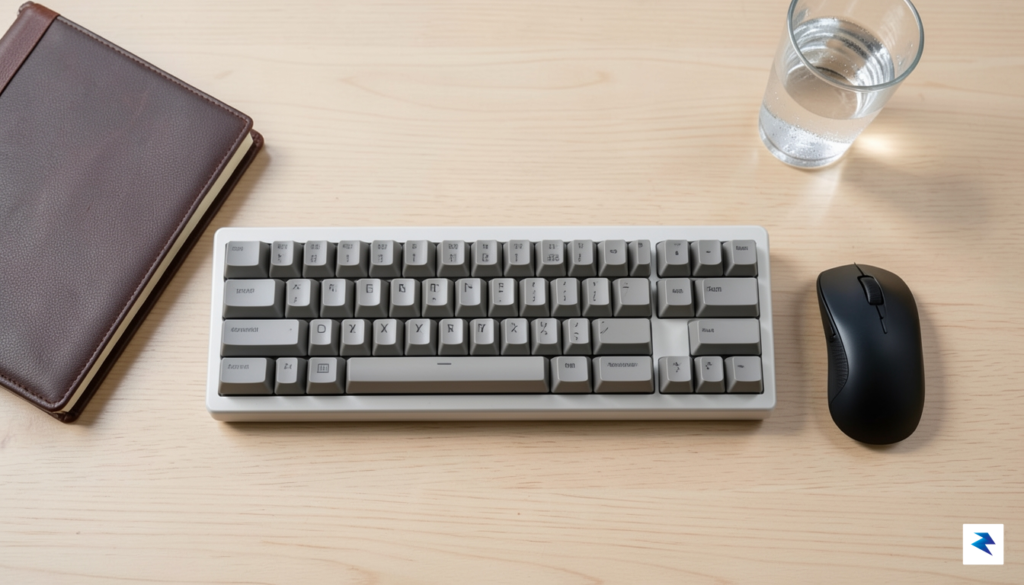
The RT98 is a testament to the fact that function does not have to be sacrificed for style; it brings the dedicated number pad back into the spotlight with a modern, enthusiast-grade twist.
Ultimately, the decision to invest in the RT98 comes down to your personal workflow. If you are a hobbyist who loves the aesthetics of mechanical boards but works in a field where you constantly lament the absence of a numpad, this keyboard is likely the best solution you will find on the market today. It manages to deliver a level of personality and customization—thanks to its hot-swappable switches and robust software support—that makes it feel like a personal tool rather than just office equipment. For the data entry specialist or the professional accountant, the RT98 is more than just a keyboard; it is a long-term investment in comfort and speed that makes the daily grind feel just a little bit more tactile and satisfying.
You must be logged in to post a comment.