
UK Crypto Regulation: The Path to Global Liquidity or a Compliance Nightmare?
The UK's New Crypto Framework: A Vision for Global Liquidity The United Kingdom is strategically positioning itself to become a…
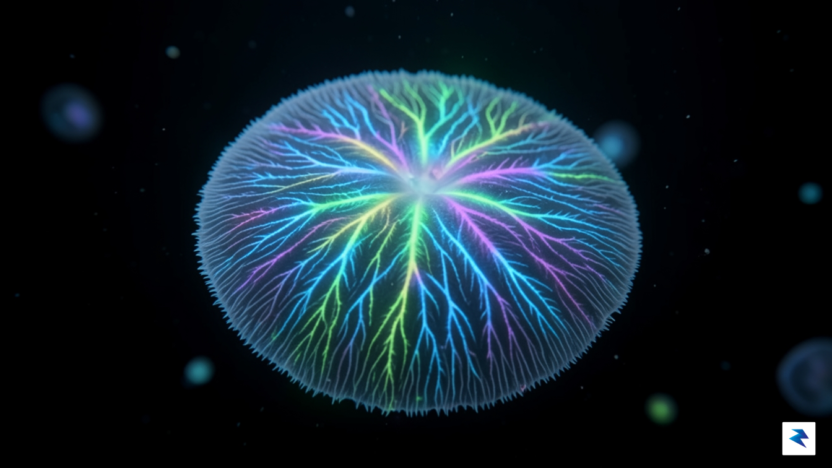
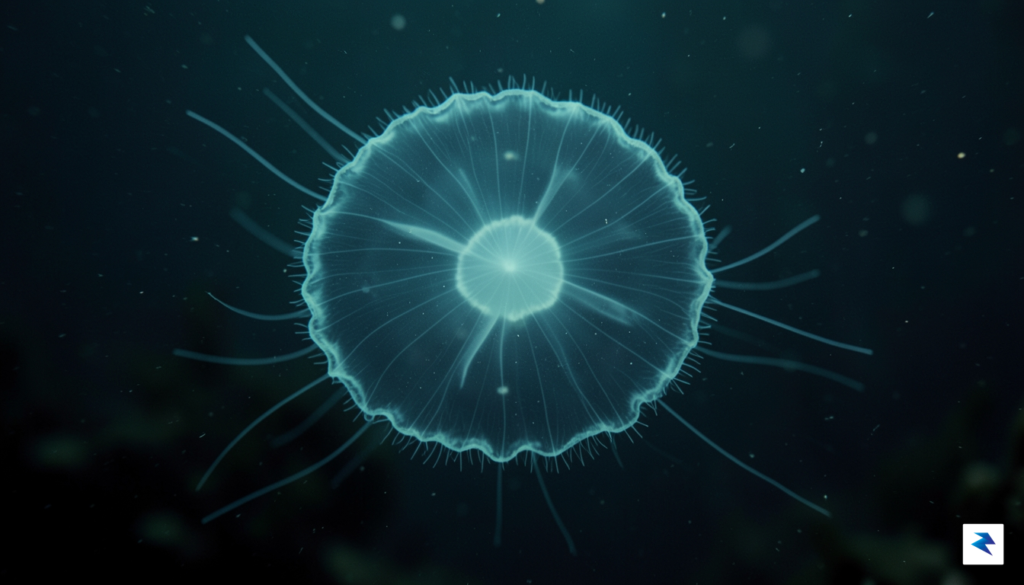
For hundreds of millions of years, long before dinosaurs roamed the Earth and certainly eons before the first humans walked upright, gelatinous creatures drifted through the primeval oceans. Among them were the ancestors of today’s jellyfish and their equally ancient cousins, the ctenophores, commonly known as comb jellies. These seemingly simple invertebrates, often dismissed as primitive blobs of jelly, have quietly refined an extraordinary biological superpower over countless millennia: the ability to regenerate damaged body parts with astonishing speed and precision. Only recently have scientists begun to truly appreciate the profound implications of their near-instantaneous healing capabilities, which challenge our fundamental understanding of life and offer tantalizing clues for future medical advancements.
One particular group of these ancient mariners, the ctenophores, has captivated researchers due to their unique evolutionary position and their remarkable healing prowess. Unlike true jellyfish, comb jellies belong to a distinct and even more ancient lineage, making their biological mechanisms particularly intriguing. The observation of rapid wound healing in species like the sea walnut, Mnemiopsis leidyi, has been nothing short of astounding. When a portion of a comb jelly’s body is damaged or even surgically removed, whether it’s their intricate comb rows, their feeding structures, or even parts of their nervous system, the creature doesn’t just recover; it often regenerates the missing tissue within minutes to hours, often without any visible scarring or functional impairment. This process is so efficient that the organism can resume normal behavior almost immediately, a feat that utterly defies our conventional biological expectations.
To fully grasp the magnitude of this phenomenon, it’s essential to contrast it with the human healing process. When we sustain an injury, our bodies embark on a complex, multi-stage journey towards repair. Initially, hemostasis kicks in to stop bleeding, followed by an inflammatory phase where immune cells clear debris and initiate repair. This then transitions into proliferation, where new tissue begins to form, and finally, a prolonged remodeling phase that can take months or even years to complete, often resulting in scar tissue that is functionally inferior to the original. This intricate sequence is slow, energy-intensive, and frequently imperfect, leaving behind permanent reminders of injury. The ctenophore’s ability to bypass much of this protracted process, seemingly accelerating through these stages or employing entirely different repair pathways, presents a stark and fascinating biological anomaly that hints at deeply conserved or uniquely evolved mechanisms.
The implications of unlocking these ancient secrets are immense. Researchers are now meticulously studying the cellular and molecular mechanisms behind the comb jelly’s rapid regeneration, hoping to identify the specific genes, proteins, and signaling pathways that enable such swift and flawless repair. Understanding how these creatures achieve virtually instant healing, often without inflammation or scarring, could revolutionize regenerative medicine. Imagine a future where human patients could recover from severe injuries, organ damage, or even neurodegenerative diseases not in months or years, but in days or weeks, with complete restoration of function. The humble comb jelly, an ancient inhabitant of our oceans, holds the potential key to a new era of biological repair and recovery.
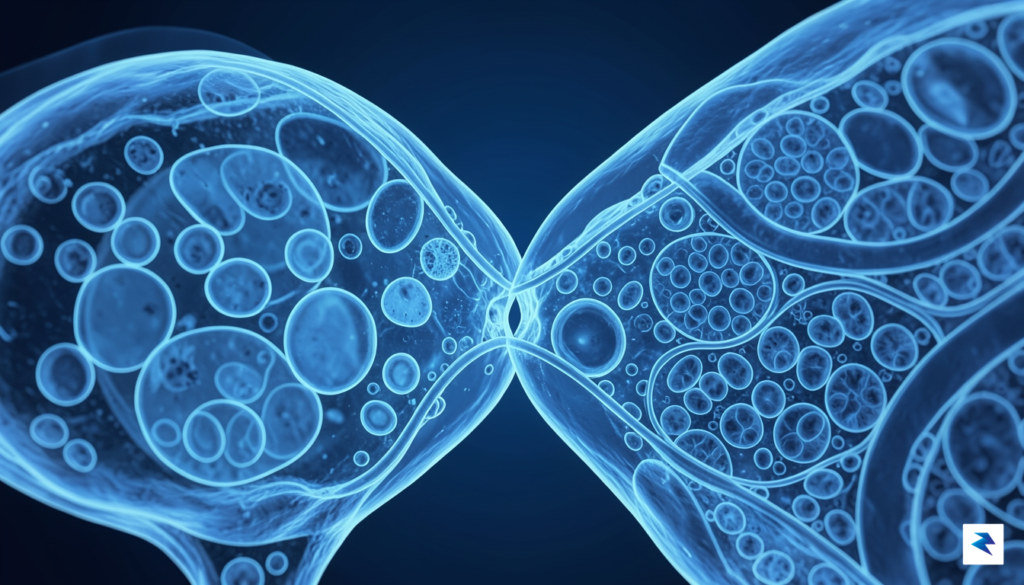
Unlike the intricate, multi-stage healing process observed in humans and other vertebrates, which often culminates in visible scarring, jellyfish and their close relatives, ctenophores, mend their tissues through an astonishing phenomenon known as spontaneous fusion. This remarkable capability allows their severed body parts to seamlessly reattach and integrate within mere minutes, restoring complete structural and functional integrity without any trace of a wound. It’s a direct biological “zip-up,” bypassing the complex cellular proliferation, migration, and extracellular matrix deposition that characterizes most forms of wound repair in higher organisms. This immediate rejoining is not merely superficial adhesion but a profound cellular integration, where damaged tissues essentially forget they were ever separated.
A significant factor contributing to this rapid, scar-free repair lies paradoxically in their relatively simpler biological makeup, particularly the absence of a traditional complex adaptive immune system. In mammals, a sophisticated immune response, while vital for pathogen defense, often initiates a cascade of inflammation and fibrosis that leads to scar tissue formation. Jellyfish, however, do not exhibit such an “overreaction” to self-injury. Their innate immune mechanisms are primarily geared towards identifying and neutralizing external threats, allowing the internal self-repair machinery to proceed unimpeded by destructive inflammatory responses or the generation of rejection signals that would otherwise prevent tissue integration. This biological simplicity, therefore, becomes an evolutionary advantage for rapid self-restoration.
The magic of spontaneous fusion truly unfolds at the cellular level, driven by sophisticated yet rapid cellular communication pathways. When two cut surfaces of a ctenophore meet, their cells instantly recognize each other as “self.” This recognition is believed to be mediated by specific surface proteins and glycoproteins that act as molecular identifiers, akin to a biological handshake. These recognition molecules facilitate immediate cell-to-cell adhesion, initiating a cascade of internal signals, perhaps involving calcium ions, that prepare the cell membranes for direct merger. The cellular machinery effectively bypasses the typical steps of wound contraction and new tissue growth, instead focusing on restoring the original cellular connections with astounding efficiency.
Consequently, the physical mechanism of fusion involves the direct merging of cell membranes and the realignment of cytoskeletal elements across the wound interface. Rather than recruiting new cells to bridge a gap, existing cells at the wound edges simply reconnect, re-establishing intercellular junctions and restoring the continuous epithelial and muscular layers. This direct re-establishment of cellular continuity is the cornerstone of their rapid healing. There’s no need for extensive cell division or the laying down of collagen to fill a void; the tissues simply graft onto themselves, immediately restoring their original architecture and function. The result is a perfect, anatomically correct repair, leaving behind no fibrous scar tissue to impair mobility or organ function, a feat that continues to astound and inspire scientists seeking novel regenerative therapies.
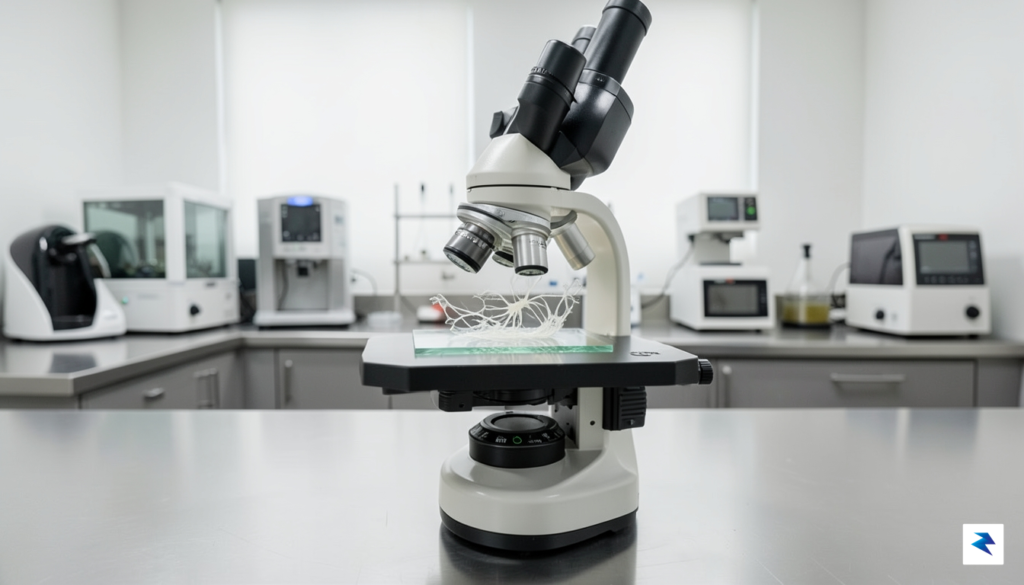
The swiftness with which the comb jelly, Mnemiopsis leidyi, mends itself after sustaining severe physical trauma is nothing short of astonishing, challenging long-held biological understandings of tissue repair. Scientists at the Marine Biological Laboratory (MBL) have meticulously observed these gelatinous creatures in controlled laboratory settings, providing crucial insights into a biological marvel that appears to sidestep conventional healing pathways. During these pivotal experiments, researchers would often bisect the comb jellies, witnessing their remarkable ability to restore their complete body plan, including intricate internal structures, within mere minutes to hours, a timeline that is virtually unheard of in the animal kingdom.
What the MBL research uncovered is effectively a “shortcut” in biological repair, a direct and rapid reconnection of severed tissues that bypasses the extended developmental stages typically required for regeneration. Most complex organisms follow a well-established cascade of events after injury: an initial inflammatory response, followed by cell proliferation to fill the wound, and finally, tissue remodeling. Mnemiopsis leidyi, however, seems to leapfrog these protracted phases, directly re-establishing integrity with an efficiency that suggests an inherent, streamlined mechanism for immediate structural and functional restoration, maintaining internal equilibrium throughout the process.
A significant factor contributing to this expedited healing is the unique architecture and behavior of Mnemiopsis‘s muscle fibers. Unlike many other organisms where muscle repair involves a complex interplay of satellite cells and lengthy regeneration, these comb jellies exhibit an extraordinary ability for their existing muscle fibers to rapidly reorient, re-establish connections, and even fuse directly across wound sites. These specialized fibers act not merely as contractile elements but also as primary architects of new tissue, actively bridging gaps and facilitating the swift re-integration of disparate body parts. This direct cellular engagement minimizes the need for extensive cellular division or differentiation, dramatically accelerating the repair process.
Furthermore, the absence of a conventional basement membrane around its tissues plays a critical role in facilitating this rapid reconnection. In most animals, the basement membrane is a dense, extracellular matrix that provides structural support and crucial signaling cues, but it can also act as a physical barrier, dictating the pace of cellular migration and tissue reorganization during wound healing. In Mnemiopsis leidyi, its absence allows for direct cell-to-cell contact and unfettered cellular movement, enabling muscle cells and other cell types to quickly navigate and re-establish necessary cellular junctions without impedance. This permits a fluidity and speed in tissue re-scaffolding that would be impossible in organisms bound by a more rigid extracellular matrix.
Maintaining homeostasis during such high-speed, drastic repair operations presents another fascinating aspect of Mnemiopsis‘s biology. The organism appears to manage this intense cellular activity with remarkable metabolic efficiency, minimizing the energy expenditure on prolonged inflammatory responses that often accompany wound healing in other species. Instead, resources are channeled directly and swiftly into structural repair and functional recovery. This inherent resilience, coupled with the rapid cellular responses and the unique structural elements, allows the comb jelly to sustain and recover from severe physical injury while maintaining its vital physiological processes, making it a living blueprint for understanding accelerated biological repair.
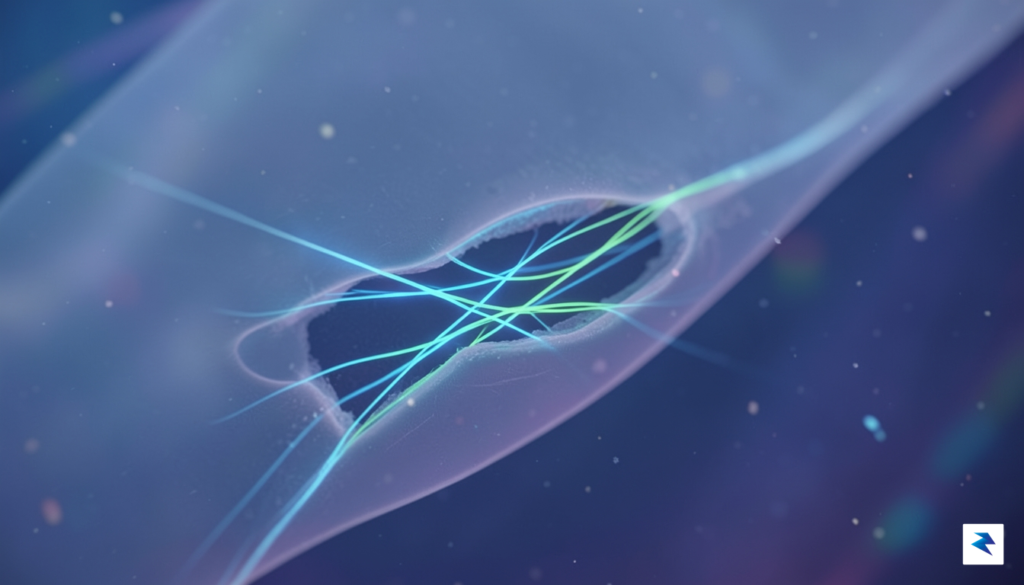
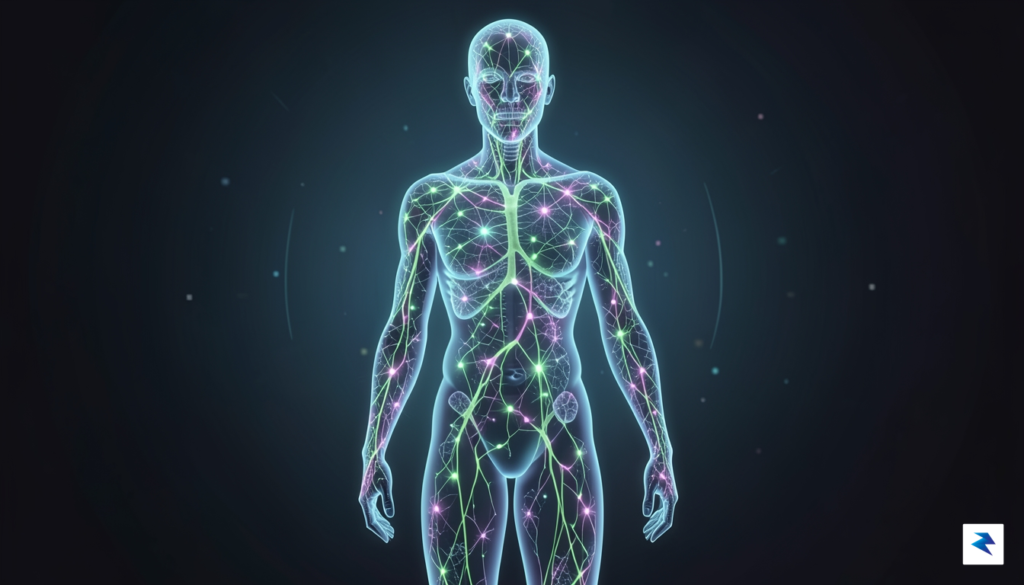
While the chasm between a simple comb jelly and the complex physiology of a human seems immeasurable, nature often recycles its most effective solutions. At a fundamental biochemical level, many cellular processes, including those governing growth, repair, and regeneration, are remarkably conserved across diverse species. Scientists are now meticulously examining the astonishing regenerative capabilities of jellyfish, particularly their rapid wound-healing mechanisms, to pinpoint these ancient, powerful “repair genes” or signaling pathways. Unlocking these secrets could illuminate entirely new avenues for accelerating our own body’s mending processes, offering a profound leap in medical science.
The quest involves a deep dive into the molecular machinery that allows a jellyfish to fuse severed tissue in mere minutes. Researchers are not just observing the phenomenon; they are actively working to identify the specific proteins, peptides, or complex signaling cascades that initiate and orchestrate this rapid cellular repair. Through advanced genomic sequencing, proteomic analysis, and functional assays, they aim to isolate the precise biochemical triggers that tell cells to quickly migrate, proliferate, and reconstruct damaged structures. The ultimate goal is to understand how these organisms bypass typical healing delays, potentially offering a blueprint for enhancing human cellular responsiveness to injury and promoting rapid regeneration.
Translating these marine biological marvels to human medicine, however, presents a formidable challenge. The cellular environment, genetic regulatory networks, and immune systems of cnidarians are vastly different from those of mammals. A protein that triggers rapid tissue fusion in a jellyfish might elicit an adverse immune reaction or simply be ineffective in a human system due to species-specific interactions and evolutionary divergence. Therefore, direct transplantation of jellyfish genes or proteins is unlikely; instead, the focus lies on understanding the underlying principles and then designing novel, human-compatible compounds or therapies that mimic these powerful regenerative signals. This requires careful biochemical engineering, synthetic biology approaches, and rigorous preclinical testing.
Nevertheless, the potential applications for human health are truly transformative, beginning with acute injury and surgical recovery. Imagine a future where post-operative wounds heal not in weeks, but days, significantly reducing recovery times, minimizing pain, and drastically lowering the risk of infection. Harnessing jellyfish-inspired molecules could lead to advanced surgical glues or dressings that actively promote rapid tissue fusion, minimizing unsightly scarring and restoring function more completely after traumatic injuries. This could revolutionize care in emergency medicine, sports injuries, and complex reconstructive surgeries, offering patients a faster, more robust path to recovery and improved long-term outcomes.
Beyond immediate injuries, these discoveries hold immense promise for tackling chronic wounds, a persistent and debilitating challenge for millions worldwide. Conditions like diabetic ulcers and pressure sores often resist conventional treatments, leading to prolonged suffering, secondary infections, and even amputation. A therapy that could reactivate stalled healing pathways, drawing inspiration from the instantaneous repair seen in jellyfish, could profoundly improve quality of life for these patients. Furthermore, looking even further ahead, the principles of rapid tissue regeneration could inform advancements in tissue engineering and organ repair, potentially enabling us to regenerate damaged organs or enhance the integration of transplanted tissues, marking a new era in regenerative medicine where lost function is truly restored.
[IMAGE: A stylized illustration depicting a bioluminescent jellyfish, with subtle glowing lines extending from it towards a human hand, where a wound is shown rapidly closing and healing. The background is a blend of deep ocean blues and medical laboratory whites, symbolizing the bridge between marine biology and human medicine.]

While the prospect of harnessing jellyfish’s extraordinary healing capabilities is undeniably thrilling, the scientific journey from observation to application is rarely a straightforward path. The ability of these creatures to regenerate tissue in mere minutes is not simply attributable to a single ‘magic’ gene waiting to be isolated and replicated. Instead, it represents a highly complex symphony of genomic regulation, involving the intricate interplay of numerous genes, proteins, cellular pathways, and environmental cues that work in concert. Understanding this delicate biological orchestration requires years of meticulous research, delving deep into the fundamental mechanisms that govern cellular repair, immune response, and tissue regeneration within their unique physiological context. Isolating one component without comprehending its broader biological context risks missing the very essence of its efficacy, highlighting the immense challenge of replicating nature’s sophistication.
Beyond the biological intricacies, pursuing these natural remedies also brings us face-to-face with the profound ethical implications of bioprospecting. If we are to unlock the healing secrets held within marine life, we bear a significant responsibility to protect the very ecosystems that harbor these invaluable biological libraries. Jellyfish, often overlooked or even maligned, play vital roles in ocean food webs and nutrient cycling, and their habitats are increasingly threatened by climate change, ocean acidification, and pollution. Exploiting their biological mechanisms without a robust commitment to conservation risks depleting populations or destabilizing marine environments, thereby destroying the source of potential medical breakthroughs before we can even fully understand them. Ensuring sustainable practices and equitable benefit-sharing are paramount to ethical bioprospecting, preventing our scientific advancements from coming at the cost of marine ecosystem stability.
Furthermore, even the most groundbreaking laboratory discoveries face a formidable journey before they can translate into viable human medical treatments. What works in a petri dish or a model organism during preliminary laboratory findings often encounters significant hurdles during preclinical testing and the subsequent, multi-phase clinical trials in humans. This process of translational medicine is notoriously long, arduous, and expensive, typically spanning a decade or more, with many promising candidates failing at various stages due to efficacy, safety, or unforeseen side effects. Over-hyping preliminary results can lead to unrealistic public expectations, divert crucial research funding from other vital areas, and ultimately undermine trust in scientific progress when these initial findings do not quickly materialize into cures. Therefore, a measured and patient approach is essential, balancing the excitement of discovery with the rigorous demands of scientific validation and clinical development.
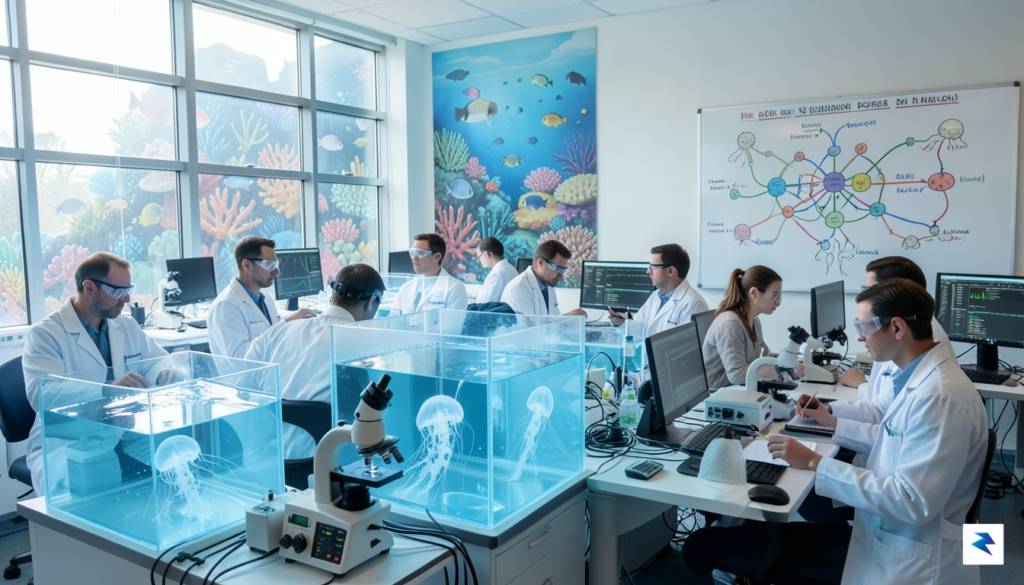

The remarkable capabilities observed in Mnemiopsis leidyi, often known as the sea walnut, are far more than just a biological curiosity; they represent a profound challenge to our understanding of tissue repair. This comb jelly isn’t merely healing minor scrapes; it’s performing a biological magic trick, regenerating complex tissues and even entire body parts, such as its delicate feeding structures, with astonishing speed and without a trace of scarring. The scientific community’s deep dive into its unique biological architecture is revealing a genetic blueprint specifically optimized for unparalleled resilience and rapid repair. Researchers are meticulously unraveling the molecular pathways and regulatory networks that enable such feats, identifying specific genes and proteins that are differentially expressed during injury response and orchestrating cellular repair at an advanced level. This fundamental understanding is precisely what holds the key to unlocking new paradigms in regenerative medicine.
The journey into the regenerative secrets of Mnemiopsis leidyi powerfully underscores the immense value of exploring the biological diversity found in so-called “non-model organisms.” For too long, scientific inquiry has often focused on a limited number of well-understood species, inadvertently overlooking a vast reservoir of evolutionary solutions to biological challenges. Creatures like the comb jelly, with their ancient lineages and distinct physiological adaptations, offer entirely novel perspectives on fundamental biological processes like healing and regeneration that have been perfected over millions of years. This “blue-sky” research, driven purely by curiosity and the pursuit of knowledge beyond immediate application, frequently yields the most groundbreaking discoveries, providing insights that could never be gleaned from traditional laboratory subjects. It’s a compelling testament to the idea that nature has already solved many of the complex biological problems we are still grappling with.
[IMAGE: A vibrant, close
You must be logged in to post a comment.