
I Don’t Know Rust: How My AI Rewrote a PHP Engine
The Dawn of AI-Assisted Systems Programming We are currently witnessing a seismic shift in how we architect the foundational layers of the…

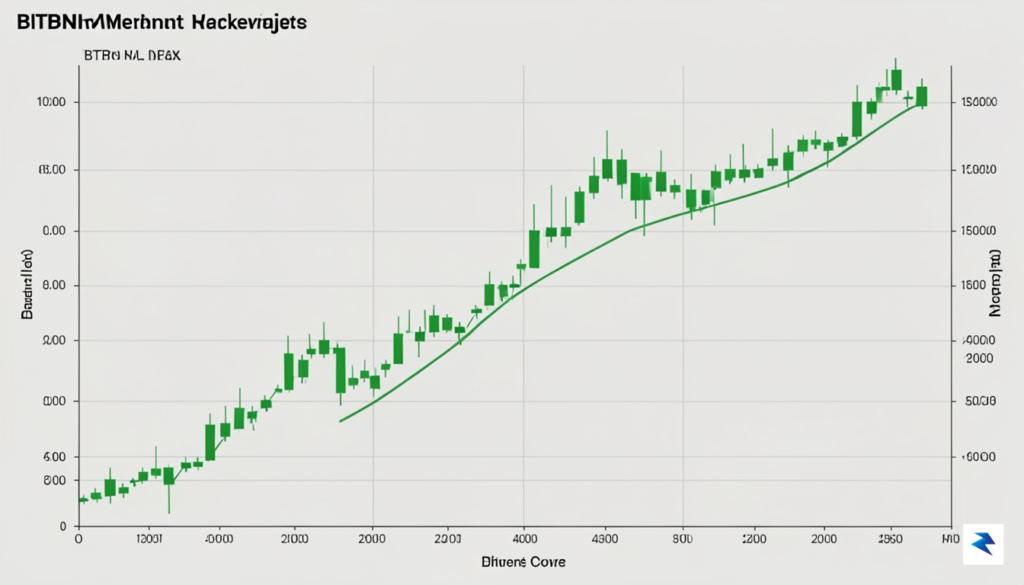
After a grueling period of sustained capital flight, the landscape for spot Bitcoin Exchange Traded Funds (ETFs) has dramatically shifted. For ten consecutive days, the market witnessed a steady, concerning outflow of investments, leading to widespread speculation about waning interest and further price declines. However, that protracted streak of divestment has now been decisively broken by a robust injection of $221 million in fresh capital. This significant inflow marks not merely a pause in the decline, but a profound turning point, signaling a potential resurgence in investor confidence and a renewed appetite for digital assets, suggesting that the recent, persistent bearish pressure may have finally exhausted its momentum.
The sheer magnitude of this $221 million inflow cannot be overstated, especially when viewed through the lens of the preceding downturn. This figure represents a substantial vote of confidence, effectively erasing the psychological impact of daily negative headlines and the continuous ‘bleeding’ of funds. It demonstrates a collective conviction from a segment of the market that the recent price corrections might have presented an attractive entry point, or perhaps that fundamental factors underpinning Bitcoin’s value remain strong despite short-term fluctuations. This single day’s performance stands as a powerful counter-narrative to the narrative of withdrawal that had dominated the market for over a week and a half.
To truly appreciate the significance, one must contrast this performance with the recent past. For ten days, investors watched as millions, and sometimes hundreds of millions, were systematically withdrawn from these investment vehicles. This consistent capital outflow fostered an environment of apprehension, creating a self-fulfilling prophecy where fear begot further selling. The cumulative effect was a palpable sense of market fatigue and uncertainty. The $221 million surge, therefore, acts as a powerful corrective, not just in financial terms but in psychological ones, effectively staunching the flow and injecting a much-needed dose of optimism back into the ecosystem.
The psychological impact of this turnaround on both retail and institutional investors is immense. For retail investors, who often monitor these daily flow figures as a barometer of market health, the cessation of the outflow streak provides significant relief. It mitigates the fear of missing out on a potential bottom or, conversely, the fear of being caught in a continued downtrend. This positive reversal can inspire a fresh wave of buying, as individual investors interpret the institutional appetite as a signal of underlying strength and a potential catalyst for price recovery. It essentially validates a long-term bullish outlook for many who might have been wavering.
Similarly, institutional players, who were meticulously monitoring the capital movements, are likely to interpret this inflow as a critical indicator. Large institutions are often looking for signs of market stability and conviction before making substantial allocations. This $221 million injection suggests that a considerable portion of institutional capital sees value at current levels, potentially viewing the recent dip as a consolidation phase rather than a sustained bear market. Such a clear signal can encourage other institutional funds to re-evaluate their positions, potentially leading to further inflows as they seek to capitalize on what they perceive as a renewed upward trajectory for the leading digital asset.
Ultimately, this robust inflow transcends mere numerical significance; it represents a fundamental shift in market sentiment. After a period of undeniable attrition and doubt, the market has delivered a strong statement of renewed interest and confidence in spot Bitcoin ETFs. This pivotal moment suggests that the prevailing narrative of contraction has been broken, paving the way for a more constructive and potentially bullish outlook as capital once again finds its way back into the burgeoning world of digital asset investments.


While BlackRock’s iShares Bitcoin Trust (IBIT) has undeniably become a titan in the nascent spot Bitcoin ETF market, frequently leading daily inflow charts and often dominating market discourse, an over-reliance on any single fund, no matter how robust, can inadvertently introduce a degree of market fragility. A scenario where a significant portion of institutional capital is concentrated within one product, even from a reputable issuer, could potentially amplify volatility if that specific fund experiences large outflows for idiosyncratic reasons. This concentration risk implies that the broader market’s health might become disproportionately tethered to the performance and sentiment surrounding a singular investment vehicle, potentially masking underlying weaknesses or limiting the true breadth of institutional adoption across the ecosystem. Therefore, observing a shift towards more distributed buying patterns is not merely an interesting data point; it’s a crucial indicator of developing market maturity and resilience.
The recent $221 million inflow, which decisively broke a challenging 10-day selling streak, offers compelling evidence that market participation is indeed diversifying beyond the gravitational pull of IBIT. This recovery was particularly notable not for another record-breaking day from a single giant, but for its remarkably broad-based participation across the entire spectrum of available spot Bitcoin ETFs. Funds like Fidelity’s FBTC, Ark Invest and 21Shares’ ARKB, and even smaller players, collectively contributed significant portions to the positive momentum, illustrating a more decentralized and robust demand landscape. This collective uplift suggests that institutional investors are not merely chasing the largest fund by AUM, but are actively evaluating and allocating capital across a wider array of options, each perhaps offering slightly different fee structures, custodial partners, or investment theses, signaling a more discerning market.
This emerging pattern of diversified inflows represents a far healthier and more sustainable indicator for the long-term viability of the Bitcoin ETF market than any single-fund rally could ever suggest. When demand is spread across multiple issuers, it inherently reduces the systemic risk associated with a potential mass exodus from one particular product, fostering a more stable and resilient market structure. Moreover, it signifies a deeper institutional conviction in Bitcoin as an asset class itself, rather than just a tactical play on a specific ETF. This broad engagement validates the efforts of numerous financial institutions that have brought these products to market, demonstrating that the appeal of direct Bitcoin exposure through regulated vehicles resonates with a wide range of investors, from wealth managers to hedge funds. Such decentralized participation is a cornerstone of a mature financial market, promising greater liquidity, more competitive offerings, and ultimately, a more enduring integration of digital assets into traditional finance.

The recent surge in Bitcoin ETF inflows, breaking a protracted selling streak, offers a moment of collective relief for investors. However, to truly appreciate this turning point, it’s crucial to understand the intricate web of factors that contributed to the preceding ten days of consistent outflows. This period was far more than a simple reaction to Bitcoin’s price fluctuations; it reflected a broader tapestry of macroeconomic anxieties and strategic institutional recalibrations. Dissecting these underlying currents is essential for distinguishing between fleeting market noise and more significant, structural shifts in investor behavior and sentiment, providing a clearer lens through which to view current market dynamics.
At the forefront of the institutional rebalancing act was the persistent uncertainty surrounding global interest rates, particularly the Federal Reserve’s stance. Initial market optimism earlier in the year had priced in multiple rate cuts, fostering an environment conducive to risk-on assets like Bitcoin. However, stronger-than-expected inflation data and a consistently hawkish tone from central bank officials began to erode this confidence. The “higher-for-longer” narrative gained traction, making fixed-income assets relatively more attractive and increasing the opportunity cost of holding speculative assets. This shift compelled many institutional investors to de-risk portfolios, leading to capital redeployment away from volatile segments like cryptocurrency ETFs, as they sought safer havens amidst a cloudy economic outlook.
Beyond direct interest rate implications, the overall macroeconomic environment exhibited heightened volatility. Geopolitical tensions, fluctuating commodity prices, and mixed corporate earnings reports contributed to a general risk-off sentiment across traditional markets. When broader equity indices or bond markets experience turbulence, institutional mandates often dictate a reduction in exposure to high-beta assets. Spot Bitcoin ETFs, being relatively new and still perceived as higher-risk, naturally became a prime candidate for such rebalancing efforts. This wasn’t necessarily a bearish bet on Bitcoin’s long-term value, but rather a prudent, short-term tactical adjustment in response to prevailing market uncertainties and a desire to preserve capital in a more volatile landscape.
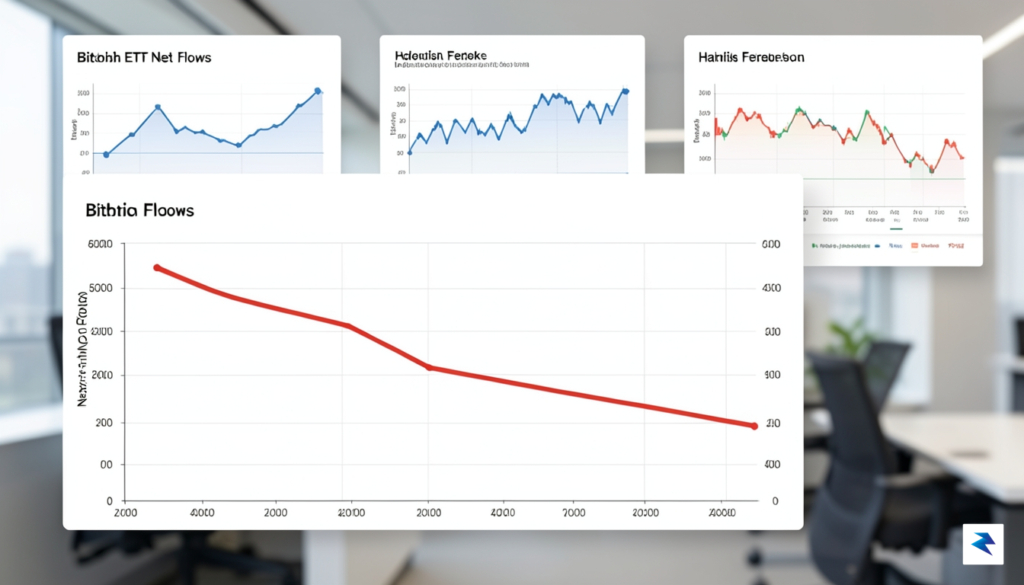
Simultaneously, microeconomic factors specific to the crypto market and ETF mechanics played a significant role. Following Bitcoin’s substantial rally leading up to and after the ETF approvals, many early institutional investors found themselves sitting on considerable unrealized gains. The sustained period of macroeconomic uncertainty provided a compelling incentive for some to take profits, de-risking their positions and locking in returns. This profit-taking wasn’t a sign of lost faith, but rather a strategic move to secure gains in a period when future market direction felt less certain, especially after a significant bull run.
Furthermore, the very structure of institutional investment involves regular portfolio rebalancing. As asset allocations drift due to market movements, fund managers are mandated to bring them back into alignment. During periods of heightened caution, this rebalancing often means trimming positions in assets that have performed well but are perceived as having higher short-term risk, thus contributing to the outflows observed in the Bitcoin ETFs. These systematic adjustments, combined with individual strategic profit-taking, created a cumulative effect that manifested as the protracted selling streak, reflecting a calculated response to both internal portfolio management rules and external market pressures.
The confluence of these macroeconomic pressures and strategic microeconomic adjustments painted a picture of a market grappling with fear and uncertainty during the 10-day outflow streak. The selling wasn’t necessarily driven by a fundamental disbelief in Bitcoin, but rather by a necessity to manage risk and reallocate capital in a challenging environment. The recent influx, therefore, signals a potential turning point—a shift from fear-driven de-risking to a renewed, value-seeking interest. It suggests that some of the previous uncertainties may be abating, or that investors are now viewing current price levels as an attractive entry point, differentiating this new buying behavior from the cautious, profit-taking actions that characterized the preceding period.

The recent influx of $221 million into Bitcoin Exchange Traded Funds represents far more than just a welcome reversal of a prolonged selling trend; it serves as a crucial litmus test for the burgeoning institutional maturity of the digital asset space. This significant inflow, breaking a challenging 10-day streak of outflows, signals a critical juncture where the market begins to stabilize, moving beyond the initial volatility often associated with novel financial products. As these funds experience more predictable flow patterns, Bitcoin ETFs are steadily cementing their role as a legitimate, standard instrument for portfolio diversification, shedding the long-held narrative of being merely a volatile speculative asset. This shift is paramount for attracting and retaining the confidence of larger, more conservative institutional investors who prioritize stability and clear market signals, indicating a deepening commitment to the asset class.
Consistent inflow patterns, particularly after a period of price consolidation or strategic “dip-buying,” are instrumental in significantly improving the overall liquidity and depth of the Bitcoin market. Increased liquidity means that large institutional orders can be executed with less price impact, reducing slippage and making the asset more appealing for substantial capital allocations. This deeper market also fosters greater price stability and reduces susceptibility to manipulative actions, thereby building a more robust and trustworthy environment for long-term investment strategies. Such predictable capital movements are a powerful indicator to asset managers and pension funds that the underlying infrastructure is maturing, paving the way for even larger future allocations and integrating Bitcoin more fully into traditional finance.

The newfound stability and clearer market signals empower financial advisors to confidently integrate Bitcoin ETFs into their clients’ diversified portfolios. Advisors are increasingly playing a pivotal role, not just in recommending these products, but in educating clients about their long-term value proposition and risk management within a broader investment strategy. They are strategically leveraging dip-buying windows, where asset prices become more attractive after a correction, to position clients for potential future growth, effectively guiding them through market cycles. This professional guidance is essential for translating complex digital asset dynamics into understandable investment opportunities, thereby accelerating mainstream adoption beyond early tech-savvy investors and into the portfolios of a broader, more traditional client base.
Furthermore, the preceding 10-day selling streak, while initially concerning, has inadvertently served as a vital stress test for the resilience and robustness of the nascent Bitcoin ETF ecosystem. Enduring and ultimately reversing such a sustained period of outflows demonstrates the underlying demand and the market’s capacity to absorb selling pressure without collapsing. This resilience provides invaluable data points for risk models and institutional due diligence, proving that the current ETF infrastructure can withstand significant market fluctuations. The ability to bounce back so decisively reinforces confidence that the asset class is not merely a fleeting trend but possesses intrinsic value and a growing base of committed investors willing to maintain exposure through downturns.
Looking ahead, this turning point suggests a foundational shift towards more predictable institutional engagement for the remainder of the quarter and beyond. As the market demonstrates its capacity for recovery and stability, we can anticipate a continued, albeit measured, increase in institutional adoption. Bitcoin ETFs are progressively shedding their “alternative investment” label and integrating into mainstream financial planning, becoming a standard component in diversified portfolios. This trajectory indicates a future where digital asset exposure, facilitated by regulated ETF vehicles, is not an exception but a routine consideration for institutions seeking modern, diversified asset allocation strategies, ultimately reshaping the landscape of global finance with greater stability and broader participation.
You must be logged in to post a comment.