Inside the U.S. Plan for a Strategic Bitcoin Reserve: What We Know So Far
The Strategic Vision: Why a Federal Bitcoin Reserve is Gaining Traction The conversation surrounding a federal Bitcoin reserve has undergone a…
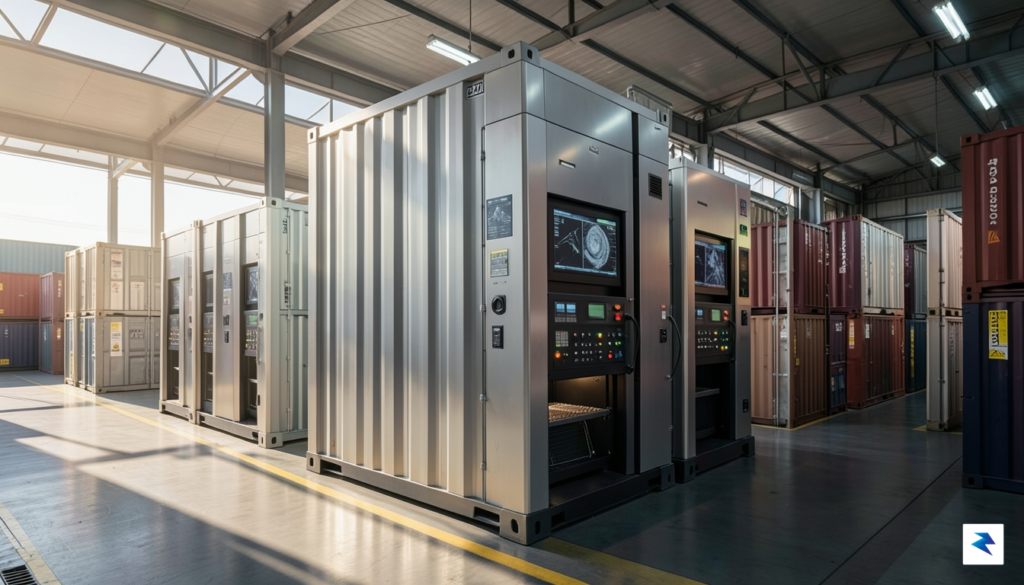
The trajectory of Nuctech is a quintessential study in the rapid evolution of China’s state-backed industrial complex. Born in 1997 as a commercial venture from the prestigious Tsinghua University in Beijing, the company began as an academic initiative focused on particle physics and radiation imaging. By leveraging the intellectual capital of one of China’s top research institutions, Nuctech quickly moved beyond the laboratory, transitioning from an obscure spin-off into a formidable corporate entity. This ascent was not merely a product of organic market growth; rather, it was bolstered by consistent, strategic support from the Chinese government, which identified advanced scanning technology as a critical pillar of national infrastructure and global influence.
As Nuctech expanded its portfolio, it effectively monopolized the domestic market before turning its sights toward the international stage. The company’s scanners—ranging from massive cargo X-ray systems to compact passenger luggage checkers—eventually became ubiquitous at airports, seaports, and border crossings across the globe. By offering highly competitive pricing and sophisticated, integrated software suites, Nuctech managed to displace long-standing Western incumbents. Today, the company serves as the invisible gatekeeper for a massive portion of the world’s logistics chain, ensuring that everything from consumer electronics to industrial raw materials passes through its proprietary imaging algorithms.
The global dominance of this technology has transformed border security into a high-stakes arena for geopolitical maneuvering. Because these systems are responsible for detecting contraband, weapons, and illicit goods, they possess an inherent level of sensitivity that makes them a matter of national security for any host country. Critics and security analysts argue that the deep integration of Chinese-made scanning hardware into European and American infrastructure creates a potential vulnerability, raising concerns about data sovereignty and the ability of a foreign state to potentially access or manipulate security feeds. Consequently, what began as a university innovation project has effectively morphed into a centerpiece of a broader trade conflict, as Western nations grapple with the risks of relying on a strategic rival for the very tools that guard their sovereign borders.
The integration of foreign-made scanning technology into critical national infrastructure represents a complex intersection of economic globalization and digital-age intelligence concerns, where the line between a commercial contract and a national security liability often becomes dangerously blurred.
Ultimately, Nuctech’s rapid expansion is a testament to the Chinese state’s ability to foster industry champions through a combination of academic research, state-directed financing, and aggressive export strategies. As European regulators now weigh the implications of this reliance, the debate has shifted from simple market competition to the fundamental question of whether security hardware can ever be considered a neutral commodity. This tension highlights a new reality: in an era of global connectivity, the equipment used to secure a border can be just as influential as the policies enforced upon it.
At the heart of the mounting tension between Beijing and Brussels lies a fundamental disagreement over how a company can feasibly offer advanced security technology at prices that consistently leave Western competitors struggling to keep up. Nuctech, a state-linked giant in the X-ray scanning and cargo inspection industry, has become the focal point of a fierce debate regarding market distortion. Critics and European industry leaders allege that the company’s ability to dominate public tenders is not solely the result of innovation or operational efficiency, but rather the byproduct of a massive, state-orchestrated financial safety net. By providing low-interest loans, direct capital injections, and preferential tax treatments, the Chinese government is accused of effectively underwriting Nuctech’s international expansion, allowing it to bid for infrastructure projects at prices that European rivals simply cannot match without incurring unsustainable losses.
This competitive pricing model creates a profound ripple effect across the global security sector, effectively pricing out firms that operate under standard market conditions in the United States and the European Union. When a company can aggressively undercut the competition by 30% or more, it does more than just win a contract; it fundamentally alters the landscape of international trade. European manufacturers argue that these state-backed advantages create an uneven playing field where success is determined by the depth of a government’s treasury rather than the quality of the engineering or the value of the service provided. Consequently, this leads to a “race to the bottom” in pricing, which threatens the long-term viability of high-tech manufacturing sectors in Europe that are essential for maintaining strategic autonomy in critical infrastructure.

The broader implications of this friction extend far beyond individual procurement contracts, reaching into the very core of World Trade Organization (WTO) principles. The WTO was designed to foster an environment of fair competition, yet the current situation with Nuctech highlights the difficulty of regulating “state-capitalist” entities that do not adhere to traditional market-driven profit motives. If government support is masked as corporate investment, it becomes increasingly difficult for international trade bodies to enforce rules against dumping or unfair subsidization. This ambiguity has led to calls for the European Union to adopt more robust defensive instruments, such as the Foreign Subsidies Regulation, which seeks to identify and neutralize the distortive effects of financial support provided by non-EU governments.
The core of the conflict rests on a simple, yet disruptive question: can a market-based economy coexist with a state-backed competitor that plays by an entirely different set of financial rules?
As EU regulators continue their investigations, the outcome will likely set a significant precedent for how the bloc handles Chinese industrial policy in the future. If the evidence confirms that state subsidies are indeed the primary driver behind Nuctech’s global market capture, the EU may be forced to implement restrictive measures that could permanently reshape trade relations. This is not merely a dispute over scanners and security checkpoints; it is a critical test of whether international trade equity can be maintained in an era where state power is increasingly leveraged as a primary tool for industrial dominance.
The debate surrounding Chinese technology in Europe has rapidly evolved from a narrow concern over telecommunications networks into a much broader struggle for digital sovereignty. European governments are increasingly viewing their critical infrastructure—specifically ports, borders, and logistics hubs—not merely as commercial assets, but as vital pillars of national security. When scanning equipment or logistical management software is supplied by firms with deep ties to foreign state apparatuses, the traditional boundary between an efficient supply chain and a potential intelligence vulnerability begins to blur. This shift reflects a growing realization that hardware is rarely “just hardware” in an era of hyper-connectivity, where physical cargo scanners can potentially serve as conduits for data exfiltration.
At the heart of this tension lies the fear that scanning and surveillance hardware could be exploited to map the movement of sensitive military equipment, track key political figures, or gather intelligence on industrial trade secrets. Because these devices are integrated into the backbone of Europe’s border control systems, their compromise could grant an external actor a persistent, invisible window into the continent’s internal movements. This is no longer merely about the risk of software backdoors; it is about the physical presence of sensors and imaging technology that could be manipulated to provide remote access or data feeds back to a foreign entity. European policymakers are now grappling with the uncomfortable reality that relying on non-allied vendors for this infrastructure creates a permanent, strategic dependency that is difficult to unwind once the equipment is embedded in the port architecture.
The integration of foreign-owned hardware into our most sensitive security infrastructure is a strategic gamble that many European capitals are no longer willing to make.
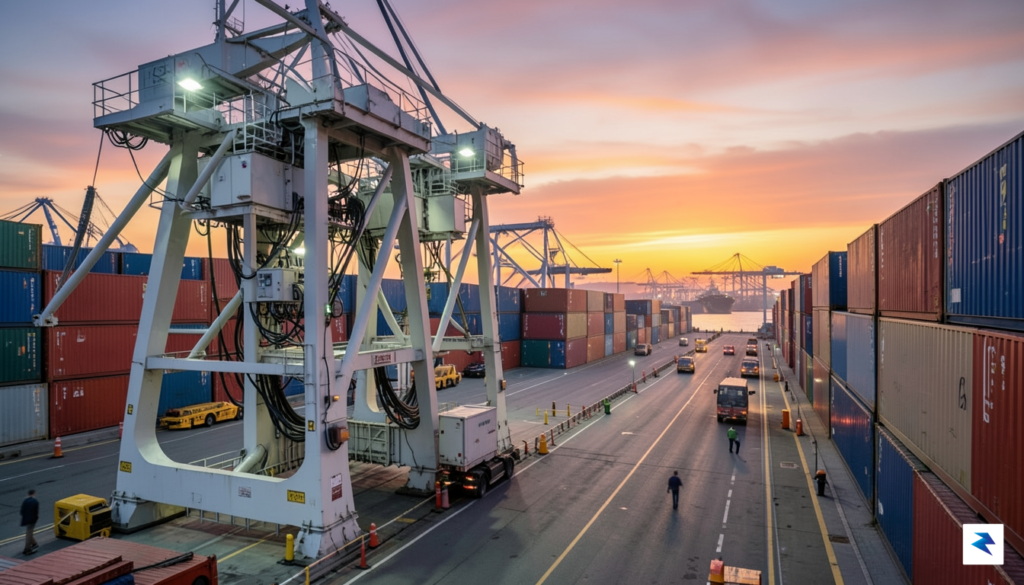
In response to these mounting concerns, several EU member states have begun to implement more stringent regulatory hurdles, effectively signaling an end to the era of unchecked market access for Chinese infrastructure providers. By tightening oversight on public procurement and scrutinizing the ownership structures of companies bidding on security contracts, European nations are attempting to fortify their technological borders. These actions represent a decisive, albeit controversial, move toward protectionism driven by the necessity of national defense. While some critics argue that these restrictions disrupt the free flow of commerce, proponents of the new measures suggest that the cost of potential espionage far outweighs the economic efficiency gained by purchasing lower-cost hardware. As this trend intensifies, the European Union is effectively redefining what it means to be a secure partner in a globalized economy, prioritizing long-term resilience over immediate cost-savings.
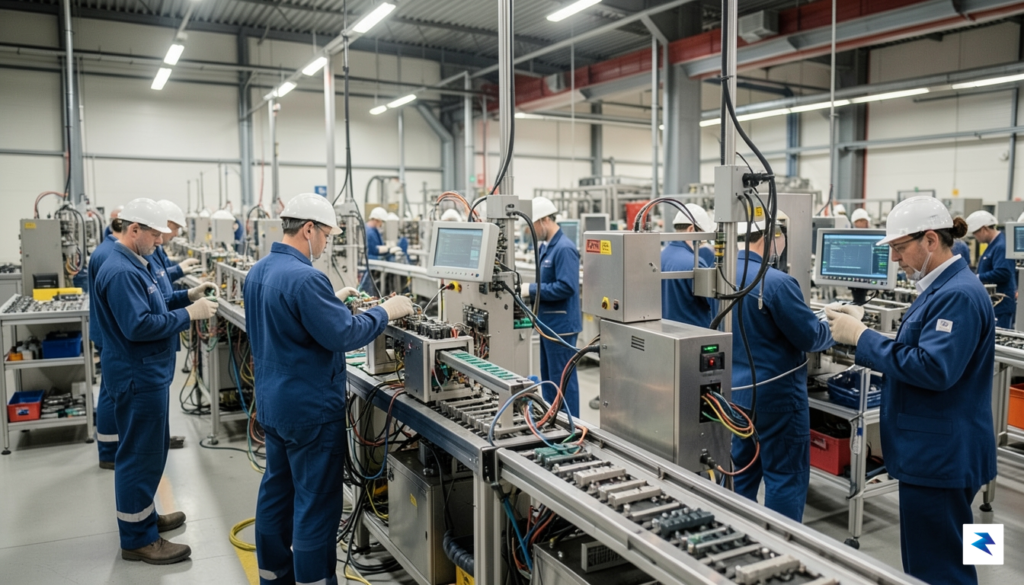
As Nuctech continues to expand its footprint across Europe’s critical infrastructure, domestic manufacturers are finding themselves backed into a corner, unable to match the aggressive pricing models facilitated by state-backed subsidies. This competitive imbalance has ignited a firestorm of concern among European security firms, who argue that the market is being systematically hollowed out by unfair practices. From the perspective of these local producers, the issue is not merely about losing market share; it is about the long-term survival of a strategic industrial base that is essential for continental sovereignty. As a result, lobbying groups have descended upon Brussels with a singular, urgent message: European security technology must be shielded from the predatory economics of external state-owned enterprises before the region loses its technical independence entirely.
The pressure on European policymakers is mounting, creating a complex dilemma that pits the immediate need for cost-effective infrastructure modernization against the imperative of safeguarding domestic industrial capacity. For years, European nations have relied on Nuctech’s affordable scanning and logistics hardware to streamline border control and cargo processing. However, this reliance has created a fragile dependency that now threatens to trigger a broader trade war. If the European Union decides to impose restrictive tariffs or outright bans on Chinese security tech to protect its local players, it is almost certain that Beijing will respond with targeted retaliatory measures against European exports. This looming tit-for-tat dynamic risks escalating into a full-scale trade conflict, leaving European industries—from automotive to luxury goods—caught in the crossfire of a security-driven geopolitical standoff.
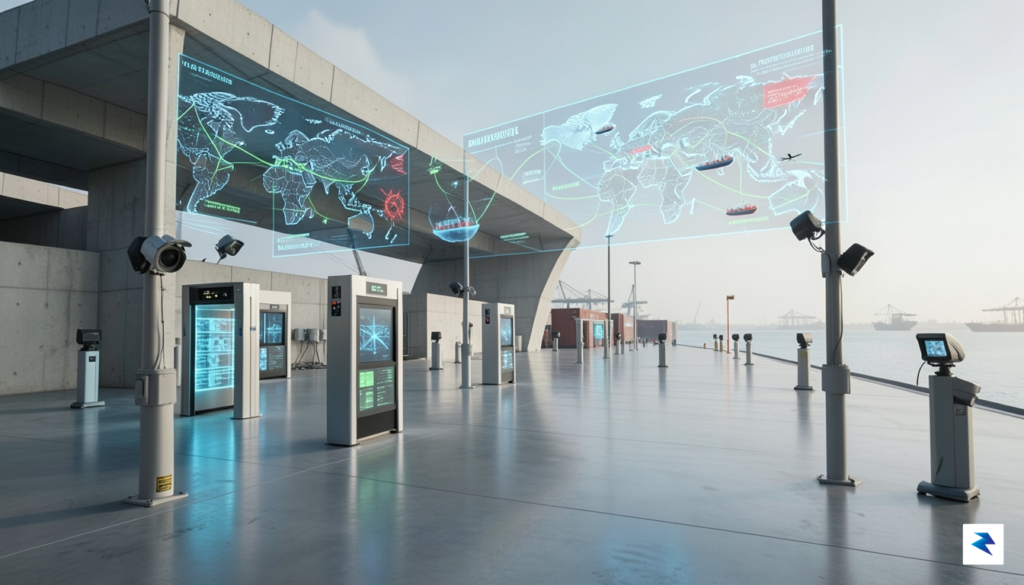
The fundamental tension lies in whether Europe prioritizes the immediate efficiency of its supply chains or the long-term resilience of its own technology sector. By choosing to protect domestic manufacturers, the EU risks a retaliatory surge that could destabilize key export markets; by ignoring the problem, it risks handing over the keys to its own border security infrastructure.
Beyond the boardroom lobbying, this situation represents a turning point in the evolution of European trade policy. The bloc is increasingly moving away from its historically laissez-faire approach toward a more assertive “de-risking” strategy, aimed at reducing strategic vulnerabilities. This shift signals that the era of open-door procurement for critical infrastructure is likely coming to an end. As Brussels weighs its options, the path forward will require a delicate balancing act: finding a way to support European innovators without triggering an economic backlash that could inflict significant damage on the continent’s already fragile post-pandemic growth prospects.

The Nuctech saga transcends a mere commercial disagreement; it has rapidly escalated into a pivotal moment that will undeniably shape the trajectory of future EU-China relations. This ongoing dispute, centered on critical infrastructure security and fair competition, is forcing European policymakers to confront a fundamental dilemma: how to reconcile deep economic interdependencies with an escalating imperative for national security. It represents a crucial litmus test, revealing the true complexities and inherent tensions embedded within the bloc’s evolving strategy towards Beijing, pushing the boundaries of traditional trade policy into the realm of geopolitical strategy.
For years, the European Union has skillfully navigated a delicate balance, leveraging China’s vast market and manufacturing capabilities while attempting to uphold its own values and regulatory standards. However, incidents like the Nuctech case expose the fragility of this equilibrium, particularly when state-backed enterprises operate in sensitive sectors. The core challenge lies in discerning genuine commercial competition from strategic national influence, especially when the lines blur in areas vital to national security, such as airport scanners and customs technology. This isn’t just about market access; it’s about control over critical data, supply chain integrity, and ultimately, sovereignty, compelling a re-evaluation of long-held trade principles.
One discernible path forward, already hinted at by various policy discussions, leans towards increased protectionism. This could manifest as more stringent anti-dumping duties, expanded use of foreign direct investment screening mechanisms, and a heightened focus on nurturing domestic champions in critical industries. European nations might increasingly prioritize “strategic autonomy,” potentially leading to a fragmentation of global supply chains as they seek to reduce reliance on single, potentially untrustworthy, sources. While offering a perceived buffer against external risks, this approach risks retaliatory measures from China, potentially igniting a full-blown trade war that could harm European consumers and businesses alike through higher costs and reduced market access.
Alternatively, the Nuctech case could catalyze the implementation of far more rigorous security vetting processes across all critical infrastructure projects and sensitive technological procurements. This would involve not just economic criteria but also comprehensive risk assessments of vendors’ ultimate ownership, their national security implications, and adherence to data privacy and cybersecurity standards. The goal would be to establish a ‘trusted vendor’ ecosystem, where companies operating in vital sectors are subject to an elevated level of scrutiny, ensuring that economic cooperation does not inadvertently compromise national security. This approach seeks to differentiate between genuinely problematic actors and legitimate businesses, allowing for continued, albeit more regulated, engagement.

Perhaps the most ambitious, yet potentially most beneficial, outcome would be the development of a new international framework for trade transparency and fair competition, particularly concerning state-subsidized enterprises. This would require multilateral cooperation to establish clearer rules on subsidies, intellectual property protection, and the governance of dual-use technologies. The EU, by championing such a framework, could leverage its significant economic weight to push for a more level playing field globally, fostering an environment where market forces, rather than geopolitical leverage, dictate commercial success. This path
You must be logged in to post a comment.