The Genesis of the Rivian Autonomous Driving Controversy

A significant legal challenge has emerged for the electric vehicle manufacturer Rivian, as a newly filed class-action lawsuit targets the company’s ambitious early marketing campaigns. At the heart of the litigation are claims that the automaker misled its initial customer base by aggressively promoting advanced driver-assistance features—specifically hands-free driving capabilities—that were presented as imminent for the first-generation R1 platform. Plaintiffs argue that these sophisticated features were a primary incentive for early adopters who purchased the R1T pickup and R1S SUV, yet these promised functionalities have failed to materialize years after the vehicles hit the road.
The core of the grievance lies in the disparity between the high-tech narrative Rivian projected during its pre-order phase and the subsequent engineering reality. Potential buyers were frequently presented with marketing materials that suggested the R1 vehicles were equipped with a “Driver+” system destined to evolve into a truly hands-free, autonomous experience. According to the lawsuit, the company allegedly marketed these vehicles as having the necessary sensor suites and computing power to support such advancements, effectively inducing consumers to pay a premium for hardware they believed was future-proof. However, as the product development cycle progressed, it became increasingly clear that the existing hardware architecture might not be capable of supporting the level of automation originally implied, leading to widespread frustration among owners who feel their vehicles are tethered to obsolete capabilities.
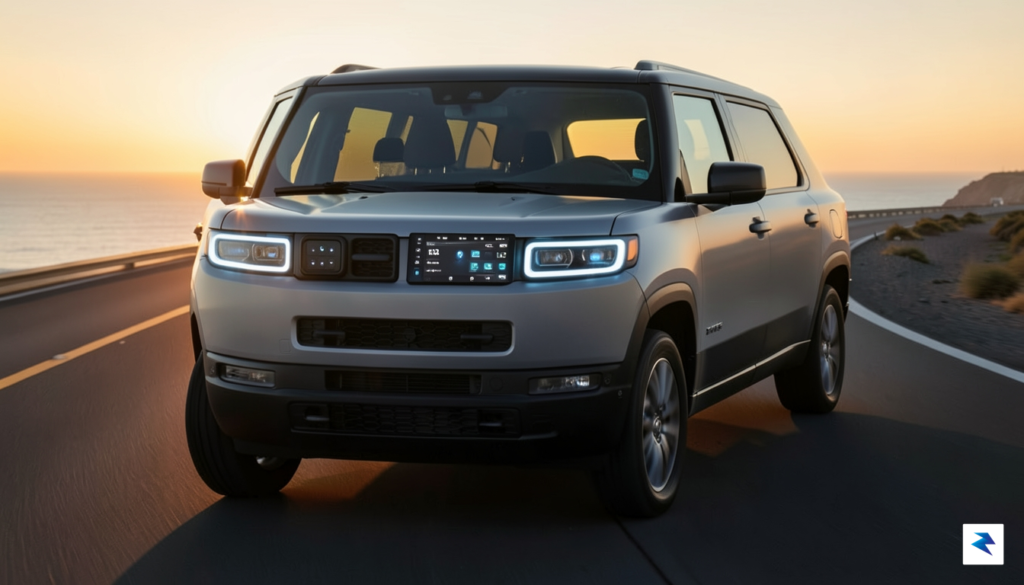
Analyzing the timeline of these marketing claims reveals a complex tension between corporate ambition and technical execution. When Rivian first opened reservations, the industry was riding a wave of immense hype regarding self-driving technology, and the company leveraged that sentiment to distinguish itself in a crowded EV market. By framing the R1 platform as a foundation for future software-defined upgrades, Rivian managed to secure substantial capital and loyalty from its earliest supporters. Yet, as the years passed without the promised feature rollouts, the gap between the company’s “Roadmap” and actual customer experience widened significantly. The lawsuit asserts that this was not merely a case of delayed software updates, but rather a fundamental misrepresentation of the vehicle’s long-term technical potential.
The plaintiffs contend that Rivian’s marketing served as a decisive factor in their purchase decisions, creating a reasonable expectation that the promised autonomous features were an integral part of the vehicle’s value proposition rather than a speculative possibility.
Ultimately, this legal battle highlights the growing tension in the automotive sector as manufacturers struggle to balance bold, futuristic promises with the grueling reality of software development and regulatory scrutiny. As the court examines whether these marketing claims constitute actionable deception, the outcome could have profound implications for how EV startups communicate future software-based capabilities to their customers. For now, the case remains a sobering reminder that while software-defined vehicles offer immense potential, the failure to deliver on high-stakes promises can lead to significant reputational and legal consequences for even the most innovative brands.
Understanding the Legal Claims: Misrepresentation vs. Technical Reality

At the heart of the litigation lies the complex legal concept of fraudulent inducement, a doctrine that suggests consumers were persuaded to purchase a premium product based on material misrepresentations. Plaintiffs argue that Rivian’s marketing campaigns—which heavily emphasized the future-proof nature of the Gen-1 R1 platform—created a reasonable expectation that hands-free driving capabilities were a matter of “when,” not “if.” By framing these advanced driver-assistance systems (ADAS) as software-upgradable features, the manufacturer allegedly induced customers to pay significant premiums for hardware that the plaintiffs now contend was fundamentally incapable of supporting the promised autonomy. From a legal standpoint, the core of the dispute rests on whether these marketing materials crossed the line from aspirational “puffery” into actionable deception, effectively locking buyers into a contract based on technological promises that the company knew, or should have known, were unattainable.
The technical reality of the Gen-1 R1 platform has become a central battleground in the courtroom. Plaintiffs maintain that the hardware suite integrated into these early vehicles—specifically the camera and sensor arrays—lacked the necessary redundancies and computational power required for the high-level autonomy Rivian initially teased. While manufacturers often frame software-defined vehicles as platforms that evolve over time, the plaintiffs contend that Rivian’s failure to deliver these upgrades constitutes a breach of the implied warranty of fitness for a particular purpose. They argue that the “premium” price point was explicitly tied to the inclusion of these future-ready systems, meaning the absence of such features represents a significant depreciation of the vehicle’s promised value and utility.
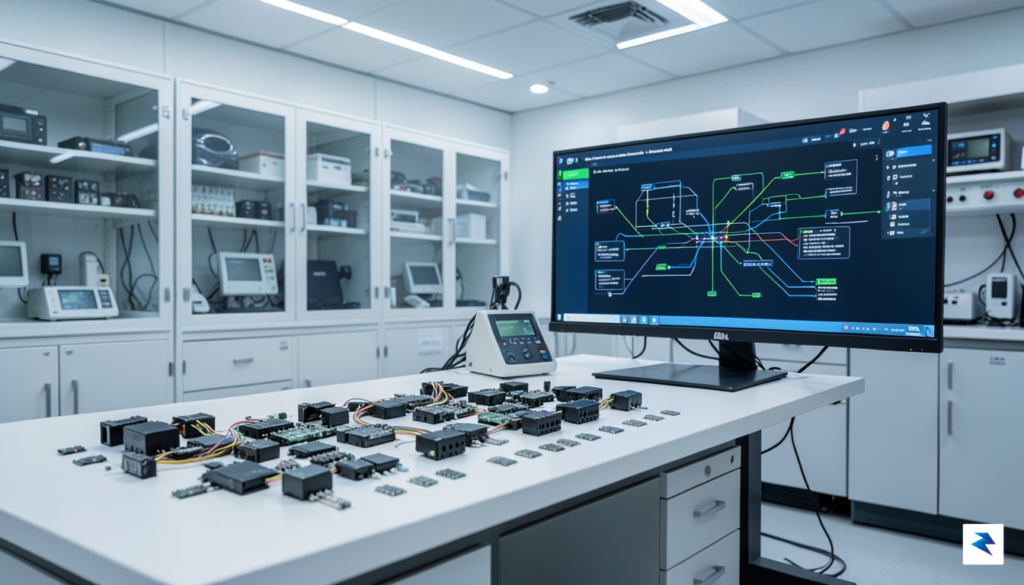
Proving intentional deception versus simple research and development failure presents a steep hurdle for the legal team. In the rapidly evolving sector of EV technology, manufacturers frequently pivot their engineering roadmaps based on safety regulations, hardware limitations, and unforeseen software hurdles. Rivian will likely argue that their statements were made in good faith as part of an iterative development process, and that they never provided a concrete delivery date for full hands-free operation. However, the plaintiffs’ strategy hinges on demonstrating that the company’s internal projections were significantly misaligned with their public-facing marketing. If the discovery process reveals that Rivian engineers had flagged insurmountable hardware limitations long before the sales in question, the argument for fraud becomes substantially more compelling than a simple case of missed corporate milestones.
The legal outcome may hinge on a single question: Did the manufacturer sell a dream of future autonomy to inflate current prices, or did they genuinely believe the hardware provided was sufficient for the task?
Ultimately, this case serves as a cautionary tale for the automotive industry regarding the intersection of marketing hyperbole and consumer expectations. As vehicles become increasingly dependent on software, the line between an upgradeable asset and an obsolete purchase is shifting. If the court finds in favor of the plaintiffs, it could establish a significant precedent, compelling manufacturers to be far more transparent about the concrete limitations of their hardware at the point of sale, rather than relying on the vague, forward-looking promises that have become standard in the industry.
The Evolution of Driver Assistance: From Driver+ to Hands-Free Ambitions
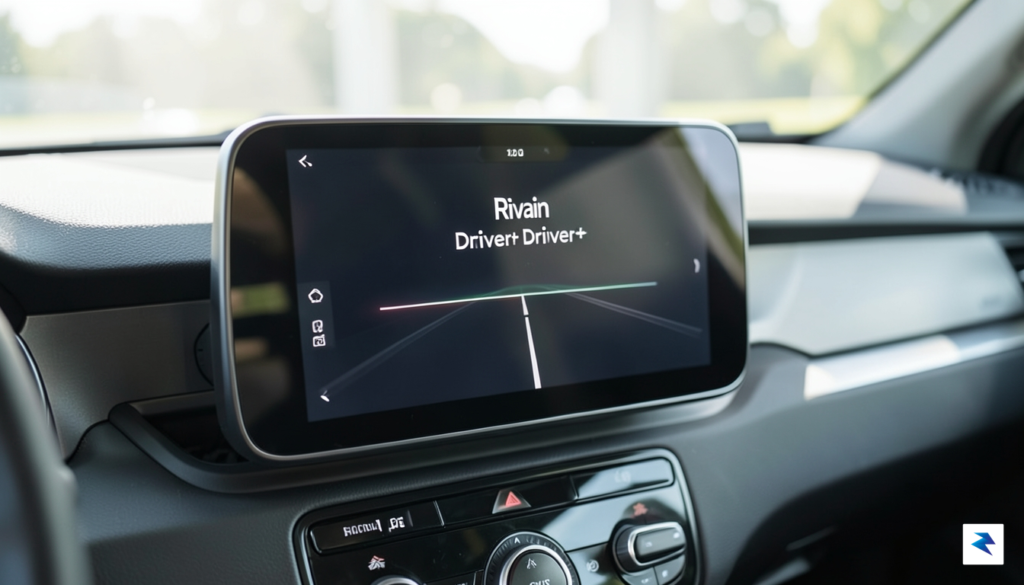
At the heart of the current legal friction lies a fundamental misunderstanding of what Rivian’s Driver+ system is designed to achieve compared to the lofty promises of full autonomy. Currently, Driver+ functions as a Level 2 driver assistance system, which requires the operator to remain fully attentive and ready to take control of the vehicle at any moment. While the software provides a sophisticated combination of adaptive cruise control and lane-centering steering, it is strictly an assistive tool rather than a replacement for human judgment. The system utilizes cameras and sensors to maintain a steady course on mapped highways, yet it lacks the situational awareness and decision-making capabilities required to navigate complex urban environments or unpredictable road conditions independently.
The distinction between Level 2 systems—like Driver+—and the much-touted Level 3 or Level 4 autonomous driving remains a significant technical and regulatory divide. In a Level 2 setup, the driver is legally and physically responsible for every movement of the vehicle, acting as a constant supervisor. Conversely, true “hands-free” and “eyes-off” driving, which falls into Level 3 and beyond, requires a vehicle to handle all dynamic driving tasks under specific conditions, with the car assuming liability for the journey. Bridging this gap is not merely a matter of software updates; it demands a robust suite of redundant sensors, such as high-resolution LiDAR and more advanced processing power, to manage scenarios that current consumer-grade systems simply cannot process safely.
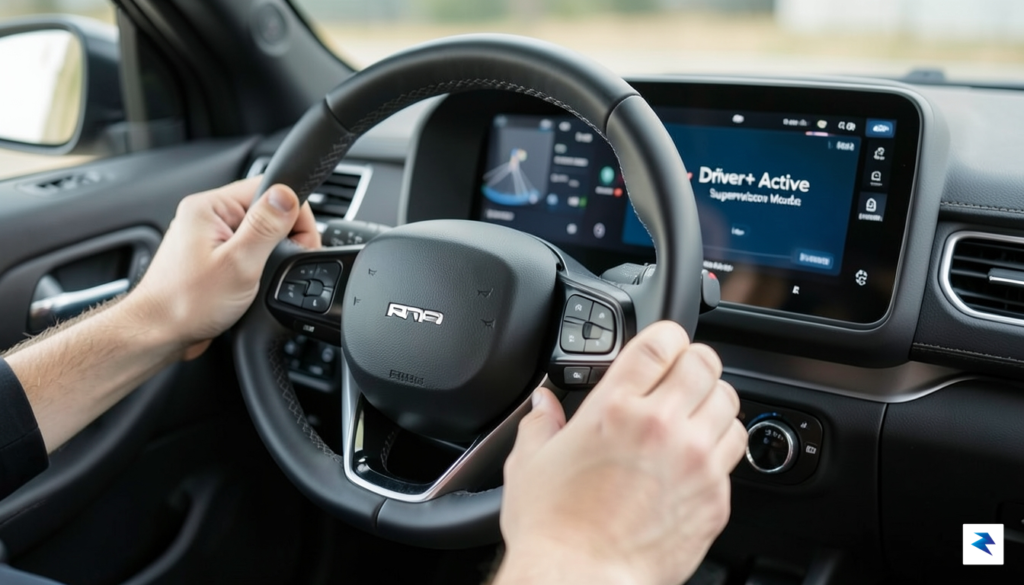
When comparing Rivian’s trajectory to industry competitors, the hardware limitations of the first-generation R1 vehicles become apparent. While some manufacturers have successfully rolled out hands-free features by integrating specialized sensor arrays capable of 360-degree environmental monitoring, Rivian’s early hardware stack was primarily optimized for the assistance capabilities currently present in Driver+. These competitors have often utilized a more aggressive hardware rollout, including dedicated compute units that can handle the massive data streams required for autonomous navigation. For Rivian owners, the frustration stems from the expectation that these first-generation vehicles would eventually evolve into fully autonomous machines through over-the-air updates, a promise that current hardware constraints may make technically impossible to fulfill.
The core of the dispute rests on the discrepancy between marketing language that implied future autonomous potential and the rigid physical limitations of the sensor suite currently installed in existing R1 vehicles.
Ultimately, the regulatory environment for self-driving technology is becoming increasingly cautious, placing a higher burden of proof on automakers who claim their systems are “hands-free.” Regulators are prioritizing safety verification and clear consumer communication, which has forced many companies to walk back grand promises of immediate autonomy. As the industry matures, the divide between “driver assistance” and “automated driving” has become a critical point of contention, leaving owners of premium vehicles caught in the middle of a transition that has proven to be far more difficult—and expensive—than the initial industry hype suggested.
Impact on the Rivian Brand and Consumer Trust
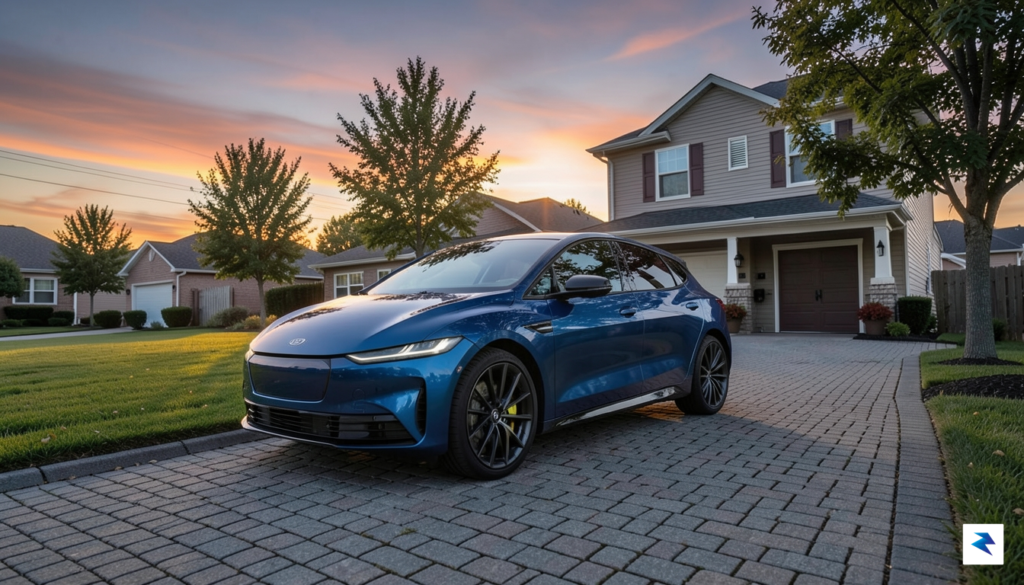
The relationship between Rivian and its early adopters has always been built on a foundation of shared vision and technological optimism. These initial customers were not merely buying a vehicle; they were investing in the promise of a “software-defined” future where their trucks and SUVs would improve over time through over-the-air updates. However, the current class-action lawsuit highlights a widening chasm between that marketing promise and the reality of software delivery. When a company markets high-end features like advanced driver-assistance systems as imminent, it creates an expectation of value that, when left unfulfilled, transforms a brand enthusiast into an aggrieved consumer. This shift is particularly damaging because early adopters serve as a company’s primary marketing engine; losing their trust could lead to a ripple effect that discourages future mainstream buyers from taking a chance on the brand.
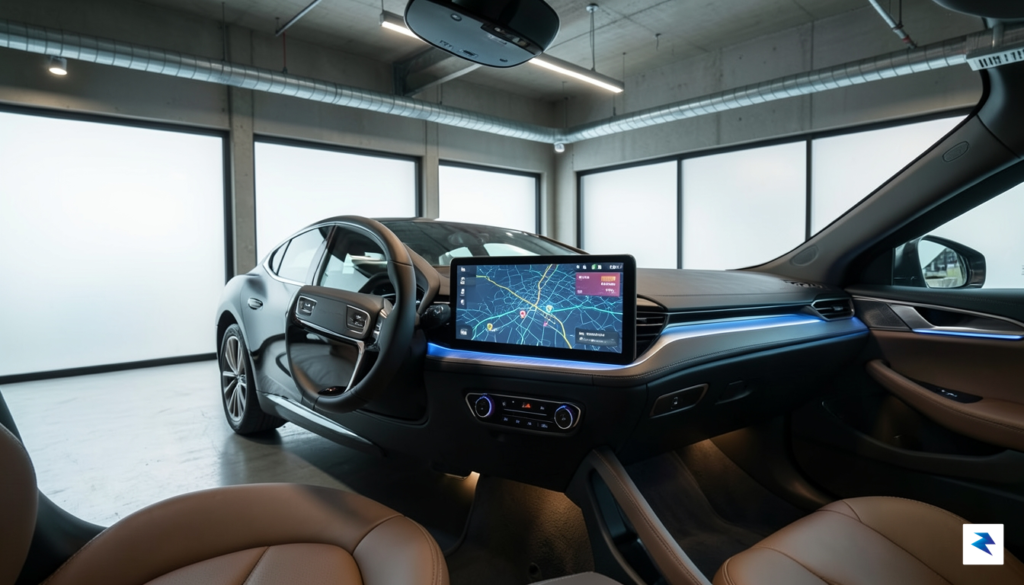
The automotive industry has increasingly adopted a “beta-testing” culture borrowed from Silicon Valley, where vehicles are shipped with unfinished features that are promised to be “unlocked” later. While this model allows for rapid iteration, it also risks inducing “feature fatigue” among owners who find themselves waiting indefinitely for capabilities they paid for at the point of sale. Transparency is the only antidote to this frustration. If manufacturers cannot provide concrete, verifiable roadmaps for software upgrades, they risk alienating the very demographic that is most likely to evangelize their products. For Rivian, the reputational fallout may extend beyond a simple legal settlement; it forces the company to reckon with whether the “software-defined” brand identity is a sustainable competitive advantage or an Achilles’ heel that invites litigation whenever development timelines slip.
Trust is a fragile commodity in the nascent EV market; once broken by perceived over-promising, it requires significant investment in transparency and consistent performance to rebuild.
Looking ahead, the financial implications for Rivian as they scale production are significant. As the company moves from a niche luxury manufacturer to a mass-market player, every missed milestone becomes a potential liability that can be amplified by legal action. If investors and future customers begin to view Rivian’s feature list as speculative rather than guaranteed, the perceived value of their vehicles may decline, putting downward pressure on resale prices and new vehicle demand. To mitigate this, Rivian must pivot toward a more conservative communication strategy regarding future capabilities. By prioritizing the stability of existing systems over the allure of future promises, the company can begin to restore the credibility that is essential for long-term viability in an increasingly crowded and skeptical electric vehicle market.
The Broader Implications for the EV Industry and ADAS Marketing

The class-action lawsuit filed against Rivian, alleging that the automaker made misleading claims regarding its hands-free driving capabilities, is far from an isolated incident within the burgeoning electric vehicle and advanced driver-assistance systems (ADAS) sectors. Instead, it serves as a potent microcosm of a systemic challenge confronting the entire automotive industry: the perennial tension between ambitious marketing narratives and the current technological realities of autonomous driving features. This legal action underscores a critical juncture where the rapid innovation in automotive engineering, particularly in the EV space, often finds itself outpaced by the equally rapid — and sometimes overly enthusiastic — pronouncements from marketing departments.
Across the automotive landscape, major manufacturers grapple with how to brand and present their sophisticated ADAS offerings to consumers. Companies like Tesla have famously marketed features under names such as “Full Self-Driving” (FSD), while General Motors offers “Super Cruise” and Ford provides “BlueCruise.” Each of these systems, while representing significant engineering achievements, operates under specific operational design domains and requires active driver supervision, despite their evocative names. The inherent ambiguity in such branding has repeatedly drawn the scrutiny of regulators and consumer advocacy groups, highlighting a pervasive industry trend where the perception of autonomy can often overshadow the actual, limited capabilities of current technology. This creates a challenging environment for consumers attempting to differentiate between assistive technologies and truly autonomous vehicles, leading to potential misunderstandings about safety and responsibility.
Consequently, the regulatory landscape surrounding ADAS marketing is under increasing pressure to evolve. Governmental bodies, including the National Highway Traffic Safety Administration (NHTSA) in the United States and similar agencies globally, are actively monitoring how these systems are advertised and deployed. There’s a growing consensus that clearer, more standardized terminology is essential to prevent consumer confusion and ensure public safety. This lawsuit against Rivian could very well accelerate calls for stricter guidelines, pushing the industry towards a harmonized approach to describing ADAS features, perhaps even aligning with established SAE International levels of driving automation more explicitly in consumer-facing communications. The goal is to ensure that marketing materials accurately reflect the operational limitations and driver responsibilities associated with these advanced systems.
Defining ‘Truth in Advertising’ for Autonomous Features
To foster genuine consumer trust and preempt future legal challenges, a robust framework for ‘truth in advertising’ is imperative when it comes to autonomous features. This framework must prioritize absolute transparency, unequivocally stating the precise capabilities and, more importantly, the inherent limitations of any ADAS system. For instance, advertisements should clearly articulate that features like “hands-free driving” are supervisory systems that require continuous driver attention and intervention, rather than implying full autonomy. Standardized disclaimers and educational materials, perhaps even mandated by regulatory bodies, could play a crucial role in managing consumer expectations and ensuring that the public understands the distinction between driver assistance and true self-driving capabilities, which remain largely in development.
Looking forward, this lawsuit, regardless of its ultimate outcome, is poised to leave an indelible mark on how electric vehicles and their advanced features are marketed to consumers. It will likely compel automakers to adopt a more cautious and precise lexicon, moving away from aspirational language towards factual descriptions of technological capabilities. The industry may see a shift towards collaborative efforts to establish universal standards for ADAS nomenclature, driven by both regulatory pressures and a desire to rebuild and maintain consumer confidence. Ultimately, the emphasis will need to pivot towards educating the public comprehensively about the roles of these technologies, fostering a deeper understanding that ensures both safety on our roads and integrity in advertising as the automotive world continues its journey towards a more autonomous future.