The AI Stigma: Why Singles Are Skeptical

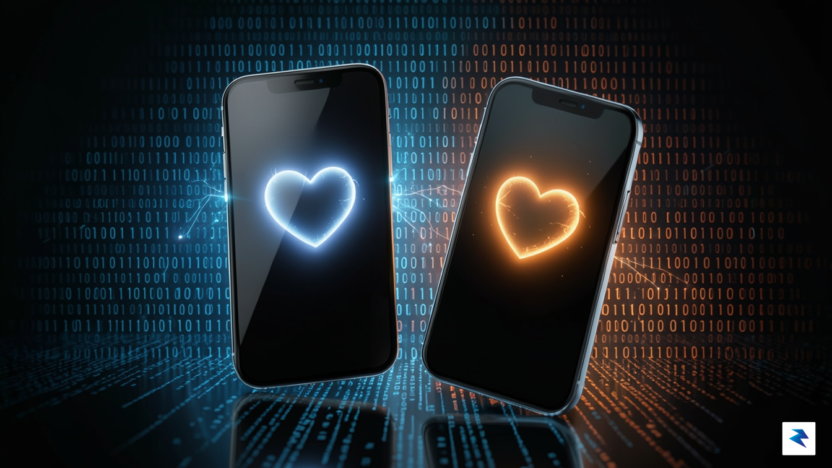
The recent findings from Match, which reveal that nearly 47% of American singles harbor negative feelings toward the integration of artificial intelligence in dating, suggest a profound cultural pushback against the automation of romance. While digital platforms have been the backbone of modern courtship for decades, generative AI represents a paradigm shift that feels inherently intrusive to many. The skepticism is not merely about the novelty of the tech; it is rooted in a fundamental concern over the erosion of authenticity. When a connection is mediated by an algorithm designed to optimize conversation or suggest the “perfect” response, the raw, unpredictable nature of human vulnerability is stripped away, leaving many singles wondering if they are falling for a person or a sophisticated script.
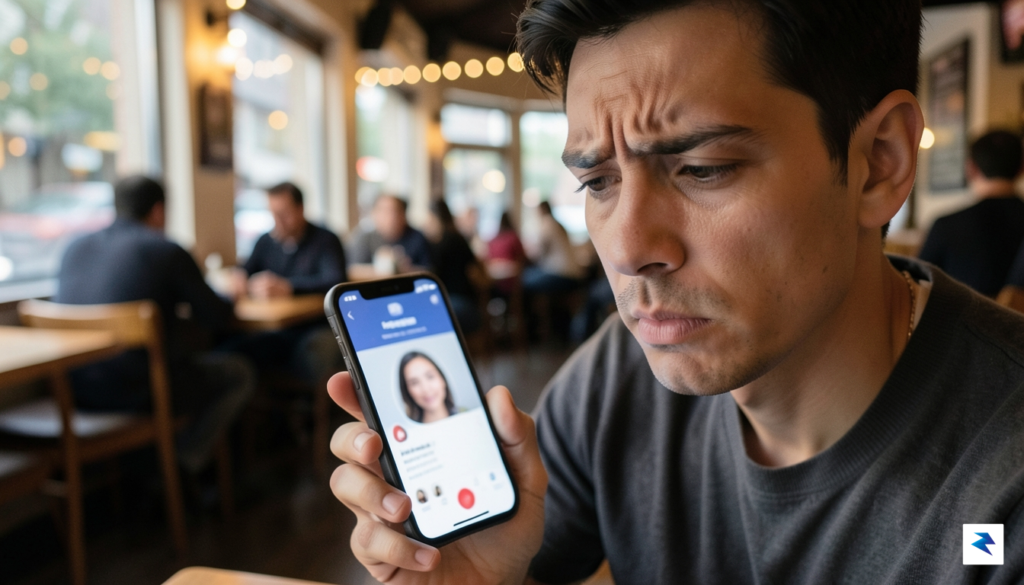
This anxiety is compounded by the terrifying evolution of “catfishing” into what many now fear as “bot-fishing.” In the past, the risk was that a user might be misrepresenting their physical appearance or their life circumstances; today, the fear is that the entire personality on the other side of the screen might be a synthetic fabrication. This shift creates a massive trust deficit. If a user suspects that their match is using AI to polish their profile, craft clever opening lines, or even maintain a months-long dialogue, the entire foundation of the relationship crumbles. Once the illusion of a genuine, human-to-human connection is broken, it becomes nearly impossible to reconcile the perceived “emotional labor” performed by an algorithm with the desire for a sincere, organic bond.
The core of the dating experience is the mutual discovery of another person’s inner life. When AI is introduced, that discovery becomes a performance, turning the search for a soulmate into a data-driven exercise in efficiency rather than a journey of human connection.
Furthermore, there is a deep-seated psychological tension between our cultural obsession with efficiency and our innate human need for genuine connection. Dating apps have already turned human interaction into a series of swipes and metrics, and AI threatens to accelerate this cold, utilitarian approach even further. Many singles fear that if we outsource our romantic communication to machines, we will lose the very nuances—the awkward pauses, the typos, and the idiosyncratic humor—that make human interaction meaningful. By prioritizing the “ideal” response over the authentic one, we risk creating a dating landscape where perfection is the standard, but actual intimacy is increasingly hard to find. Consequently, the resistance to AI in dating is less about being tech-averse and more about protecting the sanctity of human imperfection in an increasingly automated world.
The Nuanced Reality of AI Assistance
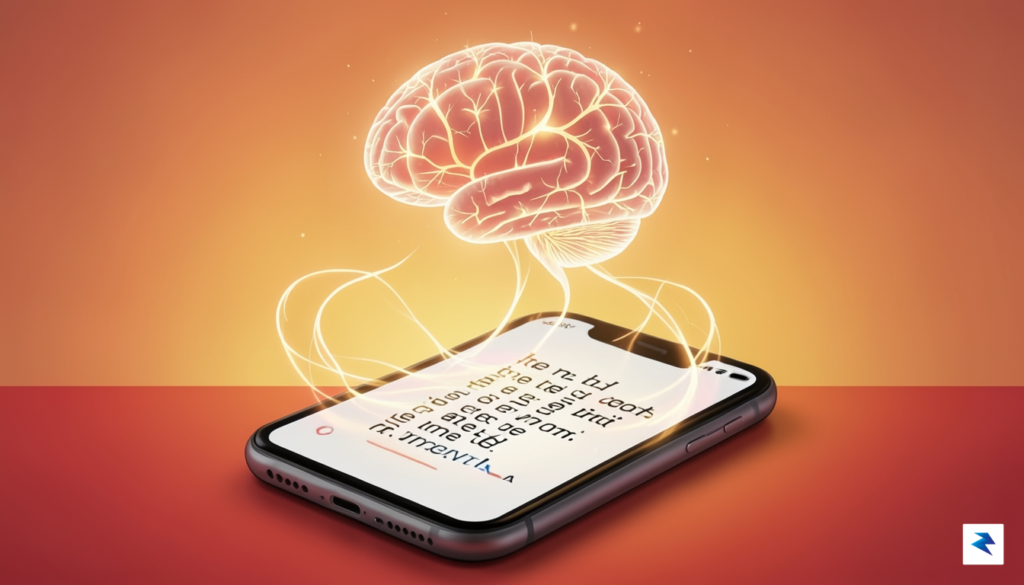
While many singles express valid reservations about artificial intelligence infiltrating the dating world, often fueled by fears of deception or a loss of authenticity, it’s crucial to distinguish between AI as a tool for genuine assistance and AI as a means to replace genuine human connection. The real divide isn’t about whether AI exists in dating, but rather how it’s employed. On one side, we have the problematic use cases where AI might generate entire personas or craft misleading messages designed to trick someone, which understandably draws widespread criticism and erodes trust. However, on the other side, a growing number of singles are discovering the immense potential of AI when leveraged as a supportive digital coach, helping them navigate the often-daunting landscape of modern romance without sacrificing their true selves.
Consider the common roadblocks many individuals face when embarking on their dating journey. One significant hurdle is undoubtedly the “blank page syndrome” – that overwhelming feeling of staring at an empty profile section or a message window, unsure of how to articulate who they are or what they want. This is precisely where AI, when used judiciously, can become a powerful ally. Instead of expecting users to be natural-born wordsmiths or charismatic communicators, AI tools are emerging as valuable assistants that can polish and enhance an individual’s authentic expression, rather than fabricating it entirely.
Optimizing Your Digital Introduction
One of the most acceptable and beneficial applications of AI, as identified in various reports, lies in profile optimization. Crafting a compelling dating profile can feel like writing a personal advertisement, which is a skill few possess naturally. AI can analyze your self-descriptions, interests, and preferences, offering suggestions to make your profile more engaging, highlight your unique selling points, and even identify clichés to avoid. It acts as an editorial assistant, helping you present the best version of yourself, ensuring clarity and appeal without changing who you fundamentally are. The goal here is to help your genuine personality shine through, attracting compatible matches who appreciate the real you from the outset.

Breaking the Ice with Confidence
Beyond the profile, the initial interaction often proves to be the most nerve-wracking part of online dating. The pressure to come up with a witty, original, and engaging ice-breaker can be paralyzing, leading many to resort to generic “Hey” messages that rarely spark a connection. This is another area where AI can significantly lower the barrier to entry. By analyzing a potential match’s profile, AI can suggest personalized conversation starters that genuinely relate to their interests, photos, or bio. Imagine receiving a prompt that says, “They mentioned hiking in their profile – perhaps ask about their favorite local trail or a memorable outdoor adventure.” These prompts aren’t meant to dictate your entire conversation but rather to provide a thoughtful springboard, helping you initiate dialogue with confidence and genuine curiosity.
Furthermore, AI can extend its support beyond the initial greeting, offering gentle nudges or topic suggestions if a conversation starts to wane. For shy or overwhelmed users, this kind of guidance is invaluable. It transforms the intimidating process of initiating and maintaining dating conversations into a more manageable and less anxiety-inducing experience. The aim is not to have AI write your conversations for you, but to provide prompts and ideas that empower you to express your own thoughts and personality more effectively. Ultimately, when used as a digital coach for optimization and communication assistance, AI can help singles overcome common hurdles, allowing their authentic selves to connect more easily and meaningfully with others.
The Ethics of Authenticity in Digital Romance
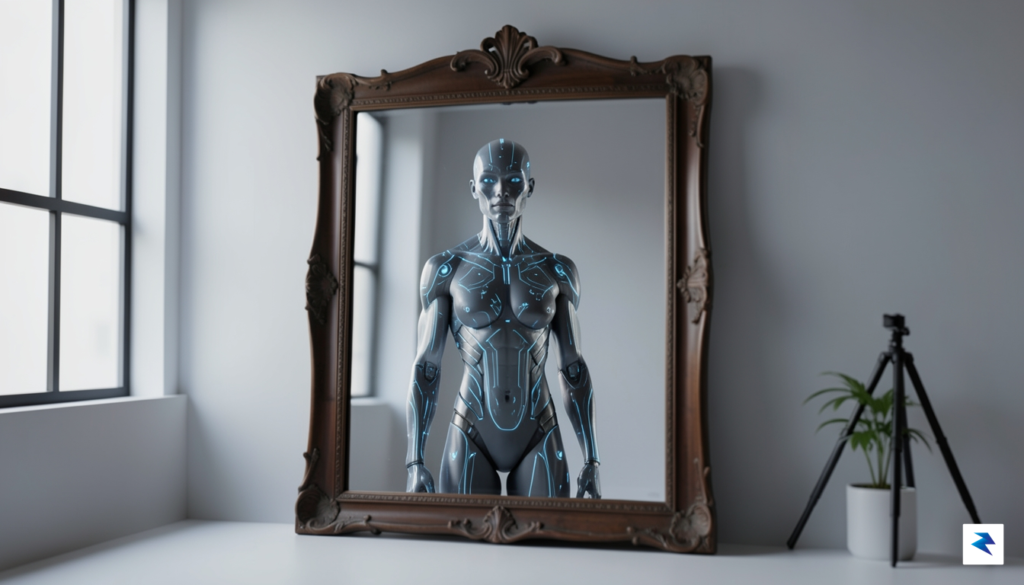
At the heart of the modern dating dilemma lies a fundamental question: what happens to the intimacy of a relationship when the initial spark is manufactured by an algorithm? Many users view AI as a sophisticated editing suite—a digital equivalent to hiring a professional photographer to capture one’s best angles or enlisting a friend to proofread a bio for spelling errors. However, there is a distinct boundary where enhancing one’s presentation crosses into the territory of deceptive performance. When we outsource the expression of our thoughts, humor, and vulnerability to a machine, we are effectively delegating the most personal aspects of human connection to a cold, predictive model. This “curation trap” suggests that if we cannot articulate our own desires or personality traits without digital assistance, we may be setting the stage for a profound sense of incompatibility once the mask of perfect, AI-generated prose finally slips.
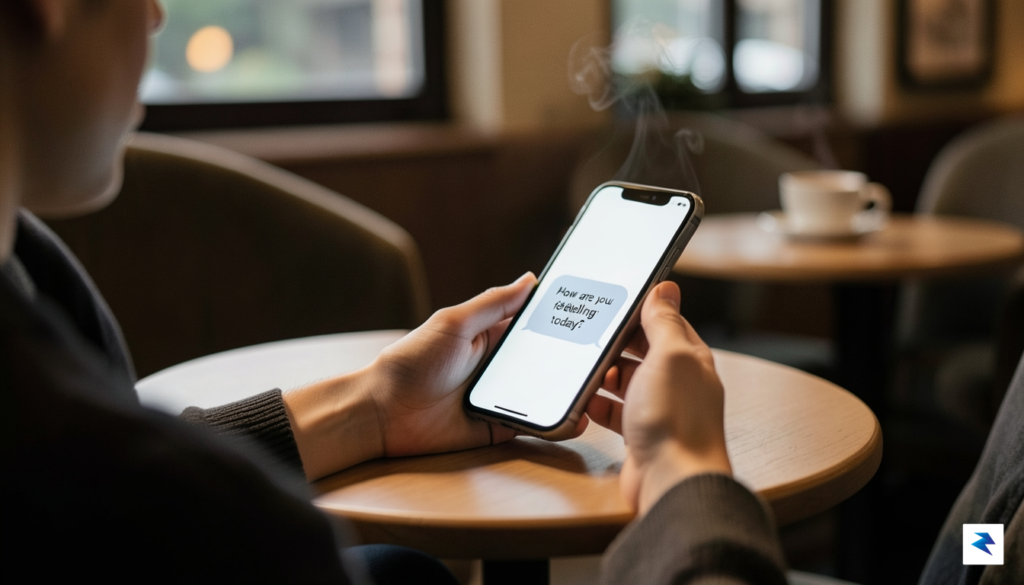
The moral weight of this practice becomes heavier when we consider the foundation of a lasting partnership. Authentic romance has historically relied upon the messy, imperfect, and idiosyncratic nature of human communication—the pauses, the typos, and the unique cadence of someone’s voice. By replacing these distinct markers with machine-generated scripts, we risk building a connection on a foundation of sand. If a relationship begins with a curated persona that the user cannot sustain in real-time, the inevitable transition from “perfect text” to “imperfect human” can be jarring, leading to disappointment and a loss of trust. The danger is not merely that we might trick a potential partner, but that we might trick ourselves into believing that this synthetic version of our personality is the one that deserves to be loved.
True vulnerability requires the risk of being misunderstood; when we use AI to preemptively sanitize our flaws, we lose the very friction that sparks genuine compatibility.
Ultimately, the long-term impact on our dating lives could be a subtle erosion of confidence. If we habitually rely on technology to navigate the vulnerability of courting, we may lose the ability to articulate our authentic selves without a digital safety net. While the allure of a clever prompt or a smooth opening line is undeniable, it is worth questioning whether the goal of dating is to secure a match at any cost or to find a person who resonates with our actual, unpolished reality. For singles navigating this landscape, the challenge is to use tools that facilitate connection without sacrificing the essential human element that makes love meaningful in the first place. Choosing to remain authentic—even when it is clumsy or difficult—may well be the most powerful way to signal to a potential partner that you are a person worth knowing, rather than a performance worth watching.
How AI is Actually Shaping Modern Dating


The integration of artificial intelligence into the dating landscape is shifting away from the dystopian fear of automated romance and moving toward a more pragmatic, utility-driven model. Rather than replacing the human spark, the future of these platforms lies in acting as a digital filter for the overwhelming noise of modern dating apps. We are entering an era where AI serves primarily as a sophisticated safety net, capable of detecting patterns of harassment, identifying catfishing attempts, and flagging red-flag behaviors before they ever reach a user’s inbox. By automating the verification process and enforcing community standards in real-time, these tools aim to reclaim the digital space from bots and bad actors, theoretically making the environment safer for those looking for genuine connections.
Beyond mere security, the next frontier involves the rise of “human-in-the-loop” AI services that act as personalized dating assistants rather than ghostwriters. These systems will likely focus on compatibility optimization—analyzing nuanced behavioral data to suggest matches that align with a user’s long-term relationship goals, rather than just their visual preferences. Instead of having an AI write your bio or draft your opening lines, the technology will likely function as a coach, providing insights into your communication style or suggesting prompts that lead to more meaningful, sustained conversations. This approach preserves the essential human effort required for building intimacy while leveraging data to navigate the “paradox of choice” that often leads to burnout on popular platforms.
True digital intimacy in the age of algorithms will require a new social contract: the balance between algorithmic assistance and authentic representation.
As this technology becomes more deeply embedded in our daily interactions, singles will need to adopt a philosophy of radical transparency to maintain trust. Moving forward, the most successful users will be those who are open about where technology ends and their own personalities begin. If you utilize an AI-driven tool to help refine your profile or organize your schedule, acknowledging that transparency can actually foster a stronger foundation for connection. Ultimately, the future of dating isn’t about surrendering our love lives to machines; it is about using smarter tools to clear the clutter, allowing us to focus our energy on the people who truly matter. By viewing AI as a supportive infrastructure rather than a shortcut, we can navigate the evolving digital landscape with more confidence and intentionality.