The New Frontier of Fan Engagement
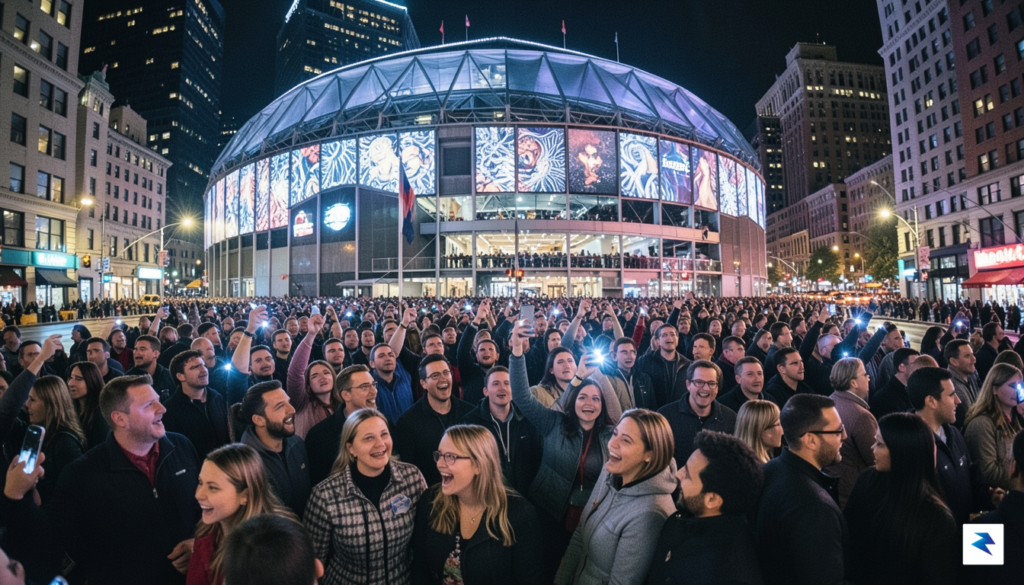
The traditional boundaries of sports fandom have dissolved, replaced by a fluid, digital landscape where the distance between the athlete on the hardwood and the fan in their living room has effectively vanished. For decades, the fan experience was defined by passive consumption—watching a broadcast, checking box scores, or debating stats at the local pub. Today, that model feels antiquated. We have entered an era where modern fandom is characterized by active participation, hyper-localized internet subcultures, and the rapid gamification of real-world events. When the Jalen Brunson look-alike phenomenon exploded across social media, it wasn’t just a quirky viral moment; it was a testament to how decentralized communities can now manufacture their own narratives, effectively turning a niche observation into a global sports culture milestone.
This shift is being accelerated by the rise of prediction markets, platforms where the fluidity of financial speculation meets the unpredictable nature of sports. Unlike traditional betting houses that focus strictly on game outcomes, prediction markets allow fans to put capital behind the most granular, bizarre, and ephemeral aspects of the sports experience. Whether it is betting on the exact minute a coach might get ejected or the likelihood of a specific meme becoming a permanent fixture of a team’s identity, these platforms provide a mechanism for fans to signal their cultural influence. By assigning a monetary value to these moments, users are not just cheering for a victory; they are actively investing in the volatility and humor that make modern sports so compelling.
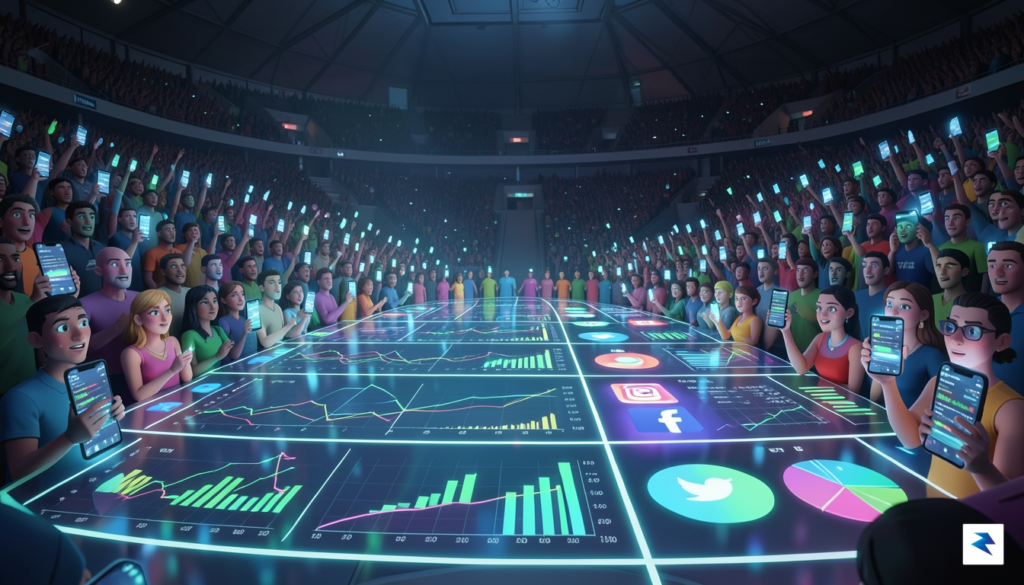
The convergence of these subcultures has fundamentally altered the power dynamics of fandom. Passive spectatorship is increasingly viewed as an insufficient way to support a team, as fans now seek to shape the discourse rather than simply observe it. Decentralized platforms have democratized the ability to create “viral utility,” where the community decides what is important, what is funny, and what is worthy of cultural capital. This transition from being a fan who watches the game to being a participant who shapes the surrounding lore represents a new frontier. In this environment, the line between a genuine sports moment and a manufactured internet sensation is blurring, proving that the most influential aspects of modern fandom are no longer happening solely in the stadium, but in the fast-paced, speculative digital arenas that run parallel to the action.
The evolution of sports engagement is no longer about the final score alone; it is about the collective ownership of the narrative, where fans leverage prediction markets to turn trivial anecdotes into high-stakes cultural events.
Ultimately, this new landscape rewards those who can identify the next big trend before it hits the mainstream. As fans become more sophisticated in their digital interactions, the platforms hosting these speculative markets are becoming essential infrastructure for the modern sports enthusiast. By turning the social pulse of the internet into a tradable asset, we are witnessing the birth of a feedback loop that feeds off of viral energy, ensuring that no moment—no matter how strange—goes unnoticed or unquantified.
How Prediction Markets Are Transforming Sports Culture
For years, prediction markets like Kalshi and Polymarket were relegated to the niche corners of the internet, functioning primarily as high-stakes laboratories for political junkies and macroeconomic analysts. These platforms were designed to aggregate distributed knowledge, theoretically providing a more accurate forecast of election outcomes or interest rate hikes than traditional polling or expert consensus. However, the rise of a digital-first, attention-based economy has fundamentally shifted the utility of these markets. We are currently witnessing a transition where the focus is moving away from dry, statistical forecasting and toward the gamification of pop culture, where the “event” is no longer just the game itself, but the viral discourse surrounding it.
The mechanics of these markets rely on the wisdom—and the speculative fervor—of the crowd. By attaching real monetary value to outcomes that were previously dismissed as trivial, these platforms incentivize participants to act as active, rather than passive, observers. When a betting pool emerges around something as ephemeral as a look-alike contest at a Madison Square Garden game, the market does more than just predict the outcome; it actively shapes it. Suddenly, fans are not merely watching a viral moment unfold; they are participating in a financial ecosystem that rewards those who can identify cultural trends before they crest. This creates a powerful feedback loop where the act of betting increases the visibility of the event, which in turn drives more engagement and, consequently, more betting volume.
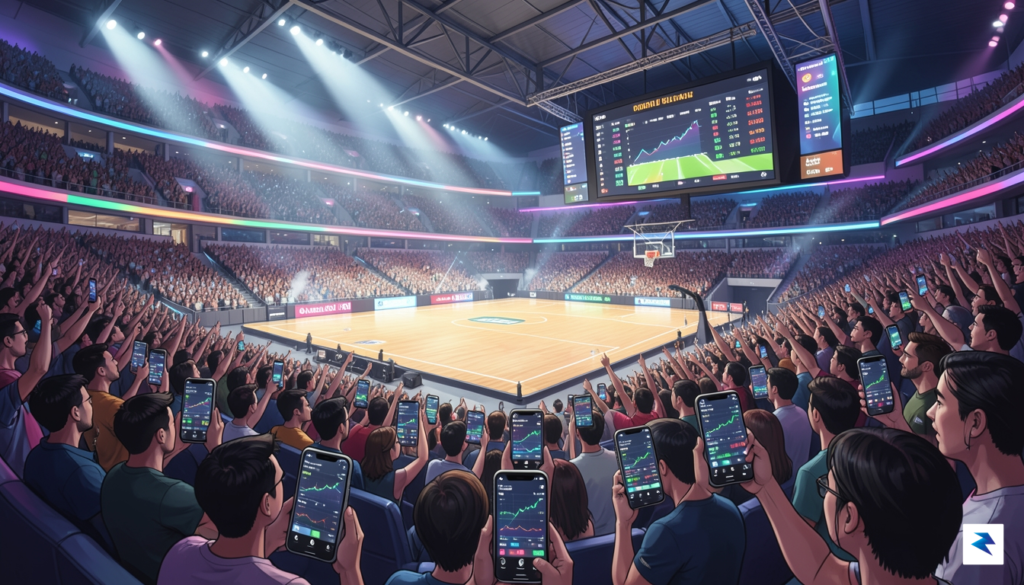
The true power of modern prediction markets lies not in their ability to forecast the future, but in their capacity to turn digital attention into a tradable commodity.
This “meta” approach to betting reflects a broader shift in how we consume entertainment. Modern fans are no longer content with just cheering for a team; they want to weigh in on the cultural narrative. Whether it is predicting the exact minute a celebrity will appear on the jumbotron or guessing the outcome of a fan-driven meme, these platforms provide a framework for quantifying social capital. By providing a financial incentive structure, prediction markets have transformed sports from a simple broadcast product into a high-stakes arena of social participation. As these markets continue to integrate into the mainstream, we can expect to see them influence not just what we watch, but how we participate in the very creation of the viral moments that define our modern cultural landscape.
Beyond the Arena: The Mechanics of Viral Moments
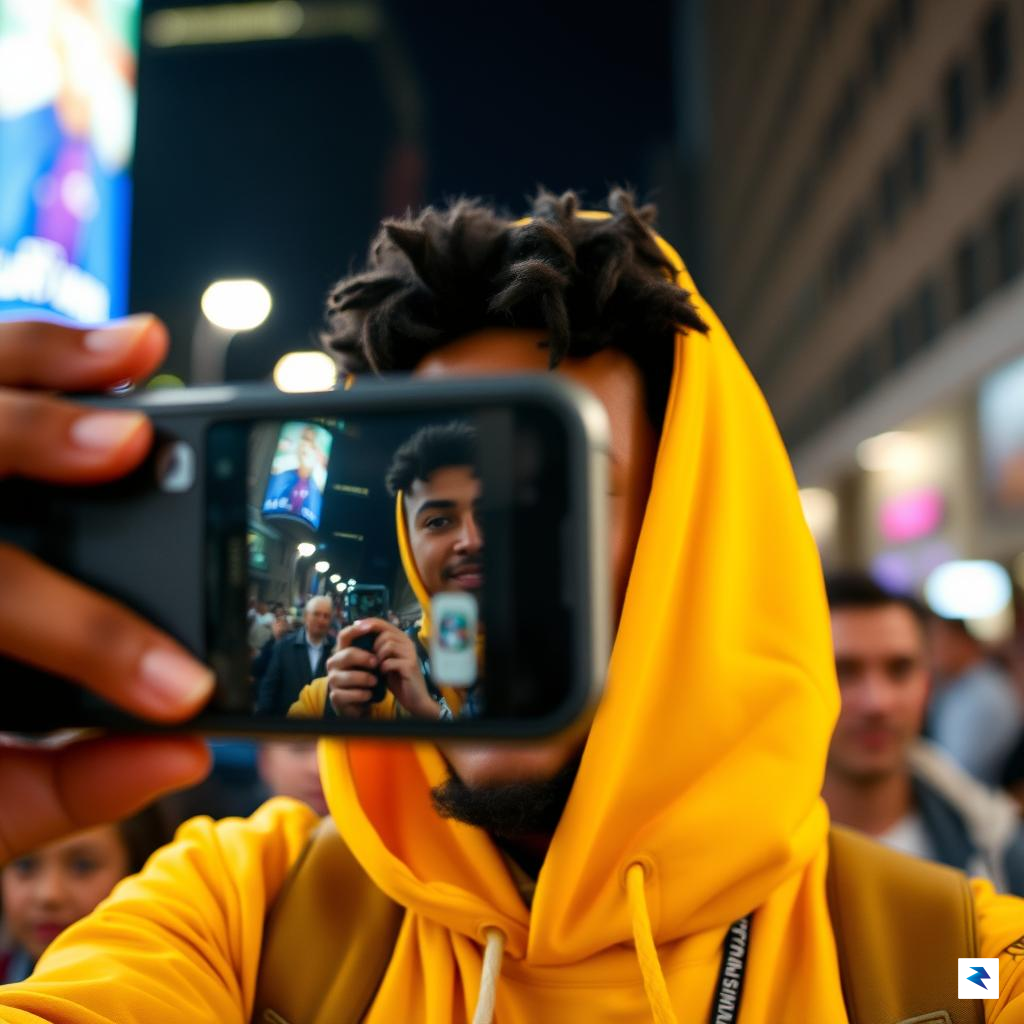
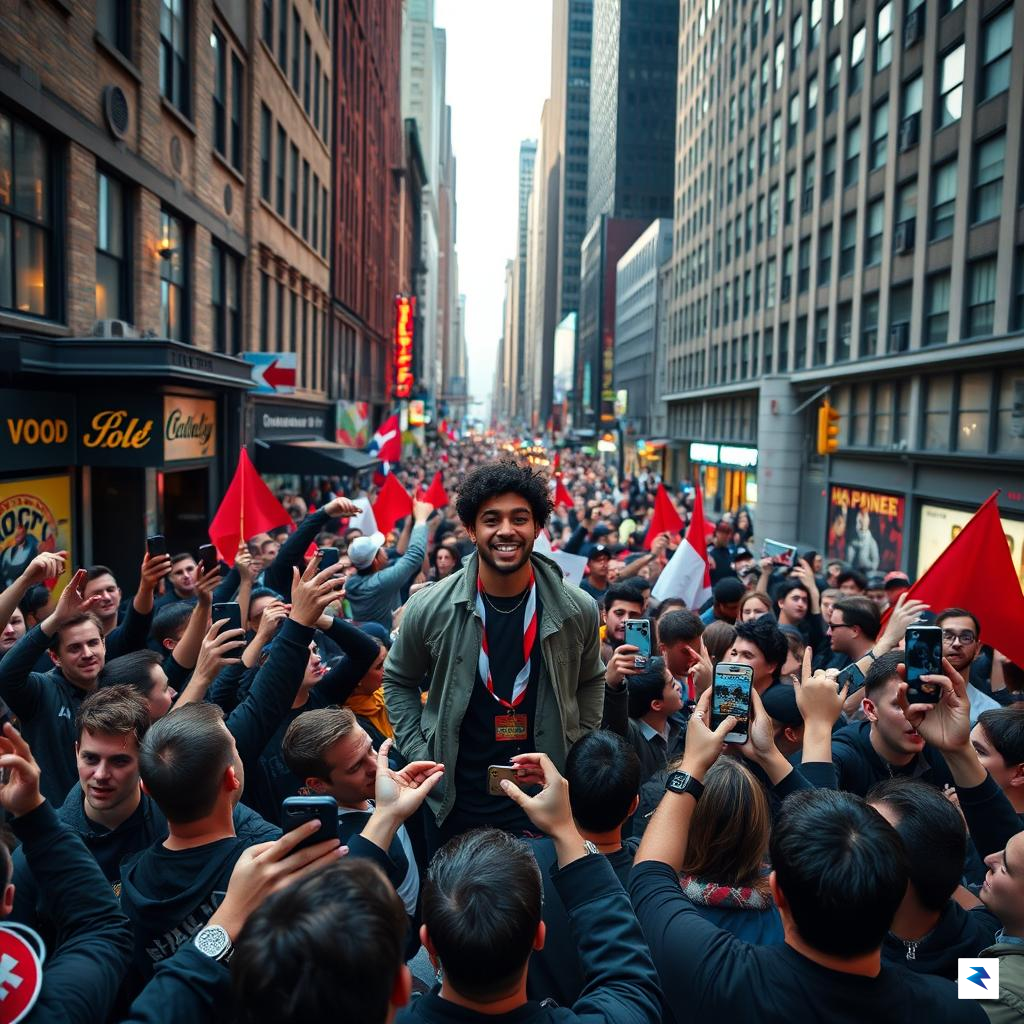
The alchemy of a viral sports moment in the modern era is far from a happy accident; rather, it is a calculated collision of niche subcultures, meme-ready absurdity, and the heightened stakes provided by digital prediction markets. When the search for a Jalen Brunson look-alike transitioned from a casual social media prompt to a packed, high-energy event in New York City, it succeeded because it invited the audience to become active participants rather than passive observers. This shift transformed a mundane fan interaction into a grassroots phenomenon, proving that when a community is given a tangible goal—or in this case, a contest to crown the most convincing doppelgänger—the collective energy of the internet can move with surprising speed and precision.
Central to this success was the symbiotic relationship between real-world antics and the speculative nature of online platforms. Prediction markets acted as the gasoline for this digital fire, as users began putting real capital behind the outcomes of these fan-led spectacles. By turning a lighthearted search for a look-alike into a liquid, tradeable market, the campaign moved beyond mere entertainment and into the realm of financial stakes. This added layer of gravity ensured that every development—from the discovery of a particularly uncanny contestant to the inevitable public reaction—was scrutinized and amplified by a community that was literally invested in the outcome.
The Architecture of Digital Engagement
The mechanics of this viral engine relied heavily on a three-pronged strategy: accessibility, theatricality, and validation. First, the barrier to entry for the look-alike contest was virtually non-existent, allowing anyone with a passing resemblance to Jalen Brunson to participate. Second, the theatrical nature of the event—replete with hyperbolic social media commentary and the absurdity of crowds gathering for such a specific, niche purpose—provided the perfect content for algorithm-driven platforms like X and TikTok. Third, the prediction market provided the final piece of the puzzle: a mechanism for validation. When a community can bet on the success or failure of a viral trend, they are incentivized to share, promote, and protect that trend to ensure their own predictions bear fruit.
The genius of this movement lies in its ability to blur the lines between a spectator sport and a participant-driven marketplace, turning internet culture into a high-stakes game where everyone has a seat at the table.
Ultimately, this playbook highlights a fundamental shift in how sports narratives are constructed today. Fans no longer wait for the league to dictate the stories of the season; they manufacture their own lore through collaborative efforts and digital speculation. By weaving together the unpredictability of human performance with the cold, hard logic of prediction markets, this movement tapped into a new vein of fandom that is as much about the social ecosystem as it is about the game on the hardwood. This is the new reality of sports engagement: if you can make it a contest, you can make it a phenomenon, and if you can make it a market, you can make it immortal.
Ethical Implications and the Gamification of Fandom

The transformation of sports fandom into a marketplace for speculative betting introduces a precarious shift in how we experience communal loyalty. While the thrill of prediction markets can feel like an extension of the traditional “armchair quarterback” dynamic, it fundamentally alters the incentive structure of being a fan. When every buzzer-beater or trade rumor is quantified through a fluctuating price tag, the focus inevitably drifts from the narrative of the game to the volatility of the portfolio. This financialization risks eroding the organic, often irrational, passion that defines sports culture, replacing the genuine agony of defeat and ecstasy of victory with the cold, calculated anxiety of a ticker tape.
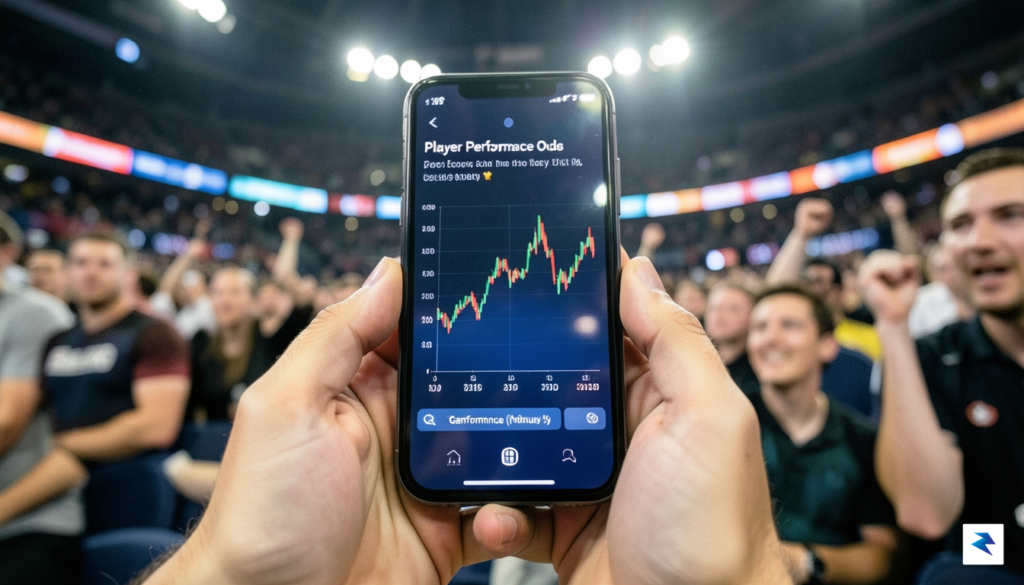
A significant concern lies in the potential for market manipulation, where the line between fan sentiment and artificial influence becomes dangerously thin. In traditional sports, fandom is built on shared history and collective identity; however, in a prediction market, the incentive to move the needle can lead to the spread of misinformation or coordinated efforts to sway odds. If large-scale participants begin to view the Knicks or any other team merely as assets to be manipulated, the community begins to fracture. The social media landscape, already prone to reactionary takes, becomes even more volatile when participants have a direct financial stake in the outcome of a game or a roster move, potentially incentivizing toxic behavior that prioritizes profit over the well-being of the team or the league.
The integration of gambling mechanics into the fan experience threatens to transform the communal ritual of sports into a solitary, transactional exercise, ultimately hollowed out of the shared meaning that makes sports a cultural pillar.
Furthermore, we must grapple with the broader societal implications of gamifying reality. When we turn tangible, human moments—such as a player’s recovery from an injury or a coach’s tactical decision—into speculative commodities, we distance ourselves from the human element of professional athletics. This commodification risks alienating the casual observer who seeks an escape from the pressures of the financial world, only to find the same mechanisms of risk and reward intruding upon their leisure time. As money becomes the primary driver of engagement, the “purity” of the fan experience may suffer, leaving us to wonder whether we are still cheering for the team on the court or simply betting on the performance of our own investments.
What This Means for the Future of Sports Media
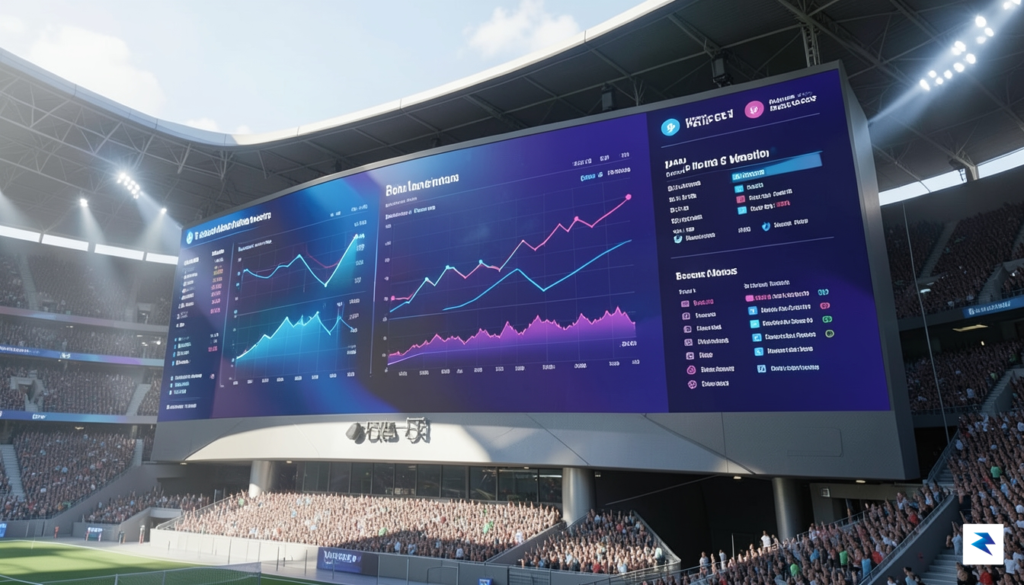
The evolution of sports media has long been defined by a one-way street: networks broadcast, and fans consume. However, the emergence of decentralized prediction markets has fundamentally altered this power dynamic, shifting the focus from mere spectatorship to active, financialized participation. We are witnessing a transition where the outcome of a game is no longer the sole narrative driver; instead, the collective pulse of the crowd, expressed through speculative platforms, has become a parallel sport in its own right. This democratization of opinion allows fans to put their capital behind their convictions, creating a feedback loop where social sentiment and market valuation constantly reinforce one another, effectively turning every fan into a high-stakes analyst.
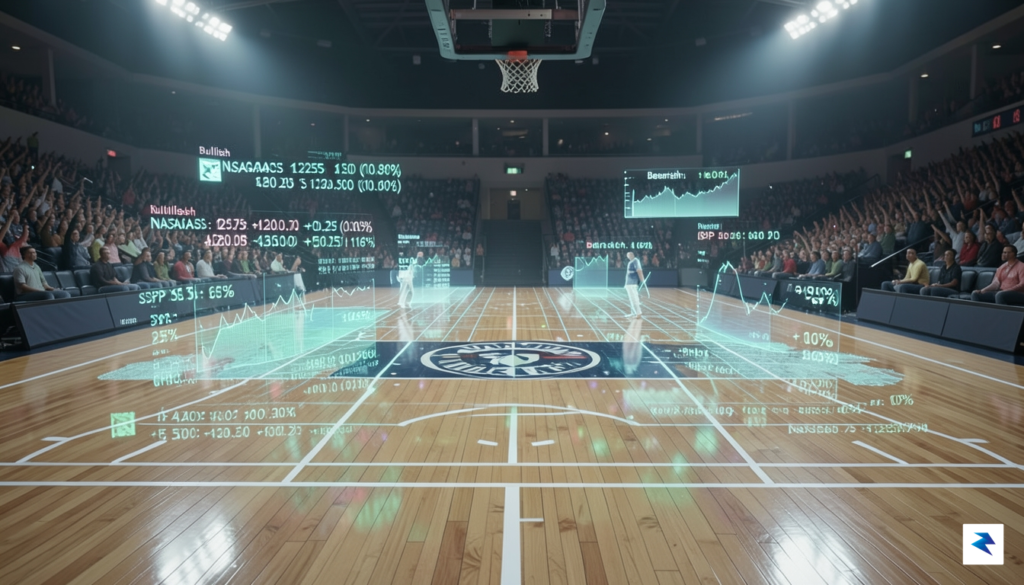
As these platforms continue to gain traction, professional sports leagues and media conglomerates will be forced to reconsider their traditional engagement strategies. It is highly probable that teams will begin to integrate these market signals into their own digital ecosystems, potentially partnering with prediction platforms to gamify the fan experience even further. Rather than viewing decentralized speculation as a threat to broadcast integrity, leagues may eventually embrace it as a sophisticated form of audience measurement that offers real-time insights into fan sentiment, player stock, and even future ticket demand. This shift suggests that the future of sports media will be characterized by a hybrid model, where traditional play-by-play commentary is seamlessly integrated with live, crowd-sourced probability assessments.
The true impact of prediction markets lies not in the gambling itself, but in the creation of a hyper-engaged community that treats every statistical anomaly as a market opportunity.
Ultimately, the sustainability of this model hinges on the delicate balance between authentic fandom and speculative volatility. While the thrill of “betting on the narrative” provides an immediate spike in engagement, the industry must ensure that this trend does not alienate casual supporters who prefer the purity of the game to the complexity of the market. If handled with transparency, this fusion of community spirit and digital speculation could represent a permanent upgrade to the sports experience, fostering a deeper, more analytical connection between fans and their teams. The leagues that thrive in the coming decade will be those that successfully harness this energy, turning the chaotic noise of the prediction market into a coherent, participatory narrative that keeps fans tethered to the screen long after the final buzzer has sounded.