
From Apple’s FaceID to Brain Diagnostics: The AI Revolution in Mental Health
The Evolution of Diagnostic Neuroimaging For decades, the field of neuroimaging has been defined by a paradox: while our understanding of the…

For generations, the thirtieth birthday in professional soccer served as an ominous, unofficial expiration date. It was a milestone marked by the persistent fear of physical decline, where players were expected to rapidly lose their explosive pace, see their recovery times stretch into days, and ultimately drift toward retirement or the perceived “easier” pastures of secondary leagues. This traditional narrative dictated that the human body could only sustain the relentless, high-intensity demands of elite European football for a finite window, typically ending well before the age of 35. To be a veteran in one’s early thirties was to be on borrowed time, constantly battling the inevitable erosion of speed and agility that coaches and pundits assumed were permanent fixtures of aging.
However, the current sporting landscape has decisively dismantled this myth, with Lionel Messi standing as the ultimate testament to a paradigm shift in human performance. Alongside contemporaries like Cristiano Ronaldo and Luka Modrić, Messi has redefined what is physically possible, maintaining a level of technical mastery and tactical intelligence that remains unrivaled even as he moves well past the age where his predecessors were forced to hang up their boots. These icons are not merely surviving on the pitch; they are thriving, consistently delivering match-winning performances against younger, faster opposition. This evolution suggests that the “cliff” once associated with the aging athlete was less a biological certainty and more a failure of the support systems that existed in previous decades.
The secret to this longevity lies in a sophisticated convergence of cutting-edge sports science, rigorous data analytics, and a fundamental shift in athletic mentality. Modern players now treat their careers as high-performance projects, utilizing cryotherapy, personalized nutrition plans, and predictive biomechanical monitoring to mitigate the wear and tear of a grueling calendar. By leveraging real-time data, training loads are managed with surgical precision, allowing veterans to prioritize efficiency over the raw, frantic output of their younger selves. This transition from “playing on instinct” to “playing with optimized precision” has allowed stars to mitigate natural physical decline by becoming sharper, smarter, and more tactically aware.
The modern athlete is no longer a victim of their own physical limits; they are the architects of their own longevity, utilizing data to extend their prime far beyond the boundaries of previous generations.
Ultimately, we are witnessing the end of the early retirement era, replaced by an age of sustained excellence that challenges our fundamental understanding of human development in sports. As Messi continues to perform at the highest echelon of the global game, he forces us to reconsider the limitations we place on athletes. The future of the sport is no longer about how quickly a player can sprint at twenty, but how effectively they can manage their existence to remain elite at thirty-eight. This shift does more than just prolong careers; it elevates the quality of the game itself, ensuring that the greatest legends remain part of the conversation long after the world once expected them to fade away.
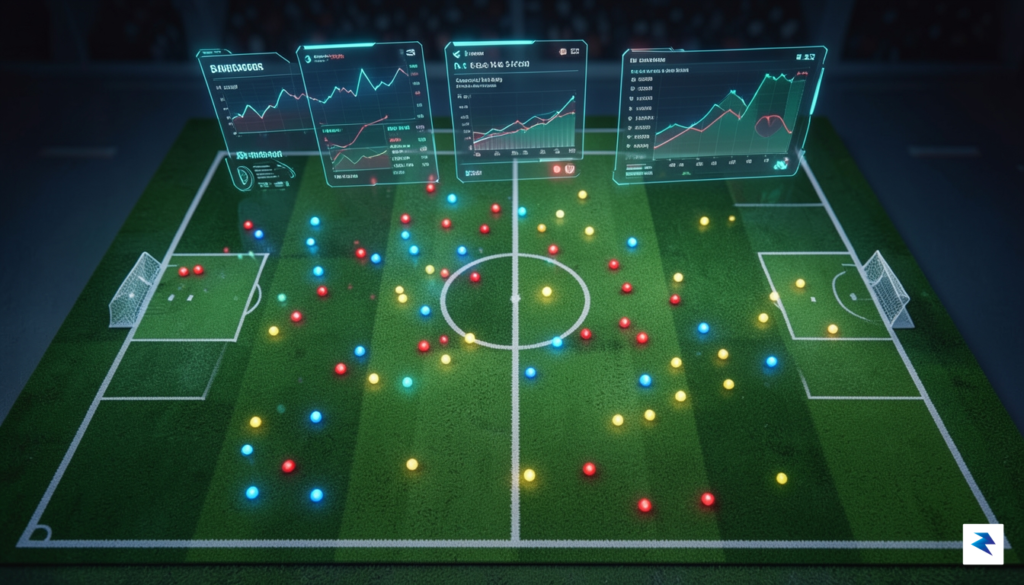
The modern football landscape is faster, more physical, and more grueling than at any point in sports history. Players today cover more distance at high-intensity sprint speeds than their predecessors did a generation ago, a reality that logically should lead to quicker physical degradation and earlier retirements. Yet, we are witnessing a fascinating athletic paradox: elite superstars are not only extending their careers well into their late thirties, but they are doing so while remaining the undisputed focal points of their teams. This shift is not merely a testament to freakish genetics or sheer willpower. Rather, it is the result of a quiet revolution in sports science that has completely transformed how athletes recover, train, and play on a daily basis.
At the heart of this revolution is a sophisticated ecosystem of wearable technology and real-time biometric tracking. During training sessions and competitive matches, players wear specialized GPS-enabled vests positioned between their shoulder blades. These devices capture thousands of data points per second, measuring everything from maximal velocity and total distance covered to more subtle metrics like metabolic power, acceleration rates, and mechanical load imbalance. By analyzing this stream of real-time data, sports scientists can pinpoint exactly when an athlete’s running mechanics begin to falter due to micro-fatigue, allowing coaching staffs to intervene before a minor muscle strain escalates into a season-ending injury.
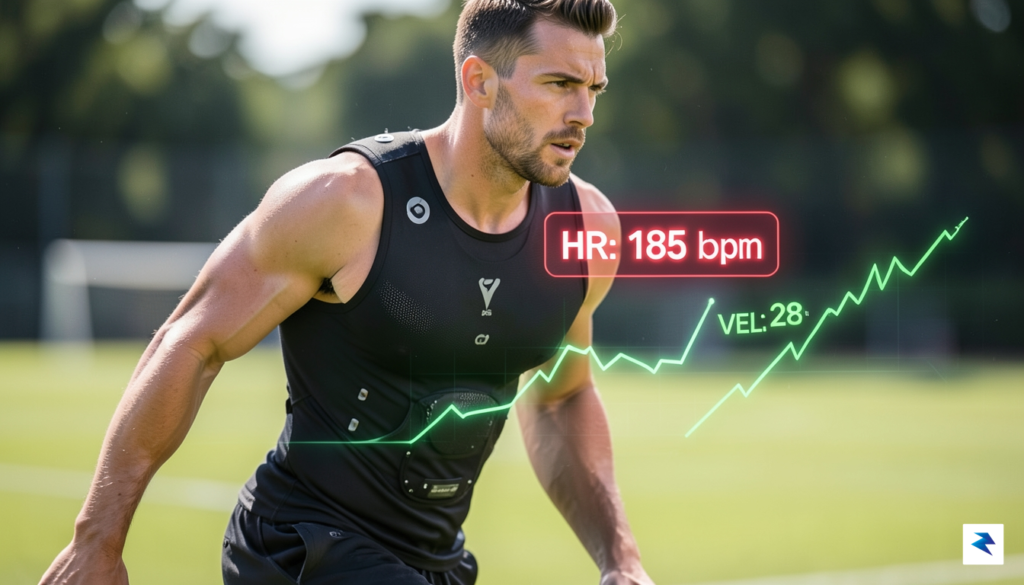
This granular level of tracking has birthed the era of “load management,” a clinical approach to balancing physical stress and physiological recovery. Instead of adhering to rigid, team-wide practice schedules, modern training is highly individualized to match each player’s specific biological profile and daily fatigue levels. Sports science departments utilize predictive algorithms to calculate acute-to-chronic workload ratios, ensuring that a player’s physical exertion does not spike dangerously beyond their established baseline. If a superstar’s biomarker panel—often derived from daily saliva or blood tests measuring cortisol and creatine kinase levels—signals high systemic stress, they are immediately prescribed active recovery or tailored low-impact workouts. This meticulous calibration ensures that players can consistently perform at their peak without tipping over the edge into chronic burnout.
“The paradigm has shifted entirely. The goal is no longer to push the human body to its absolute breaking point in training, but rather to calculate exactly how close we can get to that limit without crossing it.”
Ultimately, the philosophy of athletic preparation has transitioned from the outdated mantra of “no pain, no gain” to a highly precise doctrine of training smarter. Traditional, grueling endurance sessions have been replaced by targeted, high-intensity interval training (HIIT) and eccentric strength work specifically designed to bulletproof muscle groups against strain. By monitoring metrics such as heart rate variability (HRV) and deep-sleep duration through medical-grade rings and bands, athletes can synchronize their high-effort training days with their body’s natural state of physiological readiness. This data-driven precision ensures that every drop of sweat shed on the pitch serves a direct, measurable purpose in sustaining career longevity, effectively rewriting the biological timeline of the professional athlete.
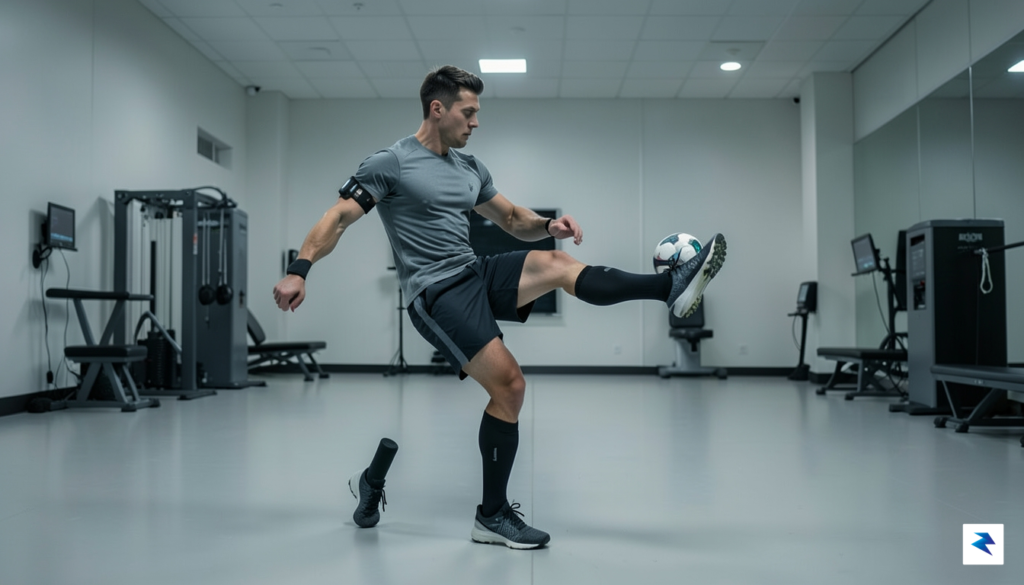
For decades, the standard approach to football training was rooted in a “one-size-fits-all” philosophy. Squads would move through identical drills, running the same laps and lifting the same weights regardless of an individual’s age, position, or physiological wear-and-tear. This legacy model operated under the assumption that grit and volume were the primary drivers of performance, often pushing aging stars to the brink of breakdown. Today, however, that era of uniform exhaustion has been replaced by a surgical focus on hyper-personalized periodization, where every load, movement, and recovery window is calibrated to the specific biological age of the athlete.
The modern elite training environment has moved away from reactionary treatment—fixing an injury after it occurs—toward a sophisticated culture of “prehab.” By utilizing data-driven diagnostics, performance staffs can now anticipate fatigue before it manifests as a muscle tear or chronic joint inflammation. Instead of asking a veteran like Lionel Messi to participate in every high-intensity sprinting drill during a midweek session, coaches now design bespoke cycles that prioritize explosive power output while simultaneously shielding the joints from unnecessary micro-trauma. This transition reflects a fundamental shift in how clubs view longevity: the goal is no longer to survive the season, but to optimize the player’s physiological ceiling through meticulous, individualized management.
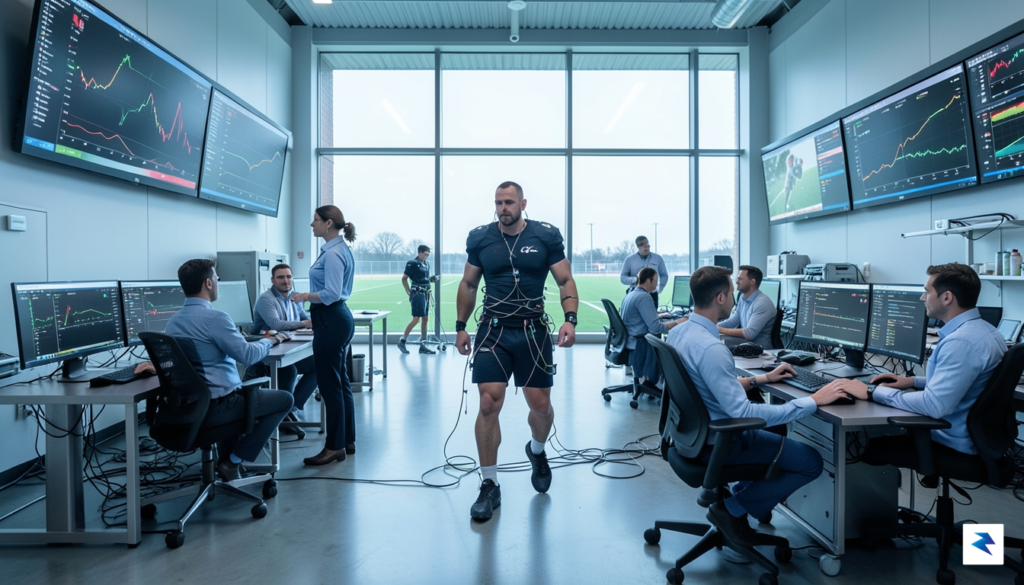
This evolution is underpinned by a specialized support infrastructure that would have been unrecognizable thirty years ago. Teams now employ an array of experts—ranging from load-management analysts and sleep scientists to nutritionists—who work in concert to ensure that a player’s recovery is as structured as their training. Rather than focusing solely on tactical formations or team-wide drills, these specialists monitor hormonal markers, heart rate variability, and movement quality to tailor the daily schedule. If a veteran player shows signs of cardiovascular fatigue, the training regimen is adjusted in real-time, swapping high-impact field work for non-weight-bearing recovery sessions in the pool or gym.
The secret to extending a world-class career is no longer found in how much a player can endure, but in how intelligently their physical output is distributed across a grueling calendar.
Ultimately, this technological and philosophical shift has effectively dismantled the myth that professional careers must inevitably fade by a player’s early thirties. By treating the human body as a nuanced, ever-changing system rather than a static machine, organizations can help their athletes maintain elite velocity and cognitive sharpness for years beyond traditional expectations. When training is treated as a bespoke craft rather than a collective chore, the boundary between being a “young prospect” and a “seasoned veteran” begins to blur, allowing legends to compete at the highest level long after the conventional clock should have run out.

The modern athletic career is no longer defined by the ninety minutes spent on the pitch, but rather by the rigorous twenty-two hours that precede and follow the match. For icons like Lionel Messi, longevity is not a happy accident of genetics; it is the result of a meticulously engineered lifestyle where recovery has been elevated to a professional discipline. By treating the off-pitch hours with the same intensity as a tactical training session, aging stars are effectively dismantling the traditional expiration date that once forced players into early retirement by their early thirties.
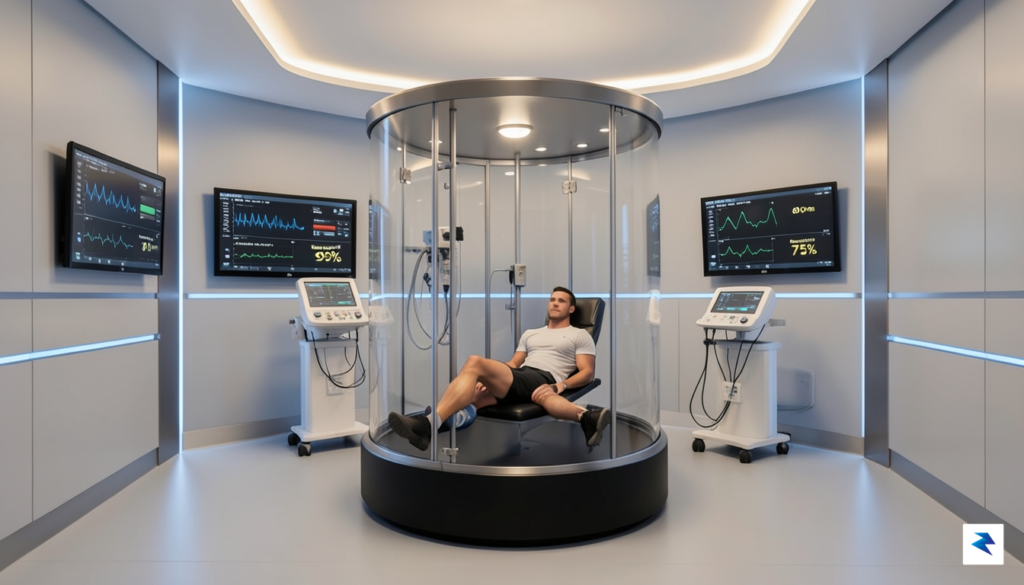
Central to this transformation is the professionalization of sleep hygiene and restorative technology. Elite athletes now rely on hyperbaric oxygen chambers and cryotherapy units to accelerate tissue repair and combat the systemic inflammation that accumulates over a grueling season. These interventions do more than just soothe sore muscles; they optimize the body’s internal environment, allowing the nervous system to reset even after the most physically taxing fixtures. When an athlete sleeps, they are no longer just resting; they are utilizing sophisticated, data-driven protocols—such as tracking deep-REM cycles and ambient temperature regulation—to ensure that every hour of shut-eye maximizes hormonal balance and muscle synthesis.
“True performance is found in the margins of recovery. When you move past the ‘work hard’ mentality and embrace ‘recover smarter,’ you unlock a version of your physical potential that remains potent well into your late thirties.”
Equally vital is the shift toward precision nutrition, which acts as the metabolic foundation for sustained physical output. Gone are the days of generic athlete diets; today’s protocols are hyper-personalized, often utilizing continuous glucose monitoring and blood chemistry analysis to dictate exactly what an athlete needs to consume at specific times of the day. By strictly managing macronutrient intake to minimize glycemic spikes and inflammation, players are able to maintain the metabolic efficiency of a much younger athlete. This focus on nutrient timing—ensuring the body is flooded with precise anti-inflammatory compounds exactly when it needs them most—allows the aging frame to withstand the high-impact demands of professional sports without the usual degradation of speed and reactive agility.
Ultimately, this holistic approach signals a fundamental shift in how we perceive the professional athlete’s lifecycle. By integrating these recovery modalities and dietary sciences, players are successfully extending their peak windows, proving that the decline once considered inevitable is often just a byproduct of outdated training philosophies. When recovery becomes a non-negotiable pillar of the professional contract, the “twilight” years of an athlete’s career no longer look like a slow fade, but rather a masterclass in sustained excellence.

For decades, the standard trajectory for a professional soccer player was as predictable as it was unforgiving: a peak in the mid-twenties, a plateau in the late twenties, and a swift, often unceremonious decline by the age of thirty-two. Clubs historically viewed players crossing this threshold as depreciating assets, leading to a culture where veterans were pushed toward the exit or relegated to fringe roles. However, the modern era has dismantled this stigma, replacing the obsession with raw physical output with a more nuanced appreciation for game intelligence. Today, managers and scouts increasingly recognize that while a player may lose a fraction of a second in sprinting speed, they often compensate with superior spatial awareness, tactical foresight, and the ability to dictate the tempo of a match in ways younger, more energetic players simply cannot replicate.
This shift is heavily supported by advancements in sports science, which allow athletes to maintain their bodies at elite levels well into their late thirties. By managing recovery cycles and customizing training loads, clubs are extending the professional lifespan of their core contributors. Consequently, the tactical landscape has evolved to accommodate this longevity. Instead of forcing veterans to cover every blade of grass, coaches now design systems that utilize them as “on-field generals” who anchor the structure of the team. This allows stars like Lionel Messi to conserve energy for high-impact moments, moving with surgical precision rather than constant motion. This evolution ensures that experience remains a competitive advantage rather than a liability, fundamentally changing how teams are constructed from the ground up.
The true value of a veteran player in the modern game is no longer measured by how much distance they cover, but by the efficiency with which they influence the outcome of the match.
From a financial perspective, the decision to retain older talent has become a sophisticated pillar of squad management. Rather than constantly overhauling rosters at great expense, clubs are finding that integrating seasoned veterans provides stability and mentorship for academy graduates, thereby fostering a healthier culture of development. This strategy of “generational blending” allows for a more sustainable approach to team building, where the salary cap or budget is balanced between the high-octane energy of youth and the calm, calculated leadership of the experienced elite. As the cultural narrative shifts, we are seeing the emergence of a new archetype: the timeless professional whose value lies in their ability to solve complex tactical problems that physical conditioning alone cannot address.

Lionel Messi’s sustained brilliance into his late thirties is far from an isolated marvel; it serves as a compelling blueprint for the trajectory of professional athletics. His journey exemplifies how cutting-edge sports science, meticulous nutrition, sophisticated recovery protocols, and highly personalized training regimes are collectively pushing the boundaries of human performance. We are witnessing a profound shift from the traditional narrative of athletes peaking in their mid-to-late twenties and contemplating retirement soon after. Instead, the current era suggests a future where athletes not only compete but dominate well into what was once considered their twilight years, redefining the very concept of a “veteran” in sports.
For the next generation, this paradigm shift means adopting a holistic, proactive approach to their careers from the outset. Young athletes will increasingly integrate advanced data analytics, biomechanical assessments, and psychological conditioning into their daily routines, not just as reactive measures to injury or decline, but as fundamental components of sustained peak performance. This integrated strategy aims to optimize every facet of an athlete’s physical and mental well-being, fostering resilience and extending their competitive lifespan far beyond previous generations. Consequently, careers spanning two decades at the elite level may become more commonplace, built upon a foundation of scientific foresight and meticulous self-management.
However, this relentless pursuit of longevity and peak performance also ushers in a complex set of ethical considerations. As performance optimization technologies become more sophisticated, questions inevitably arise about the acceptable limits of human enhancement. The fine line between natural athletic development and technological augmentation will be continually debated, particularly concerning advancements in genetic testing, biofeedback systems, and even legal, performance-enhancing supplements. Ensuring fair play and maintaining the integrity of competition will require robust regulatory frameworks and transparent oversight to prevent the creation of an uneven playing field, where access to cutting-edge science dictates success more than innate talent or hard work.
The “longevity revolution” will undoubtedly reshape fan engagement and the global sports industry. Longer careers for iconic figures like Messi mean fans can forge deeper, more enduring connections with their heroes, witnessing extended periods of greatness that transcend typical generational cycles. This sustained presence of superstars naturally translates into increased commercial opportunities, from extended endorsement deals to greater merchandise sales, bolstering the economic fabric of sports leagues worldwide. Moreover, leagues and federations will need to adapt, potentially redesigning schedules, player management strategies, and even competition formats to accommodate and capitalize on a workforce of highly experienced, yet still dominant, older athletes, forever altering the landscape of professional sports.
You must be logged in to post a comment.