
Kathryn Ruemmler Testimony: How Epstein Manipulated the Elite
The Testimony: Kathryn Ruemmler Faces Congressional Scrutiny The closed-door congressional hearing served as a high-stakes arena where the…
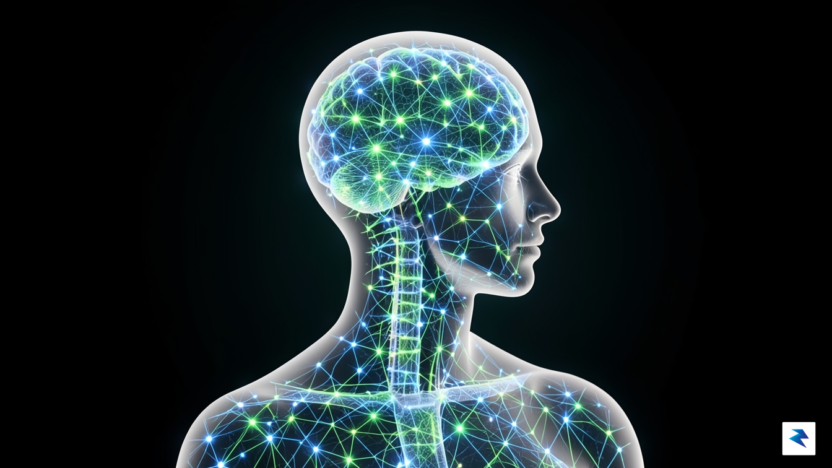
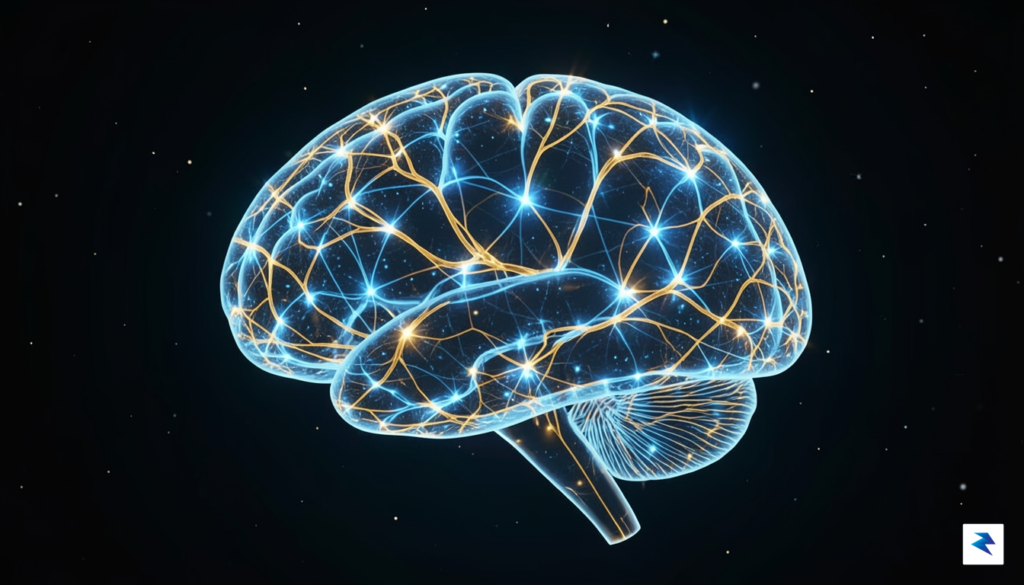
For decades, the field of neuroimaging has been defined by a paradox: while our understanding of the brain’s anatomy has advanced exponentially, the tools used to visualize it remain tethered to the infrastructure of large-scale clinical environments. Technologies like Magnetic Resonance Imaging (MRI) and Computed Tomography (CT) scans represent marvels of modern engineering, capable of producing high-resolution maps of structural brain health. However, these machines are notoriously cumbersome, requiring massive capital investment, climate-controlled facilities, and highly trained personnel to operate. Because of these physical and financial barriers, brain imaging has historically been reserved for acute medical crises or severe neurological trauma, rather than routine preventative screenings or the longitudinal monitoring of mental health.
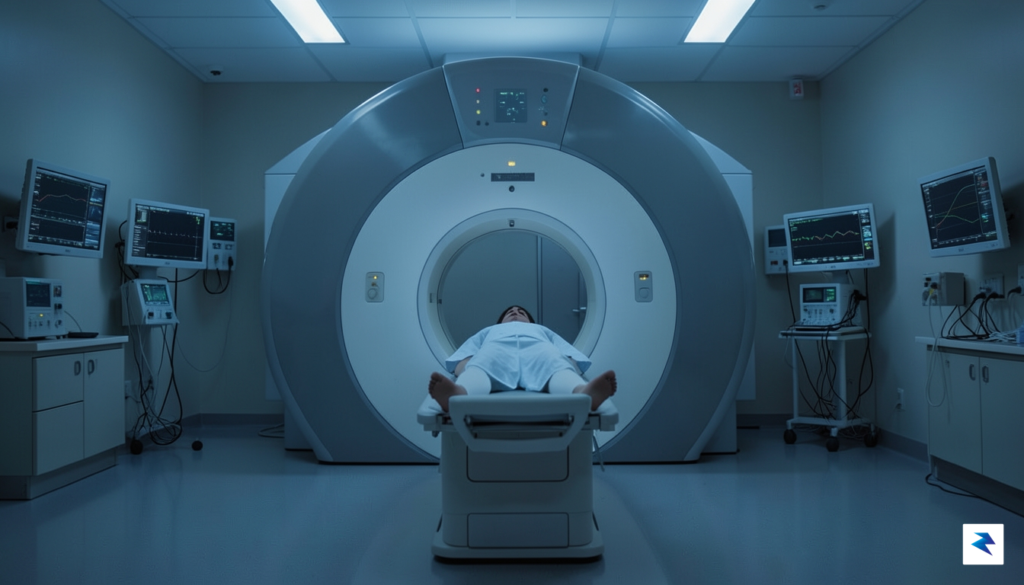
The reliance on such heavy machinery creates a profound accessibility gap that complicates the early detection of cognitive or emotional disorders. When an individual seeks help for mental health challenges today, the process is largely subjective, relying on self-reported questionnaires, behavioral observations, and clinical interviews. While these methods are essential, they lack the objective biological markers that define other areas of medicine; for instance, a cardiologist can point to an EKG or a blood panel to diagnose a condition, whereas a psychiatrist often lacks a comparable “brain-scan” metric to track the progression of depression or anxiety. This disconnect between the physical reality of the brain and the subjective nature of psychological assessment means that many mental health conditions go undiagnosed until they reach a crisis point.
The diagnostic gap in mental health is not merely a failure of clinical practice, but a limitation of the tools currently available to bridge the divide between subjective patient experience and objective neurological data.
Furthermore, the logistical burden of traditional neuroimaging prevents the collection of the high-frequency data required to understand how the brain changes over time. Because a single MRI session can cost thousands of dollars and requires a significant time commitment, it is impossible to use these scans to monitor the daily ebb and flow of neurotransmitter activity or neural connectivity. We are essentially viewing the brain through a series of expensive, static snapshots rather than a continuous, high-definition video. To move toward a new paradigm of mental healthcare, we must transition away from these siloed, hospital-bound systems toward lightweight, AI-driven technologies that can process complex neural patterns in real time. By leveraging advanced machine learning to interpret subtle brain signals, we can begin to shift the diagnostic focus from reactive treatment to proactive, data-informed intervention.
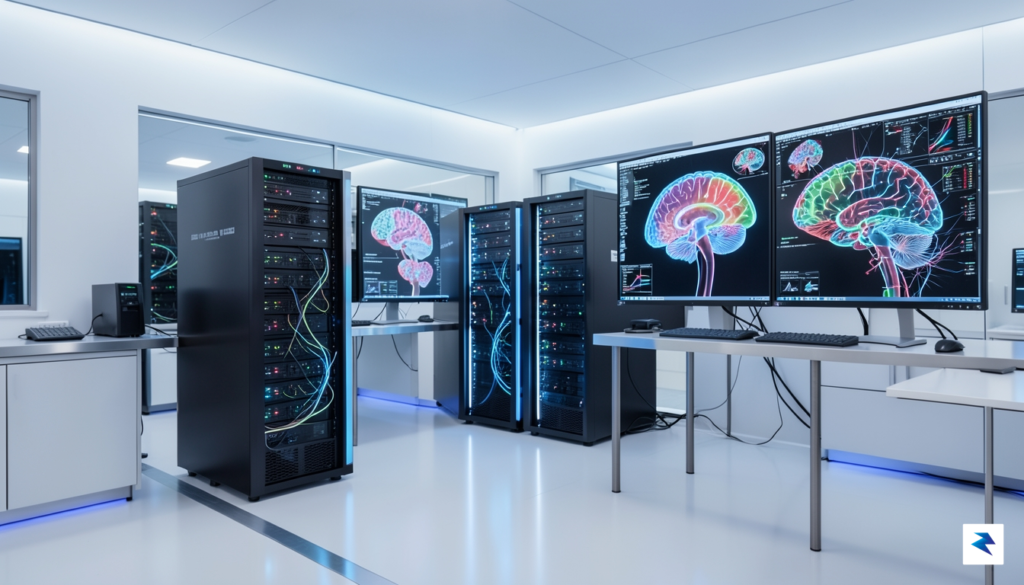
For decades, the standard for diagnosing neurological and psychiatric conditions has relied heavily on the subjective interpretation of human radiologists. While these professionals are remarkably skilled, the human eye is inherently limited when it comes to detecting the microscopic, non-linear patterns buried within the complex architecture of a brain scan. Hemispheric, the brainchild of Gidi Littwin—an architect behind Apple’s transformative FaceID technology—is fundamentally shifting this paradigm. By moving away from an exclusive reliance on expensive, specialized imaging hardware, the startup focuses instead on the latent power of algorithmic insight, effectively teaching machines to see what human observers might overlook.
The core technology driving Hemispheric involves the application of Frontier AI models to standard neuroimaging data, such as MRI or CT scans that are already common in clinical settings. Instead of simply generating a static image for a doctor to review, these sophisticated models perform a high-dimensional analysis of neural data, mapping subtle variations in activity that correlate with specific mental health conditions. Whether it is the physiological signatures of clinical depression, the lingering markers of PTSD, or the early, often invisible tremors of Parkinson’s disease, the goal is to transform raw pixels into actionable, data-driven biological markers. This transition represents a significant leap forward, moving neurology from a field of visual estimation toward a discipline defined by precision diagnostics.
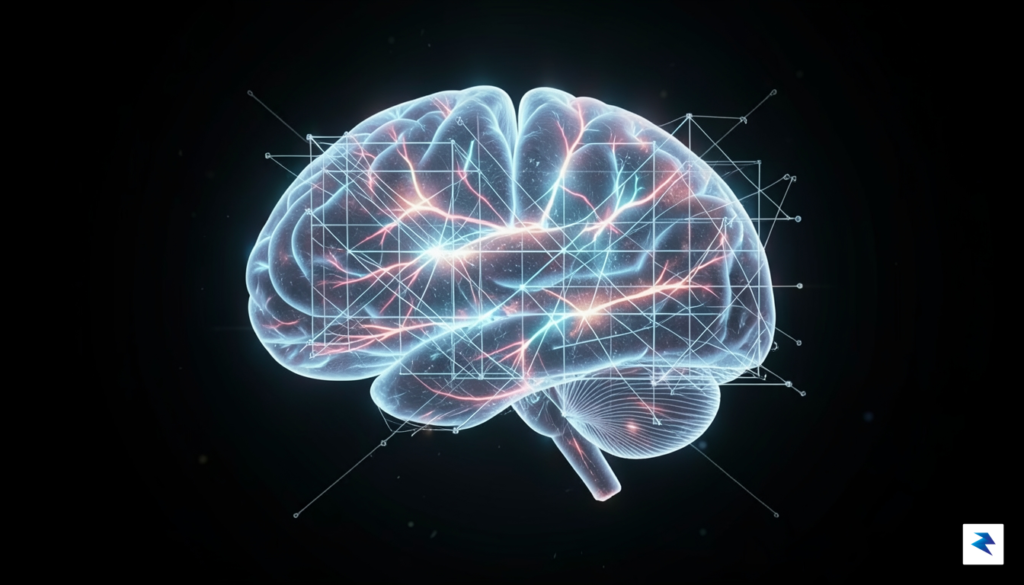
By treating the brain as a complex data system rather than just a biological organ, Hemispheric’s approach bridges the gap between neurology and computer science. The AI models are trained on vast datasets, allowing them to identify correlations that span across time and anatomical regions, effectively “seeing” the functional health of the brain in ways that were previously impossible. This methodology allows for earlier detection and more personalized treatment plans, as clinicians can now track how a patient’s unique brain markers respond to therapy or medication over time. Ultimately, this integration of artificial intelligence does not seek to replace the physician, but rather to provide them with a high-resolution lens through which the hidden nuances of mental health can be clearly mapped and understood.
The true power of this technology lies in its ability to quantify the invisible, turning a standard medical scan into a roadmap for personalized psychiatric care.
As these models continue to evolve, the impact on public health could be profound. By lowering the barrier to entry—since the technology works with existing imaging equipment—Hemispheric is democratizing access to high-level diagnostic insights. The shift from relying on the limits of human perception to the expansive capabilities of deep learning ensures that patients can receive faster, more accurate diagnoses, potentially preventing years of trial-and-error in mental health treatment. This evolution marks the beginning of a new era where the brain’s complexity is finally matched by the sophistication of the tools used to heal it.
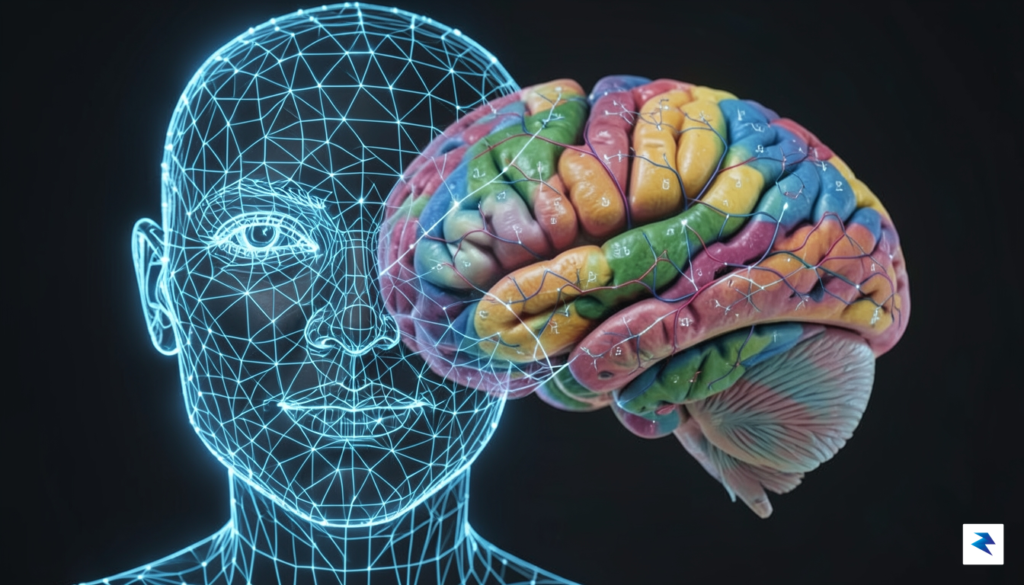
The transition from securing a smartphone to decoding the human mind represents a monumental shift in how we perceive biometric data. When engineers first architected FaceID, the objective was to master the geometry of the human face, converting intricate physical contours into a secure, mathematical representation that could be verified in milliseconds. This process relied on infrared sensors and neural engines capable of discerning subtle shifts in texture and depth. Today, the same engineering philosophy—the ability to isolate unique biological patterns at scale—is being repurposed to map the complexities of the human brain, turning the focus from external identity verification to the internal diagnostics of neurological health.
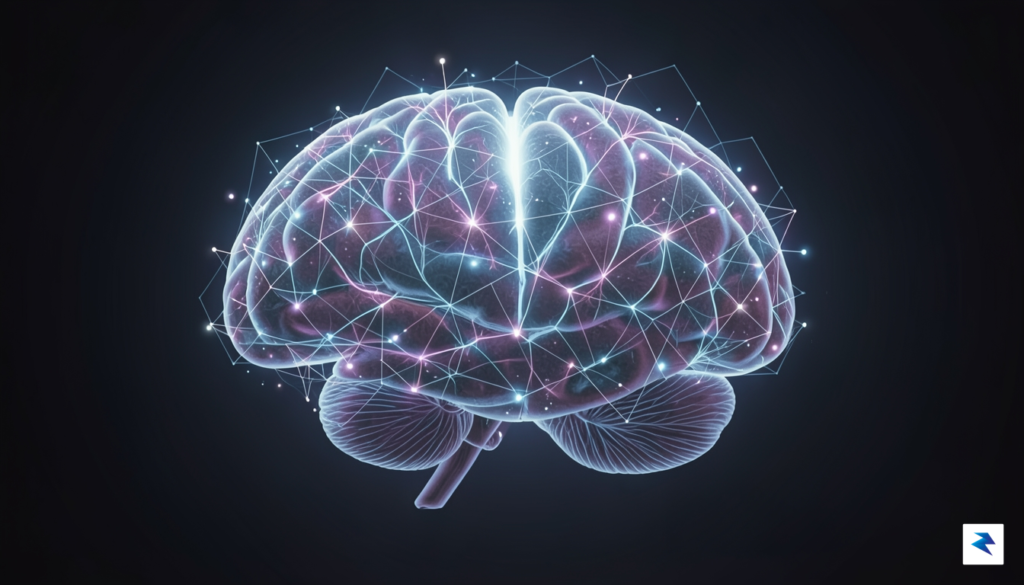
The parallels between biometric authentication and neural pattern recognition are profound. In the context of Apple’s security technology, the system must filter through massive amounts of environmental noise to identify a consistent, underlying pattern: the user’s face. Similarly, brain mapping requires the ability to distinguish between healthy neural signaling and the faint, chaotic signatures of neurological decline or psychiatric disorders. By applying the principles of spatial geometry and real-time pattern recognition developed during the smartphone era, researchers can now visualize brain activity with a level of precision that was previously impossible. This methodology shifts the focus away from subjective assessments toward objective, data-driven markers that are as reliable as a digital fingerprint.
The leap from identifying a face to identifying a neurological pattern is not merely a change in subject matter; it is a fundamental shift in how we apply AI to interpret the biological architecture of the human experience.
Scalability remains the most significant advantage of this technological migration. FaceID proved that complex, high-stakes biometric analysis could be executed locally and instantaneously on a consumer device, rather than requiring the sluggish, centralized processing of traditional medical hardware. By leveraging these same principles, innovators aim to bring clinical-grade brain diagnostics out of specialized laboratory settings and into the palm of the user’s hand. The speed of these modern AI models allows for continuous, longitudinal tracking, which is essential for capturing the early onset of cognitive issues. As these systems evolve, they promise to transform healthcare by turning the ephemeral, invisible processes of the brain into tangible data points that can be monitored, analyzed, and treated with unprecedented efficiency.
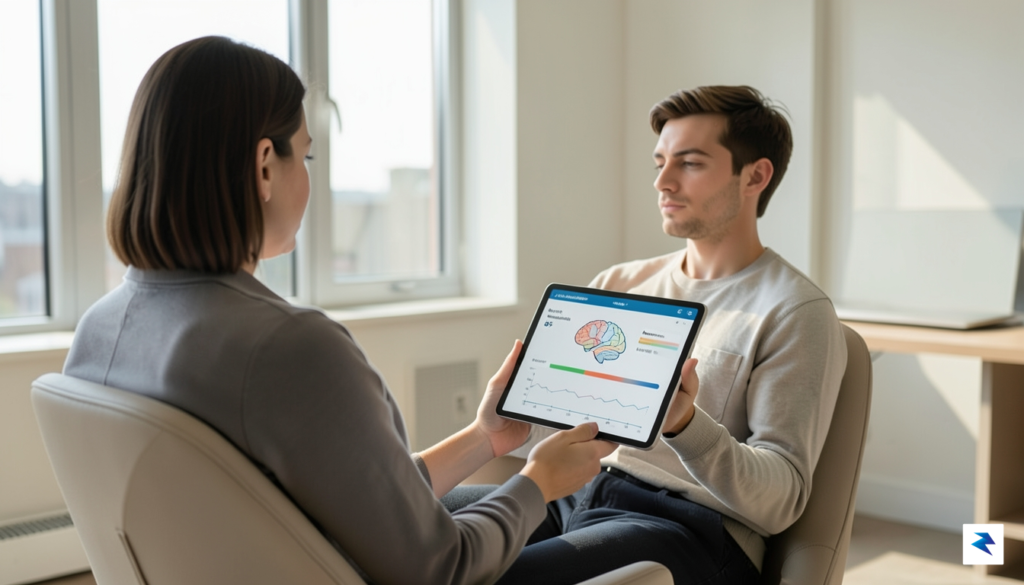
The vision of integrating brain health diagnostics into routine primary care represents a seismic shift in how we approach human wellness. Currently, screenings for neurodegenerative conditions and psychiatric health are often reserved for those already exhibiting severe symptoms, turning mental health care into a reactive discipline rather than a proactive one. If we can lower the barriers to entry—making brain health monitoring as affordable, seamless, and commonplace as a standard cholesterol or blood glucose test—we could effectively democratize access to life-altering early intervention. By moving these screenings from specialized, high-cost clinical settings into the everyday physician’s office, we create a landscape where the onset of cognitive decline or mental health challenges is identified long before a crisis occurs.
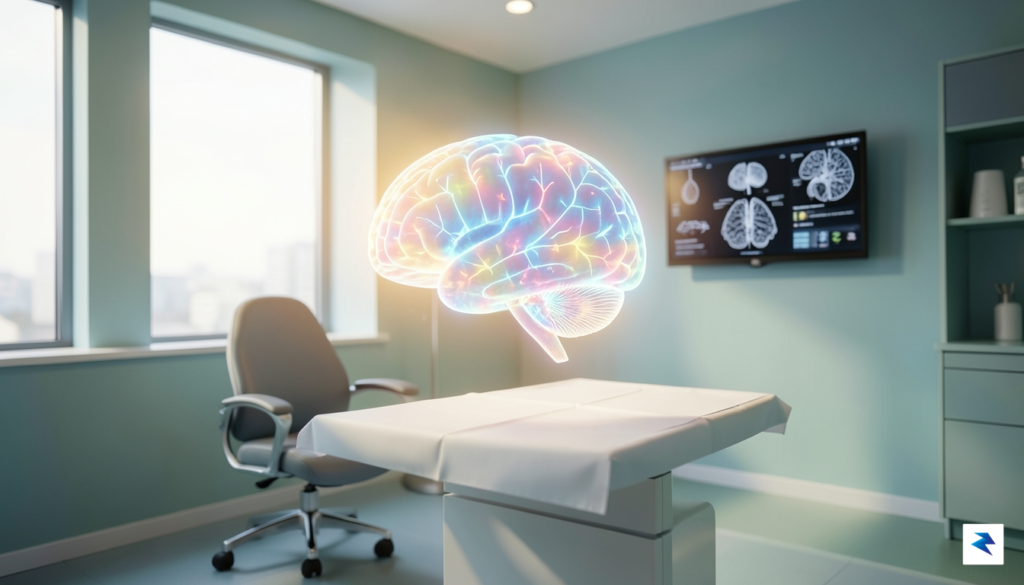
The socioeconomic ripple effects of such a transformation would be profound. When medical systems shift toward preventative psychiatry, the burden on global healthcare infrastructure is significantly reduced. Instead of managing advanced-stage dementia or chronic, unaddressed mental health disorders, which often require intensive and expensive long-term intervention, providers could offer targeted support during the “pre-symptomatic” phase. This shift would likely stabilize workforces, reduce the strain on caregivers, and alleviate the immense economic costs currently associated with late-stage diagnosis. Furthermore, democratized diagnostics remove the stigma often associated with seeking specialized neurological assessments, as the test would simply become another unremarkable data point in a patient’s standard annual physical.
Routine brain health screenings act as a preventative firewall, catching neurological markers before they manifest as irreversible clinical conditions.
To realize this future, clinical workflows must undergo a fundamental evolution. Integrating AI-driven brain diagnostics into primary care means equipping general practitioners with the tools to interpret complex neurological data without requiring years of specialized fellowship training. This is where the true power of intuitive design—the kind mastered by pioneers of face-recognition technology—becomes essential. By simplifying the data into actionable insights, these AI models can help physicians identify subtle shifts in cognitive patterns that might otherwise go unnoticed. As these screenings become a staple of primary care, we move closer to a healthcare model where mental and neurological health are no longer treated as separate, mysterious entities, but as fundamental metrics of overall physical well-being.

The prospect of decoding neural patterns via artificial intelligence brings us to a precarious intersection of technological marvel and profound vulnerability. When we discuss the digitization of the mind, we are no longer dealing with mere passwords or facial geometry; we are handling the most intimate blueprint of human identity. Storing sensitive neural data requires a level of security that transcends current industry standards, as a breach in this domain could potentially expose an individual’s cognitive predispositions, emotional triggers, and latent neurological conditions. Consequently, the architecture of these systems must be built upon the foundation of “privacy by design,” ensuring that data is anonymized and encrypted at a level that prevents even the most sophisticated actors from reverse-engineering a person’s mental profile.
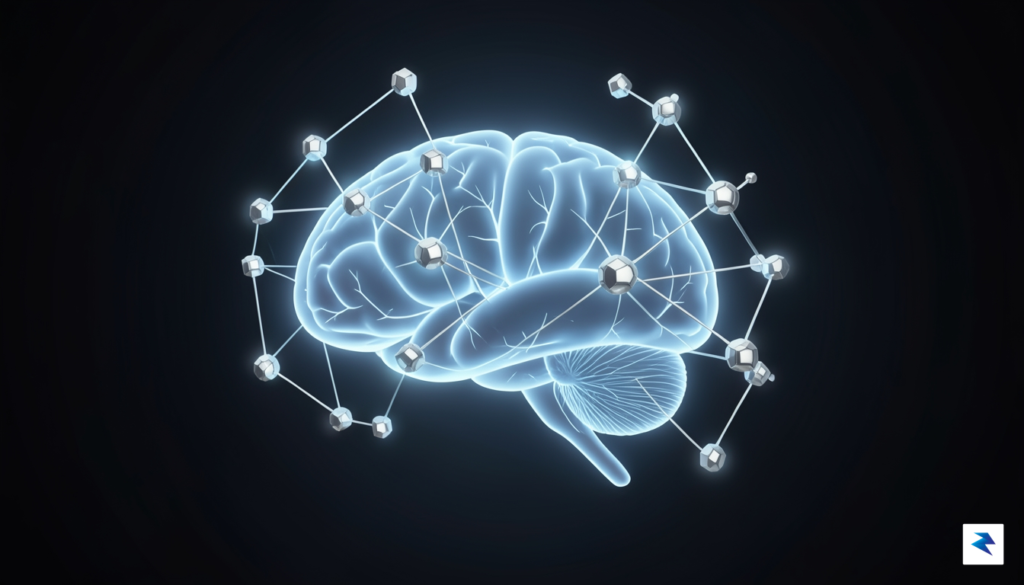
Beyond the logistical challenge of data storage lies the critical necessity for rigorous clinical validation. AI algorithms are only as objective as the data they ingest, and there is a significant danger that inherent biases within training sets could lead to devastating diagnostic errors. If an algorithm is trained predominantly on a specific demographic, its ability to accurately interpret the neural signals of underrepresented populations may be flawed, resulting in misdiagnoses that could alter the course of a patient’s life. Therefore, developers must subject these diagnostic tools to the same stringent scrutiny as pharmaceutical drugs, ensuring that transparency and peer-reviewed accuracy remain the primary benchmarks before any tool is deployed in a clinical setting.
The power to predict a neurological decline years before clinical symptoms appear is a double-edged sword; while it offers the potential for early intervention, it also imposes a heavy psychological burden on the patient.
Furthermore, we must grapple with the profound ethical dilemma of “knowing”—the psychological impact of being informed of one’s future cognitive trajectory. If an AI reveals a high probability of a neurodegenerative condition before a patient has even begun to experience symptoms, it forces that individual to live in a state of anticipatory grief or clinical anxiety. This shift in medical paradigms necessitates a new framework for patient care, where physicians must act not just as clinicians, but as counselors who can help individuals navigate the weight of this information. We must ensure that the rapid advancement of this technology does not outpace our moral capacity to handle the existential questions it raises, maintaining that the ultimate goal of brain diagnostics remains the enhancement of human dignity and quality of life.
You must be logged in to post a comment.