Spotify Opens Parental Controls to All Users: What You Need to Know
Expanding Family Safety: Spotify's New Move For years, the digital landscape has presented parents with a complex balancing act: how to…


For decades, the global economy thrived on the assumption of a stable, predictable geopolitical landscape, where efficiency was the primary engine of growth. Businesses operated under the mantra of “just-in-time” delivery, stripping inventories to the bone to maximize profit margins and streamline supply chains. However, this era of hyper-optimized lean manufacturing is rapidly collapsing under the weight of escalating international friction. We are witnessing a profound transition where “war risk”—the tangible financial threat posed by conflict, sanctions, and territorial instability—is no longer a peripheral concern for defense contractors, but a central pillar of corporate financial planning for every sector from retail to technology.
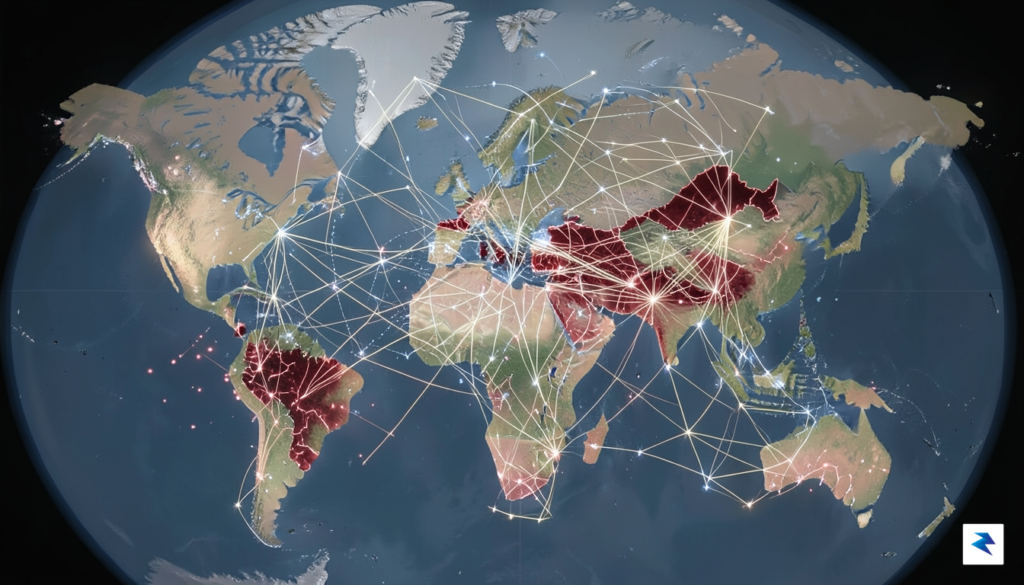
This shift has birthed the “war risk premium,” an invisible surcharge embedded into the price of goods and services. When a shipping route becomes hazardous or a key supplier is located in a volatile region, companies must now account for increased insurance premiums, expensive rerouting, and the necessity of maintaining redundant safety stocks. This move toward “just-in-case” security is the antithesis of the lean era; it requires businesses to hoard resources and pay for protection against events that may or may not occur. Consequently, these operational costs do not simply vanish into the company’s balance sheet. Instead, they are systematically passed down the value chain, manifesting as the persistent, stubborn inflation that consumers see on everything from grocery store shelves to gas pumps.
The transition from a globalized, peace-time economy to a fragmented, high-alert model means that businesses are now paying a permanent tax on uncertainty.
We are fundamentally replacing peace-time economics, which prioritized cost-reduction and speed, with a high-alert, cost-heavy operational model. Even if a specific conflict remains contained or diplomatic resolutions are reached, the psychological and structural shift has already taken hold. Corporations have learned that the cost of being unprepared is far higher than the cost of maintaining a war-risk buffer. As long as the global landscape remains fractured, this “security tax” will remain a permanent feature of our economic reality, ensuring that the era of bargain-bin global trade is largely behind us. Ultimately, the consumer is not just paying for the product itself, but for the complex, costly armor required to bring that product safely across an increasingly unstable world.
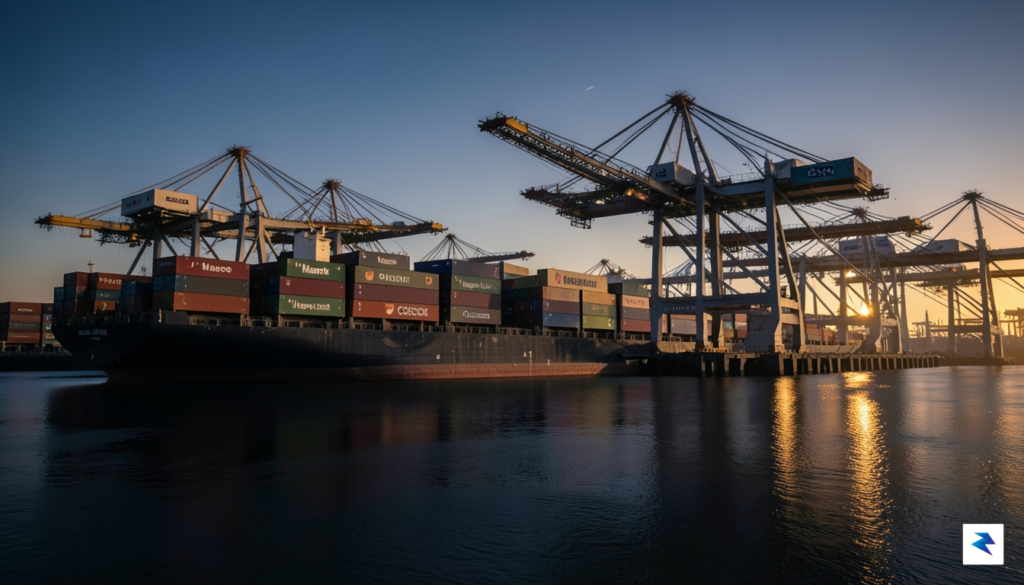
The modern global economy relies on a “just-in-time” philosophy, a delicate orchestration of logistics where efficiency is measured in minutes and margins are razor-thin. When geopolitical instability intrudes upon this equilibrium, the primary casualty is the fluidity of movement that defines international trade. Security threats within vital maritime corridors do not merely cause temporary bottlenecks; they force a fundamental restructuring of how goods travel from point A to point B. This shift necessitates an immediate transition from optimized, high-speed routes to circuitous, contingency-heavy paths that carry significant financial baggage. As shipping lines are forced to navigate around conflict zones, the cumulative burden of these logistical adjustments is eventually passed down the chain, manifesting as rising costs for the end consumer.
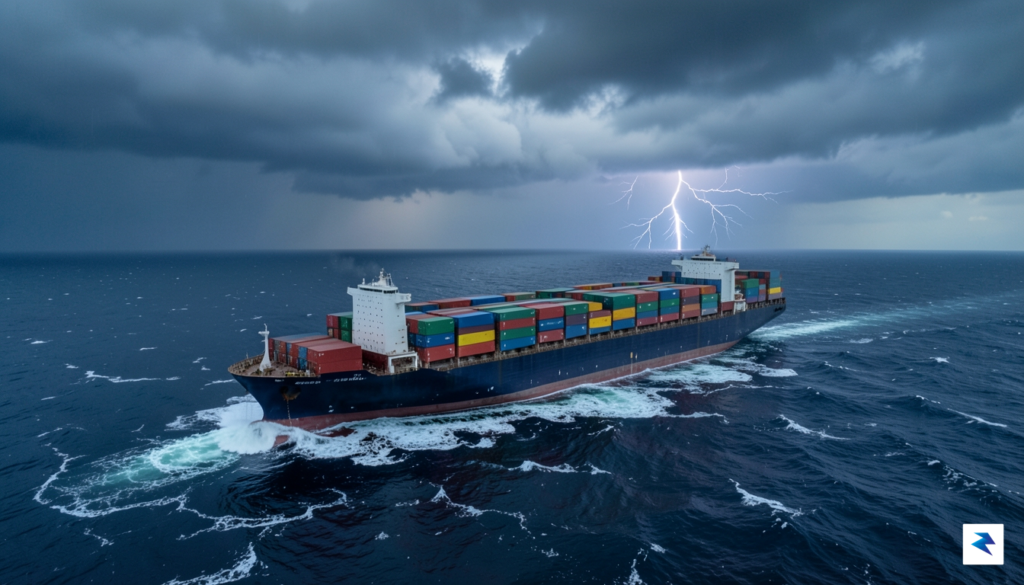
The financial mechanics of this disruption begin with the skyrocketing cost of maritime insurance. When a shipping route is designated a high-risk zone due to regional volatility, underwriters significantly increase premiums to account for the heightened probability of cargo loss or vessel damage. These surcharges are not negligible; they can transform a standard shipping contract into a volatile expense that fluctuates daily based on the latest headlines. Beyond insurance, the physical act of rerouting—such as opting for the longer journey around the Cape of Good Hope instead of the Suez Canal—adds thousands of miles to a voyage. This extra distance consumes vastly more fuel, increases crew labor costs, and keeps high-value inventory locked in transit for weeks longer than anticipated.
The true cost of conflict is measured not just in military spending, but in the silent, systematic erosion of logistical efficiency that keeps the global economy functioning.
Furthermore, the secondary effects of these disruptions are often felt in the energy sector, which serves as the lifeblood of global manufacturing. When tankers are forced to take longer paths to avoid conflict, the global supply of energy becomes tighter and more expensive to move, creating a domino effect across all energy-intensive industries. Businesses must then contend with a “risk premium” that is baked into every aspect of operations, from the raw materials they procure to the final delivery of finished goods. This reality creates a paradox where companies are forced to spend more money to achieve less efficiency, effectively dismantling the cost-saving benefits that globalization was designed to provide. In this landscape, the safety of a trade route is no longer a given, but a premium commodity that businesses must purchase at a high price.
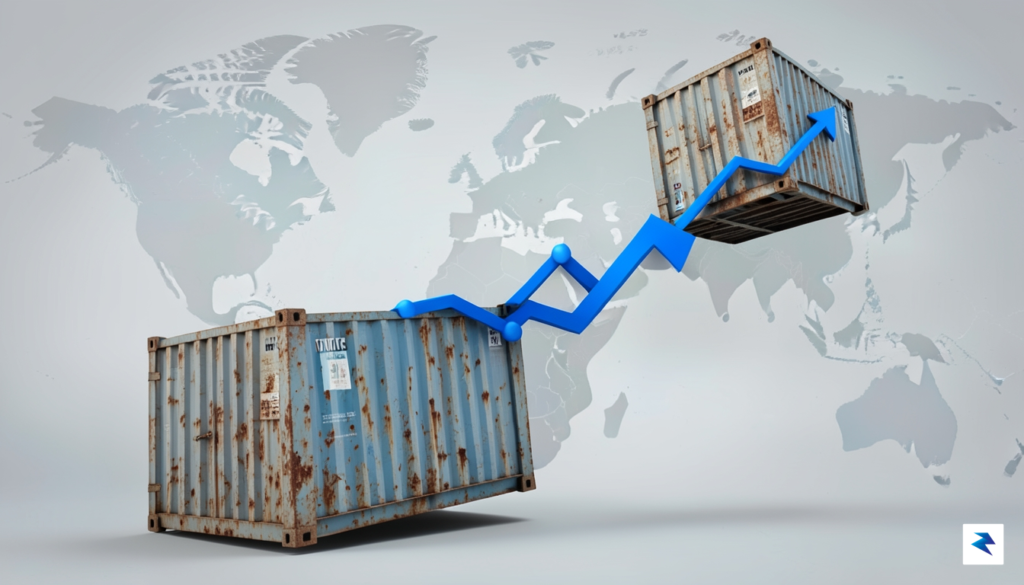
When geopolitical volatility flares, the immediate consequence for global businesses is an abrupt surge in operational overhead, a phenomenon economists categorize as cost-push inflation. Corporations do not merely absorb these heightened expenses; instead, they meticulously calculate the risk premium associated with geopolitical instability and integrate those figures directly into the final price tag of consumer goods. This process begins with the rising cost of logistics and insurance premiums, which spike as shipping lanes become hazardous and supply chains face potential disruptions. As businesses struggle to maintain their profit margins amidst an unpredictable landscape, these unavoidable costs are passed down the line, ensuring that the burden of global conflict is distributed among millions of individual consumers rather than being localized within the corporate boardroom.
The mechanism is straightforward yet devastating for household budgets: as the price of raw inputs increases, firms must raise their prices to protect their bottom lines. For instance, the electronics industry remains exceptionally vulnerable to these shocks. Modern digital devices rely on a complex, international network of semiconductors and rare earth metals that are often sourced from or transported through regions marked by significant war risk. When conflict threatens the stability of these corridors, manufacturers face not only higher transit fees but also the looming threat of supply shortages. Consequently, the price of everything from smartphones to kitchen appliances inches upward, reflecting the invisible, ongoing cost of maintaining a resilient supply chain in a world where peace is no longer a guaranteed baseline for commerce.
Ultimately, consumers are paying a “geopolitical tax” that is baked into the price of every transaction, whether they are purchasing staple groceries or high-end technology.
Agriculture and food production sectors illustrate this ripple effect with stark clarity, as they are inherently tied to fuel and fertilizer costs—two areas hit hardest by geopolitical strife. Because nitrogen-based fertilizers and diesel fuel are essential for large-scale crop production, any instability in energy-producing nations creates a cascade of price increases that eventually hits the supermarket shelf. It is a mistake to view these costs as temporary or isolated; rather, they represent a persistent inflationary pressure that remains long after the initial news cycle has moved on. By the time a product reaches the retail floor, the cumulative weight of higher insurance, increased freight security, and volatile energy prices has already transformed a standard item into a luxury, proving that the distance between a distant battlefield and the local checkout counter is shorter than most shoppers realize.

For decades, the global business landscape was governed by the mantra of “just-in-time” delivery and hyper-efficient, lean supply chains. Companies sought to minimize inventory costs and maximize profitability by sourcing components from wherever they were cheapest, often relying on singular, vulnerable pathways to move goods across the globe. However, as geopolitical tensions rise and the specter of conflict looms over critical trade routes, that era of optimization is coming to an abrupt end. Corporate strategy is undergoing a fundamental transformation, shifting away from a singular focus on cost-cutting toward a new priority: resilience. Organizations are now finding that the risks of disruption far outweigh the benefits of hyper-efficiency, forcing them to fundamentally rethink how they operate in an increasingly volatile world.
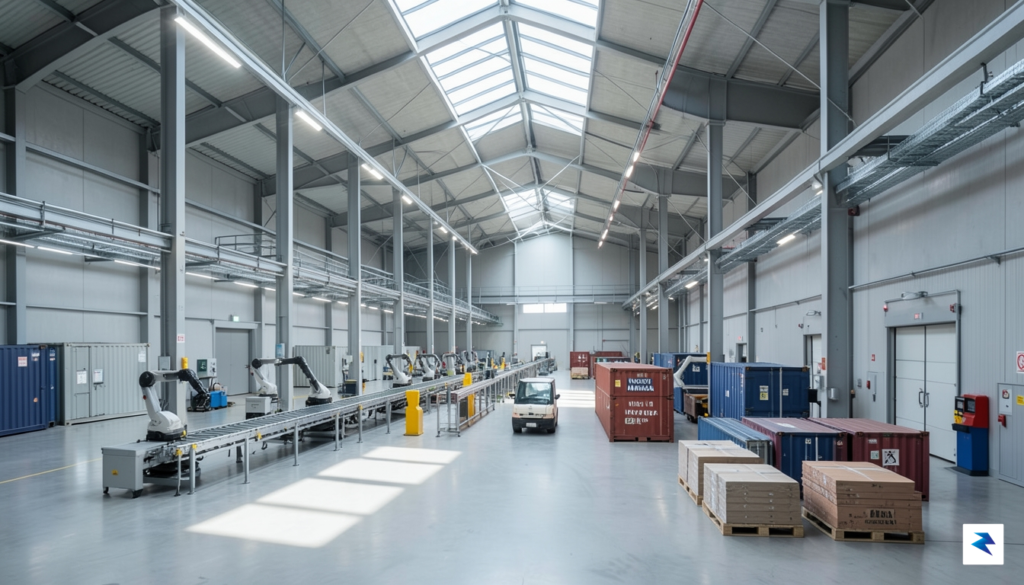
This transition is manifesting primarily through the strategies of “near-shoring” and “friend-shoring.” Instead of relying on long, precarious maritime routes that could be severed by international sanctions or regional warfare, businesses are moving production closer to their primary consumer bases or within the borders of geopolitical allies. While this approach significantly reduces the risk of sudden supply chain collapse, it also necessitates a massive increase in capital expenditure (CapEx). Building new, localized factories, training domestic workforces, and establishing redundant logistics hubs requires billions of dollars in upfront investment. These costs cannot be absorbed by corporate balance sheets indefinitely; eventually, they must be passed down to the end consumer, cementing the reality that the safety of our supply chains will be reflected in the price tags of everyday goods.
The move toward redundancy is an insurance policy against the chaos of global conflict, but like any insurance, it comes with a premium that every buyer eventually pays.
Ultimately, the shift toward redundancy represents a move from a globalized world of convenience to a fragmented world of security. By deliberately choosing to hold extra inventory, maintain multiple backup suppliers, and diversify geographic footprints, companies are trading the low-price environment of the early 2000s for a more stable, yet more expensive, future. This isn’t merely a temporary adjustment to a specific crisis; it is a long-term structural pivot. As businesses prioritize the ability to withstand shocks over the ability to operate at the lowest possible margin, the market will inevitably settle into a new equilibrium. Consumers should prepare for this shift, acknowledging that a world protected from the volatility of war is a world where stability has become a premium commodity.

When geopolitical instability shifts from a temporary disruption to a permanent fixture of the global marketplace, the ripple effects invariably reach the kitchen table. For the average household, this “war risk” premium translates into an era where price volatility is no longer an anomaly, but a standard feature of the economic landscape. To navigate this reality, families must pivot from reactive budgeting to a proactive strategy that prioritizes resilience. This begins with acknowledging that the days of cheap, abundant energy and low-cost global supply chains are being recalibrated; consequently, planning for a future with higher baseline costs for essentials like electricity, fuel, and imported foodstuffs is no longer just prudent—it is a necessity for maintaining financial stability.
Adopting a more rigid approach to personal finance becomes essential when inflation is driven by structural, long-term factors rather than transitory market cycles. Households should consider stress-testing their monthly budgets against sustained price hikes, essentially asking how they would manage if the cost of staples were to increase by a further ten or fifteen percent. This might involve building a more robust emergency fund specifically earmarked for utility or fuel spikes, or diversifying purchasing habits to favor local alternatives that are less susceptible to the shipping bottlenecks and insurance premiums associated with war-torn trade routes. By insulating your budget against these specific variables, you create a buffer that prevents a sudden market shock from turning into a personal financial crisis.

The goal of modern financial planning in an age of global volatility is not to predict the next crisis, but to build a household structure that remains functional regardless of the geopolitical weather.
Despite these daunting macroeconomic forces, it is helpful to maintain a balanced perspective on how economic systems function. History demonstrates that markets are remarkably adaptive; as conflict disrupts traditional pathways, innovation often accelerates in sectors like energy efficiency, domestic manufacturing, and supply chain logistics. While we are currently in a painful period of adjustment—where the cost of living feels perpetually stretched—these pressures often act as a catalyst for long-term systemic shifts that eventually lead to more stable, localized economic models. In the meantime, the most effective strategy remains a commitment to financial flexibility, reduced reliance on volatile credit, and a disciplined approach to discretionary spending that keeps your household resilient through the inevitable cycles of global change.
You must be logged in to post a comment.