
Is the Biannual Clock Switch Ending? Understanding the Sunshine Protection Act
The Case for Permanent Daylight Saving Time For over a century, the American ritual of adjusting clocks twice a year has been treated as a…

For years, the digital landscape has presented parents with a complex balancing act: how to provide children with the independence they crave while maintaining necessary boundaries in an unfiltered online environment. As streaming services evolved from simple music players into vast, algorithmic content hubs, the need for robust parental controls became undeniable. Historically, these safety tools were often treated as premium add-ons, bundled exclusively within expensive family subscriptions. By placing essential oversight features behind a paywall, platforms inadvertently created a hierarchy of safety, where the ability to curate a child’s listening experience was contingent upon a household’s monthly budget. This outdated model ignored the reality that digital wellness is a fundamental need for every family, regardless of their financial status.
Spotify’s recent decision to extend parent-managed account features to users on the free tier represents a pivotal shift in how the industry approaches digital accountability. By removing the financial barrier to entry, the platform is effectively democratizing safety tools, acknowledging that shielding younger listeners from explicit content or managing their exposure to certain audio themes should be a standard expectation rather than a luxury. This move aligns with a growing societal demand for greater transparency and control in the digital lives of children. Parents are increasingly concerned about the influence of algorithms and the prevalence of mature content, and this update empowers them to take a more active, hands-on role in shaping their children’s early encounters with music and podcasts.

By decoupling essential safety features from premium pricing, Spotify is setting a new precedent for digital responsibility, ensuring that every caregiver has the agency to curate a safer listening environment for their children.
The significance of this evolution cannot be overstated, as it reflects a deeper understanding of the modern household’s digital ecosystem. As children begin to explore digital platforms at younger ages, the pressure on parents to monitor these interactions has intensified. Previously, families on a budget were forced to choose between the cost of a premium subscription or the risk of leaving a child’s account unmanaged. This update alleviates that pressure, providing a level playing field where safety is prioritized as a core user experience. Furthermore, it encourages a healthier relationship with streaming technology, as parents can now introduce their children to the vast world of music and storytelling with the peace of mind that comes from having meaningful, accessible guardrails in place.
Ultimately, this change is not just about technical settings; it is about fostering trust and digital literacy within the home. When parents have the tools to easily manage what their children hear, they are better equipped to engage in constructive conversations about content, artists, and the nature of online media. By making these features ubiquitous, Spotify is not only responding to user feedback but is also actively participating in the broader conversation surrounding digital safety. As we move forward, this commitment to inclusive parental controls will likely serve as a benchmark for other platforms to follow, reinforcing the idea that safeguarding our children’s online experiences is a collective responsibility that should never be restricted by the size of a subscription fee.
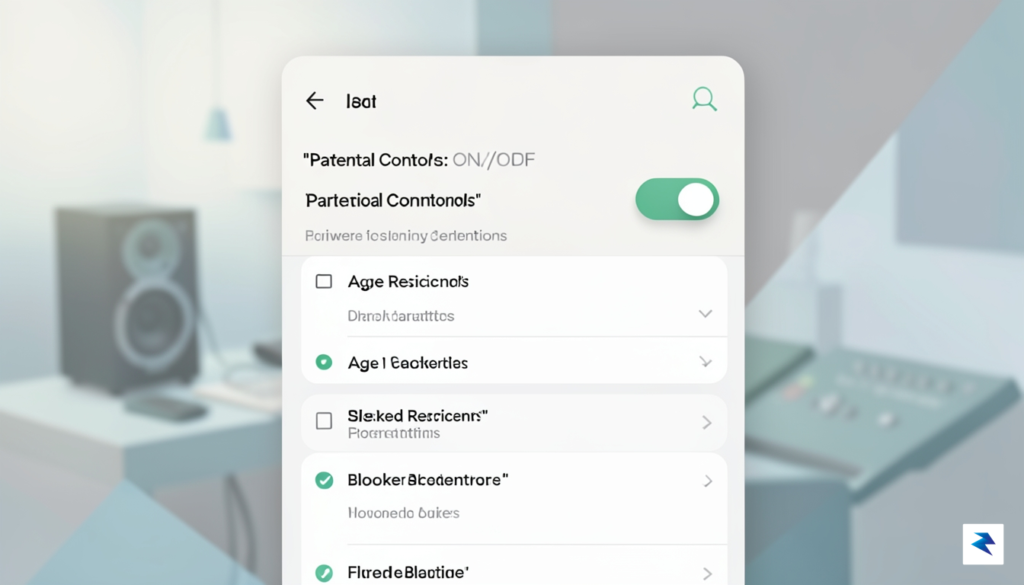
At its most fundamental level, the expansion of parent-managed accounts to the free tier represents a significant shift in how Spotify addresses the needs of younger listeners. By integrating these robust oversight tools into the non-subscription experience, the platform acknowledges that digital discovery often begins long before a user enters the paid ecosystem. These controls function as a digital bridge, allowing guardians to curate a safer listening environment without necessitating a premium monthly financial commitment. The system creates a linked hierarchy where the adult serves as the “master” account holder, effectively tethering the younger user’s activity to a centralized hub of administrative oversight.
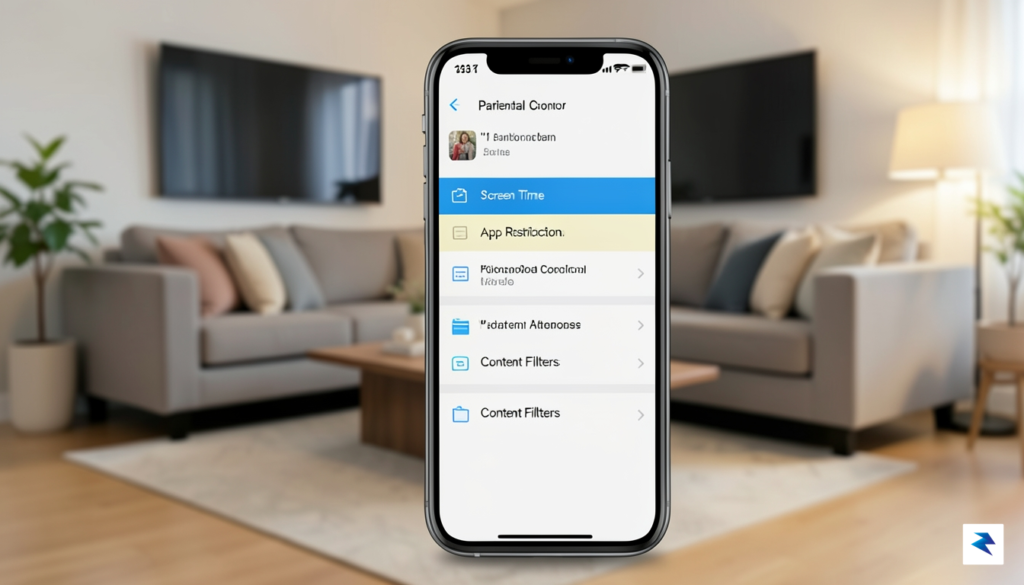
The primary functional benefit of this integration lies in its granular approach to content moderation and privacy. Once a parent links an account to their child’s profile, they gain direct access to a suite of administrative switches that can fundamentally alter the listening experience. For instance, the master account holder can enforce global content filters that automatically flag and block tracks marked as explicit by labels and distributors. This is not merely a passive setting; it acts as an active barrier, ensuring that the curated library remains age-appropriate regardless of the specific music genres the younger user might be exploring. Furthermore, these controls extend to privacy management, allowing parents to toggle data sharing and personalized recommendations, which prevents the child’s listening habits from being used to build intrusive advertising profiles.
“Empowering guardians with these tools ensures that the freedom of music discovery is balanced with the necessity of digital safety, regardless of the user’s subscription status.”
Beyond simple content blocking, the utility of these tools lies in the peace of mind they provide through centralized monitoring. Parents no longer need to manually check every device or log into separate accounts to verify settings; instead, they can manage the boundaries of the digital experience from their own application interface. This architecture simplifies the administrative burden while ensuring that compliance with safety settings remains consistent across all devices linked to the child’s profile. By democratizing access to these features, Spotify is effectively standardizing the baseline expectation for safety, ensuring that even users on the free tier benefit from the same high-level protections as those in the premium tier. This holistic approach to safety is essential in an era where younger demographics are increasingly independent in their digital consumption, yet still require a protective framework to navigate the vast library of global content available at their fingertips.

For millions of families navigating the complexities of the digital age, the decision to extend parental controls to the ad-supported tier represents a profound shift in how we prioritize child safety. Historically, safety features—such as content filtering, explicit track blocking, and listening history oversight—have often been relegated to premium subscription tiers, creating an unfortunate “safety gap” based on socioeconomic status. By dismantling this paywall, Spotify acknowledges that the protection of minors should never be a luxury commodity accessible only to those who can afford a monthly fee. This democratization of safety tools ensures that parents, regardless of their financial circumstances, have the same proactive ability to curate their children’s auditory environments and shield them from inappropriate content.
The ethical implications of gating digital safety behind a subscription are significant, as it effectively penalizes lower-income households by denying them the same digital hygiene tools afforded to wealthier users. When essential safety measures are tied to revenue-generating tiers, platforms inadvertently suggest that a child’s online experience is worth less if their family relies on ad-supported services. By removing these barriers, Spotify is taking an important stand against the idea that protective technology should be a tiered privilege. This move effectively levels the playing field, ensuring that the fundamental right to a secure and age-appropriate listening experience is universal rather than contingent on one’s willingness or ability to pay for an ad-free experience.
The democratization of digital safety tools is not merely a feature update; it is a fundamental shift toward making online environments safer for all children, irrespective of their family’s economic standing.

Furthermore, this policy change sets a powerful new industry standard that other streaming platforms will likely be forced to consider. By prioritizing the safety of free-tier users, Spotify is signaling that user wellbeing is an intrinsic part of the service’s core mission rather than an afterthought reserved for high-paying customers. This evolution forces the entire music and podcast streaming industry to re-evaluate how they handle parental oversight. As more platforms follow suit, we move closer to a digital landscape where parents have consistent, reliable, and accessible tools to manage the exposure of younger listeners. Ultimately, this inclusive approach fosters trust between streaming services and the families they serve, proving that responsible tech companies can find ways to prioritize human safety without compromising the sustainability of their free-tier models.
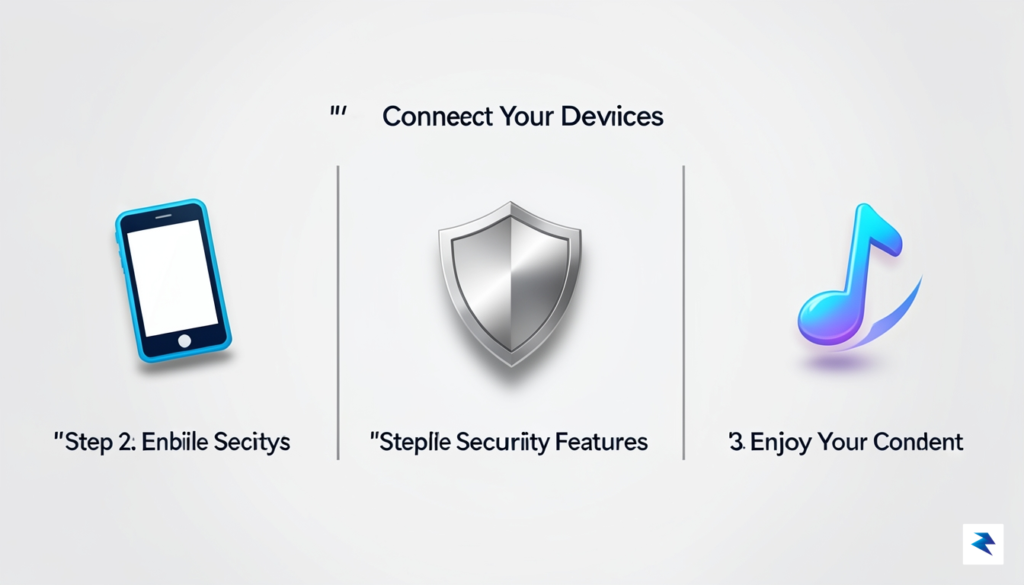
Implementing a safe digital environment on Spotify has become significantly more accessible now that these protective features are available to users on the free tier. To begin the configuration process, the primary account holder—typically the parent or guardian—should navigate to the Family Hub within their account settings. From this central dashboard, you can oversee all members linked to your family plan. If you are adding a new user, simply select the option to invite a family member via an email link, which ensures that their account is officially tied to your management umbrella. Once the accounts are connected, you gain the ability to toggle content filters that restrict explicit tracks, ensuring that younger listeners are shielded from potentially mature language or themes during their daily listening sessions.
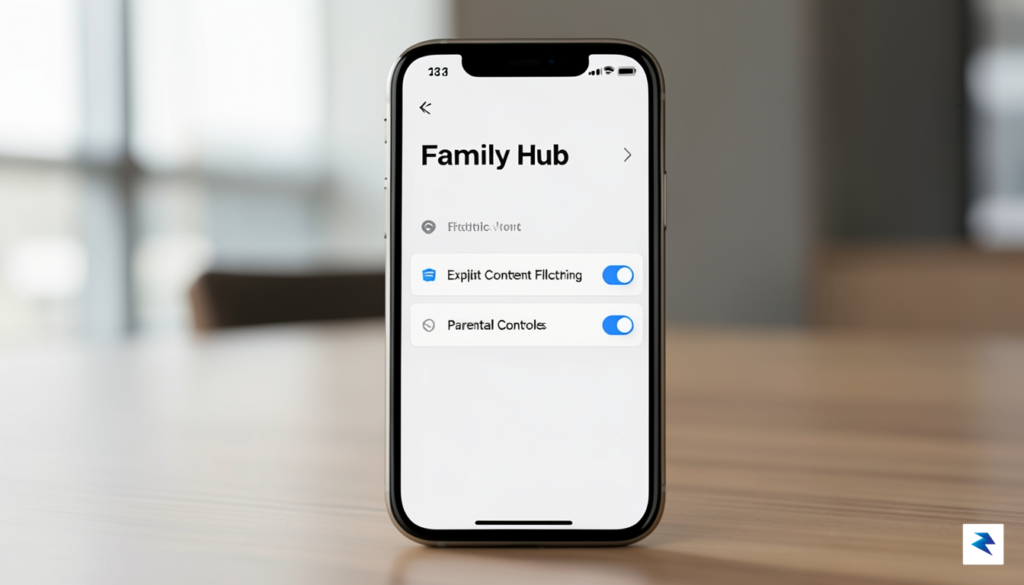
Once you have established the connection between accounts, the next step involves fine-tuning the individual experience for your child. By selecting the specific member’s profile within the family dashboard, you can manage their explicit content settings with a single tap. It is important to note that these filters apply globally to the account, meaning that even when your child searches for new music or explores curated playlists, the platform will automatically bypass tracks flagged with an “E” (Explicit) tag. Furthermore, as your children mature, you may find that their tastes and needs change, making it vital to perform periodic audits of these settings. Regularly reviewing the active restrictions allows you to balance the need for safety with the growing independence of your teenager, ensuring that the platform evolves alongside their personal development.
To maintain the highest level of security, make it a habit to check the Family Hub once a month to ensure that all linked accounts remain active and that your content preferences are still aligned with your family’s standards.
Beyond content filtering, staying engaged with your child’s listening habits can serve as a great way to foster open communication about media consumption. While the software provides the technical guardrails, parental involvement remains the most effective tool for long-term safety. If you ever notice that an account has been disconnected or that settings appear altered, you can quickly revisit the Family Hub to re-establish those controls. By taking a proactive approach to these digital settings today, you are not only protecting your child from unwanted content but also creating a structured framework that encourages responsible technology usage as they continue to explore the vast world of music and podcasts.

The introduction of enhanced parental management features, even for free-tier users, marks a significant step towards enabling safer digital environments for younger listeners. However, it’s crucial to recognize that these technical controls are merely one facet of fostering a truly healthy and enriching digital relationship. While undoubtedly vital for setting boundaries and filtering inappropriate content, their ultimate purpose extends beyond simple restriction; they serve as a dynamic tool to guide children towards responsible digital autonomy. The true long-term benefit emerges not just from what is blocked, but from the conversations ignited and the understanding cultivated between parents and their children about their streaming habits and content consumption.
Supervised digital exploration offers profound psychological advantages, paving the way for children to develop critical thinking skills without feeling unduly constrained. Instead of creating an environment where certain content is simply forbidden, which can often lead to curiosity and surreptitious exploration, a guided approach encourages open dialogue. When parents engage with their children about their music choices, it builds a foundation of trust and respect, making children feel heard and understood rather than just monitored. This method helps children understand the *why* behind certain guidelines, fostering an internal compass for making informed decisions, rather than relying solely on external restrictions.
This delicate balance between monitoring and trust is perhaps best navigated through consistent, open communication about listening habits and content. Rather than immediately imposing a blanket ban on certain artists or genres, parents can initiate discussions by asking curious questions: “What do you enjoy about this song?” or “What message do you think the artist is trying to convey?” Sharing your own preferences and explaining your reasoning can also create a two-way street for understanding. Such conversations transform what could be a contentious boundary into a shared learning experience, helping teenagers, in particular, articulate their tastes and understand the broader implications of the content they consume.
Ultimately, these interactions are instrumental in developing robust digital literacy, ensuring that as young users gain more independence, they are well-equipped to navigate the vast and ever-evolving digital landscape responsibly. Parental controls, in this context, act as supportive training wheels, providing a safety net while children learn to pedal on their own. They offer a structured environment to explore new sounds and genres, understanding the nuances of lyrical content, artistic expression, and cultural context with parental guidance. This proactive approach empowers children to eventually self-regulate, making thoughtful choices about their entertainment not out of fear of restriction, but from an informed understanding of what aligns with their values and well-being.
By reframing parental controls as instruments of guidance rather than strict limitation, families can cultivate a lasting culture of digital wellness. It’s about more than just keeping explicit lyrics out of earshot; it’s about nurturing an inquisitive mind that questions, analyzes, and ultimately makes responsible choices in their streaming journey and beyond. This approach ensures that children transition from protected users to savvy, discerning consumers, prepared to embrace the full potential of digital platforms safely and intelligently.
You must be logged in to post a comment.