
OpenAI Employees Take a Stand: The Internal PAC War Explained
The Growing Internal Divide at OpenAI The once-cohesive culture at OpenAI is facing an unprecedented litmus test, as a palpable rift deepens…
For years, Motorola has occupied a unique space in the smartphone market, often oscillating between reliable mid-range workhorses and experimental foldables. With the arrival of the Edge 70 Max, however, the company is shifting its strategic focus back to the high-stakes world of flagship dominance. This device is not merely an incremental upgrade; it is a calculated effort to reclaim the attention of power users who demand uncompromising performance. By blending raw, desktop-class computing capabilities with the refined sensibilities of modern mobile convenience, Motorola has crafted a phone that feels as much like a professional productivity tool as it does a high-end gaming console.
The core demographic for the Edge 70 Max is clear: it is built for the tech enthusiasts, the competitive mobile gamers, and the heavy-duty multitaskers who refuse to let their hardware be the bottleneck. Whether you are pushing the limits of graphical fidelity in an intensive 3D title or managing a complex workflow of split-screen applications, this device is engineered to maintain thermal stability and sustained clock speeds that were previously reserved for gaming-specific handsets. Motorola understands that the modern flagship buyer isn’t just looking for a camera sensor or a screen resolution—they are looking for a reliable engine that can handle the sheer volume of tasks that define our digital lives today.
In a saturated Android landscape where minor distinctions often feel forced, the Edge 70 Max manages to stand out by refusing to compromise on the fundamental pillars of the user experience. While competitors frequently sacrifice battery longevity for thinness or heat management for peak performance, this device strikes a delicate balance through intelligent thermal management and a sophisticated software architecture. It represents a bold, confident step forward for the brand, signaling that Motorola is no longer content to play it safe. Instead, they are positioning themselves as a serious contender for those who believe that a flagship phone should be defined by its ability to perform under pressure without faltering.
The Edge 70 Max is engineered for those who prioritize output over aesthetics, proving that a true flagship must be as capable as it is beautiful.
Ultimately, the release of the Edge 70 Max marks a transformative moment in Motorola’s trajectory. By aligning high-tier internal components with thoughtful, user-centric features—such as the integration of advanced charging standards and a refined, bloat-free interface—the company is successfully bridging the gap between niche enthusiast hardware and the needs of the general power user. As we look at the crowded field of current-generation devices, it becomes evident that this phone is not just participating in the market; it is actively attempting to redefine what users should expect from a high-performance flagship device in the current era.
At the heart of the Motorola Edge 70 Max lies a sophisticated silicon architecture designed to shatter the limitations of mobile productivity. By integrating the latest flagship-grade chipset, the device achieves a level of computational speed that makes common bottlenecks a thing of the past. Whether you are editing high-bitrate 4K video footage directly on the timeline or juggling multiple resource-heavy professional applications, the processor ensures that every transition is fluid and every operation is near-instantaneous. This raw power is not merely for show; it is a fundamental shift in how portable devices handle heavy-duty workloads that were once reserved strictly for desktop environments.
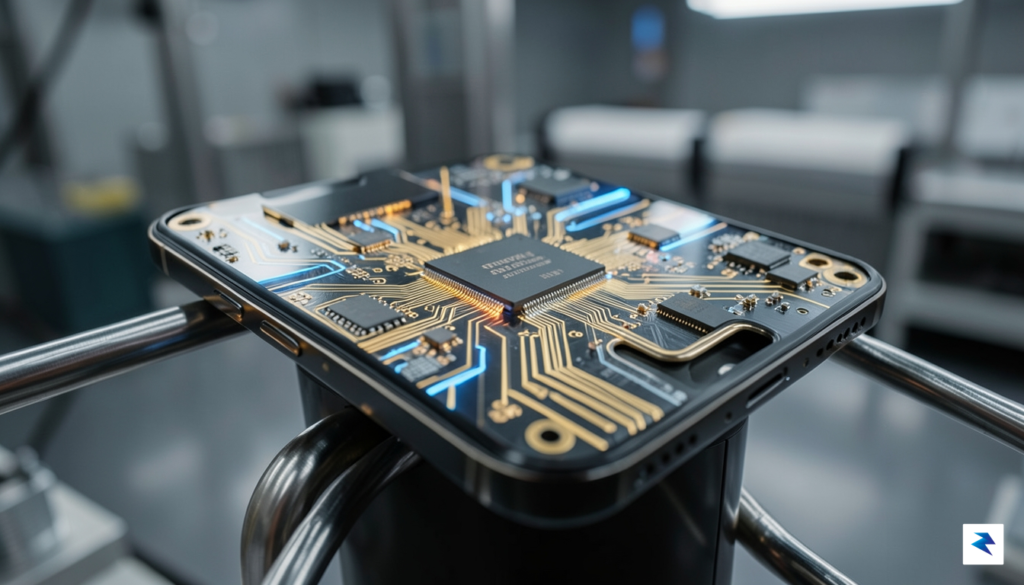
To maintain such high-octane performance over extended sessions, Motorola has implemented a state-of-the-art thermal management system that utilizes an advanced vapor chamber design. When pushing the hardware to its absolute limits—such as during high-fidelity mobile gaming or long-duration 3D rendering—the device effectively redistributes heat away from critical components, preventing the dreaded thermal throttling that plagues many other handsets. This cooling efficiency ensures that your frame rates remain rock-solid, allowing gamers to enjoy competitive matches without the sudden stuttering or lag that often occurs when a phone begins to overheat. The result is a consistent, reliable experience that keeps the user focused on the task at hand rather than worrying about hardware limitations.
The Edge 70 Max proves that true performance is not just about the peak speed of a processor, but about the ability to sustain that speed across hours of intensive operation without compromise.
Beyond the raw clock speeds, the device’s multitasking capabilities are bolstered by generous amounts of LPDDR5X RAM and ultra-fast UFS 4.0 storage. This combination allows the Edge 70 Max to keep dozens of applications suspended in the background, ready to be pulled into the foreground with zero reloads or latency. For the modern user who demands a seamless transition between complex workflows, this hardware synergy provides a feeling of effortless capability. Whether you are streaming high-resolution content while managing complex spreadsheets or switching between a graphic design suite and a communication hub, the phone manages the memory overhead with surgical precision, ensuring the interface remains snappy and responsive regardless of how much you demand from it.
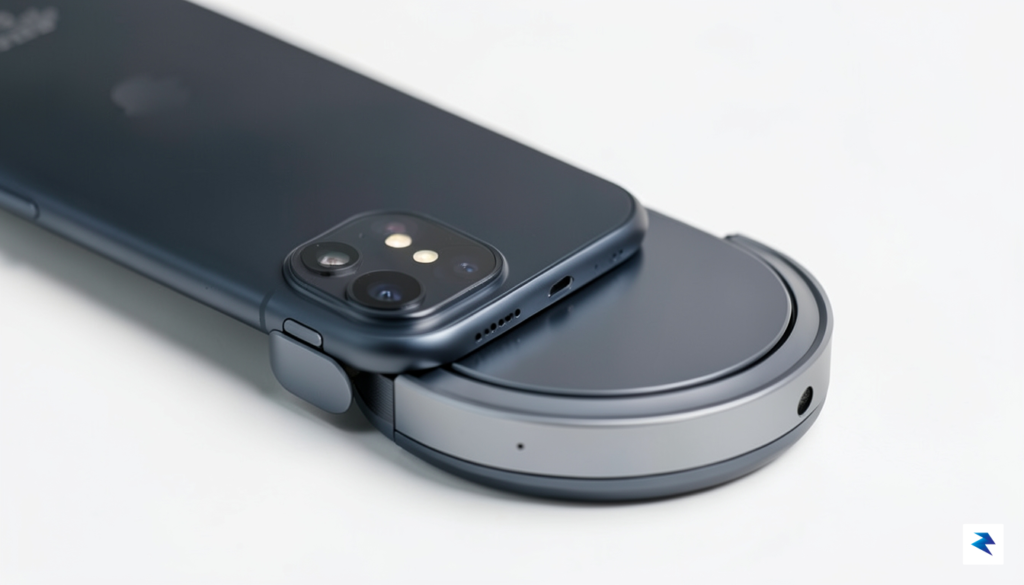
Wireless charging has long been viewed as a convenient, albeit sluggish, alternative to traditional wired methods, often marred by inefficient heat dissipation and the frustration of “misalignment syndrome.” The introduction of the Qi2 standard changes the narrative entirely by incorporating a magnetic power profile that ensures perfect coil alignment every single time you place your device on a charger. By integrating this technology into the Motorola Edge 70 Max, Motorola has effectively bridged the gap between the chaotic world of standard wireless pads and the precision-engineered ecosystem of magnetic accessories. This isn’t just a minor incremental update; it is a fundamental shift in how we interact with our devices, allowing for a secure, “snap-and-go” experience that eliminates the guesswork previously associated with wireless power.
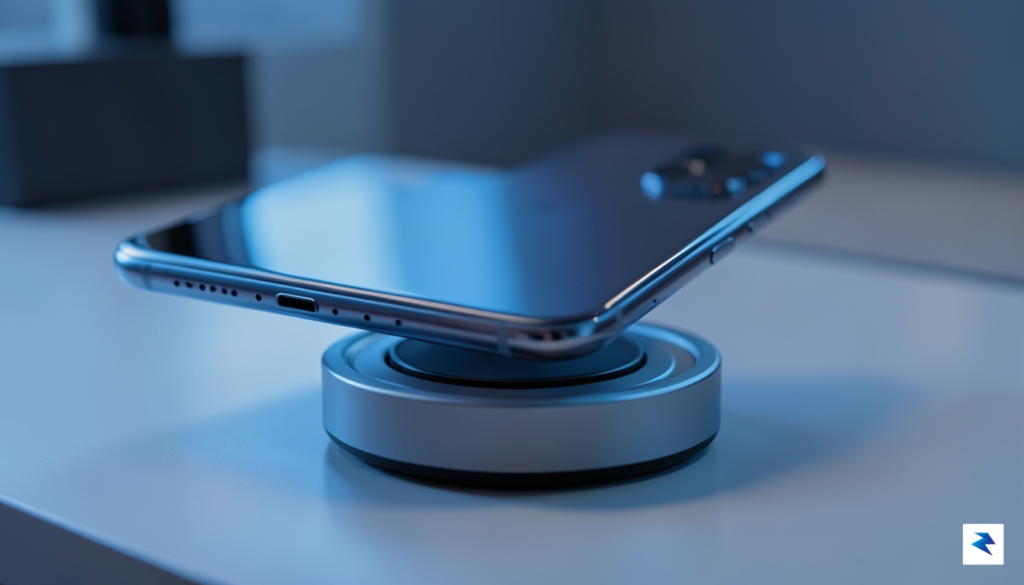
The true star of this integration is the leap to 25W wireless charging speeds, which sets the Edge 70 Max apart from the vast majority of its Android competitors. While many flagship devices remain tethered to slower, 10W or 15W wireless charging limits, Motorola’s commitment to 25W means you can significantly top up your battery during a short lunch break or while working at your desk without ever needing to plug in a cable. This speed, combined with the magnetic efficiency of Qi2, ensures that energy loss through heat is minimized, preserving your battery’s long-term health while delivering power at a pace that actually feels useful for the modern, fast-paced lifestyle.
The move to 25W Qi2 charging marks a pivotal moment for Android flagships, proving that convenience and high-speed power are no longer mutually exclusive.
What makes this implementation particularly impressive is Motorola’s forward-thinking approach to the accessory ecosystem. By embracing the Qi2 standard, the Edge 70 Max is compatible with a growing array of magnetic car mounts, slim power banks, and desk stands that were once largely exclusive to the Apple ecosystem. This shift allows users to enjoy a clutter-free environment where their phone is always charging, always aligned, and always ready for the next task. By leading the charge in adopting this universal magnetic standard, Motorola is not just upgrading a feature; they are setting a new benchmark for what users should expect from their daily driver, proving that the future of charging is not just about raw wattage, but about the seamless intersection of speed, stability, and intelligent design.
Power is nothing without the endurance to back it up, and the Motorola Edge 70 Max addresses this fundamental need by pairing its high-performance processor with a high-density 5,500mAh battery. In real-world testing, even under the duress of heavy multitasking, 4K video recording, and high-refresh-rate gaming, the device manages to push well into the evening hours with room to spare. This longevity is largely thanks to the intelligent power management software that learns your usage patterns, prioritizing background resources for apps you use most while aggressively throttling those that tend to drain power while idle. For the power user, this means a consistent experience that doesn’t require a midday tether to a wall outlet, effectively bridging the gap between raw performance and daily reliability.
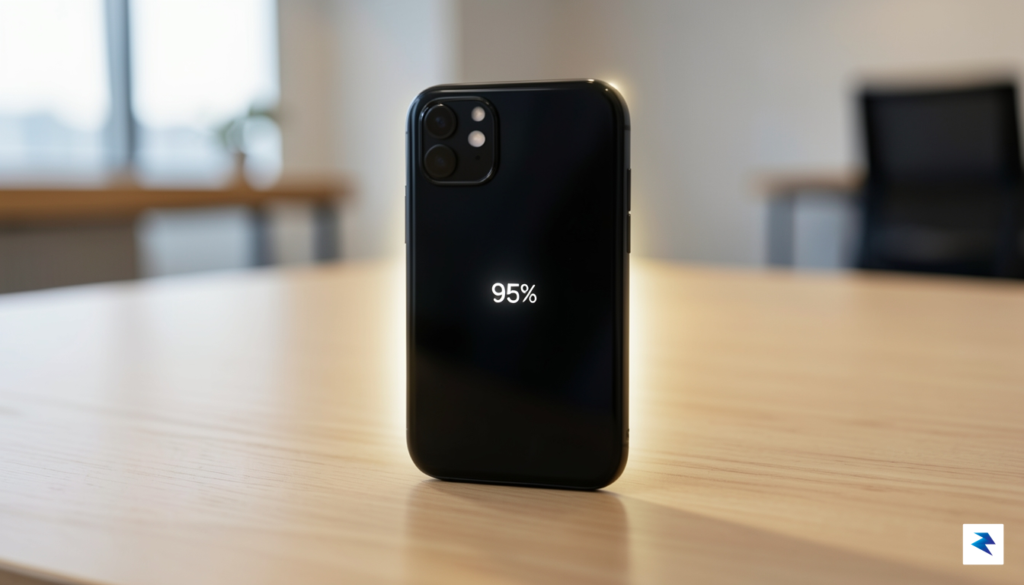
When it finally comes time to top up, the Edge 70 Max offers a highly versatile charging ecosystem that caters to both speed and convenience. The device supports 125W wired TurboPower charging, which is nothing short of transformative; you can achieve a zero-to-full charge in roughly 25 minutes, making even a five-minute plug-in enough to grant you several hours of additional use. However, the real story lies in the integration of the Qi2 wireless charging standard. By embracing this magnetic alignment technology, Motorola has ensured that wireless charging is not only more efficient but also significantly faster than traditional Qi solutions. Users can expect a stable 50W wireless charge that rivals the speed of many competitors’ wired solutions, provided you are using a compatible stand.
The marriage of 125W wired speeds and the 50W Qi2 wireless standard represents the most balanced charging ecosystem Motorola has ever deployed, ensuring that convenience never comes at the cost of speed.
To ensure this rapid charging doesn’t compromise the longevity of the lithium-ion cell over the years, Motorola has integrated a sophisticated health management suite. Within the settings menu, you can toggle “Optimized Charging,” which learns your typical overnight wake-up time to finish the final 20% of your charge just minutes before you unplug, effectively reducing the time the battery spends in a high-stress state. Furthermore, the phone includes a thermal management system that throttles charging input if it detects excessive heat, preventing the chemical degradation that occurs during high-wattage transfers in warm environments. These safeguards, combined with the robust physical hardware, suggest that the Edge 70 Max is built to maintain its peak capacity far longer than the average flagship, providing peace of mind for those who plan to hold onto their device for three or more years.
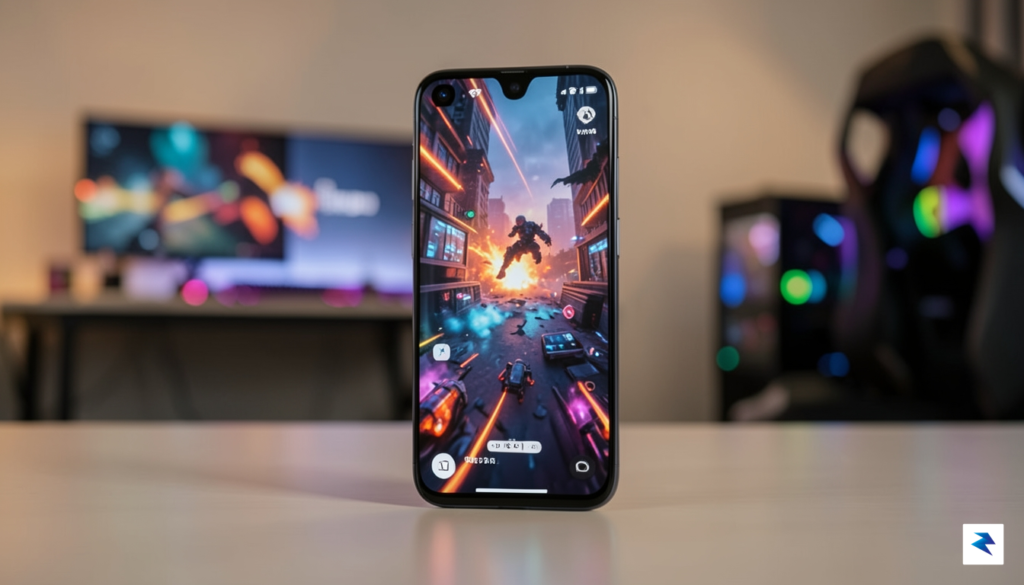
The Motorola Edge 70 Max is engineered as a true powerhouse, and that performance starts the moment you lay eyes on its stunning visual interface. The device features an expansive, ultra-vibrant pOLED display that serves as the perfect canvas for its internal processing capabilities, ensuring that high-frame-rate gaming and cinematic media look exactly as the creators intended. With a variable refresh rate that fluidly scales up to 165Hz, motion is rendered with remarkable smoothness, virtually eliminating stutter during intense action sequences or rapid menu navigation. Furthermore, the peak brightness reaches impressive levels, allowing the screen to cut through harsh, direct sunlight without sacrificing color depth or contrast, making it a reliable companion for both indoor productivity and outdoor exploration.
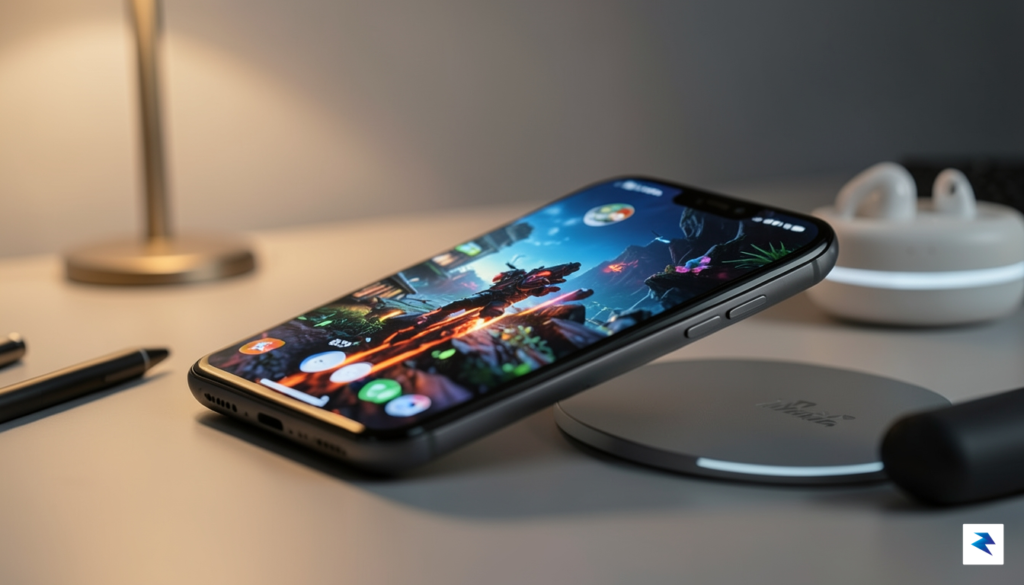
Complementing this visual fidelity is a chassis design that prioritizes both aesthetic elegance and tactical comfort. Motorola has opted for a sophisticated blend of aerospace-grade aluminum and curved, reinforced glass, creating a silhouette that feels surprisingly slim despite the massive hardware tucked inside. The edges are subtly tapered to fit naturally into the palm of your hand, a critical detail for users who engage in extended gaming sessions or marathon content creation. This ergonomic consideration ensures that the weight of the device is perfectly balanced, preventing hand fatigue even when held horizontally for long periods. You can feel the intention behind the build; it is dense enough to feel premium and durable, yet refined enough to be used comfortably as a daily driver.
Durability is often an afterthought in high-performance devices, but the Edge 70 Max treats it as a cornerstone of the user experience. The chassis is rated for significant water and dust resistance, providing peace of mind whether you are taking the phone on a rugged hike or simply using it in a busy urban environment. Because the internal components are pushing the limits of what a mobile processor can achieve, the chassis also acts as an efficient heat dissipation system, pulling warmth away from the core to maintain peak performance during heavy multitasking. By marrying high-end screen technology with a deliberate, high-traction physical build, Motorola has ensured that the Edge 70 Max is not just a device that runs fast, but one that feels like a professional-grade instrument in your hands.
The marriage of a 165Hz display and an ergonomically refined chassis means that the Edge 70 Max doesn’t just offer power—it offers the sustained, comfortable control required to actually use that power to its fullest potential.

Determining whether the Motorola Edge 70 Max belongs in your pocket requires a careful look at how you use your device on a daily basis. If your mobile lifestyle is defined by heavy multitasking, demanding gaming sessions, and a reliance on a high-performance battery that refuses to quit, this handset makes a compelling case for an immediate upgrade. By leaning heavily into the latest wireless charging standards and raw processing overhead, Motorola has crafted a device that feels less like a conventional smartphone and more like a mobile workstation. However, those who prioritize minimalist aesthetics or are currently satisfied with the camera capabilities of a device from the last two years may find that the incremental gains in processing speed don’t necessarily justify the jump.
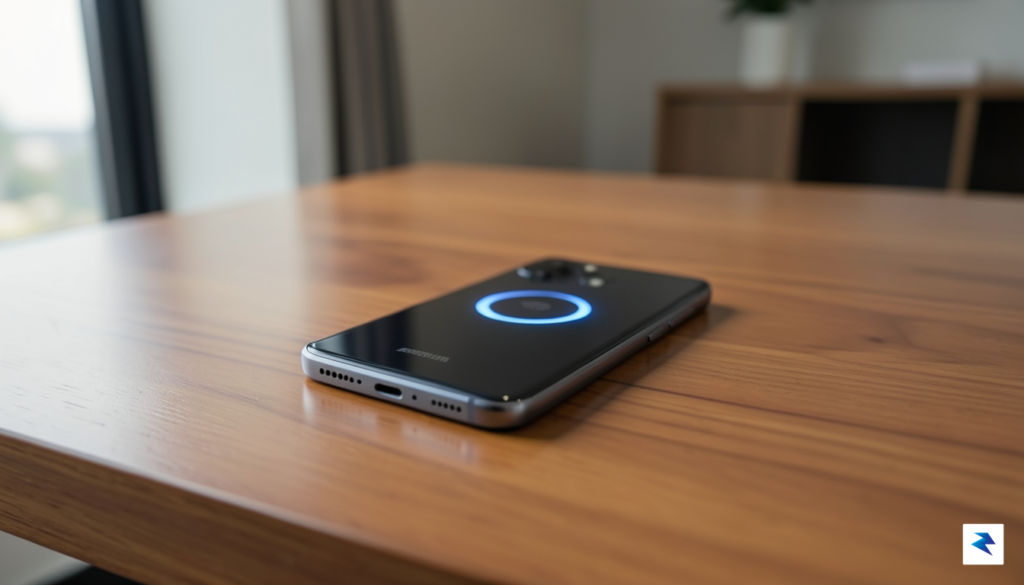
To help weigh the decision, consider the following breakdown of the device’s core value proposition:
Ultimately, the Edge 70 Max is an engineering statement that prioritizes substance over vanity, catering to users who demand reliability above all else.
If you are currently tethered to a device that struggles to make it through a full afternoon of moderate use, the move to this hardware will feel like a massive leap forward in day-to-day convenience. On the other hand, if you are a casual user who primarily uses a phone for messaging and light media consumption, the sophisticated power management features might be overkill for your specific requirements. Motorola is clearly positioning this device to challenge the established premium players by offering a distinct, power-user-focused alternative. Their trajectory in the current market suggests a renewed confidence, moving away from mid-range compromises to focus on the high-performance niche that has been underserved for too long. If you value utility, charging convenience, and consistent thermal stability, the Edge 70 Max is likely the most sensible investment you can make this year.
You must be logged in to post a comment.