
Is Anthropic Going Public? What a Potential IPO Means for the Future of AI
The Strategic Pivot: Anthropic’s Path to Public Markets The transformation of Anthropic from a mission-driven research laboratory into a titan…
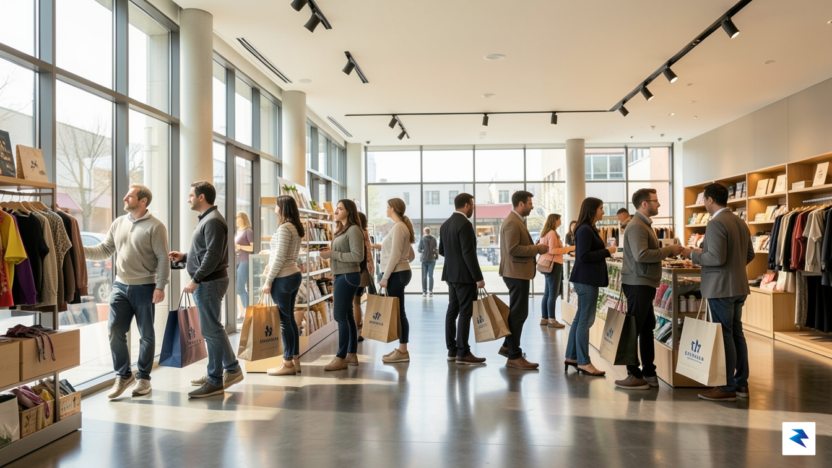

For months, analysts and economists have been bracing for a cooling effect in the retail sector, anticipating that the weight of sustained inflation would eventually force households to slam on the brakes. Yet, the data tells a remarkably different story: American consumers are not just maintaining their spending habits—they are actively choosing to participate in the economy with a level of vigor that defies traditional financial logic. Rather than retreating into an era of austerity, households are exhibiting a persistent financial stamina, continuing to prioritize both essential goods and discretionary lifestyle purchases. This unexpected endurance suggests that the narrative of an imminent consumer pullback was perhaps too pessimistic, failing to account for the complex ways in which modern households navigate shifting economic tides.
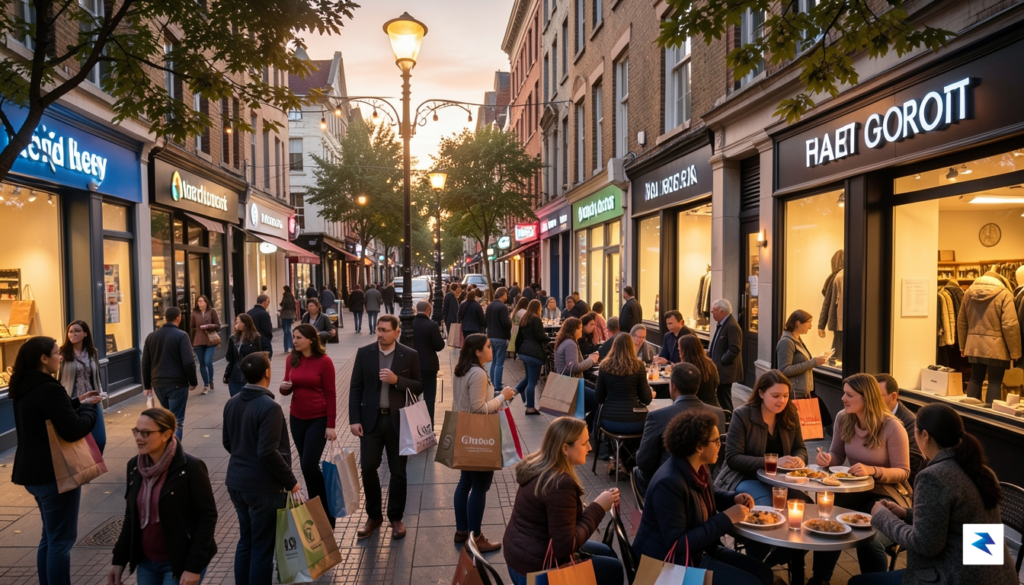
At the heart of this phenomenon is a notable psychological shift in how Americans value their money. Having emerged from the disruptions of the last few years, many consumers are placing a higher premium on experiences, travel, and personal well-being over the traditional accumulation of durable goods. This “lifestyle maintenance” mindset means that even when prices rise, consumers are finding creative ways to adjust their budgets—switching to private-label brands or trimming smaller expenses—so they can continue to fund the activities that define their personal quality of life. The desire to maintain a sense of normalcy and enjoyment has proven to be a powerful motivator, effectively cushioning the retail sector against the harshest impacts of a high-interest-rate environment.
The strength of the modern consumer isn’t just about spare cash; it is about a profound psychological commitment to maintaining a standard of living that feels earned and non-negotiable.
The primary engine driving this sustained momentum is undoubtedly the robustness of the labor market. Despite widespread concerns regarding a potential downturn, hiring has remained steady and wage growth has managed to keep pace, or in some sectors even exceed, the rate of inflation. Because workers feel relatively secure in their employment prospects and are seeing higher numbers on their paychecks, they possess the confidence to keep spending. When the threat of job loss remains low, the “fear factor” that typically triggers a sudden drop in retail activity simply fails to materialize. As long as this labor market strength remains the bedrock of the economy, it is highly probable that consumer spending will continue to surprise observers, acting as a buffer that keeps the broader economy moving forward despite persistent headwinds.

The modern consumer landscape in America has undergone a significant transformation that defies traditional economic caution. While headlines frequently focus on the rising cost of living and the inflationary pressures hitting grocery aisles and utility bills, a deeper look at the data reveals that household spending has evolved far beyond basic survival. Americans are increasingly directing their disposable income toward lifestyle-oriented consumption, signaling a fundamental shift in how they prioritize their financial resources. Rather than retreating into a defensive crouch to mitigate rising prices, many households are leaning into discretionary categories that reflect a desire for quality of life, personal experiences, and long-awaited indulgences.
This trend is characterized by a distinct departure from the “staple-only” mindset that often accompanies periods of economic uncertainty. In previous cycles, consumers might have cut back on non-essentials at the first sign of price hikes; today, however, the spending surge is driven by a resilient psychological commitment to enjoyment. This behavior is heavily influenced by the lingering effects of pent-up demand and the phenomenon often described as “revenge spending.” Having endured periods of restriction and isolation, many individuals are now prioritizing the immediate satisfaction of travel, dining out, and entertainment over long-term savings or the accumulation of physical goods. The focus has moved from “having” to “experiencing,” as households trade the purchase of tangible home items for the memories fostered by a weekend getaway or a premium concert ticket.
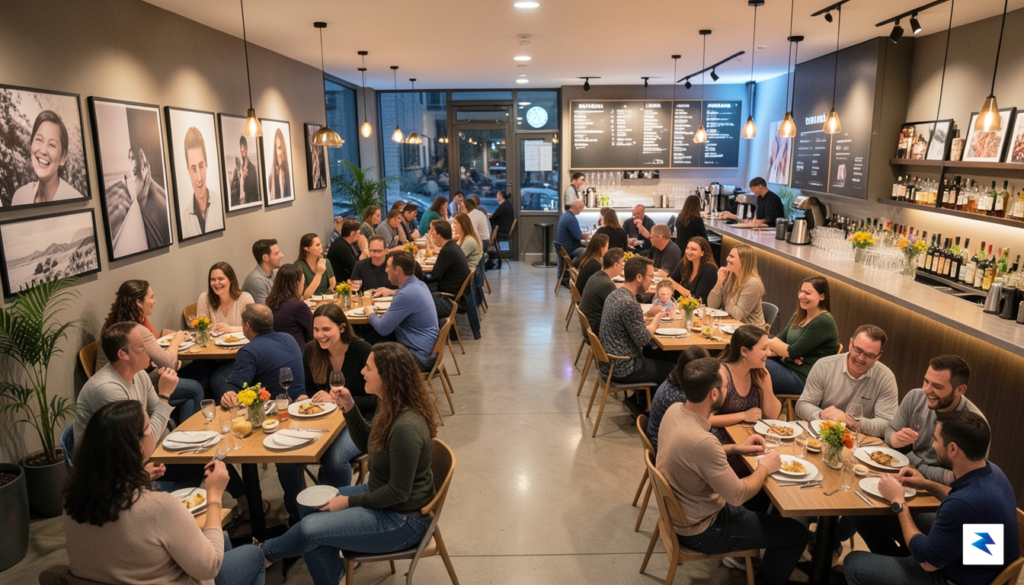
The divergence between goods and services is perhaps the most telling indicator of this behavioral shift. While demand for physical goods—like electronics and home furnishings—has cooled following the pandemic-era boom, the service sector is currently experiencing a robust, sustained expansion. Spending on airfare, hotel accommodations, and high-end dining experiences has consistently outpaced the growth seen in retail outlets. This trend suggests that consumers are not merely maintaining their standard of living; they are actively investing in their social and cultural participation. Even as interest rates and debt service costs climb, the commitment to these service-oriented goals remains surprisingly sticky, suggesting that the average American household views these discretionary activities as essential components of their mental and social well-being.
The current economic climate proves that consumer sentiment is driven as much by the desire for normalcy and connection as it is by the cold, hard numbers of inflation and interest rates.
Ultimately, this shift in habits suggests that the perceived value of an “essential” has been redefined. For many, an essential is no longer just food, shelter, and clothing; it now encompasses the digital subscriptions, wellness services, and social experiences that define a modern lifestyle. As long as the labor market remains relatively tight and household confidence remains stable, we are likely to see this preference for discretionary spending persist. It is a powerful testament to the American consumer’s ability to balance fiscal reality with the persistent human desire for growth, novelty, and connection.
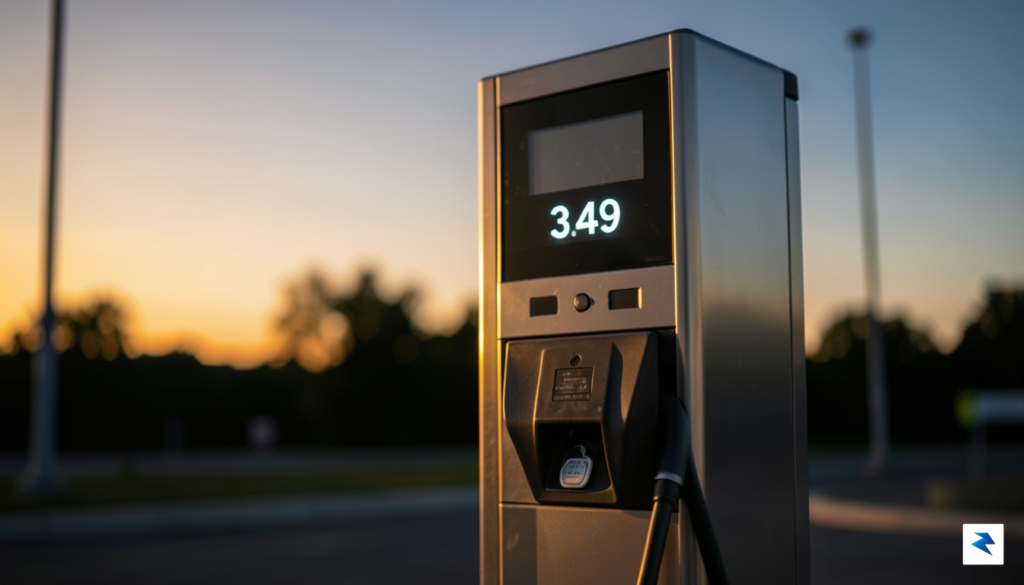
For the average American household, the price of gasoline functions as a highly visible, daily “tax” that directly dictates the rhythm of discretionary spending. When fuel costs moderate, consumers often feel a subtle, collective exhale; that extra cash flow, no longer siphoned off at the pump, has been a quiet engine behind the recent surge in retail activity. This additional liquidity acts as a psychological buffer, allowing shoppers to shift their budget from transportation overhead toward dining, entertainment, and non-essential goods. However, as prices at the pump begin to creep upward once more, that newfound sense of financial freedom faces a significant challenge, raising concerns about whether this momentum can be sustained.
The correlation between gasoline prices and consumer sentiment is profound, rooted in the fact that fuel is one of the few commodities where price volatility is broadcast on massive, unavoidable signs at every street corner. This constant exposure creates a psychological threshold that, once breached, can rapidly dampen consumer confidence. When households see prices climbing, they often preemptively tighten their belts, fearing that higher energy costs will soon manifest in broader inflationary pressures across the grocery store and service sectors. Consequently, the mere anticipation of higher energy bills can be just as impactful on consumer behavior as the actual cost itself, leading to a defensive posture even before bank accounts are severely strained.
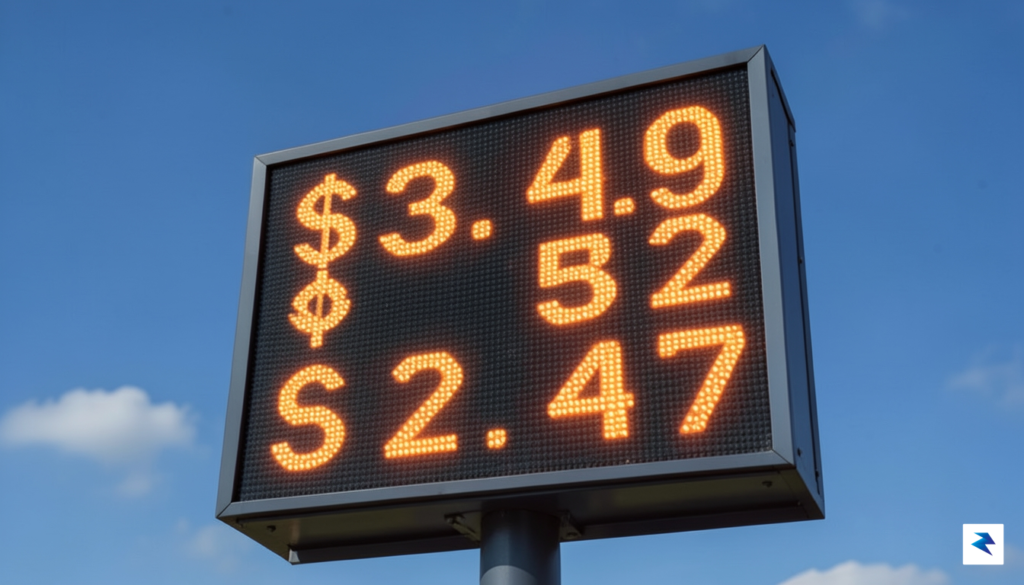
It is important to recognize that the impact of this volatility is far from uniform across the economic spectrum. Lower-to-middle-income families feel the sting of rising energy costs most acutely, as gasoline represents a disproportionately larger share of their fixed monthly expenditures. For these households, there is little flexibility to absorb a sudden spike in fuel prices without cutting back on essential retail purchases or delaying discretionary spending entirely. Conversely, higher-income cohorts may view rising gas prices as a minor inconvenience, yet even among more affluent demographics, persistent volatility can dampen the “wealth effect” that encourages luxury spending. When the cost of commuting becomes a dominant narrative in the national conversation, it creates a drag on the broader retail economy that transcends specific income brackets.
The fluctuation of energy costs acts as a silent regulator of the retail economy; when the pump demands more, the cash registers eventually demand less.
Ultimately, the current spending wave has been buoyed by a period of relative relief, but the market remains incredibly sensitive to any upward trend in energy prices. If the current creep in gas prices accelerates, we may see a pivot back toward value-based shopping or a reduction in the frequency of non-essential trips to brick-and-mortar stores. Retailers are watching these indicators closely, knowing that the discretionary income driving current growth is highly susceptible to the friction created by energy volatility. As we move forward, the stability of the American consumer will depend heavily on whether the energy sector can provide the consistent pricing necessary to keep the household budget focused on growth rather than survival.
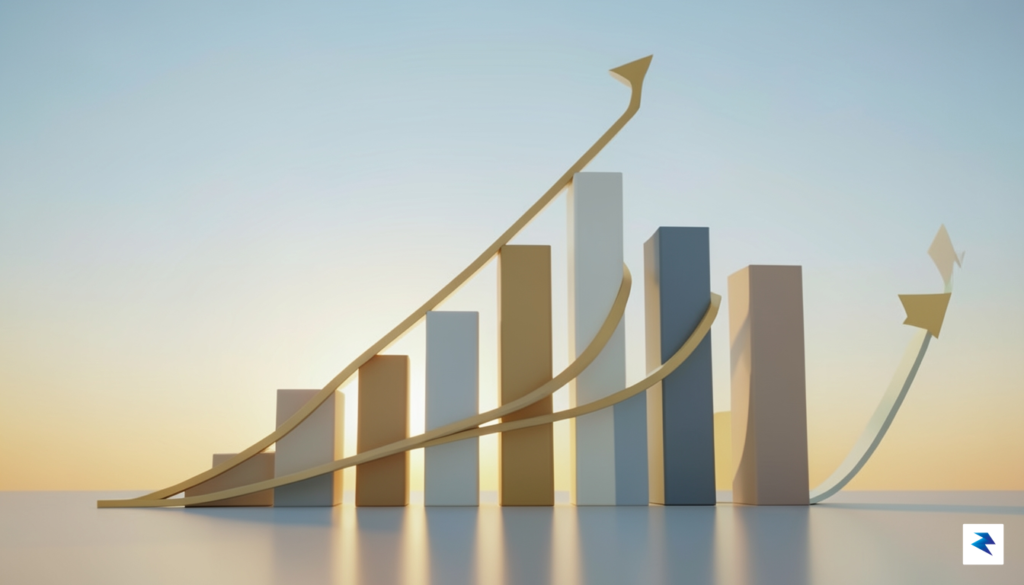
When retail sales figures consistently defy conservative forecasts, they serve as a powerful signal that the American economy possesses a resilience that continues to baffle market analysts. This unexpected strength, particularly in discretionary categories like travel, electronics, and dining out, forces a fundamental recalibration of the “soft landing” narrative. While policymakers have spent months attempting to engineer a controlled cooling of the economy to curb inflation, the consumer remains a stubborn engine of growth. This divergence between tightening monetary policy and actual household behavior suggests that the transmission mechanism of higher interest rates may be working more slowly—or less effectively—than traditional economic models previously predicted.
The tension inherent in this robust spending is palpable for the Federal Reserve. On one hand, healthy consumer activity is the bedrock of a stable economy, preventing the recessionary spiral that many feared would follow aggressive rate hikes. On the other hand, sustained demand acts as a persistent tailwind for inflation, potentially complicating the central bank’s mission to return price levels to their two-percent target. If households continue to spend with abandon, the Fed may find itself in the uncomfortable position of having to maintain elevated interest rates for longer than anticipated, effectively keeping the cost of capital high to offset the enthusiasm of the American shopper.
The current consumer landscape is defined by a paradox: households are signaling confidence through their wallets, yet this very confidence risks prolonging the era of expensive borrowing and persistent inflationary pressure.
Looking toward the remainder of the year, the critical question remains whether this pace of consumption is truly sustainable or merely the final act of a spending spree fueled by pandemic-era savings. Analysts are increasingly divided on this point; some argue that credit card delinquency rates and the exhaustion of excess liquidity will inevitably force a pullback in the coming months. Others maintain that a resilient labor market, characterized by low unemployment and consistent wage growth, provides a durable foundation for spending that could carry well into the next year. This uncertainty leaves policymakers in a data-dependent holding pattern, watching every retail report for signs that the consumer is finally beginning to tap the brakes.
Ultimately, the latest data suggests that we are witnessing a structural shift in how Americans prioritize their expenditures. Even as the cost of borrowing rises, the psychological shift toward “experience-based” spending appears to be cushioning the blow of broader macroeconomic headwinds. Whether this trend represents a permanent new normal or a temporary defiance of gravity will largely dictate the next chapter of monetary policy. For now, the resilience of the retail sector remains the primary variable in the macroeconomic equation, keeping the prospect of a cooling economy just out of reach for those waiting for a definitive slowdown.
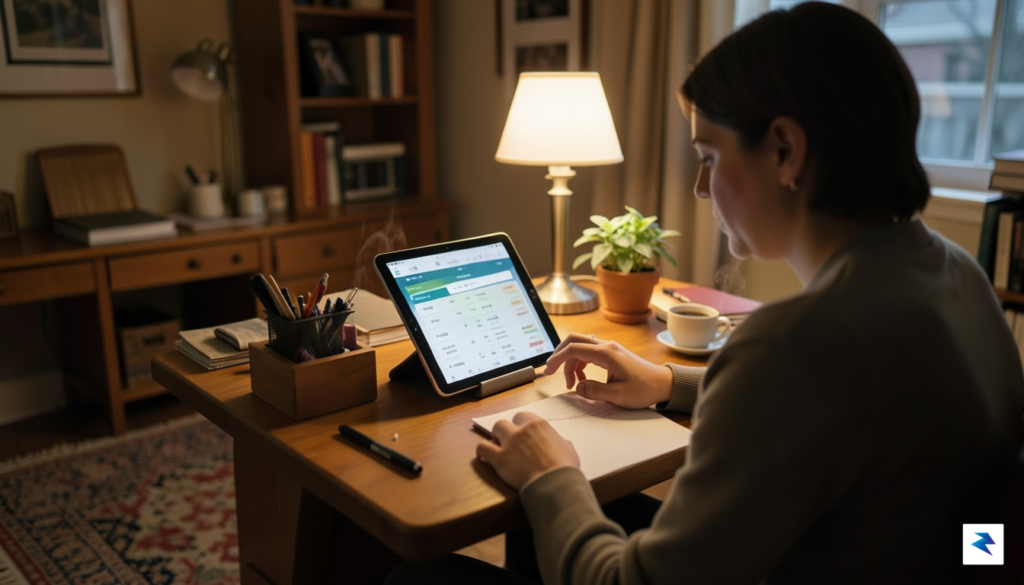
In an era where consumer sentiment often feels at odds with macroeconomic headlines, finding a sustainable equilibrium between enjoying the present and securing your financial future has never been more critical. While the current trend shows that many households are continuing to prioritize discretionary spending, it is essential to recognize that individual financial health relies on intentionality rather than reactive impulses. The key is to view your personal finances as a living ecosystem: one that requires both the immediate nourishment of quality-of-life spending and the long-term protection of a robust savings buffer.
To navigate this dynamic landscape, start by conducting a granular audit of your monthly cash flow. As the cost of goods fluctuates, the “set it and forget it” approach to budgeting often leads to subtle, unconscious lifestyle creep that can erode your savings capacity over time. By tracking where your discretionary income is actually going—whether it is toward experiential travel, dining out, or recurring subscription services—you can identify which expenditures truly provide lasting value and which are merely symptoms of convenience. When you understand your spending habits with precision, you gain the agency to pivot when the economy shifts, ensuring that your financial stability is proactive rather than defensive.
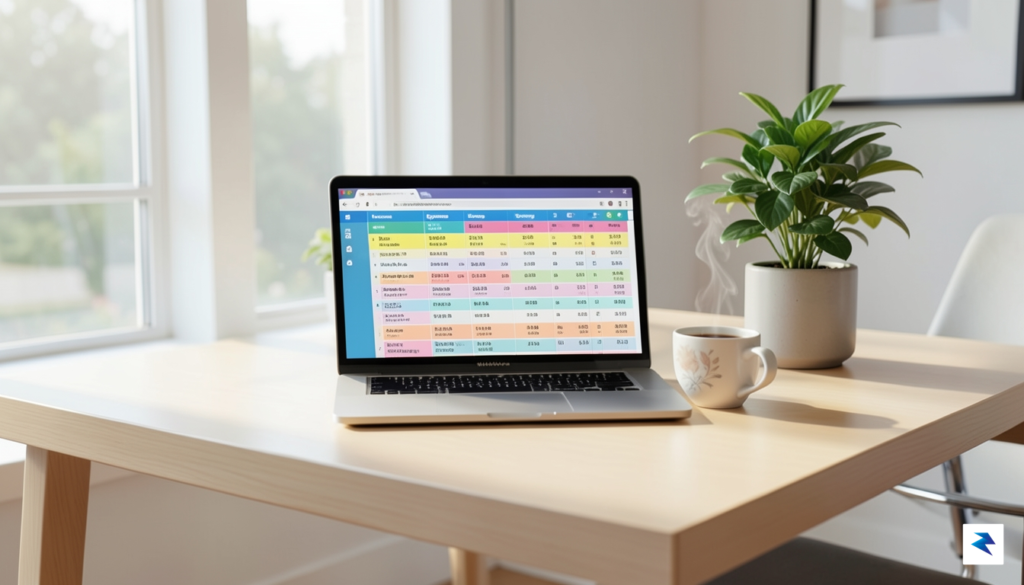
True financial resilience is not found in total austerity, but in the strategic alignment of your spending with your core personal goals.
Managing discretionary spending during periods of economic volatility does not mean you must eliminate all joy from your budget; rather, it suggests a shift toward high-impact consumption. Consider implementing a “wait-and-see” rule for non-essential purchases, which helps differentiate between impulse desires and items that will significantly enhance your lifestyle. Furthermore, during times of uncertainty, it is wise to prioritize the “three pillars of stability”:
Ultimately, the economic cycle is a pendulum that inevitably swings between periods of expansion and contraction. By recognizing that we are currently operating in a unique landscape where consumer spending remains surprisingly resilient, you can take control of your own narrative. Rather than feeling pressured to keep pace with broader trends, focus on building a sustainable financial architecture that allows you to weather volatility without sacrificing the things that matter most. When you balance today’s enjoyment with tomorrow’s security, you move from being a passive participant in the economy to the architect of your own lasting prosperity.
You must be logged in to post a comment.