
World Cup Betting: Why Prediction Markets Are Hitting Record Highs
The Rise of Prediction Markets in Sports Betting The landscape of sports wagering is undergoing a seismic shift, moving away from the rigid,…
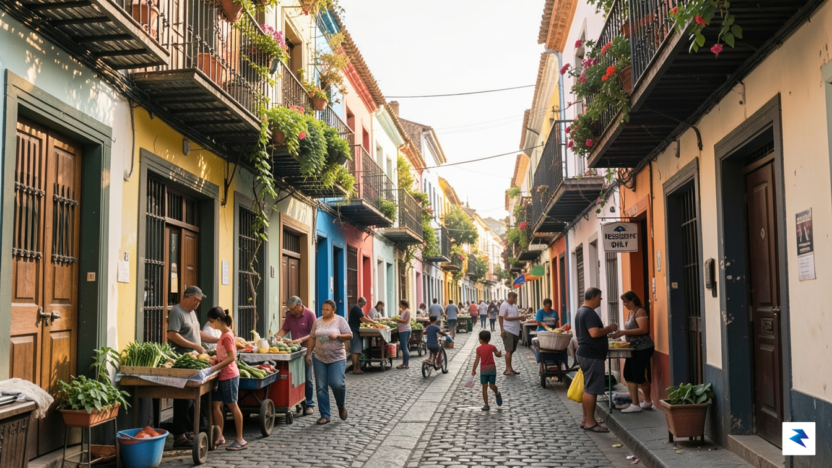
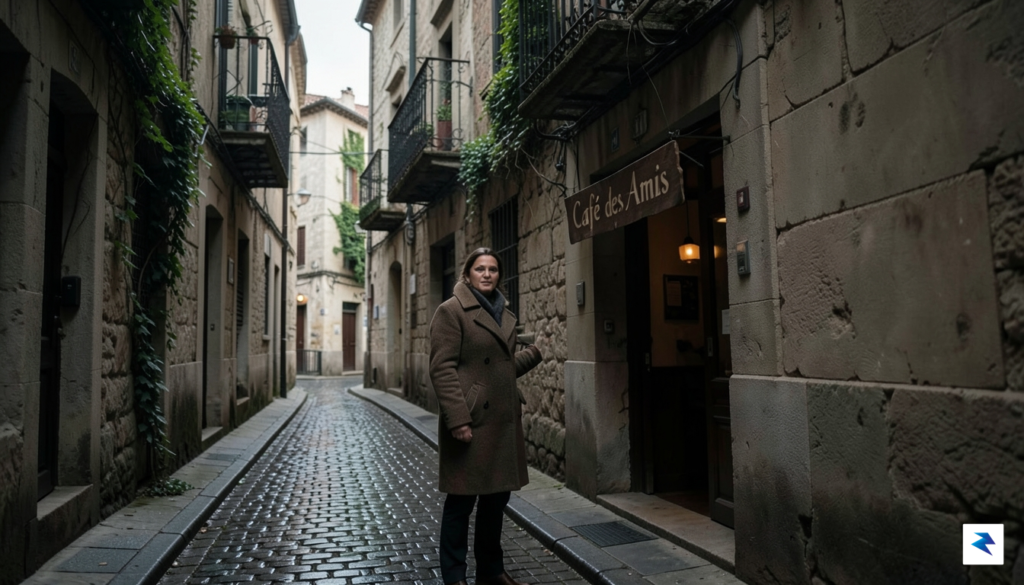
In the digital age, travel has shifted from a process of discovery to a performance of curation. As Instagram and TikTok transform obscure corners of the globe into viral sensations overnight, a reactive phenomenon has emerged: the rise of the local gatekeeper. No longer content to act as passive hosts to an endless stream of visitors, residents in major global hubs are actively shielding their favorite neighborhoods, hole-in-the-wall cafes, and quiet parks from the scrutiny of the internet. This isn’t merely a trend of exclusivity; it is a defensive strategy designed to preserve the authentic character and livability of communities that feel increasingly under siege by the machinery of mass tourism.
The psychological pivot from welcoming the “curious traveler” to protecting community resources is rooted in a desire for territorial preservation. For decades, the travel industry encouraged locals to share their “secret spots” to boost economic growth, but the unintended consequence has been the rapid commodification of daily life. When a quiet local bakery is suddenly flooded with thousands of tourists seeking a specific photo opportunity, the quality of service declines, prices inflate, and the social fabric of the neighborhood begins to fray. Consequently, residents have begun to view geotagging not as a gesture of hospitality, but as an act of erosion that threatens the very environments they rely on for rest and connection.
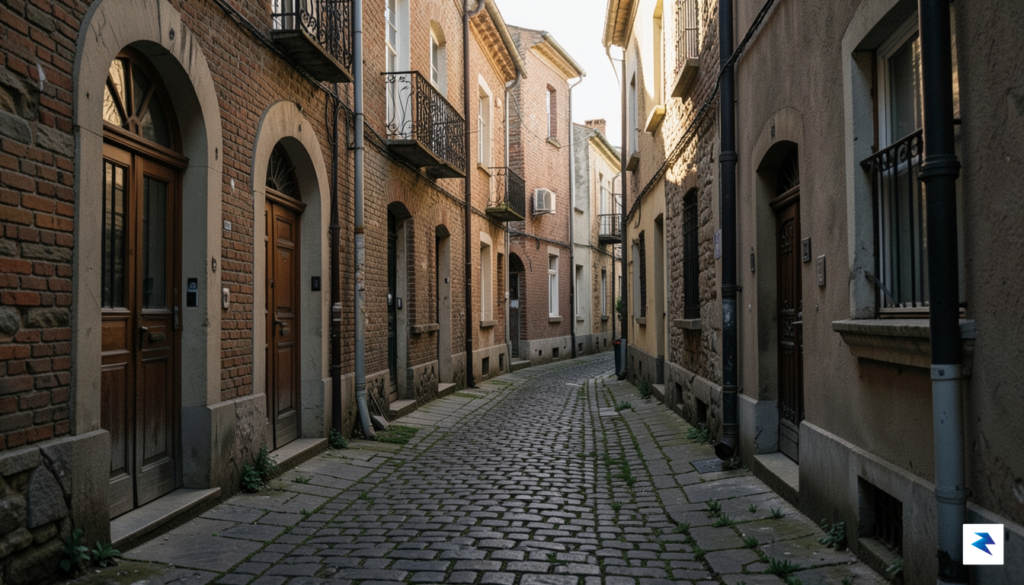
This sentiment is increasingly palpable in cities like Mexico City and Copenhagen, where the tension between global travel culture and local privacy has reached a boiling point. In Mexico City, particularly in neighborhoods like Roma and Condesa, residents have become intentionally vague when discussing their favorite haunts, often refusing to share location tags on social media to prevent the “over-tourism” effect from dismantling their local ecosystem. Similarly, in Copenhagen, there is a growing pushback against the “Instagrammability” of public spaces, with locals opting to keep their favorite harborside spots and hidden gardens off the digital map. These aren’t just aesthetic choices; they are deliberate acts of reclamation designed to ensure that these spaces remain functional for the people who live there, rather than becoming curated sets for external consumption.
The act of gatekeeping is not about being unfriendly; it is a desperate attempt to maintain the sanctity of ‘home’ in a world that views every square inch of the planet as a potential backdrop for viral content.
Ultimately, this tension highlights a fundamental conflict between the global travel economy and the right to community privacy. The modern tourist often views the world as an open-access commodity, whereas the local resident views their city as a finite, fragile resource. As the digital footprint of travel continues to expand, the gatekeeper becomes a necessary guardian of local culture. By withholding information, residents are attempting to slow the pace of gentrification and cultural dilution, ensuring that their cities remain lived-in realities rather than hollowed-out tourist destinations designed solely for the passing gaze.
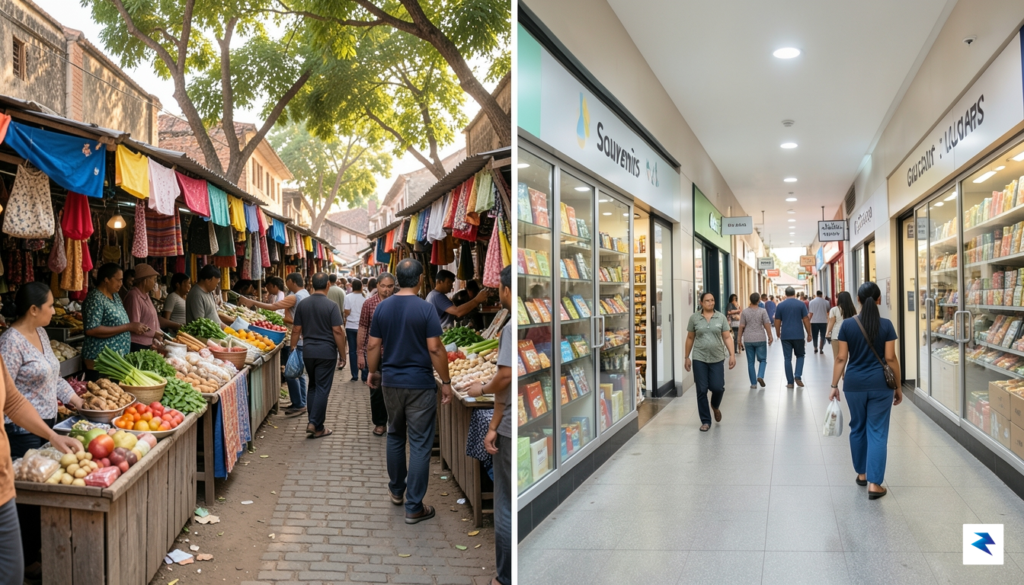
The transformation of a beloved neighborhood into a global viral sensation often acts as a catalyst for a phenomenon known as “Disneyfication,” where the messy, vibrant reality of a city is scrubbed clean to satisfy the curated expectations of the tourism industry. When a destination becomes optimized for visitor consumption rather than resident living, the organic character that drew people there in the first place begins to evaporate. Streets that once hummed with the specific, unscripted rhythms of daily life—the local butcher shouting greetings, the neighborhood children playing in the square, and the quiet ritual of a morning espresso—are replaced by a sterile, performative version of culture. This shift turns living, breathing cities like Milan or Lisbon into static dioramas where history is commodified and sold back to visitors in bite-sized, Instagrammable packages.
As this shift accelerates, the economic landscape inevitably follows suit, often to the detriment of those who have called these areas home for generations. Small, family-owned businesses, which serve as the anchors of community identity, are frequently forced out by escalating commercial rents and the influx of generic international chains catering exclusively to tourists. A local cobbler or a traditional bakery, struggling to survive in a neighborhood where the cost of living has skyrocketed, finds it impossible to compete with global brands that prioritize high-volume foot traffic over authentic service. Consequently, the unique fabric of the local economy frays, leaving behind a homogenized retail experience that feels identical to any other major airport terminal or shopping district in the world.
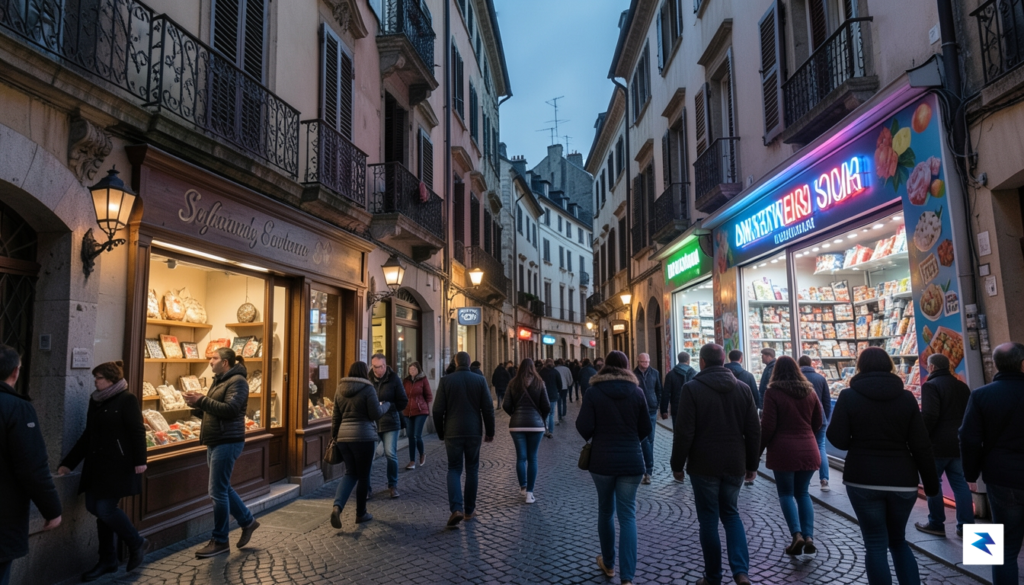
Beyond the economic displacement, there is a profound psychological toll on the community when a neighborhood ceases to feel like a home and starts to resemble a museum. Community cohesion relies on a sense of shared space and mutual recognition, yet when the streets are perpetually crowded with transient visitors, residents often feel like strangers in their own backyards. The daily routines that provide comfort and stability—getting groceries, walking the dog, or simply chatting with neighbors—become sources of frustration as locals navigate through throngs of people who treat their living room as a playground. This erosion of the “social contract” of a neighborhood leads to a sense of alienation, where the residents are no longer the primary stakeholders in their own environment.
The tragedy of over-tourism is that it consumes the very soul it seeks to admire, leaving behind a hollow shell that eventually loses its appeal even to the tourists who helped destroy it.
Ultimately, the gatekeeping efforts seen in popular cities are a desperate attempt to preserve the remaining threads of authenticity in a world that increasingly values convenience over character. When residents push back against the tide of mass tourism, they are not necessarily acting out of malice toward visitors; rather, they are defending the right to exist in a space that is not defined solely by its economic output or its aesthetic value to outsiders. Protecting these spaces is about ensuring that cities remain places where actual human lives unfold, rather than becoming mere backdrops for a fleeting digital memory.
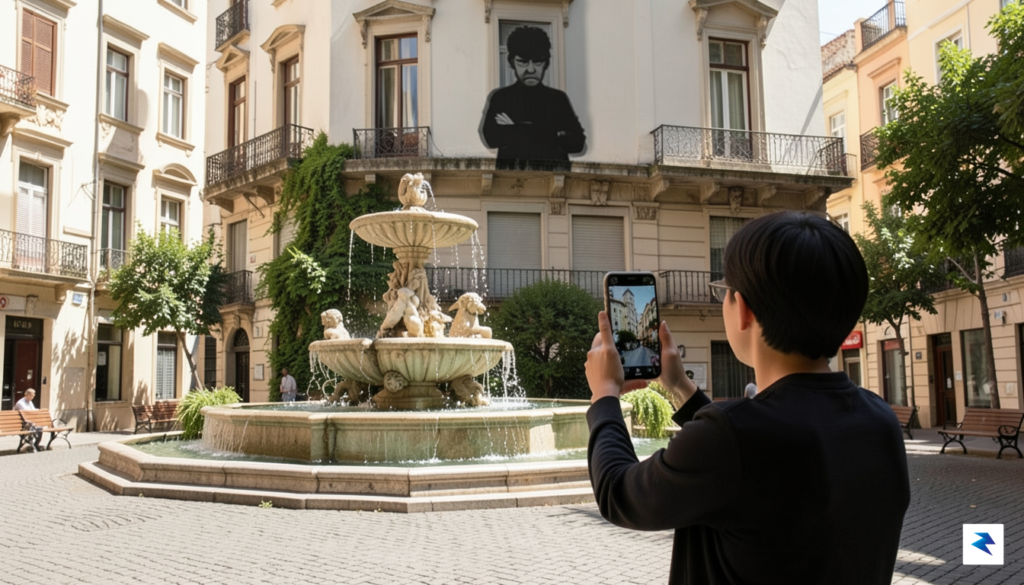
The lifecycle of a “viral” travel destination often follows a predictable, yet destructive, trajectory. It usually begins with a single, aesthetically curated video on TikTok or a polished carousel post on Instagram, showcasing an untouched corner of a city that feels authentic and undiscovered. Within days, the precise coordinates—often handed over through geotagging—transform a quiet neighborhood into a high-traffic site for digital pilgrims. This rapid transition from local sanctuary to global spectacle happens almost overnight, stripping away the nuanced character of a place that was never designed to accommodate thousands of daily visitors. Small, family-run businesses that once relied on the steady, predictable patronage of neighbors are suddenly overwhelmed by crowds, leading to long queues, inflated prices, and the erosion of the very charm that originally drew the content creators there in the first place.
The ethics of modern content creation have come under intense scrutiny as a result of this digital exposure. While influencers and casual travelers often view their posts as simple acts of sharing, locals frequently perceive these digital breadcrumbs as an invasion of their personal geography. When a person turns a local haunt into a “must-visit” bucket list item, they are effectively commodifying a community’s daily life. This behavior has forced a defensive shift in how residents treat their favorite spots. Gatekeeping has emerged not as an act of elitism, but as a form of digital defense—a collective strategy to maintain the sanctity of spaces where people live, work, and seek respite from the encroaching pressures of mass tourism.
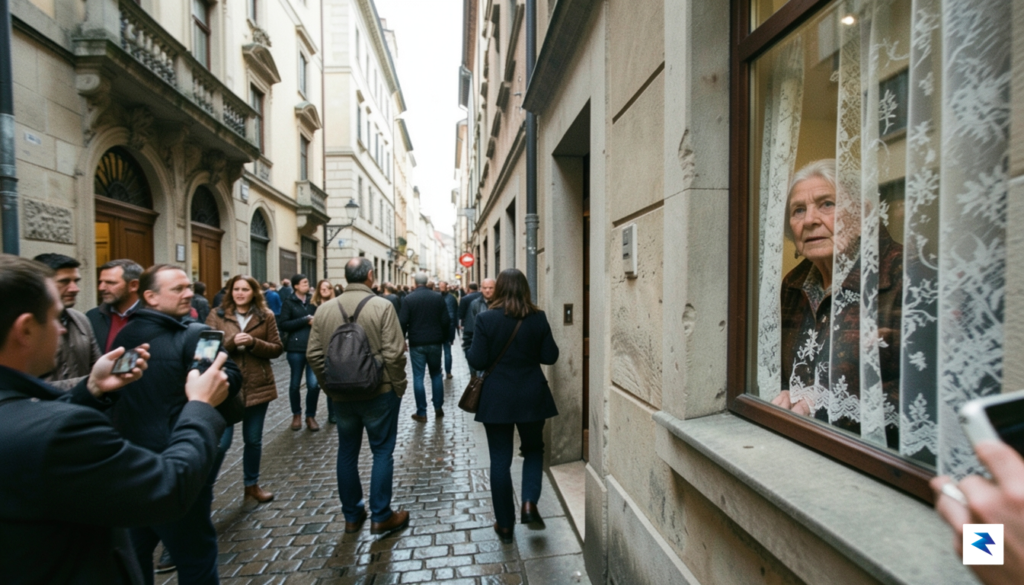
Gatekeeping is the quiet protest of a community trying to hold onto the soul of its neighborhood in an age where everything is for sale and everywhere is a backdrop.
For many residents, the decision to withhold information about a “hidden gem” is a deliberate choice to preserve the ecosystem of a neighborhood. When a place is geotagged, it loses its status as a sanctuary and becomes a node in a global network of consumption, often leading to the displacement of the very culture that made the spot worth visiting. By choosing not to share these locations online, locals are attempting to slow the tide of over-tourism, ensuring that these spaces remain functional for the people who actually call them home. This tension between the desire for digital recognition and the need for residential stability is defining the modern travel experience, forcing us to ask whether every beautiful corner of the world truly needs to be mapped, tagged, and consumed for the sake of an algorithm.
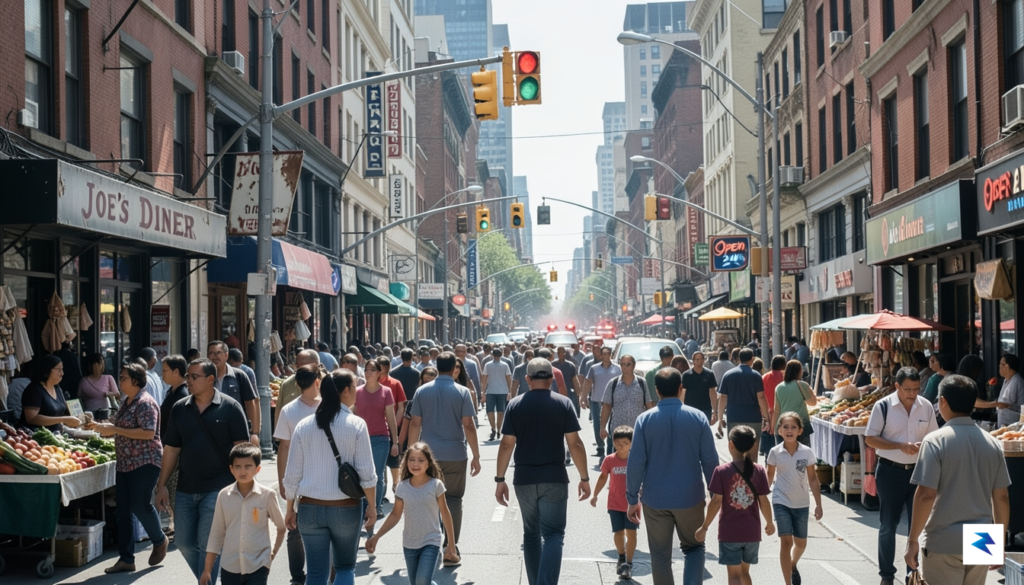
The resentment brewing in popular travel destinations is rarely just about crowded sidewalks or the inability to snag a table at a popular brunch spot. Instead, it is rooted in a fundamental shift in the economic fabric of local communities. When short-term rental platforms transform residential neighborhoods into makeshift hotel districts, the resulting housing shortage becomes a direct threat to long-term residents. As landlords prioritize the lucrative, high-turnover nature of transient visitors over stable, year-round tenants, rental prices skyrocket, effectively pricing out the very people who give a city its character and identity. This displacement is not merely an inconvenience; it is a profound erosion of community stability, forcing families and essential workers to move further away from their jobs and social support networks.
Beyond the housing crisis, the “tourist tax” phenomenon—the localized inflation that occurs when businesses pivot to serve transient visitors—places a severe strain on the wallets of those who actually live in these hubs. Grocery stores, cafes, and service providers often shift their pricing models to accommodate the “vacation budget,” leaving locals to grapple with the rising costs of basic necessities. When a city’s economy becomes hyper-focused on catering to the whims of visitors, the infrastructure designed for a permanent population begins to buckle under the constant, relentless pressure. Public transportation systems become overwhelmed, sanitation services struggle to manage the exponentially higher volume of waste, and public spaces often require more frequent, costly repairs that fall on the shoulders of the local tax base rather than the tourism industry itself.
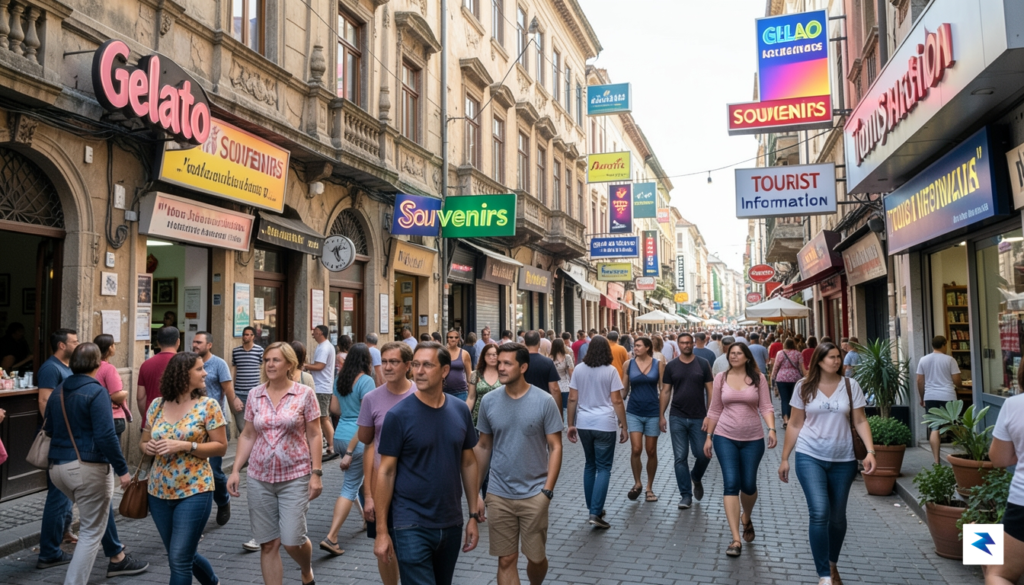
Consequently, many residents have begun to view tourism as an extractive industry rather than a beneficial economic engine. While city officials frequently point to gross revenue and job creation numbers, these metrics often fail to account for the hidden costs—the loss of neighborhood diversity, the degradation of quiet residential streets, and the sheer mental exhaustion of living in a place that feels increasingly like a theme park. For a resident, the trade-off is often clear: the city loses its soul, and the citizens lose their sanctuary. This realization is the primary driver behind the modern gatekeeping trend; it is a defensive mechanism, a way for locals to protect the dwindling fragments of their homes from being fully subsumed by a transient, profit-driven machine that offers them little in return but higher rent and shorter patience.
The true cost of over-tourism isn’t measured in ticket sales or hotel occupancy rates, but in the slow, systematic displacement of the people who make a city worth visiting in the first place.
Ultimately, when a city prioritizes the experience of the visitor over the wellbeing of the resident, it creates an unsustainable cycle of resentment. Until there is a more equitable balance—one that ensures infrastructure is robust enough to serve residents first and housing is protected from predatory commercialization—the trend of locals gatekeeping their favorite hidden gems will likely continue. It is an act of reclamation, a desperate attempt to keep a city alive, functional, and authentic in the face of relentless commercial pressure.

The solution to the friction between residents and travelers lies in a fundamental shift from extractive tourism to a model of reciprocal engagement. Instead of treating a destination like a static backdrop for a social media feed, we must learn to be guests who integrate into the existing fabric of a community. This starts with embracing “slow travel”—the intentional choice to linger in one location for a longer duration rather than rushing through a checklist of famous monuments. By staying in residential neighborhoods rather than hotel-heavy tourist corridors, you reduce the density of visitors in already strained city centers and allow your presence to contribute to the local economy in meaningful, distributed ways.
When you choose to visit during the off-season, you act as a steadying force for local businesses that typically struggle during the quieter months. This approach also allows you to experience the authentic rhythm of a place when it isn’t being performatively staged for the peak-season crowds. To truly support these economies without contributing to overcrowding, prioritize spending your money at independent, family-owned establishments. Avoid the globalized chains that repatriate profits elsewhere; instead, seek out local markets, neighborhood cafes, and artisan shops where your expenditure directly sustains the livelihoods of the people who actually call the city home.

Moving away from “checklist” tourism is perhaps the most significant behavioral change a traveler can make. When we stop viewing a city as a collection of trophy sites to be conquered, we open ourselves up to the nuance of daily life. This means accepting that you might not see the “top ten” sights, and that is perfectly okay. In fact, by skipping the most congested hotspots, you alleviate the pressure on local infrastructure and preserve the quality of life for residents. If you must visit a popular landmark, aim for the earliest possible morning hours or late evenings, and always prioritize quiet observation over disruptive photography.
True reciprocity means acknowledging that a community is a living, breathing ecosystem, not a theme park. Your goal as a visitor should be to leave the destination in a state that is equal to, or better than, how you found it.
Ultimately, the goal of responsible travel is to foster a relationship based on mutual respect rather than entitlement. When you arrive with humility, asking locals for recommendations rather than demanding access to their hidden gems, you change the dynamic entirely. If a specific area is visibly struggling with over-tourism, have the integrity to change your plans and explore a lesser-known region instead. By practicing this kind of conscious, considerate exploration, we can move past the need for gatekeeping and create a travel culture where both the visitor and the host community can thrive in harmony.
You must be logged in to post a comment.