
Why Anthropic and Physical Intelligence Rumors Are Shaping the Future of Robotics
The Shift Toward Embodied AI For years, artificial intelligence has primarily lived on our screens, manifesting as powerful algorithms that…
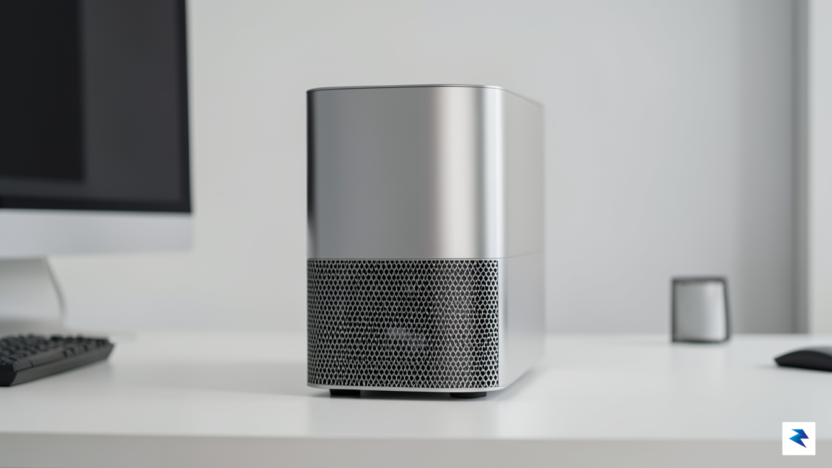
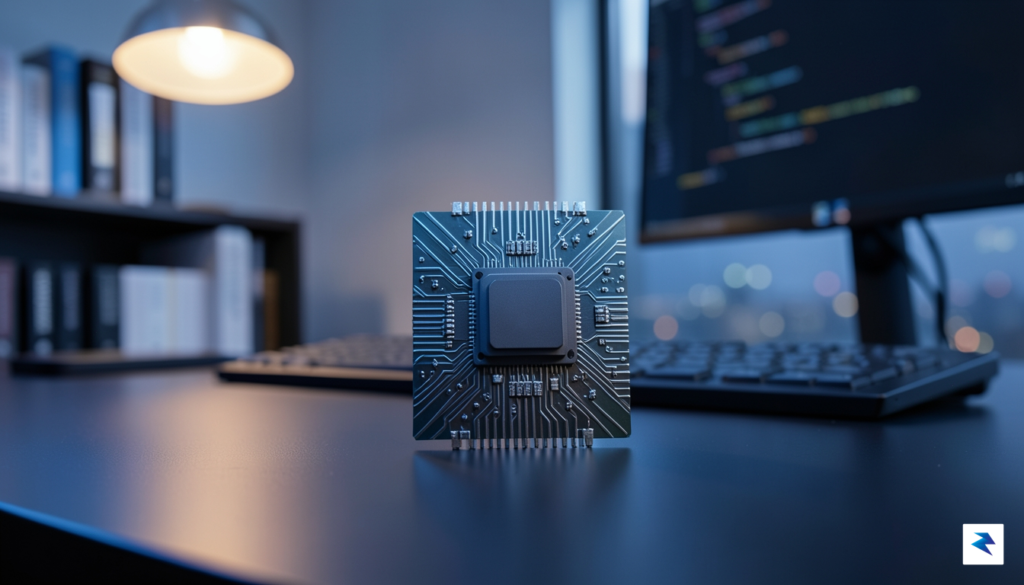
The transition from Intel’s x86 architecture to Apple’s custom silicon has been nothing short of a revolution in personal computing, delivering unprecedented efficiency and performance-per-watt across the MacBook and desktop lineups. However, the Mac Pro has consistently stood as the most elusive piece of this puzzle. While the M1 and M2 series chips transformed the Mac Studio and MacBook Pro into powerhouses, the modular, high-end nature of the Mac Pro required a radical leap in engineering. Apple’s attempt to bridge the gap between its highly integrated, unified memory architecture and the traditional, expandable needs of professional workstation users created a fundamental conflict that proved difficult to reconcile.
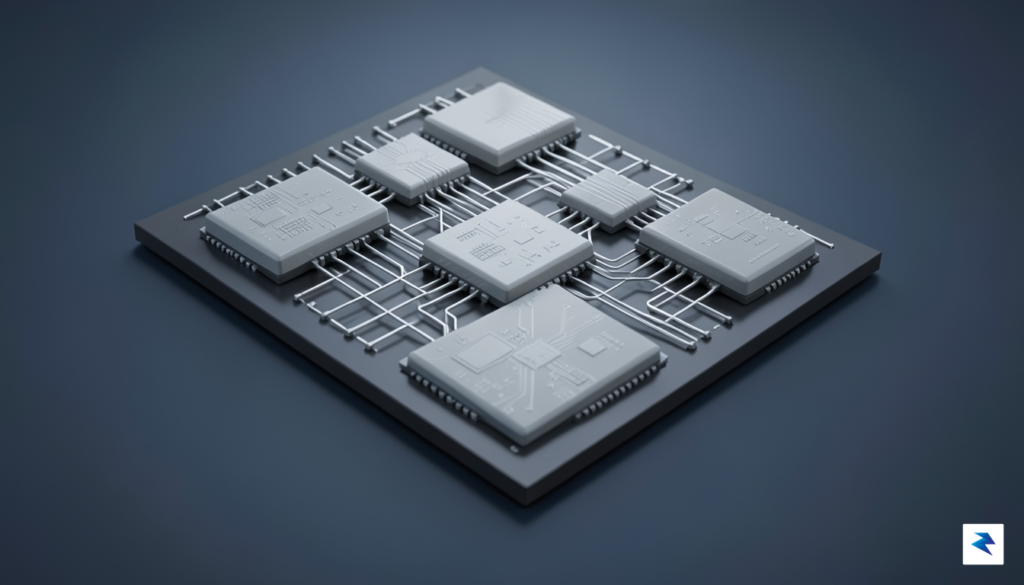
At the heart of this struggle was the ambitious “Extreme” chip project. The engineering vision involved daisy-chaining multiple silicon dies together to achieve core counts that would rival the most powerful server-grade processors on the market. By utilizing a high-speed interconnect fabric, Apple hoped to create a “super-chip” that could handle the massive rendering and computational demands of creative professionals. This design philosophy aimed to preserve the signature speed of Apple Silicon while scaling it to levels previously reserved for multi-socket workstations. Yet, as the design progressed, the inherent physical realities of thermodynamics and power delivery began to clash with the elegant simplicity that defines the company’s silicon strategy.
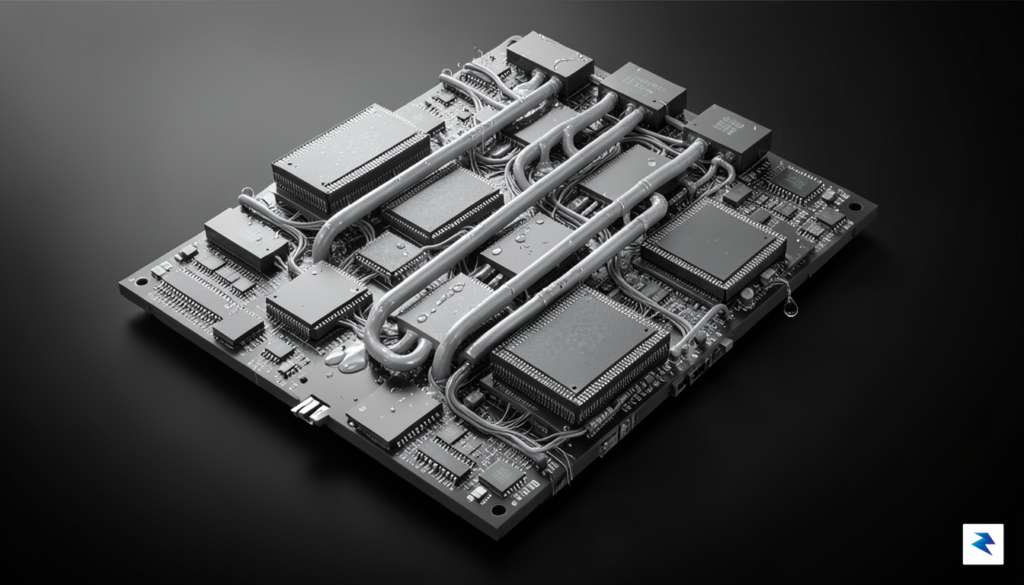
The primary challenge was managing the thermal output and power consumption of such a dense, multi-die configuration. In a standard unified architecture, components like RAM and GPU cores are placed in close proximity to minimize latency, which is ideal for performance but creates significant heat concentration. When scaling this up to an “Extreme” level, the cooling requirements become exponentially more complex. Unlike a modular tower that can rely on massive airflow and large heat sinks, the integrated nature of Apple Silicon meant that the cooling solution had to be perfectly tuned to the specific layout of the chip. This left engineers in a difficult position: how to maintain the benefits of a unified memory system while simultaneously providing the thermal headroom necessary for a chip that was effectively pushing the boundaries of what silicon fabrication could handle.
The conflict between the high-performance demands of the professional workstation market and the strictly integrated nature of Apple’s unified memory architecture forced a difficult re-evaluation of the roadmap.
Ultimately, the expectation for a truly “Extreme” Mac Pro encountered the reality of production yields and diminishing returns. While combining multiple dies allowed for impressive theoretical performance, the latency penalties and power inefficiency introduced by the interconnect fabric began to undermine the very advantages that made Apple Silicon successful in the first place. This realization likely led to the quiet cancellation of the M2 and M3 Extreme projects. Instead, Apple shifted its strategy toward the M2 Ultra, utilizing a simpler, more stable dual-die configuration that offered a better balance of performance, heat management, and production reliability. This pivot signaled a move away from the “impossible” engineering goals of the early transition phase, favoring a more pragmatic approach to what a truly modular professional machine could look like in the modern era.

The decision to abandon the development of the M2 and M3 Extreme chips was rooted in a fundamental collision between Apple’s pursuit of silicon perfection and the harsh realities of semiconductor manufacturing at scale. At the heart of the project was an ambitious “multi-die” architecture, intended to stitch together multiple high-performance dies to create a monolithic-style powerhouse. However, the technical hurdle of interconnecting these dies proved significantly more complex than anticipated. As chip density increases, the probability of microscopic defects during the lithography process rises exponentially. For a chip of the “Extreme” scale, a single flawed connection could render the entire multi-die package unusable, leading to abysmal manufacturing yields that would have made the per-unit cost astronomically high.
Beyond the immediate engineering failures, Apple’s internal ROI (Return on Investment) analysis likely revealed a diminishing market for such niche, high-cost silicon. The Mac Pro occupies a specialized corner of the computing world, and while performance is paramount for these users, the cost of developing bespoke, low-volume silicon that cannot be shared across the broader MacBook or iPad lineups is difficult to justify. By shifting away from these Extreme designs, Apple avoided the trap of “performance at any cost,” opting instead to leverage the modular efficiency of the Ultra-class chips. This strategy allows the company to maintain high performance while utilizing a single design architecture that scales across their entire professional product stack, thereby optimizing supply chain logistics and reducing overhead.
The pivot toward the M-series Ultra architecture signifies a shift in Apple’s philosophy: they are prioritizing thermal efficiency and cross-platform synergy over the brute-force scalability that once defined the workstation market.
Furthermore, the physical limitations of heat dissipation played a critical role in the cancellation of these ambitious chips. Apple’s current design philosophy emphasizes a balance of power, efficiency, and thermals, often favoring silent or near-silent operation in their chassis designs. Scaling a chip to “Extreme” levels would have necessitated a drastic departure from this cooling paradigm, likely requiring massive, loud active cooling solutions that deviate from the minimalist aesthetic Apple consumers expect. By focusing on the M-series Ultra, Apple has successfully delivered high-end performance that fits within their existing thermal envelopes, proving that they would rather refine the efficiency of their current silicon than chase raw, power-hungry performance metrics that compromise the integrity of their final hardware products.
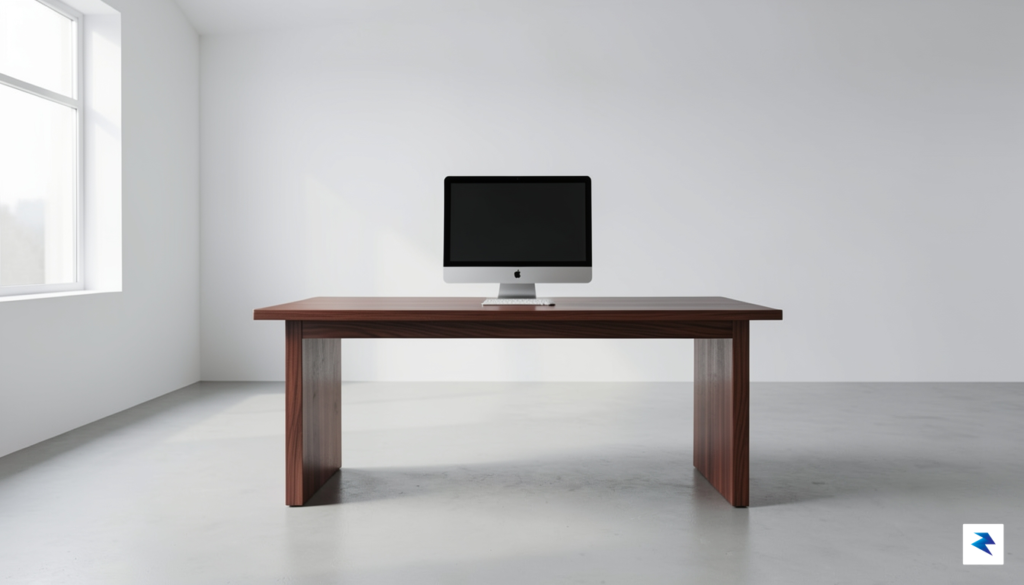
For years, the Mac Pro served as the ultimate status symbol for creative professionals, representing an era where modularity and internal expansion were the primary metrics of power. However, as Apple transitioned toward its own silicon, the company began to realize that the traditional tower configuration was no longer the most efficient way to deliver elite-tier performance. The emergence of the Mac Studio signaled a fundamental shift in Apple’s philosophy: rather than prioritizing the ability to swap out components, the company leaned into the unmatched efficiency of its proprietary architecture. By condensing massive computational power into a compact chassis, Apple challenged the long-standing assumption that a machine’s professional utility is tied directly to its physical size.
The performance metrics of the Mac Studio have effectively rendered the legacy Mac Pro obsolete for the vast majority of users. While the older Intel-based towers required massive cooling arrays and complex PCIe expansion to handle taxing workloads, the M-series chips allow for sustained, high-fidelity rendering and compilation within a fraction of the power envelope. Apple recognized that the “good enough” threshold for modern professional workflows—such as 8K video editing, complex 3D modeling, and large-scale software development—had been surpassed by the M1 and M2 Ultra chips. Consequently, the Mac Studio offers a level of performance that makes the logistical headache of a massive tower feel like a relic of the past, proving that power density is far more valuable to a modern studio than sheer physical volume.
Central to this pivot is the transformative nature of Apple’s unified memory architecture (UMA). In traditional desktop computing, the need for expansion slots was driven by the requirement for discrete graphics cards and localized high-speed storage. Because the UMA allows the CPU, GPU, and memory to access the same data pool with near-zero latency, the traditional bottlenecks that required external expansion simply do not exist in the same way. This architectural breakthrough has made the traditional PCIe-heavy motherboard largely unnecessary for most high-end creative tasks. By optimizing the data pipeline through a single, integrated chip, Apple has redefined what a “pro” machine looks like, trading the clunky, slot-filled interior for a streamlined, high-bandwidth environment that delivers consistent results without the need for constant user-side upgrades.
The shift toward the Mac Studio reflects a broader move away from hardware hobbyism and toward a workflow-first approach, where the machine is viewed as an appliance that simply works, rather than a project that requires constant modification.
Ultimately, Apple’s decision to prioritize the Mac Studio over more ambitious, yet ultimately impractical, chip configurations like the “Extreme” series highlights a pragmatic assessment of its market. The company understood that a small, hyper-efficient desktop satisfies the needs of creative professionals far better than a prohibitively expensive, thermally complex monster of a machine. By focusing on the Mac Studio, Apple has effectively streamlined its product lineup to focus on what matters most to its users: reliability, efficiency, and the ability to handle modern, data-intensive tasks without needing a screwdriver to maintain a competitive edge.
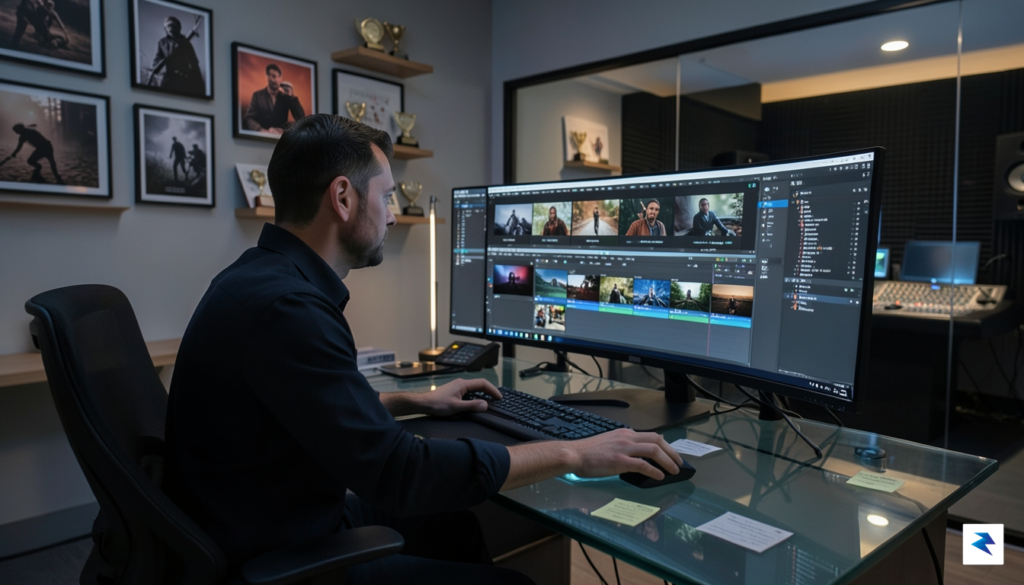
For the dedicated creative professional—whether you are a 3D artist rendering complex scenes, a video editor scrubbing through 8K RAW footage, or a developer compiling massive codebases—the realization that Apple has abandoned the “Extreme” tier of silicon marks a definitive pivot in the company’s philosophy. For years, the high-end Mac Pro was defined by its ability to house specialized hardware, offering a sanctuary for PCIe cards and internal drive arrays. By shifting away from modular, ultra-high-performance silicon, Apple is effectively signaling that the future of the professional desktop is not found in internal expansion, but rather in the robust speed of external connectivity via Thunderbolt and USB4.
This transition introduces a complex set of trade-offs for users who have long relied on the Mac Pro as a “Swiss Army knife” for production. On one hand, the efficiency of Apple Silicon is undeniable; the current M-series chips offer performance-per-watt metrics that were previously unthinkable in the workstation space. However, this efficiency comes at the cost of the “infinite upgradeability” that traditional workstations once promised. Developers and artists who require specific, proprietary PCIe-based accelerators or high-capacity internal storage arrays may find themselves pushed toward external chassis solutions. While these external peripherals are increasingly capable, they introduce new layers of latency, cable management hurdles, and potential points of failure that were previously mitigated by internal integration.
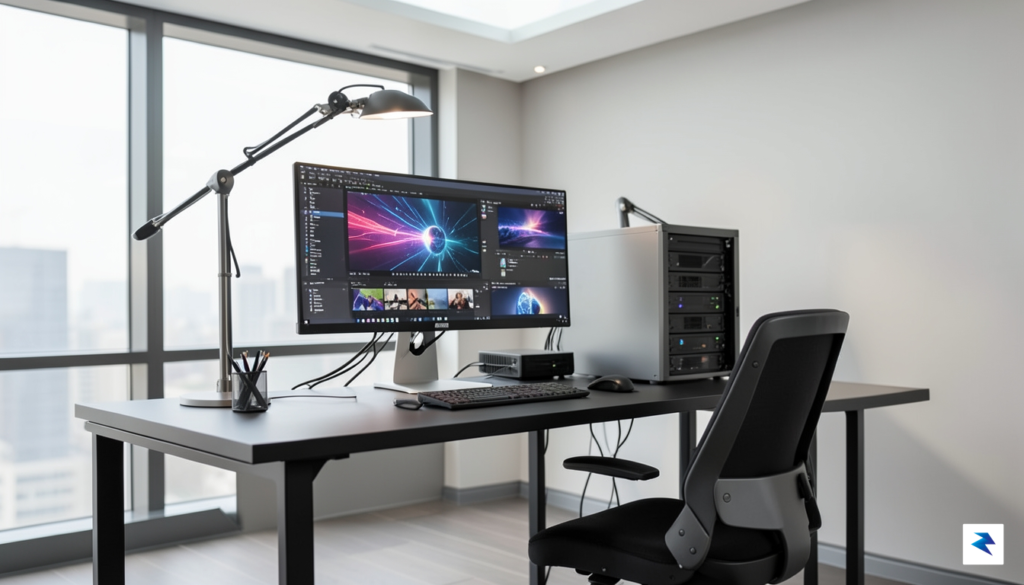
The longevity of a workstation is often measured by its ability to evolve alongside the user’s needs, and the loss of the “Extreme” chip concept forces a rethink of the standard upgrade cycle. Historically, a user might buy a base-level tower and populate it with more RAM, better GPUs, or high-speed storage as their career progressed. Now, the hardware is largely solidified at the time of purchase, creating a rigid environment where the initial configuration must be carefully future-proofed. This shift necessitates a more disciplined approach to hardware procurement, as the lack of modular silicon prevents the “mid-life kicker” upgrades that previously extended the life of a machine by several years.
The pivot to external connectivity suggests that Apple views the professional desktop as a hub rather than a silo, prioritizing the reliability of a closed-loop system over the fragmented flexibility of open modularity.
Ultimately, this evolution creates a bifurcated landscape for the Apple ecosystem. Professionals who thrive in a streamlined, highly optimized environment—where software and hardware act in perfect, locked-step harmony—will likely continue to see massive gains from the standard M-series architecture. Conversely, those who rely on specialized, niche hardware configurations may find themselves navigating a new reality where the “Pro” label no longer implies an open-ended chassis, but rather a high-speed, externally orchestrated workflow. While this may feel like a loss of freedom for legacy power users, it represents a bold commitment to a unified, efficient architecture that prioritizes software stability and power efficiency above all else.
The abandonment of the “Extreme” chip architecture marks a significant turning point in Apple’s silicon strategy, suggesting that the company is prioritizing efficiency and thermal management over the sheer, brute-force modularity that defined the Intel-era workstations. As we look toward the future, it is increasingly clear that Apple is steering the Mac Pro toward a niche role where local compute is augmented by software-defined infrastructure rather than traditional internal expansion. The dream of a user-upgradeable “Extreme” desktop may be fading, but in its place, Apple appears to be betting on the idea that highly optimized, specialized silicon—rather than sheer core counts—can satisfy the demands of professional creative workflows.
Looking ahead, the roadmap for the Mac Pro likely hinges on the maturation of Apple’s unified memory architecture and the potential for offloading intensive tasks to distributed systems. While the lack of native support for external GPUs remains a persistent frustration for power users, Apple’s focus on integrated Neural Engines and media engines suggests that they intend to handle heavy lifting through dedicated hardware blocks rather than general-purpose add-in cards. Consequently, the future iteration of the Mac desktop lineup will likely lean heavily into cloud-based rendering and remote workstation setups. By leveraging high-speed networking and specialized server-side processing, Apple may provide the illusion of infinite scalability without requiring the physical chassis to house increasingly gargantuan power supplies and cooling arrays.
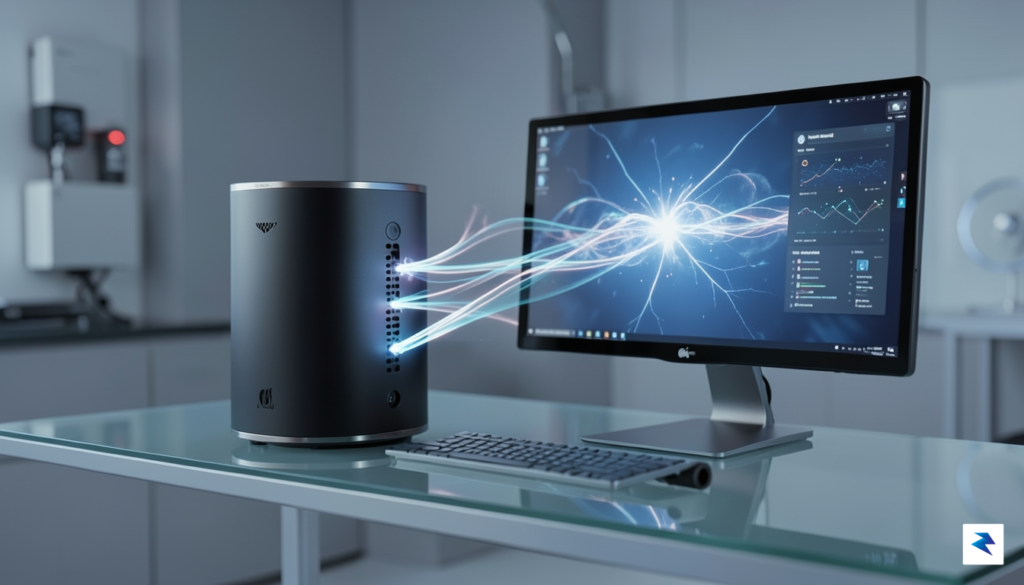
Ultimately, the Mac desktop strategy has reached a state of relative maturity where the “pro” label is defined by workflow integration rather than hardware modularity. Whether Apple ever returns to a truly expandable, socket-based design remains doubtful, as the current silicon philosophy is fundamentally at odds with the variability of third-party components. Instead, we should expect to see the Mac Pro evolve into a highly specialized gateway device—one that manages local input and output with extreme precision while relying on a broader ecosystem of Apple-optimized services to handle the heaviest computations. For the professional user, this signifies a transition from owning the entire compute stack to becoming a master of a streamlined, highly efficient, and undeniably proprietary digital environment.
The core of Apple’s desktop strategy is shifting: hardware is no longer just about the local box, but about how that box bridges the gap between the user and an increasingly powerful, cloud-integrated creative ecosystem.
In the final analysis, while the cancellation of the M2 and M3 Extreme chips was a setback for those hoping for an Intel-beating modular powerhouse, it serves as a clarifying moment for Apple’s long-term vision. The company is clearly comfortable maintaining the Mac Pro as a specialized tool for specific industries rather than a general-purpose beast for every type of enthusiast. Moving forward, the true innovation in Apple’s desktop lineup will likely manifest in how well the software abstracts the limitations of the hardware, creating a seamless experience that prioritizes sustained performance and reliability over the ability to swap parts on a whim.
You must be logged in to post a comment.