
Direct Flights to Lebanon: Understanding the End of a 40-Year Ban
The Historical Context of the 1985 Flight Ban To understand the gravity of the recent policy shift, one must look back to the volatile summer…
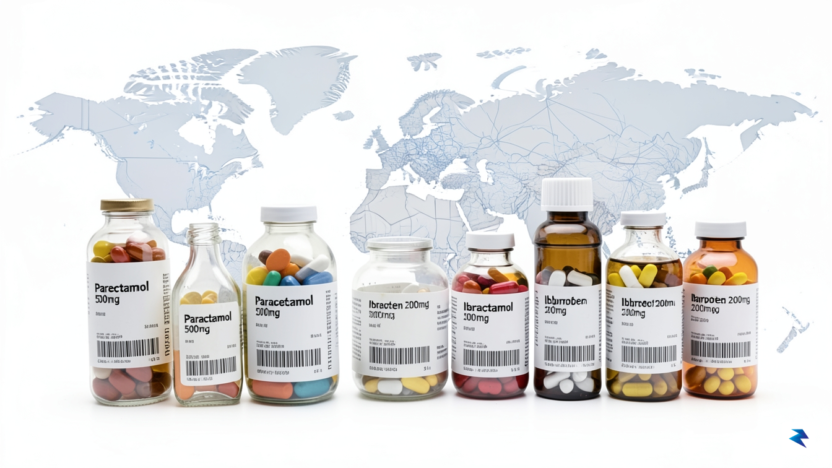
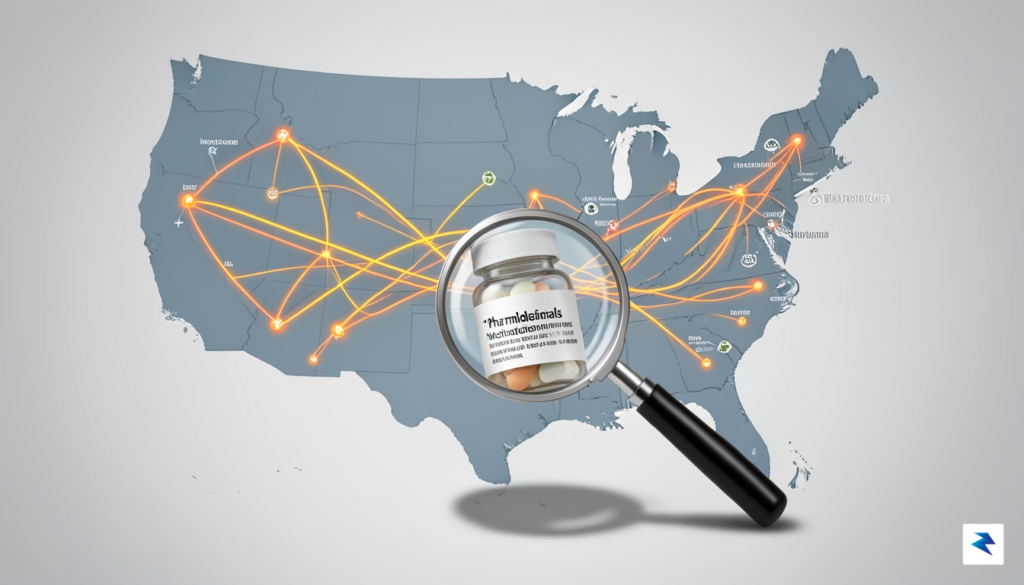
The core of the proposed trade policy shift rests on a fundamental rethink of national security as it pertains to healthcare. For decades, the United States has operated under a globalized pharmaceutical model, relying heavily on low-cost manufacturing hubs in China and India to supply the vast majority of generic medications consumed by Americans. The current administration’s rhetoric suggests that this reliance is no longer merely an economic convenience but a strategic vulnerability. By proposing aggressive tariffs on these imports, policymakers aim to forcibly “de-risk” the medical supply chain, essentially using trade barriers to make overseas production less attractive while theoretically lowering the cost-benefit gap for domestic manufacturers.

This strategy is rooted in the “America First” philosophy, which posits that essential life-saving drugs should be produced domestically to prevent potential disruptions caused by geopolitical tensions, pandemics, or trade wars. Proponents argue that if the U.S. remains dependent on foreign nations for the active pharmaceutical ingredients (APIs) necessary to make common antibiotics, blood pressure medications, and pain relievers, it risks being held hostage by the policy whims of rival powers. Consequently, the threat of tariffs serves as both a punitive tool to discourage reliance on foreign entities and a signaling mechanism intended to encourage pharmaceutical companies to repatriate their manufacturing facilities back to American soil.
“National health security is indivisible from economic security; we cannot allow the most essential components of our medical system to remain entirely dependent on global supply chains that can be severed at a moment’s notice.”
It is important to note that similar threats have been floated in previous years, yet they have historically remained unfulfilled due to the immense complexity of the pharmaceutical market. In the past, officials feared that immediate, broad-spectrum tariffs would trigger a catastrophic spike in drug prices for consumers, creating a political backlash that would outweigh the benefits of localized production. However, the current economic landscape—marked by a heightened focus on supply chain resilience following recent global health crises—has changed the calculus. There is now a growing bipartisan consensus that the long-term risk of supply chain fragility outweighs the short-term inflationary pressure of trade adjustments. As the administration moves forward, the challenge will be balancing the aggressive pursuit of economic sovereignty with the necessity of keeping generic medications accessible and affordable for the millions of Americans who rely on them daily.
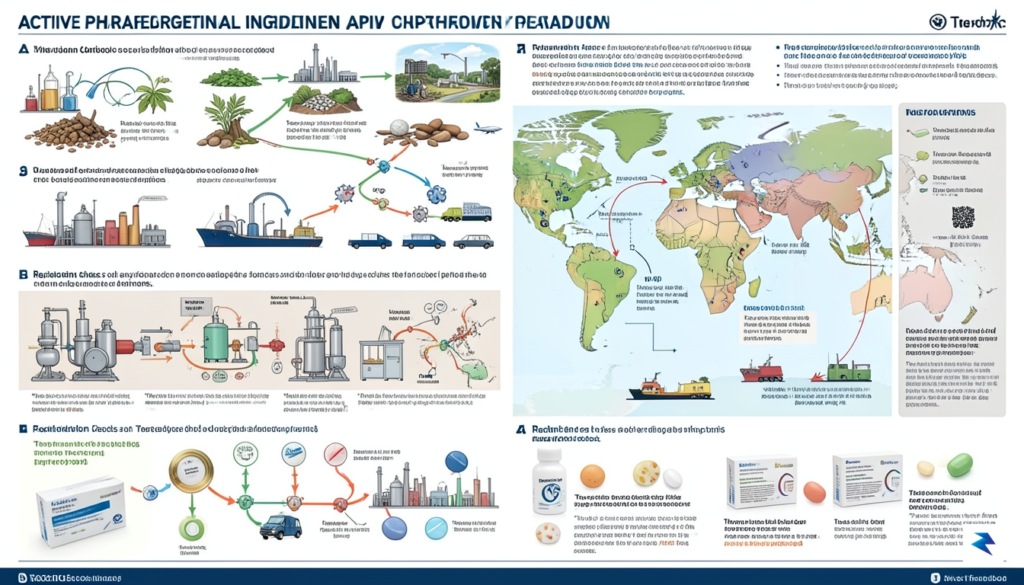
The modern American healthcare landscape relies heavily on generic medications, which account for nearly 90% of all prescriptions filled in the United States. However, the facade of local availability masks a deeply fragile, hyper-globalized supply chain that is fundamentally optimized for cost-efficiency rather than long-term geopolitical stability. To understand the potential impact of new trade barriers, one must first distinguish between the finished pills found in a pharmacy bottle and the Active Pharmaceutical Ingredients (APIs)—the essential raw chemical compounds that actually provide the therapeutic effect. While the final assembly of a drug may occur in various regions, the upstream production of these vital ingredients is heavily concentrated in a handful of global hubs, primarily China and India.
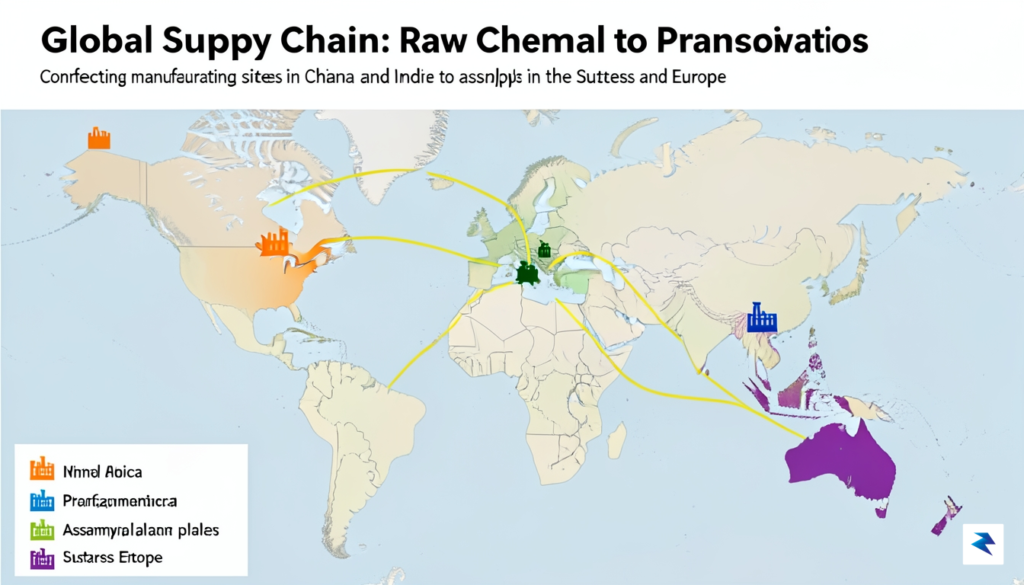
This reliance on concentrated manufacturing centers creates a significant vulnerability. For decades, the pharmaceutical industry has migrated its manufacturing footprint to regions where labor costs are lower and environmental regulations are less stringent, allowing for the mass production of low-margin generic drugs at competitive prices. Unfortunately, this pursuit of the lowest possible price point has left the global supply chain with little redundancy. When trade friction arises, such as the imposition of new tariffs, the industry cannot simply pivot to new suppliers. Unlike manufacturing consumer electronics or textiles, pharmaceutical production is governed by rigorous regulatory standards set by the FDA. Every facility must be validated, and every raw material source must be documented and approved, a process that can take years to complete.
The pharmaceutical supply chain is not a simple linear path; it is a complex, interdependent web where a single bottleneck in raw chemical production can halt the distribution of life-saving medications across the globe.
Furthermore, the physical infrastructure required to produce these ingredients is highly specialized. Moving production back to domestic shores is not as simple as opening a new factory; it requires massive capital investment in high-tech containment facilities, chemical handling safety protocols, and a highly skilled workforce that is currently in short supply within the United States. Because of these immense regulatory and infrastructure barriers, the pharmaceutical sector lacks the agility to respond to rapid policy shifts. Consequently, any significant tariff imposed on imported APIs or finished goods threatens to disrupt the thin margins that keep generic drug prices affordable, potentially creating shortages or sharp price spikes for the very medications that millions of Americans rely on for chronic conditions like hypertension, diabetes, and heart disease.

At their core, tariffs function as taxes imposed on imported goods, and in the complex landscape of the pharmaceutical industry, these costs are rarely absorbed by the manufacturers themselves. Instead, when the federal government levies a tax on imported active pharmaceutical ingredients (APIs) or finished generic drugs, the financial burden is almost invariably pushed down the supply chain. Manufacturers facing higher production costs typically raise their wholesale prices to maintain profit margins, a move that eventually reaches the pharmacy counter. For the average American consumer, this means that the price of essential maintenance medications could climb significantly, as the increased expenses are layered onto an already intricate pricing model.
The role of Pharmacy Benefit Managers (PBMs) and insurance providers adds another layer of volatility to this equation. As wholesale prices rise due to tariff-related inflation, PBMs—the middlemen who negotiate drug prices and manage formularies—may struggle to keep copays stable. When the base price of a generic drug increases, insurance companies often respond by shifting those costs to the patient through higher deductibles or increased coinsurance rates. Consequently, even individuals with robust health insurance coverage might find themselves paying significantly more at the register for everyday prescriptions, effectively eroding the cost-saving benefits that generic drugs were originally designed to provide.
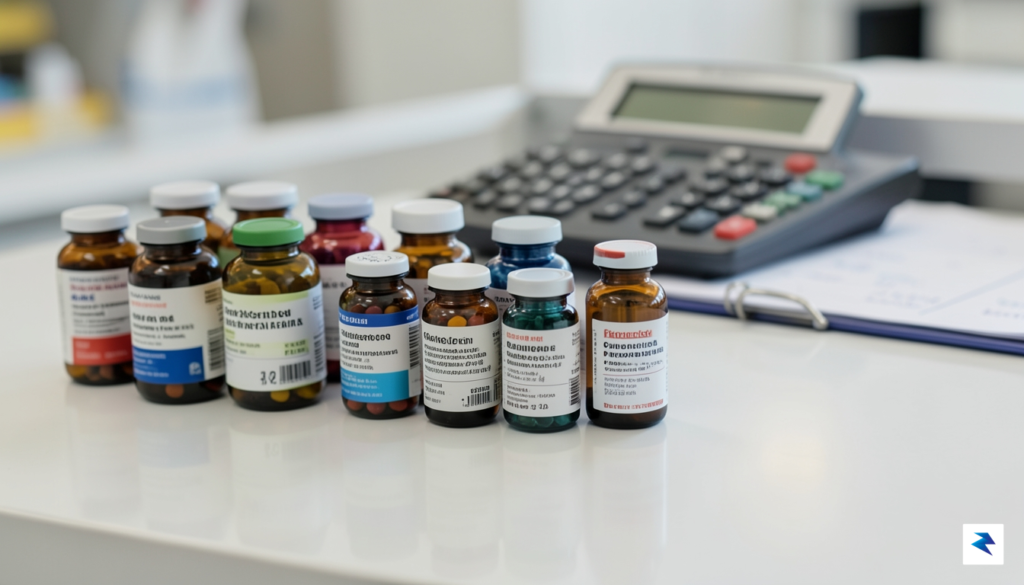
The inflationary pressure on essential medications—particularly those used for chronic conditions—presents a grave concern for public health stability. Medications such as insulin for diabetes, various antibiotics for infections, and blood pressure regulators are primarily produced using global supply chains that rely heavily on imports. If these foundational drugs become subject to broad-based tariffs, the resulting price hikes could force many patients to make impossible choices regarding their health. When the cost of life-sustaining medicine rises, individuals often resort to rationing their doses or skipping refills altogether, which can lead to severe long-term medical complications and higher emergency care costs for the healthcare system at large.
The true cost of a tariff is rarely limited to the point of entry; in the pharmaceutical sector, it is a ripple effect that ultimately manifests as a direct tax on the patient’s ability to maintain their health.
Ultimately, the economic impact of these proposed levies extends far beyond simple trade policy. By disrupting the cost structure of generic pharmaceuticals, the administration risks creating a scenario where healthcare becomes less accessible, despite the inherent affordability of generic alternatives compared to branded counterparts. As stakeholders monitor these potential policy shifts, it is clear that the interplay between international trade mechanics and domestic healthcare affordability remains a fragile balance, one that could be fundamentally altered by a shift toward protectionist drug pricing.

Transitioning the American pharmaceutical supply chain to a “Made in the USA” model is a goal that resonates with many policymakers, yet the practical reality of such a pivot is exceptionally complex. Currently, the United States relies heavily on international partners—most notably India and China—for the vast majority of Active Pharmaceutical Ingredients (APIs) and finished generic medications. Reversing this dependency requires more than just legislative action; it demands a fundamental reconstruction of industrial infrastructure that has been offshored for decades. The capital expenditure required to build state-of-the-art manufacturing plants capable of meeting modern safety standards is astronomical, often taking years of private investment and public-private partnerships before a single tablet can be produced at scale.

Even if the necessary capital were immediately available, the regulatory landscape enforced by the Food and Drug Administration (FDA) presents a significant barrier to entry. Every new manufacturing facility must undergo rigorous validation processes to ensure that its processes meet Current Good Manufacturing Practice (cGMP) regulations. These standards are intentionally stringent to guarantee patient safety, yet they also create a bottleneck for new domestic entrants who must navigate years of inspections, environmental permitting, and quality control certifications. For companies attempting to scale quickly, these regulatory hurdles often prove to be the most persistent obstacle, as shortcuts are not an option when dealing with the chemical integrity of lifesaving medications.
The challenge of onshoring is not merely about construction; it is about cultivating a highly specialized workforce capable of managing complex chemical syntheses and maintaining the extreme sterility required in modern pharmaceutical production.
Beyond the regulatory and physical infrastructure, there is the critical issue of the specialized labor market. The domestic pharmaceutical industry requires a highly skilled workforce, including chemical engineers, microbiologists, and quality assurance specialists who possess niche expertise in drug manufacturing. Developing this talent pool takes years of specialized education and on-the-job training, meaning that even if factories were constructed tomorrow, there would be a significant lag time before they reached peak operational efficiency. Furthermore, the domestic cost of production—driven by higher labor wages and stricter environmental compliance costs—means that generic drugs produced domestically would likely carry a higher price tag than their imported counterparts.
Ultimately, the timeline for such a transition is measured in years, if not decades, rather than months. While tariffs might incentivize domestic production by narrowing the price gap between imported and local goods, they do not create the capacity that currently does not exist. A robust transition requires a phased approach that prioritizes essential medicines, coupled with long-term industrial policy that sustains domestic manufacturers against the volatility of global market pricing. Without a sustained commitment to these long-term investments, the sudden imposition of tariffs risks creating supply chain disruptions that could jeopardize the availability of common medications for millions of Americans who rely on them daily.

The introduction of aggressive tariffs on imported generic drugs creates a precarious landscape for the pharmaceutical supply chain, which is already characterized by complex, globalized dependencies. Historically, trade tensions and protectionist policies have often served as catalysts for market volatility, frequently leading to localized shortages of essential medications. When supply lines face sudden, steep financial hurdles, manufacturers may struggle to maintain production volumes or pivot to alternative sources quickly enough to meet domestic demand. This creates a dangerous ripple effect where hospitals and pharmacies find themselves unable to stock critical therapies, ranging from common antibiotics to life-saving cardiovascular medications, effectively turning a trade strategy into a public health crisis.

Beyond the immediate financial strain on healthcare providers, the most significant risk lies in the lack of elasticity within the pharmaceutical manufacturing sector. Unlike consumer goods, where a supply shortage might result in a temporary inconvenience, a lack of generic drugs directly jeopardizes patient outcomes. Healthcare systems are designed to operate on lean, predictable inventory cycles; they simply cannot absorb the sudden shocks that accompany rapid shifts in trade policy. If manufacturers are forced to pass along the costs of new tariffs, or if they decide to pull out of the market entirely due to thin margins, the result is a fragmented supply chain that leaves vulnerable patient populations—such as those managing chronic conditions—without consistent access to their necessary prescriptions.
The stability of the medical supply chain is a foundational element of public health; any policy shift that threatens this equilibrium must be weighed against the potential for life-threatening drug shortages.
To mitigate these risks, policymakers must adopt a more nuanced approach that balances the desire for domestic manufacturing sovereignty with the reality of current global reliance. If the government proceeds with these trade measures, success will likely depend on their ability to implement phased rollouts, provide targeted subsidies for domestic pharmaceutical producers, and establish a robust monitoring system to detect early signs of supply chain distress. Without these guardrails, the pursuit of trade-related objectives could inadvertently compromise the primary mandate of the healthcare system: ensuring that patients have reliable, affordable access to the medicine they need to survive and thrive. A thoughtful strategy must prioritize the continuity of care above all else, ensuring that geopolitical maneuvering does not come at the expense of patient health.
You must be logged in to post a comment.