
Gates Foundation Review: Investigating Ties to Jeffrey Epstein
Understanding the Investigation Scope: What Was Really Reviewed? To grasp the significance of the recent internal review, one must first…
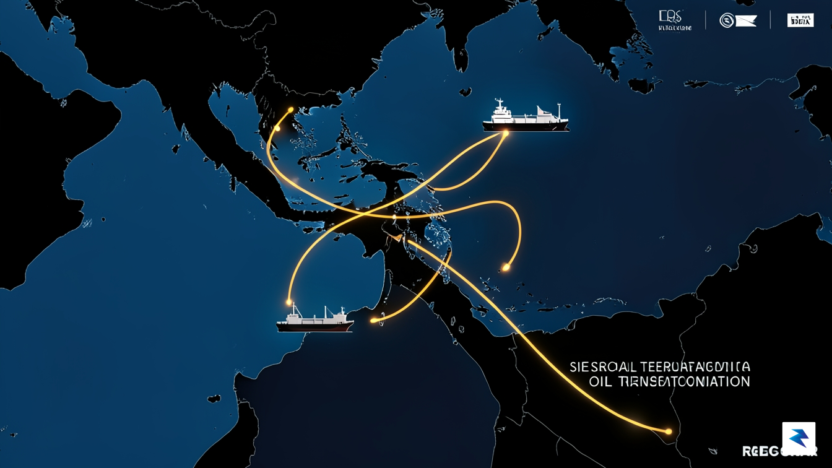
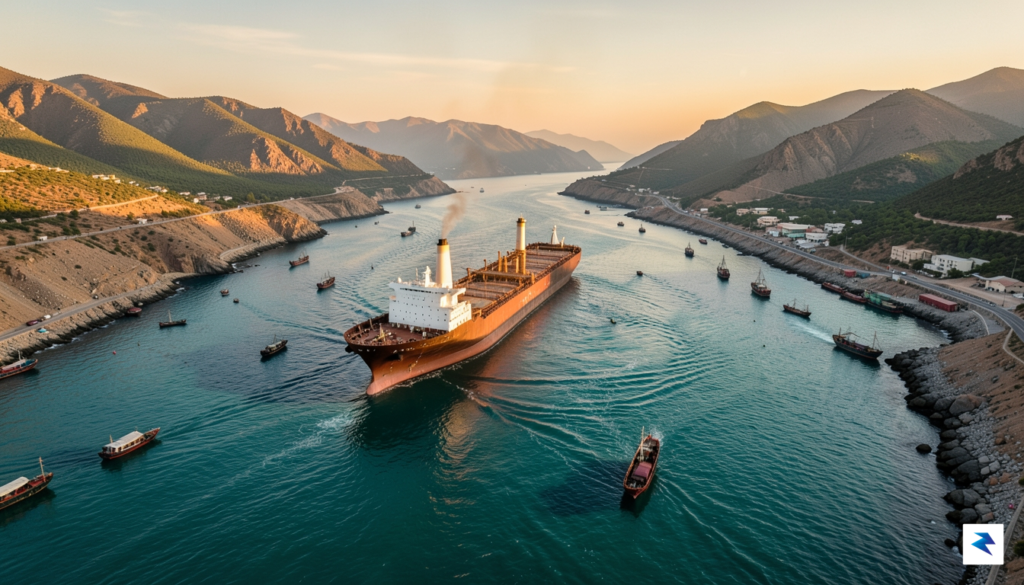
The Red Sea functions as far more than a mere body of water; it is a vital maritime artery that sustains the pulse of the global economy. By connecting the Indian Ocean to the Mediterranean Sea via the Suez Canal and the Bab el-Mandeb Strait, this narrow corridor facilitates the most efficient transit route for energy exports departing from the Persian Gulf. For European markets in particular, this route is indispensable, as it provides a direct path for crude oil and liquefied natural gas (LNG) tankers to reach their destinations without the significant time and fuel costs associated with circumnavigating the African continent. When ships are forced to bypass this route, the resulting logistical delays create a ripple effect that extends deep into international supply chains, complicating the delicate balance of energy availability.
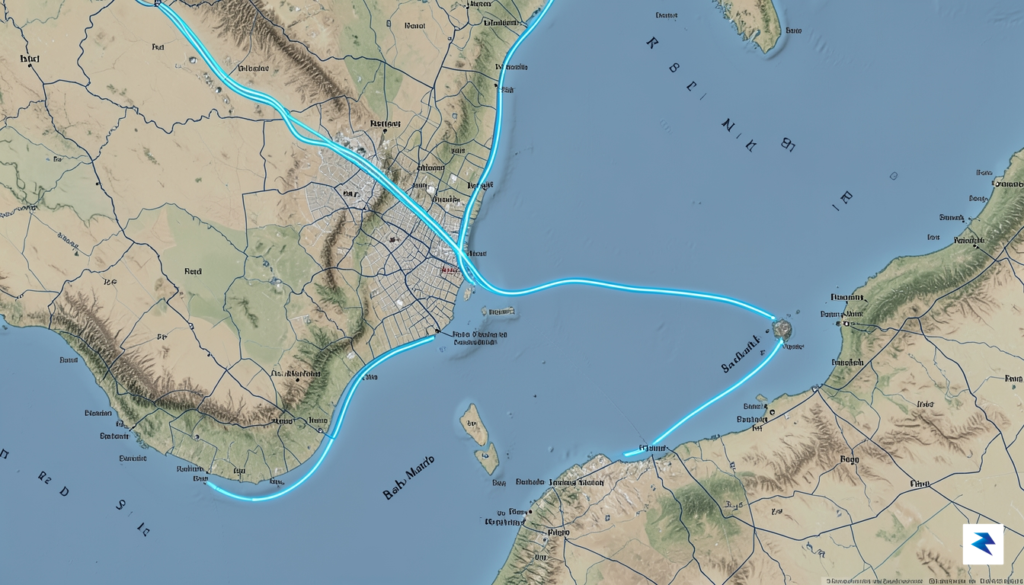
The sheer volume of energy flowing through these chokepoints underscores their systemic importance to global stability. Millions of barrels of oil pass through the Bab el-Mandeb Strait every single day, representing a significant percentage of the world’s total seaborne petroleum trade. Because the global oil market operates on a just-in-time delivery model, any hint of obstruction in this region acts as an immediate catalyst for price volatility. Traders and energy analysts monitor these maritime gates with intense scrutiny, knowing that a blockade—or even the credible threat of one—can cause immediate spikes in futures prices. This vulnerability is exacerbated by the fact that there are few viable alternatives for transporting such massive quantities of energy, leaving the global economy heavily reliant on the security of these specific waters.
The security of the Red Sea is not merely a regional matter; it is a fundamental pillar of international energy security. When the flow of tankers is jeopardized, the cost of energy rises for consumers globally, impacting everything from industrial production to individual household heating and transportation costs.
Furthermore, the strategic geography of the region means that geopolitical tensions cannot be easily isolated from market performance. Because the Red Sea is bounded by nations with complex security profiles, any escalation in conflict transforms the waterway into a high-stakes chessboard. As threats to commercial vessels become more frequent, shipping companies are often forced to weigh the risks of transit against the economic necessity of delivery. This decision-making process frequently leads to increased insurance premiums, which are ultimately passed down to the end consumer. Consequently, the stability of the Red Sea remains a primary factor in determining whether the global energy market experiences a period of steady supply or the chaotic, high-price environment that characterizes periods of sustained geopolitical instability.
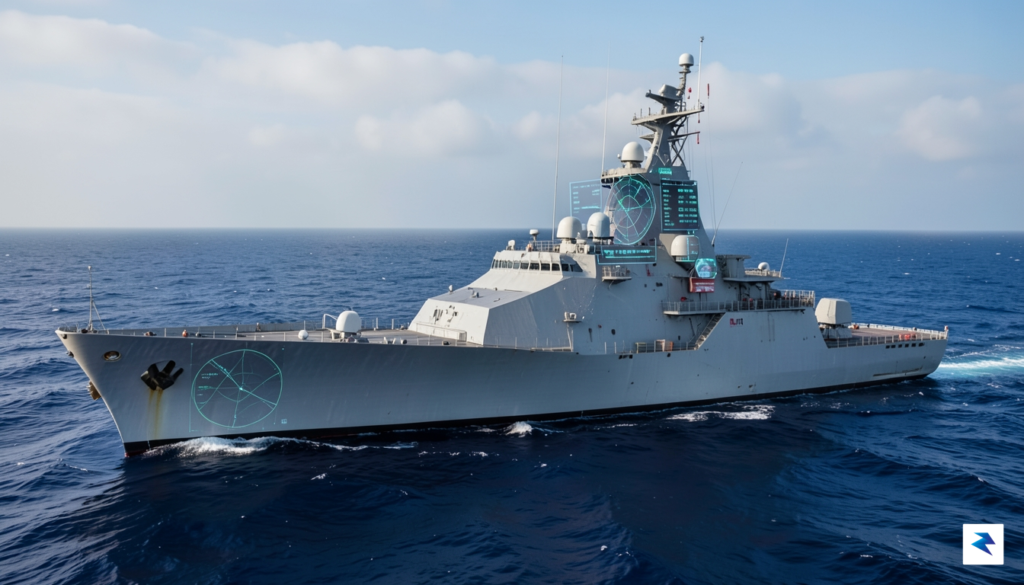

The tactical evolution of Houthi maritime operations represents a paradigm shift in asymmetric warfare, moving well beyond the traditional confines of regional skirmishes. Once characterized by localized coastal harassment, their current strategy leverages a sophisticated arsenal of Iranian-supplied technology, including long-range anti-ship ballistic missiles (ASBMs), anti-ship cruise missiles, and one-way attack drones. By targeting the narrow, congested chokepoints of the Bab el-Mandeb Strait, these militants have effectively weaponized the geography of the Red Sea. This shift from sporadic nuisance to persistent, high-precision threats forces global shipping companies to contend with a reality where a single successful strike can disrupt critical supply lines for days or weeks.
The transition from low-tech piracy to state-aligned military-grade maritime interdiction has fundamentally altered the risk calculus for every vessel traversing the region.
Patrolling this vast and complex waterway remains a daunting challenge for international coalition efforts, despite the deployment of advanced naval destroyers and regional security task forces. The sheer volume of maritime traffic, combined with the militants’ ability to launch mobile, land-based strikes from hidden or hardened sites, creates an environment where total security is virtually impossible to guarantee. While coalition forces have successfully intercepted numerous projectiles, the reactive nature of these defensive operations means that commercial operators must remain in a state of constant, heightened vigilance. This persistent uncertainty creates a “gray zone” of security, where the mere possibility of an attack is sufficient to force ships to deviate from their optimal routes, leading to significant delays and increased operational costs.
Beyond the immediate physical dangers of missile and drone strikes, the psychological toll on the shipping industry has triggered a profound ripple effect across global markets. Maritime insurance premiums for vessels entering the Red Sea have skyrocketed, reflecting the heightened risk environment and the volatile nature of the threat. Furthermore, the safety concerns regarding crew welfare have led many major shipping lines to refuse transit through the Suez Canal altogether, opting instead for the lengthy and expensive journey around the Cape of Good Hope. This cascading effect highlights how a localized maritime threat can rapidly escalate into a global economic concern, as the fear of disruption proves just as destabilizing as the physical disruptions themselves.
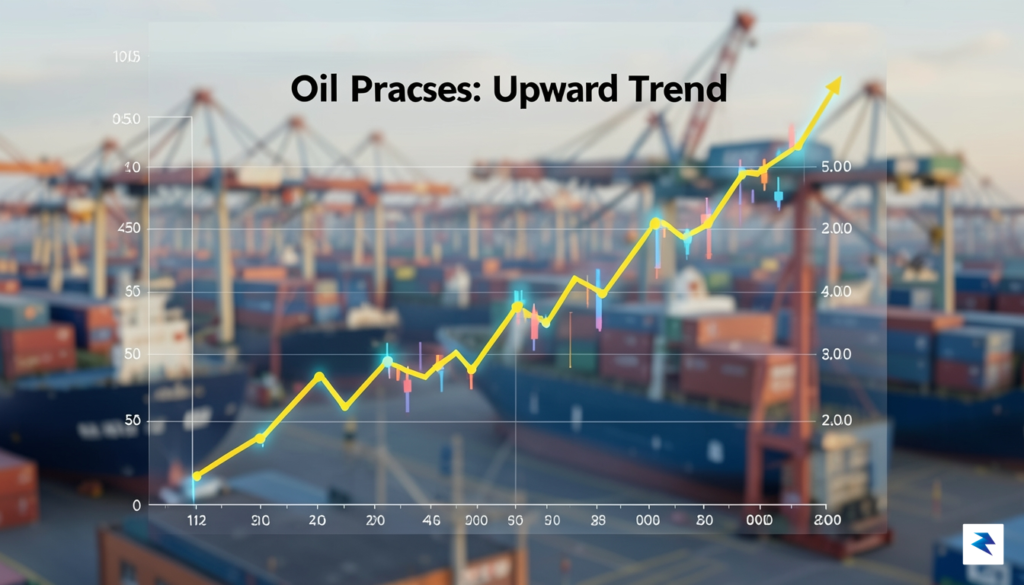
In the volatile world of energy trading, the price of a barrel of crude is not merely a reflection of current supply and demand; it is a complex barometer of geopolitical sentiment. When threats emerge against critical maritime chokepoints like the Red Sea, the oil market reacts with instantaneous sensitivity. This phenomenon, often referred to as a risk premium, occurs because traders do not wait for tankers to be physically blocked before adjusting their positions. Instead, the mere anticipation of logistical bottlenecks—fueled by potential Houthi aggression—triggers a defensive reassessment of global energy security. As shipping lines weigh the dangerous prospect of navigating the Bab el-Mandeb Strait, the resulting uncertainty forces an immediate recalibration of pricing models for both Brent and West Texas Intermediate (WTI) crudes.
The mechanics behind this volatility are rooted in the compounding costs of international shipping. When security risks escalate, insurance premiums for vessels traversing high-risk zones skyrocket, while the alternative—rerouting around the Cape of Good Hope—adds weeks to delivery timelines and significantly inflates fuel consumption. These tangible expenses are quickly baked into the final market price of oil, even if the actual volume of crude flowing through the region remains steady for the time being. Investors view these delays as a tax on efficiency, and because global oil inventories are often held in just-in-time delivery systems, any perceived threat to the supply chain creates a ripple effect that destabilizes long-term contract pricing.

The primary driver of price spikes during geopolitical crises is not always an immediate physical shortage, but rather the collective fear of what might happen if established supply corridors are compromised.
It is essential to distinguish between a physical shortage and a market-driven price surge. A physical shortage occurs when oil cannot be extracted or transported, leading to empty storage tanks and diminished supply. Conversely, the current situation in the Red Sea is characterized by speculative fear. Traders and energy firms anticipate that if the threat level rises, the market will become exponentially tighter, leading them to bid up prices to secure future inventory. This speculative behavior creates a feedback loop: as news reports highlight the potential for a blockade, the market prices in a “worst-case scenario” long before that scenario manifests. Ultimately, the oil market functions less like a simple shop floor and more like a high-stakes nervous system, where the anticipation of pain is often just as expensive as the pain itself.
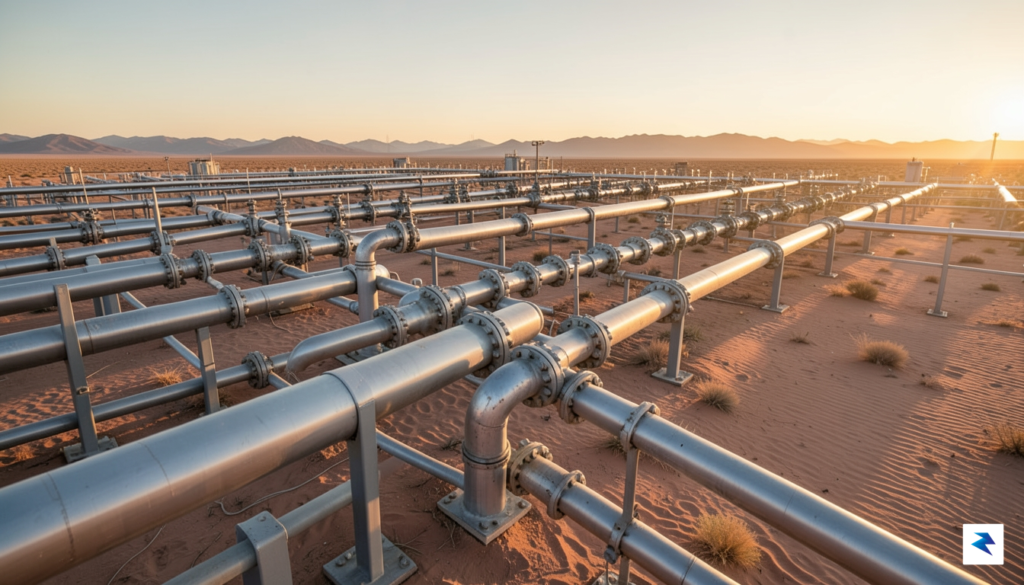
For Saudi Arabia, the primary strategic hedge against maritime threats in the Red Sea is the Abqaiq-Yanbu pipeline, commonly known as the Petroline. This massive 745-mile conduit traverses the width of the kingdom, allowing oil to bypass the precarious Bab el-Mandeb Strait by delivering crude directly to the Red Sea port of Yanbu. While this infrastructure offers a critical safety valve, it is not a panacea for the entirety of Saudi export volumes. The Petroline’s capacity, though impressive, remains a fraction of the total daily output that the kingdom typically funnels through its massive tanker fleets. Consequently, if a full-scale blockade were to materialize, the sheer volume of crude requiring transit would quickly overwhelm the pipeline’s throughput, leaving a significant portion of the global supply stranded or forced into high-risk waters.
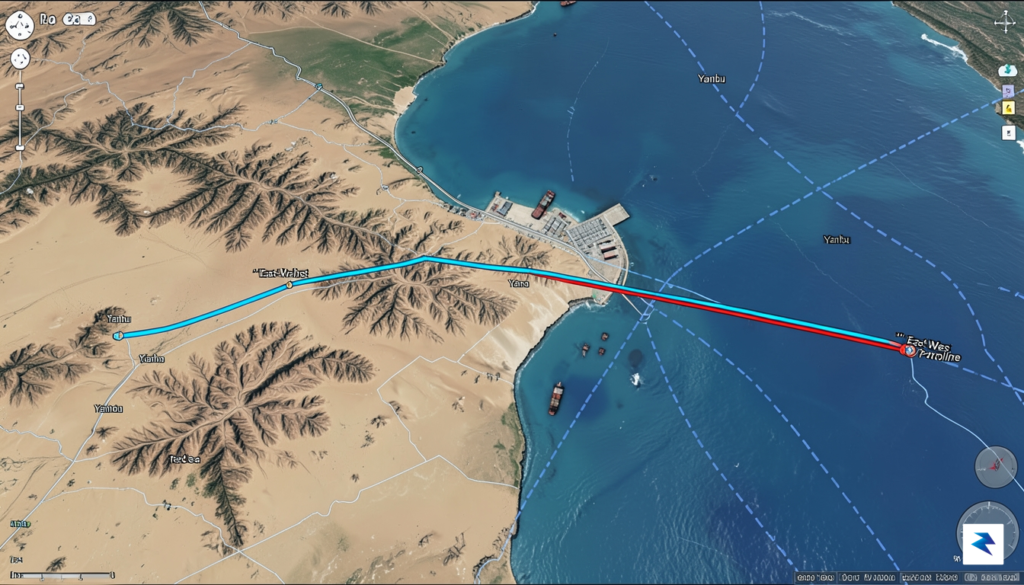
Beyond the technical constraints of pipeline capacity, the logistical reality of rerouting maritime traffic introduces severe economic friction. When tankers are deterred from the Red Sea, they are often forced to take the long way around Africa’s Cape of Good Hope. This detour adds thousands of nautical miles to the journey, consuming vastly more fuel and significantly delaying the delivery of energy supplies to European and North American markets. These added operational costs—driven by higher bunker fuel consumption, increased insurance premiums for war-risk zones, and the sheer time value of money—inevitably translate into higher prices at the pump for consumers worldwide. Furthermore, the longer the vessel remains at sea, the less efficient the global shipping fleet becomes, effectively creating a “shadow” shortage of available tankers just when they are needed most.
The reliance on the Cape of Good Hope is essentially an admission of systemic failure in maritime security; it replaces a targeted, localized conflict with a broad, inefficient, and costly logistical crisis that ripples through the global economy.
The vulnerability of this infrastructure extends beyond just the pipelines and tankers; it encompasses the entire downstream ecosystem. Even if a tanker successfully navigates around Africa, it arrives at destination ports with a delayed schedule, disrupting the “just-in-time” delivery models that global refineries depend upon to maintain operational stability. Any prolonged reliance on these longer routes threatens to exacerbate inflationary pressures, as the cost of shipping becomes a more significant component of the final price of crude. Ultimately, while workarounds like the Petroline provide a temporary shield, they reveal a stark underlying truth: the global oil market is far more fragile than modern, seamless supply chains suggest, and even a partial disruption in the Red Sea can trigger a cascade of inefficiencies that no amount of strategic planning can fully mitigate.

The persistent instability in the Red Sea acts as a stark reminder that the era of relying on singular, vulnerable maritime corridors for global energy transit is rapidly drawing to a close. For decades, the Bab el-Mandeb Strait has functioned as a critical artery for the global economy, yet its current precarious state forces policymakers and industry leaders to confront the fragility of modern energy supply chains. This shift in perspective is moving beyond mere tactical adjustments; it signifies a fundamental reassessment of how nations perceive energy security in an increasingly fragmented geopolitical landscape. As traditional routes face heightened threats, the risk premium on oil and natural gas is becoming a permanent fixture of international trade, compelling a broader strategy that prioritizes resilience over simple cost-efficiency.
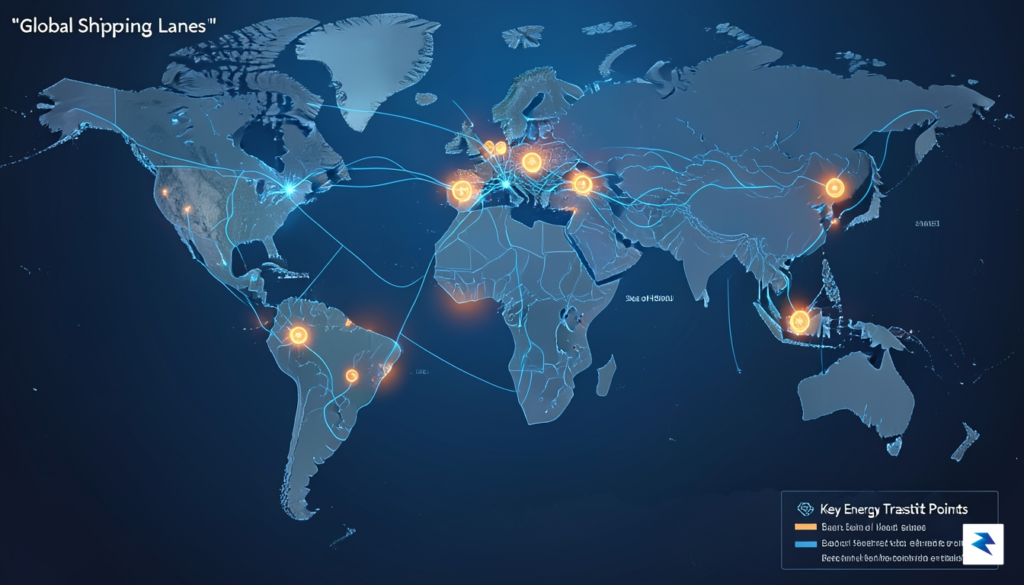
In response to these mounting pressures, governments are increasingly compelled to adopt a two-pronged strategy: strengthening defensive maritime postures while simultaneously accelerating the diversification of their energy portfolios. On the military front, we are witnessing a resurgence of coalition-based naval patrols designed to ensure freedom of navigation, yet these measures are often reactive rather than curative. Long-term energy stability now demands a deeper commitment to diversifying energy sources, moving away from a heavy dependence on fossil fuels transiting through hotspots toward more localized, renewable, and distributed energy infrastructures. By reducing the aggregate volume of crude oil that must traverse volatile maritime chokepoints, nations can effectively insulate themselves from the localized conflicts that threaten to disrupt the global supply chain.
The true test of global energy security in the coming decade will not be the capacity to protect a single strait, but the ability to build an energy ecosystem that is inherently resistant to regional volatility.
Ultimately, the future of energy stability will likely be defined by a delicate balance between continued international diplomacy and the pragmatic acceptance of a more volatile, multipolar world. While the transition away from fossil fuel dependency is a multi-decade project, the immediate necessity of securing current supply lines necessitates a new level of cooperation between producer and consumer nations. Markets have shown a remarkable capacity to adapt to geopolitical shocks, often through the rerouting of tankers or the strategic utilization of national reserves, yet these are only stopgap solutions. A truly secure energy future will require sustained investment in infrastructure redundancy, a renewed focus on domestic energy production, and the geopolitical foresight to navigate a world where maritime security can no longer be taken for granted.
You must be logged in to post a comment.