The Convergence of Silicon Valley and Silver Screen
For years, the intersection of artificial intelligence and narrative filmmaking existed primarily as a subject of speculative debate, relegated to academic white papers and cautious industry panels. However, the landscape shifted dramatically with Google DeepMind’s recent $75 million commitment to a collaborative partnership with A24. This is not merely a corporate transaction; it represents a fundamental transition from theoretical experimentation to a tangible, high-stakes investment in the future of the silver screen. By injecting massive computational power into one of the world’s most prestigious independent studios, Silicon Valley is signaling that the era of digital storytelling is moving far beyond simple post-production tricks.
The choice of A24 as a partner is calculated and deeply strategic. Known for its auteur-driven projects and a distinct, high-brow brand identity, A24 has cultivated a reputation for prioritizing bold, unconventional narratives that resonate with modern audiences. Google DeepMind’s decision to align with such an artistically rigorous studio suggests that the goal is not to automate creativity, but to enhance the depth and complexity of the production pipeline. By embedding sophisticated AI tools into the development process, the partnership aims to provide filmmakers with a new, powerful palette of capabilities, allowing them to iterate on visual concepts and narrative structures with unprecedented speed and precision.
This $75 million infusion is not designed to replace the vision of human creators; rather, it seeks to optimize the friction-heavy aspects of modern film production, enabling artists to focus their energy on the core of their stories.
Ultimately, this convergence is intended to reshape the film production pipeline by addressing the logistical bottlenecks that often stifle creative ambition. Rather than viewing machine learning as a creative replacement, this initiative treats it as a sophisticated utility—much like the advent of digital cameras or nonlinear editing software once did. As these computational resources become integrated into the pre-production and VFX workflows, creators may find themselves liberated from the tedious technical constraints that often limit the scale of independent film. This collaboration serves as a catalyst for a new artistic paradigm where the barrier between the imagination and the finished screen is drastically lowered, ensuring that the next generation of cinematic masterpieces can be realized with even greater visual fidelity and emotional resonance.
Understanding the Google-A24 Partnership
At its core, the $75 million investment from Google DeepMind into A24 represents a fundamental shift in how the entertainment industry perceives artificial intelligence. Rather than viewing this as a simple capital injection or a marketing collaboration, it is best understood as a deep-rooted technical integration. The partnership seeks to fuse DeepMind’s cutting-edge machine learning models with the granular, high-stakes environment of film production. By co-developing proprietary software, the two entities aim to solve the industry’s most persistent bottlenecks—specifically, the time-consuming technical workflows that often distract from the creative process—allowing filmmakers to focus entirely on their narrative vision.
A24 serves as an ideal partner for this experiment precisely because of its reputation as a champion of “arthouse” cinema. Unlike large-scale studio franchises that prioritize mass-market appeal and formulaic aesthetics, A24’s library is defined by emotional resonance, unconventional pacing, and distinct visual languages. This makes it a high-fidelity testing ground for AI; if DeepMind’s tools can learn to assist in the creation of nuanced, character-driven storytelling, they will prove far more versatile than tools built solely for the predictable patterns of action blockbusters. The goal is to build AI that respects the “soul” of a scene, ensuring that technological assistance enhances, rather than flattens, the artistic intent behind each frame.
Strategically, the business objective behind this alliance is to lower production overheads while maintaining—or even elevating—the quality of the final product. Modern filmmaking is an incredibly expensive endeavor, and a significant portion of budgets is often trapped in labor-intensive post-production tasks like rotoscoping, color grading, and complex visual effects integration. By deploying AI to automate these technical hurdles, the partnership hopes to free up capital that can be reinvested into talent, production design, and experimental scripts. Ultimately, this collaboration is a bet on the future of efficiency; it posits that by streamlining the “how” of filmmaking, the industry can better support the “why,” keeping the artistic standard of independent cinema alive in an increasingly digitized era.
The partnership is designed to act as a force multiplier for creativity, demonstrating that the most advanced algorithmic intelligence can coexist with, and perhaps even amplify, the idiosyncratic nature of human storytelling.
As these tools move from internal development to active production, the industry will likely watch closely to see if this synergy can actually bridge the gap between silicon-based logic and human emotion. If successful, the initiative will prove that AI does not have to be a replacement for the artist, but rather a powerful, silent collaborator capable of handling the heavy lifting, leaving the director free to paint with a broader, more sophisticated technical palette.
The Technical Potential of AI-Driven Filmmaking
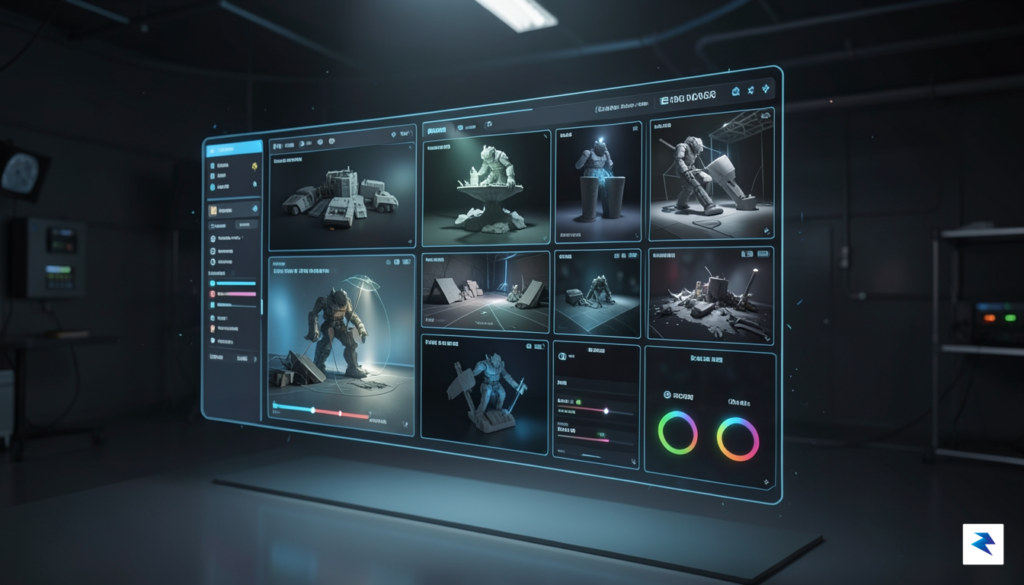
The integration of advanced machine learning into the cinematic pipeline promises to move beyond mere automation, acting instead as a profound force multiplier for the creative process. By targeting the most labor-intensive bottlenecks in production and post-production, these emerging tools allow filmmakers to reclaim the time previously lost to tedious manual labor. Rather than replacing the human touch, AI serves as an extension of the director’s intent, enabling the rapid iteration of complex visual ideas that would otherwise require weeks of painstaking technical execution.
Streamlining the Post-Production Workflow
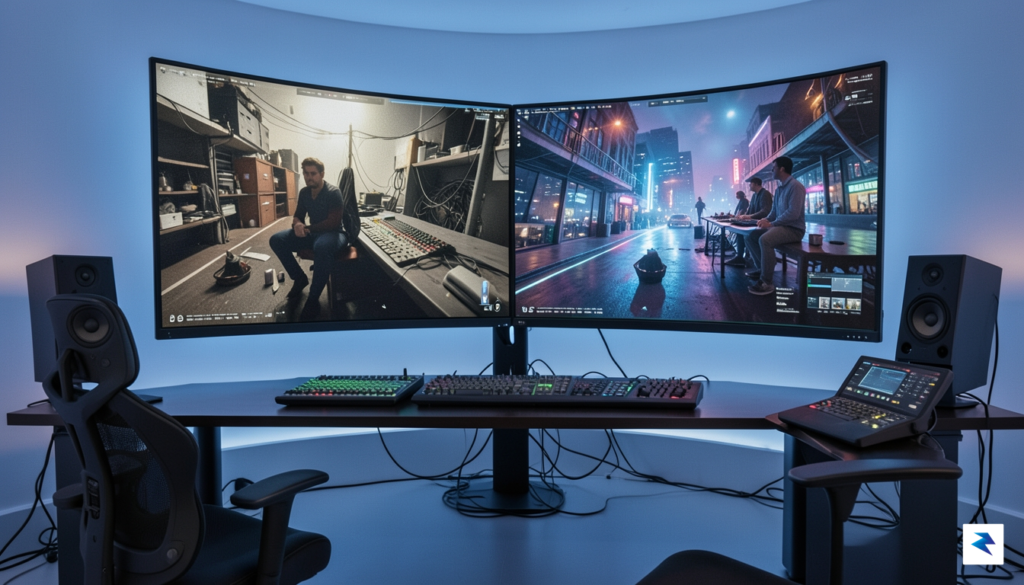
One of the most immediate impacts of this technological shift is found in the realm of post-production, where tools like AI-assisted color grading and advanced rotoscoping are beginning to transform traditional workflows. Traditionally, isolating a subject from its background—a process known as rotoscoping—could take days of frame-by-frame manual masking. Modern AI models, however, can now identify and track intricate subject movements with near-perfect accuracy in a fraction of the time. Similarly, intelligent color grading systems can analyze the emotional temperature of a scene, suggesting tonal adjustments that align with a director’s specific aesthetic vision, effectively removing the technical friction that often slows down the creative flow during the final color pass.
Real-Time Visualization and Lighting
Beyond the editing suite, the potential for real-time lighting adjustments in post-production offers a revolutionary leap in visual fidelity. Filmmakers are no longer strictly beholden to the lighting constraints of the original shoot; with generative AI, editors can adjust light sources, re-illuminate actors, or modify the ambiance of a digital environment long after the cameras have stopped rolling. This flexibility empowers cinematographers to experiment with dramatic lighting choices during the edit without the logistical nightmare of a re-shoot. These advancements act as a bridge between a director’s abstract concept and the final rendered product, ensuring that the technical demands of the medium do not compromise the integrity of the storytelling.
The true power of AI in Hollywood lies in its ability to strip away technical barriers, allowing creators to focus entirely on the emotional and narrative resonance of their work rather than the limitations of their software.
Ultimately, these tools function as high-performance assistants that handle the “heavy lifting” of filmmaking. By automating the repetitive, high-volume tasks that define modern visual effects, studios can allocate more of their resources toward innovation and artistic exploration. As these technologies mature, we can expect to see a democratization of high-end cinematic quality, where the primary limitation on a film’s visual impact becomes the filmmaker’s imagination rather than the size of their technical support team.
Preserving the 'A24 Aesthetic' in an Automated World

The core apprehension surrounding the integration of artificial intelligence into the film industry is not necessarily a fear of the technology itself, but rather a profound concern regarding the potential erosion of the “A24 aesthetic.” For years, the studio has carved out a singular niche defined by unconventional storytelling, daring visual palettes, and an uncompromising commitment to the director’s unique voice. Cinephiles worry that if a machine takes the helm, the resulting output might slide toward a homogenized, algorithmically safe aesthetic that lacks the jagged edges and raw emotional honesty that make films like The Lighthouse or Everything Everywhere All At Once so resonant. The challenge lies in ensuring that these new computational tools act as a canvas for creative expression rather than a factory mold that imposes a generic, overly polished look on the medium.
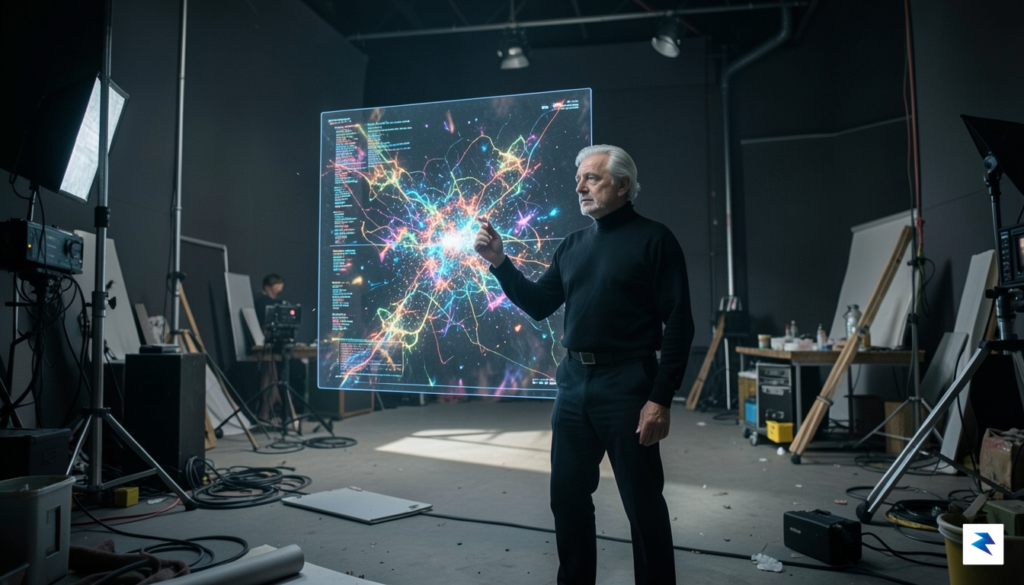
To successfully preserve the soul of independent cinema, Google DeepMind’s tools must be built with a radical degree of adaptability. If the software is designed to “optimize” for general audience metrics or standard visual tropes, the inherent risk is that it will inadvertently strip away the idiosyncrasies that define the A24 brand. Instead, these systems need to be trained to recognize and support the specific, often experimental, stylistic choices of the filmmakers they serve. By allowing the technology to understand the nuance of shadow, the texture of film grain, and the pacing of a non-linear narrative, DeepMind can provide a foundation that respects the director’s intent. The goal should be to create a system that acts as an extension of the artisan’s hand, rather than a replacement for the eye that frames the shot.
True innovation in film shouldn’t be about replacing the human gaze, but about expanding the limits of what a single director can manifest on screen.
Ultimately, the most promising path forward is to frame AI as a highly specialized “co-pilot” for the creative process. In this vision, the director retains full autonomy, using generative tools to iterate on visual concepts, manage complex post-production workflows, or explore lighting variations at a speed that was previously impossible. This approach honors the human element by keeping the decision-making power firmly in the hands of the storyteller, ensuring that the final cut remains a product of human experience and emotional depth. When the technology is relegated to the role of an assistant—handling the heavy lifting of technical execution so that the director can focus on the soul of the scene—it transforms from a threat to the artistic process into an essential instrument for modern cinematic creation.
The Future of Creative Collaboration
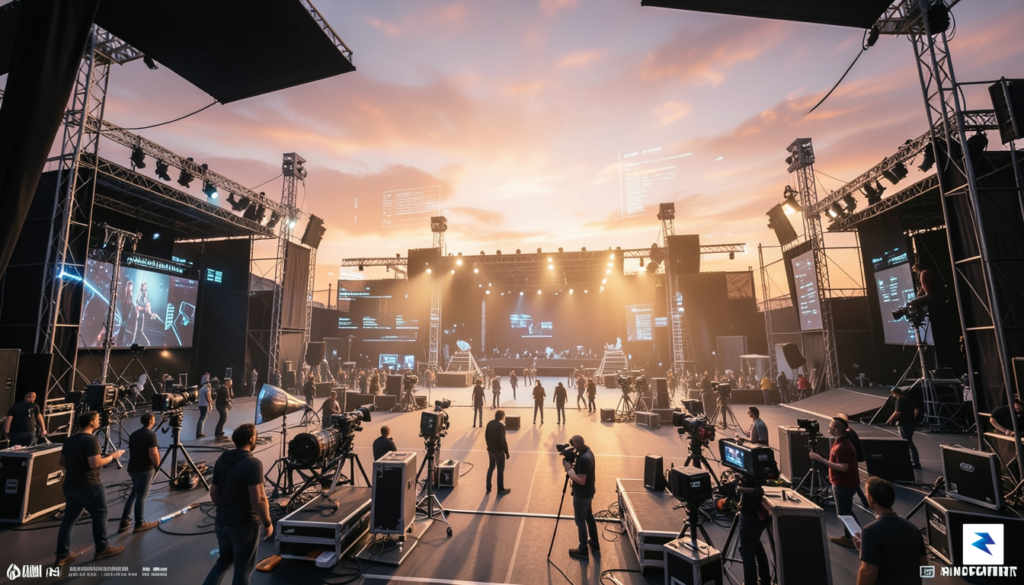
As the curtains rise on this $75 million collaboration, the film industry finds itself at a critical juncture that will likely dictate the trajectory of cinematic production for the next decade. By integrating DeepMind’s advanced generative capabilities into A24’s distinct creative workflow, the partnership serves as a high-stakes proof-of-concept for the entire studio ecosystem. If successful, this experiment could shift the role of artificial intelligence from a mere background utility to an active participant in the creative process, potentially streamlining complex visual effects, accelerating pre-production visualization, and unlocking new avenues for storytelling that were previously constrained by time and budget. The industry is watching closely, recognizing that the standards established here—regarding technical implementation and creative synergy—may soon become the blueprint for how major studios balance the cold precision of algorithms with the warmth of human artistry.
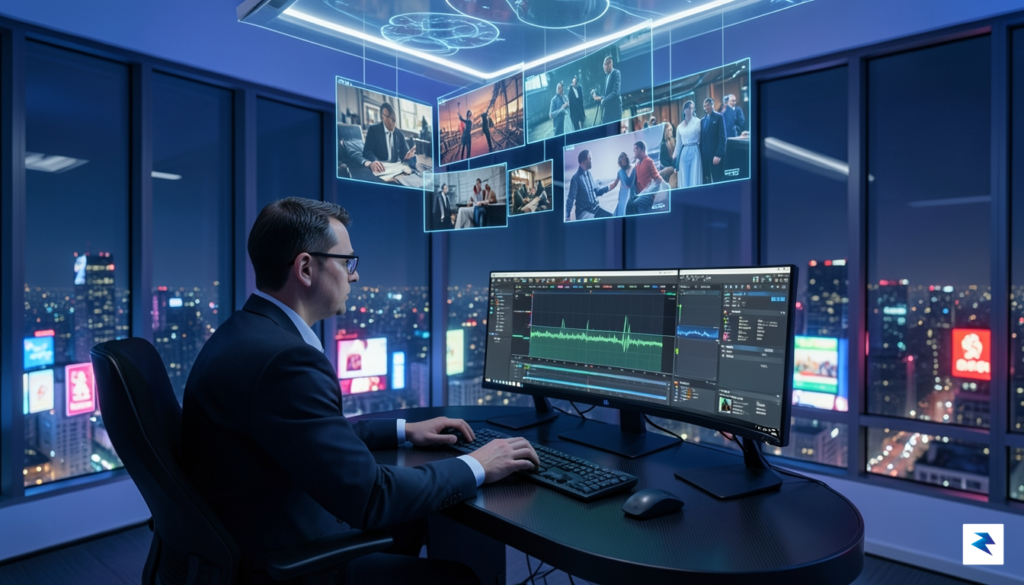
However, the integration of such powerful technology necessitates a rigorous conversation regarding ethics and transparency. As AI-driven tools become more adept at mimicking styles, textures, and even narrative beats, the burden of maintaining the authenticity of film rests squarely on the shoulders of these pioneers. Audiences are increasingly sensitive to the nuance of human emotion, and there is a legitimate concern that over-reliance on generative models could lead to a homogenizing effect on cinema. Therefore, for this partnership to succeed in the long term, it must prioritize clear disclosure policies and guardrails that protect the intellectual property and labor of the human artists involved. True innovation in this space will not be measured solely by the quality of the visual output, but by how effectively these companies can demonstrate that AI serves as a catalyst for human expression rather than a replacement for it.
The true measure of this technological leap will not be in the pixels rendered, but in the creative voices amplified by the tools.
Ultimately, this deal signifies a deepening rivalry between Silicon Valley’s tech giants and the traditional machinery of Hollywood. While tech companies possess the computational resources to revolutionize the mechanics of filmmaking, traditional studios hold the cultural pedigree and storytelling heritage that define the cinematic experience. This tension will likely drive a new wave of competition, forcing legacy media houses to either invest heavily in their own internal AI research or seek out similar partnerships to remain relevant. As we look toward the future, the winners will be those who master the delicate equilibrium between technical prowess and the irreducible essence of human creativity, proving that even with the most sophisticated algorithms, the heartbeat of a great film remains profoundly, and uniquely, human.