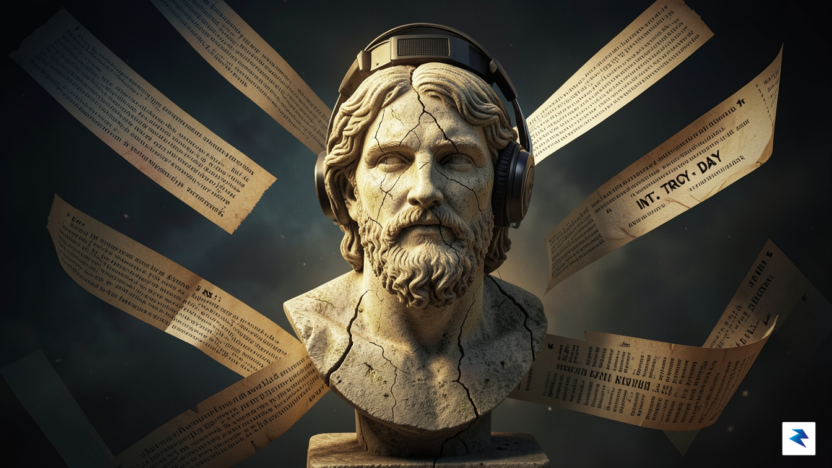
The Enduring Battle for the Homeric Legacy
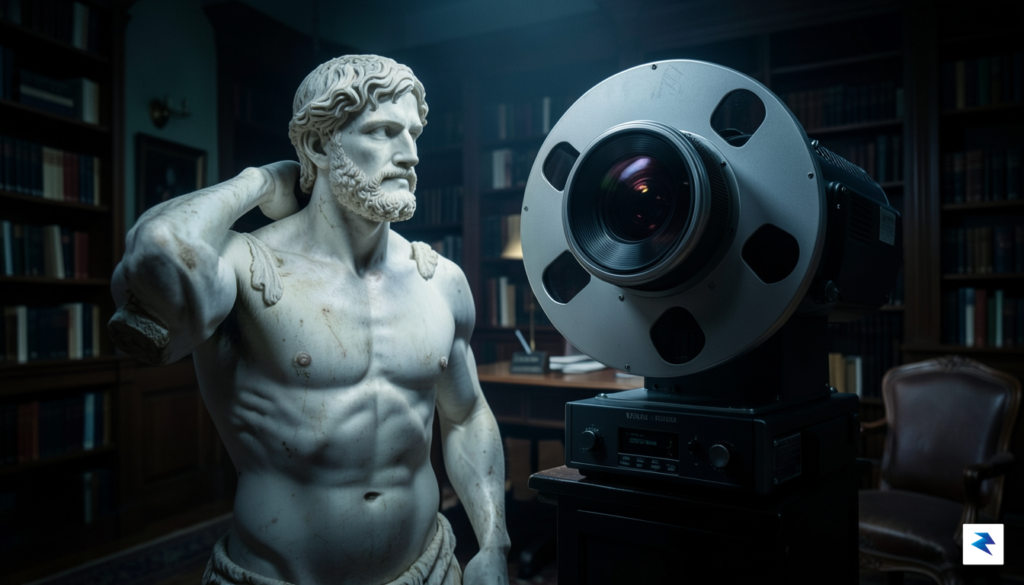
For nearly three millennia, Homer’s Odyssey has functioned as far more than a mere epic poem; it is a foundational pillar of the Western canon, a narrative blueprint that has shaped our collective understanding of heroism, homecoming, and the human condition. Because of its immense cultural weight, the text has become a malleable vessel, constantly reinterpreted to mirror the shifting anxieties and aspirations of each successive generation. However, as contemporary filmmakers attempt to modernize or re-contextualize Odysseus’s arduous journey, these projects have increasingly found themselves at the epicenter of a volatile culture war. The current wave of intense, often vitriolic backlash against new adaptations is not an isolated incident, but rather the latest skirmish in a long-standing struggle over who possesses the authority to define the “true” meaning of classical antiquity.
The intensity of this friction stems from a specific, recurring desire among certain right-wing ideological groups to claim exclusive ownership of the Greco-Roman world. By framing the classics as an immutable, sacred heritage, these groups frequently weaponize the Odyssey to bolster narratives of nationalist identity, traditional gender roles, and Western exceptionalism. When a cinematic adaptation dares to introduce diverse casting, updated gender dynamics, or non-traditional interpretations of the source material, it is often dismissed not merely as a creative failure, but as a deliberate act of “revisionism” or a targeted assault on cultural purity. This proprietary stance treats the text as a stagnant monument rather than a living, breathing work of art, effectively transforming academic and artistic discourse into a defensive perimeter.
The impulse to guard the classics against modern interpretation often reveals more about the contemporary fears of the critic than the historical reality of the text itself.
This pattern of reactionary backlash is a predictable phenomenon, repeating with almost rhythmic precision whenever a foundational work is brought into the spotlight of modern discourse. Whether through social media firestorms or performative critiques in political spheres, the goal is often to establish a rigid boundary around what is deemed “authentic.” By labeling progressive reinterpretations as “woke” or “historically revisionist,” these critics attempt to invalidate any perspective that threatens their idealized version of history. Ultimately, this battle for the Homeric legacy highlights a profound divide: one side views the classics as a museum piece to be protected from change, while the other sees them as a vibrant, enduring language through which we must continue to interrogate our own changing world.
Emily Wilson and the Anatomy of a Translation War
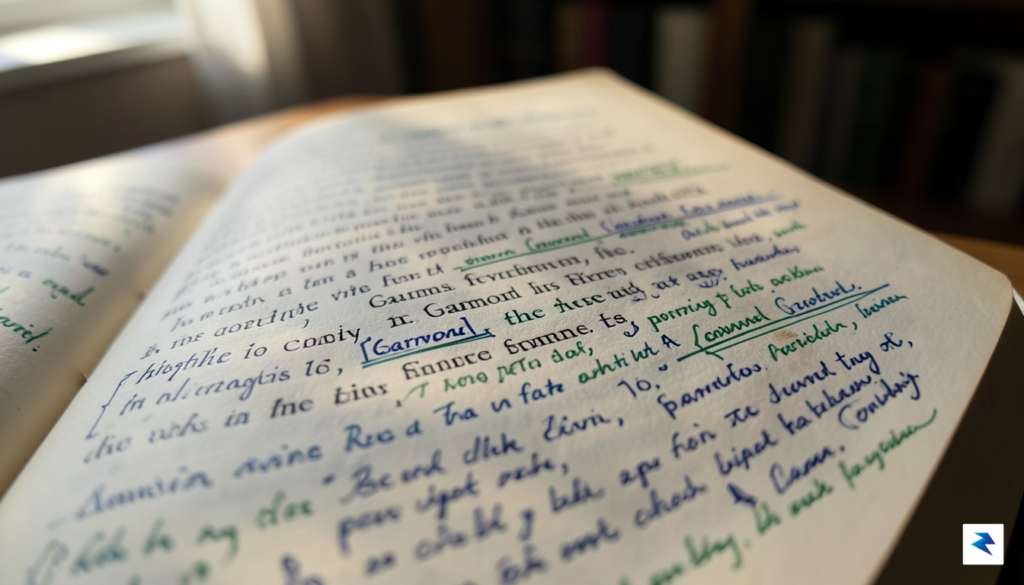
When Emily Wilson published her landmark translation of the Odyssey in 2017, she became the first woman to render Homer’s epic into English. Far from being met with universal acclaim, her work triggered a firestorm that served as a precursor to today’s heated debates over classical literature. While many critics lauded her for stripping away the archaic, pseudo-Elizabethan varnish that had defined previous translations, a vocal and reactionary contingent viewed her stylistic choices as a direct assault on the canon. To these detractors, the use of clear, modern, and unadorned language was not merely a stylistic preference; it was perceived as a betrayal of the heroic gravitas they believed the text demanded.
The core of the backlash centered on Wilson’s deliberate rejection of the “macho” posturing often favored by her male predecessors. By opting for precision over flowery ornamentation, Wilson exposed the ways in which previous translators had often projected their own cultural biases—and masculine expectations—onto the ancient Greek text. Critics who labeled her work an “abomination” were rarely engaging with the linguistic accuracy of her Greek scholarship. Instead, they were reacting to the loss of a specific, traditionalist gatekeeping mechanism. For these individuals, the Odyssey was not just a poem; it was a cultural artifact that had been curated to reinforce specific power structures, and Wilson’s insistence on a more egalitarian reading felt like an unwelcome intrusion into a hallowed space.
The outrage directed at Wilson’s work demonstrated that for many, the classics are not static historical documents, but rather living symbols of cultural identity that must be defended against perceived ideological “pollution.”
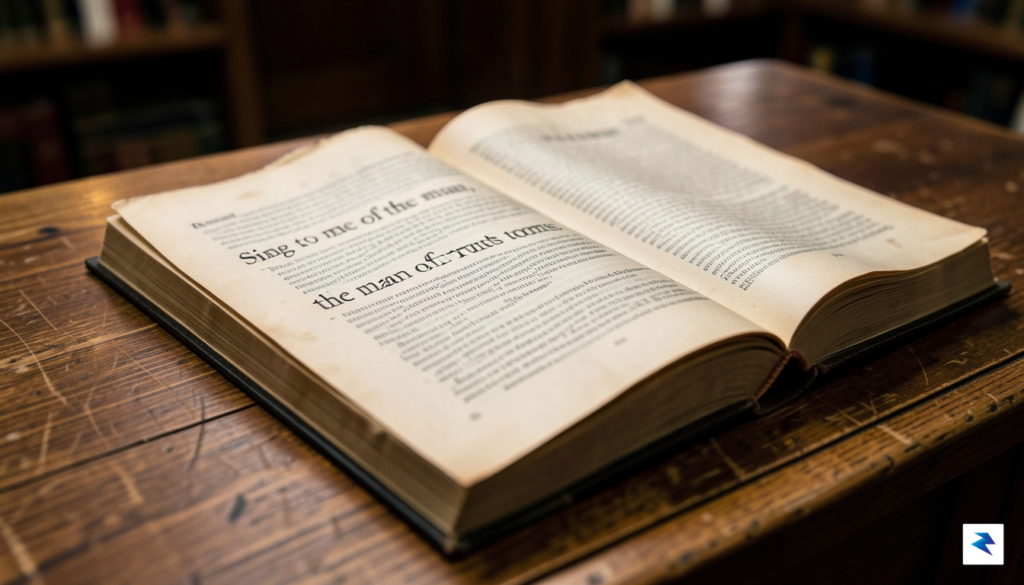
Ultimately, the vitriol aimed at Wilson’s translation reveals that these disputes are far less about the nuances of ancient linguistics and far more about the politics of the present. By choosing to translate the text with a modern sensibility, Wilson effectively democratized Homer, making the epic accessible to readers who had long been excluded by the exclusionary, elitist jargon of the past. Her detractors, however, viewed this accessibility as a loss of prestige. This pattern—where the modernization of a classic is met with accusations of political correctness—has become a recurring motif in the culture wars. It suggests that for some, the value of the classics lies not in their timelessness or their capacity to evolve, but in their ability to serve as a fortress for a rigid, unchanging worldview.
This history provides an essential framework for understanding the current outcry surrounding recent adaptations of the Odyssey. Whether in film or literature, whenever a creator attempts to peel back the layers of accumulated tradition to find the humanity underneath, they encounter the same wall of resistance. The 2017 translation war was never truly about Homer; it was a battle over who gets to define the narrative of the Western canon, and the current backlash proves that the struggle for ownership of these stories is far from over.
The Cultural Politics of Adaptation in Modern Cinema

The transition of Homer’s epic from the printed page to the silver screen has long been a fraught endeavor, yet the current climate of cinematic adaptation has transformed these aesthetic choices into a battlefield for broader cultural anxieties. When Emily Wilson’s groundbreaking translation of The Odyssey first arrived, it faced a wave of pedantic hostility from those who viewed any deviation from traditional, often Victorian-inflected language as a betrayal of the source material. Today, we are witnessing a migration of this exact mechanism of outrage into the world of film. As modern directors attempt to reimagine the trials of Odysseus for a contemporary audience, they find themselves caught in a crossfire where any departure from archaic archetypes is immediately labeled as a “woke” corruption, rather than a necessary evolution of storytelling.
This phenomenon relies heavily on a weaponized definition of the “canon”—a concept that is frequently invoked not to preserve artistic integrity, but to silence diverse perspectives that challenge established power structures. By framing the classical world as a static, monolithic entity that must be shielded from “modern sensibilities,” detractors create a false binary between historical accuracy and contemporary relevance. In reality, the Odyssey has always been a living, breathing narrative defined by its malleability; it was an oral tradition before it was a text, and it has been reimagined in every century since antiquity. The current backlash against cinematic adaptations often ignores this history, choosing instead to treat film criticism as an extension of political grievance, where the casting of a character or the nuance of a performance is interpreted as a direct assault on Western heritage.
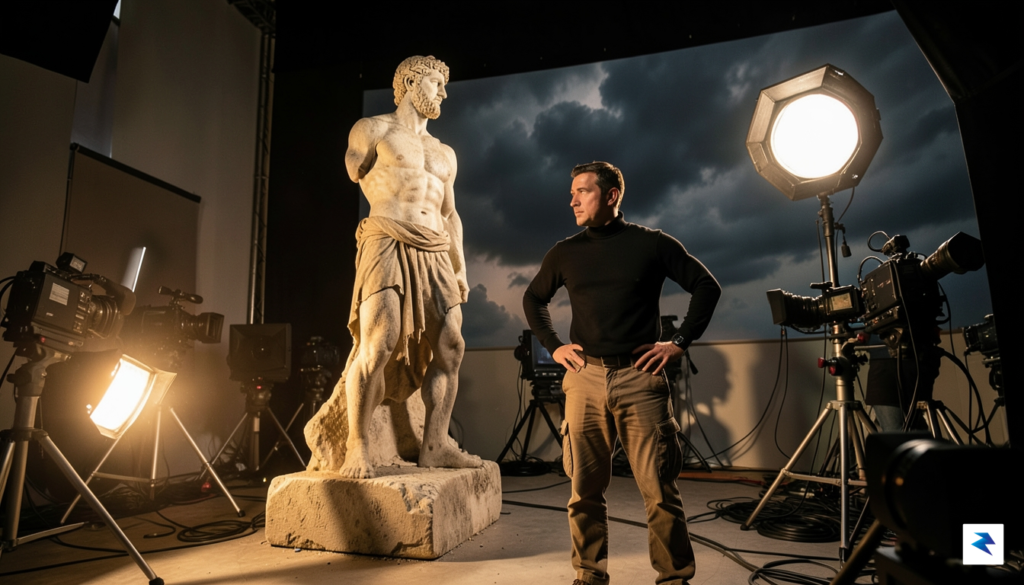
The struggle over these adaptations is less about the preservation of ancient Greek literature and more about who is granted the authority to interpret the foundational stories of our culture.
For today’s filmmakers, the challenge is twofold: they must navigate the technical complexities of adapting a sprawling, centuries-old epic while simultaneously anticipating a reactionary audience that treats any creative license as an act of political subversion. Directors are now forced to weigh their artistic vision against the pressure to conform to rigid, preconceived notions of what “classical” should look like. This creates a chilling effect in the creative industry, where the pursuit of a more inclusive, nuanced exploration of human struggle—the very core of Homeric themes—is treated with suspicion. Ultimately, the cultural wars currently surrounding these films reveal that the battle is not really about the Odyssey at all, but about the ongoing struggle to define which voices have the legitimacy to translate the past for the future.
Why Classical Literature Remains a Flashpoint for Identity Politics

Ancient epic poems like Homer’s *Odyssey* continue to ignite passionate, sometimes furious, debate in modern society. Why do narratives crafted millennia ago elicit such visceral reactions today? The answer lies not just in their literary merit, but in their profound symbolic power. For many, these venerable texts are far more than mere stories; they are perceived as nothing less than the genetic code of Western civilization itself, foundational pillars upon which cultural identity and historical continuity are built. Consequently, any attempt to ‘re-read,’ re-interpret, or even just re-present them through a contemporary lens can feel like an existential threat, an assault on cherished beliefs and an established order.
This proprietary sense of ownership stems from a long history where the Classics have been deliberately positioned as a proxy for a specific, often idealized, white and patriarchal historical narrative. Generations have been taught that these ancient works embody universal truths and represent an unbroken lineage of Western thought and achievement, often implicitly excluding other voices or perspectives. When these texts are presented as the exclusive inheritance of a particular demographic, any critical engagement that questions this singular interpretation is often met with fierce resistance. This is because such challenges are perceived to undermine not just a literary reading, but an entire worldview predicated on that exclusive claim to cultural heritage.
Fueling this resistance is the concept of an “imagined past,” a carefully curated and romanticized vision of history that reactionary groups strive to preserve at all costs. This imagined past often whitewashes complexities, glorifies certain aspects, and conveniently omits others to construct a narrative of unblemished heritage and traditional values. The Classics, in this view, serve as immutable artifacts, concrete evidence supporting this idealized version of history. To challenge the traditional interpretation of *The Odyssey*, for instance, is not seen as an academic exercise but as an act of desecration, threatening to dismantle the very foundations of this comforting, yet often historically inaccurate, imagined past.
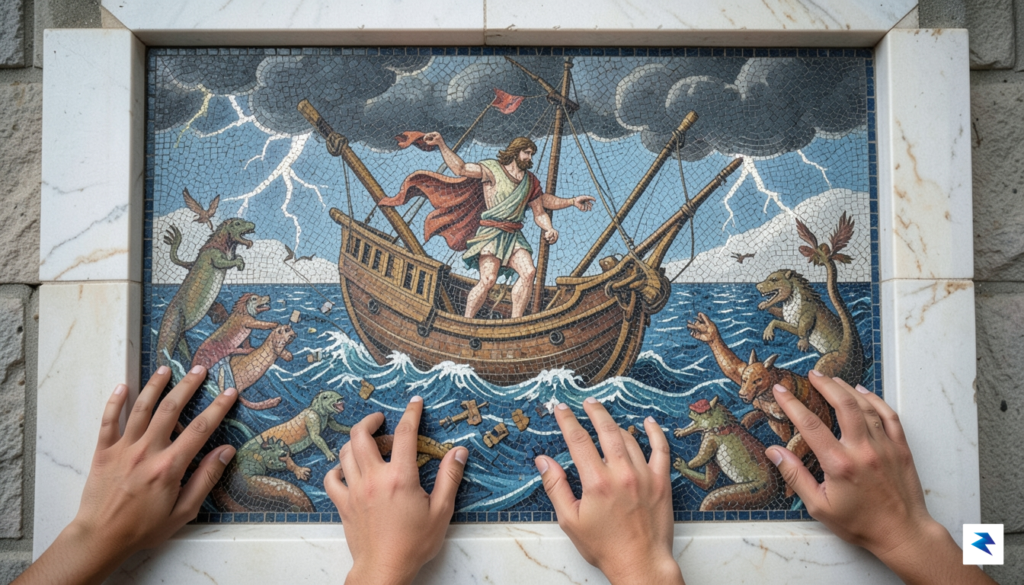
However, this static and possessive understanding stands in stark contrast to the dynamic approach embraced by classical scholars and literary academics. For them, re-interpretation is not an act of destruction but a necessary and vital part of keeping literature alive and relevant across centuries. They view these ancient texts not as rigid blueprints, but as rich, multifaceted tapestries that yield new insights when examined through evolving social, cultural, and political lenses. Engaging with the Classics in new ways allows us to understand their enduring power, uncover previously marginalized voices, and illuminate their continued resonance in our modern world, all without erasing their historical significance.
Ultimately, the ongoing cultural skirmishes surrounding works like *The Odyssey* are about more than just differing opinions on ancient narratives; they are intense battles over who controls the narrative of the past, and by extension, who gets to define the present and shape the future. These conflicts expose the deep-seated anxieties within certain segments of society regarding identity, heritage, and the perceived erosion of traditional values. The Classics, with their immense symbolic weight, become the most potent battlegrounds precisely because they are seen as holding the keys to understanding, validating, or challenging the very foundations of our collective identity.
Looking Forward: The Future of Canonical Interpretation
The cultural friction surrounding modern adaptations of epic poetry is rarely a sign of the work’s decline; rather, it is a testament to its enduring vitality. When classical texts like Homer’s Odyssey become lightning rods for contemporary ideological debate, it confirms that these stories remain living, breathing components of our shared human experience. As we navigate an increasingly polarized landscape, the challenge for scholars, filmmakers, and audiences alike is to resist the urge to retreat into dogmatic silos. We must instead embrace the inherent complexity of these narratives, recognizing that a text which fails to provoke, challenge, or even offend occasionally may have already lost its relevance to the modern world.
Moving forward, the survival of the humanities depends entirely on our commitment to scholarly rigor balanced with a genuine openness to diverse perspectives. When we approach canonical literature, we should view new interpretations not as threats to a “sanctified” tradition, but as necessary expansions of our critical vocabulary. By inviting voices that have been historically excluded from the halls of academia into the conversation, we do not erase the past; we provide it with a more comprehensive lens. This evolution is a byproduct of a maturing culture—one that is finally confident enough to interrogate the values of antiquity while simultaneously acknowledging their foundational role in our own societal architecture.
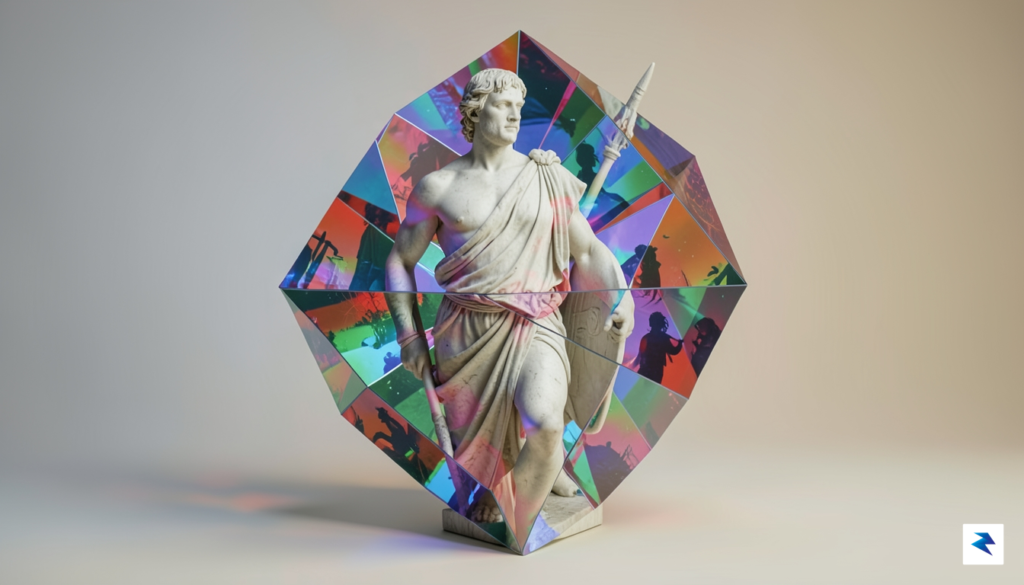
True canonical literacy requires us to hold two opposing ideas in our minds simultaneously: the historical integrity of the text and the fluid, evolving nature of its meaning for each subsequent generation.
For the average audience member, the path forward involves a shift from reactionary consumption toward critical engagement. Instead of asking whether a new adaptation aligns perfectly with a pre-existing political worldview, we should ask what the work reveals about the tension between ancient archetypes and contemporary anxieties. This requires a willingness to sit with discomfort and to recognize that ambiguity is often the most honest response to profound literature. If we can move away from ideological warfare and toward a more nuanced, multifaceted appreciation of the humanities, we ensure that the classics remain not just relics on a shelf, but active participants in the ongoing dialogue of human civilization.