
Understanding the Klue Data Breach: A Breakdown of the Incident

The recent security incident at Klue highlights a recurring challenge in the cybersecurity landscape: the danger of dormant digital infrastructure. While many organizations focus heavily on defending against sophisticated, state-sponsored zero-day exploits, this breach serves as a sobering reminder that the most vulnerable entry points are often the ones left behind. The attackers did not need to invent a complex new way to bypass modern encryption or firewall protocols. Instead, they successfully exploited a credential that had been created for a 2022 pilot program, which had long since outlived its original purpose but remained active within the company’s internal network architecture.

This incident underscores the critical necessity of strict lifecycle management in enterprise software. The credential in question was not a current production key, nor was it part of a primary administrative account; rather, it was a remnant of a past experiment that had been neglected during system audits. Because this specific access key was not properly decommissioned when the pilot concluded, it acted as a “ghost” in the system, providing unauthorized actors a pathway into internal environments. Once the threat actors utilized this stale credential, they gained the ability to navigate through specific segments of the network, eventually leading to the unauthorized exfiltration of certain customer data.
The breach at Klue demonstrates that security is not just about building higher walls, but also about ensuring that every door—even those from abandoned projects—is fully locked and accounted for.
To understand the scope of the incident, it is essential to distinguish between the nature of the compromised data and the operational impact on Klue’s primary services. The unauthorized access was contained to specific datasets, and the company has been transparent about the fact that this was an isolated failure of credential hygiene rather than a systemic collapse of their entire software platform. By failing to rotate or revoke the pilot-era key, the organization inadvertently left a legacy vulnerability exposed to the internet. This serves as a vital lesson for businesses of all sizes: every piece of infrastructure, from temporary testing environments to long-forgotten integrations, must be subject to the same rigorous security decommissioning processes as your primary production systems. Moving forward, the focus for many teams will likely shift toward more automated “cleanup” protocols that ensure no credential remains active once its intended lifecycle has reached its natural conclusion.
The Lifecycle of Stale Credentials: Why Old Keys Pose New Threats

In the relentless drive to innovate and deploy new features, organizations frequently initiate pilot programs, create temporary testing environments, or integrate third-party services for a limited duration. These initiatives, while absolutely crucial for fostering business agility and rapid development, often necessitate the generation of specific access credentials—think API keys, database logins, or temporary service accounts—designed to facilitate their short-term objectives. The critical security oversight, however, almost invariably occurs when these temporary projects conclude, and the digital access tokens created for
Security Governance: The Failure to Revoke and Rotate Access
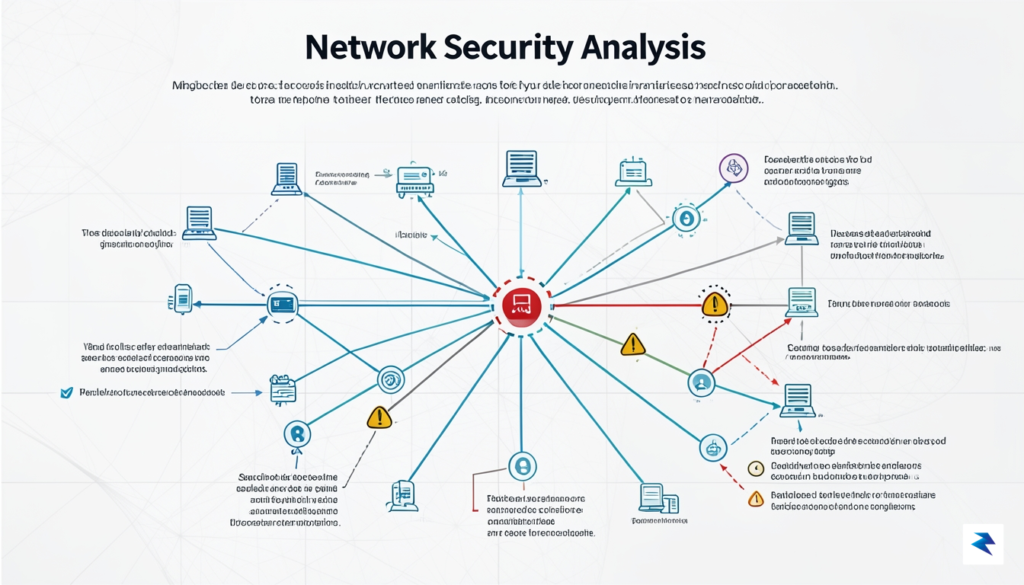
The recent breach incident, where customer data was compromised due to a credential stolen back in 2022, tragically illustrates a pervasive and critical flaw in contemporary security postures: the systemic failure to adequately revoke and rotate access. This isn’t merely an isolated misstep but rather a stark indicator of an underlying issue deeply embedded within the operational fabric of many organizations, particularly those navigating the complexities of rapid software development and evolving digital landscapes. Such an oversight transforms what should be a closed chapter in a company’s history—a concluded project or an inactive service—into a persistent, ticking time bomb, waiting for an opportunistic threat actor to exploit.
At the heart of preventing such long-term vulnerabilities lies robust and centralized Identity and Access Management (IAM). A well-implemented IAM system serves as the single source of truth for who has access to what, when, and under what conditions, providing essential visibility and control. Without a unified IAM framework, organizations often find themselves struggling with a fragmented landscape of permissions, where credentials are provisioned across various systems, applications, and cloud services without proper centralized oversight. This fragmentation makes it incredibly difficult to track the complete lifecycle of an identity or a credential, leading to forgotten access pathways that remain open long after their legitimate purpose has expired, creating enticing backdoors for malicious entities.
The inherent dangers of relying on manual credential tracking cannot be overstated. In the absence of automated systems, the responsibility for managing access often falls to individual teams or even specific developers, frequently documented in disparate spreadsheets, internal wikis, or even personal notes. This ad-hoc approach is a breeding ground for human error, oversights, and inconsistencies, inevitably leading to stale, unmonitored credentials accumulating across the infrastructure. When an employee departs, a contractor finishes a project, or an internal service is decommissioned, manual processes often fail to comprehensively revoke all associated access keys, API tokens, and service account credentials, leaving a trail of easily exploitable opportunities for attackers seeking unauthorized entry.
To counteract this pervasive issue, implementing automated ‘time-to-live’ (TTL) policies for all system access keys and credentials is no longer a luxury but an absolute necessity. TTL ensures that credentials are inherently short-lived, automatically expiring after a predefined period, thereby forcing regular rotation and drastically reducing the window of opportunity for attackers to exploit a compromised key. This proactive approach minimizes the potential impact of a stolen credential, as its utility quickly diminishes, rendering it useless to an attacker after a short timeframe. Such policies are fundamental to a ‘least privilege’ security model, where access is granted only for the duration and scope absolutely required, aligning perfectly with modern ‘zero trust’ principles.
Ultimately, the incident serves as a critical reminder that comprehensive security hygiene must encompass the entire lifecycle of credentials and access, from initial provisioning through to mandatory, automated offboarding and revocation. Whether it’s an employee transitioning roles, a third-party vendor completing a contract, or a legacy system being retired, the process of deactivating all associated access must be as rigorous and automated as the initial granting of permissions. Ignoring this crucial step turns historical data into future liabilities, transforming closed projects into open invitations for breaches. Organizations must invest in robust automation for credential management, ensuring that access revocation is not an afterthought but an integral, enforced part of their security governance framework.

Impact and Recovery: Protecting Customer Data in the Aftermath

The unauthorized access of credential data from 2022 serves as a stark reminder that even latent digital footprints can become potent weapons in the hands of malicious actors. When these credentials provide a gateway to third-party intelligence platforms, the resulting exposure is not merely an IT inconvenience; it is a significant privacy concern that impacts the proprietary data strategies of client organizations. The severity of such a breach lies in the potential for unauthorized parties to view sensitive market intelligence and competitive insights, which are often the lifeblood of a company’s strategic planning. Because this exposure involves access keys that bypass standard authentication layers, the breach effectively dismantled the perimeter defenses that customers relied upon to keep their internal data siloed and secure.
In response to this incident, the priority has shifted toward rapid remediation and the hardening of the overall security architecture. Klue has initiated rigorous technical measures to neutralize the compromised credentials, ensuring that the specific keys obtained by the attackers are no longer functional. However, technical fixes are only one half of the equation. True recovery requires a transparent communication strategy that empowers affected clients to take proactive control of their own digital environments. By detailing the scope of the incident, the organization is attempting to regain the trust that is often fragile in the aftermath of a security event, while simultaneously providing the necessary data for clients to conduct their own forensic investigations.
The fallout from a data breach is a critical test of a company’s transparency and incident response capabilities; successful recovery depends on how quickly a firm can pivot from containment to collaborative security verification with its partners.
For organizations relying on intelligence platforms, the aftermath of a breach mandates an immediate and comprehensive audit of all integrated service connections. Customers should not wait for further guidance but should instead take the following proactive steps to verify their security standing:
- Mandatory Credential Rotation: Immediately reset all passwords and API keys associated with the platform, as well as any accounts that shared similar credentials.
- Integrated Service Audit: Carefully review all third-party integrations and webhooks linked to the intelligence platform to ensure no unauthorized persistence mechanisms were established.
- Activity Log Review: Scrutinize system access logs for any anomalous behavior or unauthorized data exports that may have occurred during the window of exposure.
- Enhanced Authentication: Ensure that multi-factor authentication (MFA) is strictly enforced across all user accounts, ideally transitioning to hardware-based security keys where possible.

Ultimately, this event underscores the necessity of maintaining a “zero-trust” mindset, even when dealing with trusted third-party providers. Stale credentials, often overlooked in routine security hygiene, can provide a bridge for attackers to pivot into more sensitive environments. By treating every credential as potentially volatile and performing regular audits of dormant connections, businesses can effectively reduce their attack surface. While the breach is undoubtedly a significant challenge, it also offers a vital opportunity for companies to fortify their defenses and reinforce the security protocols that protect their most valuable intellectual assets.
Best Practices for Modern Credential Management
Preventing the recurrence of credential-based breaches requires a fundamental shift from passive security oversight to a rigorous, proactive posture toward credential hygiene. Organizations must stop viewing authentication tokens as static keys and instead treat every temporary credential—whether for a development sandbox, a legacy integration, or a temporary API connection—as a high-risk asset. By adopting a “lifecycle management” mindset, businesses can shrink their attack surface, ensuring that the forgotten test environments of yesterday do not transform into the critical liabilities of tomorrow.

The first line of defense is the strict enforcement of the Principle of Least Privilege (PoLP). Too often, developers or automated services are granted broad, persistent permissions that far exceed their functional requirements. By auditing permissions regularly and ensuring that access is scoped strictly to the specific resources required for a defined task, companies can contain potential damage if a specific account is compromised. This granular approach should be paired with automated secret management tools, such as HashiCorp Vault or similar enterprise-grade solutions. These platforms eliminate the need for hard-coded credentials in source code or configuration files by dynamically generating short-lived, just-in-time tokens that expire automatically, effectively rendering stolen keys useless to an attacker within a very short window.
To achieve true resilience, security teams must treat credentials as ephemeral, expiring assets rather than permanent permissions.
Beyond automated tooling, human-centric processes are essential for maintaining a clean security environment. Implementing a mandatory post-project security decommissioning checklist is a vital, non-negotiable step in the software development lifecycle. This checklist should explicitly require the revocation of all service accounts, the deletion of test databases, and the invalidation of any API keys created for the duration of the project. Furthermore, organizations should establish a culture of regular credential rotation schedules, even for systems that appear dormant. If an application or environment is no longer in active use, it should be archived or fully decommissioned to remove it from the perimeter entirely.
Ultimately, modern credential management is about visibility and accountability. Security leaders must invest in centralized logging and monitoring that alerts teams when an old credential suddenly attempts to authenticate after a period of dormancy. By combining these technical controls with a disciplined decommissioning process, businesses can ensure that their security architecture remains robust, agile, and prepared to defend against the increasingly sophisticated threats targeting legacy and stale digital identities.