The Collision of Silicon Valley and Cinema
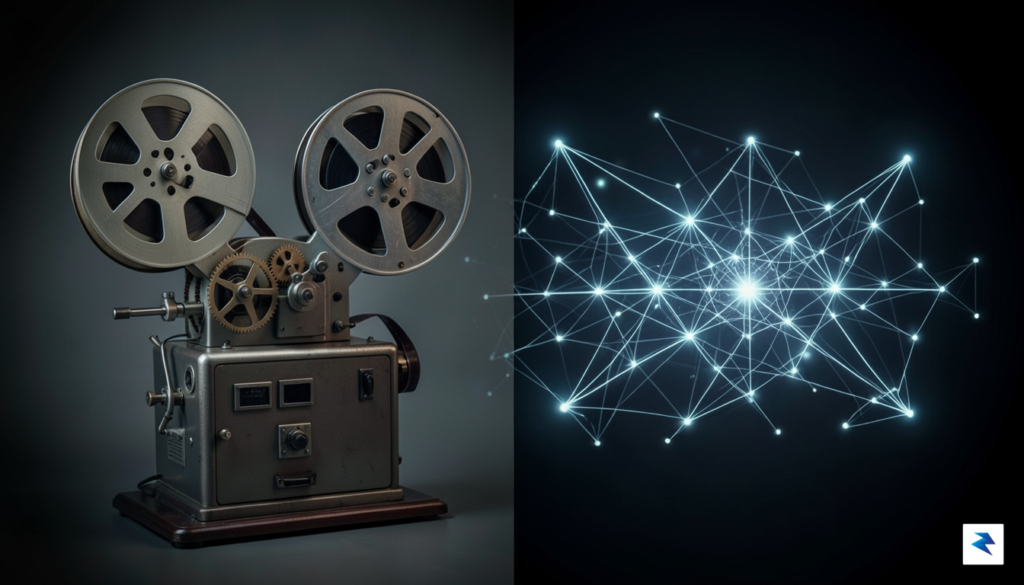
For decades, Hollywood has not merely observed technological innovation but has actively integrated and, at times, even celebrated it. From the advent of sound and color that transformed silent films into vibrant spectacles, to the groundbreaking visual effects that brought dinosaurs to life and galaxies far, far away into vivid reality, the film industry has consistently leveraged advancements to push the boundaries of storytelling. Tech companies, once seen primarily as providers of tools and fascinating subjects for biopics—think of the early days of Apple or Facebook depicted on screen—were welcomed partners, their innovations enhancing the magic of cinema. However, a profound shift is now underway, as Artificial Intelligence transcends its role as a mere instrument, emerging instead as a potential competitor and disruptor to the very creative processes that define filmmaking.
This evolving dynamic has ignited a significant flashpoint where the ambitions of Silicon Valley clash directly with the deeply rooted traditions and fears of the creative community. The burgeoning influence of generative AI, capable of crafting scripts, designing visual assets, and even synthesizing voices, introduces an existential question for an industry built on human ingenuity and craft. It’s no longer about how technology can help artists create, but increasingly, how it might replace them. This simmering discomfort has come to a head with the proposed Sam Altman biopic, reportedly titled “Artificial,” which has found itself navigating a surprisingly challenging path to distribution. The film, which chronicles the life of the co-founder and CEO of OpenAI, the company at the forefront of this AI revolution, inadvertently becomes a lightning rod for Hollywood’s anxieties about
Why Major Studios Are Wary of the OpenAI Biopic

The hesitation from industry titans like Netflix and A24 to greenlight a high-profile biopic about Sam Altman and the rise of OpenAI is far more than a simple matter of script quality or projected box office returns. Even with a visionary director like Luca Guadagnino attached, major studios are navigating a precarious political minefield. For companies owned by massive, diversified conglomerates, the decision to back a film centered on the very architects of technological disruption feels like a strategic liability. These studios are acutely aware that the narrative surrounding AI is currently one of the most polarizing topics in the entertainment industry, and aligning themselves with the face of that change could be perceived as a tacit endorsement of technologies that many creators view as an existential threat.
Furthermore, the optics of the project are undeniably fraught in the aftermath of the bruising 2023 WGA and SAG-AFTRA strikes. Labor unions successfully mobilized around the fear that generative AI would lead to the devaluation of human artistry and the widespread replacement of creative roles. By greenlighting a project that essentially chronicles the rise of the primary catalyst for those anxieties, a studio risks alienating the very talent pools they rely on to produce their content. It is a classic case of corporate risk aversion; distributors are wary of fueling a narrative that positions them as the willing handmaidens of an industry transition that has left their own creative workforce feeling vulnerable and marginalized.
The tension between technological progress and creative labor rights has become the defining subtext of modern Hollywood, turning even the most prestigious projects into potential PR liabilities.
Beyond the emotional and political stakes, there is the fundamental issue of the theatrical distribution climate. In an era where audiences are increasingly selective about what they see on the big screen, studios are prioritizing “safe” intellectual property and established franchises over experimental biographical dramas that carry significant baggage. The risk-averse nature of current theatrical distribution means that a film about the complexities of AI isn’t just a creative endeavor—it is a business proposition that invites intense scrutiny. Studios are not merely worried about losing money; they are worried about the reputational cost of being caught in the crossfire of a cultural war that is only just beginning to escalate.
Luca Guadagnino’s Vision and the Complexity of Modern Tech Icons
Directing a biopic about a living figure currently caught in the vortex of a global technological revolution requires a level of restraint that few filmmakers possess. When the subject is someone as polarizing and enigmatic as Sam Altman, the task becomes exponentially more difficult. A director must navigate the treacherous waters between hagiography—the tendency to canonize a tech “messiah”—and the biting cynicism of a hit-piece. Luca Guadagnino, known for his obsession with the inner lives of his characters and the tactile nature of desire, represents a fascinating, if unconventional, choice for such a project. His filmography, defined by a preoccupation with the subtle tremors of human interiority rather than the cold mechanics of professional success, suggests a director who might find the “human” behind the code, rather than just the architect of artificial intelligence.
Guadagnino’s unique directorial signature is his ability to linger in the silences, capturing the unspoken anxieties that drive his protagonists. In the context of a Silicon Valley titan, this approach is both a major asset and a potential point of friction for traditional financiers. Investors usually seek a straightforward, triumphant narrative arc that validates the tech industry’s expansionist goals, yet Guadagnino is far more likely to focus on the isolation that comes with shaping the future. He is interested in the textures of obsession, the way a person’s ambition might slowly erode their connection to the tangible, messy world. This interpretive lens is precisely what makes the prospect of an Altman biopic so daunting; it threatens to peel back the polished veneer of corporate public relations to reveal the deeply complicated, perhaps even vulnerable, human being underneath.

The true challenge of the contemporary biopic is not to document the milestones of a career, but to translate the frantic, abstract pace of digital innovation into the slow, deliberate language of human emotion.
Portraying a “tech messiah” for a general audience is a Herculean task because the subject matter itself is often perceived as cold, abstract, and deeply intimidating. For a film to resonate, it cannot simply be a chronicle of board meetings or patent filings; it must articulate why we care about the person behind the interface. If Guadagnino approaches Altman as he has approached his previous subjects, we might see a film that eschews the typical “genius in a hoodie” trope in favor of something more unsettling and profound. However, this is exactly why the project struggles to find a home in the current studio ecosystem. The industry often fears a film that refuses to take a side, preferring characters that are either purely heroic or villainous rather than the murky, brilliant, and deeply human figures that Guadagnino excels at portraying.
The Changing Landscape of Distribution for Tech-Focused Narratives
While the major Hollywood studios appear increasingly skittish about greenlighting projects that directly confront the titans of Silicon Valley, a different breed of distributor is finding immense value in the friction. Legacy studios, burdened by massive overheads and deep-seated corporate ties to the very tech giants currently disrupting their industry, operate with a risk-averse mandate that favors sanitized, non-confrontational narratives. In contrast, boutique labels like Neon and Mubi have built their reputations on the exact opposite strategy: they thrive by championing films that provoke, unsettle, and demand a reaction from the viewer. For these independent players, the reluctance of the “Big Five” to touch a controversial biographical drama about the architects of artificial intelligence is not a deterrent, but a massive strategic opening.
These indie distributors possess a unique ability to weaponize controversy as a primary marketing tool. Rather than burying a film’s sharp edges to appease potential corporate partners, Neon and Mubi lean into the tension, positioning their titles as “must-see” cultural flashpoints that challenge the status quo. By targeting niche, highly engaged audiences who are already skeptical of the tech-industrial complex, they create a sense of urgency that traditional, broad-market blockbuster campaigns struggle to replicate. In this ecosystem, a film that critiques OpenAI is not a liability—it is a badge of authenticity that signals to the audience that they are witnessing a story the establishment was too afraid to tell.
“When the mainstream retreats from a topic because it is considered too hot to handle, independent cinema sees a vacuum waiting to be filled with bold, unfiltered storytelling.”
This fundamental shift in distribution strategy is particularly evident in how biographical dramas are being handled in the modern era. Where a major studio might attempt to strip a narrative of its nuance to ensure global appeal and avoid brand damage, independent labels prefer the grit and the gray areas. They understand that stories about the creators of our digital future are most compelling when they are allowed to be messy, human, and deeply flawed. By fostering a distribution model that values intellectual rigor over mass-market comfort, these independent labels are ensuring that the most daring, tech-focused narratives don’t just survive the current climate—they set the terms of the conversation for the entire industry. As the line between innovation and exploitation becomes increasingly blurred, audiences may find that the most honest depictions of our changing world arrive not from the high-gloss production houses of Burbank, but from the smaller, more agile distributors willing to stare back at the mirror.
What the 'Artificial' Standoff Says About Hollywood’s AI Anxiety
The very public struggle to bring a film like ‘Artificial’ to fruition is far more than a mere distribution kerfuffle; it serves as a powerful, unsettling mirror held up to Hollywood itself. This isn’t just a story about a single biopic facing headwinds; it represents a deep-seated, existential anxiety permeating the entertainment industry regarding the future of storytelling, the invaluable role of human writers, and the increasingly unavoidable influence of algorithms on the creative process. The dilemma surrounding ‘Artificial’ encapsulates the industry’s profound apprehension about its own relevance in a world rapidly being reshaped by artificial intelligence. It highlights a core tension: an industry built on human imagination and artistry suddenly grappling with powerful tools that, while offering new creative avenues, also threaten to displace its most fundamental gatekeepers and creators.
Indeed, the protracted production and distribution cycle of a film so intrinsically tied to the world of AI could establish a significant precedent for how future tech-centric cinema is approached. Will this experience cause studios to shy away from projects that directly confront the complexities of AI, fearing similar internal conflicts or public backlash? Or, conversely, will it force a more proactive engagement, prompting the industry to define clear ethical guidelines, compensation structures, and creative ownership protocols for AI-assisted works? The long-term impact extends beyond just the narratives themselves; it touches upon funding models, intellectual property rights, and the very definition of “authorship” in an era where machines can generate scripts, synthesize voices, and even create entire visual sequences. The industry is in uncharted territory, and how it navigates the controversies surrounding ‘Artificial’ will undoubtedly influence the creative and business landscape for years to come, shaping both the stories we tell about AI and the methods we use to tell them.
Ultimately, the reception of ‘Artificial’ by audiences, should it ever find a widely accessible home, will be a crucial barometer for the entertainment industry’s future direction. Will viewers reward this kind of meta-commentary, finding the film’s behind-the-scenes struggles as compelling as its on-screen narrative about AI’s architect? Or will the public find the industry’s internal grappling with technology to be self-indulgent or, worse, a distraction from the escapism and pure storytelling they seek? There’s a growing segment of the audience fascinated by the intersection of technology and art, eager to witness how these profound shifts play out. Yet, there’s also a potential for fatigue if the industry’s anxieties overshadow the primary purpose of entertainment. The true test will be whether ‘Artificial’ can transcend its tumultuous production history to deliver a meaningful story that resonates, proving that even as Hollywood confronts its deepest fears, the human desire for compelling narratives remains paramount, regardless of the tools used to craft them.