
The Growing Crisis of Medicare Fraud in Wound Care

The landscape of federal healthcare oversight has shifted dramatically in response to a staggering surge in Medicare expenditures, which reached a precipitous $15 billion in 2025 specifically attributed to skin substitute treatments. This massive financial outlay has drawn the intense scrutiny of the Department of Justice, which recently unveiled a series of aggressive prosecutions aimed at dismantling sophisticated fraud schemes. For years, the wound care sector operated with relative autonomy, but the rapid escalation of costs caught the attention of federal investigators who identified a clear pattern: taxpayer dollars were being siphoned away from legitimate patient care and into the pockets of providers prioritizing profit margins over medical necessity.
At the heart of these federal investigations is the systemic abuse of billing practices, most notably the prevalence of “upcoding.” In these scenarios, unscrupulous providers bill Medicare for high-cost, advanced skin substitutes while either administering significantly cheaper, standard products or performing no treatment at all. By misrepresenting the level of service provided, these entities create a facade of medical complexity that justifies exorbitant reimbursements. This practice not only hemorrhages public funds but also exposes patients to unnecessary procedures, potentially undermining their long-term health while complicating their medical records with inaccurate data.

The scale of these schemes represents more than just a financial loss; it is a breach of the fundamental trust between the healthcare system and the millions of seniors who rely on Medicare for their well-being.
The broader implications of this crackdown extend far beyond the balance sheets of the Medicare program. For the average taxpayer, this fraud represents a direct threat to the sustainability of essential public health services, as billions of dollars in misallocated funds could have otherwise bolstered patient care, research, or administrative stability. Furthermore, Medicare recipients themselves are often unwitting participants in these schemes, unaware that their personal health information is being used to justify fraudulent claims for treatments they may not require. As the Department of Justice continues to tighten its grip on the wound care industry, the message to providers is clear: the era of unchecked billing and predatory practices is coming to a definitive, litigious close.
Ultimately, the Department of Justice’s current strategy is designed to send a powerful deterrent signal to the healthcare industry at large. By targeting high-profile cases of abuse within the wound care sector, federal prosecutors are attempting to restore integrity to a system that has been stretched to its breaking point. Moving forward, the industry can expect heightened audit requirements, more rigorous documentation standards, and a permanent increase in federal oversight as the government works to ensure that the $15 billion spent on wound care is used solely to improve the lives of patients who truly need these life-changing therapies.
Understanding Skin Substitutes: Innovation vs. Exploitation

At their core, skin substitutes represent a remarkable breakthrough in regenerative medicine. These biological dressings, often derived from human placental tissue or other collagen-based matrices, are designed to jumpstart the healing process in patients suffering from complex, non-healing wounds such as diabetic foot ulcers or severe pressure sores. When applied by a skilled clinician in a controlled environment, these products act as a scaffold, providing the necessary growth factors and structural support to help the body repair damaged tissue that would otherwise remain stagnant. For many patients, these advanced therapies are the difference between maintaining mobility and facing the devastating reality of amputation.
However, the high market value of these sophisticated biological products has unfortunately transformed them into a target for predatory administrative practices. While legitimate medical necessity dictates that these grafts should be reserved for wounds that have failed to respond to traditional, lower-cost treatments, some clinics have begun to view them as profit-generating commodities rather than medical tools. In these instances, the line between innovation and exploitation becomes dangerously blurred, as providers may aggressively apply expensive skin substitutes to minor wounds that could have been managed effectively with standard dressings, or they may apply them far more frequently than clinical guidelines suggest is beneficial.

The primary driver behind this surge in questionable billing is the aggressive financial incentive structure often found in high-volume wound care centers. Because these biological dressings carry significant reimbursement rates under Medicare, unethical operators can inflate their revenue streams by performing excessive procedures that provide little to no incremental benefit to the patient. This practice effectively exploits a system built on trust and clinical autonomy, turning a life-saving advancement into a vehicle for institutional greed. When providers prioritize the high price tag of a graft over the actual diagnostic requirements of the patient, they not only drain taxpayer-funded resources but also compromise the integrity of the entire healthcare delivery system.
True medical innovation is measured by patient outcomes, not by the frequency of high-cost billable procedures. When the profit margin of a medical supply dictates its usage rather than the clinical trajectory of a chronic wound, the focus has shifted from healing the patient to exploiting the reimbursement system.
Ultimately, differentiating between appropriate care and exploitation requires a closer look at the patient’s individual treatment history. Legitimate wound care typically follows a disciplined “stepped-care” approach, where clinicians exhaust conservative, evidence-based methods—such as debridement, infection control, and offloading—before escalating to high-cost biological alternatives. When investigators examine these cases, they are looking for the absence of this logical progression. If a clinic bypasses standard protocols to jump straight to the most expensive treatment options for every patient, it serves as a red flag that the motivation may be administrative convenience and financial gain, rather than a genuine commitment to specialized clinical intervention.
How the Department of Justice is Targeting Billing Abuse

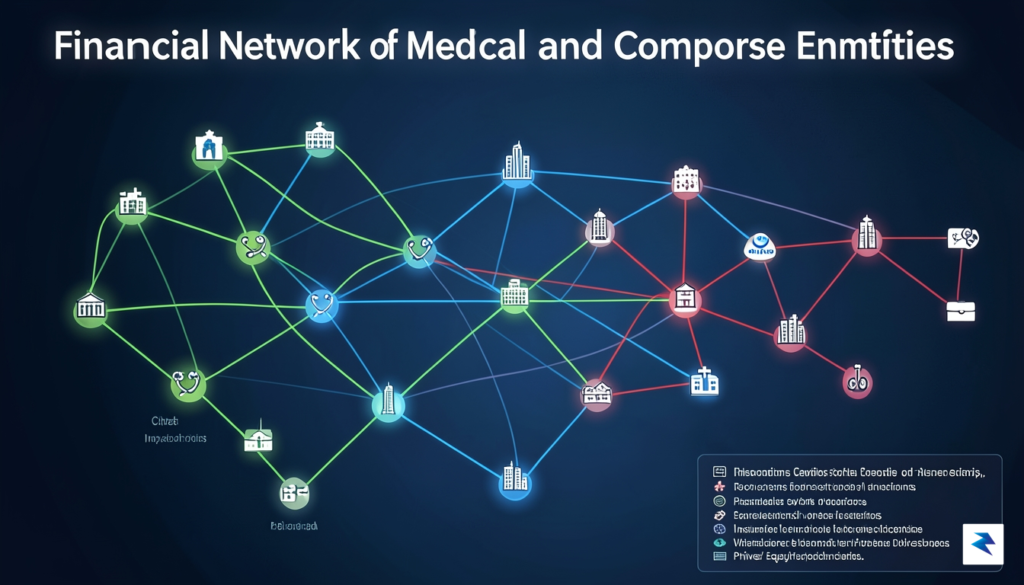
The Department of Justice has fundamentally shifted its strategy by leveraging sophisticated data mining to dismantle complex billing fraud schemes. By analyzing massive datasets of Medicare claims, federal investigators can now pinpoint anomalies in billing patterns that suggest “excessive utilization,” such as providers billing for high-cost wound care products or services that far exceed the statistical norms for a patient’s condition. These digital breadcrumbs allow prosecutors to trace the flow of illicit funds from the point of service back to the medical supply companies and corporate networks that profit from the scheme. By moving beyond simple audits, the DOJ is effectively mapping the financial architecture of fraud, ensuring that accountability reaches the boardrooms of large health care networks rather than stopping solely at the individual practitioner level.
Central to these high-stakes prosecutions is the robust application of the False Claims Act (FCA). This powerful legal tool allows the federal government to recover triple damages plus significant penalties for every fraudulent claim submitted to Medicare. Under the FCA, prosecutors argue that billing for medically unnecessary services or inflating the complexity of care constitutes a deliberate attempt to defraud the public trust. Because the statute incentivizes aggressive enforcement, the DOJ can pursue not only the primary actors but also those who knowingly facilitate or ignore systemic billing irregularities within their organizations.
The False Claims Act remains the government’s most effective weapon in the fight against health care fraud, turning the tide by making the cost of illegal billing far higher than the potential illicit gain.
Whistleblowers, often referred to as “relators” under the qui tam provisions of the False Claims Act, serve as the frontline of these investigations. These individuals—frequently employees or contractors with internal access to billing departments—provide the critical evidence needed to connect the dots between policy and practice. Their insight often reveals the “why” behind the numbers, showing how quotas or internal incentives pressured staff to prioritize profit over patient care. When a whistleblower comes forward, they effectively provide the government with a roadmap, shortening the investigative timeline and significantly increasing the likelihood of a successful prosecution.
Ultimately, the consequences for those found guilty are severe and multifaceted. Beyond the heavy financial restitution and mandatory fines, practitioners may face permanent exclusion from the Medicare and Medicaid programs, effectively ending their careers in the industry. Furthermore, corporate executives and owners involved in organized fraud schemes can face significant terms of imprisonment. By imposing these stringent penalties, the DOJ aims to create a powerful deterrent effect, signaling to the entire health care sector that systemic billing abuse is no longer a manageable business risk, but a criminal enterprise that will be dismantled with precision.
Impact on Patients and the Healthcare System

The financial toll of Medicare fraud extends far beyond the staggering $15 billion figure often cited in recent indictments. At its core, the depletion of the Medicare trust fund threatens the long-term solvency of a program that millions of seniors rely on for their basic survival. When billions of dollars are siphoned away through fraudulent claims for unnecessary wound care, genetic testing, or durable medical equipment, the systemic impact is felt in increased premiums, higher deductibles, and reduced coverage options for every participant. This economic drain forces the healthcare system to tighten its belt, often resulting in administrative hurdles that make it increasingly difficult for legitimate patients to access the care they genuinely need.
Beyond the ledger, the most profound casualty is the erosion of patient trust, which serves as the foundation of the doctor-patient relationship. When medical decisions are driven by the potential for high reimbursement rather than the patient’s actual recovery trajectory, the standard of care is fundamentally compromised. Vulnerable seniors often find themselves subjected to invasive, unnecessary procedures that not only offer no clinical benefit but can actually exacerbate existing health conditions. By prioritizing profit over patient welfare, these fraudulent schemes turn healthcare providers into predators, leaving patients to navigate a medical landscape where they must question whether their treatment plan is designed for their health or for someone else’s bottom line.
The true cost of medical fraud cannot be measured in dollars alone; it is calculated in the lost time, physical trauma, and compromised health of the very people the system was designed to protect.
Furthermore, these unnecessary procedures create a dangerous ripple effect by delaying the diagnosis and treatment of real, underlying health issues. Every hour spent undergoing a fraudulent treatment is an hour lost in managing chronic conditions or addressing acute symptoms that require genuine medical intervention. This misalignment of care can lead to significant physical deterioration, turning manageable health concerns into emergency situations that carry much higher risks for elderly patients. The complexity of these schemes often leaves victims unaware that their care is substandard until their health has already been negatively impacted, making the recovery process both physically and emotionally taxing.

Ultimately, this situation underscores the critical importance of patient advocacy and proactive engagement. To combat these systemic vulnerabilities, patients and their families must become active participants in the auditing of their own medical records and billing statements. By carefully reviewing Explanation of Benefits (EOB) statements and questioning procedures that seem excessive or unrelated to their current diagnoses, patients can act as the first line of defense against exploitation. As the Department of Justice continues to escalate its enforcement efforts, it is equally vital that the healthcare community fosters an environment of transparency, ensuring that the sanctity of the patient’s wellbeing remains the primary driver of medical practice.
Navigating the Future of Ethical Wound Treatment

As federal regulators intensify their scrutiny of billing practices within the wound care sector, both patients and medical providers must pivot toward a model of radical transparency and clinical accountability. The recent wave of enforcement actions serves as a stark reminder that the focus of care must remain firmly on patient outcomes rather than the pursuit of high-margin reimbursements. For the healthcare industry, this shift requires a move away from aggressive utilization of expensive advanced wound care products and a return to gold-standard, evidence-based interventions that have been proven to facilitate healing in legitimate clinical settings.
Empowering Patients Through Informed Advocacy
For patients, taking an active role in the oversight of their own medical records is the most effective defense against unnecessary treatment. It is vital to remember that you have the right to request a second opinion from an independent specialist, especially if a provider suggests an expensive, long-term course of advanced dressings or cellular tissue products without a clear explanation of why standard treatments have failed. Furthermore, patients should diligently review their Explanation of Benefits (EOB) statements to ensure that the services and products billed to Medicare match the care actually received in the clinic. If an item listed on your statement seems unfamiliar or excessive, do not hesitate to contact your insurance provider or the clinic’s billing department to demand a detailed justification.
True clinical quality is defined by the necessity of the intervention, not the sophistication of the technology used. When in doubt, ask your provider for a clear, written plan that outlines the specific clinical goals and the diagnostic evidence supporting your treatment path.

Best Practices for Compliance and Clinical Integrity
Medical practices must proactively fortify their operations against regulatory risks by implementing rigorous, ongoing compliance audits. Rather than treating documentation as a mere administrative burden, clinics should view it as a fundamental component of patient safety; if a procedure or product application is not thoroughly documented with objective wound measurements and clear clinical justification, it effectively does not exist in the eyes of federal auditors. By adopting strict internal protocols that align with clinical practice guidelines, providers can ensure that their billing reflects a genuine commitment to evidence-based care. Additionally, as Medicare continues to refine its reimbursement structures, practices that prioritize sustainable, value-based outcomes will be far better positioned to navigate the evolving regulatory landscape than those relying on volume-based billing strategies.
- Standardize Documentation: Implement electronic health record templates that mandate objective clinical data, such as wound depth and surface area changes, before advanced products can be ordered.
- Internal Audits: Conduct quarterly reviews of billing codes to identify anomalies and ensure that all treatments comply with current Medicare Local Coverage Determinations (LCDs).
- Evidence-Based Training: Regularly educate clinical staff on the latest literature regarding wound healing to ensure that product selection is driven by physiological needs rather than manufacturer incentives.