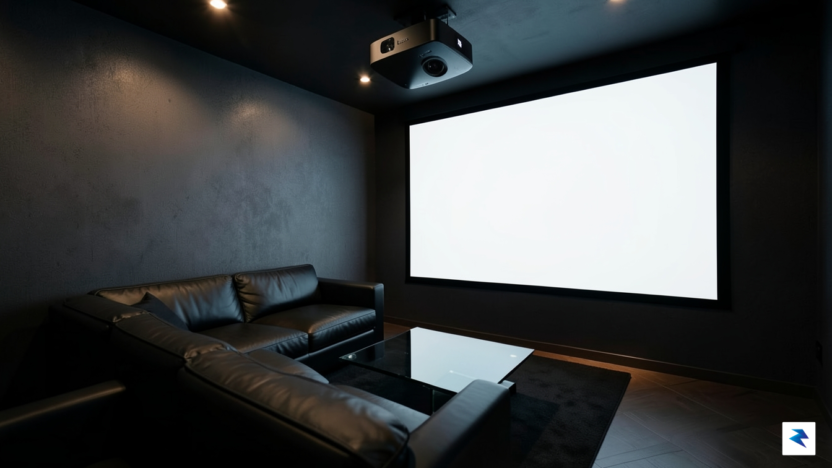
Introduction: The Evolution of Home Cinema
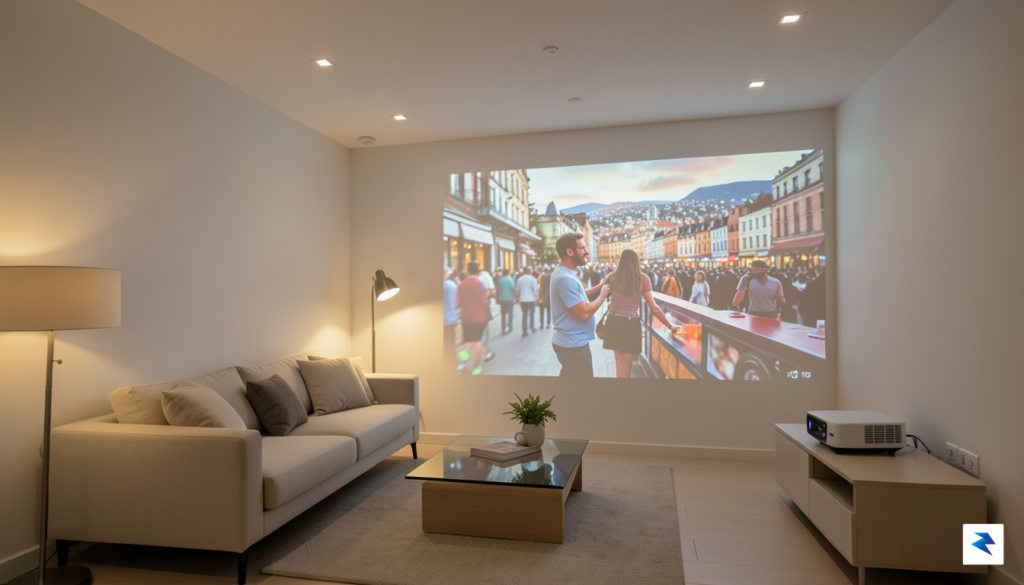
For years, the home entertainment landscape was dominated by the march toward larger, brighter televisions. While these displays have undoubtedly achieved incredible heights in contrast and black levels, there remains an undeniable, visceral magic to the projection experience that a flat panel simply cannot replicate. We have reached a pivotal moment in display technology where the gap between high-end projectors and premium OLED televisions is finally closing, allowing enthusiasts to trade the clinical sharpness of a screen for the immersive, filmic quality of a dedicated theater setup. Today’s projectors are no longer just dim, washed-out alternatives to TVs; they are sophisticated optical engines capable of reproducing the creator’s intent with breathtaking fidelity.
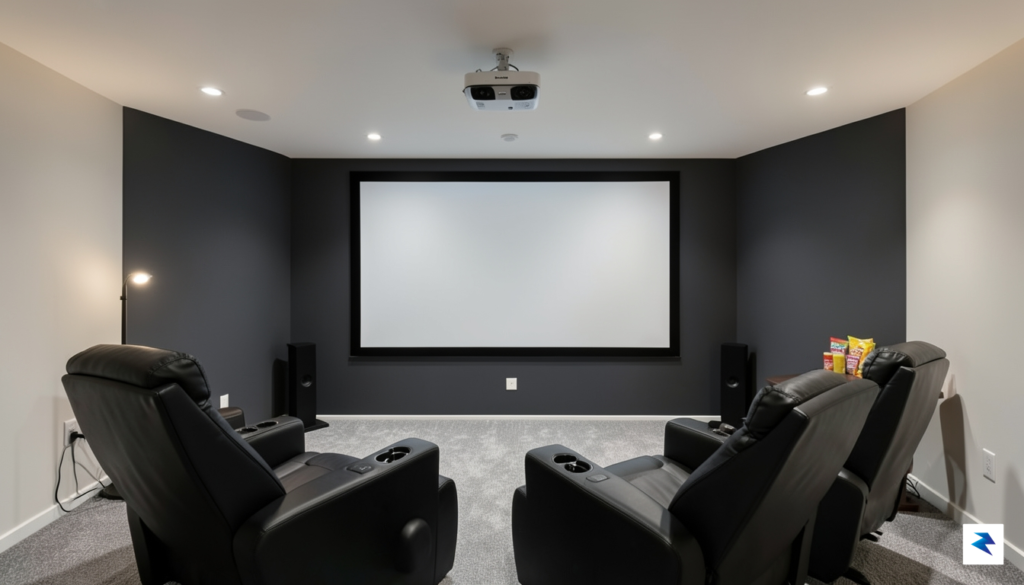
At the heart of this evolution is the critical demand for color accuracy and light output. Modern home cinema enthusiasts are no longer satisfied with mere brightness; they look for precise coverage of industry standards like Rec.709 and the wider DCI-P3 color gamut. True cinematic quality requires a delicate balance where high lumen counts do not compromise the subtlety of skin tones or the depth of shadow details. It is within this demanding context that the BenQ W4100i arrives, positioning itself as a refined tool for those who crave a massive, theater-sized image without sacrificing the technical precision typically reserved for professional grading suites.
The true measure of a flagship projector is not just its ability to illuminate a wall, but its capacity to render color with such nuance that the display technology itself disappears, leaving only the story on the screen.
The BenQ W4100i represents a significant step forward, serving as a flagship model that bridges the divide between entry-level convenience and enthusiast-grade performance. By integrating advanced 4K processing with a high-performance optical system, it addresses the common pain points that have historically plagued projection—namely, the struggle to maintain color vibrancy in moderately lit environments and the loss of fine textures in high-motion scenes. Throughout this review, we will dissect how this unit handles the complexities of modern HDR content and whether it truly possesses the capability to transform a standard living room into a sanctuary for cinephiles. As we explore its features, we aim to uncover whether the W4100i is merely a capable piece of hardware or a transformative upgrade for your home cinema journey.
Design and Setup: Crafting the Ideal Projection Environment
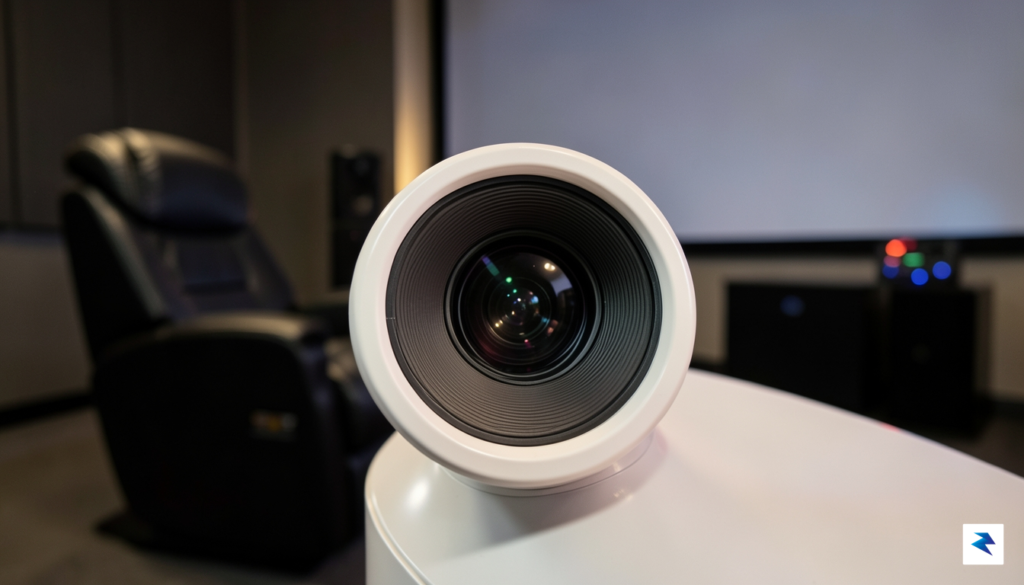
The physical presence of the BenQ W4100i is substantial, signaling a serious piece of hardware that demands a dedicated spot in your home. With a chassis that prioritizes thermal management and internal component integrity, it possesses a significant footprint that is best suited for a fixed ceiling mount or a sturdy, dedicated equipment shelf. Around the back, the port layout is thoughtfully organized to accommodate modern home theater setups, featuring dual HDMI 2.0b ports—one of which is eARC compatible—allowing for seamless integration with high-end soundbars or dedicated AV receivers. Because the unit generates a fair amount of heat during intensive 4K HDR playback, you must ensure adequate clearance around the ventilation intake and exhaust ports to maintain peak performance and hardware longevity.
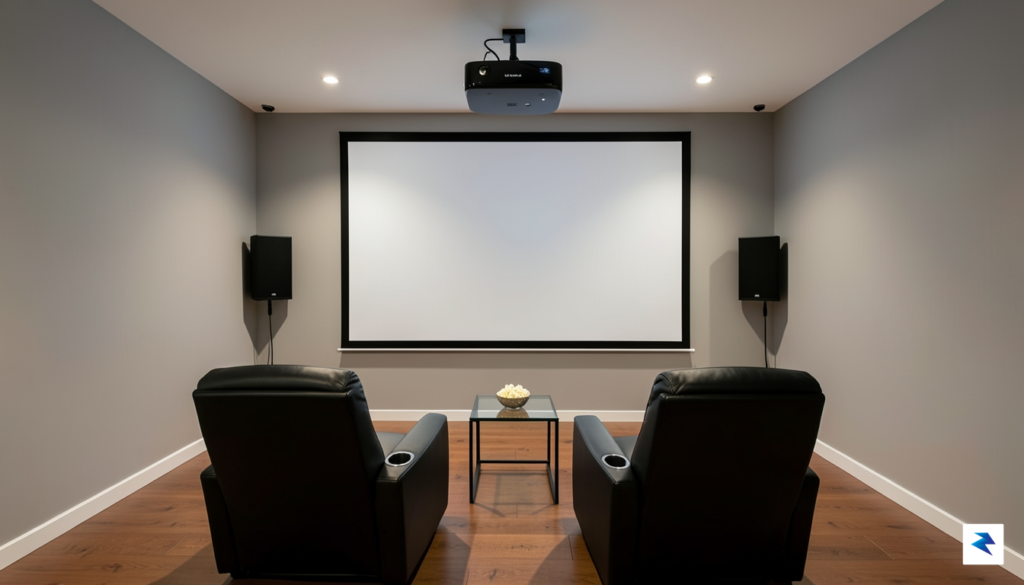
Installation flexibility is where the W4100i truly distinguishes itself from entry-level alternatives. The inclusion of vertical lens shift is a game-changer for those who cannot achieve a perfect center-aligned mount, allowing you to nudge the image vertically without resorting to digital keystone correction, which often compromises pixel-perfect sharpness. Coupled with a 1.3x zoom lens, this projector provides a generous throw ratio that accommodates various room lengths, whether you are trying to fill a massive 120-inch screen in a basement or a more modest display in a multifunctional media room. Taking the time to calculate your throw distance using BenQ’s online projection calculator is a crucial step; getting this right at the start prevents the frustration of having to physically relocate the mount later.
Pro-Tip: Before drilling into your ceiling or mounting your shelf, project the image onto a blank wall at your desired distance to confirm focus and zoom limits; this “dry run” saves hours of potential troubleshooting.
Finally, your choice of projection surface acts as the final piece of the puzzle. While a standard matte white screen offers excellent color neutrality, the W4100i’s impressive light output can be further enhanced by an Ambient Light Rejecting (ALR) screen, particularly in rooms where complete light control is difficult to achieve. An ALR surface will help maintain deep black levels and punchy contrast by filtering out off-axis ambient light, ensuring that the 4K detail remains crisp even during daytime viewing. If you are building a light-controlled “black box” theater, a high-quality matte white screen with a gain of 1.0 to 1.1 will yield the most accurate color reproduction. Investing in the right screen material ensures that the projector’s sophisticated HDR-PRO tone mapping has the best possible canvas upon which to display its vivid, cinematic imagery.
Visual Performance: Colors, Contrast, and HDR Mastery
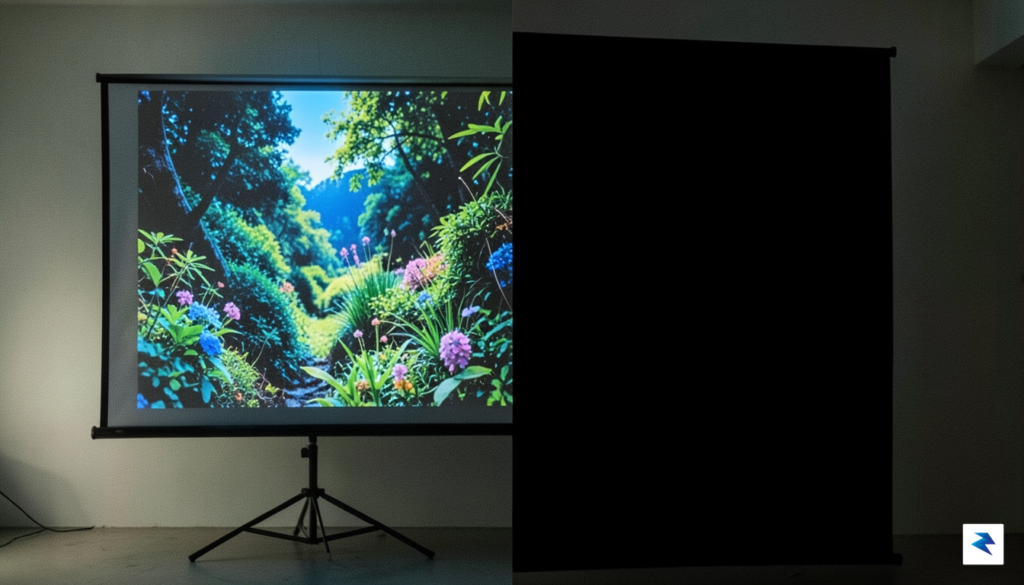
At the heart of the W4100i lies BenQ’s proprietary CinematicColor technology, a feature that elevates this projector beyond standard home entertainment gear and into the realm of professional-grade display hardware. By achieving 100% coverage of the DCI-P3 color gamut—the industry standard for digital cinema—the projector ensures that the vibrant, nuanced colors intended by filmmakers are reproduced with startling accuracy. Unlike many projectors that lean toward oversaturated or artificial tones, the W4100i prioritizes authenticity, delivering skin tones and environmental textures that feel grounded and lifelike. Whether you are viewing a sprawling nature documentary or a stylized neon-drenched action flick, the color precision remains consistent, effectively bridging the gap between a high-end television and a traditional theater screen.
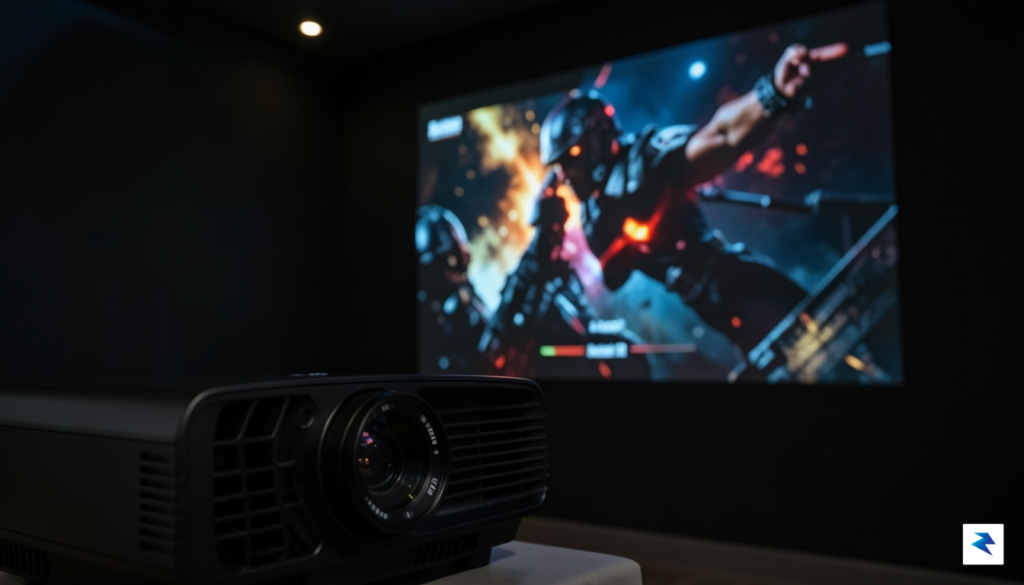
The visual experience is further refined by BenQ’s HDR-PRO tone mapping, which is essential for managing the complex lighting demands of modern 4K content. HDR-PRO employs local contrast enhancement and active iris-like processing to ensure that highlights remain brilliant without clipping, while shadows retain the intricate detail that is often lost in cheaper projection systems. In challenging scenes, such as a dimly lit basement thriller, the projector intelligently balances the light output to maintain visible textures in dark areas. This capability is crucial, as it prevents the “crushed black” phenomenon where everything in the dark simply becomes a flat, featureless void, instead offering a nuanced depth that pulls the viewer deeper into the scene.
The true magic of the W4100i is its ability to treat HDR not just as a marketing buzzword, but as an active tool that dynamically adjusts to the brightness of each frame, ensuring that neither the sunniest sky nor the deepest cave ever feels visually compromised.
Contrast performance is the final pillar of the W4100i’s visual mastery, serving as the foundation upon which color and HDR work their magic. While some projectors struggle with native contrast ratios, the W4100i utilizes a high-quality optical engine to deliver black levels that feel genuinely cinematic. By keeping the background dark and controlled, the projector allows bright elements to “pop” with a perceived sharpness that mimics the intensity of a high-end OLED display. This performance is especially impressive in a dedicated dark room environment, where the absence of light spill allows the projector’s true capabilities to shine. Ultimately, the W4100i doesn’t just project an image; it crafts a visual landscape that respects the director’s original vision, making it a formidable choice for any serious home cinema enthusiast.
Smart Features and Connectivity: The Android TV Integration
Modern home cinema setups are no longer just about raw visual fidelity; they demand a frictionless bridge between high-end hardware and the vast, fragmented world of streaming content. BenQ addresses this requirement by including a dedicated Android TV dongle that tucks neatly into the projector’s chassis. By utilizing a separate, pre-certified streaming module rather than a baked-in proprietary interface, the W4100i offers a familiar, Google-optimized environment. This design choice pays dividends for the average user, as it provides native access to major platforms like YouTube, Disney+, and Amazon Prime Video without requiring an external streaming stick or a cumbersome media player.
The user experience is characterized by a snappy, responsive interface that feels right at home for anyone who has used a modern smart TV or a high-end streaming device. Navigating the menus is intuitive, and the integration of Google Assistant allows for voice-controlled content discovery, which significantly reduces the time spent fumbling with remote controls. App installation is equally straightforward via the Google Play Store, ensuring that your library of entertainment is ready to go almost immediately after the initial setup. Furthermore, the inclusion of Chromecast built-in allows for seamless casting from mobile devices, making it incredibly easy to share personal photos or videos directly to the massive screen.
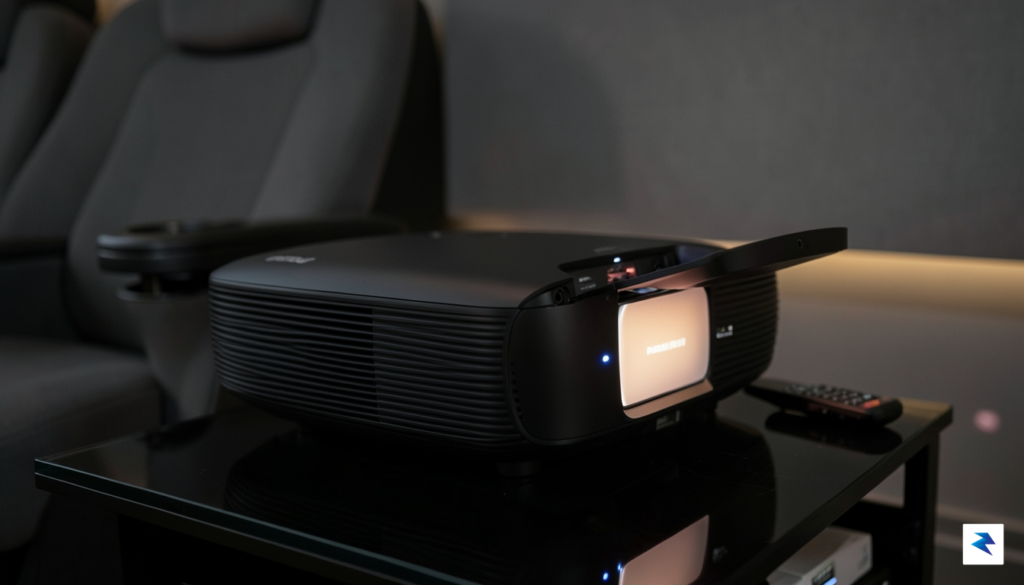
Beyond the software, the W4100i’s physical connectivity suite is designed to accommodate a professional-grade home theater ecosystem. With dual HDMI 2.0b ports that support HDCP 2.2, the projector is fully prepared to handle 4K HDR signals from modern consoles and high-fidelity Blu-ray players. For those who prioritize audio quality as much as visual clarity, the projector provides an HDMI ARC/eARC port, facilitating a clean, single-cable connection to soundbars or AV receivers. This is a crucial feature for cord-cutters who demand high-bitrate audio pass-through without the clutter of additional wiring.
The W4100i succeeds because it treats the smart interface as an essential component of the cinematic experience rather than an afterthought, effectively streamlining the transition from power-on to movie night.
When evaluating the overall convenience, it becomes clear that this projector is tailored for the modern consumer who wants a “plug-and-play” experience without sacrificing performance. While power users may still prefer to use dedicated high-end media players for specialized playback, the bundled Android TV solution is more than sufficient for the vast majority of streaming needs. It successfully balances simplicity with depth, ensuring that the W4100i remains an accessible powerhouse for both casual viewers and dedicated cinephiles alike.
The Verdict: Is the BenQ W4100i Worth the Investment?

Having meticulously explored the BenQ W4100i’s capabilities across various facets – from its stunning 4K HDR presentation to its meticulous color calibration and user interface – it becomes clear that this projector is much more than just another display device. It stands as a significant statement piece for home cinema lovers, meticulously engineered to bring a truly professional-grade cinematic experience into the comfort of your living room. The W4100i successfully carves out a unique niche by offering a rare combination of exceptional color accuracy, often found only in much more expensive or complex setups, alongside a surprisingly consumer-friendly accessibility that belies its sophisticated internal workings. It doesn’t just project an image; it projects an experience, designed to immerse and delight.
While no projector can claim absolute perfection, the BenQ W4100i consistently hits a remarkable ‘sweet spot’ for a vast majority of discerning users. Its strengths are profound, particularly in its breathtaking color reproduction, which adheres closely to DCI-P3 standards, ensuring that films are seen precisely as their creators intended. The sharpness of its 4K image, even on large screens, combined with impressive brightness and contrast for its class, creates a truly engaging visual spectacle. Furthermore, its robust build quality and thoughtful design contribute to a sense of premium ownership. However, prospective buyers should temper expectations regarding absolute black levels, which, while excellent for a projector, won’t quite match the inky depths of self-emissive displays like OLED televisions. Similarly, its premium feature set naturally places it at a higher price point, making it a considered investment rather than an impulse purchase.
When positioned against other projectors in its price tier, the BenQ W4100i distinguishes itself primarily through its unwavering commitment to color fidelity and out