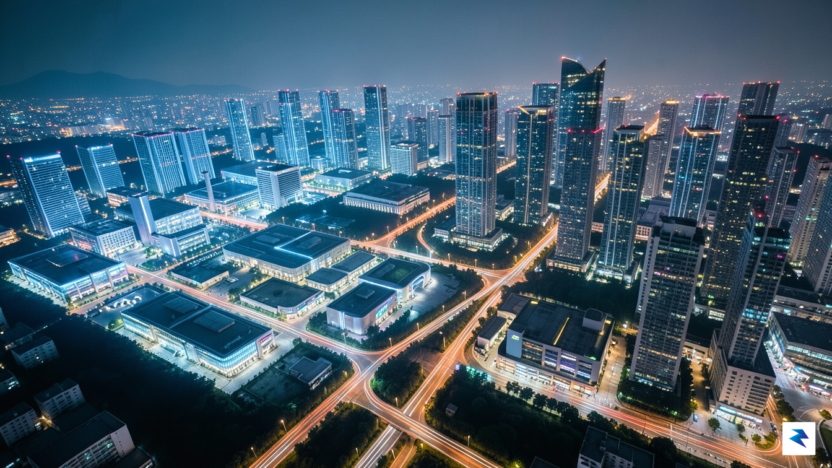
Hsinchu: The Silicon Heartbeat of Taiwan
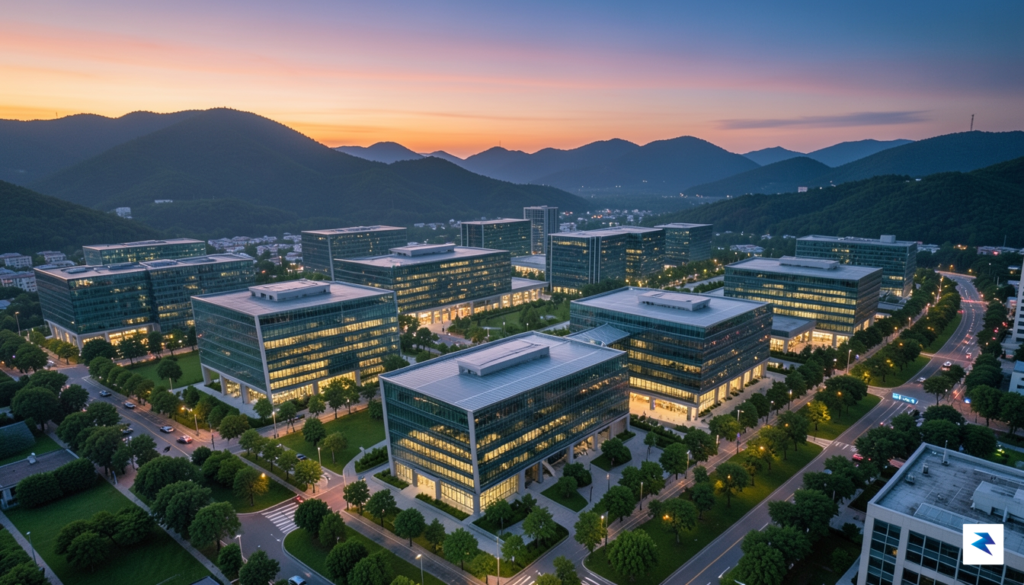
Decades ago, the landscape surrounding Hsinchu was defined largely by tranquil rice paddies and traditional agricultural practices. However, the deliberate establishment of the Hsinchu Science Park in 1980 fundamentally altered the trajectory of the region, transforming it into the world’s most critical node for semiconductor manufacturing. By centralizing research institutions, government support, and venture capital, Taiwan created an industrial ecosystem that eventually became the bedrock of the modern digital age. This strategic concentration of infrastructure did not happen by accident; it was the result of a long-term vision to pivot the nation’s economy toward high-technology manufacturing, effectively turning a quiet provincial city into the global headquarters for advanced computing.
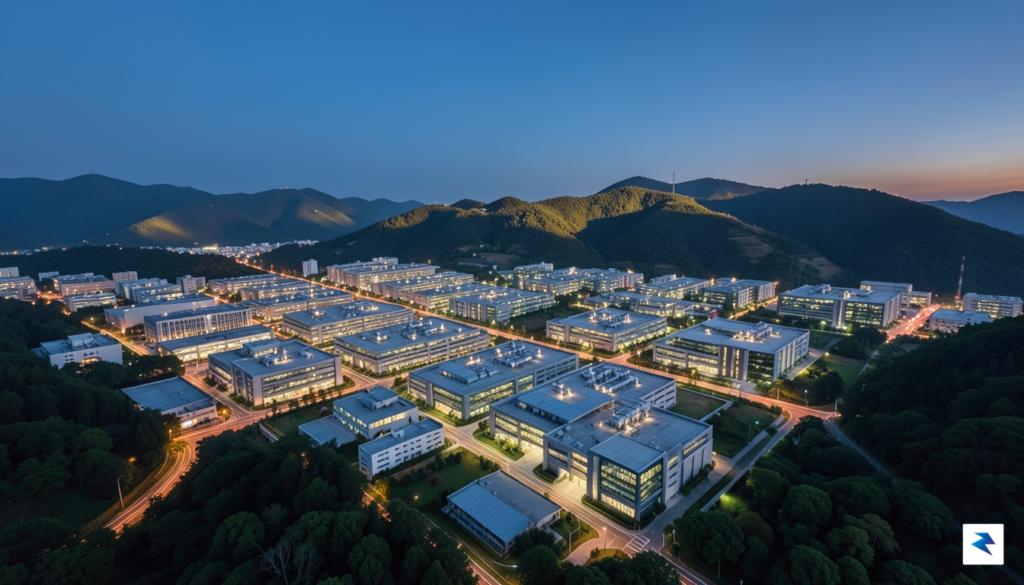
At the center of this industrial ascent is the symbiotic relationship between the city and Taiwan Semiconductor Manufacturing Company (TSMC). As TSMC scaled its operations, the city evolved in tandem, drawing in a massive influx of top-tier engineering talent from around the globe. This concentration of human capital created a unique “silicon heartbeat,” where the pace of innovation is dictated by the relentless demands of global supply chains. Because the world’s most sophisticated AI chips—those powering everything from generative models to autonomous vehicles—are etched in the cleanrooms of Hsinchu, the city has become the undisputed epicenter of the global AI chip race. Every technological leap forward in the West is, in many ways, an echo of the precision engineering occurring within this specific geography.
The success of Hsinchu lies in the density of its expertise; when you place the world’s best engineers within a few square miles of the most advanced manufacturing equipment, you create an economic force that is virtually impossible to replicate elsewhere.
Beyond its industrial prowess, Hsinchu is currently undergoing a profound transition from a purely functional manufacturing hub to a sophisticated, high-end urban lifestyle center. The wealth generated by the semiconductor boom has necessitated a new standard of living, leading to the development of luxury residential towers, international gourmet dining, and high-end retail districts designed for a globally-minded workforce. This evolution reflects a city that has outgrown its origins as a mere factory floor. Today, Hsinchu represents a fusion of raw industrial power and modern urban luxury, serving as a testament to how a localized focus on critical technology can dictate the prosperity and lifestyle of an entire region.
The Economic Engine Behind the Global AI Surge

The meteoric rise of artificial intelligence has fundamentally recalibrated the global economic landscape, and nowhere is this seismic shift more visible than in Hsinchu. As the world scrambles to secure the high-performance computing hardware required to train large language models and power generative AI, Hsinchu has evolved from a regional manufacturing hub into the indispensable cockpit of the digital age. This surge in demand has created what economists call a “chip supply chain premium,” a phenomenon where the scarcity and complexity of advanced semiconductors allow local manufacturers to command unprecedented pricing power. Consequently, a massive influx of global capital has flooded the city, transforming its skyline and elevating its status to that of a primary nerve center in the international technology ecosystem.
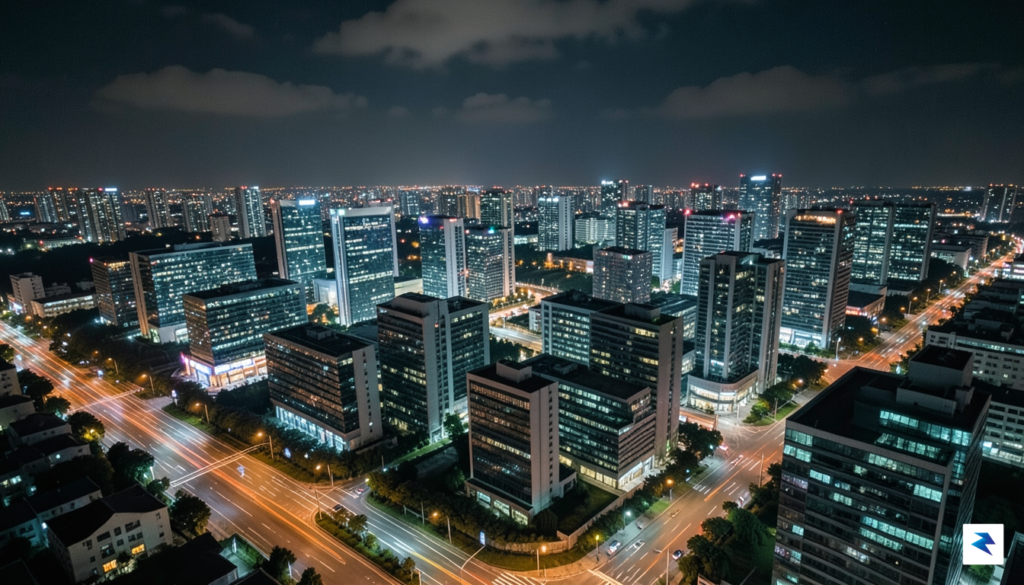
This financial windfall has had a direct and profound impact on the local labor market, primarily through the concentration of high-paying, specialized engineering roles. As global giants compete for the best minds to design the next generation of AI-ready processors, companies in Hsinchu have aggressively escalated compensation packages to attract and retain top-tier talent. This influx of high-earning professionals has effectively supercharged the local economy, fueling a rise in high-end consumption that spans luxury real estate, premium retail, and fine dining. The city is no longer merely a place of production; it has become an affluent ecosystem where the wealth generated at the workbench is recycled into a sophisticated, modern urban lifestyle.
The concentration of engineering excellence in Hsinchu serves as the bedrock of the modern AI economy, creating a virtuous cycle where capital investment attracts talent, and talent, in turn, drives the innovation that justifies even greater investment.
Furthermore, the scale of international investment pouring into the region acts as a powerful multiplier for regional growth. Beyond the direct wages paid to engineers, the ripple effect of this prosperity is felt across the entire city, supporting a robust service sector and driving infrastructure development that far outpaces national averages. When a single chip foundry dictates the trajectory of global AI development, the city that houses it inevitably becomes a magnet for peripheral services, from specialized logistics to advanced materials research. This economic transformation has effectively locked Hsinchu into the heart of the AI boom, ensuring that as long as the world remains hungry for intelligent machines, the city’s prosperity will continue to reach new, record-breaking heights.
Luxury Living and the New Wealth Divide
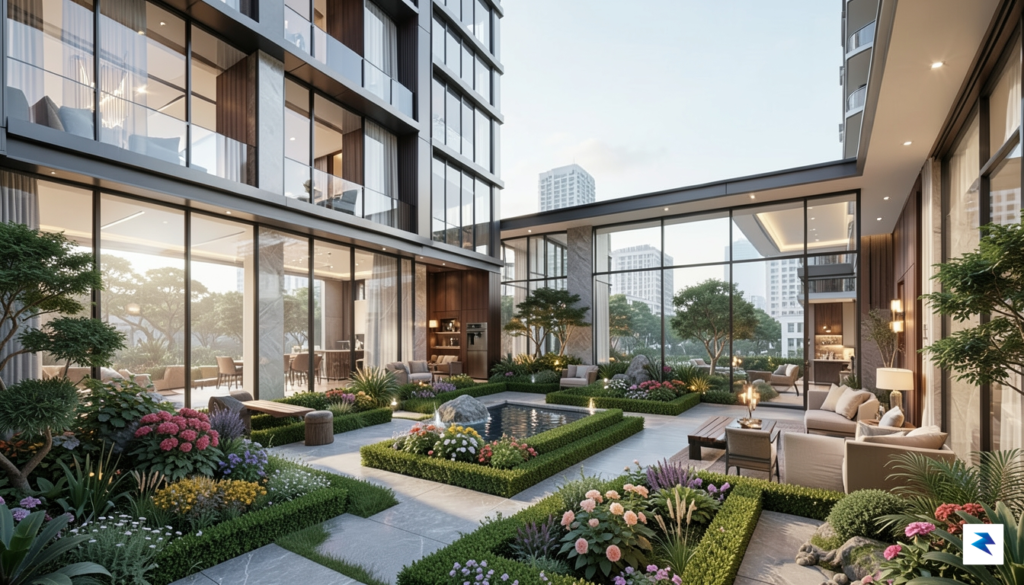
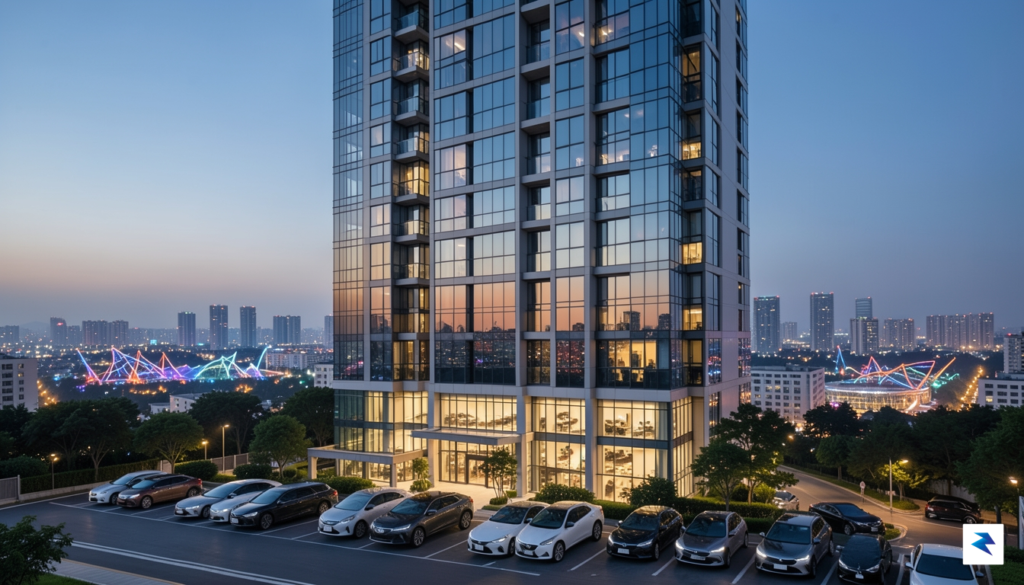
The rapid ascent of the global artificial intelligence industry has fundamentally reshaped the physical and social topography of Hsinchu, transforming a once-sleepy provincial hub into a bastion of high-net-worth prosperity. Sleek, glass-curtained high-rise condominiums have replaced older, mid-rise neighborhoods, offering amenities that cater to a globalized workforce accustomed to international standards of living. This real estate evolution is matched by a burgeoning consumer culture; premium grocery stores, fine-dining establishments, and high-end retail boutiques have sprouted across the city, designed specifically for tech engineers and executives whose purchasing power has surged alongside the value of the silicon chips they help produce.
However, this newfound affluence has introduced a stark and visible social stratification. As property values and rental prices climb to meet the budgets of the elite tech sector, the city’s original residents and those employed in service or legacy industries are increasingly finding themselves priced out of their own neighborhoods. This creates a dual-layered reality: one where a tech-savvy minority enjoys the fruits of a global industry, and another where the essential workers who keep the city running must commute from increasingly distant peripheries to afford basic housing. The local economy is currently grappling with this friction, as the cost of living index continues to decouple from regional averages, creating a “wealth bubble” that is difficult to ignore.
The paradox of Hsinchu’s growth lies in its efficiency; while the city is a world leader in producing the infrastructure of the future, it is concurrently struggling to manage the infrastructure of the present for its diverse population.
To address these growing pains, city planners are under immense pressure to balance rapid urban expansion with sustainable civic management. The influx of capital has certainly funded upgrades in public amenities, yet the sheer speed of development often outpaces the city’s ability to provide commensurate public services, such as expanded transit networks and affordable housing quotas. As Hsinchu maneuvers through this period of intense growth, the central challenge remains whether the city can maintain its social cohesion while serving as the indispensable heartbeat of the global semiconductor industry. The future of this “Silicon City” will depend not just on its ability to innovate in the laboratory, but on its capacity to foster an equitable landscape for all those who call it home.
Demographic Shifts: Why Birthrates Are Defying Global Trends

While much of the developed world faces the looming crisis of a “demographic winter,” characterized by aging populations and plummeting fertility rates, Hsinchu stands as a striking anomaly. In a nation like Taiwan, which currently contends with one of the lowest birthrates globally, this technology hub functions as a vibrant pocket of resistance. The city’s demographic resilience is not a matter of chance; it is a direct byproduct of the unprecedented wealth generated by the global demand for advanced semiconductors and artificial intelligence infrastructure. By insulating its residents from the economic anxieties that typically discourage family planning, Hsinchu has cultivated an environment where the traditional life cycle—career, marriage, and parenthood—remains not only viable but highly aspirational.
The primary driver behind this trend is a unique synthesis of job security and extreme earning potential. Unlike workers in many global metropolises who face the relentless precarity of the gig economy or stagnant wages, the workforce powering Hsinchu’s Science Park enjoys top-tier compensation packages and long-term career stability. This financial cushion effectively lowers the barrier to entry for raising children. When young professionals are confident in their ability to afford premium housing, high-quality childcare, and the rising costs of education, the decision to start a family shifts from a daunting financial burden to a manageable life milestone. This economic confidence acts as a buffer, allowing the city to sustain a birthrate that consistently outpaces national averages.
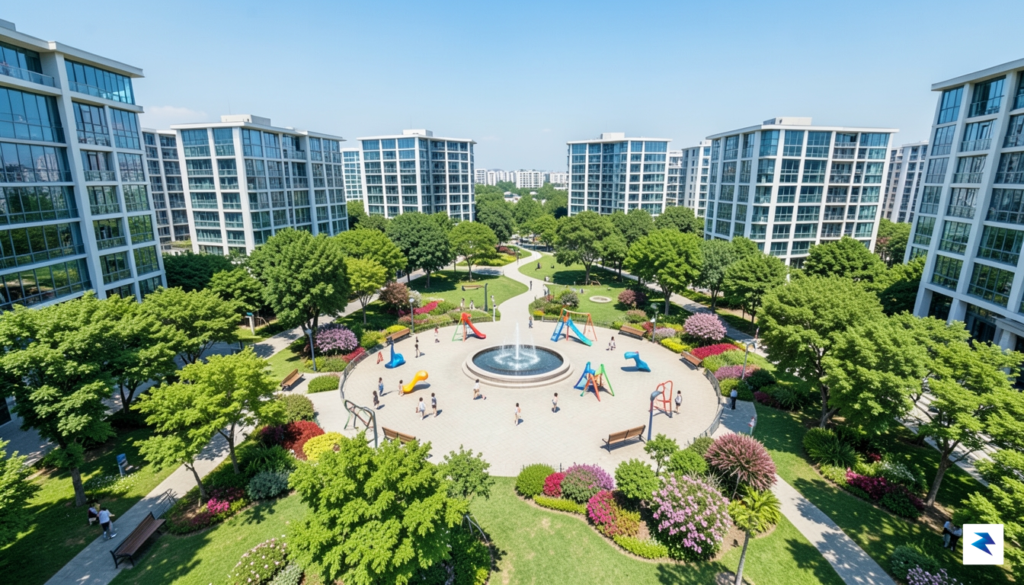
Beyond mere income, the city’s infrastructure plays a pivotal role in shaping its demographic profile. Hsinchu has aggressively invested in high-quality public amenities, including sprawling parks, advanced medical facilities, and a concentration of international schools that cater to a globalized workforce. These institutions provide a critical support system for dual-career households, offering the stability and convenience necessary for raising a family in a high-pressure industry. The presence of world-class educational opportunities ensures that families do not have to sacrifice their children’s development to pursue professional growth, creating a holistic ecosystem that encourages long-term residency.
The Hsinchu model suggests that when economic prosperity is paired with deliberate investment in social infrastructure, the downward pressure on birthrates can be significantly mitigated, even in highly competitive technological environments.
However, the question remains whether this model of “AI-funded prosperity” is truly replicable elsewhere. Hsinchu’s success is anchored in a highly specific, high-stakes industrial specialization that few other cities can replicate. While the city provides a compelling case study on how wealth can stabilize family planning, its dependence on the global chip supply chain suggests that such demographic vigor is fragile. For other tech hubs hoping to mimic this success, the lesson is clear: sustained population growth requires more than just high salaries. It necessitates a commitment to creating an urban environment that prioritizes the lived experience of the family unit, balancing the relentless pace of innovation with the human need for community and security.
The Infrastructure of Future-Proofing
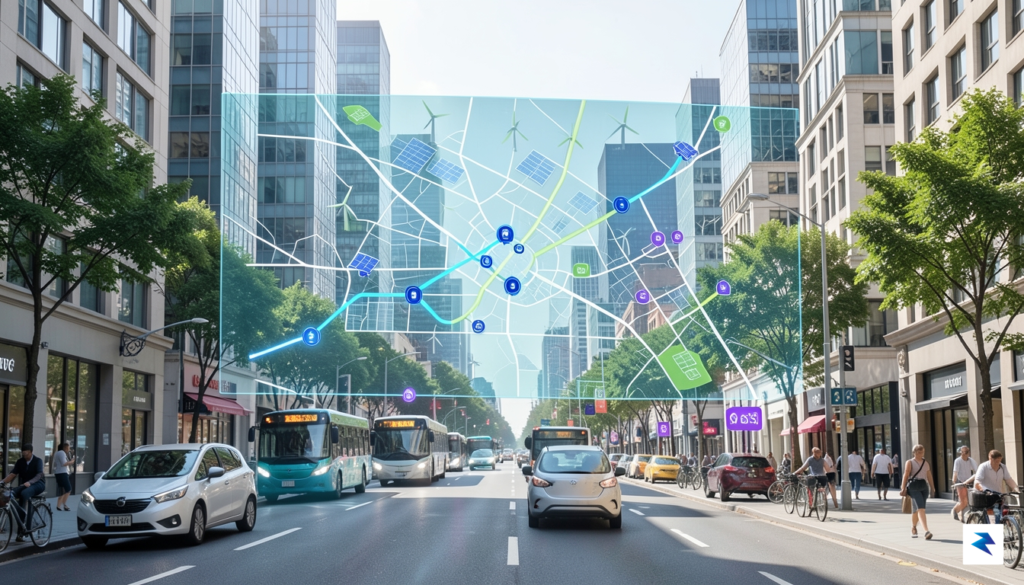
A city experiencing exponential growth, particularly one at the cutting edge of global technological advancement, cannot rely solely on its present momentum. True leadership in the AI chip race demands a visionary approach to its very foundations. Hsinchu, recognizing this imperative, is not merely reacting to its current boom but proactively laying down robust, future-proof infrastructure designed to sustain its trajectory as a global tech powerhouse for decades to come. This forward-thinking strategy encompasses everything from its urban arteries to its energy lifelines and its appeal to the world’s brightest minds.
Central to Hsinchu’s long-term vision is a significant investment in expanding and optimizing its transportation networks. With the Science Park serving as the economic engine, ensuring seamless connectivity to urban residential zones is paramount. Plans are actively underway to enhance existing road networks, implement intelligent traffic management systems, and crucially, explore extensions or additions to public transit options like light rail. These efforts aim to not only ease daily commutes for the thousands of high-tech professionals but also to integrate the vibrant work environment with attractive, livable urban spaces, thereby enhancing the overall quality of life and making Hsinchu an even more desirable place to live and innovate.
Equally critical for a city powered by data centers and advanced manufacturing is an unshakeable commitment to energy grid reliability and sustainable power. Hsinchu is bolstering its energy infrastructure with significant upgrades, incorporating smart grid technologies that allow for more efficient distribution and rapid response to any disruptions. Beyond reliability, the city is also championing sustainable energy projects. Investments in solar farms, wind energy initiatives, and exploring other green power sources are not just about environmental stewardship; they are strategic moves to ensure a consistent, clean energy supply that meets the ever-increasing demands of its high-tech industries and aligns with the sustainability goals of international corporations looking to establish a presence.
Ultimately, a city built on innovation needs a constant influx of fresh ideas and diverse perspectives. Hsinchu is strategically positioning itself to attract and retain international talent, understanding that a global workforce is the key to maintaining its competitive edge. This involves more than just job opportunities; it includes developing a comprehensive ecosystem that welcomes expatriates. Initiatives range from expanding international schooling options and fostering diverse cultural amenities to developing attractive, modern housing solutions and streamlined immigration processes. By cultivating an inclusive and stimulating environment, Hsinchu aims to ensure that the innovation cycle continues to accelerate, drawing top-tier researchers, engineers, and entrepreneurs from across the globe to contribute to its dynamic growth.
In essence, Hsinchu’s comprehensive approach to infrastructure development reflects a deep understanding that true future-proofing goes beyond mere expansion. It’s about creating a resilient, efficient, and attractive urban environment that can not only accommodate rapid growth but actively foster it. These strategic investments in transportation, energy, and human capital are not just expenses; they are the bedrock upon which Hsinchu is cementing its enduring position as a leading global hub in the luxury AI economy.
Sustainability Challenges in a High-Tech Oasis
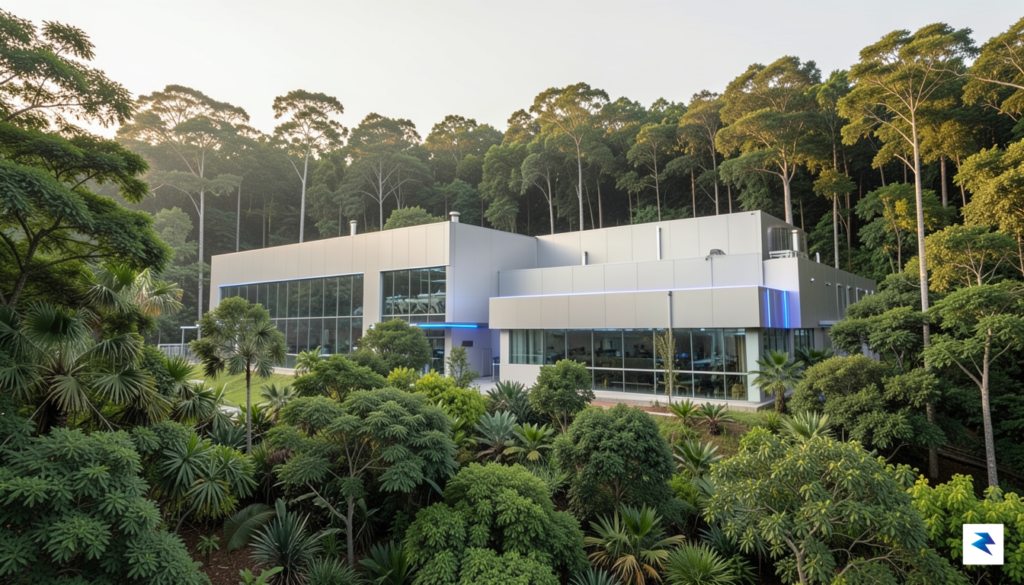
The rapid expansion of Hsinchu into a global epicenter for artificial intelligence hardware has undeniably brought unprecedented wealth, yet this transformation places immense strain on the region’s natural resources. Semiconductor manufacturing is an incredibly thirsty and energy-intensive industry; the process of etching microscopic circuits onto silicon wafers requires millions of gallons of ultra-pure water daily. As the island faces more frequent climate-induced droughts, the tension between maintaining high-capacity chip production and ensuring reliable water access for local residents has become a focal point of public discourse. Furthermore, the sheer power demand of these massive fabrication plants necessitates a stable, high-output electrical grid, forcing the local government to balance the urgent requirements of the tech sector against the broader national mandate for carbon reduction and a transition toward renewable energy sources.
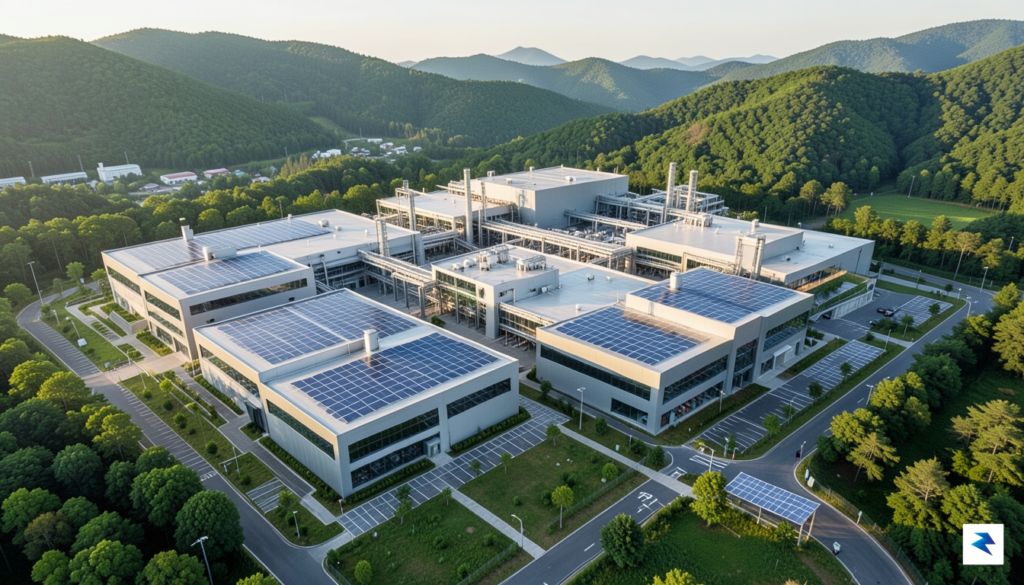
To mitigate these environmental impacts, industry leaders and policymakers are increasingly turning toward aggressive green manufacturing initiatives. Companies are investing heavily in sophisticated water reclamation systems that recycle up to 90% of the fluid used in production, effectively turning factories into closed-loop systems. Simultaneously, there is a concerted push to integrate large-scale offshore wind farms and solar installations into the local energy mix, aiming to decouple the city’s economic output from traditional fossil fuel dependence. These efforts represent more than just corporate social responsibility; they are a vital strategic pivot to ensure that Hsinchu remains a competitive, sustainable destination for international tech giants who are increasingly sensitive to the environmental footprint of their global supply chains.
The true measure of Hsinchu’s success will not be found in its quarterly production figures, but in its ability to reconcile the relentless hunger of the AI revolution with the delicate ecological balance of the land it occupies.
Beyond the environmental landscape, the human cost of this high-performance economy presents its own set of social challenges. The relentless pace of the global chip race exerts significant pressure on the workforce, leading to a culture of long hours and high-stakes productivity that can impact the overall quality of life for residents. As housing prices soar in response to the influx of high-salaried engineers and researchers, the city faces the risk of becoming an exclusive enclave, potentially alienating long-term inhabitants who are being priced out of their own neighborhoods. Addressing these social frictions is essential for the city’s long-term health, as a truly sustainable tech capital must offer more than just economic efficiency; it must provide a balanced, inclusive living environment that nurtures the very talent driving its technological dominance.
Ultimately, the trajectory of this luxury tech hub depends on its capacity to evolve from a production-centric zone into a holistic ecosystem that prioritizes long-term resilience. By fostering a culture where ecological stewardship and human well-being hold equal weight to innovation, Hsinchu is attempting to write a new blueprint for the 21st-century city. While the path forward is complex, the integration of smart-city technologies and circular economic principles suggests that the region is committed to proving that high-tech prosperity does not have to come at the expense of the planet or its people.