The Evolution of Creator Studio: From Hub to AI Companion
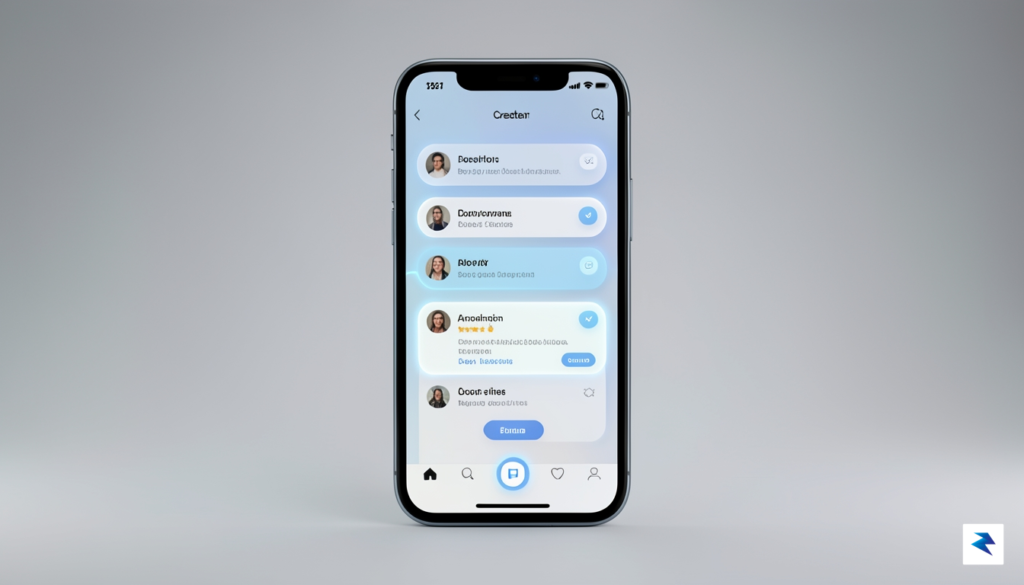
For years, Meta’s Creator Studio served as the quintessential nerve center for countless businesses, brands, and individual creators navigating the complexities of Facebook and Instagram. This robust dashboard was the go-to platform for managing a diverse array of tasks, from meticulously scheduling posts across both platforms to overseeing direct messages, delving into performance analytics, and even managing monetization features. It truly became an indispensable tool, streamlining workflows and providing a consolidated view of one’s digital presence, which was particularly crucial for those juggling multiple pages and content strategies. However, despite its utility, the platform, while effective, largely operated as a manual command center, requiring significant hands-on input from users to extract its full value.
While Creator Studio was undoubtedly a powerful resource, its inherent design often meant it was more reactive than proactive. Users would manually schedule content, then later review analytics to inform future decisions, a process that could be time-consuming and often lagged behind the rapidly evolving digital landscape. The recent, somewhat unceremonious, deprecation of the original Creator Studio left a noticeable void for many professionals who relied on its integrated capabilities. This abrupt departure signaled a clear intention from Meta to rethink its approach to creator tools, recognizing that the demands of modern content creation had outgrown the capabilities of a purely manual publishing and analytics hub.
Now, Meta has re-emerged with a reimagined vision, signaling a profound shift from a mere content scheduling and management dashboard to an intelligent AI companion app. This new iteration isn’t simply a cosmetic overhaul; it represents a fundamental philosophical change in how creators are supported. Instead of merely offering tools for execution, the new platform aims to empower creators with proactive insights and automated assistance, fundamentally transforming the content creation lifecycle. The goal is no longer just to facilitate publishing, but to actively participate in the strategic development and optimization of content, making the entire process more efficient and effective.
The distinction between the old Creator Studio and its successor is stark, moving from a manual control panel to an intelligent co-pilot. Where the legacy platform required users to independently analyze trends and brainstorm content ideas, the new AI-integrated app is designed to offer real-time, data-driven suggestions for content topics, optimal posting times, and even audience engagement strategies. This means creators can anticipate what their audience wants to see, rather than just reacting to past performance. The shift emphasizes automation and predictive intelligence, freeing up valuable time for creators to focus on the creative process itself, rather than getting bogged down in repetitive analytical tasks or manual scheduling. The new app promises to be less about what you can do with it, and more about what it can do for you.
How Meta’s AI Assistant Empowers Content Strategy

The core of this revamped platform lies in the AI Creator Assistant, a sophisticated tool designed to move beyond the surface-level data that often paralyzes content creators. In the past, creators were frequently left to decipher raw spreadsheets or basic graphs, forcing them to guess why a specific video performed well while another flopped. Now, the assistant acts as a strategic partner, actively interpreting your page performance to offer clear, actionable advice. Rather than simply stating how many people viewed your content, the AI analyzes the nuances of your engagement, identifying the specific content patterns—such as hook styles, pacing, or topic depth—that resonate most effectively with your unique community.
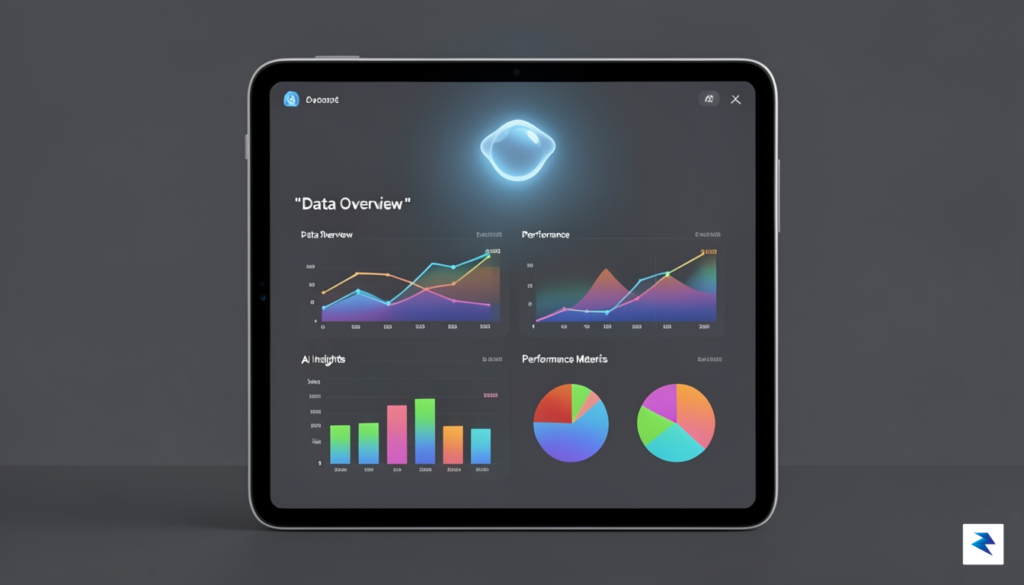
One of the most transformative aspects of this tool is its ability to distinguish between vanity metrics and true growth insights. While high view counts can be flattering, they often fail to indicate long-term channel health or audience loyalty. The AI assistant shifts the focus toward metrics that actually drive expansion, such as viewer retention curves and meaningful interaction rates. By highlighting where audiences typically drop off in a video, the assistant provides constructive feedback on pacing and editing choices. This level of granular insight allows you to refine your content strategy with precision, ensuring that every post is optimized to build a loyal, recurring viewer base rather than just chasing transient viral clicks.
True growth is found in the patterns of your audience’s behavior, not just the cumulative count of your impressions.
Furthermore, the assistant takes the guesswork out of scheduling by analyzing your followers’ historical activity. Instead of relying on generic “best times to post” advice, the AI integrates your specific audience’s consumption habits to suggest optimal windows for your content releases. This predictive modeling ensures your work reaches your community when they are most primed for interaction, effectively boosting the initial velocity of your posts. By automating these logistical decisions, the assistant frees you to dedicate more time to the creative process, secure in the knowledge that your strategy is backed by data-driven intelligence. This shift from reactive monitoring to proactive planning represents a significant leap forward for creators aiming to scale their influence in an increasingly crowded social landscape.
Streamlining Workflow: The New App Interface

For years, mobile creators have struggled with the fragmented nature of Meta’s ecosystem, often forced to toggle between the standard Facebook app, Meta Business Suite, and various third-party analytics tools just to maintain a consistent presence. The revival of the Creator Studio as a dedicated AI companion app marks a significant departure from this browser-heavy legacy, signaling a transition toward a truly mobile-first design philosophy. By centralizing core management functions into a single, unified environment, Meta is finally acknowledging that the modern creator rarely works from a static desk. This interface is engineered to prioritize agility, allowing users to pivot from drafting a post to monitoring real-time engagement without the friction of loading multiple tabs or navigating complex desktop sub-menus.
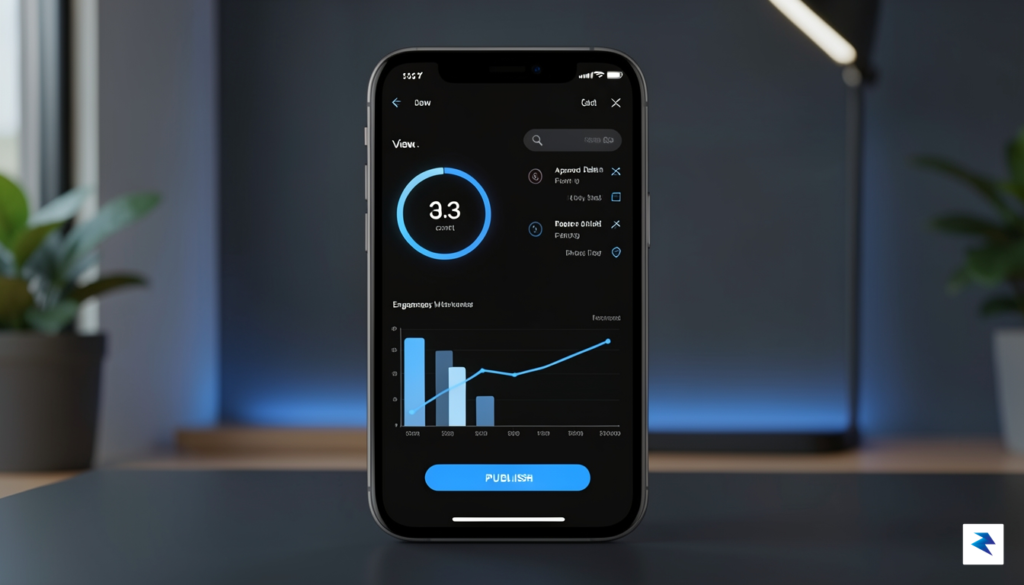
The consolidation of publishing, community management, and performance tracking into one dashboard is perhaps the most impactful change for those who suffer from “app fatigue.” Previously, the process of checking audience sentiment while simultaneously refining an upcoming content calendar felt disjointed and inefficient. Now, the app provides a cohesive view of the creator’s digital footprint, ensuring that high-priority notifications—such as community questions or sudden spikes in viewership—are surfaced immediately rather than buried in secondary folders. By reducing the number of interfaces a creator must master, the app lowers the barrier to entry for consistent content production and allows for more spontaneous, authentic interactions with followers.
The true power of this new interface lies in its ability to transform complex data into actionable insights while on the move, ensuring creators spend less time managing software and more time crafting their message.
Furthermore, the integration of AI-driven tools directly into this mobile ecosystem changes the nature of content management from reactive to proactive. Instead of merely viewing historical data, creators are now presented with AI-powered suggestions for optimization, such as recommended posting times or engagement strategies tailored to their specific audience segments. This seamless integration ensures that the creator is always equipped with the necessary tools to make informed decisions in real-time. By removing the technical overhead of traditional desktop-based management, the app empowers creators to maintain their momentum regardless of their physical location, effectively turning the smartphone into a high-powered command center for digital growth.
Why Meta is Pivoting to Creator-Centric AI

The digital landscape has become an unforgiving arena where platforms like TikTok and YouTube are constantly vying for the limited attention span of global audiences. For Meta, the challenge is clear: it must ensure that the most talented content creators view Facebook not merely as a legacy platform, but as a cutting-edge engine for growth. By pivoting toward a creator-centric AI companion, Meta is effectively building a “walled garden” that provides tangible competitive advantages. Rather than forcing creators to juggle third-party editing tools or external analytics suites, this new AI-integrated environment embeds the utility directly into the workflow, making the cost of migrating to a rival platform significantly higher.
Lowering the barrier to entry is another cornerstone of this strategic shift. Historically, high-quality content production required a steep learning curve, necessitating mastery over complex video editing software and data analytics dashboards. By embedding AI assistants into the creator experience, Meta is democratizing production quality. Now, a novice creator can leverage AI-driven insights to identify trending topics, optimize thumbnails, and even automate tedious editing tasks. This shift doesn’t just benefit individual creators; it populates the Facebook ecosystem with a higher volume of polished, engaging content, which in turn keeps users glued to their screens for longer periods.
The true power of this AI integration lies in the symbiotic relationship between creator output and algorithmic refinement. As creators utilize these AI tools, they inadvertently provide Meta with a goldmine of structured data regarding what content resonates, how it is structured, and why it succeeds.
This data loop is perhaps the most critical component of Meta’s long-term strategy. When creators use internal AI tools to generate and optimize their posts, that information feeds directly into Meta’s recommendation engines. The result is a self-reinforcing cycle where the platform learns exactly what keeps viewers engaged, allowing the algorithm to surface the most relevant content with surgical precision. This level of optimization is difficult for any outside platform to replicate, as it relies on the deep, proprietary data generated within the Facebook environment. By making the creator’s life easier, Meta is simultaneously strengthening its own infrastructure, ensuring that the platform remains the primary destination for both the people who create content and the billions who consume it.
Ultimately, this isn’t just about offering a new set of features; it is a defensive and offensive maneuver aimed at long-term retention. In an economy where audience loyalty is fleeting, providing the tools that help creators thrive is the most effective way to secure their allegiance. By positioning itself as an indispensable partner in the creative process, Meta is betting that as long as it remains the most convenient, data-rich, and efficient platform for creators, the creative energy of the internet will continue to flow through its servers.
Best Practices for Leveraging the New Creator App

To truly thrive with the revamped AI-driven environment, creators must transition from viewing their dashboard as a mere scheduling tool to treating it as a collaborative partner. The most effective way to begin this shift is by fully integrating the app into your daily workflow during your initial setup phase. Start by connecting all your active pages and auditing your historical performance data, which allows the AI to establish a baseline for your specific audience’s engagement patterns. Once the initial synchronization is complete, dedicate time to exploring the AI-suggested insights panel; instead of blindly accepting every optimization, view these recommendations as hypotheses to be tested rather than absolute truths. By grounding your strategy in this iterative approach, you ensure that your creative output remains data-informed without sacrificing the unique personality that built your community in the first place.

Maintaining your authentic creative voice while leveraging automated suggestions requires a delicate balance of intuition and analytics. When the AI proposes a change to your post captions, hashtags, or formatting, pause to evaluate whether the suggestion aligns with your brand’s established tone. If the tool recommends a shift toward shorter, punchier video clips to boost retention, treat this as a structural guideline rather than a mandate to abandon your storytelling style. Use the AI to handle the heavy lifting of trend identification and optimal timing, but always retain final editorial control over the messaging. This hybrid approach ensures that your content resonates with the algorithm’s preferences while still feeling distinctly “human” to your loyal followers.
Success in the age of AI-assisted creation isn’t about letting the machine take the wheel; it is about using the machine to map a faster, more efficient route to your destination.
To ensure long-term health for your pages, you should adopt a rigorous testing cycle for the app’s recommendations regarding posting schedules and format types. Rather than applying a global change across all your content, run small-scale experiments by splitting your posting schedule between your traditional rhythm and the AI’s suggested windows. Monitor the performance delta over a two-week period to see which approach yields higher conversion rates or deeper audience interaction. By systematically testing these suggestions—such as converting long-form text posts into image carousels or shifting your primary engagement window by two hours—you can build a personalized playbook that works in harmony with the platform’s current priorities. This methodical process turns the app from a simple dashboard into a strategic engine that evolves alongside your growing audience.