The Evolution of Web-Based Gaming
For decades, the web browser was viewed primarily as a static window—a tool for reading documents or engaging with rudimentary, plug-in-dependent distractions. In the early 2000s, browser gaming was synonymous with Adobe Flash and Java applets, environments that offered charm and accessibility but were severely limited by architectural bottlenecks and security concerns. These early experiences were largely confined to 2D puzzles, basic point-and-click adventures, and simple arcade clones. At the time, the idea of running a high-fidelity, physics-heavy 3D engine directly within a browser tab seemed like a technical fantasy, hindered by slow JavaScript execution speeds and the complete lack of hardware-accelerated graphics.
The landscape underwent a seismic shift with the advent of HTML5 and the introduction of WebGL, which finally allowed browsers to interface directly with a computer’s Graphics Processing Unit (GPU). This evolution transformed the web from a document viewer into a robust application platform. Developers began to realize that if they could bridge the gap between C++ code and the browser’s sandbox, they could move away from the “toy” games of the past and toward genuine, high-performance computing. Today, WebAssembly (Wasm) acts as the final catalyst in this revolution, enabling near-native performance for complex codebases that were previously unthinkable in a web environment.
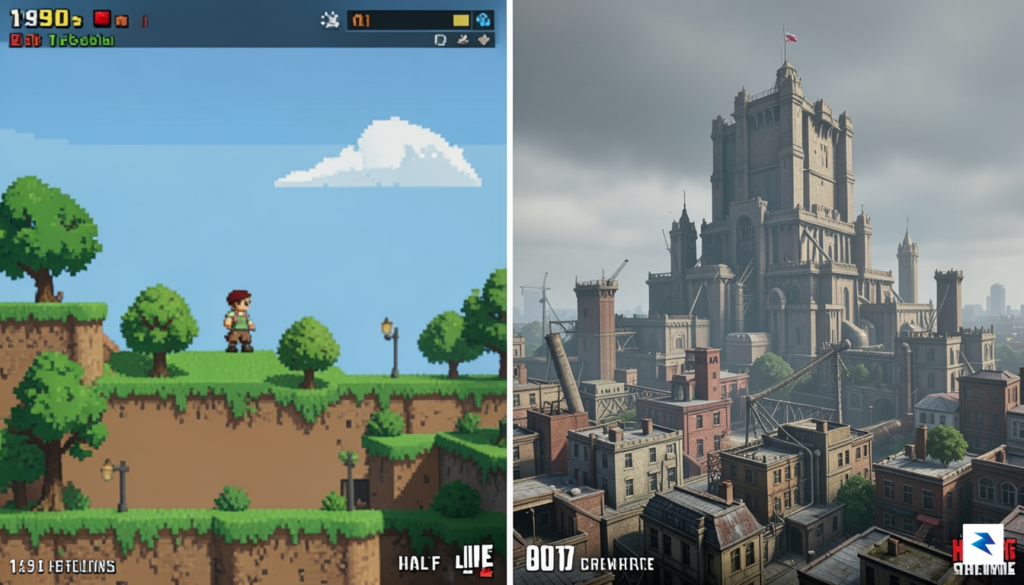
The recent arrival of Half-Life 2 within the browser serves as a definitive benchmark for this maturation. As a title that once required a substantial local installation and high-end hardware for its time, its successful port demonstrates that the barrier between “web application” and “AAA software” has effectively dissolved. This is not merely a technical novelty or a nostalgic parlor trick; it is a profound testament to the capability of modern browser engines to handle complex lighting, advanced artificial intelligence, and sophisticated physics simulations without the need for a dedicated game launcher or a massive download.
The successful migration of a landmark title like Half-Life 2 to the browser proves that our web infrastructure has finally caught up to the ambitions of software engineers.
By leveraging these modern web standards, the project challenges our long-held assumptions about where software should live. We are witnessing a fundamental shift in how digital experiences are delivered, moving toward a future where “installing” software may eventually become a relic of the past. As browsers continue to optimize memory management and multithreaded processing, Half-Life 2 stands as a milestone, marking the moment when the browser shed its limitations to become the most versatile platform in the history of computing.
Technical Feasibility: How Half-Life 2 Runs in a Browser
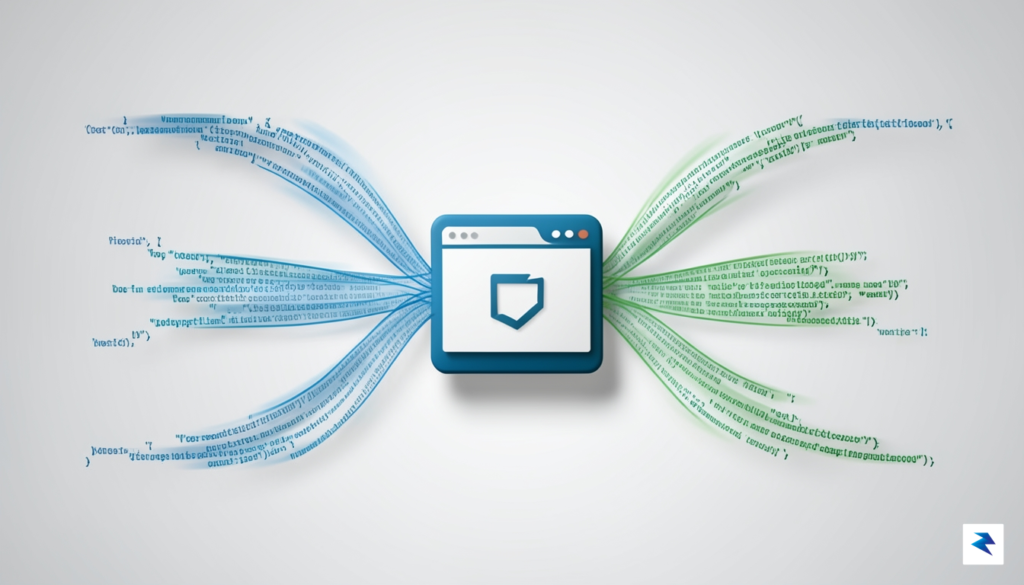
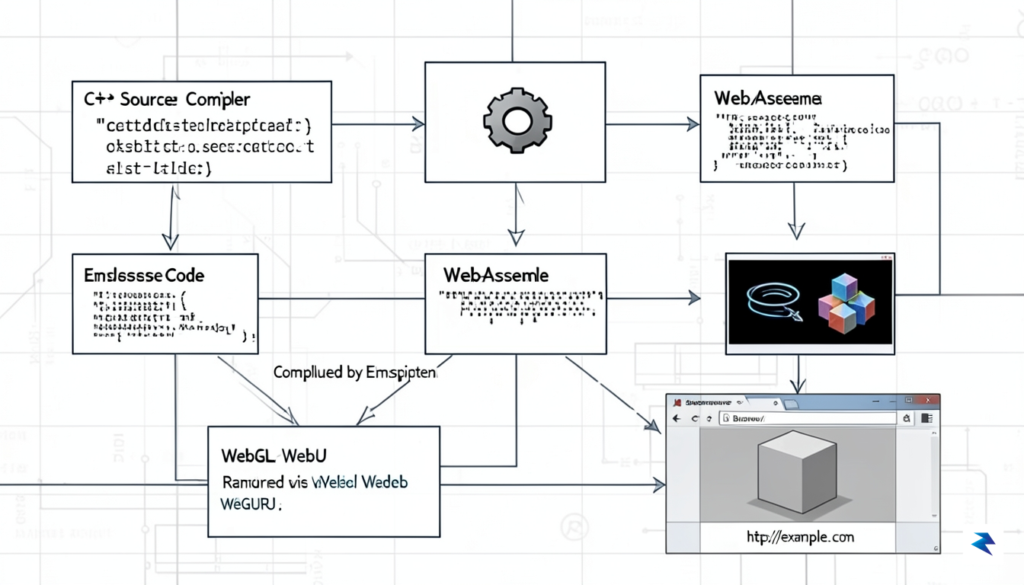
Achieving the feat of running a title as complex as Half-Life 2 within a standard web browser is far from a simple matter of wrapping an application in a shell. The core of this achievement lies in the use of Emscripten, a sophisticated compiler toolchain that acts as a bridge between the high-performance C++ code of the Source Engine and the web-native requirements of WebAssembly (Wasm). By transpiling the engine’s massive codebase into Wasm, developers can execute game logic at near-native speeds, allowing the browser to process physics, artificial intelligence, and rendering commands that were originally designed for desktop hardware. This process effectively translates the instruction sets of the game’s original architecture into a universal language that modern browsers like Chrome, Firefox, and Edge are optimized to interpret with incredible efficiency.
Managing the game’s expansive assets poses a secondary, yet equally significant, technical hurdle. In a native installation, a game engine relies on direct, high-speed access to the local hard drive to stream textures, sound files, and complex map data. In a web environment, however, the browser must simulate a file system within its own sandbox. Developers utilize virtualized file systems to cache these assets, ensuring that the engine can pull necessary data into memory without triggering latency spikes that would ruin the immersive experience. By clever use of indexed databases and asynchronous loading techniques, the port maintains the integrity of the game’s environments while strictly adhering to the security constraints inherent in modern web browsing.
The marriage of WebAssembly and WebGL represents a turning point for interactive media, effectively removing the barrier between traditional software and the browser-based ecosystem.
Maintaining the fidelity of the engine while navigating the limitations of the web requires constant refinement of the rendering pipeline. The original Source Engine was built for DirectX, but browsers communicate primarily through WebGL or the more modern WebGPU. This necessitates a translation layer that maps legacy graphics calls to contemporary standards without stripping away the iconic lighting, shadow, and water effects that define the aesthetic of City 17. Through meticulous optimization of these rendering calls, developers have successfully bridged the gap between the rigid requirements of legacy game code and the fluid, evolving nature of web standards. The result is a seamless experience where the complex orchestration of Gordon Freeman’s journey remains intact, proving that the browser has evolved into a legitimate platform for even the most demanding high-fidelity software.
Performance Bottlenecks and Optimization Strategies
Running a title as demanding as Half-Life 2 within a web browser is an exercise in defying the inherent limitations of a sandbox environment. Unlike native applications that enjoy direct access to system hardware, browser-based games must contend with the overhead of the JavaScript engine and the strict security protocols that isolate web content from the underlying operating system. Because JavaScript is traditionally single-threaded, it creates a significant bottleneck when attempting to process complex physics calculations, artificial intelligence, and rendering commands simultaneously. To overcome this, developers have turned to advanced technologies like WebAssembly (Wasm), which allows for near-native execution speeds by compiling high-performance code directly into a format the browser can process with remarkable efficiency.
Memory management presents another formidable hurdle, as the browser must juggle the game’s extensive asset library—spanning high-resolution textures, complex 3D models, and intricate soundscapes—without exceeding strict heap limits. If the game attempts to load too much data into the system’s memory at once, the browser will likely crash or suffer from severe stuttering. Consequently, developers utilize aggressive asset streaming techniques, where resources are dynamically loaded and purged based on the player’s proximity to specific game objects. This “just-in-time” approach ensures that the game remains fluid without overwhelming the browser’s allocated memory footprint, effectively creating the illusion of a seamless, sprawling world within a constrained digital container.

Latency is the final, and perhaps most critical, obstacle to achieving a playable experience. The input handling loop must be tightly synchronized with the rendering loop to ensure that every mouse flick and key press translates into immediate action on the screen. Because the browser introduces extra layers of abstraction between the hardware and the game engine, even a few milliseconds of delay can make a fast-paced shooter feel sluggish or unresponsive. To mitigate this, engineers optimize the communication between the browser’s event handlers and the game’s core logic, often by offloading non-essential tasks to Web Workers. This strategy clears the main thread of execution, allowing the game to prioritize the rendering process and maintain a consistent, smooth frame rate even during intense combat sequences.
The marriage of WebAssembly and modern browser APIs has transformed the web from a static document viewer into a robust platform for high-fidelity gaming, proving that even legacy AAA titles can find a new home in the cloud.
Ultimately, the success of this project hinges on a delicate balancing act of resource prioritization. By leveraging hardware acceleration via WebGL or WebGPU, the browser can offload the heavy lifting of vertex and fragment shading directly to the graphics card, bypassing much of the CPU-bound bottleneck. While the transition from a native executable to a browser-based stream is never perfectly transparent, the combination of smart memory caching, multi-threading workarounds, and optimized rendering pipelines allows players to experience the gravity-defying action of Gordon Freeman’s journey with surprising fidelity and responsiveness.
The Impact of WebAssembly and WebGPU

The transformation of the browser from a static document viewer into a high-performance gaming platform is primarily driven by the maturation of two revolutionary web standards: WebAssembly (Wasm) and WebGPU. For years, the limitations of JavaScript—a high-level, interpreted language—acted as a bottleneck for CPU-intensive tasks like complex physics calculations or heavy game logic. WebAssembly fundamentally bypasses these limitations by providing a portable, binary code format that allows developers to run code written in languages like C++ or Rust at near-native speeds. By pre-compiling intensive game engine code into a compact binary, the browser can execute instructions with a level of efficiency that was previously unimaginable, effectively allowing the complex architecture of a source engine game to run without the massive overhead typically associated with web-based execution.
While WebAssembly handles the heavy lifting of game logic, WebGPU serves as the critical bridge to the machine’s graphics hardware. Traditional web graphics APIs were often restricted by abstraction layers that prevented developers from fully utilizing the power of modern GPUs. WebGPU changes this dynamic by offering a low-level, explicit interface that grants the browser direct access to the graphics processing unit. This allows for more efficient draw calls, sophisticated shader programs, and significantly reduced latency. By delegating the heavy rendering tasks to the hardware in a way that respects the modern pipeline, WebGPU ensures that the visual fidelity of a title like Half-Life 2 remains intact, even when running inside a browser tab.
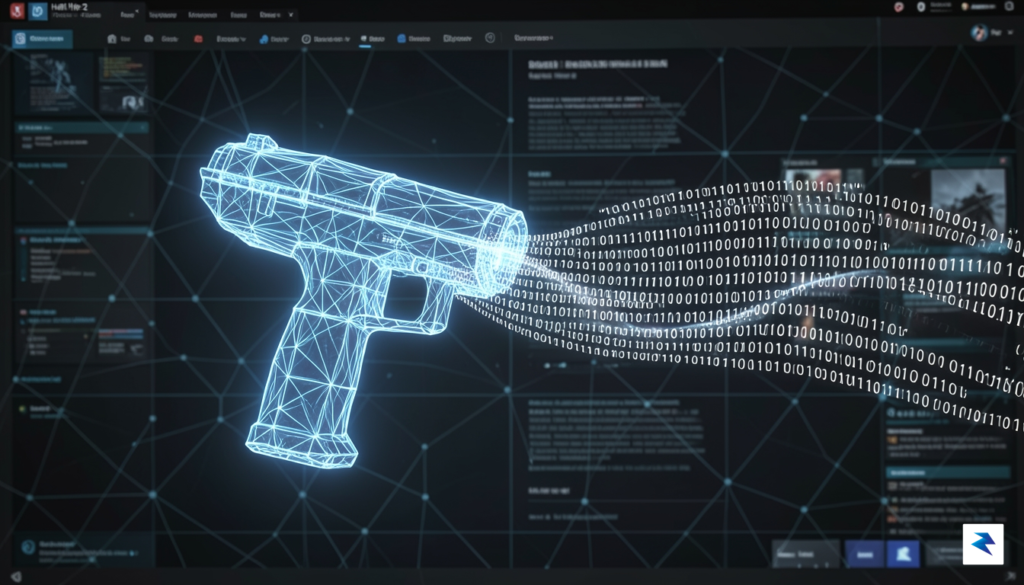
The convergence of Wasm and WebGPU marks the end of the era where browser games were relegated to simple 2D puzzles; we are now firmly in the age of native-tier web applications.
The practical result of combining these two technologies is the ability to finally shatter the 30 frames-per-second barrier that once defined the limits of browser gaming. In the past, the overhead of the browser’s execution environment meant that games would struggle with stuttering, input lag, and inconsistent frame rates. Today, the synergy between the raw computational speed of WebAssembly and the high-performance graphics pipeline of WebGPU allows for smooth, fluid gameplay that mirrors the experience of a dedicated desktop executable. This isn’t just an optimization trick; it is a fundamental shift in how software is delivered, proving that the browser has evolved into a robust, capable runtime environment that is ready to host the most demanding interactive experiences ever created.
The Future of Browser-Based Gaming Experiences

The successful execution of a title as complex as Half-Life 2 within a standard web browser marks a definitive turning point in the evolution of digital entertainment. By leveraging advancements in WebAssembly and WebGL, developers are effectively dismantling the walls that have historically separated high-fidelity gaming from the casual accessibility of the internet. We are moving toward a paradigm where hardware fragmentation—the age-old struggle of matching software demands to specific graphics cards or processor generations—becomes a secondary concern rather than a primary barrier. As browser APIs continue to mature, the requirement for dedicated gaming rigs is gradually being replaced by the simple necessity of a modern browser and a stable internet connection, democratizing access to experiences that were once reserved for a privileged subset of hardware owners.
This shift carries profound implications for the future of game distribution and industry monetization. When a game can be rendered instantly through a URL, the traditional friction of lengthy downloads, massive installation files, and platform-specific storefront constraints begins to evaporate. This “instant-play” capability is poised to transform how studios approach user acquisition, as the transition from discovering a game on social media to actively participating in the gameplay experience becomes seamless. Furthermore, the integration of cloud-hybrid gaming—where the browser handles the user interface while powerful remote servers manage the heavy computational lifting—suggests a future where even the most graphically demanding AAA titles can be enjoyed on low-power devices, such as Chromebooks or smart televisions.

The true power of browser-based gaming lies not in replacing local hardware, but in ensuring that the quality of an experience is no longer dictated by the price tag of the player’s device.
Ultimately, the broader impact on the gaming industry will likely be defined by a massive expansion of the addressable market. By removing the financial and technical barriers to entry, developers can reach players in regions or demographics that previously lacked the infrastructure for traditional console or PC gaming. This evolution does not merely represent a technical achievement in code optimization; it serves as a catalyst for a more inclusive gaming culture. As we look ahead, it is clear that the web browser is evolving from a simple document viewer into a robust, universal gaming console, setting the stage for a future where high-quality, immersive storytelling is available to anyone with a connection to the global network.