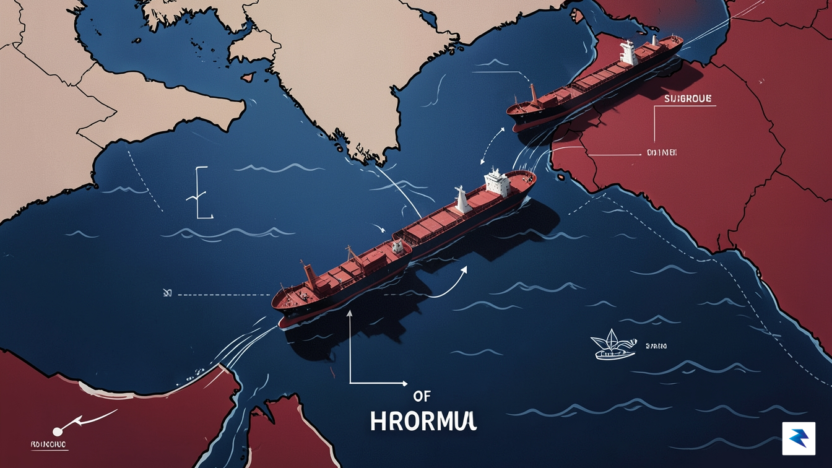
The Geopolitical Fragility of the Strait of Hormuz
For over half a century, the Strait of Hormuz has functioned as the jugular vein of the global economy. Stretching a mere 21 miles at its narrowest point, this maritime corridor facilitates the transit of roughly one-fifth of the world’s total petroleum consumption, making it arguably the most critical energy artery on the planet. For decades, the international community operated under the comfortable assumption that the flow of oil was an immutable constant, underpinned by naval dominance and the mutual economic interests of both exporters and importers. However, the veneer of stability has cracked, revealing a profound vulnerability that threatens to derail global markets at a moment’s notice.
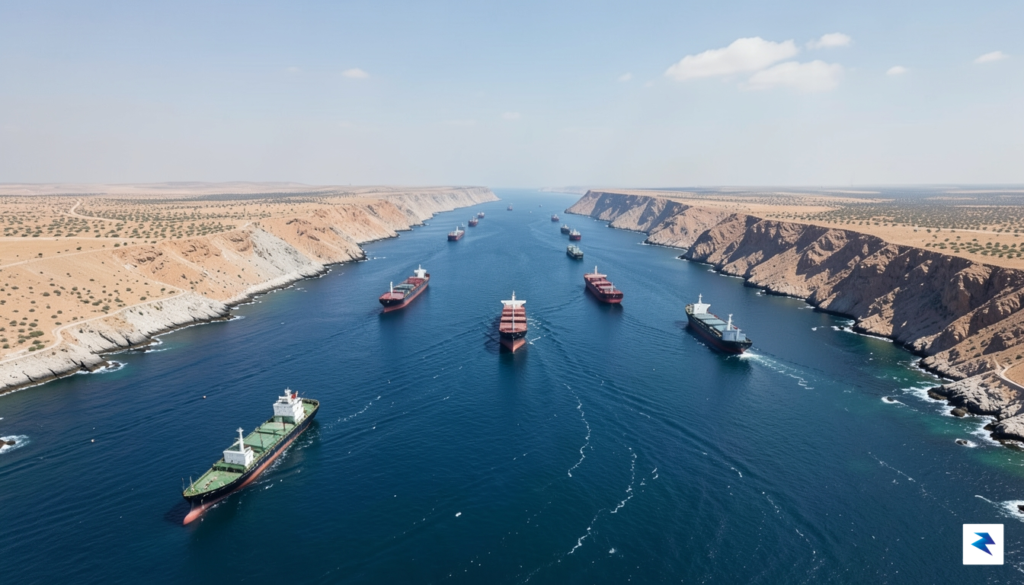
In modern geopolitics, the Strait of Hormuz is the definitive example of a strategic “chokepoint”—a narrow channel that, if obstructed, can paralyze international trade and trigger catastrophic economic shocks. Unlike broader oceans where vessels can easily reroute, these confined waters offer little room for maneuver, forcing tankers into predictable, exposed paths. This geographical reality has turned the strait into a tactical weapon of war. Recent escalations have demonstrated that regional actors no longer view this passage merely as a commercial thoroughfare; instead, they recognize its potential as a lever of power, capable of holding the world’s energy-hungry nations hostage to political demands.
The reliance on a single, narrow maritime passage for a vast portion of global energy supply is no longer just an economic concern—it is a fundamental national security risk for every major power.
The transformation of this waterway from a conduit of prosperity into a theater of tactical brinkmanship has forced military planners and policymakers to confront a sobering reality. As tensions in the Middle East ebb and flow, the threat of mining, drone swarms, and asymmetrical naval harassment has escalated from hypothetical scenarios to persistent dangers. Each incident within the strait sends immediate, volatile ripples through global energy prices, proving that the world remains dangerously tethered to the stability of a single, highly contested corridor. Consequently, the imperative to diversify energy transit routes and reduce reliance on this specific bottleneck has shifted from a theoretical strategic goal to an urgent, unavoidable necessity for global stability in an increasingly volatile era.
The Economic Ripple Effect of a Hormuz Blockade
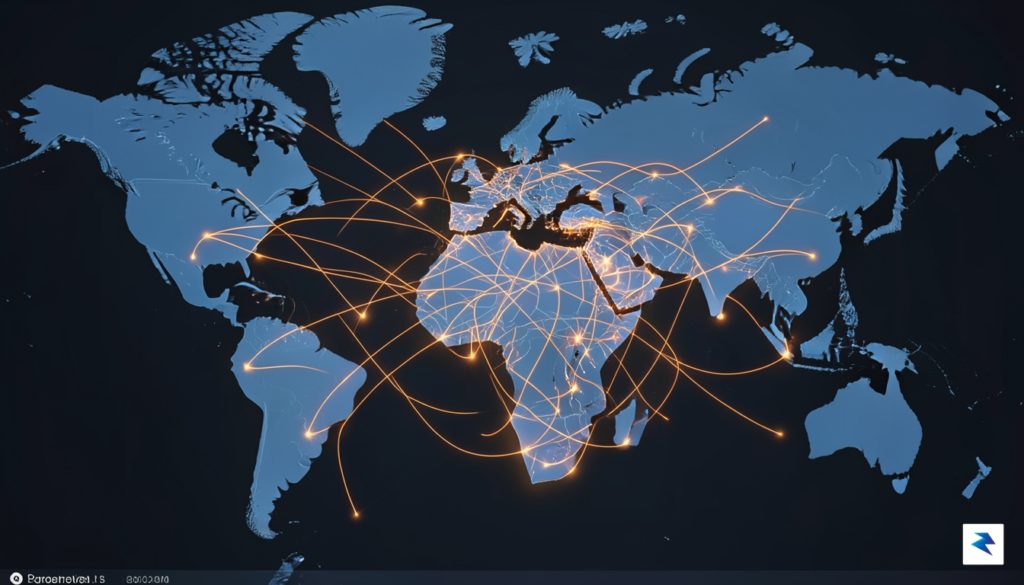
The Strait of Hormuz is more than a narrow maritime corridor; it is a vital artery for the global economy, facilitating the transit of approximately 20 to 30 percent of the world’s total petroleum liquids and nearly one-third of global liquefied natural gas (LNG) trade. Because this narrow chokepoint handles such a staggering volume of daily energy throughput, any sudden disruption—whether through geopolitical maneuvering or outright blockade—would trigger an immediate and violent shockwave. This instability would not be confined to the energy sector alone; rather, it would propagate rapidly through global supply chains, industrial production lines, and the delicate inflationary balance of the modern world.
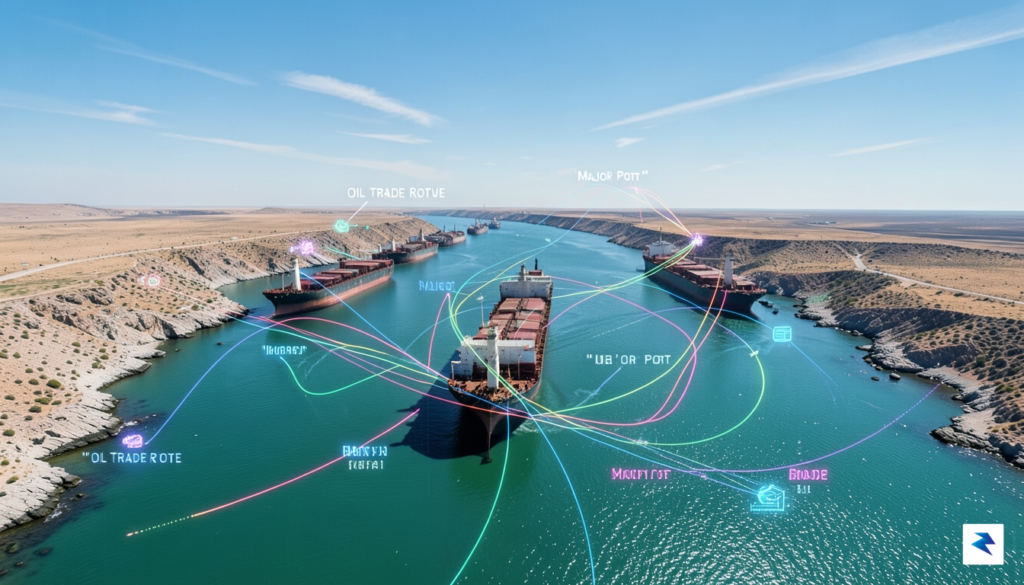
When the cost of moving energy spikes overnight, the effect on global inflation indices is instantaneous. Since energy is a fundamental input for almost every manufactured good, a sudden rise in oil and gas prices forces manufacturers to pass inflated costs down to the consumer. This creates a systemic inflationary pressure that central banks struggle to manage, as the price surge is driven by supply-side collapse rather than excess demand. Furthermore, the volatility introduced into the market would likely cause a flight to liquidity, tightening credit markets just as industries need capital to pivot to more expensive energy sources. This creates a vicious cycle where industrial production slows down, causing shortages of consumer goods that further exacerbate inflationary trends.
The true cost of a Hormuz disruption is measured not just in the price of a barrel of oil, but in the contraction of global industrial output and the erosion of purchasing power for millions of households worldwide.
The most devastating consequences, however, would be felt by emerging markets that lack the fiscal cushion to absorb sudden price shocks. While wealthy nations might temporarily subsidize fuel or dip into strategic reserves, developing economies often rely on thin margins and high-interest debt, making them exceptionally vulnerable to commodity price surges. For these nations, an energy crisis can quickly devolve into a balance-of-payments crisis, leading to currency devaluation, civil unrest, and a complete reversal of hard-won economic development. Without a diversified energy strategy that minimizes reliance on this specific maritime bottleneck, these countries remain hostage to the geopolitical tensions of the Middle East, illustrating that true energy security is now a matter of national survival rather than merely a policy preference.
Systemic Risks to Global Logistics
Beyond the immediate fuel costs, the logistical ripple effect would be profound. Shipping lanes would be forced to reroute, adding weeks to transit times and skyrocketing insurance premiums for maritime vessels operating in the region. This increased friction in global trade would lead to a reduction in the velocity of money and goods, essentially creating a logistical bottleneck that mirrors the energy shortage. When the cost of moving goods becomes prohibitive, global trade volumes shrink, hitting export-oriented economies the hardest. Consequently, the reliance on the Strait of Hormuz represents a single point of failure that threatens the interconnected efficiency of our entire globalized financial architecture.
Strategies for Diversification: Pipelines and Strategic Reserves
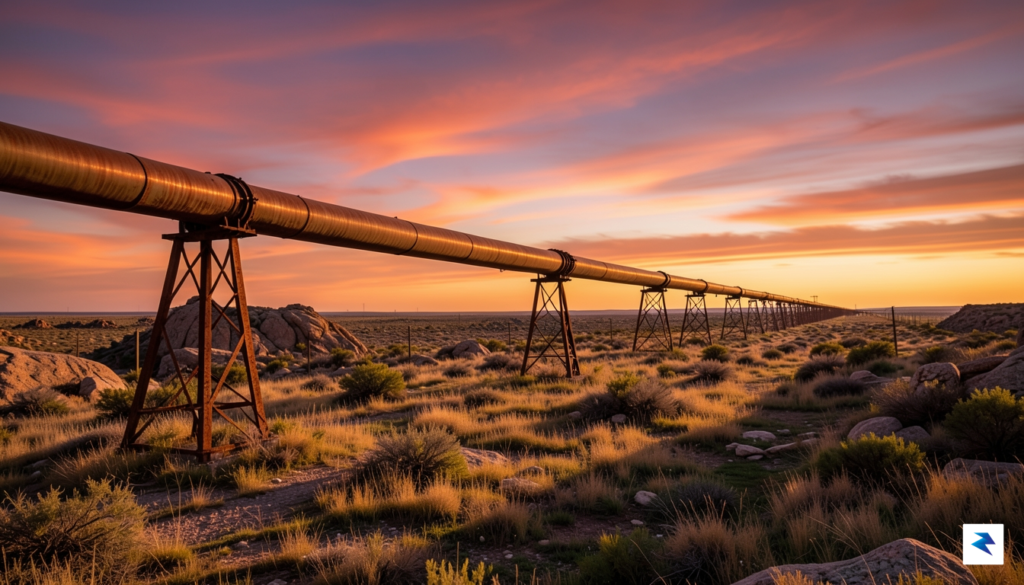
To dismantle the geopolitical leverage held by the Strait of Hormuz, global energy stakeholders are increasingly prioritizing the development of land-based bypass infrastructure. The most significant of these initiatives involves the expansion of trans-continental pipeline networks designed to move crude oil directly from production fields to terminals on the Red Sea or the Mediterranean, effectively circumventing the chokepoint entirely. By shifting transit routes away from the Persian Gulf, oil-producing nations can guarantee a more consistent flow of exports regardless of regional instability or maritime blockades. Projects such as the expansion of the East-West Pipeline in Saudi Arabia serve as a blueprint for this strategy, demonstrating that substantial capital investment in terrestrial infrastructure is not merely a logistical choice but a fundamental necessity for national economic resilience.
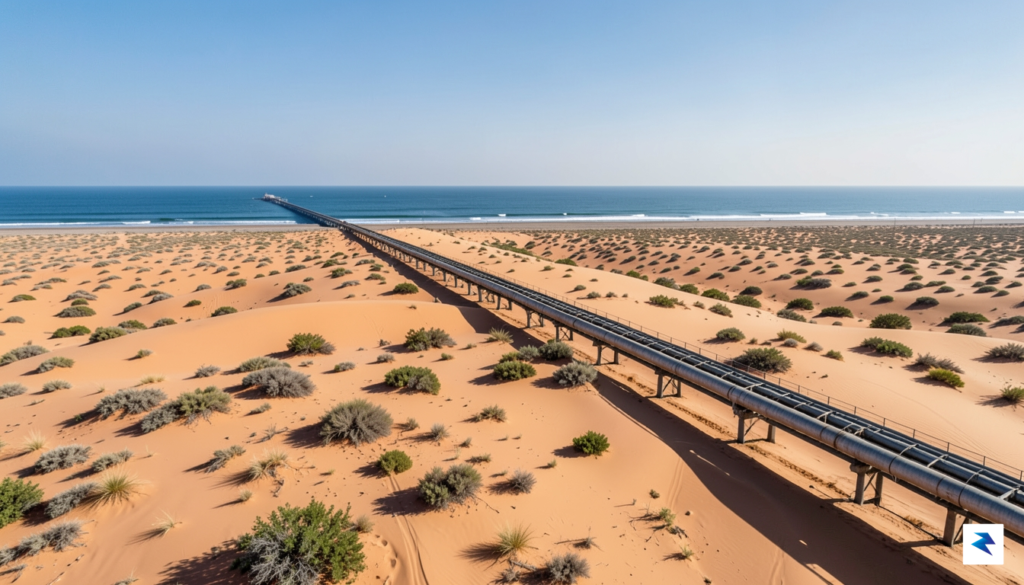
Beyond the physical rerouting of oil, nations are simultaneously bolstering their energy security through the strategic expansion and regionalization of petroleum reserves. While traditionally viewed as a tool for price stabilization, the modern Strategic Petroleum Reserve (SPR) must be re-conceptualized as a critical buffer against kinetic conflict. Many states are now focusing on decentralized storage facilities that are physically removed from vulnerable coastal zones, ensuring that a disruption in shipping lanes does not translate into an immediate domestic supply catastrophe. By increasing the depth of these stockpiles, governments buy themselves the necessary time to maneuver diplomatically or militarily during a crisis without the immediate pressure of an energy famine.
True energy security is found in redundancy; when a single maritime corridor can dictate the pulse of the global economy, the system is inherently fragile. Diversification is the only antidote to such concentrated risk.
The feasibility of these infrastructure projects often hinges on international cooperation and long-term financial commitments, yet the economic justification is becoming undeniable. When analyzing the cost of energy volatility—including inflated insurance premiums for tankers and the rising cost of naval patrols—the high upfront cost of building bypass pipelines begins to look like a bargain. Moving forward, the global market will likely see a bifurcation of supply chains: one path remains tethered to traditional, high-risk maritime routes, while the other utilizes a hardened, land-based network. This structural shift effectively strips away the “Hormuz stranglehold,” transforming how the world perceives and manages the flow of essential resources in an era of heightened regional tension.
Technological and Tactical Shifts in Energy Security

The imperative to secure energy supplies has shifted from a doctrine rooted solely in naval hegemony to one defined by technological agility and systemic resilience. For decades, the global economy relied on a “fortress” model of security, where the primary objective was maintaining an open maritime corridor through the Strait of Hormuz. However, modern security frameworks are increasingly moving toward decentralization, acknowledging that a singular reliance on a vulnerable geographic choke point is a strategic liability. By integrating decentralized energy grids, nations are creating micro-networks that can sustain critical infrastructure even when global supply lines face sudden, large-scale disruptions.
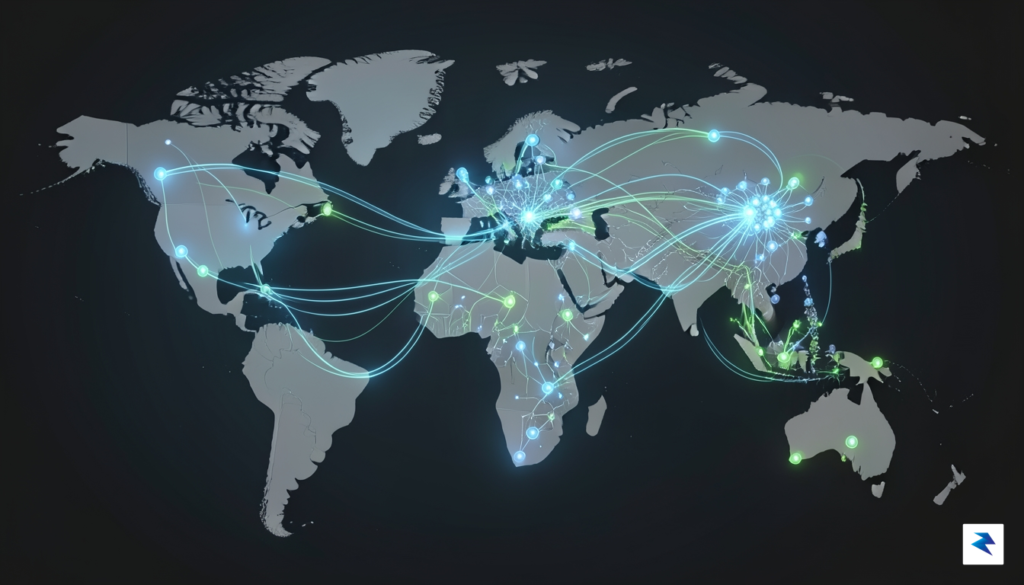
Central to this transformation is the integration of artificial intelligence and advanced predictive analytics within the energy supply chain. These tools allow logistics operators to map out potential bottlenecks in real-time, rerouting crude flows and adjusting inventory levels long before a regional escalation manifests into a physical blockade. Instead of reacting to geopolitical volatility, AI-driven logistics provide a preemptive buffer, optimizing the utilization of strategic petroleum reserves and diversifying import sources dynamically. This data-centric approach transforms energy security from a reactive military posture into a proactive, intelligence-led logistical operation.
True energy independence in the 21st century is not merely about domestic production; it is about the algorithmic agility to withstand, adapt, and redirect energy flows in a fractured geopolitical landscape.
The Role of Renewables as a Strategic Buffer
Beyond the logistical optimizations, the rapid deployment of renewable energy technologies serves as a critical hedge against Middle Eastern instability. As countries increase their capacity for wind, solar, and battery storage, they effectively lower their “absolute dependency” on Gulf oil, shrinking the strategic leverage held by regional actors who might otherwise threaten the Strait of Hormuz. When a nation generates a significant portion of its electricity through domestic, intermittent, or decentralized renewable sources, the political and economic impact of a temporary blockage in maritime oil transit becomes significantly more manageable.
This transition toward renewables is not just an environmental mandate; it is a fundamental shift in national security policy. By decoupling power generation from the volatile price fluctuations and transit risks of the Persian Gulf, states can insulate their economies from the shockwaves of regional conflict. Ultimately, the future of energy security lies in this hybrid approach: maintaining a sophisticated, AI-monitored global flow for essential hydrocarbons while simultaneously building a robust, localized renewable foundation that reduces the total existential risk associated with any single oceanic gateway.
The Path Toward Global Energy Autonomy
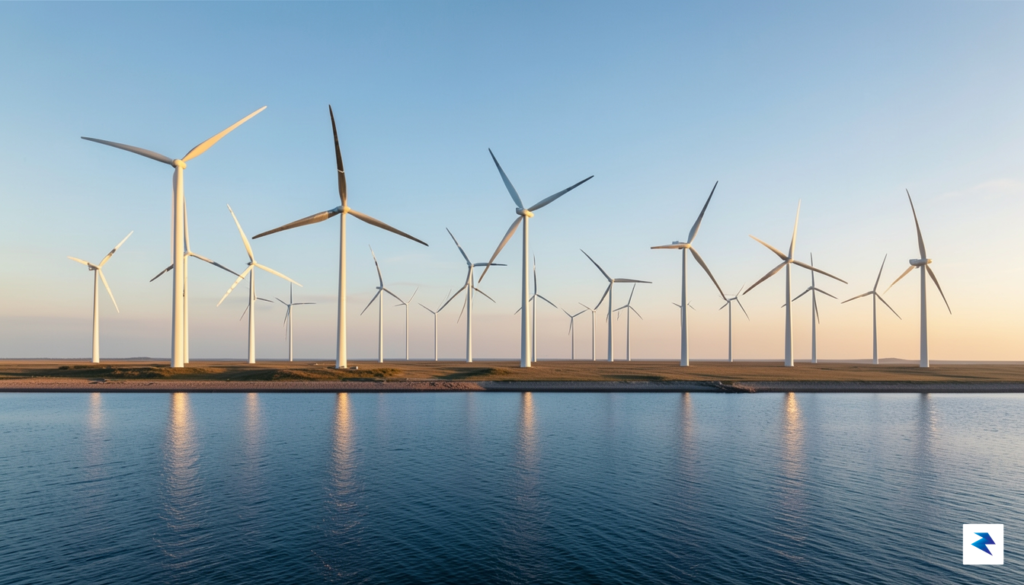
The persistent vulnerability of the Strait of Hormuz serves as a sobering reminder that global economic stability remains tethered to a narrow, high-risk maritime chokepoint. For decades, the reliance on this single artery for a significant portion of the world’s oil supply has created a systemic risk that geopolitical tensions can exploit at any moment. Moving beyond this fragile status quo requires a fundamental shift in how nations perceive and build their energy portfolios. True energy security is no longer merely about securing supply lines; it is about eliminating the single points of failure that allow regional conflicts to spiral into global economic crises.
A resilient, future-proof energy strategy must be built on the pillars of diversification and decentralization. By aggressively transitioning toward a mix of domestic renewable sources, nuclear power, and localized energy storage, nations can insulate themselves from the volatility inherent in traditional maritime shipping routes. This transition is not simply an environmental imperative, but a profound geopolitical necessity. When energy is produced closer to the point of consumption—whether through hydrogen hubs, expanded wind and solar grids, or advanced modular reactors—the influence of distant, unstable chokepoints naturally wanes, granting policymakers greater autonomy in their foreign and domestic agendas.
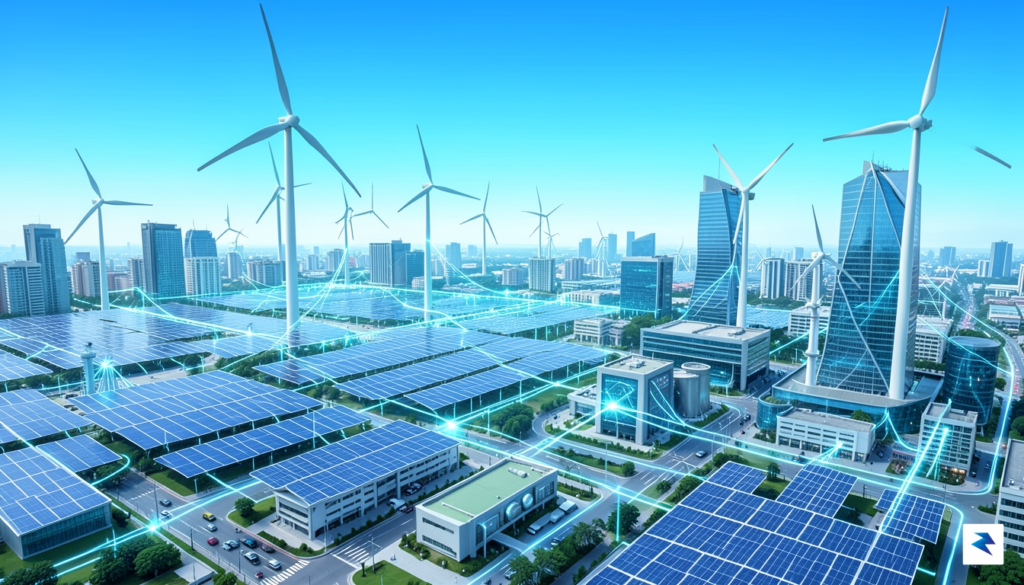
The hallmark of a mature energy policy is not the ability to react to a blockade, but the structural resilience to render such a blockade irrelevant to the nation’s economic survival.
Furthermore, achieving this level of autonomy does not necessitate a retreat into isolationism; rather, it demands a new form of international cooperation focused on critical infrastructure protection. As the global energy mix evolves, so too must the alliances that govern it. Nations must collaborate to harden the cybersecurity of digitalized power grids, standardize the protocols for cross-border energy sharing, and invest in redundant infrastructure that does not rely on transit through contested waters. By weaving together a tapestry of interconnected, diversified, and technologically advanced energy systems, the global community can effectively neutralize the leverage once held by those who control the world’s most dangerous narrow passages.
Ultimately, the path forward lies in recognizing that energy security is synonymous with national security. We are entering an era where the most secure energy is that which is abundant, diverse, and geographically dispersed. By prioritizing investment in home-grown innovation and fostering regional energy partnerships that bypass traditional bottlenecks, the world can finally begin to decouple economic prosperity from the whims of regional instability. This transformation will be difficult and costly, yet it is a necessary evolution to ensure that the global economy remains robust, regardless of the shifting tides in any one corner of the globe.