The Shift Toward Living Room Engagement
For years, our relationship with social media has been intrinsically tied to the palm of our hand, a truly mobile-first experience defined by quick scrolls, fleeting updates, and on-the-go consumption. The smartphone became the undisputed gateway to our digital social lives, often serving as a ‘second screen’ companion while we engaged with traditional television. This dynamic meant social platforms were optimized for personal, immediate interactions, allowing users to effortlessly dip in and out of content streams throughout their day.
However, the boundaries of this ‘second screen’ are rapidly dissolving as major platforms set their sights on a much larger display: the living room television. Instagram’s recent efforts to optimize its application for large smart TVs represents a strategic and ambitious pivot, signaling a desire to reclaim the most valuable and often shared real estate in the modern home. This move isn’t just about offering content on a bigger screen; it’s about fundamentally altering the context and duration of social media engagement, moving it from solitary, ephemeral checks to a more communal, lean-back entertainment experience.
The battle for ‘lean-back’ entertainment time is fierce, driven by the understanding that a user settled on their couch, remote in hand, is in a different mindset than someone quickly scrolling on a bus. This environment fosters a deeper, more immersive viewing experience, shifting from the rapid-fire consumption of short, often disjointed clips to something akin to traditional television programming. Platforms are vying for that dedicated attention span, hoping to transform casual mobile browsing into a primary entertainment activity that can be shared with family or friends, much like watching a movie or a streaming series.
This strategic pivot is powerfully underscored by the explosive growth of Connected TV (CTV) usage, which now boasts impressive reach and engagement metrics. Recent industry reports indicate that a significant majority of households in many developed nations now own at least one smart TV or connected device, with viewership hours consistently climbing. For instance, data from Statista reveals that the average daily time spent with CTV in the US has steadily increased, reaching well over an hour for many demographics, presenting an undeniable opportunity for social media giants to capture a slice of this expanding pie. The living room TV offers a more captive audience, poised for longer-form engagement and potentially more impactful advertising opportunities.
The implications of this shift are profound, suggesting a future where our social feeds are no longer confined to small, personal devices but become integrated into the central hub of home entertainment. This transition from a quick, private scroll to a potentially public, shared viewing experience demands a different kind of content and interaction, pushing platforms to innovate beyond their mobile-first roots. It signifies a broader ambition to dominate not just moments of idle time, but significant blocks of our leisure, fundamentally reshaping how we consume and interact with social content.
Understanding Instagram’s TV Strategy
Instagram’s transition from the palm of your hand to the centerpiece of your living room is far more than a simple port of existing software; it is a fundamental architectural overhaul designed to dominate the big screen. By integrating seamlessly with platforms like Amazon Fire TV and Google TV, the application has moved beyond the constraints of a vertical mobile interface. Instead, it employs a sophisticated grid-based navigation system specifically optimized for the directional inputs of a traditional remote control. This shift allows users to browse content with the same familiarity they expect from premium streaming services, effectively transforming the platform from a social networking tool into a dedicated entertainment hub.
The technical challenge of presenting vertical video on a horizontal 16:9 display has been addressed through clever aesthetic and functional design. Rather than forcing awkward black bars or simple cropping, the interface utilizes dynamic, blurred background overlays that match the color palette of the active video, creating a sense of depth and immersion. This design choice prevents the “letterboxing” fatigue that often plagues mobile-first apps on television screens. Furthermore, the high-production quality of modern Reels—which now frequently mirror the length and narrative arc of episodic television—is highlighted through a curated, infinite-scroll playback system that prioritizes long-form engagement over the fleeting interactions typically associated with mobile browsing.
The strategic pivot toward long-form content and micro-dramas suggests that Instagram is no longer competing for your spare minutes, but for your evening prime-time blocks.
Central to this new strategy is the elevation of “micro-dramas”—episodic content that bridges the gap between quick social clips and traditional cable programming. By leveraging sophisticated recommendation algorithms, the app serves up sequences of related, high-production videos that encourage viewers to enter a “lean-back” state of consumption. This shift is intentional; it is designed to keep the user stationary and engaged for significantly longer durations than the platform ever achieved on mobile devices. As the app continues to refine its playback experience, it is effectively positioning itself as a direct competitor to incumbents like Netflix or YouTube, utilizing its massive library of user-generated and creator-driven content to capture the attention of audiences who are increasingly moving away from linear broadcast television.
Ultimately, the technical adaptation of these features reflects an aggressive growth strategy. By optimizing for large-screen hardware, Instagram is betting that the future of social media isn’t just about connecting with friends, but about replacing the traditional television experience entirely. Through granular control over video quality, smoother transitions between posts, and a refined remote-navigation flow, the platform is successfully removing the friction that previously kept professional creators and high-end advertisers away from the social video space.
The Psychological Mechanics of Vertical Video on Big Screens
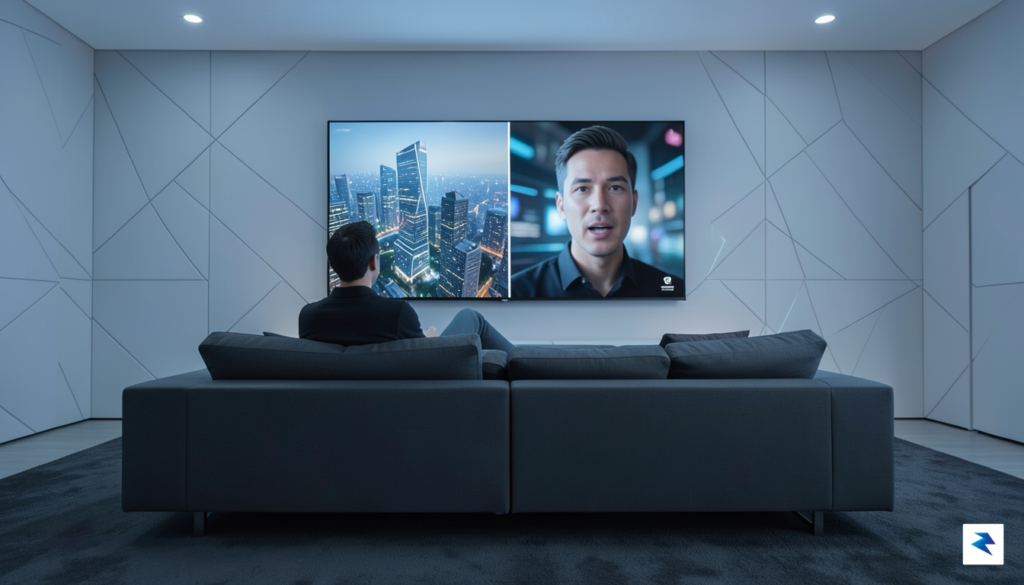
The strategic decision to project vertical video onto wide-screen televisions represents a calculated shift in how platforms view the boundaries of our digital ecosystem. By maintaining the narrow, portrait-oriented aspect ratio on massive displays, platforms like Instagram are effectively exporting the mobile “scrolling” experience into the sanctuary of the living room. This design choice is rooted in the pursuit of psychological continuity; the goal is to make the transition from a handheld device to a television feel entirely frictionless. When the visual language remains identical across all hardware, the user is never prompted to break their trance or reconsider the nature of the content they are consuming, effectively extending their window of engagement indefinitely.
A primary mechanic in this strategy involves the use of blurred, generative borders that fill the dead space surrounding the vertical video. Rather than embracing the traditional cinematic standard of letterboxing—which would provide a neutral, black background—platforms use these dynamic, color-matched overlays to minimize the visual “shock” of the narrow frame. Psychologically, this serves to soften the edges of the content, making the vertical orientation feel less like an awkward technical limitation and more like an immersive, ambient experience. By removing the harsh borders that traditionally delineate a piece of media from its environment, the platform creates a hypnotic effect that masks the jarring transition between disparate types of content.
The friction of switching devices is the enemy of the attention economy; by standardizing the interface, platforms ensure that the user’s cognitive state remains unchanged regardless of the screen size.
This approach fundamentally challenges the norms of traditional cinematography, which has long relied on wide, horizontal frames to provide context, depth, and spatial awareness. When we force vertical content onto a big screen, we are effectively prioritizing the “stream” over the “scene.” The viewing experience is no longer about appreciating composition or narrative scale; it is about the infinite, rapid-fire succession of short-form clips. This architecture traps the viewer in a state of passive, low-effort consumption, where the sheer persistence of the user interface—the familiar icons, the scroll-bar, and the auto-playing next video—overrides the desire for a more deliberate or varied media diet. Consequently, the living room, once a space for shared, intentional viewing, is being subtly repurposed into a vast, high-definition extension of the mobile feed.
Competitor Dynamics: Can Instagram Take on YouTube?
The move to expand Instagram’s reach directly onto television screens signals a profound strategic shift, challenging YouTube’s long-held dominion over the living room. For years, YouTube has cultivated a formidable fortress in this space, becoming the de facto destination for long-form videos, episodic content, and everything from educational tutorials to full-length documentaries. Instagram, by contrast, built its empire on the immediacy and brevity of mobile-first content, fostering a culture of quick scrolls, double-taps, and transient stories. The fundamental question, therefore, is whether the platform can successfully recalibrate user behavior from rapid, mobile consumption to the more deliberate, lean-back experience demanded by a television set.
The core user experience on these two platforms diverges significantly. Instagram users are accustomed to a constant stream of short, visually driven content, often consumed in fragmented moments throughout the day. Their engagement is typically characterized by quick interactions and a continuous feed scroll, rarely settling into a single piece of content for extended periods. YouTube, conversely, thrives on sustained engagement; users actively seek out specific videos, subscribe to channels for deeper dives, and often dedicate significant blocks of time to watching. Shifting Instagram users from this ingrained “snackable content” mindset to one that embraces longer viewing sessions on a big screen will require more than just technical integration; it demands a cultural transformation in how users perceive and interact with the platform.
Furthermore, the depth and breadth of content libraries present a substantial hurdle for Instagram. YouTube boasts an unparalleled archive of long-form video content, developed over nearly two decades by a diverse ecosystem of creators who have been incentivized to produce high-quality, horizontally oriented videos. This includes everything from indie films and web series to in-depth reviews and comprehensive tutorials. Instagram, while home to a vibrant creator community, has primarily fostered content geared towards shorter formats like Reels or vertical IGTV videos. To truly compete in the living room, Instagram will need to cultivate a new generation of creators capable of producing compelling, television-ready long-form content, alongside a mechanism to onboard existing creators, which requires significant investment and a clear vision for content development.
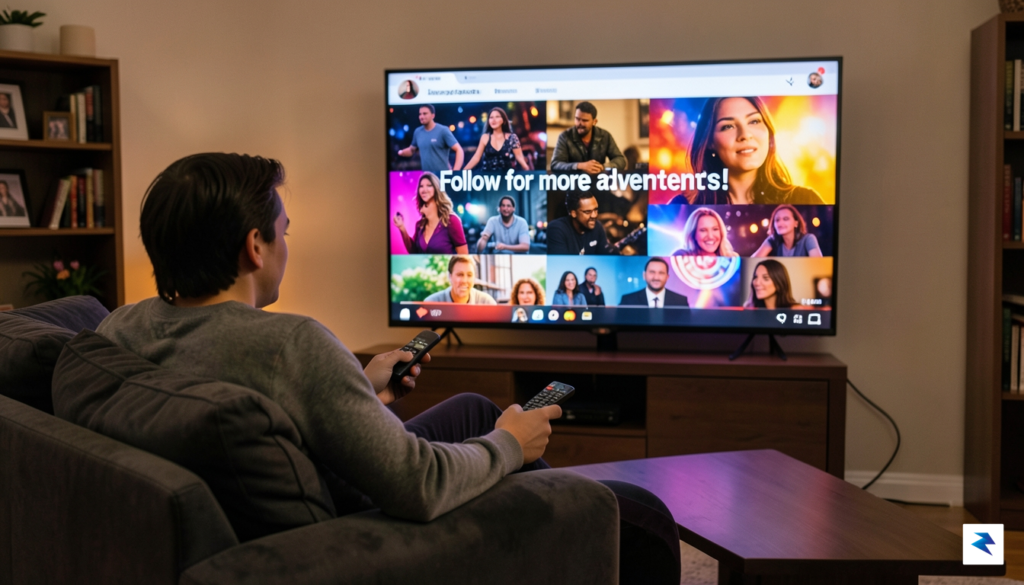
The battle for living room attention also inevitably touches upon ad revenue models and creator economics. YouTube’s robust partner program, which shares ad revenue with creators, has been a cornerstone of its ability to attract and retain top talent, providing a stable income stream for those who produce engaging long-form content. Instagram’s monetization for creators has historically been more varied, often relying on brand partnerships, direct sales, or influencer marketing rather than a direct ad revenue share for longer videos at scale. To lure creators away from YouTube or to incentivize them to produce new, dedicated long-form content for Instagram’s TV ambitions, the platform must establish an equally compelling and transparent monetization strategy that makes the effort worthwhile for content producers.
Ultimately, there’s a tangible risk of ‘content fatigue’ for Instagram users. The platform already demands a significant portion of users’ daily attention through its endless scroll of posts, stories, and reels. Introducing a substantial volume of long-form content could overwhelm an already saturated user base, potentially leading to burnout rather than deeper engagement. The challenge lies in integrating this new viewing experience seamlessly without diluting the platform’s core appeal or forcing users to spend an uncomfortable amount of continuous time. Striking this delicate balance between expansion and maintaining a positive, manageable user experience will be critical in determining whether Instagram can genuinely carve out a significant share of the living room attention currently dominated by its established rival.
Privacy and User Experience Considerations
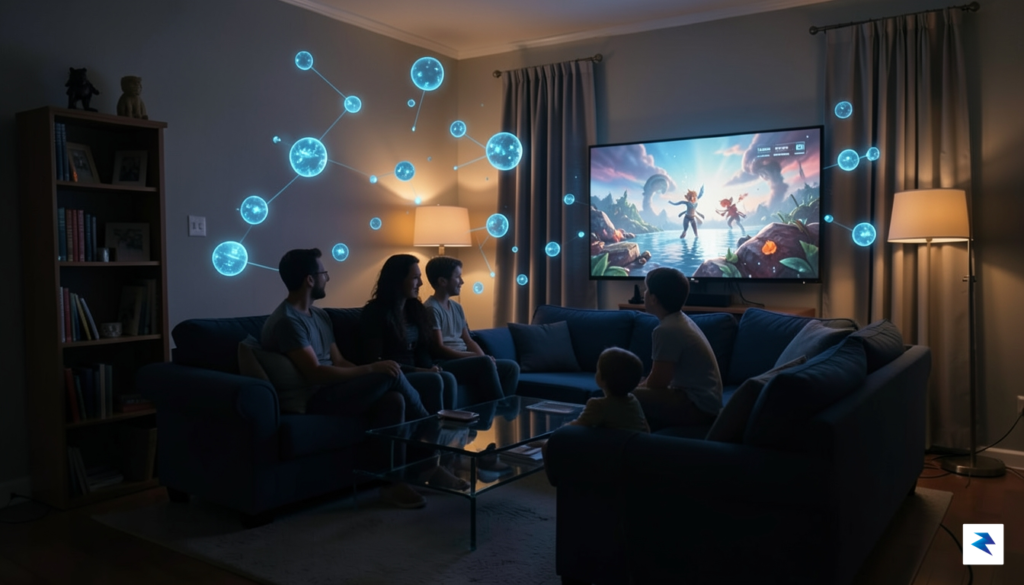
The transition of social media platforms from the intimate, handheld screen of a smartphone to the communal centerpiece of the living room introduces a profound shift in data privacy dynamics. When these applications are installed on Smart TVs, the scope of data collection expands significantly, moving beyond personal interaction patterns to capture household-level viewing behaviors. These platforms utilize advanced tracking mechanisms that can correlate what is being watched with other devices on the same network, effectively building a comprehensive profile of a family’s collective habits. This persistent monitoring turns the living room into a data-harvesting environment, where every scroll and pause serves to refine the algorithmic engine, often without the explicit awareness of every individual present in the room.
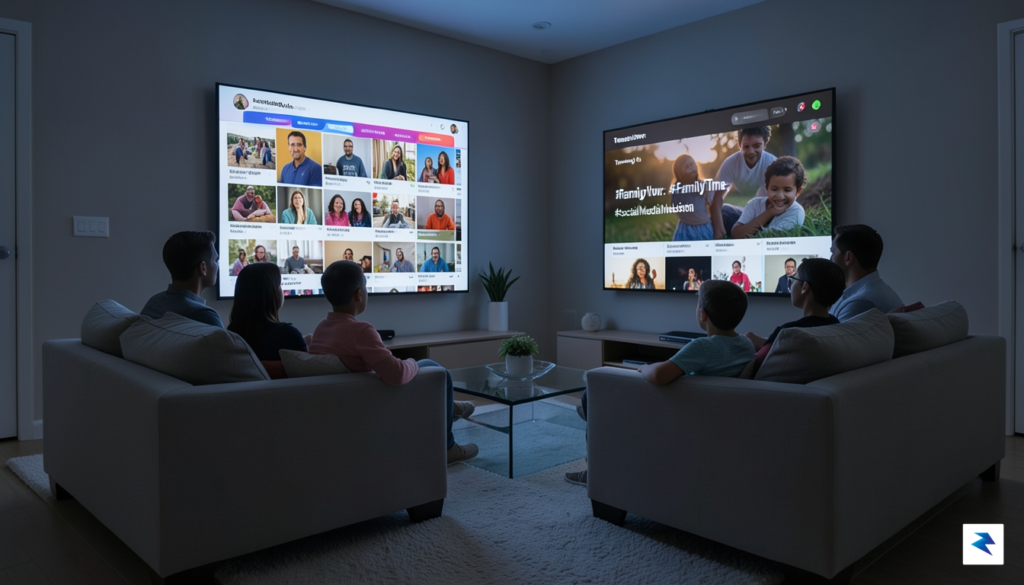
Furthermore, the introduction of algorithmic content into shared spaces disrupts the traditional, intentional nature of home entertainment. Unlike selecting a specific movie or show, these platforms rely on a chaotic, unpredictable stream designed specifically to maximize watch time through psychological triggers. In a household setting, this lack of curation can expose family members to content that is misaligned with the intended atmosphere of a communal space. Because the algorithm prioritizes personal engagement metrics over shared interests, it effectively isolates viewers into their own digital bubbles, even when they are physically sitting side-by-side. This fragmentation of the viewing experience can erode the quality of shared time, replacing genuine interaction with a competitive struggle for individual attention.
The true cost of “free” entertainment is often the erosion of our collective focus; when our living rooms become data-driven environments, we lose the ability to curate our own domestic atmosphere.
Addressing these challenges requires a heightened commitment to digital wellness and a critical examination of the tools we invite into our homes. Parents, in particular, face an uphill battle when trying to manage exposure, as these platforms are rarely designed with the nuances of shared household consumption in mind. Robust parental controls are often insufficient against algorithms that are specifically engineered to bypass human willpower through endless, high-dopamine loops. To protect the sanctity of the home environment, users must proactively limit permissions, disable tracking features where possible, and treat these applications with the same caution they would apply to any other pervasive tracking technology. Ultimately, reclaiming the living room from the grip of the algorithm starts with acknowledging that not every space—and not every moment—needs to be optimized for engagement.
What This Means for Content Creators
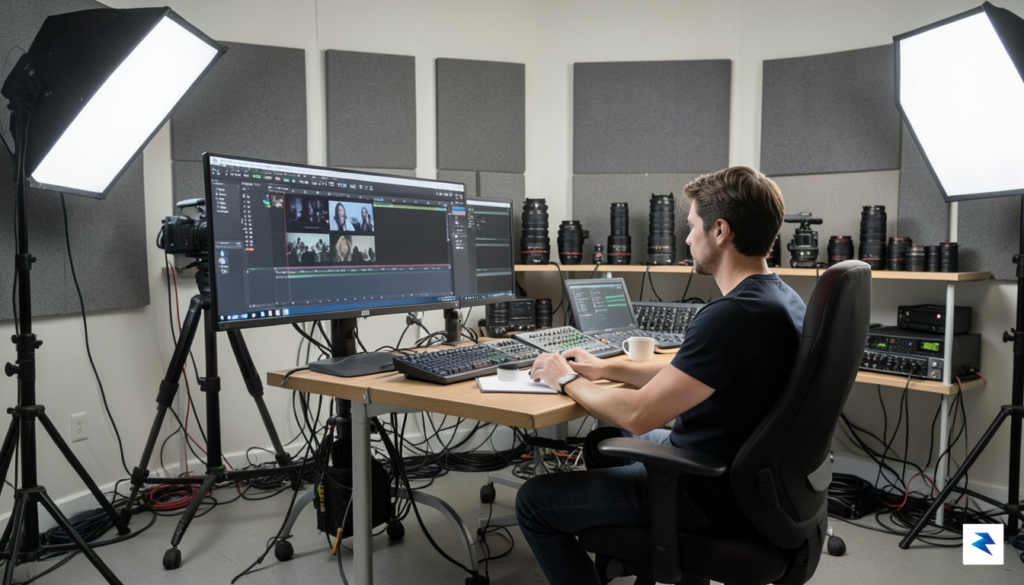
The shift in how Instagram is consumed marks a pivotal moment for creators, signaling a clear mandate to re-evaluate and elevate their production quality. As content finds its way onto larger screens, from smart TVs to living room projectors, the casual, low-fidelity mobile clips that once thrived on small phone screens may no longer capture or retain audience attention effectively. This evolving landscape demands a strategic pivot towards higher production values and more refined storytelling, transforming social media content into something akin to broadcast-ready material. Creators who adapt now will be well-positioned to thrive in this new, TV-first era of social engagement.
Elevating Visuals for the Big Screen
The most immediate and critical adjustment for creators involves the visual fidelity of their content. When displayed on a 65-inch television, every pixel, every flicker, and every unsteadiness is magnified. This necessitates a move towards higher resolution — ideally 4K, or at the very least, consistently crisp 1080p footage. Beyond resolution, creators must prioritize stable camera work, utilizing tripods or gimbals to eliminate shaky handheld shots. Furthermore, professional lighting becomes paramount; flat, poorly lit scenes that might pass on a phone screen will appear amateurish and unengaging on a larger display. Investing in basic lighting equipment, understanding composition, and shooting in appropriate aspect ratios (like 16:9 for widescreen) will dramatically improve the viewing experience for a TV audience, making your content feel more intentional and polished.
Mastering Audio and Pacing
While visuals often grab initial attention, high-quality audio is fundamental to viewer immersion, especially on a home entertainment system where sound is amplified through better speakers. Tinny, distorted, or inconsistent audio recorded directly from a phone microphone will instantly detract from even the most beautiful visuals. Creators should invest in external microphones to capture clear, rich sound, and pay careful attention to sound design, including background music, voiceovers, and sound effects that enhance the narrative without overwhelming it. Simultaneously, pacing needs a thoughtful recalibration. What works as a rapid-fire edit for a scrolling mobile feed might feel jarring or rushed on a large screen. Embrace more deliberate cuts, allow scenes to breathe, and craft a rhythm that invites viewers to settle in and absorb the story, rather than constantly jolting them with quick transitions.
Embracing Serialized Storytelling
The transition to a TV-first viewing experience naturally lends itself to more expansive and engaging narratives. Instead of focusing solely on isolated, viral moments, creators should explore the power of serialized storytelling. This involves developing ongoing themes, character arcs, and multi-part series that encourage viewers to return for the next installment, much like a traditional television show. Thinking in terms of narrative structure – an introduction, rising action, climax, and resolution – across multiple pieces of content can foster deeper engagement and build a more loyal audience. This approach also allows for greater creative depth, moving beyond ephemeral trends to craft content with lasting appeal and genuine emotional resonance.
Crafting a Dual-Audience Strategy
Recognizing that not all viewers will instantly migrate to TV-based consumption, creators must develop a diversified content strategy that caters to both mobile and large-screen audiences. This might involve producing a “hero” version of your content optimized for TV viewing – higher resolution, refined audio, deliberate pacing, and rich storytelling – and then creating shorter, punchier, vertically oriented cuts or highlights specifically for mobile feeds. Repurposing content intelligently ensures maximum reach and engagement across different platforms and viewing habits. By thoughtfully adapting your production pipeline to serve these distinct consumption environments, you can ensure your creative vision resonates powerfully, whether viewed intimately on a phone or collectively on a living room screen.