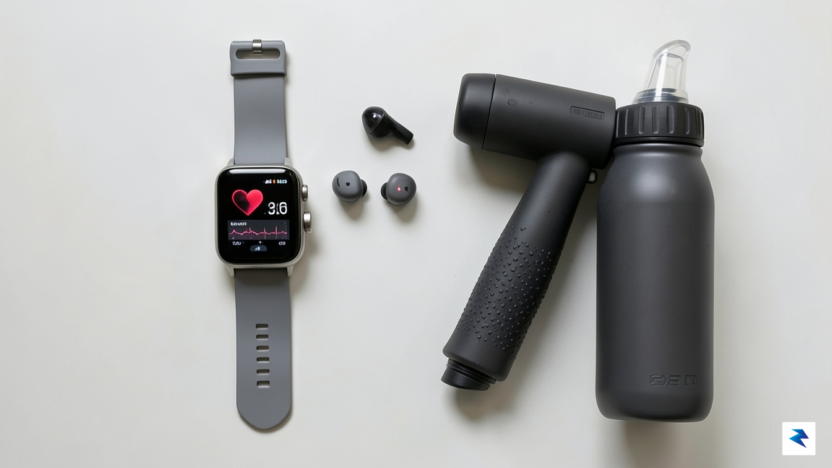
Navigating Prime Day Fitness Tech
Prime Day serves as a pivotal window for those looking to upgrade their personal health ecosystem, largely because fitness technology typically follows a predictable, cyclical release pattern. Manufacturers often refresh their flagship heart-rate monitors, smart scales, and recovery devices in the spring or early autumn, making mid-year sale events the perfect time for retailers to clear out inventory of high-performance hardware. Unlike impulse buys, investing in fitness tech requires a strategic mindset; you are not merely purchasing a gadget, but rather a long-term data collection tool that will influence your daily recovery, sleep patterns, and physical output for years to come.
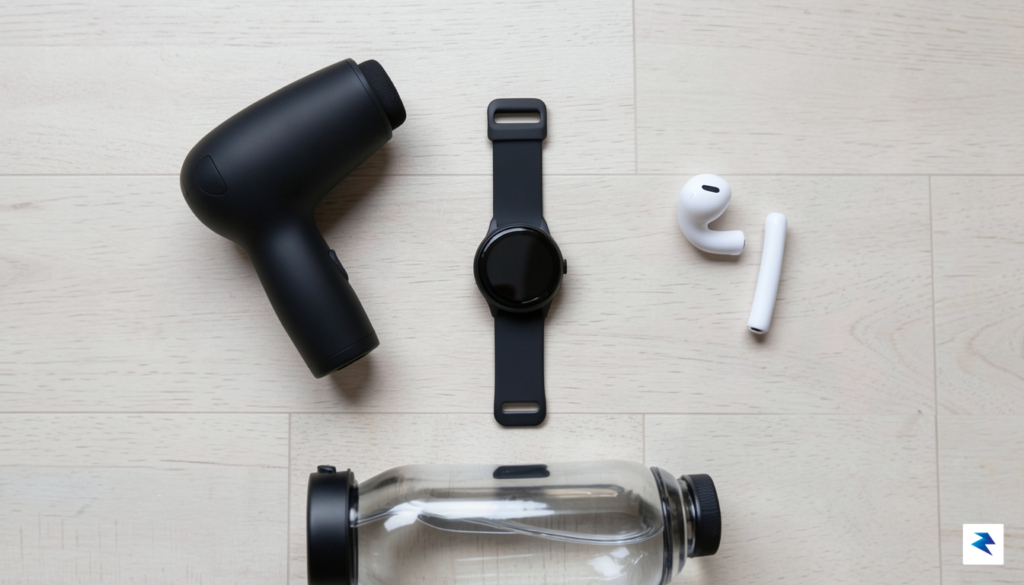
To navigate these deals effectively, it is essential to distinguish between entry-level trackers and pro-grade equipment. While a budget-friendly pedometer might satisfy a casual walker, serious athletes should prioritize devices that offer advanced biometric analytics, such as HRV (Heart Rate Variability) tracking, blood oxygen monitoring, and integration with third-party training platforms like Strava or TrainingPeaks. A steeper discount on an aging, entry-level model is rarely a better value than a modest discount on a current-generation device that offers superior sensor accuracy and future-proof software support. By focusing on the longevity of the technology, you ensure that your purchase remains relevant as your fitness journey evolves.
The most valuable fitness tech investment is the one that integrates seamlessly into your existing routine, rather than the one with the highest advertised discount percentage.
When curating your shopping list, consider the methodology of utility over vanity. It is easy to be swayed by a flashy, deeply discounted treadmill or a high-tech mirror, but these items often occupy significant physical space and may lose their appeal if they do not solve a specific friction point in your current training regimen. Instead, look for gear that addresses your current plateaus: if you struggle with recovery, a percussive therapy device provides immediate, tangible value; if you are training for a endurance race, a specialized multisport watch is an indispensable asset. By identifying these specific needs before the sale starts, you can filter through the noise of Prime Day and secure equipment that genuinely enhances your physical health rather than simply cluttering your living space.
Smartwatches and Wearable Trackers
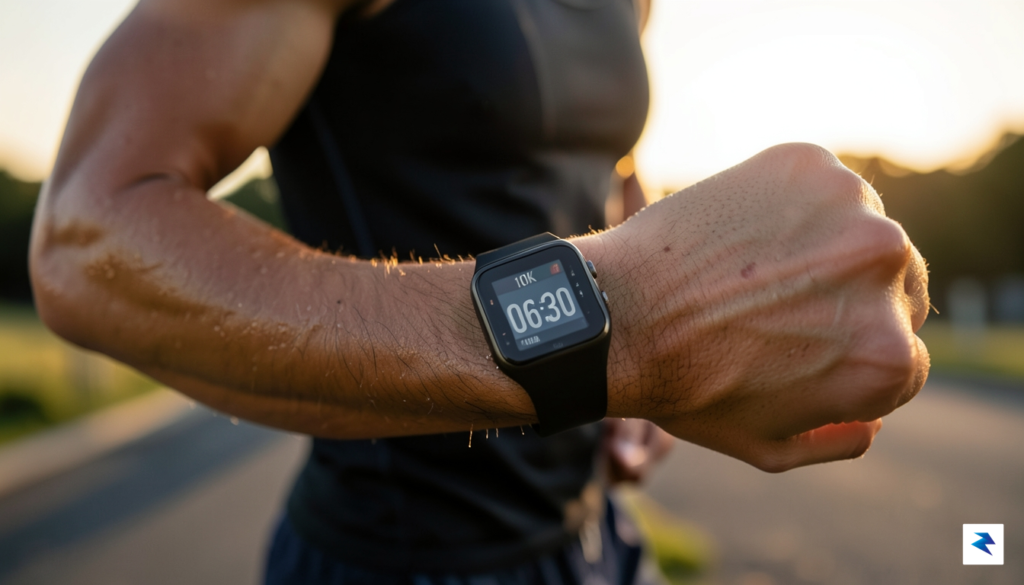
In the evolving landscape of personal fitness, a smartwatch or wearable tracker has become more than just a gadget; it’s your most consistent coach, data analyst, and motivator, all wrapped around your wrist. Whether you’re meticulously planning an ultramarathon with sophisticated training zones or simply aiming to hit your daily activity rings and improve sleep quality, selecting the right wearable is paramount. This Prime Day presents an unparalleled opportunity to invest in a device that genuinely aligns with your athletic ambitions and lifestyle goals, with market leaders offering significant discounts on their most coveted models.
Flagship Powerhouses vs. Budget-Friendly Essentials
The market for wearables broadly splits into two categories: the feature-rich flagship smartwatches and the more streamlined, budget-friendly activity bands. Flagship devices, like the Garmin Fenix series, Apple Watch Ultra, or higher-end Samsung Galaxy Watch models, are engineered for serious athletes. They boast advanced metrics such as VO2 Max estimation, detailed recovery advisors, multi-sport tracking with robust GPS, and sophisticated training load analysis. These devices often feature premium materials, larger, more vibrant displays, and extensive battery life capable of enduring multi-day events without a recharge. Conversely, budget-friendly options, such as the Fitbit Charge line or various Xiaomi Mi Bands, focus on core activity tracking. They excel at monitoring steps, basic heart rate, sleep patterns, and delivering smartphone notifications, making them ideal for individuals beginning their fitness journey or those who prioritize simplicity and affordability over intricate performance data.
Deciphering Sensor Accuracy: Heart Rate, SpO2, and GPS
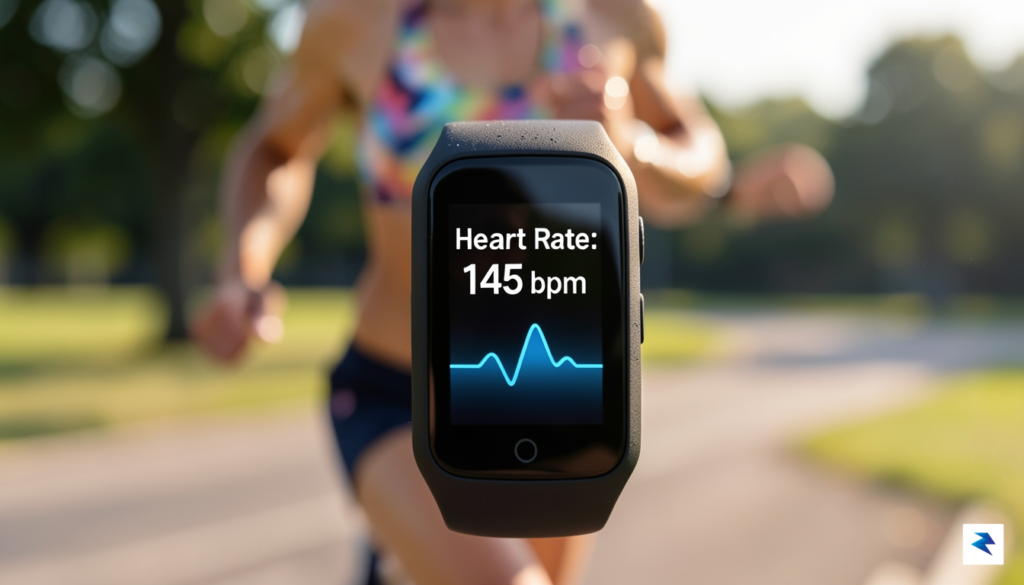
The reliability of your wearable’s data hinges on its sensor technology. Optical heart rate sensors, found in virtually all modern wearables, provide a convenient and generally accurate reading for daily activities and moderate exercise. However, for high-intensity interval training (HIIT), precise heart rate zone training, or scientific performance analysis, a dedicated chest strap often provides superior, medical-grade accuracy that wrist-based sensors can sometimes struggle to match due to movement artifacts. Blood oxygen saturation (SpO2) monitoring, while not a primary training metric for most, offers valuable insights into sleep health, potentially highlighting issues like sleep apnea, and can be useful for acclimatization at high altitudes. It’s crucial to remember that SpO2 readings from wearables are for wellness purposes and not clinical diagnosis. For outdoor enthusiasts, GPS accuracy is non-negotiable. Premium watches often include multi-band GPS, which taps into multiple satellite frequencies for unparalleled precision, even in challenging environments like urban canyons or dense forests, a significant upgrade from standard GPS found in entry-level devices.
The Long Game: Software Updates and Ecosystem Synergy
A wearable’s value isn’t just in its initial purchase; it’s also in its longevity and continued relevance, heavily influenced by software updates and its broader ecosystem. Brands like Garmin and Apple are renowned for consistently pushing out significant software updates that introduce new features, refine existing metrics, and improve user experience on even older models, effectively extending the lifespan and value of your investment. This commitment ensures your device remains competitive and capable for years after purchase. In contrast, some budget brands might offer less frequent or substantial updates, potentially leading to quicker obsolescence. The choice of ecosystem also plays a pivotal role. Apple Watch offers unparalleled integration for iPhone users, boasting a vast app store and seamless data flow. Samsung’s Galaxy Watch line is a strong contender for Android users, particularly those with Samsung phones, offering deep integration. Garmin, on the other hand, provides a largely platform-agnostic experience, with its robust Garmin Connect app serving as a powerful hub for both iOS and Android users, making it a favorite among serious athletes who prioritize sports science over smartphone integration.
Pro Tip: When evaluating deals, consider not just the upfront discount, but also the brand’s reputation for software support and how well the device integrates with your existing smartphone and other fitness apps. A lower price isn’t always a better value if the device becomes outdated quickly or doesn’t play well with your digital life.
Ultimately, selecting the right wearable during this Prime Day sale means aligning your training goals with the device’s capabilities and its long-term support. Whether you need the granular data for peak athletic performance or simply a reliable companion to encourage daily movement, the ideal “coach” is waiting to be discovered, ready to empower your fitness journey from your wrist.
Home Cardio Essentials: Walking Pads and Beyond
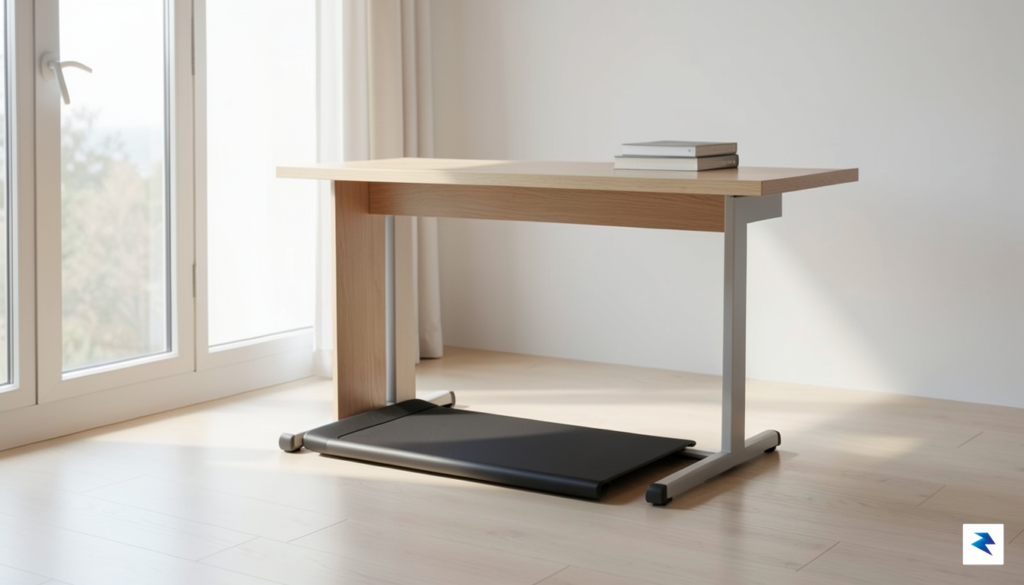
The landscape of personal fitness has undergone a significant transformation, largely propelled by the “desk treadmill” revolution. What began as a niche concept for enhancing office productivity has blossomed into a mainstream movement, challenging our traditional views on how and where we incorporate physical activity into our daily routines. This surge in compact cardio equipment offers unparalleled convenience, allowing users to walk, jog, or simply move while working, watching TV, or even during a conference call. However, with the market flooded with options, discerning high-durability machines from flimsy alternatives becomes paramount for making a worthwhile investment.
Understanding Motor Horsepower (CHP) for Longevity
At the heart of any walking pad or treadmill lies its motor, and understanding its specifications is crucial for predicting the equipment’s lifespan and performance. While many manufacturers tout “peak horsepower,” the more important metric to scrutinize is CHP, or continuous horsepower. CHP indicates the motor’s ability to maintain a consistent power output without overheating or straining, especially during prolonged use. For walking pads designed to support active lifestyles, a minimum of 1.5 CHP is generally recommended to ensure smooth operation and longevity, particularly if multiple users will be exercising regularly or if the user’s weight is on the higher end of the spectrum.
A motor with adequate CHP not only ensures a quieter, more reliable workout experience but also significantly extends the life of the machine itself. Undersized motors tend to work harder, leading to faster wear and tear, more frequent breakdowns, and a generally less satisfying user experience. When evaluating options, especially during significant sales events like Prime Day 2026, prioritizing models with robust CHP ratings will safeguard your investment and provide a consistent, effective cardio solution for years to come. Look for clear specifications on continuous power, not just peak, to make an informed decision.
Safety Features and Ingenious Space-Saving Designs
Beyond motor power, the evolution of compact cardio equipment has brought forth an array of essential safety features and ingenious space-saving designs. Modern walking pads often include vital safety mechanisms such as emergency stop cords, non-slip belt surfaces, and sturdy frames capable of supporting a substantial user weight without wobbling. Furthermore, the design innovation is truly remarkable; many models now boast ultra-slim profiles that can slide effortlessly under a bed or desk, while others offer vertical storage options, drastically minimizing their footprint when not in use. These thoughtful designs cater directly to urban dwellers or anyone with limited living space, ensuring fitness doesn’t come at the cost of clutter.
Some advanced walking pads integrate smart features like speed adjustments based on foot placement, which enhance both safety and convenience, allowing users to focus on their activity without constantly adjusting settings. The inclusion of integrated handrails, even if optional or foldable, can provide extra stability for users seeking added support. When assessing these machines, consider how easily they can be moved and stored, the simplicity of their controls, and the overall build quality that contributes to both safety and durability.
Walking Pads Versus Traditional Foldable Treadmills: Making the Right Choice
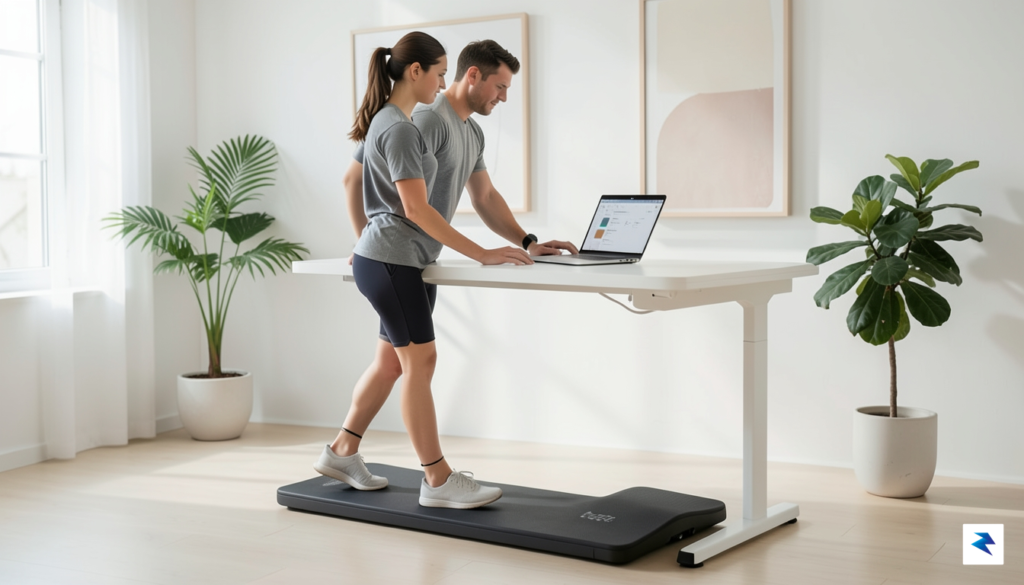
While often grouped, walking pads and traditional foldable treadmills serve distinct purposes and cater to different fitness needs. Walking pads, by design, are typically lighter, quieter, and offer a lower maximum speed, making them ideal for brisk walking, light jogging, and seamless integration with a standing desk setup. Their compact nature and often lack of an incline feature make them perfect for consistent, low-impact activity throughout the day. They excel at promoting movement and combating sedentary lifestyles without demanding a dedicated workout space or intense exertion.
Traditional foldable treadmills, conversely, are built for more rigorous workouts, offering higher top speeds, incline capabilities, and a more robust frame suitable for running. While they also feature space-saving designs, their folded footprint is generally larger than that of a walking pad, and they are heavier to move. The choice between the two largely depends on your primary fitness goals: if your aim is to stay active while working or to incorporate light cardio into your daily routine, a walking pad is an excellent, unobtrusive solution. If you’re looking for a machine that can handle intense running workouts, hill training, and more varied exercise, a full-sized foldable treadmill remains the superior option.
Maintaining Your Investment for Years of Smooth Operation
Regardless of whether you choose a walking pad or a foldable treadmill, proper maintenance is the linchpin of longevity. Simple, regular upkeep can dramatically extend the life of your equipment and prevent costly repairs down the line. Key maintenance tasks include lubricating the belt according to the manufacturer’s recommendations, typically every few months depending on usage, to reduce friction and wear on the motor and belt. Regularly cleaning the deck and motor cover to remove dust and debris is also crucial, as accumulated grime can hinder performance and lead to overheating.
Furthermore, periodically checking and adjusting belt tension and alignment ensures a smooth, safe stride and prevents excessive strain on the motor. Always consult your equipment’s user manual for specific instructions, as maintenance requirements can vary between models. By dedicating a small amount of time to these preventative measures, you ensure your home cardio equipment remains a reliable and efficient tool for achieving your fitness goals for many years to come, making your initial investment truly worthwhile.
Recovery Gear for Longevity
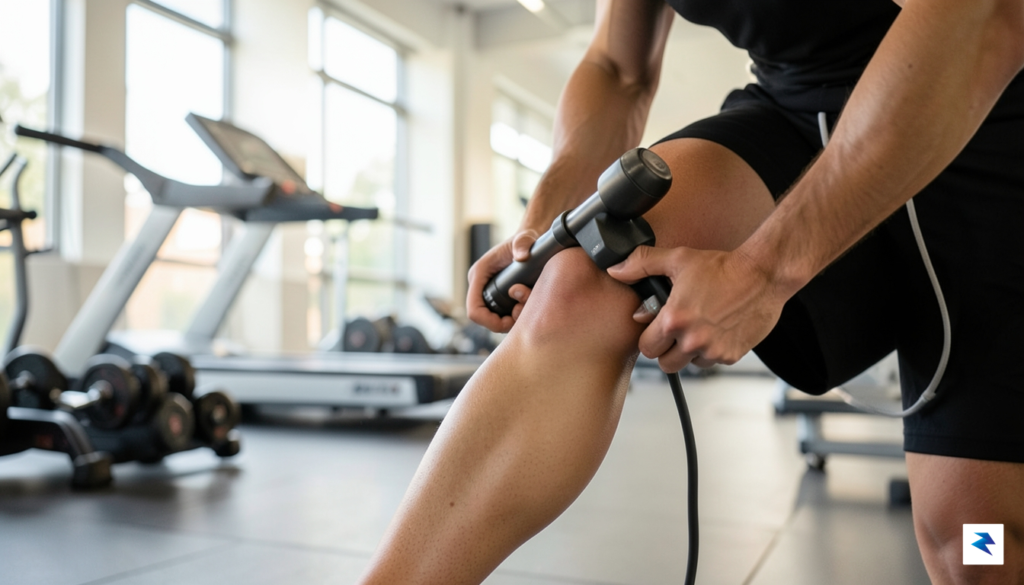
True athletic performance is defined not just by the intensity of your training, but by the efficiency of your recovery. As fitness technology advances, the barrier between professional training rooms and home gyms has practically vanished, allowing everyday athletes to utilize sophisticated tools that were once reserved for elite organizations. Percussion therapy, for instance, has revolutionized how we address delayed onset muscle soreness (DOMS). By delivering rapid, concentrated pulses deep into the muscle tissue, these devices stimulate blood flow and help break up fascial adhesions, which accelerates the repair process and dramatically reduces the time you spend sidelined by stiffness.
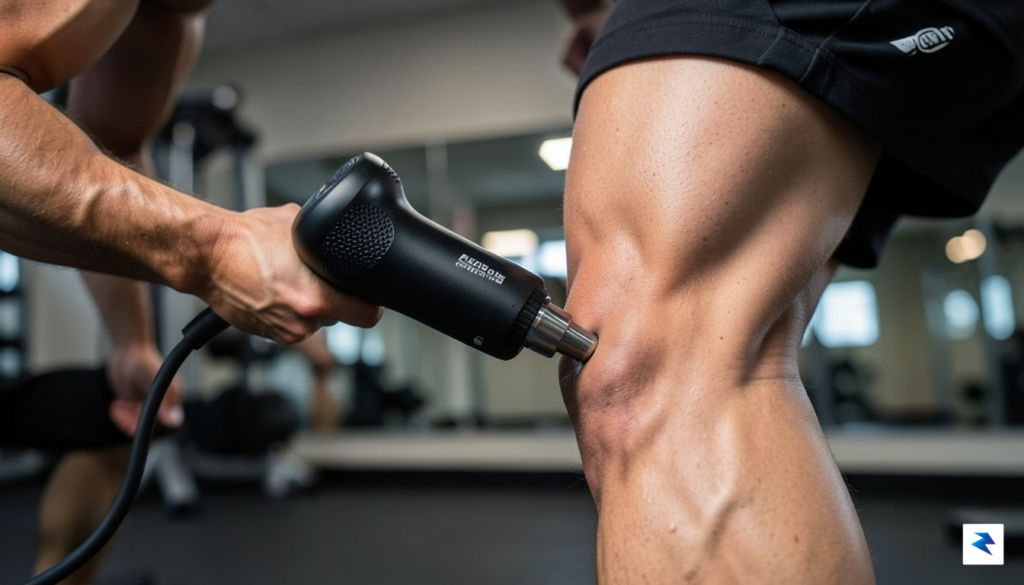
When selecting your gear, it is important to distinguish between mass-market consumer options and clinical-grade equipment. While entry-level massagers are excellent for general tension relief, higher-end models—often discounted significantly during Prime Day—offer superior stall force and amplitude. Amplitude refers to how deep the device penetrates the muscle, whereas stall force dictates how much pressure you can apply before the motor slows down. For those dealing with chronic aches or heavy training loads, investing in a tool with high amplitude ensures that the vibration reaches the deep tissue layers where true structural recovery begins.
Pro-Tip: Don’t just focus on raw power. Look for devices with variable speed settings and ergonomic attachments, as these allow you to tailor your recovery session to specific muscle groups, such as the delicate tissues around the shoulders versus the dense muscles of the glutes and quads.
Beyond percussion, the integration of cold therapy and dynamic compression technology has become a cornerstone of long-term injury prevention. Dynamic compression boots, which utilize intermittent pneumatic pressure to flush out metabolic waste and reduce inflammation, are particularly effective for endurance athletes who put their lower bodies through repetitive stress. Meanwhile, portable cold therapy units have moved beyond the traditional ice bag, offering precise temperature control that helps mitigate acute inflammation immediately after a workout. By incorporating these modalities into a consistent routine, you can effectively manage the cumulative micro-trauma that often leads to burnout or overuse injuries.
Building Your Essential Recovery Toolkit
To optimize your longevity in any sport, consider assembling a recovery suite tailored to your specific activity level. If you are a high-volume athlete, your priority should be tools that facilitate systemic recovery; if you are a casual gym-goer, focus on precision tools that address specific mobility restrictions. Use this checklist to prioritize your Prime Day purchases:
- For the Endurance Runner/Cyclist: Prioritize dynamic compression sleeves or boots to manage lower limb fluid retention and circulation.
- For the Strength Athlete: Focus on high-amplitude percussion devices for deep tissue trigger point work and targeted mobility tools.
- For the General Fitness Enthusiast: Invest in a versatile, mid-range percussion massager and a high-quality foam roller for daily maintenance and flexibility.
- For All Levels: Cold therapy packs or localized cooling tech remain non-negotiable for managing sudden inflammation and joint health.
Ultimately, recovery gear acts as a force multiplier for your training efforts. By proactively managing how your body heals, you ensure that every workout builds upon the last rather than simply tearing down a foundation that never had the chance to mend. Take advantage of seasonal savings to secure this equipment now, as the long-term dividend—a healthier, more capable body—is worth far more than the initial investment.
Smart Shopping Strategies
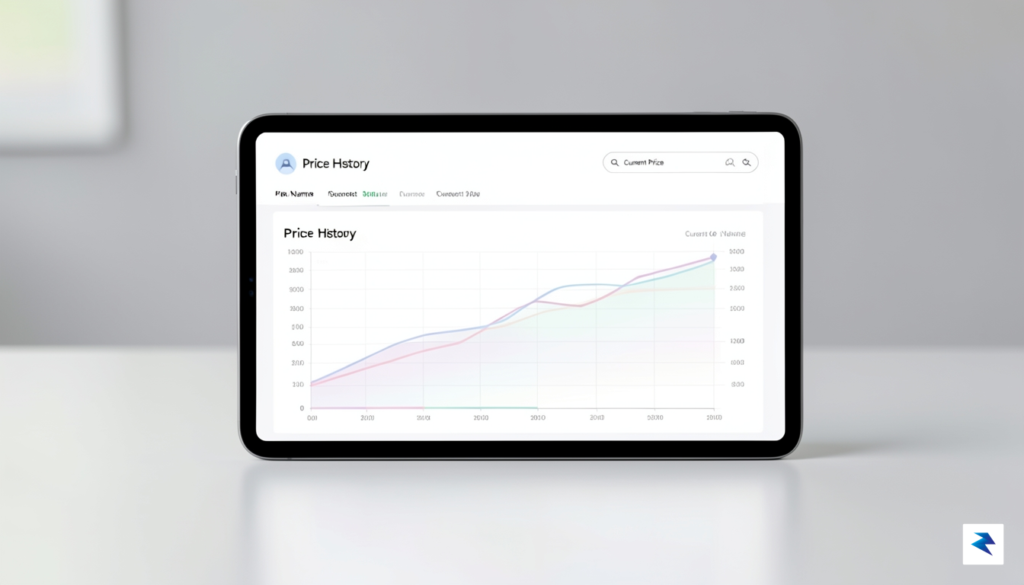
The sheer influx of notifications and “limited-time” countdown clocks during Prime Day can easily trigger a sense of urgency that clouds your judgment. To avoid the trap of impulsive buying, it is essential to adopt a systematic approach that prioritizes your fitness goals over the excitement of a discount. Before hitting the checkout button, utilize price-tracking tools like CamelCamelCamel to view the historical pricing of your desired heart-rate monitor or smart treadmill. These platforms reveal whether a “sale” price is genuinely the lowest it has been all year or simply a marketing tactic following an artificial price hike. By looking past the percentage off, you ensure that you are securing a genuine value rather than falling for a psychological marketing trick.
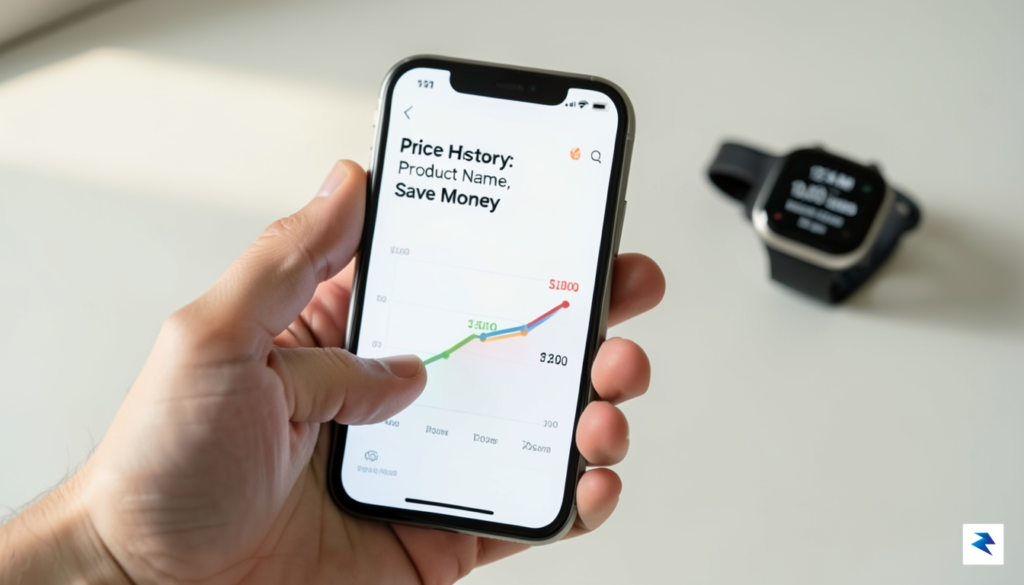
Beyond checking the price history, you must become a discerning critic of user feedback to avoid low-quality equipment that could compromise your training. Not every five-star rating is earned, and many generic fitness brands inflate their perceived quality through manipulated reviews. Focus your research on verified-purchase reviews that detail long-term performance, specifically looking for mentions of software stability, battery degradation, and durability after months of intense workouts. If a product has thousands of reviews but only a handful of photos or detailed written experiences, proceed with extreme caution.
True value isn’t just about the lowest sticker price; it is about the longevity and utility of the gear in your daily fitness routine.
Furthermore, the technical nature of fitness gadgets necessitates a deep dive into the fine print before you commit your hard-earned money. Always verify the manufacturer’s warranty and the specific return policy for the electronics you are eyeing, especially if you are purchasing through third-party sellers. Some discounted fitness trackers or portable recovery devices may have limited support or difficult return processes if they arrive defective.
Finally, consider the timing of your purchase relative to the product’s lifecycle. Tech moves quickly, and a heavily discounted smart scale or recovery boot might be marked down because a newer, more feature-rich version is launching in the coming months. If you can accept slightly older technology that still meets your functional needs, you can achieve an incredible price-to-performance ratio. By combining these research-heavy habits, you transform from a reactive shopper into a strategic investor in your own health and physical performance.