
The Strategic Significance of OpenAI’s Expansion into India
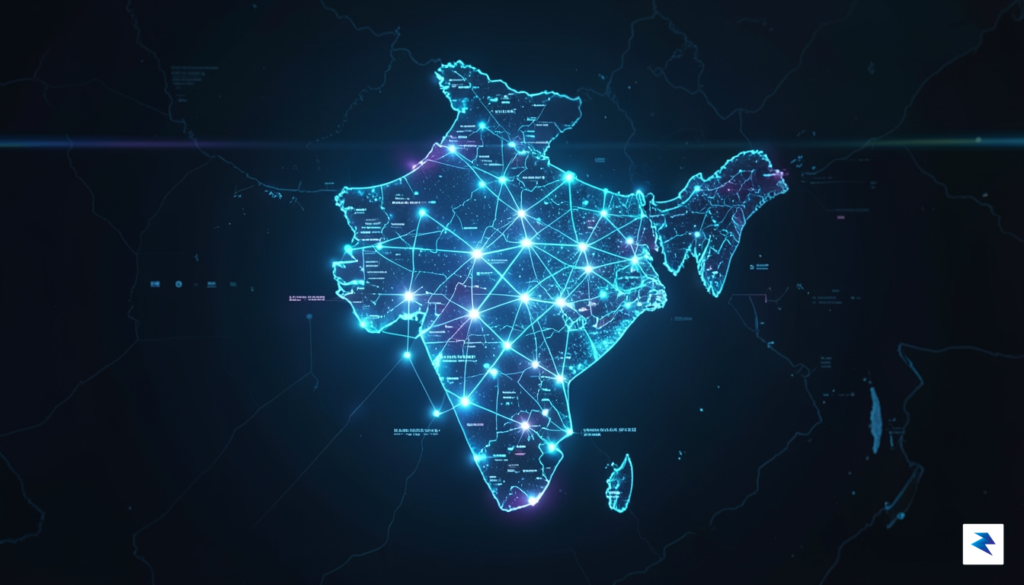
The appointment of a seasoned executive to lead operations in India marks a decisive pivot for OpenAI, signaling a transition from global experimentation to the intentional cultivation of a deep-rooted, local presence. As the world’s most populous nation, India represents a unique convergence of challenges and opportunities that no serious global AI player can afford to ignore. For OpenAI, the region is no longer just a peripheral market; it has become the primary battleground for AI development outside of the United States, necessitating a strategy that goes beyond simple product availability to focus on meaningful, localized integration.
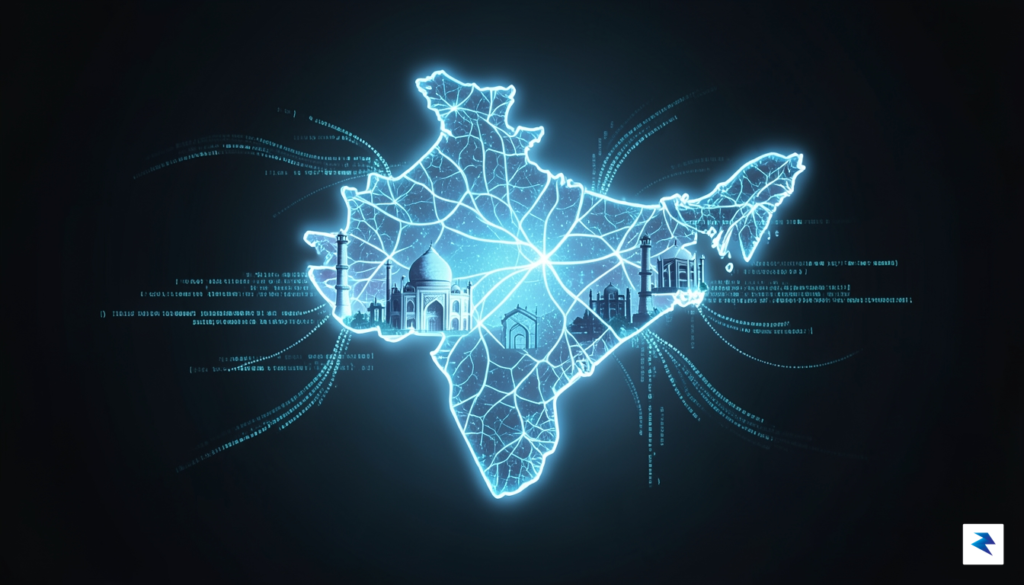
At the heart of this expansion is India’s demographic dividend and its unrivaled pool of software engineering talent. With millions of young, tech-savvy developers entering the workforce annually, the country serves as a massive incubator for AI-driven innovation. By establishing a formal leadership structure, OpenAI is positioning itself to tap directly into this ecosystem, fostering partnerships that could redefine how large language models are optimized for diverse, multilingual environments. This move is essential for scaling, as the sheer volume of users and the rapid pace of digital transformation under the government’s Digital India initiative create a fertile ground for enterprise-grade AI adoption across sectors like finance, healthcare, and education.
“India is not just a market; it is a laboratory for the next generation of AI-driven economic growth, where localized solutions can set the standard for global scalability.”
Furthermore, the strategic significance of this move lies in the necessity of localized growth. India’s linguistic diversity and unique socioeconomic landscape require AI tools that are not only accurate but also culturally and contextually relevant. By investing in local leadership, OpenAI is signaling its intent to build a nuanced infrastructure that addresses the specific needs of the Indian market, ranging from vernacular language support to cost-effective enterprise solutions for the country’s burgeoning startup culture. This localized approach is critical for long-term viability, as it allows the organization to navigate regulatory frameworks more effectively and build the institutional trust required to become a cornerstone of India’s ongoing digital revolution.
Ultimately, this expansion is about securing a competitive advantage in a market that is poised to be one of the largest consumers and creators of artificial intelligence in the coming decade. Whether it is through empowering local developers or helping traditional Indian enterprises digitize their operations, OpenAI’s presence in the region is a calculated masterstroke. By rooting itself in the local ecosystem, the company is ensuring that its technological advancements are not merely exported to the region, but are instead co-developed and refined within it, laying the groundwork for a truly global, yet locally resonant, future.
Leadership Transition: Why Uber’s India Chief is the Perfect Fit


The decision to recruit a seasoned veteran from the logistics and ride-hailing sector is a calculated maneuver that underscores OpenAI’s ambition to transcend mere software development and become a functional layer of the global economy. By bringing in a leader who spent years navigating the chaotic, high-velocity environment of Uber India, OpenAI is effectively prioritizing operational resilience alongside technical prowess. At Uber, the complexities of the Indian market—characterized by fragmented infrastructure, rapid shifts in consumer behavior, and a mobile-first user base—demanded a leader capable of executing hyper-growth strategies while simultaneously managing intense regulatory scrutiny. These are not merely logistical skills; they are the fundamental building blocks for deploying Large Language Models (LLMs) in a nation where linguistic diversity and digital accessibility remain the primary barriers to mass adoption.
This transition marks a departure from a purely Silicon Valley-centric growth model toward a more localized, nuanced strategy. Managing a ride-hailing platform in India requires constant negotiation with municipal authorities, labor unions, and a vast network of service providers, all while maintaining a seamless user experience. OpenAI faces an analogous set of challenges as it seeks to integrate AI into professional and public sectors. The new leadership is uniquely positioned to translate the lessons learned from scaling a platform that moves millions of people into a framework for scaling a platform that moves millions of data points and automated interactions. By applying the same rigor used to optimize ride algorithms to the distribution of generative AI tools, the company can better navigate the unique regulatory landscape of the Indian subcontinent.
“The bridge between Silicon Valley innovation and Indian market reality is built on operational maturity and the ability to navigate hyper-scale complexity.”
Furthermore, the expertise gained in developing mobile-first solutions is arguably the most critical asset for this new chapter. India is a country where the vast majority of digital interactions occur on smartphones, often in low-bandwidth environments or across dozens of regional languages. An executive who has successfully managed a mobile-first logistics giant understands the importance of latency, user interface simplicity, and the necessity of building trust with a skeptical public. As OpenAI looks to make its models more accessible to small businesses, students, and local developers, the focus will inevitably shift from raw model power to sustainable, reliable delivery. This leadership shift suggests that OpenAI is moving beyond the “experimental” phase of its international expansion and is instead preparing for a deep, long-term integration into the fabric of India’s rapidly evolving digital economy.
Navigating the Regulatory and Competitive Landscape

The Indian artificial intelligence sector is currently one of the most dynamic yet complex environments in the world. As OpenAI sets its sights on this rapidly digitizing nation, it faces a regulatory framework that is undergoing significant evolution, particularly concerning data sovereignty and algorithmic accountability. The Indian government has signaled a strong intent to ensure that AI development aligns with national interests, emphasizing the need for robust data protection protocols. By bringing in leadership with deep experience in navigating India’s unique bureaucratic and policy-driven ecosystem, OpenAI is proactively positioning itself to align with these requirements rather than reacting to them after the fact.
Beyond the regulatory hurdles, the competitive intensity in India is formidable. OpenAI is not merely entering a vacuum; it is stepping into a landscape already crowded with global tech incumbents like Google and Microsoft, both of which are aggressively integrating generative AI into their existing product suites. Simultaneously, the rise of homegrown innovators like Krutrim, which focuses on linguistic diversity and localized AI models, highlights a growing demand for technology that understands the nuances of India’s many languages and cultural contexts. For OpenAI, success will hinge on its ability to offer tools that feel native to the Indian market rather than simply imported from Silicon Valley.

Strategic success in India requires a delicate balance: maintaining global technical standards while demonstrating a genuine commitment to local digital infrastructure and data stewardship.
To establish itself as a trusted partner, OpenAI must look beyond the individual consumer and focus heavily on the enterprise and public sector. By fostering collaborations with government bodies and large-scale domestic enterprises, the company can demonstrate that its models are not just powerful, but also safe, reliable, and compliant with emerging local standards. This approach involves a transition from being perceived as a foreign disruptor to being viewed as a foundational partner that helps domestic businesses scale and innovate. The company’s strategy is clear: it intends to integrate itself into the fabric of the Indian economy, ensuring that its technology acts as an engine for local growth while navigating the intricate, often shifting, regulatory demands that define the modern Indian digital economy.
The Future of AI Innovation and Localized Development in India

The next frontier for artificial intelligence is not merely about achieving greater computational scale; it is about achieving profound cultural and linguistic relevance. While early AI models prioritized English-language fluency, the future of the technology in a market as diverse as India depends on a shift toward deep, localized intelligence. By bringing in leadership that understands the operational complexities of the Indian ecosystem, OpenAI is signaling a pivot toward building systems that comprehend the nuances of India’s myriad regional languages, dialects, and socioeconomic contexts. This transition is essential for ensuring that AI moves beyond a niche tool for urban professionals and becomes a foundational technology for every citizen.
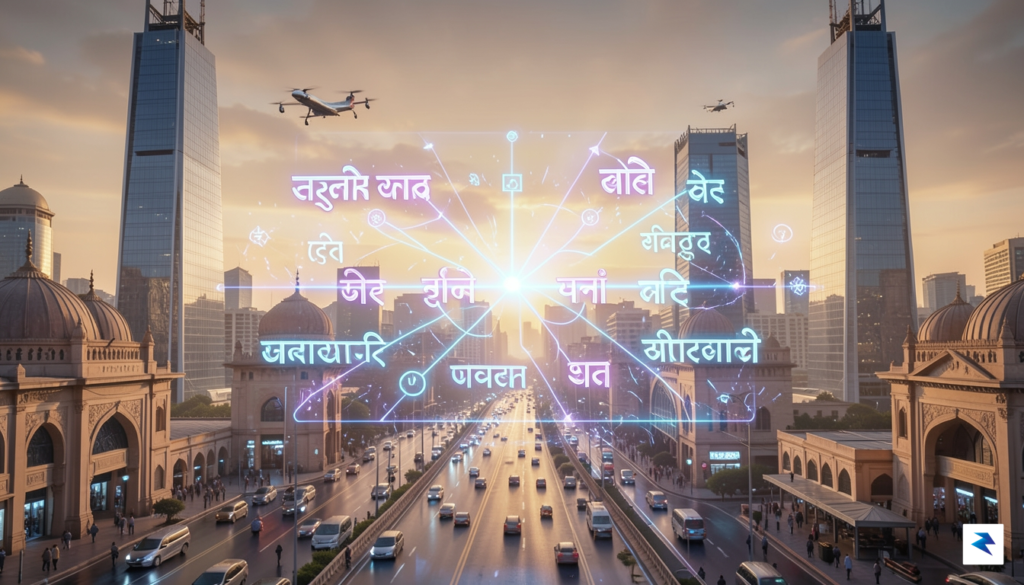
A critical component of this localized development is the training of models on Indic languages that have historically been underrepresented in global datasets. True digital inclusion requires AI that can interpret the cultural idioms, regional vernacular, and specific social cues present across India’s linguistic landscape. Beyond mere translation, this means developing models that can facilitate seamless interaction for millions of people in their native tongues, effectively lowering the barrier to entry for digital public services. When AI can process a request in Marathi, Tamil, or Bengali with the same level of sophistication as in English, it unlocks an entirely new layer of economic productivity and social empowerment.
The true measure of AI’s success in India will be its ability to solve ‘ground-level’ challenges in agriculture, healthcare, and education through tools that speak the language of the user.
The potential for sector-specific transformation is immense, particularly in areas like agriculture and grassroots healthcare. For instance, an India-first AI approach could provide farmers with real-time, localized crop advisories delivered via voice-based interfaces in regional dialects, bypassing the literacy hurdles that often hinder technology adoption. Similarly, in the realm of healthcare, specialized models trained on the local epidemiological and demographic data could assist community health workers in remote regions, providing them with sophisticated diagnostic support in their own language. By leveraging a local leadership team that understands these unique institutional hurdles, OpenAI is better positioned to move R&D out of the laboratory and into the fields, clinics, and classrooms where it is needed most.
Ultimately, this strategic move suggests that the future of global AI innovation will be shaped by the ability to adapt to the “global south” context. By prioritizing ‘India-first’ development, OpenAI is not only capturing one of the world’s fastest-growing digital markets but is also creating a blueprint for how AI can be democratized. This localized R&D approach will likely catalyze a new wave of homegrown startups and developers who can build upon these robust foundations, ensuring that the technology is not just imported, but deeply integrated into the fabric of Indian society.
What This Means for the Global AI Ecosystem

This high-profile appointment marks a defining moment in the evolution of the global artificial intelligence landscape, signaling a decisive shift away from a strictly Western-centric development model. Historically, major AI pioneers have anchored their research, deployment, and commercialization strategies firmly within Silicon Valley, often treating international markets as secondary adoption zones. By embedding seasoned regional leadership directly into one of the world’s most dynamic digital economies, OpenAI is establishing an entirely new playbook for global expansion. This strategic pivot suggests that the next phase of the AI race will not be won simply by training larger models in US-based data centers, but by successfully adapting those models to the diverse linguistic, regulatory, and infrastructural realities of massive international markets.
Beyond mere market expansion, this move underscores India’s rapidly ascending status as the ultimate crucible for AI talent and engineering scale. With its unparalleled pool of software developers, data scientists, and tech-savvy youth, the subcontinent is uniquely positioned to transition from a global technology back-office into the primary engine of AI innovation. OpenAI’s concentrated focus on this region is highly likely to trigger a cascading effect, forcing rivals like Google, Anthropic, and Meta to aggressively ramp up their own localized presence and talent acquisition pipelines. Consequently, we are likely to witness a profound democratization of AI development, where localized applications built to solve complex, regional challenges in agriculture, healthcare, and financial inclusion eventually scale upward to influence global product design.
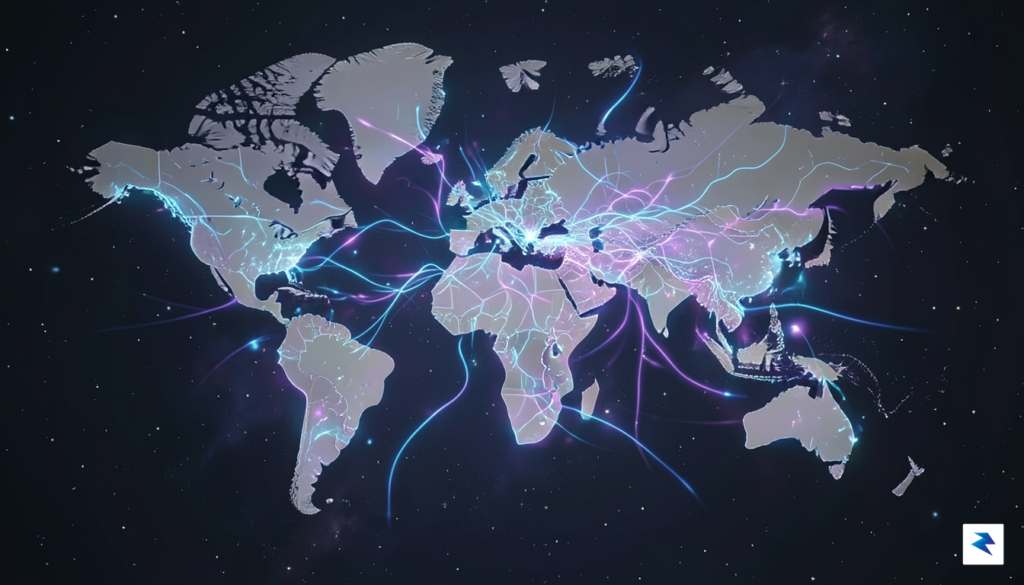
“The globalization of AI is no longer about merely translating software into different languages; it is about reshaping the economic and infrastructural foundations of how technology serves diverse populations.”
In the long term, the economic implications of this strategic pivot are profound, particularly concerning localized infrastructure and sovereign AI capabilities. As OpenAI integrates deeper into the Indian ecosystem, it will inevitably spark critical dialogues around local data residency, regional cloud infrastructure, and regulatory frameworks tailored specifically to developing economies. This engagement will likely compel global tech giants to invest heavily in localized data centers and specialized hardware partnerships, thereby accelerating the technological maturation of emerging markets. Ultimately, the successful execution of this strategy will prove that the future of artificial intelligence lies in a deeply interconnected, multi-polar ecosystem where localized execution is just as vital as foundational research.