
Prime Day 2026: Why the Fellow Series 1 Espresso Machine is the Ultimate Upgrade
Introduction: Elevating Your Home Coffee Ritual The landscape of home brewing has undergone a radical transformation over the past few years,…
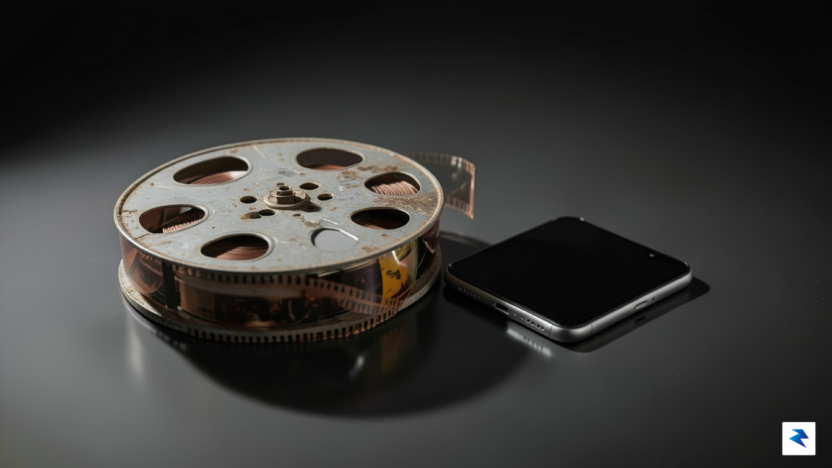
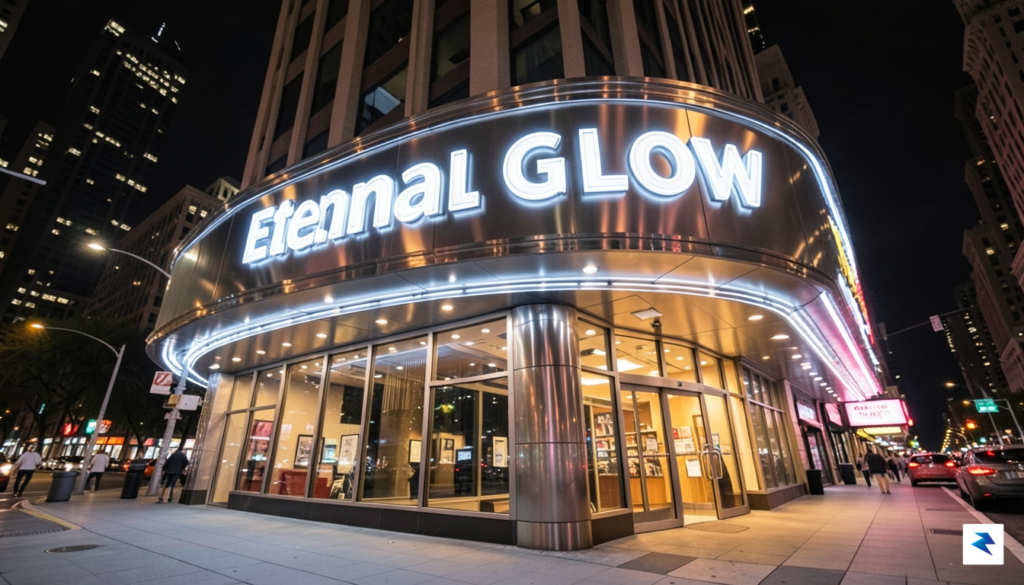
For the better part of the last decade, the standard marketing playbook for major studio releases has leaned heavily into the influencer-first model. Studios have frequently prioritized high-follower counts on platforms like TikTok and Instagram, banking on the idea that viral snippets and aesthetic red-carpet reactions generate more ticket sales than traditional journalistic discourse. However, Universal Pictures has decided to break this cycle for their upcoming tentpole release, The Odyssey. By intentionally bypassing social media influencers in favor of exclusive screenings for established film critics and journalists, the studio is signaling a profound pivot in how they believe a film’s reputation should be built.
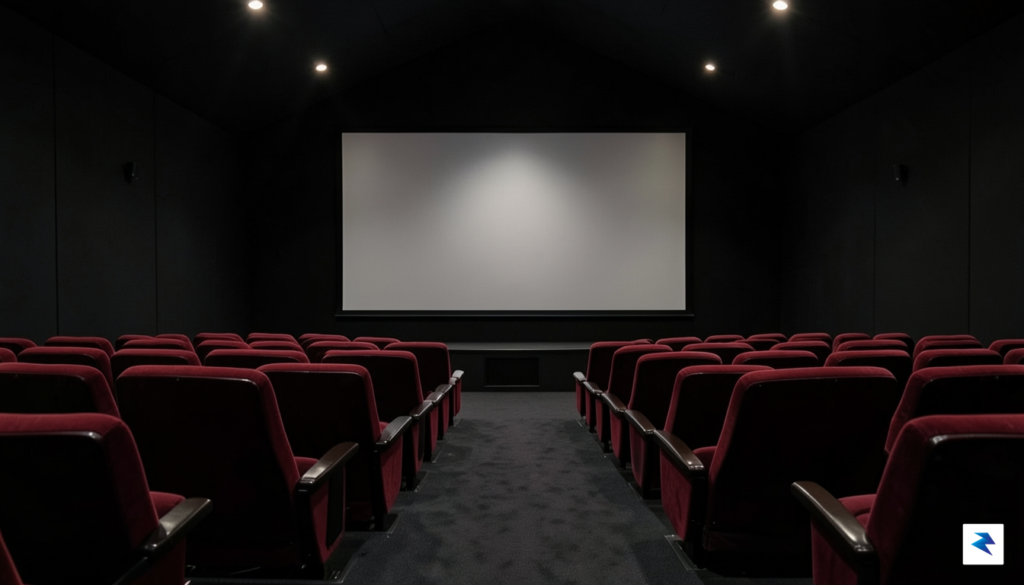
This strategic shift represents a calculated risk, moving away from the ephemeral reach of viral marketing toward the sustained, analytical authority of professional criticism. While influencers are undoubtedly effective at creating immediate “hype” or “buzz,” their feedback is often constrained by character limits and a need for immediate, positive audience engagement. In contrast, by opening the doors exclusively to critics, Universal is inviting a more rigorous dissection of The Odyssey. This suggests that the studio is confident in the artistic merit of the film and believes that detailed, thoughtful reviews will carry more weight in the long run than a fleeting 60-second video reaction.
The decision to prioritize deep-dive critique over rapid-fire content creation suggests that Universal views the prestige of The Odyssey as something that must be earned through intellectual discourse rather than social media saturation.
Industry analysts have noted that this move may also be a response to the growing audience fatigue surrounding manufactured online excitement. When every high-budget film is marketed with the same algorithmic urgency, the lines between genuine recommendation and paid promotion blur, often leading to audience skepticism. By returning to the traditional model of film journalism, Universal is effectively “re-professionalizing” the conversation around their movie. This approach not only lends a sense of prestige and gravitas to the project but also encourages a more grounded discussion that respects the viewer’s intelligence. Ultimately, this shift might well pave the way for other studios to reconsider whether the influencer-first approach is truly the most effective vehicle for quality storytelling in the modern era.

For a considerable period, professional film critics have found themselves navigating an increasingly crowded and often superficial landscape. The rise of short-form content creators across various digital platforms, while undeniably democratizing access to film commentary, has simultaneously fostered a sense of marginalization among those who dedicate their careers to the craft of in-depth analysis. Many traditional critics have lamented the dilution of discourse, where nuanced reviews are often overshadowed by quick, bite-sized reactions or viral soundbites that prioritize immediate engagement over thoughtful consideration. This shift frequently meant that the critical conversation around new releases became less about the cinematic artistry or thematic depth and more about fleeting impressions and easily consumable content.
This evolving dynamic led to a growing frustration within the professional critical community. There was a palpable feeling that studios, in their pursuit of maximum reach and buzz, were increasingly prioritizing influencers whose content might lack the historical context, deep theoretical understanding, or structural analytical rigor that professional criticism offers. Consequently, the meticulous work of dissecting cinematography, narrative arcs, directorial intent, and thematic resonance often took a backseat to opinions that, while popular, frequently skimmed the surface. Professional critics, equipped with years of film history knowledge and a trained eye for cinematic technique, felt their unique contributions were being undervalued, leading to a broader concern about the overall quality and intellectual depth of public film discussion.
Therefore, Universal’s strategic decision to bypass influencer screenings for a major release like ‘The Odyssey’ is being met with widespread enthusiasm and a profound sense of validation within the professional film criticism community. This move is not merely about a return to past practices; it’s viewed as a significant acknowledgment of the indispensable value that informed, professional analysis brings to the cinematic conversation. Unlike many short-form content creators who might focus on surface-level reactions or plot summaries, professional critics delve into the intricate layers of filmmaking. They provide crucial context, drawing connections to film history, genre conventions, and broader cultural narratives. Their structural analysis examines how a film is built, from its pacing and editing to its sound design and visual language, offering audiences a much richer understanding of the artistic choices at play.
Many critics see this pivot as a necessary course correction for the film industry, signaling a potential shift towards valuing substantive critique over sheer virality. It suggests that studios might be re-evaluating the long-term impact of pre-release buzz, recognizing that a foundation of thoughtful, well-articulated reviews can contribute more meaningfully to a film’s cultural legacy and audience reception than a flurry of uncritical, quick takes. This strategic choice by Universal is interpreted as a reaffirmation of the importance of discerning voices that can articulate not just whether a film is “good” or “bad,” but *why* it resonates, challenges, or falls short. It’s an encouraging sign that the craft of professional film criticism, with its commitment to intellectual rigor and artistic appreciation, still holds significant weight in shaping the public’s perception and understanding of cinema.
The rise of the influencer economy has fundamentally altered the landscape of film promotion, creating a tension between the need for rapid digital engagement and the patience required to digest complex cinema. Unlike traditional film critics, who are often tasked with providing contextual analysis, historical perspective, and nuanced interpretation, influencers operate within an ecosystem that prioritizes virality and immediate, high-energy reactions. This shift toward “content creation” necessitates a constant feed of bite-sized, digestible opinions that can easily fit into a 60-second video or a trending social media post. Consequently, the depth of cinematic discourse has suffered, as the pressure to generate instant “takes” often leaves little room for the slow-burn appreciation that artistic, challenging films demand.
A primary driver of this trend is the precarious nature of access; influencers frequently find themselves in a position where maintaining their standing with major studios depends on producing positive, hype-driven content. While a professional critic is expected to exercise editorial independence, the influencer model is often built on a symbiotic relationship that discourages harsh or overly critical sentiment. When audience engagement is measured by likes, shares, and algorithm-friendly sentiment, the nuance of a film—its pacing, its thematic ambiguity, or its flaws—is often sacrificed for the sake of a charismatic, high-energy endorsement. This creates a feedback loop where hype becomes the primary currency, potentially misleading audiences and sidelining the films that require more cerebral engagement.
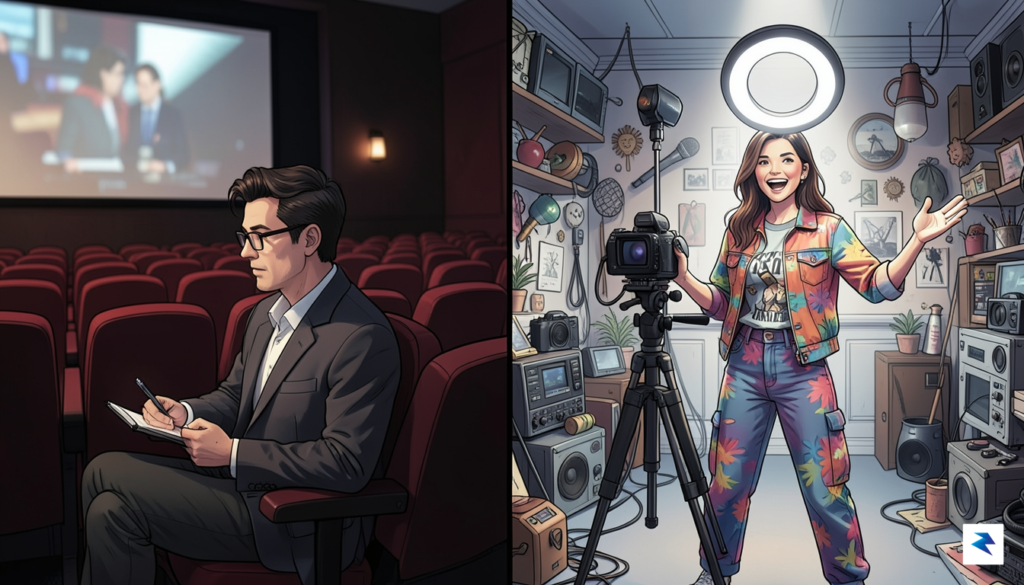
The long-term effects of this shift on both box office performance and artistic integrity are significant. When the marketing focus leans heavily on ephemeral trends rather than critical appreciation, films that do not lend themselves to “memeable” moments or quick-hit soundbites may struggle to find their footing. This prioritizes style over substance, incentivizing studios to back projects that are easily marketed rather than those that push boundaries or challenge the viewer. Furthermore, by framing the cinematic experience as a commodity to be consumed and reacted to in seconds, the industry risks eroding the audience’s capacity for sustained attention. When the conversation around a movie is reduced to a binary “it’s a hit or a miss,” the broader cultural dialogue around storytelling, craft, and directorial vision is inevitably silenced.
The conflation of “content creation” with “film criticism” threatens to turn the cinema into a mere staging ground for social media engagement, rather than a space for reflection and critical inquiry.
Ultimately, the move to bypass influencers in favor of professional critics for a project like The Odyssey signals a potential pivot back toward quality-driven advocacy. By favoring reviewers who have the time and the editorial mandate to unpack a film’s complexities, studios may be acknowledging that hype is not a sustainable substitute for genuine cultural resonance. If cinema is to remain an art form that provokes thought and demands engagement, it must be supported by a critical apparatus that values depth over clicks and reflection over reaction. Moving forward, the industry must decide whether it wants to be a megaphone for manufactured excitement or a venue for the meaningful exploration of human experience on screen.
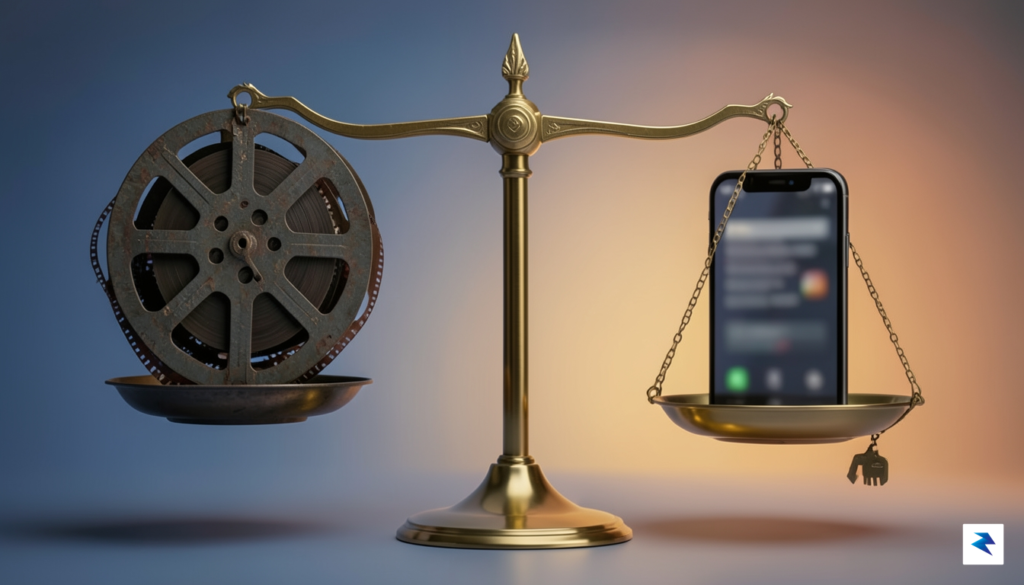
At the center of modern film criticism lies an uncomfortable tension between the necessity of access and the mandate for independence. For years, the industry has operated on a symbiotic, if occasionally fraught, ecosystem where studios provide early access to films in exchange for timely coverage. However, when this relationship shifts toward influencers whose primary metric for success is audience engagement rather than rigorous analysis, the line between journalism and marketing begins to blur. The reliance on “access journalism” creates a subtle, yet powerful, incentive structure: those who offer glowing, buzz-building reactions are invited back, while those who offer harsh or nuanced critiques may find themselves silently removed from the guest list. This creates a feedback loop that rewards enthusiasm, effectively turning early screenings into a “carrot” used to curate a wave of positive sentiment before a film ever hits the general public.
This dynamic poses a significant ethical challenge to the integrity of film discourse. When a critic’s career or platform is predicated on maintaining a cordial relationship with a studio, true objectivity becomes a difficult commodity to protect. There is an inherent pressure, conscious or subconscious, to pull one’s punches to ensure future invitations are not revoked. This is precisely why the traditional model of film criticism—which historically attempted to build a “wall” between the analytical process and the studio’s publicity arm—is so vital. Established critics often operate under editorial standards that prioritize the viewer’s experience over the studio’s bottom line, theoretically insulating them from the transactional nature of influencer marketing.
The true value of a film critic lies not in their ability to generate hype, but in their capacity to provide a candid, independent assessment that respects the audience’s time and intelligence.
By bypassing influencers in favor of traditional outlets for a major release, Universal is arguably attempting to reassert a level of professional rigor that has been sidelined by the “access-first” economy. When critics are freed from the performative expectations of social media engagement—where a lukewarm review can be misinterpreted as a personal attack—they are better equipped to engage with the actual artistry of a film. This move suggests a recognition that the “influencer pipeline” may have reached a point of diminishing returns, where the desire for viral reach has compromised the credibility of the review itself. Ultimately, restoring a distance between the studio and the critic is not an act of elitism, but a necessary step toward ensuring that film criticism remains a meaningful practice rather than a mere extension of the advertising budget.
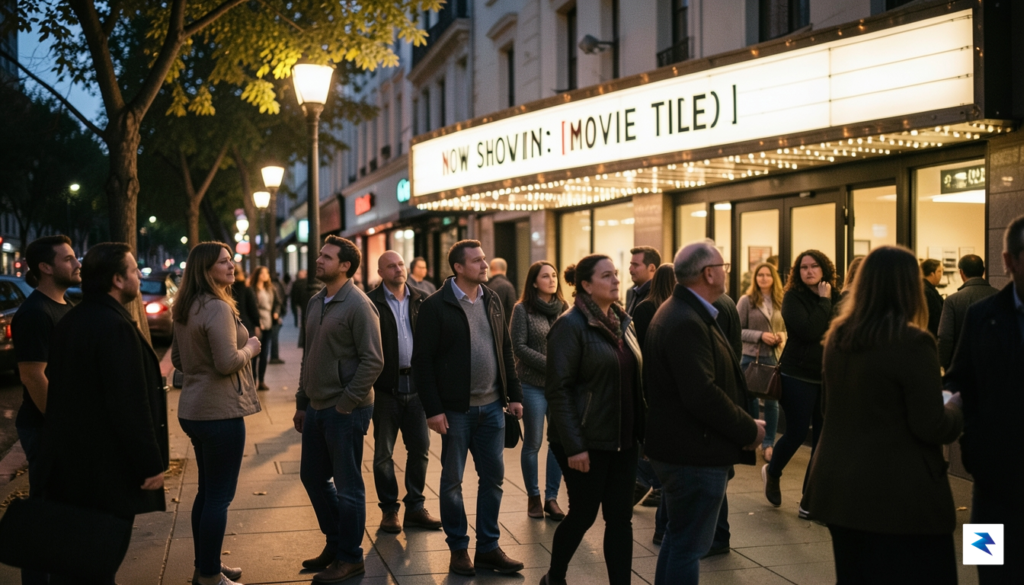
The decision by Universal to prioritize professional critics over social media influencers for The Odyssey may represent a pivotal correction in how major studios approach the precarious balance between marketing and artistic integrity. For years, the industry has leaned heavily into the influencer model, favoring rapid, high-energy reactions that often prioritize spectacle and engagement metrics over genuine cinematic evaluation. However, as audiences become increasingly sophisticated in their media consumption, the limitations of this approach have become glaringly obvious. When every new release is treated as a “must-see” event by content creators incentivized by access and algorithms, the public’s trust inevitably erodes. By returning to the traditional gatekeepers of film journalism, studios acknowledge that a sustainable market requires a foundation of credibility rather than mere viral noise.
Intellectual film criticism serves as a vital bridge between the abstract artistic intent of a filmmaker and the lived experience of the audience. Unlike short-form video content, which often defaults to binary judgments of “good” or “bad” based on initial emotional responses, professional journalism provides the historical context, technical analysis, and thematic depth that elevate a movie from a disposable product to a cultural touchstone. This depth is not merely academic; it is what sustains interest in a film long after its opening weekend. When critics engage deeply with the craft—examining cinematography, pacing, and narrative structure—they help build the intellectual scaffolding that allows a film to endure in the collective imagination. In an era saturated with ephemeral content, this kind of rigorous analysis offers a grounded perspective that helps viewers navigate an increasingly crowded landscape of choices.
The long-term health of the film industry depends not on the reach of an algorithm, but on the depth of the conversation surrounding the work itself.
Looking ahead, it is entirely possible that Universal’s strategy will trigger a broader industry shift. Studios are perpetually chasing the most efficient ways to convert marketing spend into box-office revenue, and if professional criticism proves more effective at building long-term prestige and audience loyalty, others will surely follow suit. While influencers will always have a place in promoting blockbuster franchises and tentpole releases, mid-budget films and auteur-driven projects stand to benefit immensely from a more measured, thoughtful critical reception. By fostering a culture that values nuance over hype, the industry may finally be signaling a return to the idea that cinema is an art form deserving of serious consideration, ultimately rewarding both the creators behind the camera and the audiences watching in the dark.
You must be logged in to post a comment.