
When Disaster Hits: The Political Tug-of-War Over Colorado’s Fire Recovery
The Scar Left Behind: Understanding the Colorado Fire Aftermath The immediate aftermath of a wildfire is defined by a visceral, haunting…

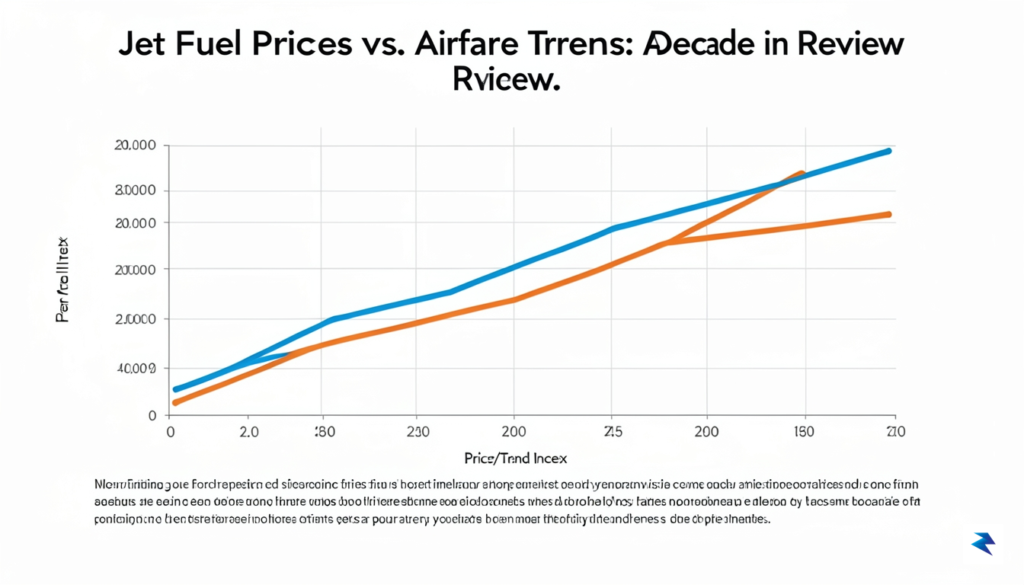
For the average traveler, the assumption that a surge in global oil prices automatically results in a proportional hike in airfare is a logical one, yet the aviation industry operates on a much more nuanced economic model. Jet fuel consistently represents one of the largest line items on an airline’s balance sheet, typically accounting for 20% to 30% of total operating expenses. Because this cost is so significant, even minor fluctuations in the price of crude oil can place immense pressure on profit margins. However, an airline’s ticket pricing strategy is rarely a simple pass-through cost mechanism; instead, it is a delicate balancing act that attempts to offset operational volatility without alienating the price-sensitive passenger.
To insulate themselves from the extreme volatility of the energy markets, many major carriers utilize a financial practice known as fuel hedging. Through these complex derivatives contracts, airlines essentially lock in a fixed price for a portion of their future fuel consumption, acting as a corporate buffer against sudden market spikes. When oil prices remain stable or experience long-term trends, these hedges provide predictability; however, they can also become a double-edged sword. If an airline hedges at a high price point and the global market suddenly crashes, the carrier may find itself locked into paying significantly more than the current spot price, effectively decoupling the cost of fuel from the prices passengers see on booking websites.
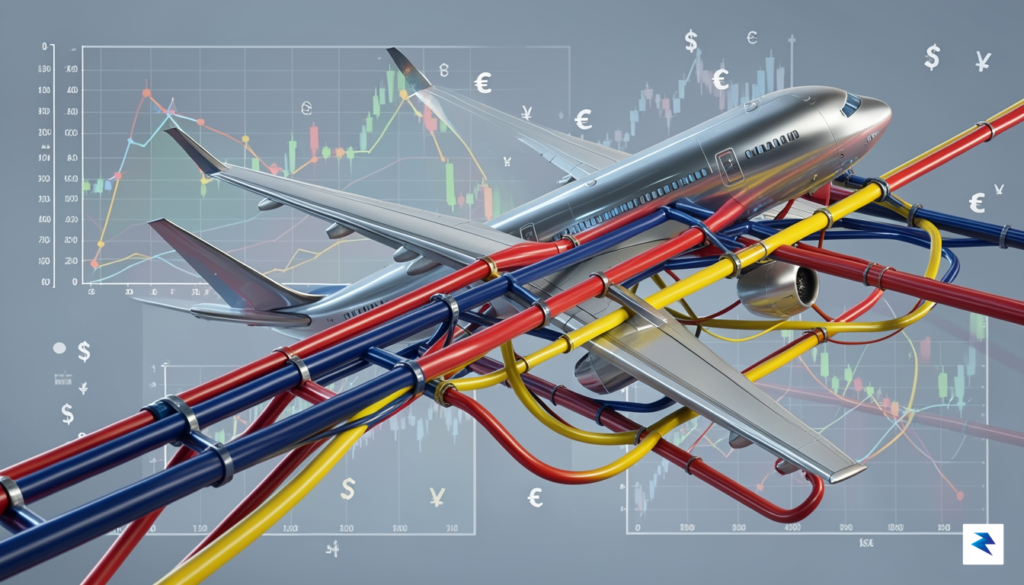
While fuel is a dominant operational expense, it is only one variable in a much larger equation that includes labor costs, airport fees, maintenance, and fleet utilization rates.
Furthermore, airlines are notoriously hesitant to pass fuel costs directly to consumers, particularly during off-peak travel seasons. When demand for air travel is low, raising ticket prices to cover fuel expenses often leads to empty seats, which is far more detrimental to an airline’s bottom line than absorbing the higher cost of jet fuel. Instead of a direct increase, carriers often employ dynamic pricing algorithms that factor in competitive behavior, passenger demand, and route profitability. Consequently, you might see ticket prices climb during a period of high oil costs not necessarily because the fuel is expensive, but because the airline has optimized its schedule to prioritize high-yield travelers who are less likely to be deterred by a higher fare. This strategic approach ensures that while fuel is a foundational concern, it is rarely the sole driver of the final price displayed at checkout.
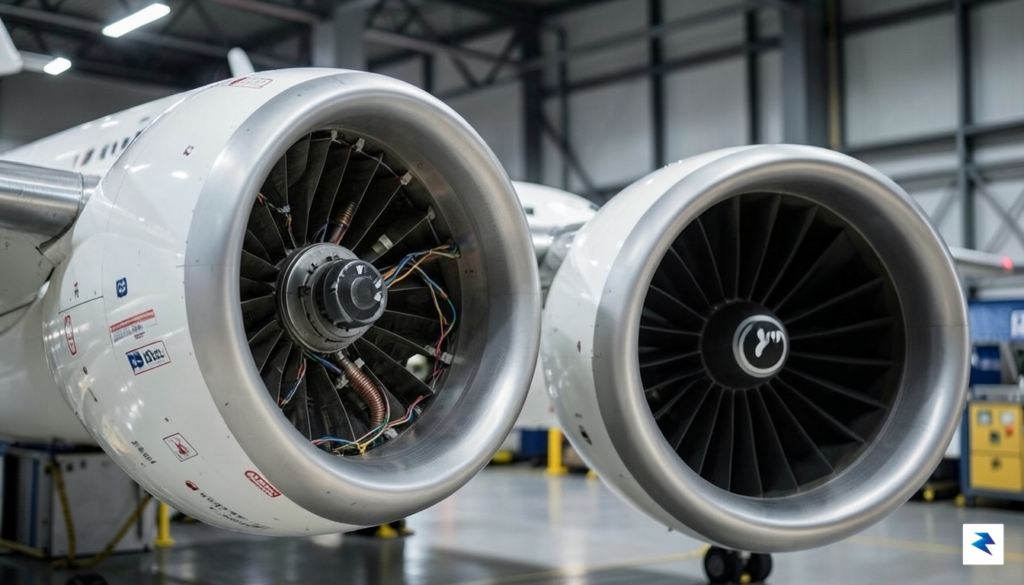
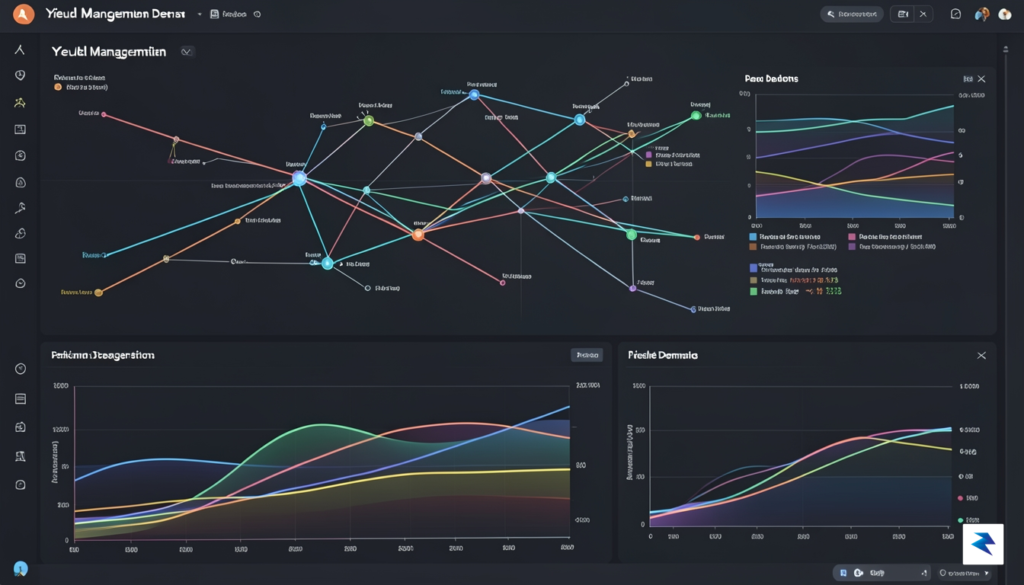
While it is easy to assume that a spike in the price of crude oil translates directly into a dollar-for-dollar increase in your ticket, the reality of airline economics is far more complex. The aviation industry operates on sophisticated yield management systems, which are highly automated algorithms designed to maximize revenue based on predictive data rather than just operating expenses. These systems constantly evaluate thousands of variables—ranging from the specific day of the week to historical booking patterns—to determine the price of a single seat. Consequently, while fuel is undeniably a major line item on an airline’s balance sheet, it is only one of many data points influencing the final fare you see on your screen.
A critical metric that often outweighs fuel costs in short-term pricing decisions is the load factor, or the percentage of available seats filled on a flight. Airlines prioritize the completion of a full cabin over the recovery of specific fuel surcharges because an empty seat is a perishable commodity that loses all its value the moment the plane leaves the gate. To ensure high occupancy rates, carriers often choose to absorb the shock of rising fuel costs internally. By keeping ticket prices artificially low during periods of economic volatility, they secure the volume necessary to cover fixed operational costs, such as maintenance, labor, and airport fees, which must be paid regardless of whether the flight is half-empty or sold out.
Furthermore, the competitive landscape of the airline industry prevents carriers from passing every cent of increased fuel expenses onto the consumer. If one major carrier attempts to raise prices significantly while a rival maintains lower fares, the former risks a mass exodus of price-sensitive travelers, leading to a permanent loss of market share. This fierce competition creates a “pricing ceiling” that forces airlines to innovate internally rather than simply raising fares. To remain profitable in such a high-stakes environment, airlines often turn to operational efficiencies, such as upgrading to more fuel-efficient aircraft fleets, optimizing flight paths to save on burn rates, or unbundling services to generate revenue through ancillary fees like baggage charges and seat selections.
The core of modern airline revenue strategy is not cost-plus pricing, but rather willingness-to-pay modeling, which prioritizes market position and asset utilization over the raw volatility of commodity markets.
Ultimately, your ticket price is a reflection of a delicate balancing act. Airlines must constantly navigate the tension between sustaining their bottom line and maintaining the competitive pricing necessary to keep their planes full. As travelers, we often perceive airfare fluctuations as a direct link to the price of oil, but in practice, the industry is more concerned with the aggregate health of their network. By leveraging data-driven pricing, airlines can effectively subsidize fuel-heavy routes with more profitable ones, ensuring that the cost of your vacation or business trip remains influenced by a wide array of economic factors far beyond the current cost of a barrel of jet fuel.
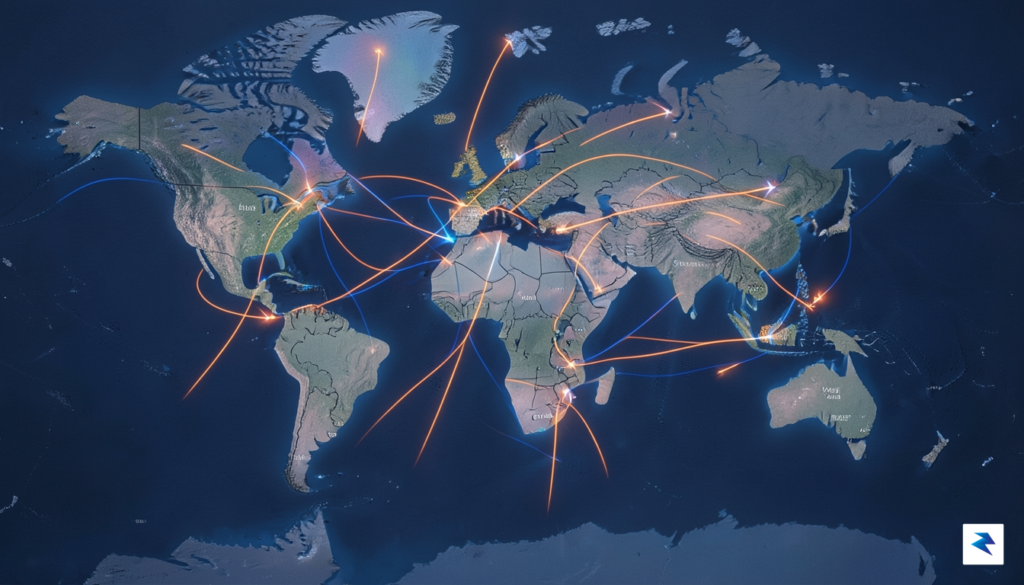
When analyzing how fluctuating jet fuel costs impact the average traveler, it becomes clear that not all routes are subject to the same economic pressures. In the domestic market, pricing is frequently dictated by the aggressive presence of low-cost carriers (LCCs) that keep base fares artificially constrained to maintain market share. Because these airlines often operate younger, more fuel-efficient fleets on shorter turnaround times, they can absorb some of the fuel-related volatility better than legacy carriers. However, when fuel prices spike, these budget airlines are often the first to introduce ancillary fees or tighten baggage allowances to protect their razor-thin profit margins, effectively passing the cost onto the consumer through hidden channels rather than simple ticket price hikes.
Conversely, the landscape of long-haul international travel operates under a different set of financial rules. These flights carry a significantly higher “fuel load” per passenger, making them far more sensitive to global oil price shifts. Unlike domestic routes, which often feature robust competition, international corridors—particularly those crossing oceans—are frequently dominated by airline alliances or joint ventures that essentially function as monopolies. In these scenarios, carriers have considerably more leverage to pass fuel surcharges directly to the passenger. Because there are fewer alternative flight options for a traveler looking to cross the Atlantic or Pacific, airlines can maintain premium pricing even when the underlying cost of jet fuel remains high, knowing that business and leisure travelers alike have little choice but to pay the premium.
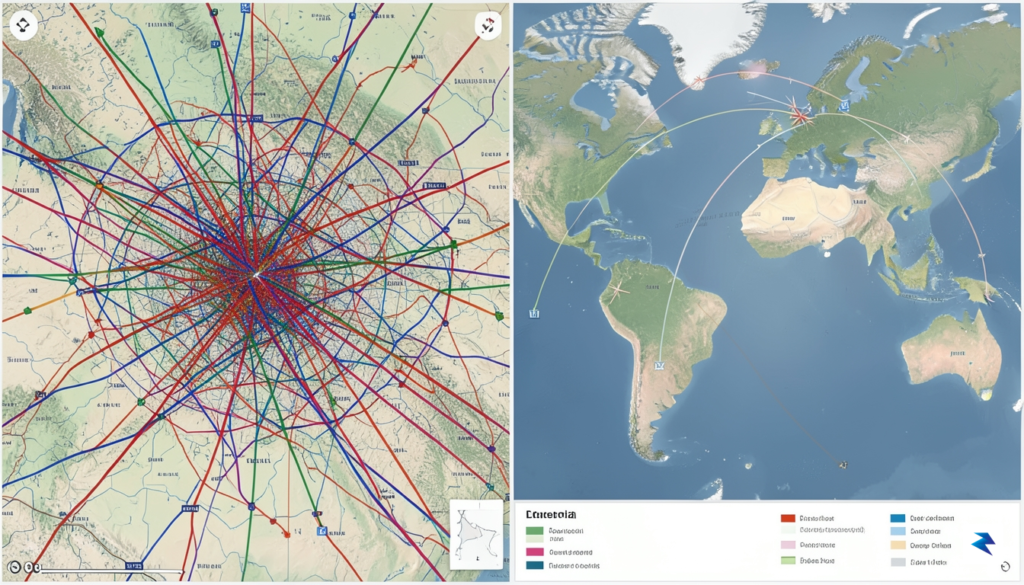
The discrepancy in pricing is most visible when comparing highly competitive domestic corridors, such as New York to Florida, against isolated monopoly routes. In regions where a single carrier holds the majority of gates and slot times, the fuel price is often used as a convenient justification for keeping ticket prices elevated far above the industry average. Even when global oil prices stabilize or dip, these “captive” routes rarely see a proportional decline in airfare. Instead, the inflated pricing becomes the new baseline, as the lack of competitive pressure removes the incentive for airlines to lower costs for the consumer.
The true cost of your ticket is rarely a simple reflection of fuel prices; it is a complex calculation of regional competition, carrier fleet efficiency, and the airline’s ability to maintain high margins in markets where you have few alternatives.
Ultimately, the impact of fuel volatility on your wallet depends heavily on where you are flying and who is operating the route. If you are booking a short-haul domestic trip, you are likely benefiting from intense competition that keeps base fares competitive, even if you end up paying for it through secondary fees. On the other hand, if you are planning a long-distance international journey, you are far more exposed to the direct impact of fuel surcharges. Understanding these structural differences can help you become a more savvy traveler, allowing you to identify when you are paying for actual fuel costs and when you are simply paying the “monopoly tax” inherent in less competitive travel corridors.
While the rising cost of jet fuel often grabs the headlines, it is merely one piece of a much larger, complex financial puzzle that dictates the price of your ticket. When you break down the components of an airline fare, you will find a dense architecture of expenses, including base fares, government-mandated taxes, security fees, and opaque carrier-imposed surcharges. These line items have been steadily creeping upward, reflecting the broader economic pressures that airlines face when attempting to maintain profitability. Beyond the volatile price of oil, the industry is currently navigating a perfect storm of operational challenges that force airlines to reconsider their pricing strategies to remain solvent.
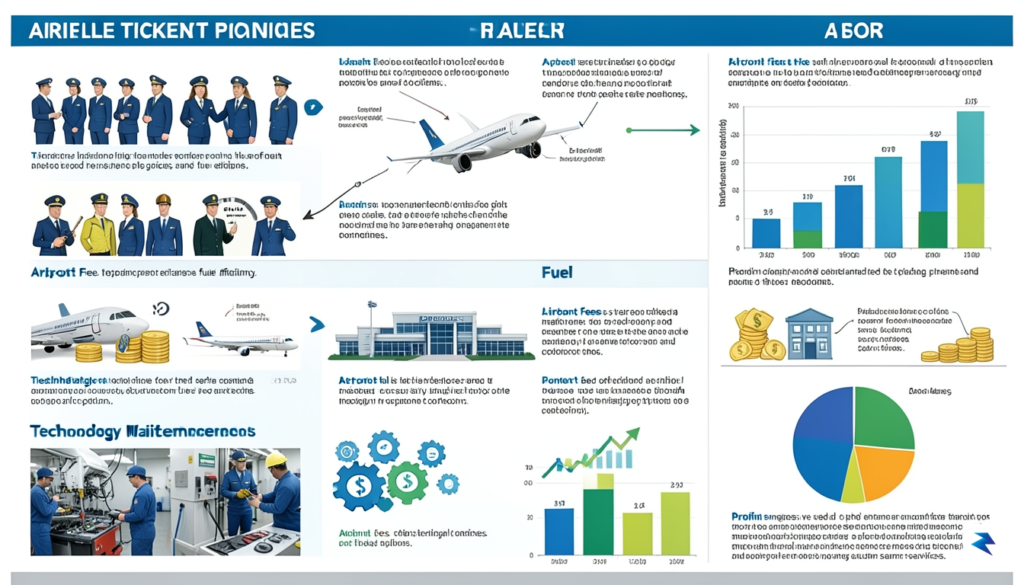
One of the most significant, yet often overlooked, factors is the acute labor shortage currently rippling through the aviation sector. From pilots and flight attendants to ground crew and air traffic controllers, the industry is struggling to recruit and retain the skilled workforce necessary to maintain pre-pandemic schedules. To attract talent in a competitive job market, airlines have been forced to offer significantly higher wages and improved benefits packages. These increased human capital costs are not absorbed by the corporate office; instead, they are inevitably passed on to the passenger as part of the overall cost of doing business. When an airline operates with fewer staff, it often results in reduced capacity, which naturally pushes individual ticket prices higher due to basic supply and demand dynamics.
The cost of a flight is no longer just about the energy required to lift a plane off the ground; it is about the entire ecosystem of human labor and modern infrastructure required to sustain safe, reliable travel.
Furthermore, the phenomenon often referred to as “revenge travel”—the surge in consumer demand following years of pandemic-related restrictions—has granted airlines unprecedented pricing power. Because travelers are eager to make up for lost time, demand has frequently outpaced the available flight capacity, allowing carriers to maintain higher price points with little fear of losing customers. This demand is further compounded by the necessity of ongoing infrastructure investments. Airports are increasingly passing down costs for runway maintenance, terminal upgrades, and modern security technology to the airlines, which in turn adjust their surcharges to cover these mandatory expenditures. When you combine high demand with these elevated operational and regulatory overheads, the result is a baseline fare that remains stubbornly high, regardless of the fluctuating price of a barrel of oil.

Navigating the current landscape of volatile airfare requires a departure from traditional booking habits, as the industry’s pricing algorithms have become increasingly sensitive to fluctuating fuel surcharges and shifting demand patterns. To secure a reasonable fare, travelers must treat the booking process as a strategic endeavor rather than a one-time purchase. For domestic travel, the “sweet spot” typically falls between three weeks and three months before departure, whereas international itineraries often reward those who book four to six months in advance. By leveraging price-tracking tools—such as Google Flights, Hopper, or Kayak—you can set automated alerts that notify you the moment a price drops, allowing you to capture lower rates before carriers recalibrate for high demand.
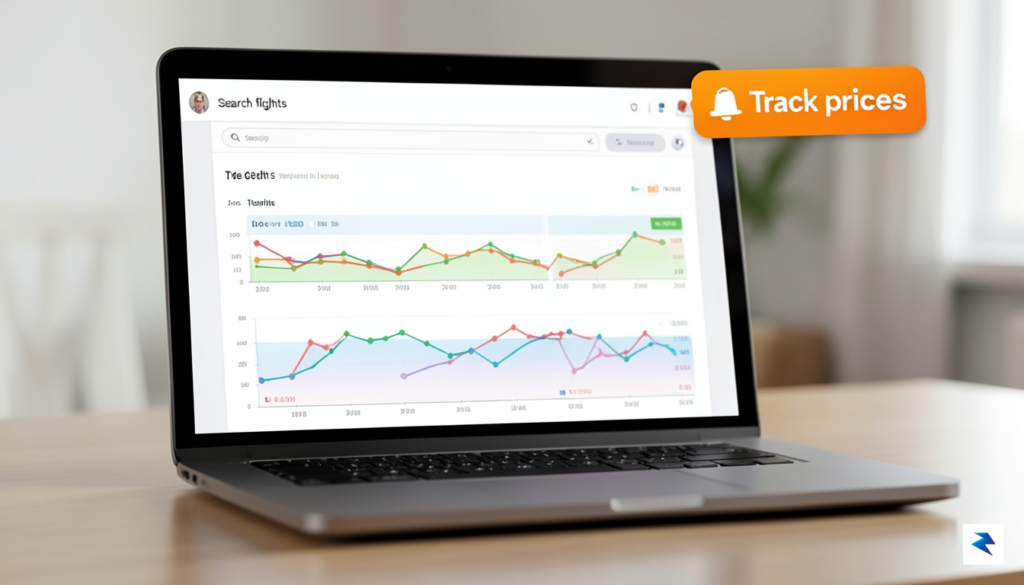
Beyond timing, the day of the week you choose to fly remains one of the most effective levers for cost control. Airlines utilize dynamic pricing to charge a premium for the convenience of weekend travel, meaning that flying on a Tuesday or Wednesday can often yield significant savings compared to the peak-demand Friday or Sunday flights. While it may require a slight adjustment to your work or vacation schedule, shifting your departure to a mid-week slot often allows you to bypass the worst of the fuel-driven surcharges. Furthermore, embracing flexibility—both in terms of your destination and your travel dates—is no longer just a luxury; it is a mandatory strategy. Using “explore” features that display the cheapest locations to fly to from your home airport can turn a rigid itinerary into an opportunity for discovery at a fraction of the cost.
Strategic flexibility is your greatest asset in a high-cost environment; when you allow the airline’s pricing data to guide your destination rather than locking yourself into a specific city, you regain the leverage that rising fuel costs have otherwise stripped from the consumer.
While the allure of “hidden city” ticketing—where a traveler books a flight with a layover in their actual destination and simply exits the airport there—can be tempting, it is essential to approach this strategy with extreme caution. This practice violates many airline contracts of carriage and can result in the cancellation of your return flight or the loss of frequent flyer status. Instead of risking these consequences, focus on booking flexible fare classes. Modern airlines have increasingly moved toward “Basic Economy” models that offer no changes or refunds, but investing slightly more in a standard fare provides a safety net if fuel prices plummet or schedules shift after your purchase. By remaining vigilant with tracking tools, prioritizing mid-week departures, and choosing fare types that offer flexibility, you can effectively navigate the current economic headwinds without sacrificing your ability to travel.
You must be logged in to post a comment.