
How to Beat Apple’s Price Hikes: The Best MacBook Deals Still Available
Understanding the Apple Price Shift The recent adjustments to Apple’s pricing structure are not merely arbitrary corporate decisions; they are…
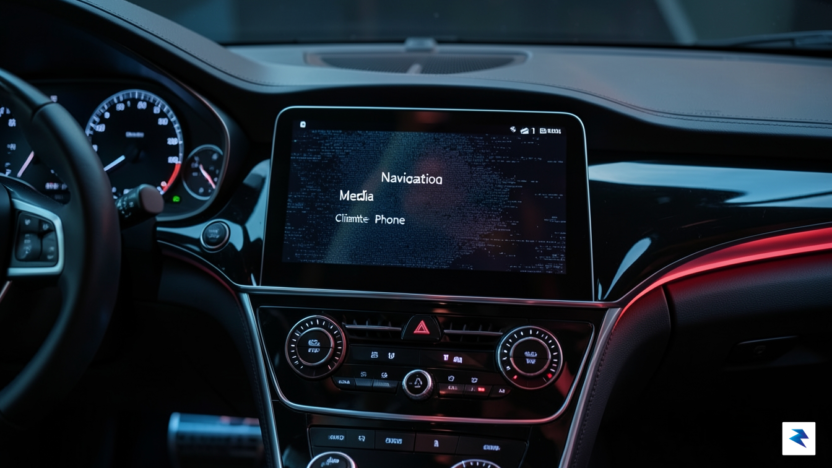
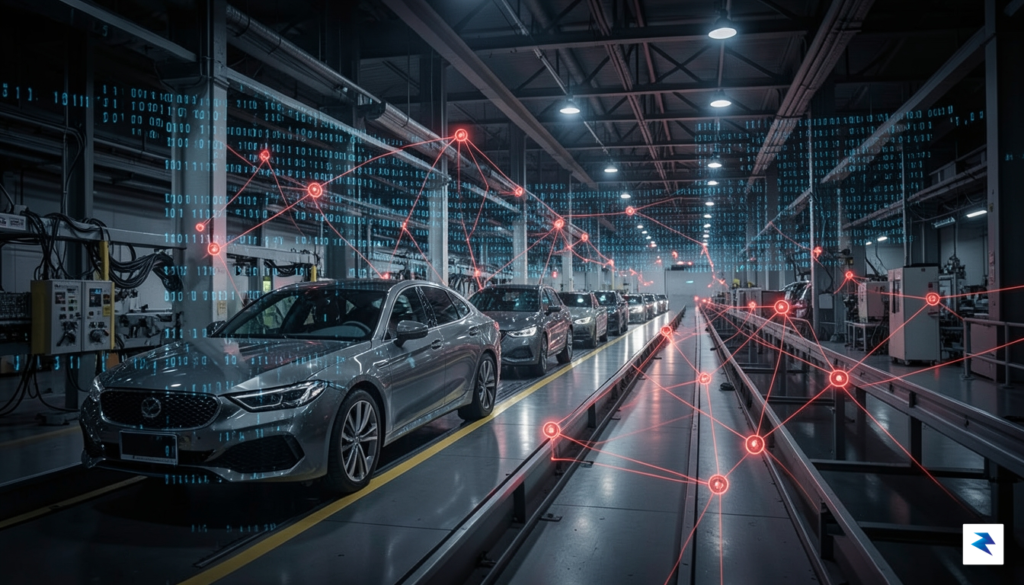
The infiltration of Jaguar Land Rover’s digital infrastructure was not a singular, brute-force event, but rather a calculated, multi-stage campaign that exploited the inherent complexities of a globalized supply chain. Unlike traditional ransomware attacks that rely on indiscriminate phishing, this breach utilized highly sophisticated lateral movement techniques to navigate the manufacturer’s internal networks. By targeting legacy system vulnerabilities—often overlooked remnants of older enterprise resource planning software—the attackers established a foothold that remained undetected for an extended period. This persistent access allowed them to map the company’s internal architecture, identifying critical junctions where manufacturing data and proprietary design files intersected with the broader corporate network.

A significant factor in the breach was the exploitation of third-party supplier portals, which acted as a gateway for the threat actors to bypass perimeter defenses. Modern automotive production relies on a vast ecosystem of interconnected vendors, and by compromising a less-secure partner, the hackers were able to masquerade as trusted entities. This method of entry is particularly insidious because it leverages existing authentication protocols, effectively neutralizing many standard firewalls and intrusion detection systems. Once inside the perimeter, the actors deployed custom-tailored malware designed to evade signature-based detection, focusing instead on harvesting credentials that granted them elevated privileges across multiple administrative domains.
The shift toward operational disruption suggests that the objective was not merely to exfiltrate intellectual property, but to compromise the integrity of the manufacturing process itself, turning the company’s own efficiency against it.
The progression of the attack reflected a clear strategic pivot from simple espionage to potential operational sabotage. As the actors moved deeper into the network, they focused their attention on the systems governing assembly line automation and supply chain logistics. This transition signifies a growing trend where cyber-adversaries target the “operational technology” (OT) layer of an enterprise, which controls the physical machinery and output. By gaining the ability to manipulate these sensitive environments, the attackers moved beyond the threat of data leakage and into a position where they could theoretically stall production schedules or alter manufacturing specifications, creating massive economic fallout that far exceeded the immediate value of the stolen internal data.
Ultimately, the timeline of this infiltration underscores a painful reality for modern manufacturers: the more integrated a system becomes, the larger its attack surface grows. The attackers capitalized on the latency between the initial point of compromise and the discovery of the breach, using that window to exfiltrate vast quantities of data while simultaneously planting backdoors for future access. This incident serves as a critical case study in the necessity of adopting a “zero-trust” architecture, where internal network traffic is treated with the same level of scrutiny as external communication. Without such rigorous oversight, the complex digital threads that hold modern global manufacturing together may inadvertently become the very vectors that pull it apart.

Attributing a cyberattack of this magnitude is a grueling, forensic undertaking that requires mapping complex digital breadcrumbs across international boundaries. In the case of the $2.5 billion breach involving Jaguar Land Rover, investigators have meticulously analyzed Indicators of Compromise (IoCs)—including unique malware signatures, specific command-and-control server infrastructure, and sophisticated obfuscation techniques—that align with the operational patterns of known Russian-backed threat actors. These groups often employ “living-off-the-land” tactics, utilizing legitimate system administrative tools to mask their presence, which complicates immediate identification. However, the persistence and methodical nature of the exfiltration suggest a level of resourcing and strategic patience that is rarely found in traditional cybercriminal gangs, pointing instead toward state-sponsored entities tasked with long-term intelligence gathering and economic sabotage.

This incident signals a profound strategic shift in the theater of modern cyber-warfare, where industrial titans are increasingly viewed as high-value assets for state-level destabilization. Rather than merely seeking direct financial gain, these actors aim to disrupt the supply chains and proprietary research of Western economic pillars. By targeting a British-based luxury automotive powerhouse, the perpetrators are not just stealing intellectual property; they are undermining the confidence of the global market and creating friction within the UK’s industrial sector. Such maneuvers reflect a broader geopolitical strategy designed to weaken Western nations from the inside out, utilizing corporate infrastructure as a proxy battlefield to exert pressure without ever firing a kinetic shot.
The targeting of critical automotive infrastructure suggests that state-sponsored actors are evolving their objectives from simple data theft to the systematic erosion of economic stability in Western markets.
The geopolitical motivations behind such an attack are multifaceted, serving as a warning to Western corporations that their digital perimeters are effectively on the front lines of international policy disputes. When a flagship company like Jaguar Land Rover is compromised, the implications extend far beyond the immediate financial loss; it forces a re-evaluation of cybersecurity as a matter of national security rather than a mere IT expense. As these threat actors refine their capabilities, Western firms must pivot toward more resilient architectures, zero-trust frameworks, and proactive threat hunting to survive in an environment where state-sponsored espionage is the new standard operating procedure. The era of assuming that cyber-attacks are strictly profit-motivated is over, and organizations must now prepare for a reality where they are pawns in a much larger, high-stakes game of global power projection.

The staggering $2.5 billion price tag associated with the breach is far more than a mere accounting entry; it represents a cataclysmic shock to the very foundation of Jaguar Land Rover’s operational stability. When a manufacturer of this caliber faces a cyberattack of such magnitude, the immediate financial hemorrhage stems from halted production lines, where every hour of downtime results in millions of dollars in unrealized revenue. Beyond the assembly floor, the company is forced to absorb massive, unforeseen expenditures related to digital forensic investigations, the comprehensive remediation of compromised systems, and the implementation of hardened security architectures. When coupled with the inevitable legal liabilities arising from data privacy lawsuits and the looming threat of regulatory fines from global oversight bodies, the fiscal burden creates a long-term drag on the company’s capital expenditure and innovation budgets.
The erosion of brand equity is perhaps the most insidious cost, as trust is a commodity that is far easier to lose than it is to regain. Automotive luxury and reliability are built upon the promise of seamless, high-tech performance, and a breach of this scale threatens to alienate a customer base that demands both security and privacy. If consumers begin to perceive their connected vehicles—which serve as rolling data hubs—as vulnerabilities rather than assets, the resulting decline in market demand can have a multi-year impact on sales performance. This psychological shift among the buying public is notoriously difficult to reverse, often requiring years of transparent communication and costly marketing campaigns to restore the luster of the brand’s image.

The true cost of a cyber-incident is rarely found in the initial damage report alone; it is measured in the compounded loss of operational efficiency, the degradation of long-standing vendor relationships, and the silent retreat of once-loyal customers.
Furthermore, the disruption bled into the intricate ecosystem of third-party vendors and retail partners, demonstrating the fragility of the modern just-in-time manufacturing model. When a primary manufacturer like Jaguar Land Rover experiences a system-wide failure, the shockwaves travel backward through the supply chain, leaving Tier 1 and Tier 2 suppliers with mounting inventory costs and stalled production schedules. These small-to-medium-sized partners often lack the cybersecurity resilience of their larger counterparts, making them secondary victims in the aftermath. As shipments were delayed and retail partners faced inventory shortages, the ripple effect extended to the end consumer, manifesting as broken delivery promises and fractured service experiences that reverberated across the entire global automotive landscape.

The recent breach involving Jaguar Land Rover serves as a sobering reminder that in the era of connected mobility, physical safety and digital security are two sides of the same coin. As vehicles become sophisticated rolling computers, the automotive manufacturing ecosystem has expanded its attack surface to an unprecedented degree. Manufacturers must pivot away from outdated perimeter-based defenses and embrace a Zero Trust architecture. This approach operates on the fundamental principle of “never trust, always verify,” ensuring that every user, device, and application—whether inside or outside the corporate network—is continuously authenticated and authorized before gaining access to critical manufacturing systems. By segmenting networks and strictly limiting lateral movement, companies can contain potential intrusions before they spiral into catastrophic financial losses.
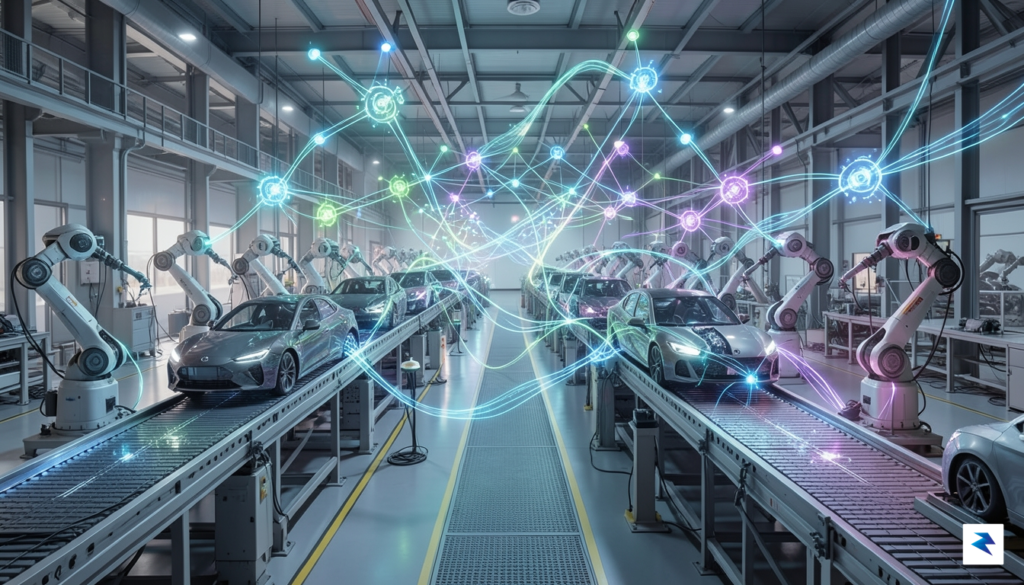
Beyond internal architectural shifts, the industry must fundamentally rethink how it vets its sprawling network of third-party vendors. The modern automotive supply chain is a complex web of interconnected partners, yet a single weak link in a minor software supplier can provide hackers with the backdoor access necessary to compromise a global giant. Moving forward, procurement and engineering teams must mandate rigorous, ongoing security assessments that go far beyond periodic check-box questionnaires. These evaluations should include real-time vulnerability monitoring and contractual requirements for incident transparency, ensuring that when a supplier detects a threat, the primary manufacturer is alerted immediately.
The integration of AI-driven threat intelligence is no longer a luxury for the automotive sector; it is a vital necessity for identifying anomalies before they escalate into full-scale breaches.
To stay ahead of increasingly sophisticated state-sponsored actors, firms should invest heavily in automated incident response protocols. Human response times are simply insufficient when confronting automated malware or high-speed data exfiltration. By deploying machine learning models that monitor manufacturing traffic for deviations from established baselines, organizations can flag suspicious behavior in milliseconds rather than hours. This proactive stance, combined with automated “kill switches” that isolate compromised segments of the production line, allows for a resilient posture that prioritizes continuity. Ultimately, the industry must transition from a reactive mindset to a culture of continuous cyber-vigilance, where security is integrated into every stage of the automotive lifecycle, from the initial design phase to the final assembly on the factory floor.

As modern automobiles evolve into sophisticated mobile data centers, the traditional boundaries of automotive security are rapidly dissolving. The recent breach involving Jaguar Land Rover serves as a sobering reminder that a vehicle’s perimeter no longer ends at the factory floor; it now extends across a complex digital supply chain encompassing cloud servers, third-party software providers, and millions of lines of proprietary code. To counter these persistent threats, manufacturers must adopt a “security-by-design” philosophy that treats every connected component of a vehicle’s lifecycle—from initial assembly to the end-of-life recycling phase—as a potential vulnerability point that requires rigorous protection.
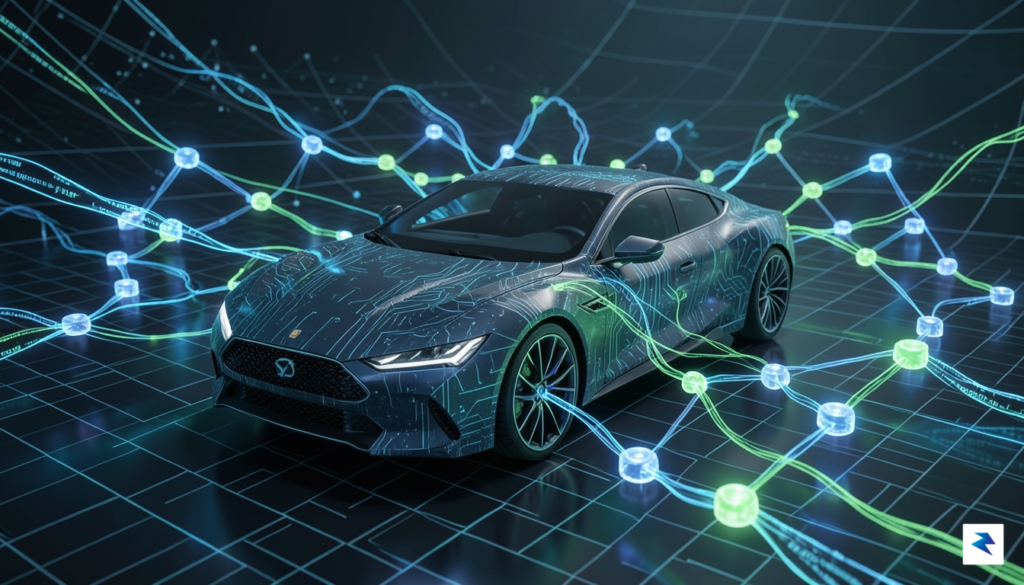
The path forward necessitates a unified approach to cybersecurity standards that transcends corporate silos. As vehicles increasingly rely on Over-the-Air (OTA) updates to patch vulnerabilities and add features, the integrity of these delivery pipelines has become paramount. Manufacturers are now tasked with implementing robust, multi-layered encryption protocols that ensure OTA packages cannot be intercepted, tampered with, or spoofed by malicious actors. Furthermore, as the industry moves toward widespread Vehicle-to-Everything (V2X) communication, the need for standardized, interoperable security protocols becomes critical. These protocols must verify the identity and intent of every signal a vehicle receives, whether from a traffic light, a smart road sensor, or another vehicle, ensuring that the network remains resilient against sophisticated intrusion attempts.
True resilience in the automotive sector will not be found in isolation, but through an unprecedented level of transparency and collective defense across the entire industry.
Beyond individual technological upgrades, the industry must lean into public-private partnerships to foster a culture of shared intelligence. When one manufacturer detects a novel attack vector or a suspicious pattern of unauthorized access, that data should ideally inform a broader, industry-wide threat intelligence network. By pooling resources and threat data, automotive giants can stay several steps ahead of state-sponsored actors and cyber-criminal syndicates that operate with global reach and deep pockets. This collaborative strategy, coupled with continuous, automated penetration testing and rigorous auditing of third-party software, will be the cornerstone of a new era in automotive safety. Ultimately, the goal is to build an ecosystem where the vehicle is not merely a passive consumer of software updates, but an active, defensive participant in its own ongoing protection.
You must be logged in to post a comment.