Why Prime Day is the Ultimate Time to Upgrade Your Streaming Setup
For years, Prime Day was primarily associated with restocking pantry staples or snagging discounts on everyday household goods. However, the event has undergone a significant transformation, cementing itself as the premier calendar date for tech enthusiasts eager to overhaul their digital entertainment ecosystems. Rather than chasing the marginal gains of a new television panel, savvy consumers are now shifting their attention toward the “brains” of their home theater setups. By prioritizing high-performance streaming hardware, you can breathe new life into an aging display, effectively bypassing the hefty price tag and e-waste associated with replacing a functional screen.

The core value proposition of upgrading your streaming hardware lies in the rapid pace of software innovation. Even if your television’s display remains vibrant and sharp, its internal processor often becomes sluggish within a few years, struggling to handle the high-bitrate demands of modern 4K HDR streaming or the complex user interfaces of contemporary apps. When you invest in a dedicated, top-tier streaming device—such as an Apple TV or a high-end Roku—you are essentially installing a modern, lightning-fast computer into your home theater. This transition results in a significantly smoother navigation experience, faster load times, and superior upscaling capabilities that can make even older content look pristine.
Upgrading your streaming player is the single most cost-effective way to modernize your viewing experience without the logistical headache of swapping out a massive display.
As we navigate through 2026, the streaming hardware landscape has matured into a highly specialized market. Modern devices are no longer just simple dongles; they serve as centralized hubs for smart home integration, high-fidelity audio pass-through, and adaptive frame-rate matching that eliminates the dreaded “judder” in cinematic content. Prime Day offers the rare opportunity to acquire this bleeding-edge technology at a fraction of its original retail price. By strategically choosing to invest in the interface rather than the screen, you ensure that your home theater remains compatible with the latest streaming standards, ensuring a fluid, high-quality experience that keeps pace with the evolution of digital content delivery.
Smart TVs vs. Streaming Sticks: What to Buy Based on Your Needs
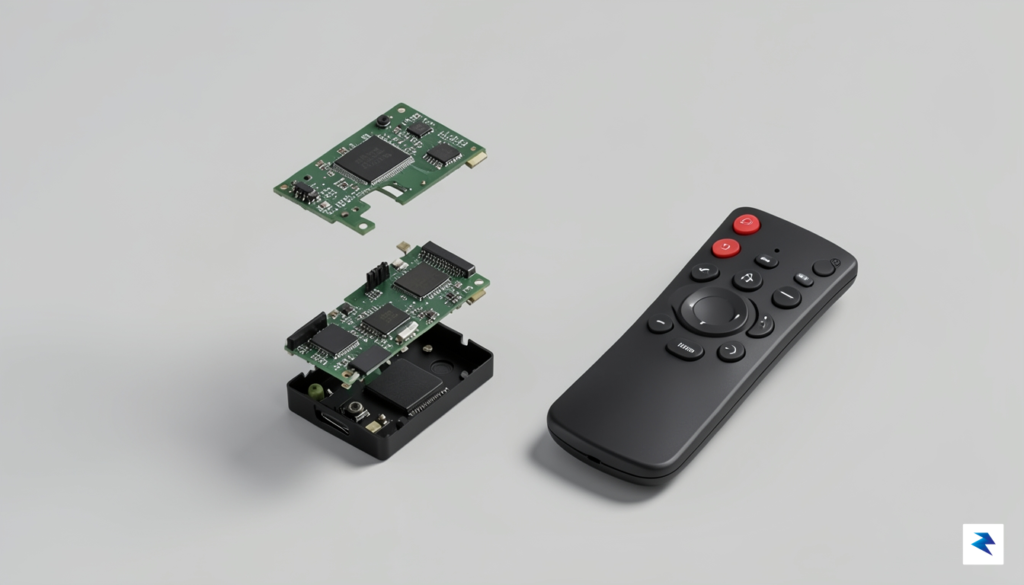
While the modern television market has shifted toward “smart” functionality as a standard inclusion, there is a fundamental disconnect between the longevity of a display panel and the software that powers it. A high-quality 4K or 8K screen can easily remain visually impressive for a decade, yet the internal processors and operating systems built into these sets often begin to stutter within just two or three years. As streaming platforms update their codecs and security requirements, older built-in interfaces frequently lose their ability to run apps efficiently, leaving you with a perfectly capable screen that feels sluggish and unresponsive. By opting for an external streaming device, you decouple your viewing experience from the TV’s hardware, ensuring that you can upgrade your interface independently whenever technology advances.
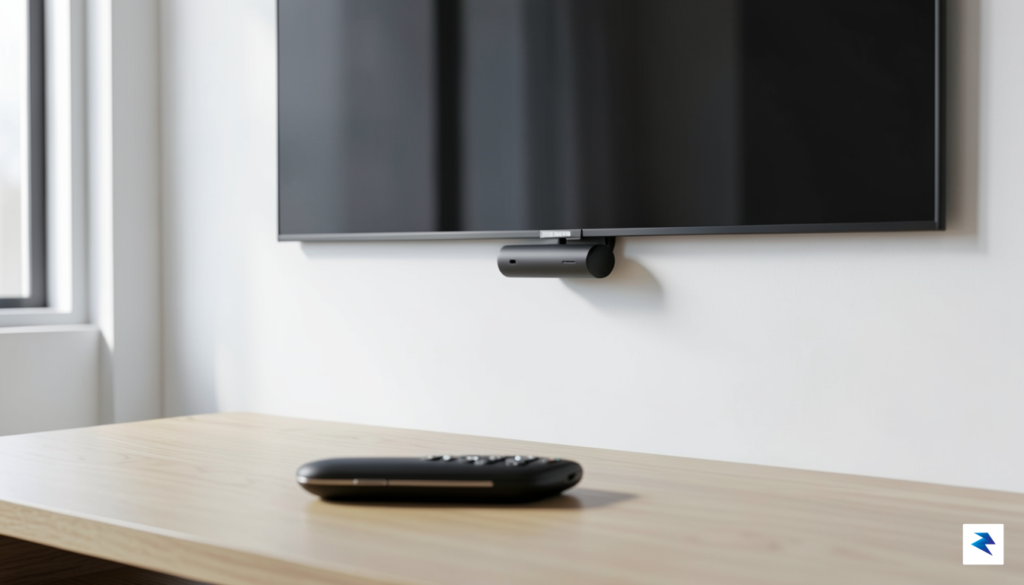
Beyond simple hardware obsolescence, many integrated TV operating systems suffer from significant “bloatware” issues. Manufacturers often monetize their home screens by prioritizing sponsored content, pre-installed promotional apps, and intrusive data-tracking overlays that clutter the user experience. These built-in systems are rarely optimized for pure performance, leading to long load times and choppy navigation. In contrast, dedicated streaming devices like the Apple TV 4K or high-end Roku boxes are designed with a focus on speed and high-fidelity audio-visual processing. They typically offer a cleaner, more intuitive interface and better support for niche apps, specialized gaming services, and advanced surround sound formats like Dolby Atmos that your TV’s native software might struggle to decode properly.
If you find yourself waiting more than a few seconds for an app to launch, or if your TV menu frequently freezes, it is time to bypass the native software entirely.
Deciding which path to take depends entirely on your current setup and your tolerance for technical friction. Use this simple framework to guide your purchase during this year’s Prime Day sales:
- The “Great Screen, Poor Software” Scenario: If you own a television that still delivers a stunning picture but the menu system is laggy or lacks the specific streaming apps you want, a streaming stick or box is your best investment. It provides an immediate performance boost for a fraction of the cost of a new television.
- The “Aging Infrastructure” Scenario: If your TV is beginning to show signs of hardware wear—such as dead pixels, backlight bleeding, or a lack of support for modern HDMI standards—then a dedicated streaming box might be a temporary fix. In this case, you should prioritize a high-end streaming device that will eventually carry over to your next television upgrade.
- The Minimalism Approach: For those who prefer a clutter-free living room, a high-quality streaming stick tucked behind the TV is the ideal solution. It keeps your cables hidden while providing a professional-grade interface that makes navigating your favorite content libraries seamless and enjoyable.
Ultimately, your streaming hardware should serve your content, not the other way around. By investing in a dedicated device, you regain control over your home theater experience, ensuring that your interface remains as sharp and fast as the resolution on your screen.
Top Media Streamer Deals Worth Your Money
With Prime Day 2026 discounts slashing prices by as much as 50%, the threshold for upgrading your home theater has officially hit an all-time low. While the sheer volume of discounted hardware can be overwhelming, it is vital to discern between a bargain and a device that will become obsolete within the year. The Apple TV 4K remains the gold standard for those who prioritize a seamless, high-performance ecosystem. Beyond its lightning-fast processing speeds, the Apple TV distinguishes itself through its commitment to user privacy and a clean, ad-free interface that puts your content first. Furthermore, its integration with the Apple Arcade gaming library makes it a surprisingly capable casual gaming console, providing a fluid experience that cheaper dongles simply cannot replicate.
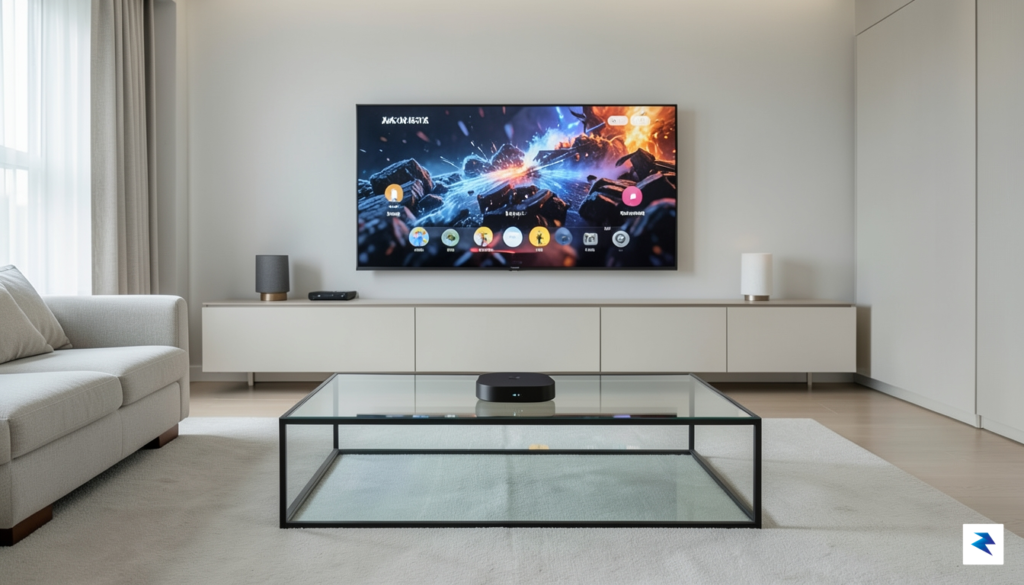
For viewers who prefer a straightforward, “no-nonsense” approach to streaming, the current Roku lineup remains the undisputed champion of accessibility. Roku OS is celebrated for its platform-agnostic nature, offering a neutral search function that helps you find the best prices across various subscription services without favoring one provider over another. The Roku Ultra, in particular, is the model that offers the best bang for your buck this year; it features a powerful quad-core processor and an Ethernet port for rock-solid stability during high-bitrate 4K streams. If you are looking for a device that “just works” right out of the box, Roku’s intuitive remote and simplified menu structure are difficult to beat, even as competition heats up in the smart home space.
The best media streamer for your home is ultimately determined by your existing ecosystem; choose the device that communicates most effectively with the smart home hub and mobile devices you already own.
Conversely, Amazon’s Fire TV family is the logical selection for users who are already deeply embedded in the Alexa ecosystem. By opting for the latest Fire TV Cube or high-end Stick models, you gain hands-on control over your smart lights, thermostats, and security cameras directly through your television. While the interface is undeniably more cluttered with sponsored content than its competitors, the sheer convenience of voice-activated navigation and smart home integration provides unparalleled value for the power user. When shopping these deals, focus on models with Wi-Fi 6E support to ensure your connection remains crisp, even in households with heavy network traffic. Ultimately, the right choice this Prime Day is the one that minimizes technical friction, allowing you to spend more time watching your favorite films and less time troubleshooting your hardware.
Essential Apps and Services to Complement Your New Hardware
While securing a powerful streaming device at a steep discount is a major win, the true potential of your home theater lies in how you curate your software environment. Hardware serves as the engine, but the content you feed it and the way you organize that digital library ultimately dictate the quality of your viewing experience. To maximize your investment, you should prioritize services that offer native support for 4K Ultra HD, High Dynamic Range (HDR), and immersive Dolby Atmos audio. Many budget-tier subscriptions may limit your resolution or audio fidelity, so checking your account settings to ensure you are opted into the “Premium” or “Ultimate” tiers is the first step toward achieving a cinematic picture that justifies your new hardware’s capabilities.
Beyond individual platform subscriptions, the sheer number of apps available today can lead to a fragmented and frustrating user experience. This is where aggregator apps, such as JustWatch or Reelgood, become indispensable tools in your digital arsenal. These services unify your various subscriptions into a single, searchable interface, allowing you to track your watchlist across platforms like Netflix, Disney+, and Max without jumping between individual menus. By centralizing your discovery process, you save valuable time and can easily spot which of your existing services holds the content you want to watch, preventing unnecessary rentals or purchases of movies you might already have access to.
In addition to organization and quality, consider the importance of privacy and global accessibility. As you consolidate your digital life, utilizing privacy-focused DNS services or browser-based tools can help mitigate the amount of tracking data collected during your streaming sessions. Furthermore, for those looking to expand their horizons, integrating a reliable VPN is a common strategy for accessing international content libraries that may be restricted in your region. When choosing a VPN for your streaming device, look for providers that offer high-speed, dedicated servers optimized for media consumption to ensure that your stream remains stable and buffer-free even when connecting to servers on the other side of the globe.
To ensure you are getting the highest quality streams possible, always check that your hardware’s video output settings match your TV’s native resolution and that your subscription tier allows for the highest possible bitrate.
Ultimately, the goal is to create a seamless ecosystem where your technology gets out of the way, allowing you to focus entirely on the story on screen. By auditing your current software stack, deleting redundant apps, and leveraging aggregators to streamline your search, you transform a simple streaming box into a comprehensive home media hub. Taking the time to calibrate these settings today ensures that every future movie night is optimized for peak performance, clarity, and convenience.
Future-Proofing Your Living Room: Beyond the Discount
While the immediate thrill of a Prime Day discount is undeniable, the true value of any home theater upgrade lies in its longevity. Investing in hardware today is a strategic decision; you want to ensure your device doesn’t become obsolete the moment a new streaming standard emerges. To achieve this, prioritize devices that support the latest technical specifications, such as HDMI 2.1. This standard is crucial because it offers the high bandwidth necessary for 4K content at higher frame rates and supports advanced features like Variable Refresh Rate (VRR), which is increasingly relevant as streaming services integrate more interactive gaming experiences directly into their platforms.
Beyond the physical connection, the internal processing power of your streaming device dictates how well it handles modern media. Look specifically for hardware that includes robust AV1 decoding capabilities. As major streaming platforms shift toward the AV1 codec to deliver higher-quality video at lower bitrates, devices lacking this hardware-level support will struggle to keep up, leading to stuttering video or reduced image quality. Furthermore, ensuring your device is equipped with Wi-Fi 7 compatibility is a wise forward-looking move. Even if your current router hasn’t been upgraded yet, having the latest wireless standard baked into your streaming box ensures that as you upgrade your home network over the next few years, your media consumption remains buttery smooth and free from the bottlenecks of congested airwaves.
True home theater longevity isn’t just about the hardware you buy; it is about how well you integrate that technology into your existing environment to minimize signal loss and latency.
Technical specs are only half the battle; maintaining a reliable streaming experience also requires attention to your home network’s infrastructure. Even the most powerful streaming device will falter if your signal is hindered by poor placement or outdated cabling. Whenever possible, opt for a hardwired Ethernet connection to eliminate the variables of wireless interference. If you must rely on Wi-Fi, ensure your streaming device is positioned with a clear line of sight to your router, and consider upgrading your internal network switch to handle the higher throughput demands of high-bitrate 4K HDR streams. Additionally, invest in high-quality, certified HDMI cables to prevent signal degradation, which can often be mistaken for hardware failure.
As we look toward the future of streaming, the integration of AI-driven upscaling and personalized content delivery is set to become the industry standard. By choosing hardware today that possesses the processing overhead to handle software updates and feature-rich operating systems, you are effectively buying a centerpiece that will evolve alongside your entertainment library. Taking the time to curate your setup now—by balancing current discounts with these essential future-proof features—guarantees that your living room remains a high-performance hub for years to come, rather than a collection of forgotten electronics.