
Microsoft Edge Collections Removed: What You Need to Know to Protect Your Data
Understanding the Microsoft Edge Collections Update For several years, Microsoft Edge Collections occupied a unique space in the browser…
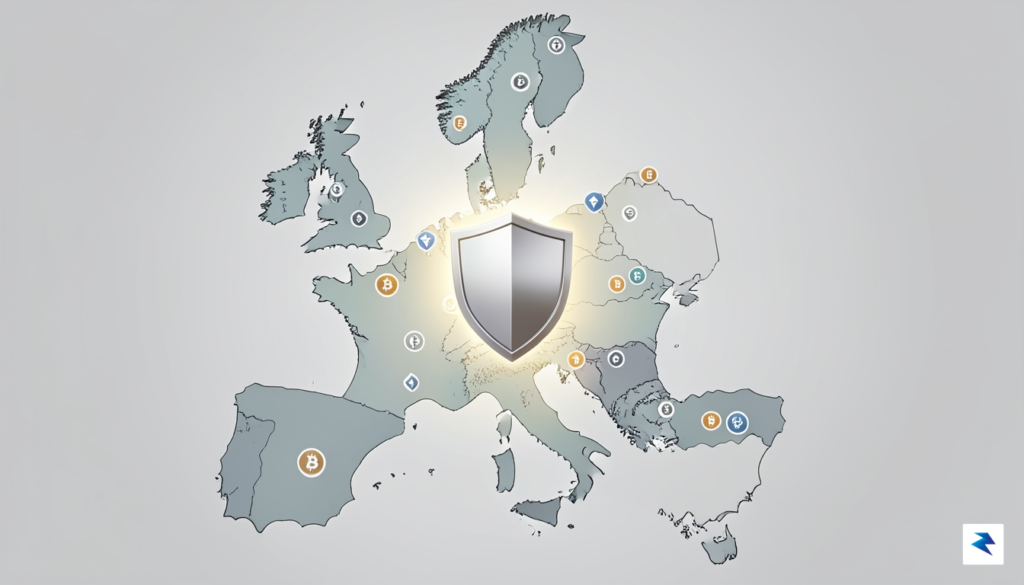
The introduction of the Markets in Crypto-Assets (MiCA) regulation has effectively drawn a line in the sand for the digital asset industry, transforming the European Union from a fragmented collection of national frameworks into the world’s first major jurisdiction with a comprehensive, harmonized crypto rulebook. By establishing clear standards for consumer protection, market integrity, and transparency, MiCA has shifted the competitive landscape of the sector. Compliance is no longer merely a legal formality; it has become the single greatest competitive advantage for any exchange operating within the bloc. Exchanges that once thrived in a “wild west” environment are now finding that the cost of entry is a rigorous, multi-layered licensing process that demands absolute operational accountability.
To operate legally under the MiCA regime, service providers must navigate stringent requirements related to capital reserves, cybersecurity protocols, and internal governance structures. These mandates are designed to prevent the systemic failures that have plagued the industry in years past, ensuring that exchanges are stable enough to handle market volatility without jeopardizing client funds. Consequently, securing a license has evolved into a formidable barrier to entry, filtering out platforms that lack the resources or the regulatory maturity to satisfy EU watchdogs. For established players, this transition is a test of infrastructure and intent, as regulators now demand a level of scrutiny that rivals traditional banking institutions.

This heightened regulatory friction has created significant challenges for industry giants that were accustomed to rapid, borderless expansion. Binance, once the undisputed leader in global trading volume, has faced mounting pressure as the EU’s regulatory net tightens. The firm’s recent inability to secure the necessary MiCA-compliant licensing for its core services has forced a strategic retreat in various member states, creating a vacuum that more compliant competitors are eager to fill. This shift underscores a broader trend: the era of “move fast and break things” is being replaced by a climate where operational longevity is predicated on proactive cooperation with state authorities.
The transition to a unified regulatory framework like MiCA is effectively separating the industry into two camps: those capable of building sustainable, compliant infrastructure, and those struggling to adapt to the new standard of institutional-grade oversight.
Ultimately, the displacement of users from non-compliant platforms is not just a regulatory byproduct, but a natural evolution of a maturing market. As investors prioritize safety and legal certainty, they are migrating toward exchanges that have explicitly aligned their operations with the European Securities and Markets Authority (ESMA) guidelines. By positioning themselves as “regulatory-first” entities, competitors like Coinbase and OKX are not merely picking up stray market share; they are validating the necessity of the MiCA framework itself. For the average EU user, this means that the marketplace is becoming safer, albeit significantly more centralized around those few firms that have successfully cleared the high bar set by Brussels.

The sudden regulatory pivot regarding Binance’s operations in the European Union has created a massive power vacuum, leaving millions of traders searching for a new, compliant home for their digital assets. Recognizing this unique window of opportunity, industry heavyweights Coinbase and OKX have moved with surgical precision to capture this displaced demographic. Rather than relying solely on brand recognition, both exchanges have launched aggressive incentive programs designed to lower the barrier to entry for migrating users. By offering lucrative sign-up bonuses that climb as high as 8% on certain deposit activities or staking rewards, these platforms are effectively subsidizing the friction users face when switching providers.

This strategy is far more than a simple marketing gimmick; it is a calculated effort to alter the long-term landscape of the European crypto market. When Brian Armstrong’s Coinbase and Star Xu’s OKX offer these elevated yields, they are essentially betting that the cost of acquiring a new customer today will be dwarfed by the lifetime value of that user once they are embedded in their respective ecosystems. By providing competitive interest rates and reduced fee structures, they are incentivizing users to move not just their current holdings, but their entire trading lifecycle. This “land grab” mentality signals that the battle for European market share has shifted from passive growth to proactive, high-stakes competition.
The cost of acquiring a customer is rarely just the initial bonus; it is the strategic investment required to shift deep-seated user habits in a highly volatile market.
However, this intense competition has inevitably led to a spike in Customer Acquisition Costs (CAC) across the industry. As Coinbase and OKX compete for the same pool of former Binance users, the “bounty” required to convince a trader to switch platforms continues to climb. Marketing budgets are ballooning as exchanges layer these financial incentives with enhanced security features and promises of regulatory transparency, specifically targeting users who were rattled by Binance’s licensing setbacks. While this is a boon for the end-user, who now enjoys unprecedented perks for switching platforms, it places significant pressure on the operational margins of the exchanges. For the foreseeable future, we can expect this aggressive spending to continue as these giants fight to consolidate their dominance before the European regulatory framework under MiCA becomes fully set in stone.
In the rapidly evolving landscape of European digital finance, the Markets in Crypto-Assets (MiCA) regulation has fundamentally altered the rules of the game. For years, crypto exchanges operated in a gray area where speed and feature sets were the primary metrics of success. However, regulatory approval has now transitioned from a mere legal formality into a cornerstone of operational legitimacy. By establishing a comprehensive framework for consumer protection, market integrity, and financial transparency, MiCA has effectively turned regulatory compliance into the industry’s new gold standard for long-term survival.
The strategic positioning of platforms like Coinbase and OKX highlights this paradigm shift. While Binance has faced significant hurdles in securing the necessary authorizations to maintain its full suite of services across the European Union, its competitors have aggressively leaned into the regulatory process. Coinbase, for instance, has leveraged its existing robust compliance infrastructure—honed under the rigorous oversight of U.S. regulators—to secure registration in multiple key jurisdictions. Similarly, OKX has invested heavily in meeting MiCA-aligned standards, demonstrating that the future of the market belongs to those who view governance as a business enabler rather than an administrative burden.

Institutional capital, which remains the primary catalyst for mass market maturation, is uniquely sensitive to the stability provided by MiCA. Large-scale financial institutions and asset managers are historically risk-averse; they require a clear, enforceable legal environment before deploying significant liquidity into digital assets. MiCA provides this much-needed clarity by setting specific requirements for asset custody, capital reserves, and conflict-of-interest disclosures. Consequently, the exchanges that successfully navigate this regulatory landscape are positioning themselves as the primary gateways for institutional entry, effectively insulating themselves from the volatility and legal uncertainty that have plagued less compliant players.
Regulatory clarity is no longer an optional feature; it is the essential bedrock upon which the next generation of European crypto infrastructure will be built.
For the average European retail investor, the benefits of this regulatory shift are equally profound. The uncertainty surrounding non-compliant platforms often leads to sudden service disruptions or the freezing of assets, creating significant anxiety for users who simply want a reliable way to manage their portfolios. By migrating to exchanges that prioritize MiCA compliance, investors are not just choosing a brand; they are opting into a protected ecosystem where providers are held to strict standards of accountability. This shift toward institutional-grade safety is expected to foster greater public trust, ultimately driving wider adoption across the continent as users increasingly prioritize security and longevity over the speculative allure of unregulated platforms.

When the landscape of available crypto platforms shifts, the immediate temptation for many users is to jump at the most aggressive sign-up bonus or the loudest marketing campaign. However, moving your digital assets is a significant logistical and security-oriented decision that requires a methodical approach rather than an impulse-driven reaction. Before migrating your portfolio to a new exchange, it is essential to prioritize the structural integrity of the platform over temporary financial incentives. A high-value welcome bonus is irrelevant if the platform lacks the robust security architecture required to protect your long-term wealth, or if it struggles with liquidity during periods of high market volatility.
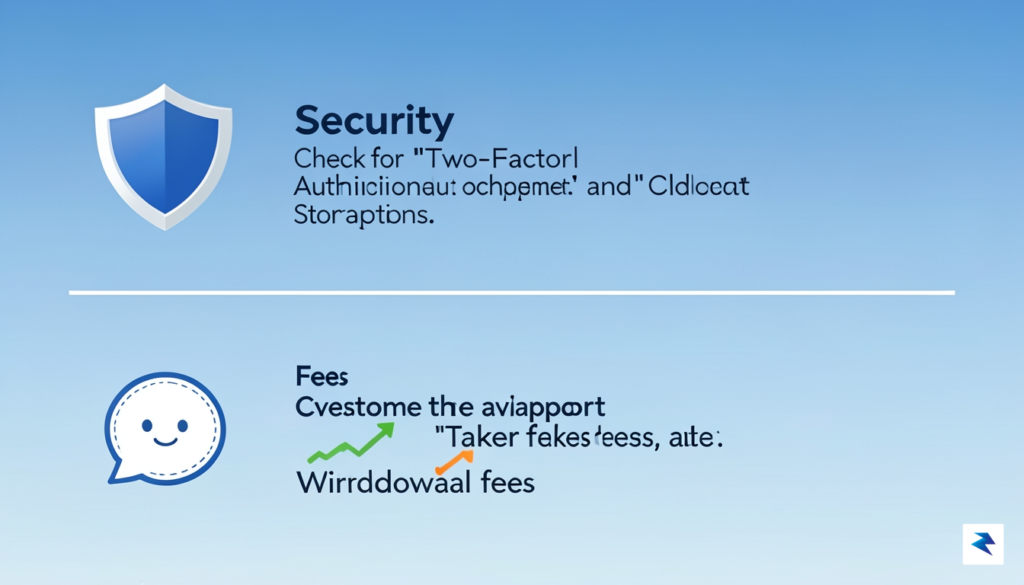
To navigate this transition effectively, you should perform a thorough due diligence check that goes beyond superficial features. Start by evaluating the exchange’s security posture: investigate whether they provide transparent proof-of-reserves, maintain cold storage protocols for the majority of user assets, and offer comprehensive insurance policies against platform-level breaches. Simultaneously, scrutinize the fee structure, as what appears to be a low-cost platform might hide significant expenses through wide bid-ask spreads or exorbitant withdrawal fees. It is wise to calculate the total cost of ownership for your specific trading frequency to ensure that the new platform’s pricing model aligns with your investment style.
The best exchanges for the long term are those that prioritize regulatory compliance and user safety over the rapid acquisition of new accounts through unsustainable rewards.
Beyond security and cost, consider the practical elements of day-to-day operation. Research the platform’s customer support reputation by looking for feedback on community forums and independent review sites—specifically regarding how quickly they resolve account lockouts or withdrawal issues. Furthermore, assess the depth of liquidity for the specific tokens you hold; an exchange with low liquidity can lead to significant slippage, meaning you effectively lose money every time you execute a trade. Finally, prioritize exchanges that have demonstrated a clear, long-term commitment to regulatory compliance within the European Union. Under the new MiCA framework, platforms that align their operations with European standards are significantly more likely to provide a stable, uninterrupted experience as the regulatory environment matures and consolidates.
Before initiating any transfers, consider the following checklist to ensure a secure transition:
By taking these deliberate steps, you protect yourself from the instability that often follows major industry shifts. While the migration process can feel daunting, treating it as a strategic portfolio reallocation rather than a forced emergency move will yield much better results for your financial security.
The aggressive maneuvering by major platforms like Coinbase and OKX to capture Binance’s shifting user base is merely the tip of the iceberg in a rapidly maturing European landscape. As the Markets in Crypto-Assets (MiCA) regulation becomes fully enforceable, the industry is transitioning from a “wild west” era of rapid, often unchecked expansion into a more disciplined phase characterized by structural consolidation. We are witnessing a clear market trajectory where regulatory compliance is no longer an optional growth strategy but the primary barrier to entry. Consequently, smaller or less capitalized exchanges that cannot meet the rigorous capital requirements and operational transparency demanded by European regulators will likely be forced to exit the market or be acquired by larger, more established players.
This trend toward consolidation is set to redefine the competitive map of digital finance in the European Union. Rather than a fragmented ecosystem of hundreds of boutique exchanges, the future will likely be dominated by a handful of “super-platforms” that have successfully navigated the complexities of EU licensing. By prioritizing robust anti-money laundering (AML) protocols and consumer protections, these compliant exchanges are effectively insulating themselves from the legal volatility that has historically hampered the industry. This shift is not merely about surviving regulation; it is about building the necessary trust to attract the massive influx of capital currently waiting on the sidelines of the traditional financial system.

Long-term stability in the digital asset market depends on the synthesis of innovative technology and clear, enforceable legal frameworks that protect participants without stifling growth.
Ultimately, the long-term benefits of this transition will accrue to both retail and institutional investors. For the average user, the departure of non-compliant entities and the rise of regulated incumbents means a safer environment, characterized by better insurance, clearer custody rules, and more transparent fee structures. For institutional investors, the regulatory clarity provided by MiCA serves as a “green light” to begin meaningful integration of crypto assets into diversified portfolios. As the dust settles, the European crypto market will likely emerge as one of the most stable and attractive environments for digital finance globally, proving that high standards of compliance do not kill innovation—they provide the foundation upon which it can safely scale.
You must be logged in to post a comment.