The Fight to Protect 3D Printing Freedom: Why California’s Surveillance Bill Matters
The Emerging Threat of 3D Printer Surveillance For years, 3D printing was celebrated as the democratization of manufacturing—a way for…
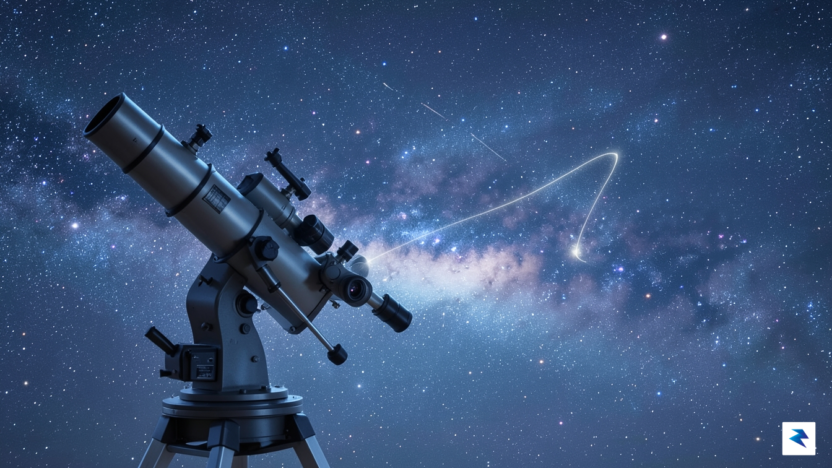
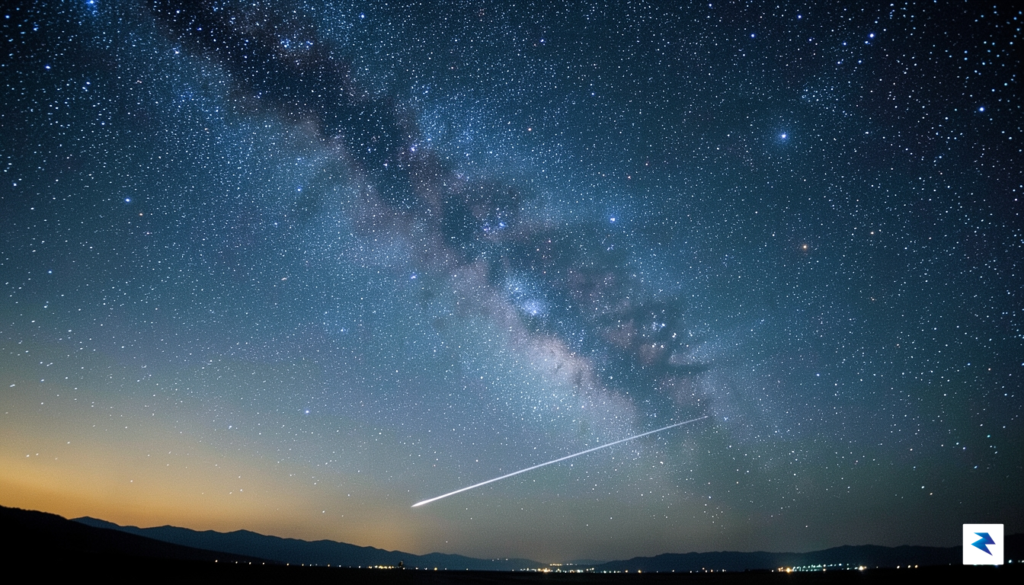
When the asteroid 1997 NC1 drifts through our corner of the solar system this weekend, it serves as more than just a fleeting point of light; it represents a fascinating intersection of orbital mechanics and cosmic history. Discovered nearly three decades ago, this near-Earth object follows a predictable, albeit complex, path that brings it into our astronomical neighborhood periodically. By analyzing its specific trajectory, scientists have determined that its current flyby is not a result of random motion, but rather the culmination of gravitational influences from larger bodies that have subtly nudged its orbit over the last few decades. Understanding these mechanics is essential for amateur observers, as it transforms the event from a mysterious occurrence into a masterclass in celestial choreography.
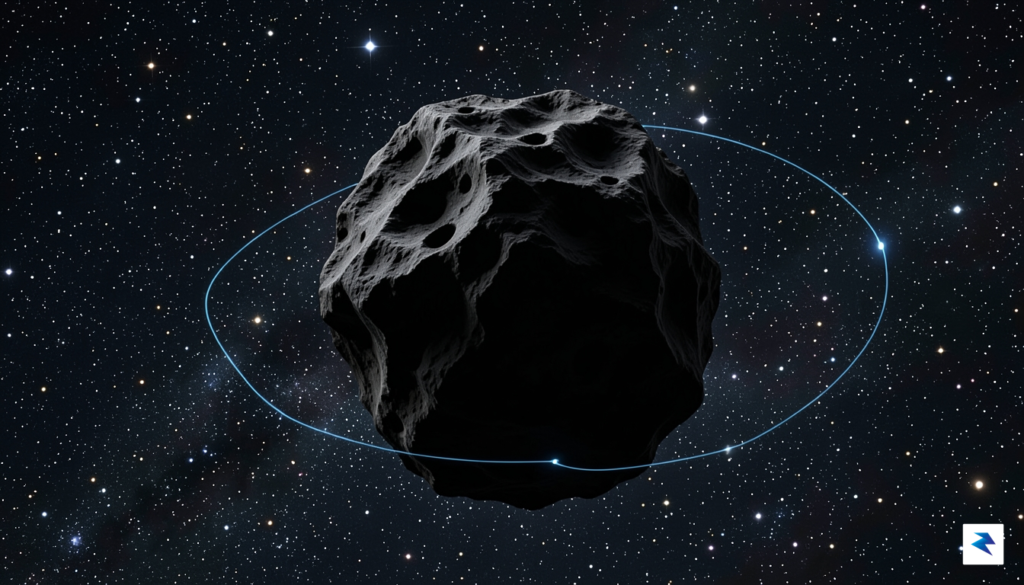
To put the distance of this flyby into perspective, it is helpful to demystify the numbers. While the media often highlights the “closeness” of such objects, 1997 NC1 will pass by Earth at a distance that remains safely outside the realm of any immediate threat. Think of it as a cosmic traveler passing through a distant lane of a highway; it is close enough to be observed with the right equipment, yet far enough that there is absolutely no risk of collision. This distance is precisely what makes the event so valuable for planetary defense researchers. Because the asteroid is passing at a manageable distance, telescopes on the ground can collect high-fidelity data on its composition, rotation, and shape without the interference of extreme light scattering that occurs when objects pass too close.
The study of near-Earth objects like 1997 NC1 is a vital component of modern planetary defense, providing the data necessary to refine our early-warning systems and understand the composition of potential impactors.
Beyond the excitement of the chase, these flybys are critical for our broader understanding of the solar system’s evolution. Every time an asteroid of this size passes by, it offers a rare opportunity for both professionals and amateur enthusiasts to contribute to the global catalog of space objects. By capturing imagery or timing the asteroid’s position against the background stars, even modest backyard observatories can help refine the orbital models used by space agencies like NASA and the ESA. This democratization of science means that you are not just a passive spectator; you are witnessing a piece of history that helps verify the mathematical predictions made by astronomers years ago. By participating in this weekend’s observation, you are engaging in the same meticulous work that keeps our planet safe, turning a quiet night of stargazing into a meaningful contribution to science.
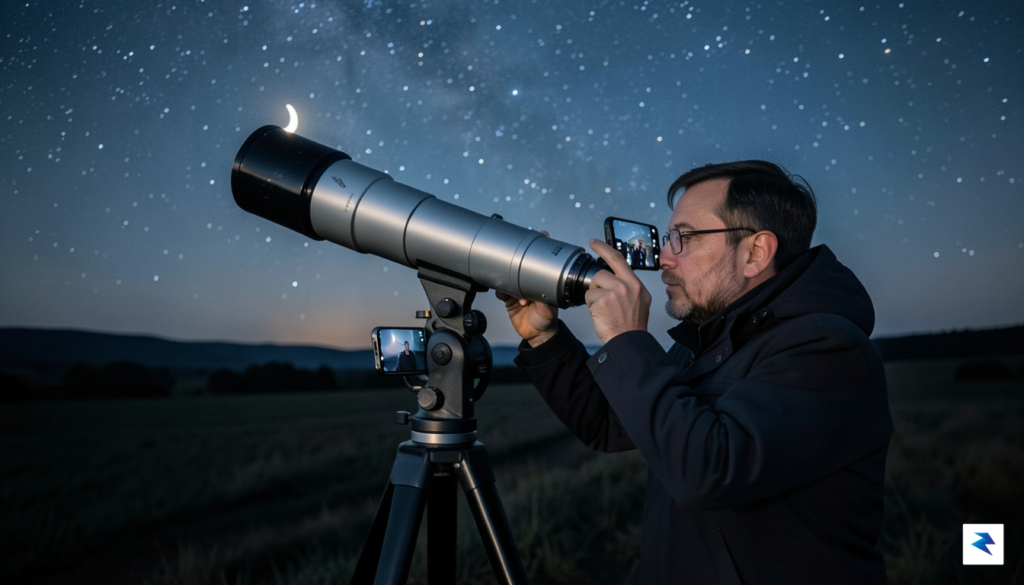
Spotting celestial objects beyond our immediate solar system often requires specialized equipment, and asteroids, particularly those that aren’t exceptionally bright, are no exception. While the idea of catching a glimpse of a fast-moving space rock with the naked eye is romantic, the reality is that such events are exceedingly rare for most observable asteroids. To truly enhance your chances of a successful viewing session and transform a vague notion into a concrete observation, having the right tools and preparing your senses beforehand makes all the difference. This preparation isn’t just about magnification; it’s about optimizing your entire experience to reveal the subtle dance of distant cosmic travelers.
For many amateur astronomers and casual sky-watchers, a good pair of binoculars is often the most accessible and versatile tool for initial forays into asteroid hunting. Specifically, models like 7×50 or 10×50 are highly recommended. The first number (7x or 10x) indicates the magnification, meaning the object will appear 7 or 10 times closer than it does to the naked eye, while the second number (50) refers to the diameter in millimeters of the objective lens, which dictates how much light the binoculars can gather. A larger objective lens gathers more light, resulting in brighter, clearer images, especially crucial for fainter objects like asteroids against a dark sky. Their wide field of view also makes it easier to sweep across a section of the sky and locate your target before zooming in.
If you’re seeking a more detailed view or attempting to spot a fainter asteroid, an entry-level telescope becomes an invaluable asset. Small refractors, known for their sharp images and ease of use, or a modest Dobsonian reflector, celebrated for its excellent light-gathering capabilities at an affordable price point, are superb starting choices. These telescopes offer significantly higher magnification and light collection than binoculars, allowing you to discern finer details and observe objects that might otherwise remain invisible. It’s important to choose a telescope that is manageable for a beginner, focusing on stability and optical quality rather than extreme magnification claims, as an unstable high-magnification view is often worse than a stable low-magnification one.
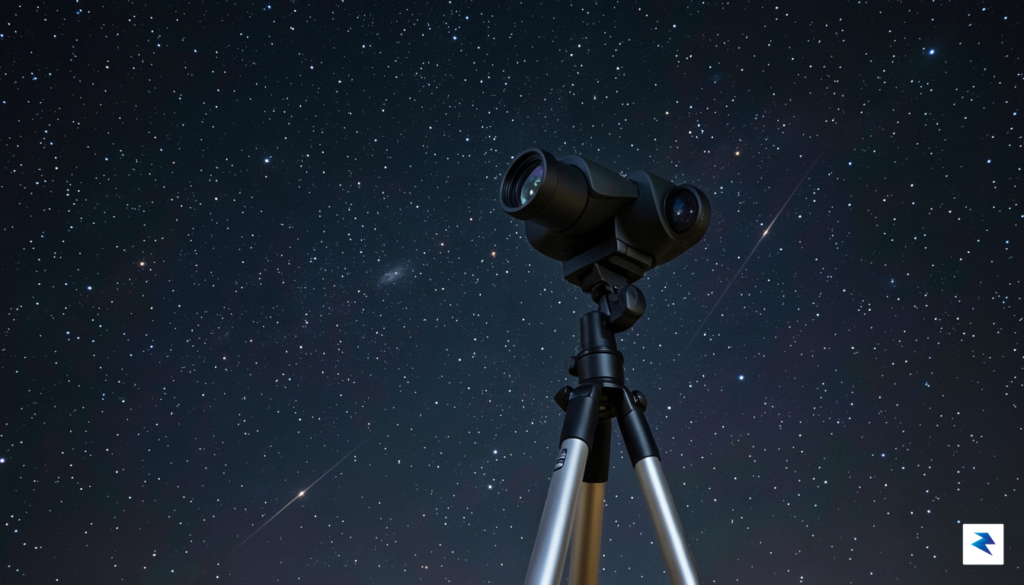
Regardless of whether you opt for binoculars or a telescope, a sturdy tripod is not merely an accessory but an absolute necessity for any serious viewing session. Holding binoculars steady for extended periods is incredibly difficult, leading to shaky images that obscure faint objects and quickly cause eye fatigue. For telescopes, a stable mount is even more critical, preventing vibrations that make high-magnification views unusable. A good tripod should be robust, feature adjustable height to accommodate comfortable viewing positions, and ideally come with a fluid head for smooth, precise adjustments, allowing you to track celestial objects effortlessly across the night sky. Investing in a quality tripod will dramatically improve the comfort and success of your observation efforts.
Navigating the vast expanse of the night sky to pinpoint a specific asteroid can be daunting, even for experienced observers. This is where modern star-charting applications become indispensable digital companions. Apps like Stellarium or <a href="https://www.skysafariastronomy.com
To successfully capture a glimpse of 1997 NC1, you must first prioritize your environment. Finding a dark-sky location is not merely a suggestion; it is a necessity for spotting objects with low apparent magnitude. Light pollution from urban centers acts as a luminous veil that washes out the faint, reflected sunlight of distant asteroids. Seek out a spot at least 30–45 minutes away from city lights, preferably at a higher elevation, and allow your eyes at least twenty minutes to fully adjust to the darkness before you begin your search. Without this preparation, the asteroid’s subtle glimmer will likely be lost against the glare of local skyglow.
Timing your observation requires a precise conversion of Universal Time (UTC) to your specific local time zone. Most astronomical data is published in UTC to maintain a global standard, but your viewing window is dictated by your own horizon. Use an online time-zone converter to ensure you are active during the specific hours of the asteroid’s closest approach. Keep in mind that as the Earth rotates, the asteroid’s position relative to the horizon changes constantly; being even an hour off your target window could mean the object has already dipped below the sightline of your local landscape.
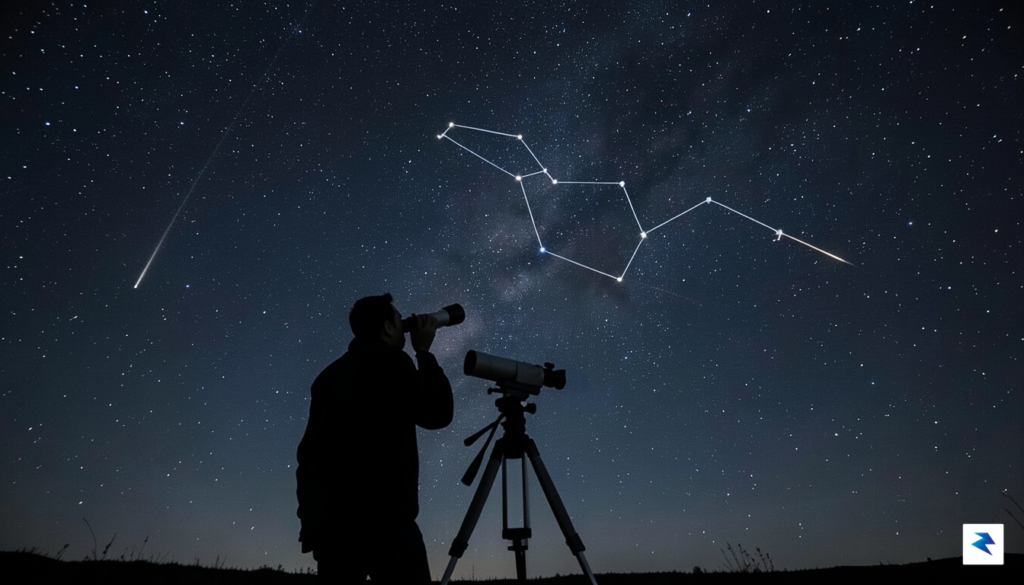
When tracking this visitor, it is essential to understand the concept of apparent magnitude. In astronomy, this scale measures the brightness of an object as seen from Earth, where lower numbers indicate greater brightness. Because 1997 NC1 is quite distant, it will appear as a slow-moving, star-like point of light rather than a dramatic streak across the sky. If you are using binoculars or a small telescope, you should look for a steady, dim speck that refuses to twinkle like the surrounding stars. Atmospheric turbulence causes stars to scintillation, but a solid rock reflecting sunlight will maintain a more constant, albeit faint, glow.
Success in amateur astronomy often comes down to patience and persistence. If you miss the asteroid on the first night, continue monitoring its path over the following two evenings, as its trajectory will shift slightly against the backdrop of fixed constellations.
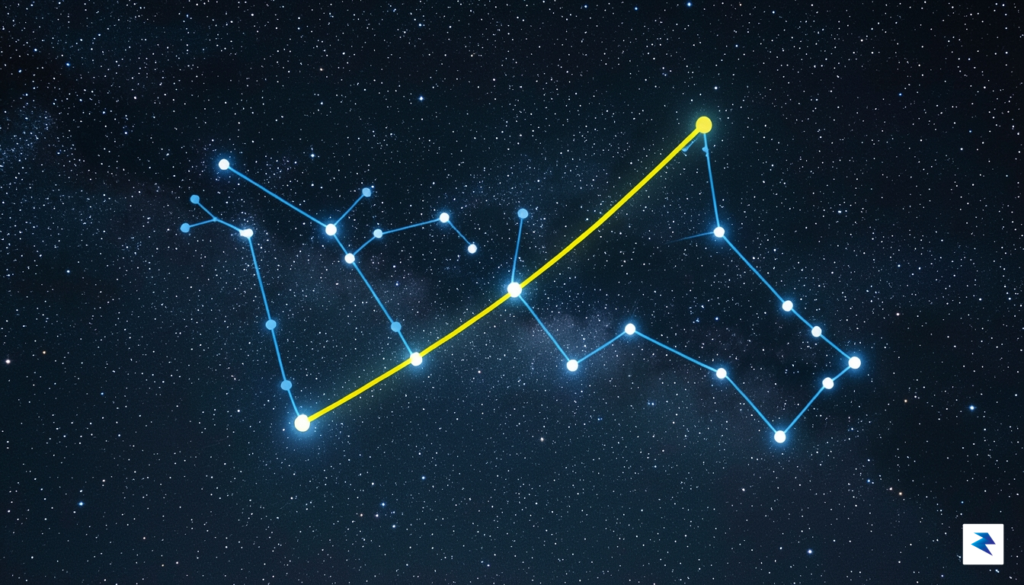
To pinpoint the asteroid, focus your gaze on the specific star charts provided by reputable astronomical observatories for this weekend. As the asteroid traverses the celestial sphere, it will pass through several distinct constellations. By comparing the position of 1997 NC1 against fixed stars in these patterns, you can identify its movement over the course of a single hour. If you observe a point of light that shifts position relative to the background stars when checked again thirty minutes later, you have successfully confirmed your sighting of the giant asteroid.
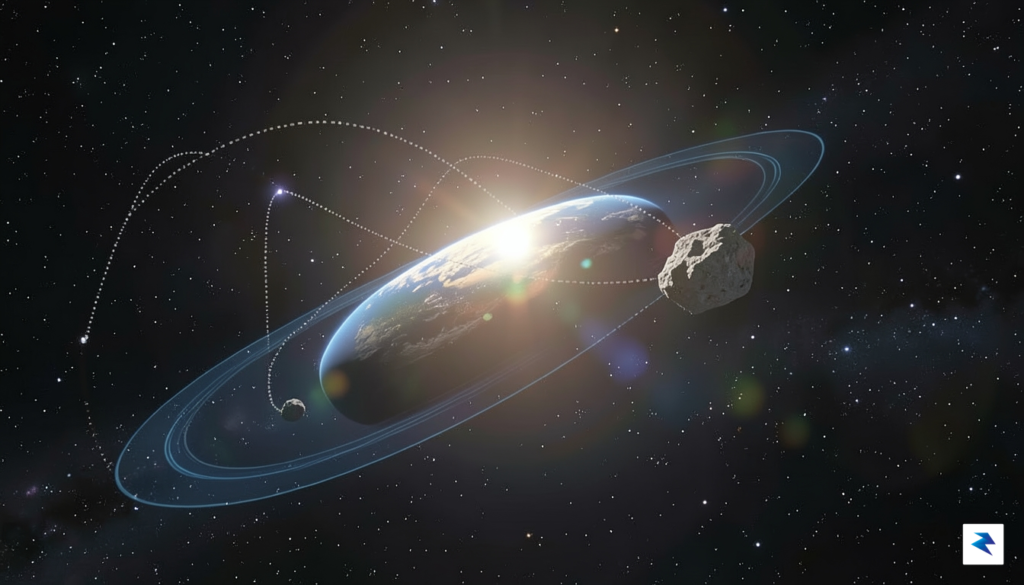
While the prospect of viewing a massive space rock through a telescope is undeniably thrilling, the passage of an asteroid like 1997 NC1 represents far more than a mere celestial spectacle. For the global astronomical community, these close encounters are essential field laboratories that allow researchers to refine our understanding of the solar system’s complex dynamics. By tracking Near-Earth Objects (NEOs), space agencies like NASA and the European Space Agency (ESA) are effectively mapping the “traffic” of our cosmic neighborhood, ensuring we have the data necessary to predict future trajectories with pinpoint accuracy.
One of the most fascinating phenomena scientists monitor during these flybys is the Yarkovsky effect. In simple terms, this occurs when an asteroid absorbs sunlight and then re-emits that energy as heat from its surface. Because the asteroid is rotating, the heat is released unevenly, creating a tiny, persistent “push” that can gradually nudge the object off its predicted path over many years. By observing an object closely as it passes Earth, astronomers can better calculate how this subtle thermal pressure influences the asteroid’s orbit, turning a vague estimate into a high-precision forecast.
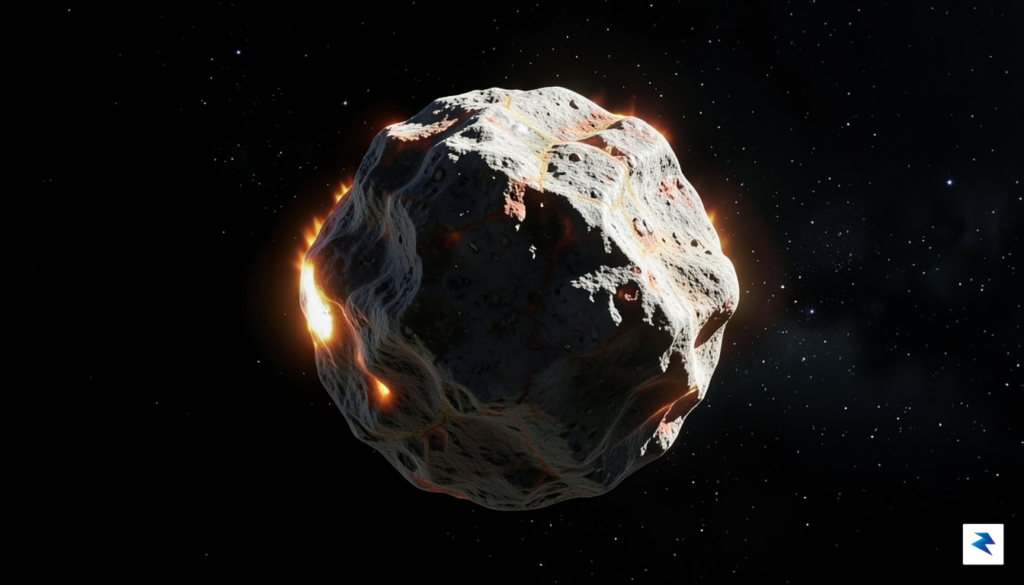
Every bit of data gathered during a flyby—whether it involves radar measurements of the asteroid’s shape, spectroscopic analysis of its composition, or precise timing of its position—feeds directly into sophisticated orbital models. These models are not just static calculations; they are living datasets that improve every time we observe a near-miss event. The more we learn about an object’s density, rotation rate, and trajectory, the better we become at distinguishing between a harmless visitor and an object that might require long-term monitoring. This iterative process of observation and correction is the backbone of planetary defense.
The study of near-Earth objects is a global endeavor that relies on the seamless integration of data from observatories spanning every continent, ensuring that no potential risk goes unnoticed and no scientific opportunity is missed.
Ultimately, the rigorous monitoring of objects like 1997 NC1 highlights the importance of international cooperation. Space is vast, and no single nation can keep a constant watch on every potential threat. Through global networks like the International Asteroid Warning Network (IAWN), scientists share telemetry and observations in real-time, creating a unified shield of knowledge. By transforming the study of these passing rocks into a collaborative scientific mission, we not only demystify the origins of our solar system but also lay the groundwork for the future safety of our planet.

Observing the cosmos offers an unparalleled sense of wonder and connection to the vast universe, a truly rewarding pursuit for anyone captivated by the night sky. However, to ensure these celestial explorations remain positive and safe experiences, it is paramount for every amateur astronomer to prioritize responsible practices. Whether you’re setting up a telescope in your backyard or venturing to a remote dark-sky site, a mindful approach to safety and ethics not only protects you and your equipment but also preserves the very environment you wish
You must be logged in to post a comment.