
Is the Orbital Data Center Dream Realistic or Just Hype?
The Orbital Data Center Vision: A New Frontier or Expensive Fantasy? The concept of migrating massive data processing centers from the surface…
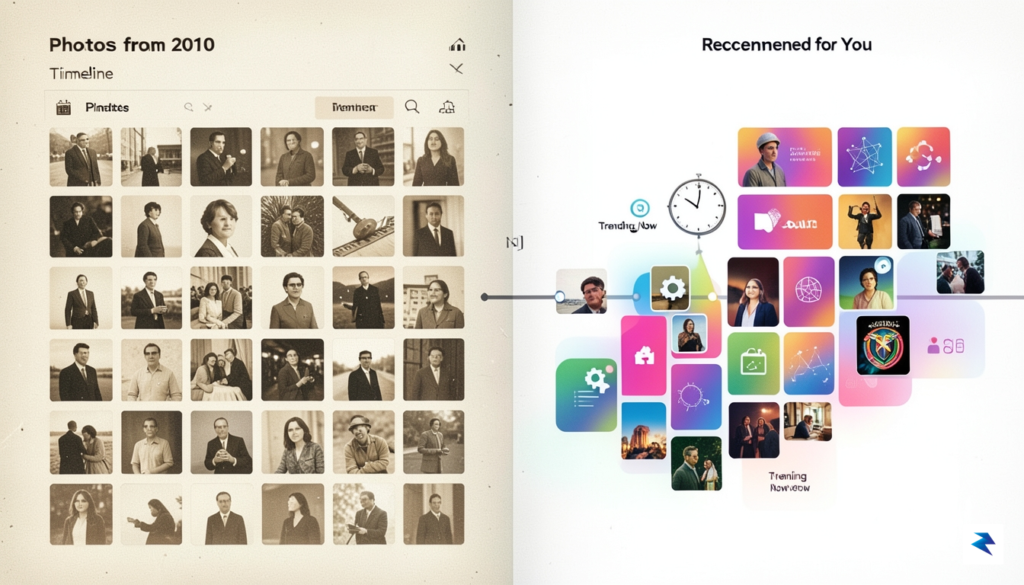
For a significant period, scrolling through Instagram was a straightforward affair. Your personal stream of content unfolded chronologically, presenting posts from those you followed in the exact order they were published. This simple, intuitive approach meant users always knew precisely what they were seeing and why, fostering a sense of direct connection to their chosen network. It was a digital diary of moments, easily digestible and predictable, offering a clear window into the lives of friends, family, and admired creators without complex interference. This era prioritised immediacy and the direct relationship between follower and creator, offering a very transparent view.
However, as the platform scaled exponentially, housing billions of posts daily, the chronological model began to show its limitations. Users frequently missed crucial updates from their closest connections amidst a deluge of content, while the platform itself struggled to surface truly engaging material relevant to individual tastes. Consequently, Instagram pivoted dramatically to an AI-driven system, designed to curate a personalised stream based on a multitude of signals: who you interact with, what types of content you engage with, and even how long you linger on a post. This fundamental change aimed to enhance relevance and boost overall engagement, ensuring users saw what the algorithm deemed most interesting to them.
This shift, while intended to improve the experience, inadvertently created a pervasive sense of disconnect and frustration for many users. The once transparent flow of content transformed into what often felt like a “black box,” where the logic behind what appeared, or didn’t appear, remained entirely opaque. Users began to report feeling as though their stream was “stagnant,” showing the same familiar faces or types of content repeatedly, even when new and diverse posts from their network were readily available. The lack of control over this highly influential curation engine led to a widespread desire for greater insight and agency over their digital experience, often leaving them feeling unheard.
In the modern digital landscape of 2026, this underlying frustration has matured into a core demand for algorithmic transparency and user control. People are no longer content with passively consuming content dictated by unseen parameters; they want to understand why certain posts are prioritised and, crucially, possess the tools to influence that prioritisation themselves. This isn’t merely about seeing more of what you like, but about reclaiming ownership over one’s digital space and ensuring the platform genuinely serves individual preferences rather than just its own engagement metrics. The call for greater control reflects a broader societal shift towards data literacy and personal autonomy in the digital realm, pushing platforms to adapt.
This historical journey from a simple chronological display to a sophisticated, yet often bewildering, AI-curated experience directly underpins the latest developments we’re witnessing from Instagram. The platform’s current exploration into offering users more explicit controls over their content recommendations is a direct response to years of user feedback and the undeniable demand for a more personalised, transparent, and ultimately, user-driven experience. It marks a significant moment where the balance of power between algorithm and individual is finally beginning to shift, paving the way for a potentially more harmonious relationship with our digital feeds.

The digital landscape of Instagram is meticulously crafted, not by chance, but by a complex algorithm designed to deliver what it believes you want to see most. Before we can truly appreciate the forthcoming tools for greater personalization, it’s crucial to understand the foundational principles that currently govern your daily scroll. This sophisticated system operates on a multitude of signals, constantly learning and adapting to your unique behaviors and preferences, ultimately determining the order and visibility of posts in your main feed.
At its core, Instagram’s ranking system can be boiled down to three primary pillars: Interest, Timeliness, and Relationship. The “Interest” signal is arguably the most influential, as the algorithm constantly tries to predict how likely you are to engage with a particular piece of content. This prediction is based on your past interactions, such as the types of posts you’ve liked, commented on, saved, or shared, as well as the topics and accounts you frequently engage with. If you consistently interact with posts about travel, for instance, the algorithm will prioritize showing you more travel-related content, even from accounts you don’t follow directly, believing it aligns with your demonstrated interests.
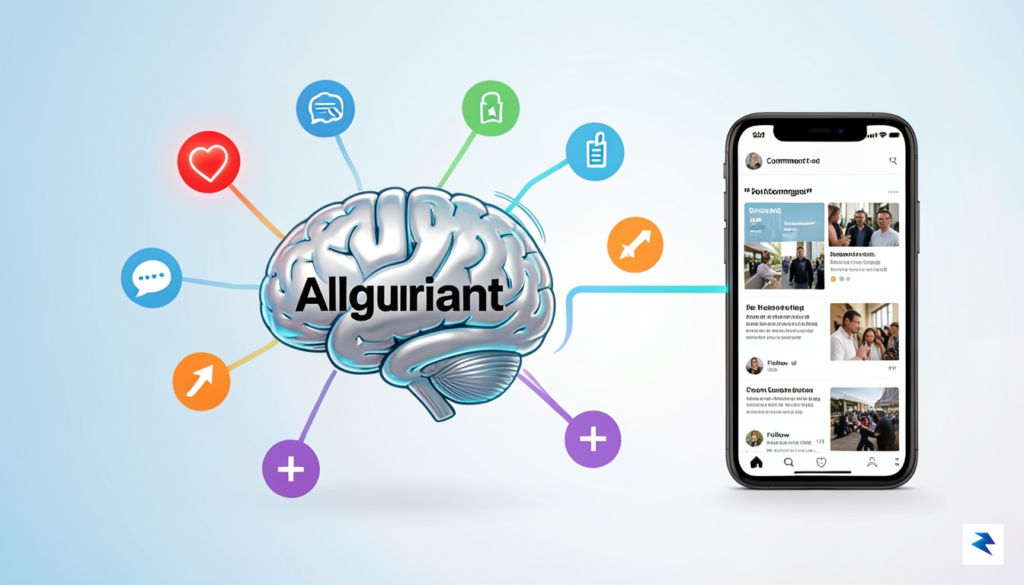
Secondly, “Timeliness” plays a significant role in content distribution. While the feed is no longer strictly chronological, newer posts generally receive a boost in visibility. The algorithm recognizes that users often prefer fresh content, so it endeavors to show you the most recent and relevant updates from the accounts you care about. This doesn’t mean older content is entirely discarded, but rather that recency is one of many factors influencing a post’s initial reach and potential for discovery.
Finally, the “Relationship” pillar emphasizes the accounts you frequently interact with. If you consistently like, comment on, or send direct messages to a particular friend or creator, the algorithm interprets this as a strong bond and prioritizes showing you their content. This signal extends beyond direct interactions; simply viewing someone’s profile frequently or being tagged in photos with them can also strengthen this perceived relationship, ensuring you don’t miss updates from your closest connections and most valued accounts.
Beyond these explicit signals, the algorithm also pays close attention to more subtle, “hidden” cues, such as “dwell time.” This refers to how long you pause to look at a post before scrolling past. If you spend several seconds gazing at an image or watching a video, even without liking or commenting, the system registers this as a strong indicator of interest. Similarly, the likelihood of you clicking on an account’s profile, visiting their website, or even simply tapping to expand a caption all feed into the intricate web of data points that shape your experience. This nuanced understanding of user behavior is critical for delivering a truly personalized feed that feels intuitive and engaging.
Underpinning this entire system is sophisticated machine learning. Artificial intelligence processes billions of data points daily, identifying patterns and making real-time adjustments to your feed. It learns from every tap, every scroll, and every interaction, constantly refining its understanding of your preferences. This allows Instagram not only to filter content but also to proactively surface new accounts or explore topics it believes you’ll enjoy, creating a dynamic and ever-evolving content stream. Understanding these fundamental mechanics is the first step toward effectively leveraging any new customization tools Instagram introduces, giving you greater agency over your digital consumption.
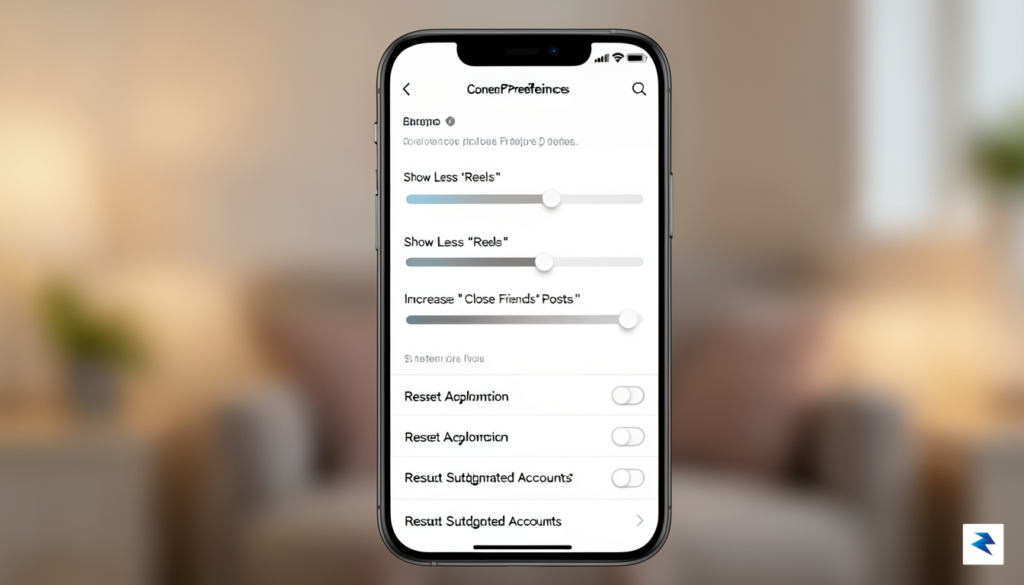
The core of this anticipated update revolves around a fundamental shift in how the platform interprets user intent. Instead of relying solely on passive engagement metrics—such as how long you hover over a video or which accounts you have previously liked—Instagram is introducing proactive granular controls. Among the most significant additions is the implementation of interest-based filtering, which acts as a manual override for the automated curation engine. By allowing users to explicitly select categories or themes that they want to see more of, the platform is effectively inviting the audience to co-author their discovery experience rather than remaining a captive recipient of algorithmic choices.
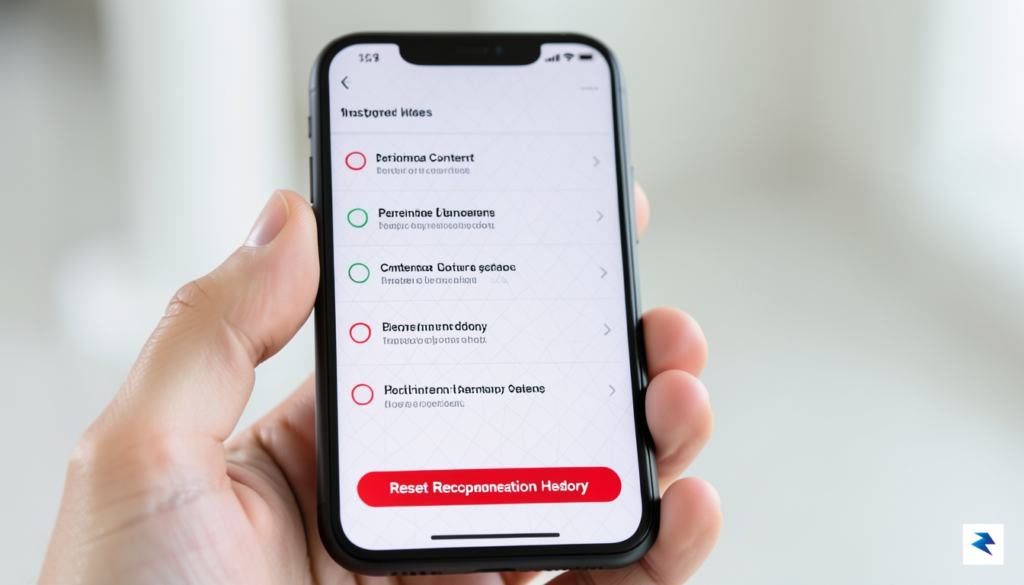
Beyond simple preference selection, the most radical feature currently in testing is the ability to completely reset your recommendation history. For years, users have felt trapped in “content loops” where a single accidental click could skew their entire discovery page for weeks. This new “hard reset” functionality clears the slate, purging the data points the platform has collected about your past behaviors. By restoring the discovery engine to its default state, you gain the rare opportunity to train the system from scratch, ensuring that your digital experience reflects your current interests rather than your past curiosities.
The introduction of a ‘reset’ feature suggests that the platform acknowledges the frustration of algorithmic drift, providing a necessary escape hatch for users who feel their experience has become stale or misaligned.
Furthermore, the interface updates include nuanced content sensitivity toggles that provide a higher degree of control over the types of media permitted in your discovery flow. Rather than a binary choice between seeing everything or nothing, these tools allow for a more nuanced approach to content moderation. Users can now adjust their comfort levels for specific topics, effectively building a custom filter that sits between their personal preferences and the global content stream. This evolution signifies a move toward a more transparent relationship between the platform and the user, where the mechanics of recommendation are no longer opaque, but accessible and adjustable at a moment’s notice.
Ultimately, these tools aim to solve the persistent issue of “algorithmic fatigue” that many high-frequency users experience. By decentralizing the power to influence what appears on screen, Instagram is acknowledging that the most accurate predictor of user satisfaction isn’t just past data—it is the active, conscious input of the user themselves. As these features continue to roll out, the responsibility shifts slightly back to the individual, who can now actively steer their digital journey rather than simply reacting to whatever the system decides is appropriate for them.

The relentless stream of content delivered by social media algorithms has, for many, become a source of exhaustion rather than engagement. This phenomenon, often termed ‘algorithmic fatigue,’ arises from a feeling of powerlessness over what appears in one’s personalized content stream, leading to a sense of being perpetually overwhelmed or even manipulated. Instagram’s exploration into offering more granular control over its content selection mechanism represents a crucial pivot, not merely a minor feature update. By empowering individuals to fine-tune their experience, the platform is likely aiming to counteract this growing fatigue, reduce user churn, and ultimately enhance the perceived ‘quality’ of time spent within the application.
One of the most profound benefits of increased user agency is the potential for improved mental well-being through curated discovery. Rather than passively consuming whatever the algorithm dictates, users can actively shape their exposure, moving away from the anxiety-inducing cycle of comparison or doomscrolling. Imagine a scenario where you can prioritize uplifting content, educational posts, or updates from specific interests, effectively creating a more positive and intentional browsing environment. This shift from an all-encompassing, often unpredictable feed to a thoughtfully customized one can significantly reduce digital stress, foster a greater sense of control, and allow individuals to engage with content that genuinely enriches their daily lives, rather than merely consuming their attention.
Beyond individual mental health, enhanced control over content delivery also holds significant promise for dismantling the pervasive problem of echo chambers. Current algorithmic designs often inadvertently reinforce existing beliefs and preferences, creating insular digital spaces where diverse perspectives struggle to penetrate. When users are given tools to actively diversify their content exposure—perhaps by intentionally seeking out different viewpoints or adjusting the prominence of certain topics—they can break free from these informational silos. This deliberate exposure to a broader spectrum of ideas and opinions is vital for fostering more nuanced understanding, encouraging critical thinking, and ultimately contributing to a healthier, more inclusive online discourse that transcends the usual divisions.
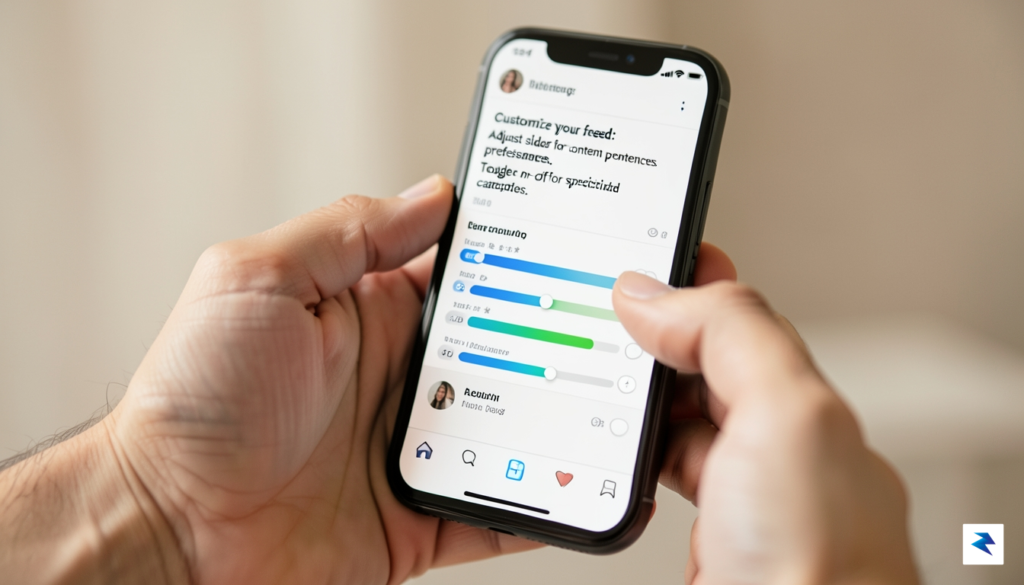
Ultimately, granting users greater command over their personalized content stream translates directly into higher user satisfaction and, consequently, long-term retention. When people feel that their preferences are respected and that they have a genuine say in their digital experience, their loyalty to the platform naturally strengthens. This isn’t just about keeping users logged in longer; it’s about ensuring the time they spend is meaningful and valuable. A platform that prioritizes user agency over pure engagement metrics cultivates a community of more engaged, happier individuals who are less likely to seek alternatives. This strategic move by Instagram suggests a recognition that a truly thriving social media environment is built on trust, empowerment, and a genuine commitment to the user’s overall experience, not just their fleeting attention.

For years, the professional creative and marketing communities have been obsessed with the elusive pursuit of “hacking” the system to maximize reach. However, as Instagram moves toward granting users more granular control over their personalized content experiences, the era of relying solely on viral trends or algorithmic loopholes is rapidly coming to an end. When users are empowered to manually reset or filter their content preferences, the reach of generic or overly optimized content will likely decline. Instead of focusing on vanity metrics that prioritize broad appeal, creators and businesses must now pivot toward cultivating deeply loyal, authentic communities. In this new landscape, visibility will no longer be a product of satisfying a hidden mathematical formula, but rather a direct result of fostering genuine resonance with a specific, interested audience.

The shift toward user-controlled content discovery introduces a significant challenge for brands that have historically relied on broad-spectrum targeting. If a user chooses to filter out specific topics or reset their discovery preferences, the traditional “spray and pray” approach to social media advertising will inevitably lose its efficacy. Discoverability will become more intentional; users will essentially curate their own digital environments, meaning that brands must ensure their content is not just attention-grabbing, but inherently valuable enough to be intentionally sought out. This transparency demands a higher standard of storytelling, as the audience will have the agency to prune their digital space of anything that feels like unwanted noise or irrelevant promotional clutter.
To remain visible in an era of user-controlled discovery, brands must transition from being “content distributors” to becoming “community anchors” who provide consistent, high-value engagement that users actively choose to keep in their digital lives.
To navigate this evolving ecosystem successfully, creators and businesses should consider the following strategic shifts:
Ultimately, the move toward transparency is a positive development for those who are willing to adapt. While it may reduce the potential for accidental viral fame, it increases the stability and quality of the relationships formed with a target audience. By moving away from the anxiety of “beating” the system and toward the practice of delivering consistent, human-centric value, creators can secure their relevance regardless of how many controls the platform places in the hands of the end-user. In the long run, the most successful accounts will be those that users consciously decide to keep, rather than those that simply happen to appear.

The shifting paradigm of social media consumption marks a departure from the passive, black-box experiences we have endured for years. As Instagram introduces more granular controls, the responsibility shifts from the platform’s mysterious code to the individual user. For the casual scroller, this means proactively engaging with the “Not Interested” buttons and content reset tools to scrub away years of accumulated, irrelevant data. For power-users and creators, the strategy must evolve from simply chasing trends to intentionally curating a digital environment that aligns with specific professional or personal goals. By treating your interaction history as a living dataset rather than a static record, you can essentially train the software to prioritize substance over clickbait.
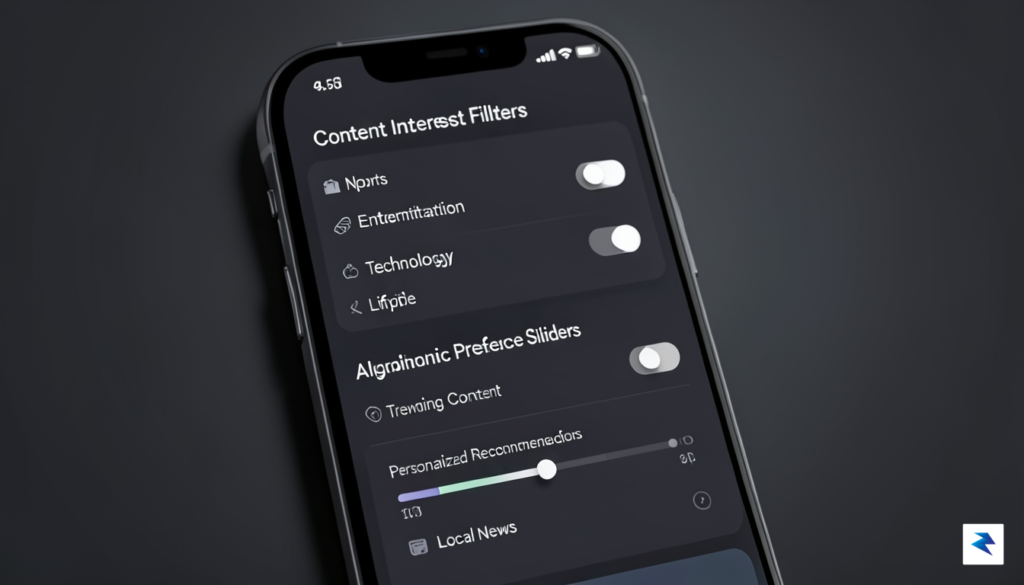
True agency in the digital age is not found by escaping the algorithm, but by actively participating in its calibration.
To truly optimize your digital footprint, start by auditing your current engagement patterns. Take a moment to prune the accounts you follow that no longer provide value, as your follow list remains the strongest signal for what the system serves you. Beyond that, embrace the new customization tools as a feedback loop; if you find yourself falling into a rabbit hole of repetitive or draining content, use the platform’s reset features to clear your interest profile. This manual intervention is the most effective way to break free from echo chambers and ensure that your time spent online remains intentional rather than reactionary. It is about striking a necessary balance between the convenience of AI-driven discovery and the critical importance of human autonomy.
Looking ahead, these updates signal a broader, much-needed shift toward radical transparency in how tech giants operate. While we are currently in the early stages of this transition, the expectation for platforms to be open about their ranking signals is only going to grow. As users demand more sovereignty over their attention, we can anticipate a future where the wall between user preference and algorithmic output becomes increasingly porous. This evolution suggests that we are moving toward an era where the software works for the user, rather than the user serving as a data point for the platform. By staying informed and utilizing these evolving features, you position yourself to thrive in an environment where you finally have the power to define your own digital reality.
You must be logged in to post a comment.