
Margaret Atwood on AI: Why ‘Garbage In, Garbage Out’ Should Worry Us
The Literary Perspective on Machine Intelligence When Margaret Atwood speaks, the literary world listens, not merely because of her mastery of…
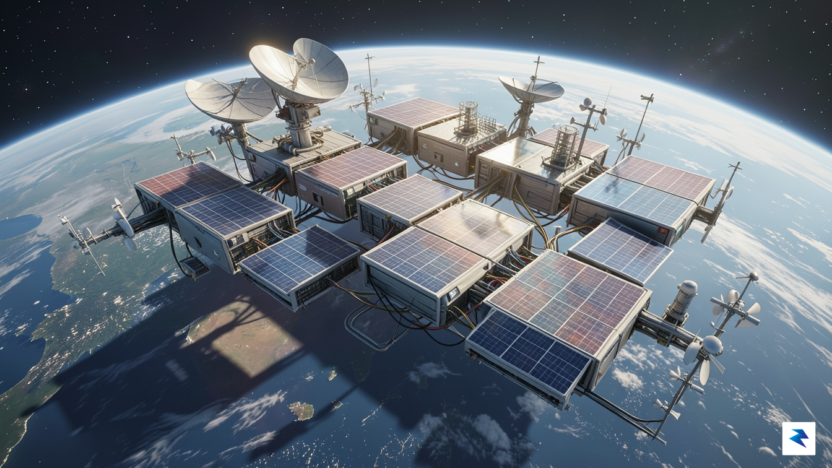
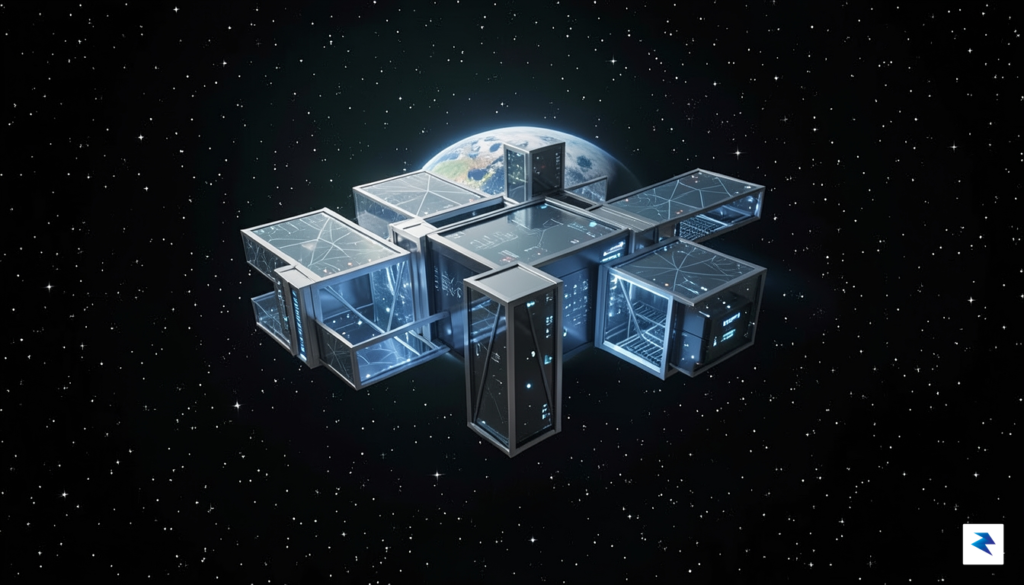
The concept of migrating massive data processing centers from the surface of the Earth to the vacuum of low-Earth orbit (LEO) has long been the stuff of science fiction, yet Elon Musk has recently brought the idea into the realm of serious public discourse. By leveraging the rapidly falling launch costs of SpaceX’s Starship and the promise of near-instantaneous global connectivity, the vision suggests a world where massive server farms orbit the planet, bypassing the latency issues and geographic limitations inherent in traditional terrestrial infrastructure. Proponents argue that such a shift could democratize data access and provide a robust, decentralized backbone for the next generation of artificial intelligence and high-speed communication networks.
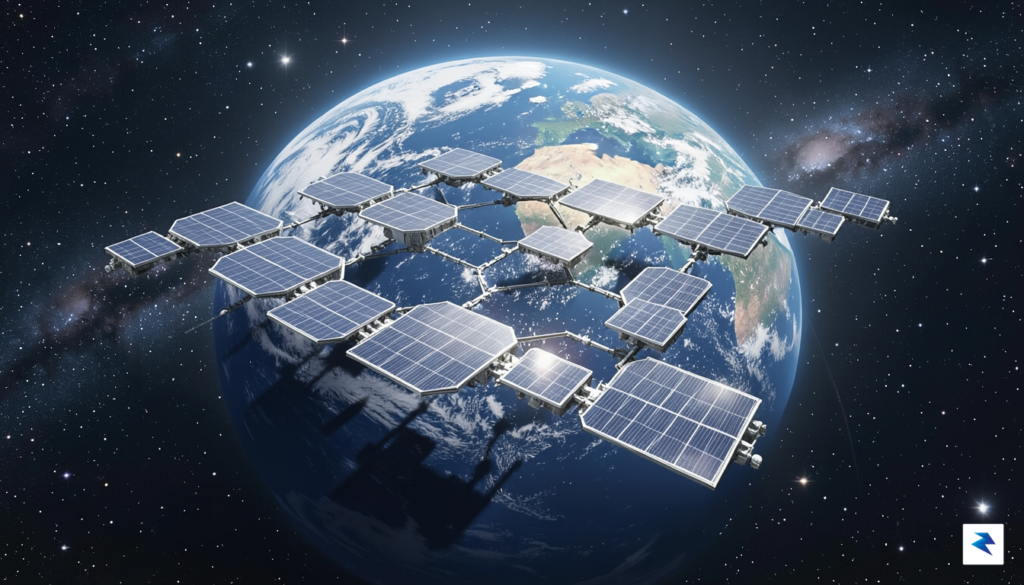
However, this utopian vision is currently meeting a wall of profound skepticism from seasoned industry heavyweights, including leaders at SoftBank. While the allure of “space-computing” is undeniable, the physical reality of maintaining delicate electronic hardware in a radiation-heavy, temperature-volatile, and debris-strewn environment presents an engineering challenge of unprecedented scale. Critics point out that terrestrial data centers benefit from easy physical access for maintenance, reliable power cooling systems, and the ability to scale infrastructure incrementally without the astronomical risk associated with a failed rocket launch. The skepticism isn’t just about whether we can build these systems, but whether the immense economic cost is justified compared to improving existing fiber-optic networks and edge-computing solutions on the ground.
The leap from launching satellites for communication to hosting mission-critical, high-density server clusters in orbit creates a delta of technical risk that currently defies conventional business models.
To evaluate whether this venture is a genuine frontier or merely a high-profile fantasy, one must look past the marketing headlines and address the harsh realities of orbital mechanics and data integrity. Even if the launch costs continue to plummet, the sheer complexity of thermal management—dissipating heat in a vacuum—and the degradation of high-end processors due to cosmic radiation remain significant hurdles that have yet to be addressed at scale. Consequently, the industry is now locked in a debate that balances the ambition of space-age innovation against the pragmatic constraints of physics and economics. As we move forward, it is essential to distinguish between the transformative potential of off-world infrastructure and the practical, often insurmountable, limitations that define our current technological landscape.
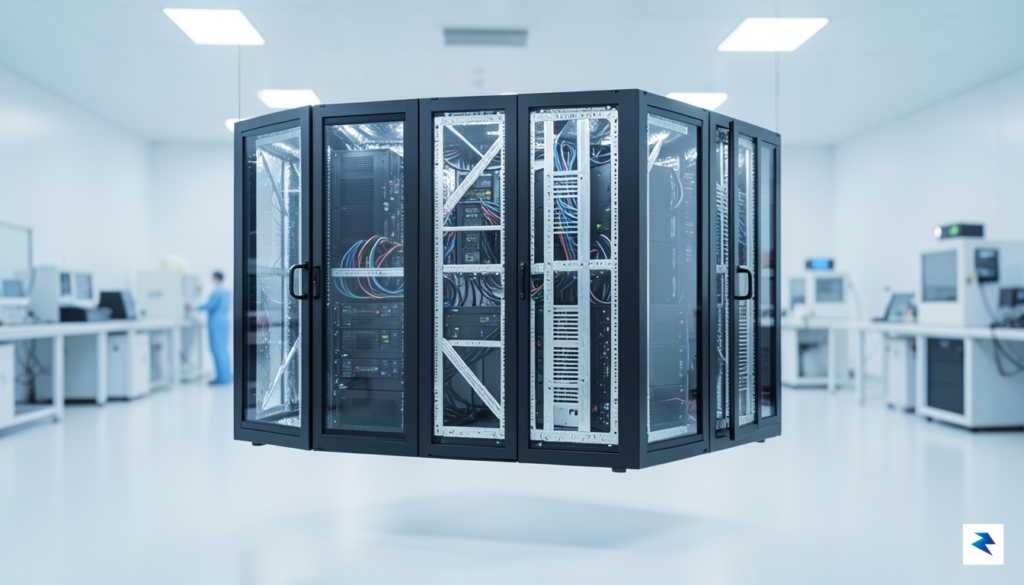
Operating a conventional data center on Earth presents a formidable array of challenges, from managing colossal power consumption and heat dissipation to ensuring robust physical security and network reliability. Yet, the ambition to relocate this intricate infrastructure to the vacuum of space introduces an entirely new dimension of complexity, pushing the boundaries of engineering to their absolute limits. The harsh orbital environment is profoundly unforgiving, making the prospect of high-performance computing in space a monumental undertaking fraught with extreme technical hurdles.
One of the most immediate and critical issues is thermal management. On Earth, data centers rely heavily on convection – air or liquid cooling – to whisk away the immense heat generated by rows of servers. In the vacuum of space, convection is non-existent. Heat can only be dissipated through radiation, a far less efficient process that requires vast radiator panels. Furthermore, spacecraft experience dramatic temperature swings; a satellite can go from hundreds of degrees Celsius in direct sunlight to well below freezing in shadow within minutes. Designing systems that can endure these extremes while maintaining optimal operating temperatures for sensitive electronics demands incredibly sophisticated, often active, thermal control systems involving complex fluid loops, pumps, and cryocoolers, all of which add significant mass, power draw, and points of failure to the system.
Beyond temperature, the space environment bombards electronics with a constant barrage of ionizing radiation. Cosmic rays, solar flares, and particles trapped in Earth’s Van Allen belts can cause everything from “bit flips” – temporary data corruption – to permanent physical damage to microprocessors and memory chips. Terrestrial hardware is simply not designed to withstand these conditions; standard components would quickly degrade or fail. Consequently, any orbital data center would necessitate the use of specialized, radiation-hardened (rad-hard) components. These components are painstakingly designed and manufactured to be resilient to radiation, but they come with significant drawbacks: they are substantially more expensive, typically lag several generations behind commercial off-the-shelf (COTS) performance, and are far less available. Extensive shielding can mitigate some of the radiation, but this adds considerable weight, which directly translates to higher launch costs and reduced payload capacity for computing hardware.
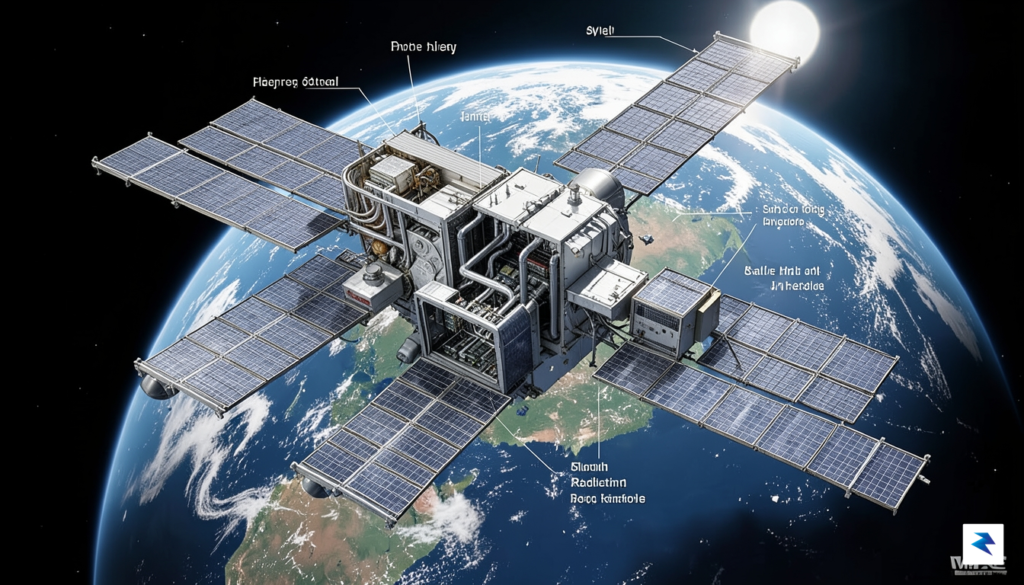
The challenges extend deeply into maintenance and hardware longevity. Unlike terrestrial data centers where technicians can readily swap out a faulty server or perform routine upgrades, human intervention in orbit is exceptionally rare, prohibitively expensive, and incredibly complex, often requiring specialized robotic systems or astronaut missions. This necessitates an unprecedented level of component reliability, redundancy, and autonomous self-repair capabilities. Every single part, from power supplies to networking switches, must be designed for extreme longevity and fault tolerance, far exceeding typical commercial lifespans. The combination of radiation exposure, incessant thermal cycling, and micro-vibrations over years in orbit places immense stress on materials and electronics, further shortening their effective operational life compared to their ground-based counterparts.
In essence, moving a data center to space isn’t just a matter of finding a new location; it’s a complete reimagining of computing infrastructure from the ground up. Terrestrial data centers benefit from a stable atmosphere, readily available cooling, easy access for maintenance, and the ability to leverage mass-produced, high-performance COTS hardware. In contrast, an orbital data center must contend with a vacuum, extreme radiation, inaccessible hardware, and the reliance on bespoke, expensive, and often less powerful rad-hard components. The engineering effort required to bridge this gap, ensuring reliability and performance in such a hostile environment, is truly staggering and represents a leap beyond current conventional space technology.
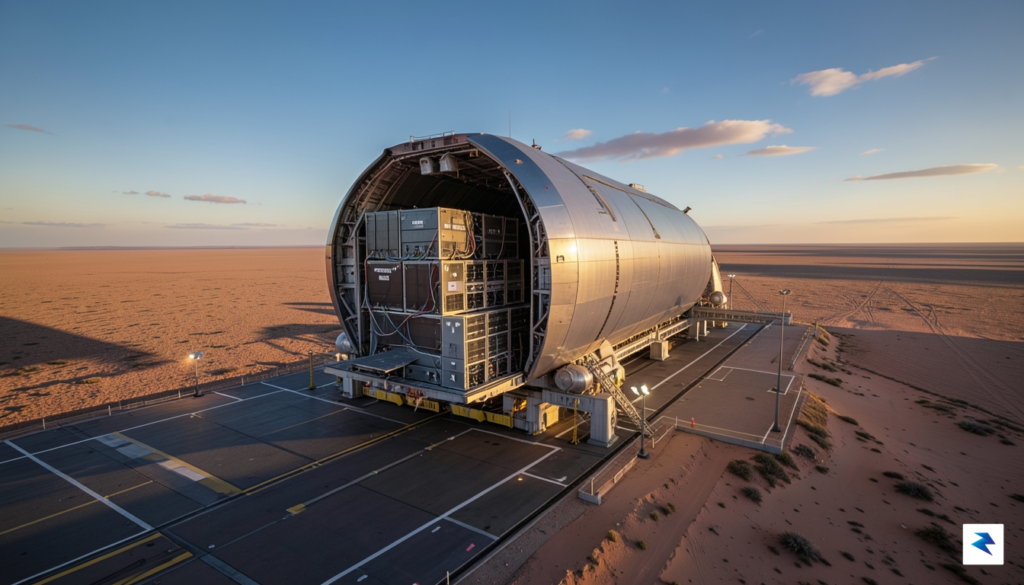
While the prospect of a high-speed data center hovering just above the atmosphere captures the imagination, the cold arithmetic of orbital logistics remains a formidable hurdle. Even with the revolutionary advent of reusable rocket technology, which has significantly lowered the price of space access, launching heavy infrastructure remains an exorbitantly expensive endeavor. Currently, the industry standard for launch costs hovers between $1,500 and $3,000 per kilogram to Low Earth Orbit (LEO). When you consider that a modern enterprise-grade server rack can weigh hundreds of kilograms, the upfront capital expenditure required simply to put the hardware into place—before a single watt of power is consumed or a single byte is processed—is staggering compared to terrestrial alternatives.
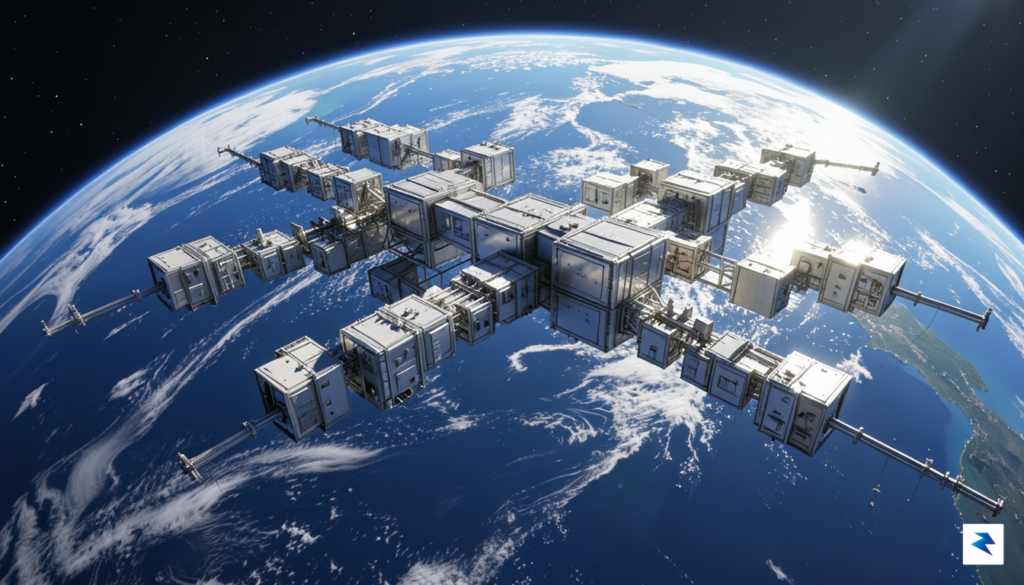
The economic dilemma deepens when one evaluates the lifecycle of space-based hardware. On Earth, data centers are built to last for decades, with modular upgrades occurring every few years to keep pace with Moore’s Law. In orbit, however, hardware is subject to extreme thermal cycling, radiation-induced memory degradation, and the constant threat of micro-meteoroid impacts. Unlike a ground-based facility where a technician can simply swap out a faulty motherboard, an orbital unit is largely inaccessible once launched. This reality necessitates expensive, custom-hardened components that are often generations behind the cutting-edge silicon used in terrestrial data centers, effectively creating a “performance tax” that further diminishes the return on investment.
The core challenge is not just getting the hardware into space, but the lack of an economic “moat” that justifies the astronomical cost of replacing or upgrading equipment in an environment where maintenance is functionally impossible.
Furthermore, proponents often highlight latency benefits, yet these gains are frequently overstated when compared to the vast, high-speed fiber optic networks already spanning our planet. To justify the immense cost per kilogram, an orbital data center would need to offer a value proposition that ground-based infrastructure cannot replicate, such as absolute physical isolation or a specialized strategic advantage. Yet, for the vast majority of commercial applications, the sheer cost of lifting and cooling massive amounts of compute power—without the benefit of liquid cooling or easy grid connectivity—renders the business model fragile at best. Until launch costs plummet to a fraction of their current levels and robotics for in-orbit repair reach maturity, the dream of a space-based server farm remains more of a venture capital experiment than a viable solution for the modern digital economy.
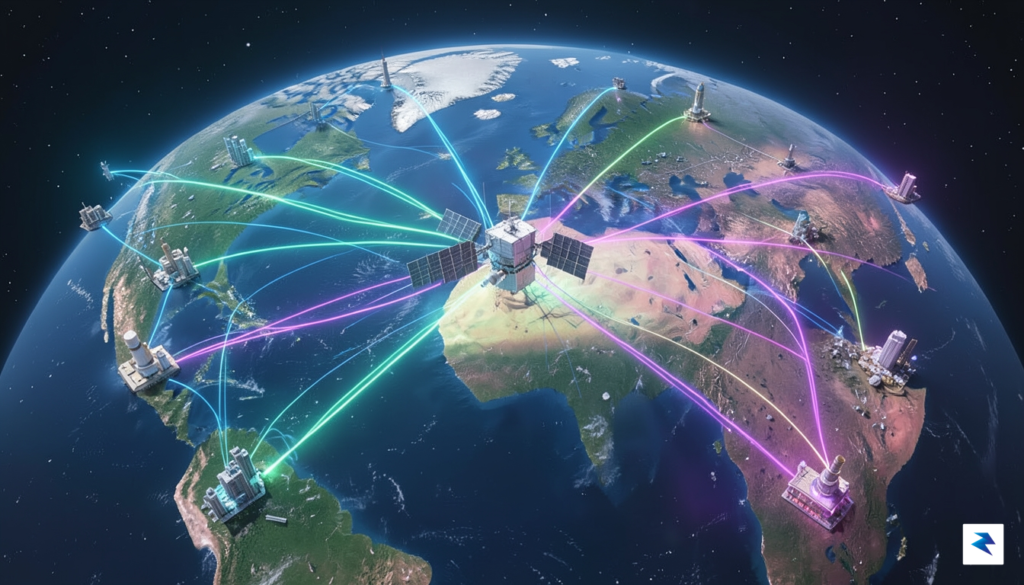
The allure of orbital data centers often hinges on the promise of lightning-fast connectivity, yet this vision frequently collides with the unyielding reality of the speed of light. While vacuum-based space travel for data avoids the refractive slowing that occurs within fiber-optic glass, the sheer physical distance between a Low Earth Orbit (LEO) satellite and a ground-based user remains a significant hurdle. Even when traveling at the universal speed limit, signals must traverse hundreds of kilometers to reach their destination. Consequently, the round-trip time for a data packet is governed by basic geometry and the immutable laws of physics, making it difficult for space-based infrastructure to outperform the highly optimized, direct-path terrestrial fiber networks that already form the backbone of the modern internet.
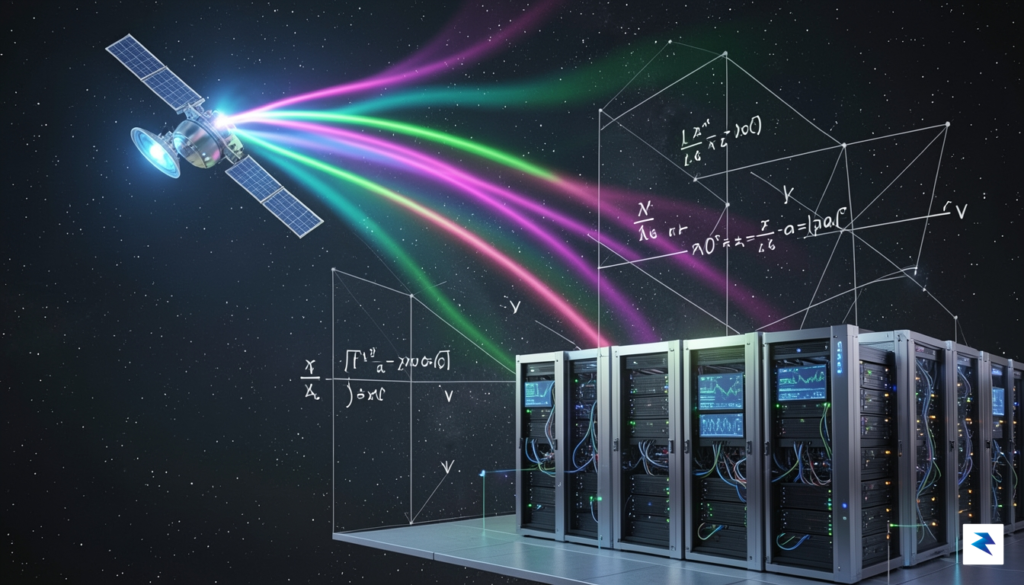
Furthermore, the narrative of “space-speed” often overlooks the bottleneck inherent in ground station hand-offs. A satellite-based data center cannot exist in a vacuum of connectivity; it must constantly communicate with ground stations to bridge the gap to the end user. This transition introduces complex routing overhead, as data must be beamed down, processed by local gateways, and then routed through traditional terrestrial infrastructure. Every time a signal is handed off between orbital nodes and ground-based hardware, latency is introduced. In many high-performance computing scenarios—such as high-frequency trading or real-time gaming—these millisecond delays are not merely inconveniences; they are performance killers that render the orbital alternative less efficient than a stable, local fiber connection.
The physics of networking is less about the speed of light itself and more about the efficiency of the total path taken by a packet. When the distance is fixed, the infrastructure that minimizes switching and routing overhead will always win.
Beyond latency, we must consider the constraints on bandwidth and data throughput. Modern data centers are massive, power-hungry facilities that rely on high-capacity fiber trunks capable of moving terabits of data per second. Space-to-ground laser links, while impressive, are subject to atmospheric interference, weather conditions, and the mechanical precision required to maintain a lock on a moving target. These factors drastically limit the total volume of information that can be transmitted simultaneously. Relying on orbital nodes for intensive compute tasks requires a massive leap in transmission technology to match the sheer physical throughput of buried oceanic fiber-optic cables. Until we can overcome these physical limitations, the idea of moving the “cloud” into the literal clouds—or beyond—remains a fascinating engineering challenge rather than a practical replacement for the robust terrestrial systems we rely on today.

To determine if the vision of orbital data centers is a genuine industrial evolution or merely a billionaire’s vanity project, one must scrutinize the specific problems such a platform is designed to solve. Currently, terrestrial data centers benefit from massive economies of scale, fiber-optic speeds that are difficult to replicate via satellite links, and the convenience of being accessible for physical maintenance. For a space-based facility to be viable, it must offer a value proposition that terrestrial infrastructure cannot match, such as extreme physical security or the ability to process data at the very edge of remote, disconnected operations. While the prospect of processing data in zero gravity sounds revolutionary, the sheer cost of launching hardware into orbit creates a high barrier to entry that necessitates a very specific, high-paying clientele.
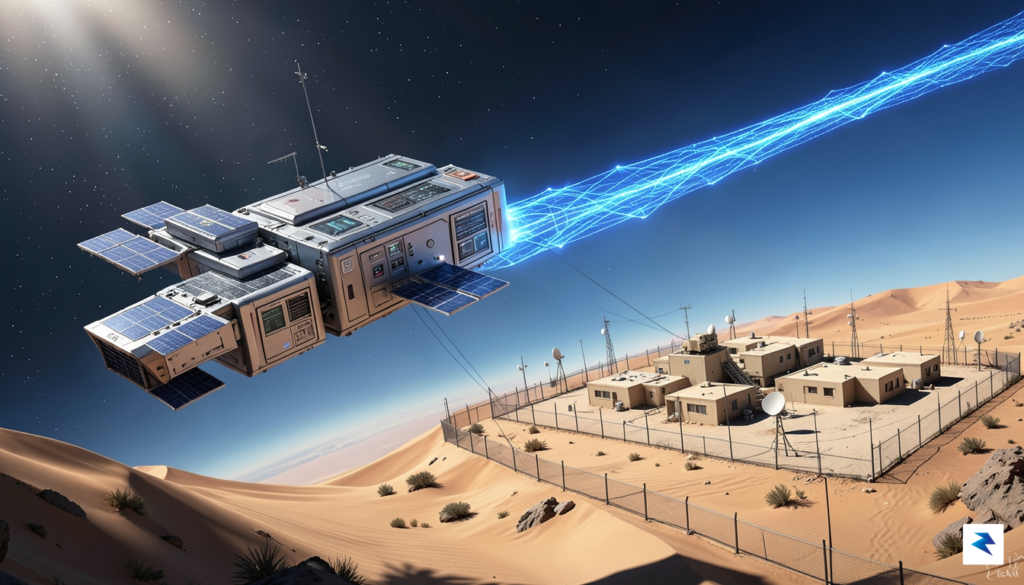
Military and intelligence applications are often cited as the most probable early adopters, particularly for scenarios where terrestrial infrastructure is nonexistent, compromised, or geographically impractical. In theaters of operation where ground-based servers might be vulnerable to physical interference or electronic warfare, a hardened, orbital asset could offer a secure, autonomous processing hub that remains operational regardless of the chaos on the ground. However, even within these niche sectors, the latency constraints of satellite-to-ground communication remain a significant hurdle. If data must be beamed back and forth to Earth for user access, the speed of light—and the limitations of current atmospheric transmission—may ultimately render orbital processing slower than a localized, terrestrial edge-computing cluster.
The true test of orbital computing is not whether we can launch servers into the stars, but whether the latency and bandwidth limitations of space-based relays can justify the astronomical cost of deployment compared to existing cloud providers.
Furthermore, enterprise customers must weigh the exorbitant risk-to-reward ratio inherent in space-based infrastructure. A server failure on Earth is a minor maintenance issue that can be resolved in minutes; a hardware malfunction in orbit is a permanent, multi-million-dollar loss that cannot be repaired by a technician with a screwdriver. For the average corporation, the reliability and near-infinite scalability of providers like AWS, Microsoft Azure, or Google Cloud offer a level of safety and performance that orbital alternatives struggle to match. Unless there is a breakthrough in autonomous self-repair technology or a specific, mandatory requirement for low-latency processing in locations where Earth-based infrastructure is physically impossible to deploy, the orbital data center may remain a fascinating technical experiment rather than a cornerstone of the global digital economy.

The vision of establishing data centers in orbit is undeniably captivating, representing a bold leap into the next frontier of digital infrastructure. Yet, as we weigh the arguments presented by industry leaders and technical analysts alike, it becomes clear that the current gap between speculative ambition and practical execution remains significant. While the theoretical benefits of cooling efficiency and global latency reduction are enticing, the engineering hurdles—ranging from radiation shielding to the immense costs of orbital maintenance—are equally formidable. At this stage, the concept exists more as a high-stakes thought experiment than a viable roadmap for current enterprise deployment.
Moving forward, the viability of this technology will hinge entirely on rigorous, empirical engineering trials rather than the allure of billionaire-backed rhetoric. We must see more than just conceptual renderings; we need concrete data regarding how hardware handles the harsh, vacuum-sealed environment of low Earth orbit over extended periods. Without successful prototypes that can survive the constant threat of micrometeoroids, extreme thermal cycling, and cosmic radiation, the dream of an orbital cloud remains tethered to the drawing board. It is essential that investors and stakeholders look past the hype and demand proof-of-concept projects that address these fundamental physical limitations before committing significant capital to the endeavor.
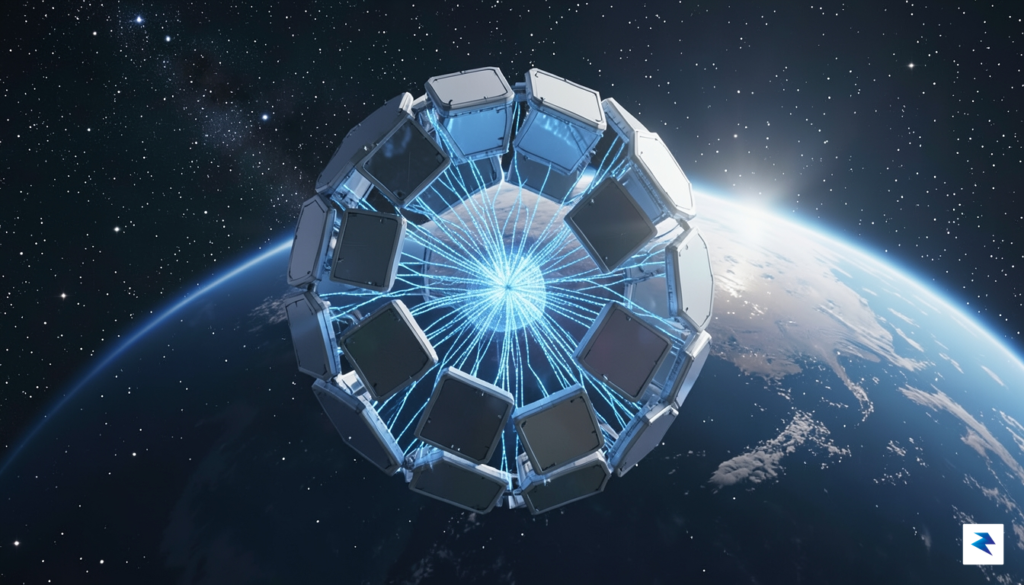
Ultimately, the true value of this dialogue may not lie in the immediate success of orbital computing, but in how it accelerates our mastery of space-based logistics and sustainable engineering.
Despite the warranted skepticism, the ongoing conversation serves a productive purpose by pushing the boundaries of what we consider possible in modern infrastructure. Even if orbital data centers do not become the backbone of our digital lives in the next decade, the innovations required to sustain them—such as advanced autonomous repair robotics and improved satellite power management—will undoubtedly benefit the broader aerospace industry. Whether this concept eventually matures into a standard practice or remains a niche, costly experiment, the act of questioning the status quo is what drives progress. We are currently in the phase of discovery where big ideas serve to test the limits of our current technology, ensuring that when the time is right, we are prepared to build beyond the atmosphere.
You must be logged in to post a comment.