The Strategic Importance of the Strait of Hormuz
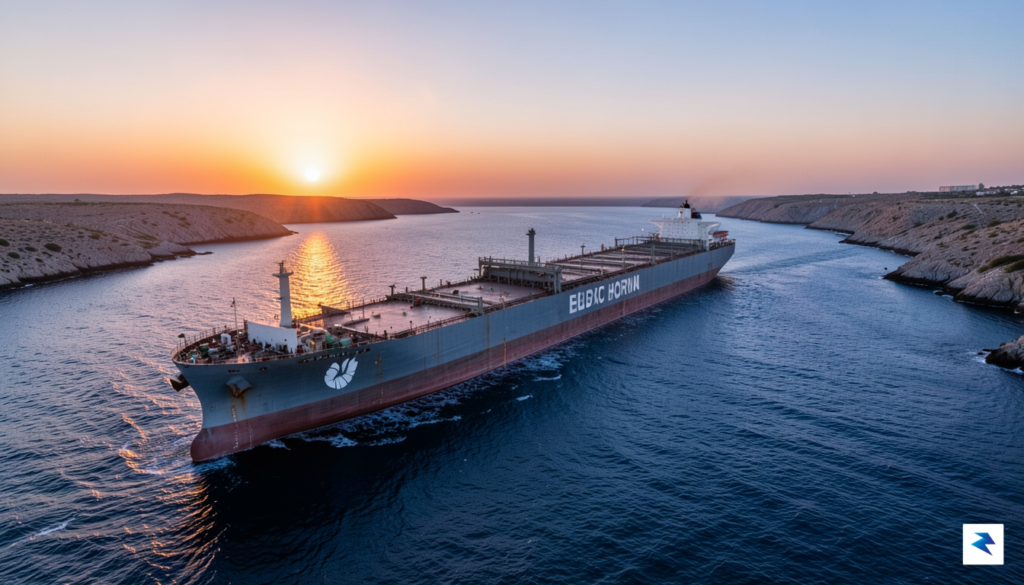
The Strait of Hormuz functions as the literal jugular vein of the global energy market, a narrow maritime passage that connects the Persian Gulf to the Gulf of Oman and the broader Arabian Sea. At its narrowest point, the shipping lane is only two miles wide in either direction, forcing massive oil tankers and liquid natural gas (LNG) carriers to navigate through a tightly constrained corridor. Because such a staggering volume of the world’s daily energy supply must funnel through this precise geographic bottleneck, any disruption here sends immediate, cascading shockwaves through financial markets and international trade networks.
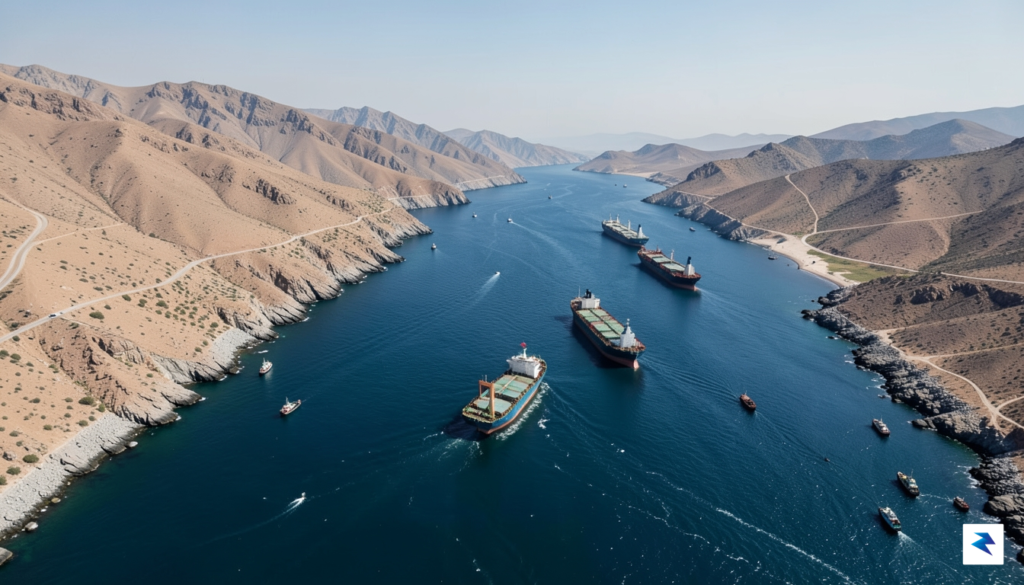
To understand the sheer magnitude of this artery, one must look at the data: approximately 20% to 30% of total global petroleum consumption passes through these waters every single day. This throughput represents millions of barrels of crude oil and massive quantities of LNG, serving as the primary source of fuel for major economies across Asia, Europe, and North America. Nations like Japan, South Korea, and India are particularly vulnerable, as they rely heavily on Middle Eastern energy exports that have no viable alternative transit route. If traffic through the Strait were to be significantly impeded or halted, there is no logistical infrastructure currently in place that could absorb that volume, leading to inevitable spikes in global fuel prices and potential energy shortages.
The Strait of Hormuz is not merely a regional waterway; it is a fundamental pillar of global economic stability. When geopolitical tensions threaten the freedom of navigation in this corridor, the entire world feels the economic pressure at the pump and within industrial supply chains.
The strategic vulnerability of the Strait is further compounded by its proximity to regional powers that have historically used the waterway as a geopolitical lever. Because the passage is flanked by Iran to the north and Oman to the south, the shipping lanes remain perpetually susceptible to military posturing, maritime security threats, and the risk of accidental escalation. For commercial shipping companies, the decision to pull back or divert vessels is a calculated response to the reality that the narrowness of the channel offers little room for error. When the risk of strikes or seizures increases, the insurance premiums for these vessels skyrocket, and the global reliance on this singular, constrained route becomes a glaring liability for international trade security.
Understanding the Volatility: The Recent Surge in Maritime Risks
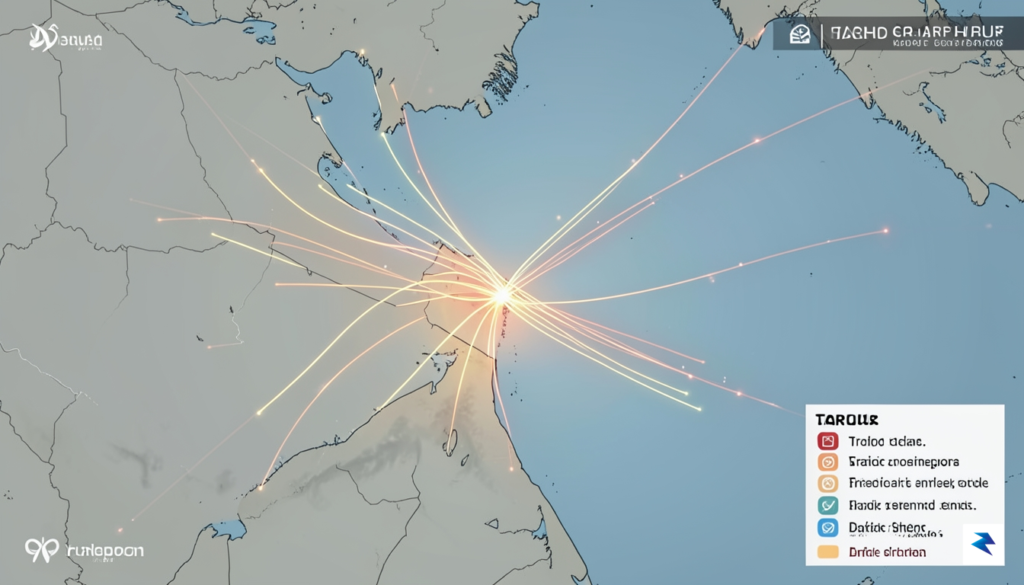
The delicate balance of maritime trade in critical waterways has been significantly disrupted following a recent escalation in geopolitical tensions. What was already a region prone to sporadic incidents has now entered a more precarious phase, marked by direct exchanges of strikes between Iranian and U.S. forces. This heightened state of alert has sent ripples throughout the global shipping industry, compelling a rapid and fundamental re-evaluation of risk profiles for vessels transiting vital chokepoints, particularly those in and around the Strait of Hormuz and the broader Persian Gulf.
In the past few days, a series of targeted actions and retaliatory responses have demonstrably ratcheted up the danger. From reports of drone attacks on key infrastructure to defensive measures deployed by naval assets, the operational environment has become exceptionally fluid and unpredictable. Each strike, regardless of its intended target, introduces a new layer of uncertainty for commercial vessels, transforming routine passages into potential hazards. This immediate and observable increase in kinetic activity is the primary catalyst prompting shipping lines and their associated industries to reconsider their presence in these volatile waters.
The Soaring Cost of Security: War Risk Insurance Premiums
Perhaps the most immediate and tangible impact of this surge in volatility is reflected in the skyrocketing costs of maritime insurance, specifically War Risk Insurance. This specialized coverage, essential for vessels operating in designated high-risk areas, is now experiencing exponential premium increases. Insurers, faced with an elevated probability of claims due to potential attacks, seizures, or collateral damage, have swiftly adjusted their rates upwards, sometimes by several hundred percent within a matter of hours. For shipping companies, these prohibitive costs can quickly render voyages economically unviable, forcing them to either absorb massive financial burdens or seek alternative, often longer and more expensive, routes.
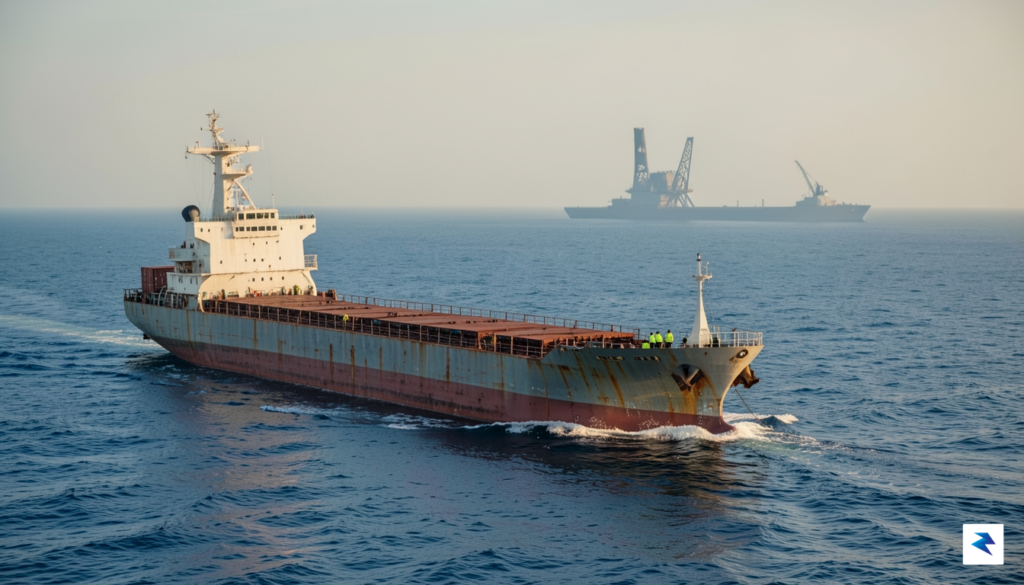
The recalculation isn’t just about the statistical likelihood of an incident; it’s about the severity of potential losses. A single strike on a commercial vessel, whether accidental or intentional, could result in catastrophic financial damages, environmental disasters, and significant loss of life. Therefore, insurers are not merely pricing in risk but are also factoring in the potential for devastating outcomes, leading to a profound impact on the operational economics of maritime transport. This financial pressure alone is a powerful deterrent, compelling many operators to divert or postpone sailings.
The Human Element: Captains, Crew, and the Fear of the Unknown
Beyond the financial calculus, lies the profound human cost and psychological toll on those who work at sea. Ship captains and their crews are highly trained professionals, but they are also individuals with families and a desire for safety. Navigating a vessel through a declared war risk zone, where the threat of missile strikes, drone attacks, or even piracy disguised under the cloak of conflict is ever-present, profoundly impacts morale and decision-making. The fear of being caught in the crossfire, or of suffering injury or death, becomes a very real and pressing concern, directly influencing their willingness to undertake such journeys.
This palpable sense of danger directly influences navigation decisions. Captains, prioritizing the safety of their crew and cargo, are increasingly wary of entering areas deemed high-risk. This reluctance translates into longer transit times as ships opt for safer, albeit circuitous, routes to avoid flashpoints. Even if insurance is secured, the moral obligation to protect human life often overrides purely economic considerations. The psychological burden of operating under constant threat is immense, leading to stress, fatigue, and a reduced capacity for optimal performance, further justifying the decision to pull back from the most volatile regions.
Collateral Damage and Strategic Avoidance
The recent exchange of strikes has not only raised the specter of direct targeting but also significantly amplified concerns about collateral damage. A missile or drone strike intended for a military target could easily miss its mark or have a wider blast radius, inadvertently impacting nearby commercial vessels. This fear of becoming an unintended victim in a larger conflict is a major driver behind the observed decline in shipping volume. Vessel operators are no longer just avoiding specific military installations or known patrol routes; they are increasingly shunning entire swaths of the sea that are perceived to be within the potential impact zone of ongoing hostilities.
Consequently, navigation decisions are now heavily influenced by real-time intelligence and threat assessments, leading to dynamic changes in established shipping lanes. This often means longer journeys, increased fuel consumption, and delays, all of which contribute to higher operational costs and disruptions to global supply chains. The uncertainty itself becomes a risk factor, as the lack of clear, consistent safe passages forces a cautious, wait-and-see approach that ultimately slows down the flow of goods through these critical maritime arteries.
Economic Implications: How Shipping Traffic Drops Impact Global Markets

Modern global commerce relies heavily on the “just-in-time” supply chain model, a lean strategy designed to minimize inventory costs by ensuring components and goods arrive exactly when they are needed for production or retail sale. When geopolitical volatility in the Strait of Hormuz forces major shipping lines to pull back or pause transit, this finely tuned ecosystem faces immediate disruption. The sudden absence of reliable vessel throughput creates massive bottlenecks at major ports, stalling the movement of everything from industrial raw materials to consumer electronics. Because these supply chains lack significant buffers, even a short-term reduction in capacity creates a domino effect that can lead to factory shutdowns and empty store shelves thousands of miles away from the conflict zone.
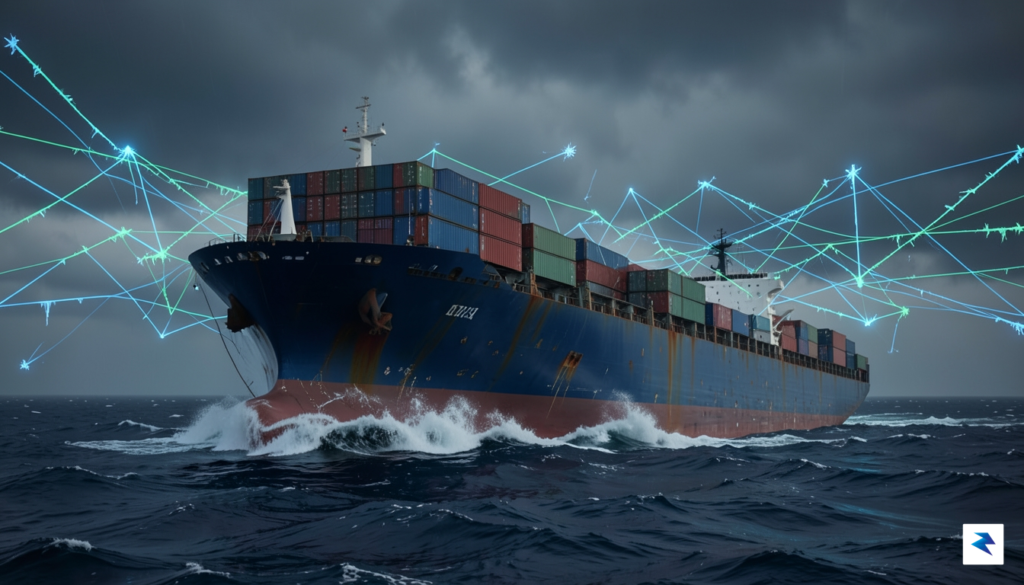
The economic fallout is compounded by the necessity of rerouting vessels through significantly longer, more expensive paths, such as the journey around the Cape of Good Hope. Avoiding the Strait of Hormuz adds thousands of nautical miles to a voyage, which translates into substantially higher fuel consumption, increased crew wages, and expanded insurance premiums for high-risk maritime zones. These operational expenses do not simply vanish; they are inevitably passed down the value chain. As freight rates surge, the cost of importing goods rises, creating a direct pathway to inflationary pressure that impacts the purchasing power of the average consumer. When shipping companies are forced to prioritize higher-margin cargo due to limited vessel availability, the scarcity of lower-value goods further inflates prices across the broader market.
The redirection of global maritime traffic is not merely a logistical inconvenience; it is a fundamental shift that forces a revaluation of global inflation targets and energy security policies.
Furthermore, the energy sector remains uniquely sensitive to these maritime shifts. Given that a significant portion of the world’s liquefied natural gas and crude oil transits through the Strait of Hormuz, any perception of restricted access triggers volatility in energy markets. Investors and traders react to the uncertainty of future supply, often driving up oil futures even before an actual shortage manifests. This rise in energy costs acts as a “hidden tax” on the global economy, increasing the overhead for manufacturing, transportation, and heating. Ultimately, the decision to pull back ships is a defensive measure for maritime safety, but it carries a heavy price tag that ripples through the global economy, reminding us just how interconnected our financial well-being is with the stability of narrow, strategic waterways.
Navigating Uncertainty: Corporate Responses and Risk Mitigation
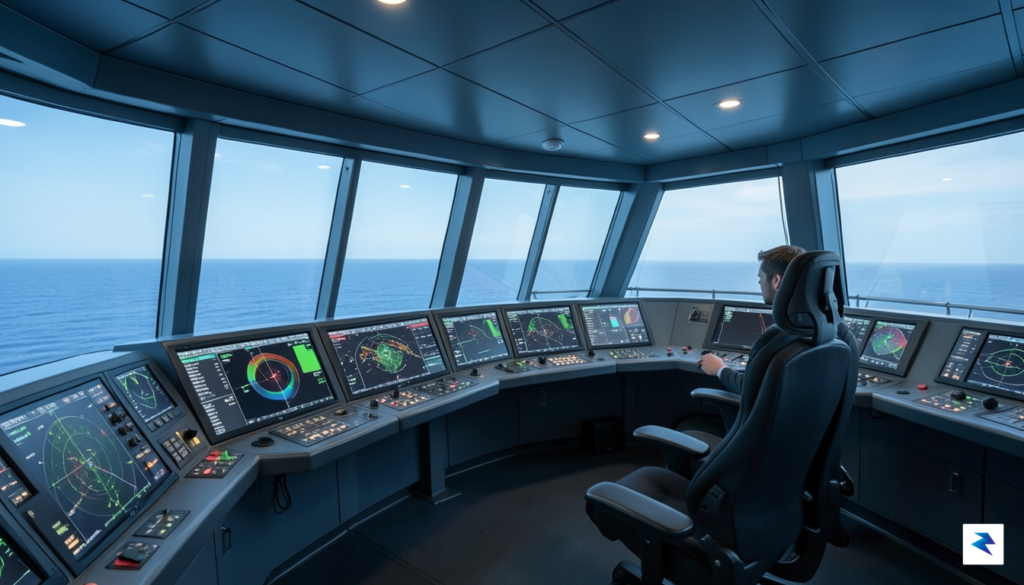
As the maritime landscape becomes increasingly volatile, shipping giants are moving beyond standard protocols to adopt a posture of “active defensive awareness.” This shift involves a sophisticated integration of private security firms that provide specialized risk assessments and on-board protection teams. These experts work around the clock to analyze threat vectors, from drone swarms to state-sponsored boarding tactics, ensuring that crews are prepared for rapid-response maneuvers. By embedding high-level security personnel directly onto vessels, shipping companies are effectively transforming commercial cargo ships into hardened assets capable of maintaining situational awareness in high-threat zones.
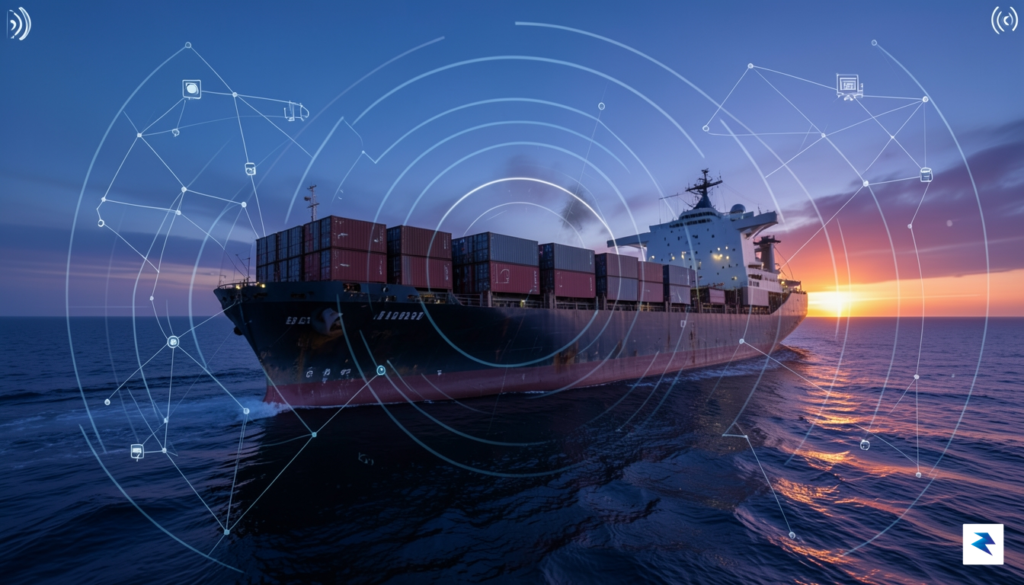
A critical component of this protective strategy involves the nuanced management of Automatic Identification System (AIS) data. While international regulations mandate that vessels broadcast their location for safety and navigation, many operators are now employing “dark transit” protocols—turning off AIS transponders or intermittently broadcasting—when traversing the most dangerous segments of the Strait of Hormuz. This practice, while controversial, serves as a tactical countermeasure to prevent bad actors from tracking specific shipments in real-time. However, this necessitates heightened reliance on satellite imagery and private intelligence networks to ensure that ships can still coordinate safely with international maritime coalitions and naval escorts that patrol the region.
“The modern maritime supply chain is no longer just about logistics; it is a high-stakes game of intelligence and evasion where information security is just as vital as physical armor.”
Communication strategies have also undergone a dramatic transformation, with firms establishing direct, encrypted “hotlines” between vessel captains and global operations centers. During high-risk transits, these centers provide continuous updates, synthesizing data from naval coalitions to advise ships on specific corridors to avoid or when to increase speed. Furthermore, the reliance on international security coalitions—such as those operating under the banner of combined task forces—has become the backbone of stability in the region. By synchronizing their schedules with these naval patrols, commercial entities can benefit from a “convoy effect,” where the presence of warships acts as a powerful deterrent against harassment, allowing global trade to flow despite the looming shadow of geopolitical strikes. This multi-layered approach ensures that while the seas remain unpredictable, the private sector remains one step ahead, prioritizing the safety of its personnel and the integrity of the global supply chain.
The Geopolitical Outlook: Diplomatic and Strategic Consequences

The heightened tensions in the Strait of Hormuz, compelling ships to reroute or delay, cast a long shadow over the future of international relations and energy security. Beyond the immediate commercial disruptions, the world watches for the long-term geopolitical fallout, particularly regarding the potential for international mediation. Global powers and organizations, acutely aware of the Strait’s critical role in world trade and energy supply, are under increasing pressure to facilitate dialogue and de-escalation. The challenge lies in navigating the complex web of historical grievances, regional rivalries, and national security imperatives that fuel the current standoff, making a clear path to resolution elusive but essential for global stability.
Crucially, the strategic posture of neighboring Gulf states is a significant determinant of the region’s long-term stability. Nations like Saudi Arabia, the UAE, Qatar, and Kuwait, all heavily reliant on the Strait for oil and gas exports, find themselves in a delicate balancing act. While seeking to protect their economic lifelines and ensure security, they must also navigate their alliances and rivalries, often caught between the escalating rhetoric of major powers. Their individual and collective responses – whether through strengthening regional security cooperation, quietly pursuing backchannel diplomacy, or diversifying their own strategic options – will profoundly shape the geopolitical landscape for years to come. This intricate dance reflects their deep understanding of the risks involved, knowing that any misstep could have devastating consequences for their economies and populations.
Looking further ahead, the persistent threats to navigation in the Strait are accelerating discussions about the long-term potential for shifting energy infrastructure away from this choke point. While significant investments have already been made in alternative pipelines, such as Saudi Arabia’s East-West Pipeline and the UAE’s Habshan-Fujairah pipeline, which bypass the Strait to varying degrees, their current capacity cannot fully absorb the entirety of global energy traffic. Developing comprehensive new routes or substantially expanding existing ones would require monumental capital investment, extensive time, and complex international cooperation. Nonetheless, the economic imperative to mitigate risk and ensure uninterrupted supply, coupled with the strategic desire for greater energy independence, makes these infrastructure diversification projects increasingly attractive, potentially reshaping global energy maps over the next few decades.
Ultimately, preserving the indispensable principle of freedom of navigation in the Strait of Hormuz hinges on the unwavering commitment to stable and effective diplomatic channels. While military deterrence plays a role in managing immediate threats, it cannot offer a sustainable long-term solution to complex geopolitical challenges. The international community, therefore, must prioritize the establishment of robust communication pathways that allow for open dialogue, mutual understanding, and the peaceful resolution of disputes. Without such dedicated diplomatic efforts, the current maritime crisis risks deepening, not only disrupting global trade and energy markets but also undermining the broader framework of international law and cooperation that underpins global stability.