The Current Reality of Non-Invasive Glucose Monitoring
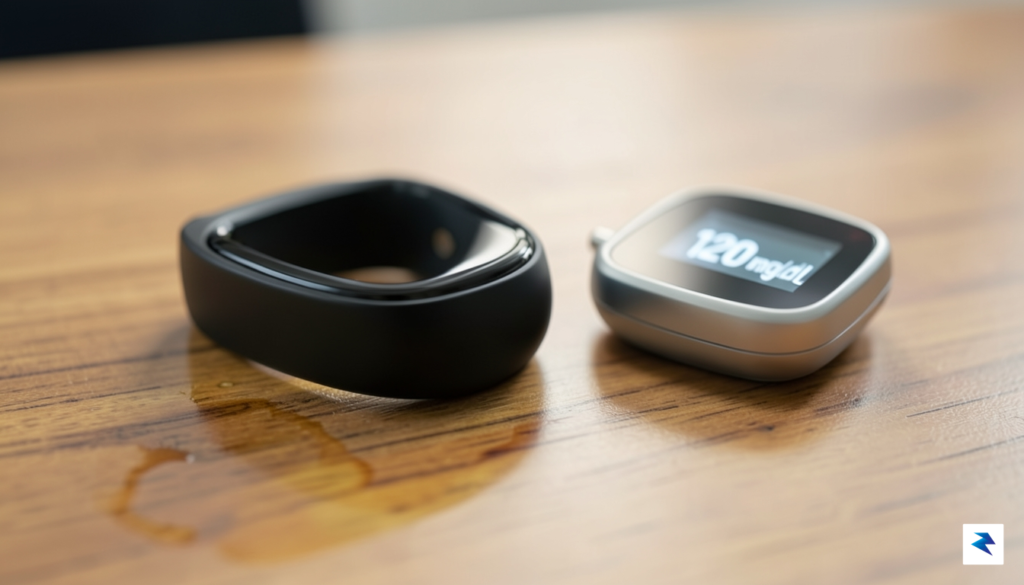
If you have spent any time scouring the internet for the latest health-tracking gadgets, you have likely encountered bold claims regarding smartwatches that promise to measure your blood glucose levels instantly through light-based sensors. It is natural to hope for a world where a simple glance at your wrist replaces the need for finger-prick tests or the application of an adhesive sensor. However, it is vital to approach these marketing claims with a healthy dose of skepticism. As of today, there is no consumer-grade smartwatch on the market—whether from Apple, Samsung, or Google—that possesses the medical-grade hardware required to directly measure your blood glucose levels non-invasively through the skin.
The fundamental challenge lies in the biological complexity of measuring glucose. True, medical-grade devices such as Continuous Glucose Monitors (CGMs) utilize a tiny filament inserted into the interstitial fluid under the skin to provide real-time, accurate data. In contrast, current smartwatches rely on optical sensors that measure light reflection or absorption, which can be easily influenced by external factors like skin tone, ambient temperature, sweat, or even how tightly you wear the watch strap. Because of these variables, the Food and Drug Administration (FDA) has maintained a cautious stance, repeatedly warning consumers that smartwatches claiming to measure glucose without a physical pierce are not cleared for medical decision-making or diabetes management.
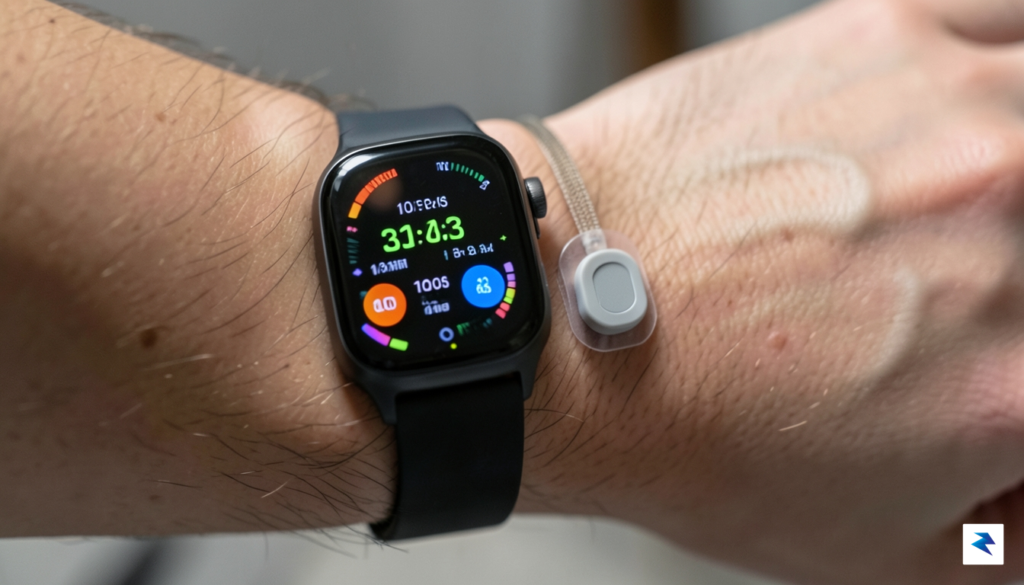
At this stage in the evolution of wearable technology, your smartwatch should be viewed as a powerful companion device rather than a standalone diagnostic tool.
While these devices cannot perform the actual chemistry of glucose monitoring, they excel at acting as a bridge for data integration. If you currently rely on a CGM, your Apple Watch, Galaxy Watch, or Pixel Watch serves an invaluable purpose: it acts as a secondary display. By syncing with apps that pull data from your CGM, these watches allow you to view your current glucose trends, receive low or high alerts, and monitor your time-in-range without needing to pull out a smartphone. This integration is where the true value lies today, transforming your watch into a dashboard for your health data rather than attempting to generate that data from scratch through unproven light-sensor technology.
Managing a condition like diabetes requires absolute precision, and relying on unvalidated, non-invasive “guesstimates” can lead to dangerous clinical errors. Until a technology emerges that has passed rigorous clinical trials and received formal regulatory approval for accuracy, users must treat these devices as fitness trackers, not medical instruments. By understanding these limitations, you can effectively leverage the best features of modern wearables—such as heart rate tracking, activity logging, and third-party app support—while keeping your glucose management safely handled by the proven medical devices currently available to you.
Apple Watch: Ecosystem Integration and CGM Compatibility
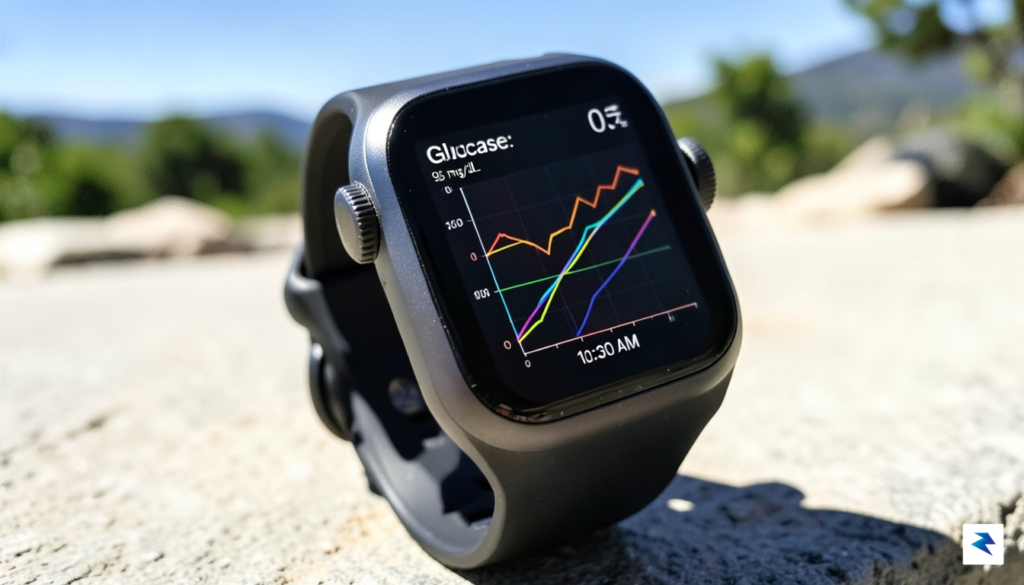
For individuals living with diabetes, the Apple Watch serves as much more than a fitness tracker; it functions as a critical extension of their glucose monitoring ecosystem. The device’s primary strength lies in its unmatched synergy with industry-leading Continuous Glucose Monitoring (CGM) systems, specifically the Dexcom G6 and G7, as well as the FreeStyle Libre series. By allowing users to beam real-time glucose readings directly to their wrist, Apple has effectively removed the need to constantly reach for a smartphone or receiver. This seamless data transmission ensures that users can glance at their glucose levels discreetly, whether they are in a high-stakes business meeting or actively exercising, thereby fostering a sense of autonomy that was previously difficult to achieve.
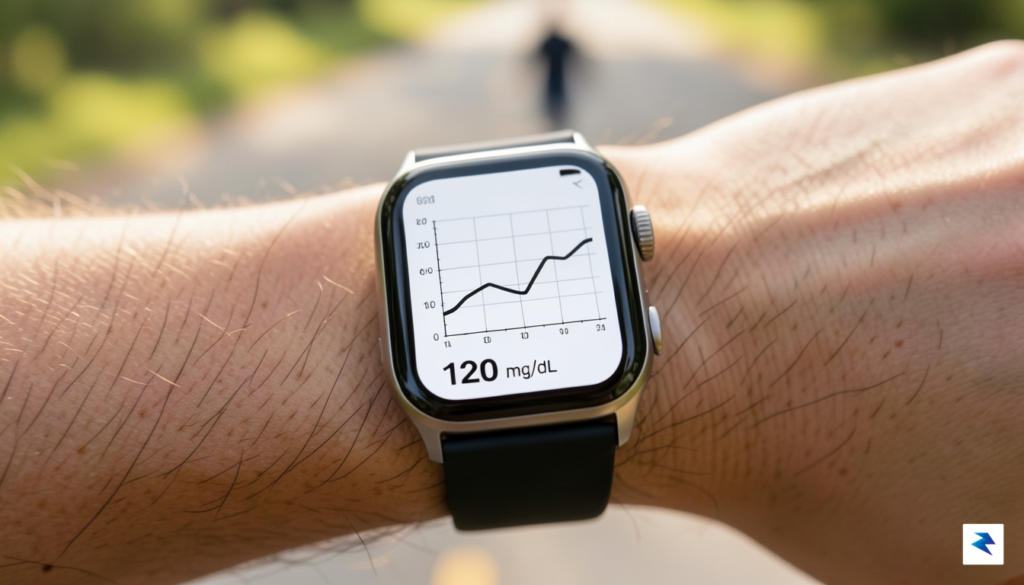
One of the most praised features for CGM users is the implementation of Apple Watch “Complications.” These small, customizable widgets can be pinned directly to the watch face, providing constant visibility of your current glucose number and trend arrow without requiring you to open a specific app. This reliability is a game-changer for maintaining tight glycemic control, as it reduces “decision fatigue” by providing immediate visual feedback on how specific meals or activities are impacting blood sugar levels. Furthermore, the ecosystem is built for stability; when properly configured, the watch maintains a persistent connection with the CGM transmitter, ensuring that alerts for hypoglycemia or hyperglycemia are delivered with urgent precision, even when the iPhone is tucked away in a pocket or bag.
The integration of CGM data into the Apple Watch is not just about convenience; it is about providing the granular, real-time insights necessary for proactive health management in a fast-paced world.
Beyond the immediate, real-time data, the Apple Watch acts as a vital bridge to the Apple Health app, which serves as a centralized, secure repository for your metabolic history. By automatically syncing glucose readings into the Health app, the system allows for long-term trend analysis that can be invaluable during appointments with an endocrinologist. Users can easily view their time-in-range metrics over weeks or months, helping them identify patterns that might otherwise go unnoticed. This comprehensive approach to data management transforms the smartwatch from a simple display tool into a sophisticated health dashboard, empowering users to make informed, data-driven decisions about their medication, diet, and overall lifestyle choices.
Samsung Galaxy Watch: Advanced Health Sensors and Metabolic Insights
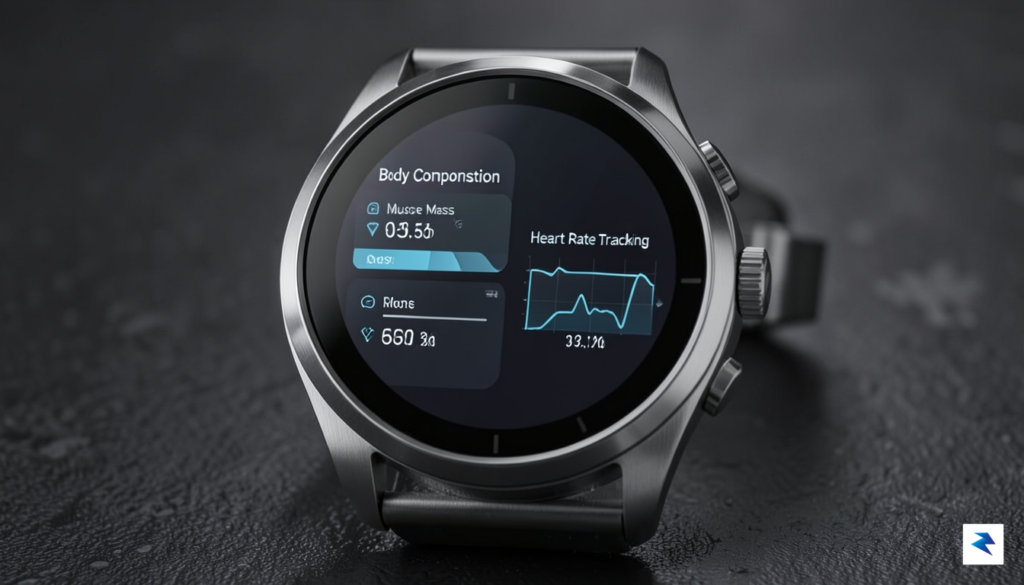
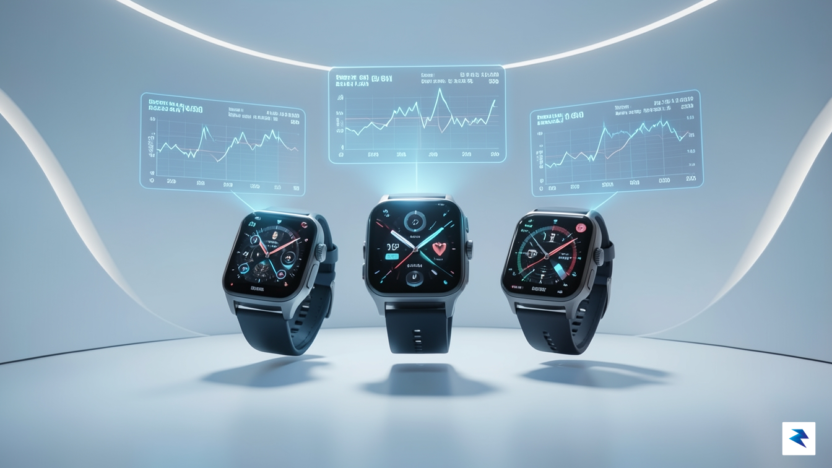
The Samsung Galaxy Watch series has carved out a unique space in the wearable market by prioritizing a holistic, ecosystem-driven approach to wellness. At the heart of this capability is the proprietary BioActive Sensor, a sophisticated piece of hardware that consolidates multiple health-monitoring functions into a single, compact module. By simultaneously tracking heart rate, electrical heart signals via ECG, and blood oxygen levels, the sensor provides a multi-dimensional view of how your body reacts to daily stressors. For individuals concerned with metabolic health, this constant stream of data is invaluable; it allows users to pinpoint exactly how physical exertion, rest, and environmental stress translate into physiological responses that may influence glucose volatility throughout the day.
Beyond standard vital signs, the Galaxy Watch stands out for its ability to analyze body composition through Bioelectrical Impedance Analysis (BIA). By measuring skeletal muscle mass, body fat percentage, and water weight, users gain a clearer understanding of their metabolic baseline. This data is critical because muscle mass significantly impacts insulin sensitivity and how efficiently the body clears glucose from the bloodstream. By tracking these body composition trends over weeks and months, you can better understand how changes in your fitness routine correlate with more stable metabolic patterns. Consistent monitoring effectively turns your watch into a dashboard for lifestyle management, helping you bridge the gap between sporadic medical check-ups and daily health maintenance.
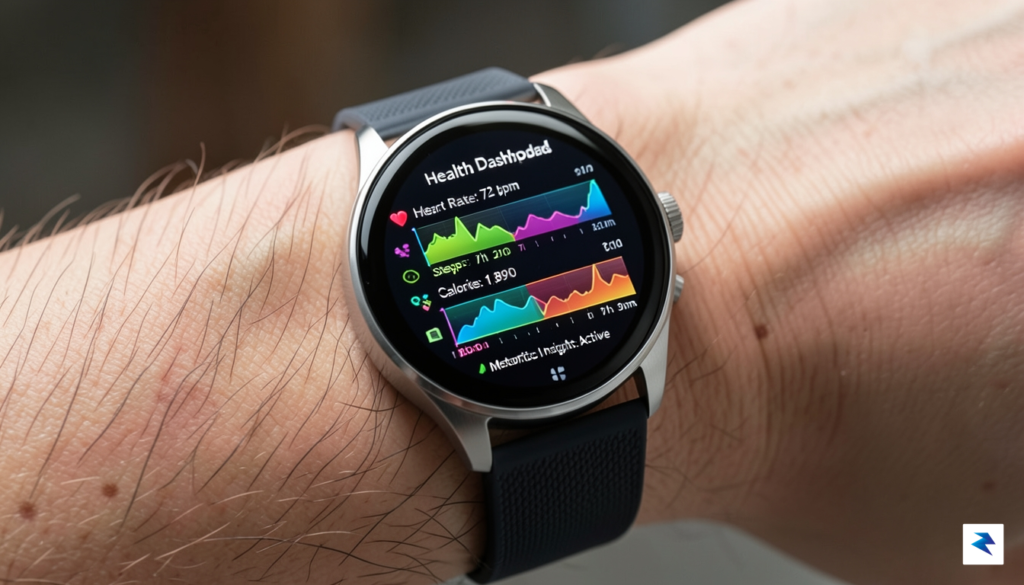
By integrating BioActive sensor data with daily habits, the Galaxy Watch helps users identify the specific lifestyle triggers that cause their glucose levels to fluctuate, turning raw data into actionable health strategies.
For those utilizing Continuous Glucose Monitors (CGMs), the Galaxy Watch ecosystem offers impressive integration potential. Through the Samsung Health platform, the watch can sync with various third-party applications that display real-time glucose readings directly on the watch face or through convenient notification tiles. This synergy is essential for users who want to see their CGM data alongside their active calorie burn and heart rate variability. When you can visualize your glucose spikes in relation to your step count or a high-intensity workout, the correlation between movement and metabolic health becomes undeniable. This seamless connectivity transforms the watch from a simple fitness tracker into a comprehensive tool for informed glucose management, allowing you to make real-time decisions about nutrition and physical activity with greater confidence.
Google Pixel Watch: The Fitbit Health Integration Approach
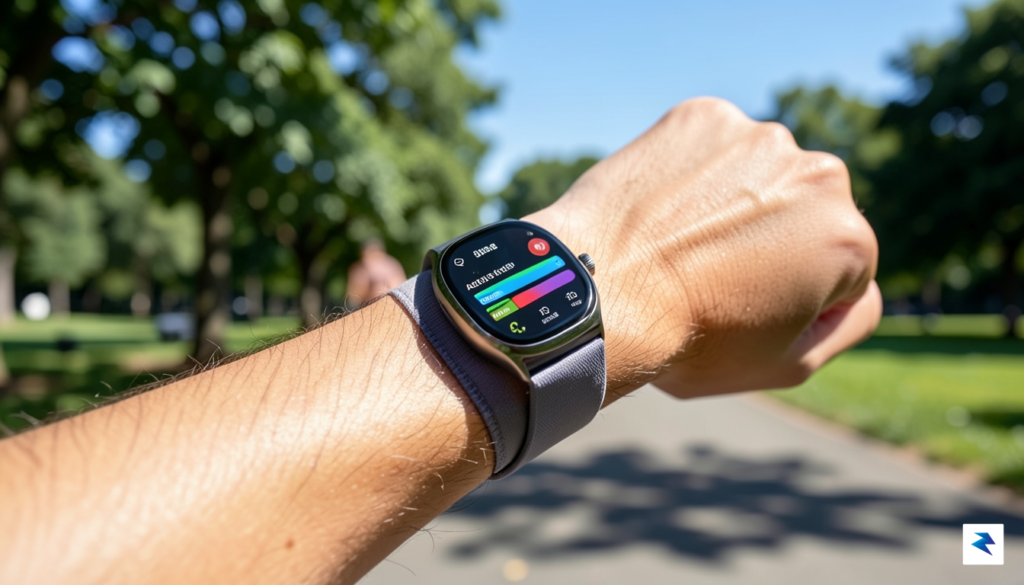
For users who view health management as a holistic endeavor, the Google Pixel Watch offers a compelling advantage through its seamless integration with the Fitbit ecosystem. Rather than attempting to function as a standalone medical diagnostic tool, the Pixel Watch acts as a sophisticated data collector that feeds into the mature Fitbit backend. This platform excels at transforming raw metrics—such as step counts, heart rate variability, and sleep stages—into a coherent narrative about how your lifestyle choices directly influence your metabolic health. By manually logging your glucose readings within the Fitbit app, you unlock a powerful layer of context that reveals how specific workouts or poor sleep quality might be impacting your blood sugar stability over time.
The true strength of the Fitbit integration lies in its data aggregation capabilities. When you consistently log your glucose levels, the app does not just present a list of numbers; it overlays this data onto your activity trends and recovery scores. For example, if you notice a spike in your glucose readings on days following a restless night, the Fitbit platform makes this correlation visually apparent. This feedback loop is instrumental for users who are trying to understand the “why” behind their fluctuations. It turns the daunting task of glucose management into a structured data-analysis project, where fitness tracking and metabolic tracking become two sides of the same coin.
The integration of manual glucose logging within the Fitbit app transforms the Pixel Watch from a simple fitness tracker into a comprehensive metabolic companion, allowing users to see the direct relationship between their daily movement and glucose outcomes.
Furthermore, the Pixel Watch is an ideal choice for the athlete who needs to manage glucose levels without compromising on performance tracking. Because the device is built on the foundation of Fitbit’s robust fitness algorithms, you gain access to detailed insights regarding your heart rate zones, VO2 max, and workout intensity. When you combine these fitness metrics with your glucose logs, you gain a granular understanding of how different types of exercise—such as high-intensity interval training versus steady-state cardio—affect your body’s glucose response. This level of granularity is essential for those who want to optimize their physical performance while maintaining tight control over their metabolic health, ensuring that exercise serves as a tool for stability rather than a source of unpredictable volatility.
How to Choose the Right Device for Your Glucose Management Needs
When selecting a wearable for glucose management, it is essential to first acknowledge a technical reality: current mainstream smartwatches do not feature integrated, non-invasive glucose sensors. Instead, the true value of these devices lies in their ability to act as a seamless secondary display for your Continuous Glucose Monitor (CGM) system. Therefore, your decision-making process should prioritize how well a watch integrates with your existing medical ecosystem rather than searching for a mythical built-in sensor that does not yet exist in reliable, FDA-cleared consumer hardware.
To navigate your options effectively, consider the following decision framework based on three primary pillars: ecosystem compatibility, battery longevity, and app accessibility.
The Decision Framework
- Phone Ecosystem: Your watch choice is almost entirely dictated by your smartphone. If you are deeply embedded in the Apple ecosystem, the Apple Watch is non-negotiable due to its tight integration with health APIs and reliable background data syncing. Conversely, if you carry a Samsung or Pixel device, opting for a Galaxy Watch or Pixel Watch ensures that your CGM alerts reach your wrist without the connectivity dropouts often associated with cross-platform pairing.
- Battery Life: 24/7 glucose monitoring is an energy-intensive task. If you require constant visibility of your blood sugar trends, you need a device that survives a full day of active usage plus sleep tracking. While the Apple Watch and Pixel Watch typically require daily charging, specific Galaxy Watch models often offer slightly better endurance, which can be critical for users who do not want to worry about their watch dying during a nocturnal hypoglycemia event.
- App Ecosystem: Not all smartwatches support the same third-party apps required to bridge the gap between a CGM sensor and your wrist. You must verify that your preferred CGM provider—such as Dexcom or FreeStyle Libre—offers a native watch face or complication that supports your specific model. Without this, you are relegated to checking your phone, which defeats the purpose of the wearable entirely.
Key Takeaway: Prioritize the stability of your data connection over aesthetic features. A watch that displays your glucose levels reliably and instantly is far more valuable than one with advanced fitness tracking but sporadic alert notifications.
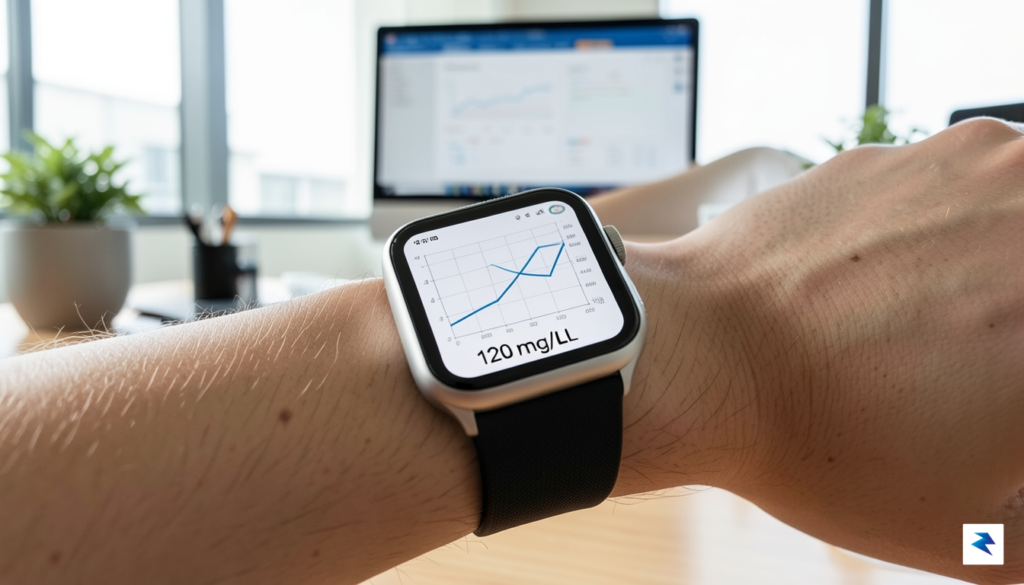
For the power user who demands granular data control, the Apple Watch remains the gold standard due to its mature health-tracking ecosystem and robust third-party app support. The fitness enthusiast, however, might prefer the Samsung Galaxy Watch, which balances health telemetry with a rugged build suitable for high-intensity workouts while still maintaining excellent CGM visibility. Finally, for the battery-conscious user, it is often wise to look toward devices that allow for “always-on” display modes with optimized power consumption, ensuring that your glucose data is always just a glance away without the constant anxiety of a dwindling battery percentage. Ultimately, the right device is the one that removes friction from your daily diabetes management routine, allowing you to focus on your health rather than your technology.
Crucial Safety Considerations and Medical Disclaimer
Before integrating any wearable technology into your diabetes management routine, it is vital to understand that current smartwatches are designed as wellness companions rather than clinical diagnostic tools. While the integration of Continuous Glucose Monitoring (CGM) data onto your wrist is undeniably convenient, these devices lack the regulatory certification required to serve as a primary source for medical decision-making. Relying on a watch face to determine your insulin dosage is a dangerous practice that can lead to severe hypoglycemia or hyperglycemia. Always treat your smartwatch as a supplementary information hub, and never deviate from the treatment protocols established by your endocrinologist or primary care physician.
The fundamental risk lies in the lag time and potential calibration errors inherent in sensor technology. Even the most advanced CGM systems can experience signal interference, compression lows, or sensor drift, which may lead to discrepancies between your watch readout and your actual blood glucose levels. Consequently, you must always cross-reference your smartwatch data with traditional finger-prick testing whenever you experience symptoms that do not align with your device’s display. If you suspect an acute medical emergency, trust your body’s physical signals and manual blood glucose measurements over digital trends, as a technological glitch should never delay life-saving intervention.
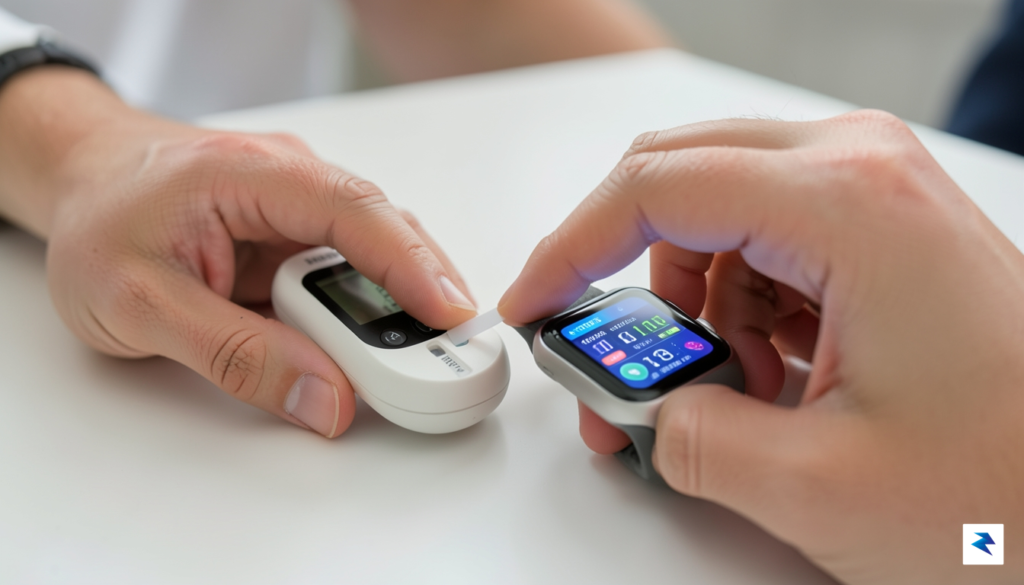
Medical Disclaimer: No wearable device currently on the market is a substitute for professional medical advice, diagnosis, or treatment. Always consult with your healthcare team before making changes to your diabetes management plan based on data from your smartwatch.
Beyond the immediate physical safety concerns, users must also prioritize data privacy and digital security when managing a chronic condition through wearable tech. When you sync your glucose data with third-party applications or cloud-based health platforms, you are sharing highly sensitive personal information that requires robust protection. Ensure that you are using secure, password-protected accounts and that you fully understand how your health data is being stored, encrypted, and potentially shared by the application developers. By maintaining a disciplined approach to both your physical health and your digital security, you can effectively leverage modern technology to support your long-term wellness goals without compromising your safety.
- Never adjust insulin or medication dosages based solely on a smartwatch notification.
- Always keep a manual glucose monitor nearby as a redundant safety measure.
- Review the privacy policy of any health-tracking app you connect to your wearable device.
- Consult your doctor if you notice consistent discrepancies between your CGM trends and finger-prick results.